
比亚迪

Search documents
中国电车“价格承诺”代替反补贴关税
数说新能源· 2026-01-13 08:08
Group 1 - The Ministry of Commerce of China announced progress in negotiations regarding electric vehicles (EVs) with the EU, emphasizing the need for general guidance on price commitments for Chinese exporters of battery electric vehicles (BEVs) to the EU [1] - The EU will issue a guidance document for submitting price commitment applications, which does not set a minimum price amount but establishes a framework for calculating the Minimum Import Price (MIP) based on different vehicle models [1] - Two main calculation paths for MIP are outlined: one based on the CIF price during the investigation period plus a margin equivalent to the anti-subsidy tax rate, and the other based on the sales price of similar non-subsidized vehicles produced in the EU, including reasonable profit margins [1] Group 2 - The "price commitment" will replace the previous median 20% anti-subsidy tariff, benefiting Chinese automakers' profitability in Europe, particularly for leading Chinese new energy companies focused on brand and quality [2] - The battery cell procurement by major manufacturers is balancing performance and cost considerations [6] - CATL is experiencing growth in the energy storage market that exceeds that of the power market [9]


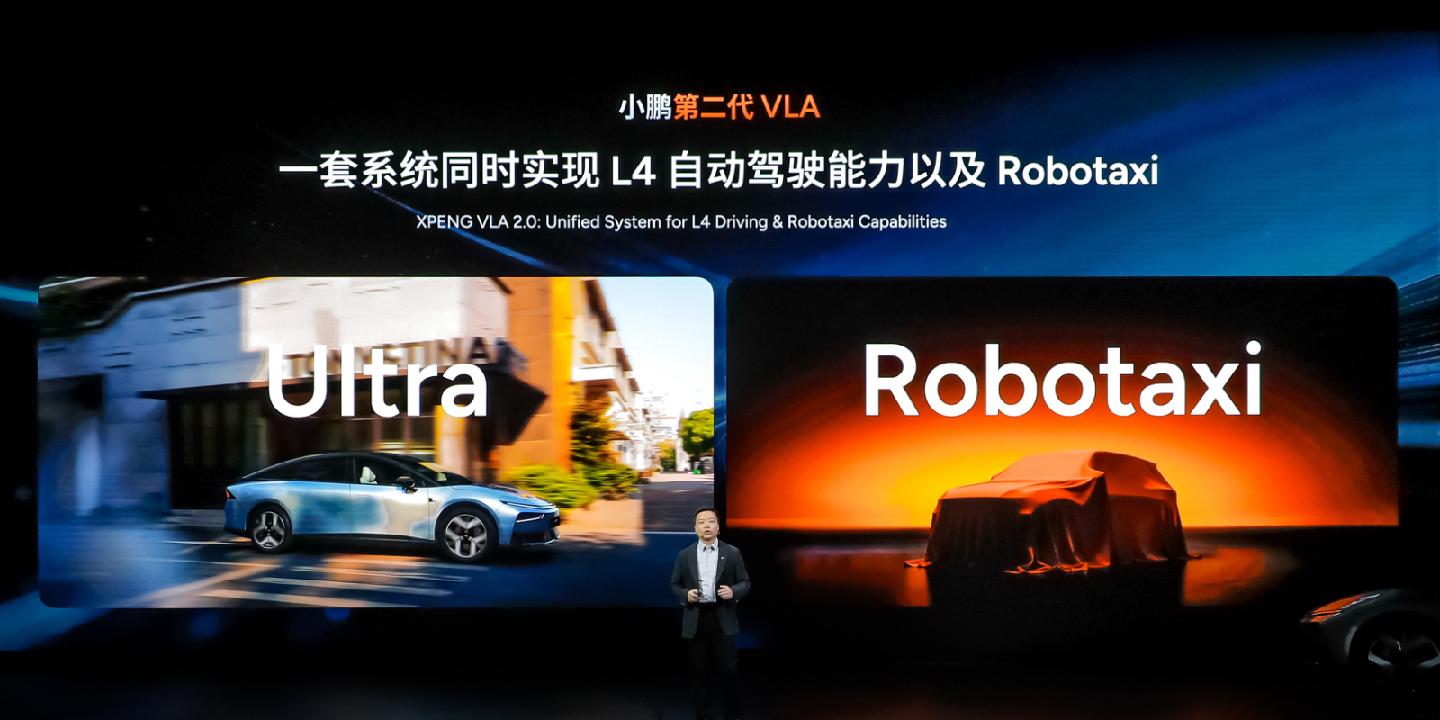
主打VLA2.0+超级增程技术,小鹏汽车四车同发开启2026年攻势
Jing Ji Guan Cha Wang· 2026-01-13 07:57
Core Insights - Xiaopeng Motors launched four new models at its global product launch on January 8, 2026, marking a significant push into the electric vehicle market with a focus on advanced technology and competitive pricing [4][6] - The company aims to leverage its VLA2.0 intelligent driving technology and Kunpeng super-range system to enhance its market position amidst a slowing automotive market [4][7] Group 1: Product Launch and Technology - The new models include the 2026 Xiaopeng P7+, G7 super-range, G6, and G9, priced between 170,000 to 270,000 yuan, showcasing a comprehensive attack on the electric vehicle market [4] - VLA2.0 technology, which eliminates traditional language translation steps, allows for direct conversion of visual information from cameras into vehicle control commands, enhancing the driving experience [4][5] - The VLA2.0 system has been trained on 1 billion kilometers of data and is expected to enable L3 level autonomous driving capabilities by March 2026 [5] Group 2: Market Strategy and Pricing - Xiaopeng's pricing strategy aims to position its vehicles as "smart-first" options in the 200,000 yuan market, offering advanced features at competitive prices [6] - The P7+ super-range version starts at 186,800 yuan, while the G7 super-range version starts at 195,800 yuan, both featuring high-end intelligent driving and fast-charging capabilities [6] - The company plans to cover a broader user base with its four-car strategy, addressing previous limitations in product diversity and enhancing market competitiveness [6][7] Group 3: Market Outlook and Challenges - The automotive market is expected to face significant pressure in 2026, with a projected 1% growth in retail sales and a 13% increase in new energy vehicle sales, down from 17.6% in 2025 [4][7] - Xiaopeng Motors aims to differentiate itself through technology and product strength, focusing on L4 level intelligent driving technology and range extension to alleviate consumer concerns about battery life [7] - Despite achieving significant growth in overseas sales, the company has yet to achieve profitability, and ongoing high R&D investments continue to exert pressure [7]
2025年钠离子电池市场盘点——全年3.45GWh,产业发展迈入新阶段
鑫椤锂电· 2026-01-13 07:38
Core Viewpoint - The sodium-ion battery and materials industry is expected to experience rapid growth in 2025, driven by global energy transition and lithium resource price fluctuations, transitioning from the R&D phase to industrialization [1] Production and Market Overview - In 2025, China's sodium-ion battery production is projected to reach 3.45 GWh, nearly doubling from 1.76 GWh in 2024 [1] - The energy storage sector will dominate downstream applications, accounting for 52%, followed by light-duty power (20%) and start-stop applications (17%), with the power sector representing less than 10% [1] Technical Route and Pricing - By 2025, the polyanion (NFPP) route will establish a dominant position, comprising about 70%, while the layered oxide route will drop from 72% in 2024 to 28% [3] - Sodium battery prices are expected to trend downward, with layered oxide products priced higher than polyanion products. The average price for layered oxide cells is between 0.55-0.6 yuan/Wh, while NFPP cells range from 0.45-0.55 yuan/Wh [5] Market Segmentation Energy Storage Market - Major sodium-ion energy storage system projects are concentrated in regions like Hubei, Yunnan, Guangdong, Guangxi, and Shanghai, with prices dropping from approximately 1.3 yuan/Wh at the beginning of the year to below 0.7 yuan/Wh by Q4 [8] - Sodium-ion batteries are expected to gradually replace lead-acid batteries in data centers and communication base stations, with higher acceptance in overseas markets, particularly Europe [8] Light-Duty Power Market - The light-duty power sector will account for 20% of the downstream market in 2025, with sodium-ion batteries being adopted by several electric two-wheeler manufacturers [10] - The penetration rate of sodium-ion batteries in the small power market is expected to reach 30%-40% due to their low cost and long cycle life advantages [10] Start-Stop Battery Market - Sodium-ion batteries are rapidly emerging in the start-stop battery market for vehicles, with nearly 30 battery companies launching sodium-ion start-stop power products [11] - The market size for start-stop batteries is estimated to approach 100 billion yuan [11] Power Market - Progress in the passenger vehicle sector is slow due to low energy density, while commercial vehicles are actively exploring applications [13] - Sodium-ion batteries are expected to find breakthroughs in range-extended and hybrid models where high cycle counts are required [13] Competitive Landscape - The market is dominated by polyanion and layered oxide routes, with leading companies like Vico Technology, Haifida, and Pioneering Technology focusing on polyanion applications [15] - Major players include CATL and BYD in lithium batteries, and new entrants like Zhongke Haina and Qingna Technology in sodium batteries [15] Future Outlook - The sodium-ion battery industry is anticipated to enter a phase of large-scale application in 2026, supported by technological advancements, cost reductions, and policy backing [22] - Energy density and cycle life are expected to improve, with mainstream sodium batteries achieving energy densities of 170-180 Wh/kg and polyanion batteries reaching 110-120 Wh/kg [23] - The cost of sodium batteries is projected to fall below 0.40 yuan/Wh by 2026, enhancing their competitiveness in energy storage and low-speed electric vehicle applications [23]

2026/1/5-2026/1/9汽车周报:供应链涨价、购置税兜底驱缓,关注通胀环节投资机会-20260113
Shenwan Hongyuan Securities· 2026-01-13 06:50
Investment Rating - The report maintains a positive outlook on the automotive industry, particularly focusing on companies with strong supply-demand dynamics and pricing power, as well as those with technological cost-reduction capabilities [1][2]. Core Insights - The report highlights the impact of rising prices for memory, copper, aluminum, and key components, which are expected to lead to an upward trend in consumer vehicle prices. It suggests focusing on supply chain companies like Fuda, Bertley, Minshi, Top, and Jingu, as well as mid-to-high-end vehicle manufacturers such as Xiaopeng, NIO, Li Auto, BAIC, and Jianghuai [1]. - The report emphasizes the potential for profit recovery in the used car sector and improved profitability for dealers due to the industry's inflationary pricing cycle, recommending companies like Uxin [1][2]. - The report notes that the official implementation of new subsidies is expected to boost demand primarily in the mid-to-low-end market, with companies like BYD and Geely being highlighted for their performance potential [2]. Market Updates - According to the China Passenger Car Association, the average daily retail sales of passenger cars in the last week of December reached 123,000 units, a year-on-year increase of 17% [2]. - The automotive industry index rose by 2.53% this week, while the overall market index (CSI 300) increased by 2.79%, indicating that the automotive sector's performance was below the broader market [12]. - The report indicates that 201 automotive stocks rose while 68 fell, with the largest gainers being Siling Co., Jingu Co., and Kaizhong Co., which saw increases of 30.5%, 26.3%, and 23.3%, respectively [18]. Key Events - The Ministry of Industry and Information Technology announced the 403rd batch of new car approvals, which includes notable models such as Xiaomi SU7, NIO ES9, and BYD's new models [3][4][5]. - The report discusses the rising costs of memory impacting the automotive industry, with NIO's founder highlighting that memory prices are becoming a significant cost pressure compared to traditional materials like lithium [6][7]. - A joint initiative by nine government departments aims to promote green consumption, with a focus on supporting the purchase of new energy vehicles and enhancing the automotive supply chain [10][11][26]. Financial Analysis - The automotive industry currently has a price-to-earnings ratio of 30.20, ranking 18th among all primary industries, indicating a moderate valuation compared to the broader market [15]. - The report notes that there are no companies facing stock unlocks in the upcoming week, which may provide stability in the market [21]. Company Recommendations - The report recommends focusing on companies with strong positions in AI and robotics, such as Desay SV, Jingwei Hirain, and Kobot, which are expected to benefit from the industry's technological advancements [1][2]. - It also suggests monitoring component manufacturers with solid earnings support and relatively low valuations, including Yinlun, Fuda, Shuanghuan, Jifeng, Minshi, Xingyu, and Ningbo Huaxiang [2].

比亚迪前高管加入智界,任智界汽车执行董事及执行副总裁
Bei Jing Shang Bao· 2026-01-13 06:20
Core Viewpoint - Former BYD executive Zhao Changjiang has officially joined Zhijie Automotive as the Executive Director and Executive Vice President, marking a significant leadership change in the company [1]. Company Summary - Zhao Changjiang has a long tenure of 16 years at BYD, where he served in various capacities, including General Manager of Tengshi Sales Company starting in 2021 [1]. - His departure from BYD was officially announced in October 2025, indicating a strategic shift in his career towards Zhijie Automotive [1].
比亚迪老将赵长江官宣加入智界
2 1 Shi Ji Jing Ji Bao Dao· 2026-01-13 06:07
Core Insights - Zhao Changjiang, former general manager of BYD's Tengshi brand, has officially joined Hongmeng Zhixing - Zhijie Automobile as the executive vice president, focusing on creating a user-centered global smart brand [1][2] - His tenure at BYD lasted 16 years, where he significantly contributed to the sales and marketing strategies, including the successful launch of models like Han and Tang [2] Group 1 - Zhao Changjiang announced his new role at Zhijie Automobile on January 13, emphasizing the goal of building a unique "AI era user-friendly system" [1] - Prior to his official announcement, he hinted at his new position by commenting on a promotional video for Zhijie V9, suggesting it would have no competitors for at least three years [1] - His career at BYD peaked when he became the youngest sales director in the company's history at age 31, leading to the successful development of key models [2] Group 2 - Under Zhao's leadership, Tengshi underwent significant transformations, including brand renewal and product restructuring, with the D9 model achieving monthly sales of 9,000 to 10,000 units [2] - In July 2025, Zhao was involved in a high-level executive rotation within BYD, transitioning to manage the direct sales of the Fangchengbao brand before leaving the company [2] - Following his departure from BYD, Zhao expressed gratitude for the support he received during his tenure and indicated a desire to find a new rhythm in his professional and personal life [2]
比亚迪老将赵长江官宣加入智界
21世纪经济报道· 2026-01-13 06:03
Group 1 - Zhao Changjiang, former general manager of BYD's Tengshi brand, has officially joined Hongmeng Zhixing - Zhijie Automobile as the executive director and executive vice president, aiming to create a user-centered global benchmark smart brand [1][2] - During his tenure at BYD, Zhao Changjiang held various positions for 16 years, eventually becoming the youngest general manager of BYD's automotive sales company at the age of 31, leading the development of key models like Han and Tang [2] - Under Zhao's leadership, Tengshi brand underwent significant transformations, including brand renewal and product restructuring, with the MPV model Tengshi D9 achieving monthly sales of 9,000 to 10,000 units [2] Group 2 - Zhao Changjiang's transition to Zhijie Automobile was preceded by a brief period of rest after leaving BYD, where he expressed gratitude for the support received during his career [2] - The market reacted positively to Zhao's comments about the Zhijie V9, suggesting it would have no competitors for at least three years, indicating strong confidence in the product's potential [1]

腾势前高管赵长江宣布加入智界汽车
Xin Jing Bao· 2026-01-13 05:39
Core Viewpoint - Zhao Changjiang, a former senior executive at BYD, has joined Zhijie Automobile under Hongmeng Zhixing, indicating a strategic shift in leadership within the electric vehicle sector [1] Group 1: Executive Transition - Zhao Changjiang has been appointed as the Executive Director and Executive Vice President of Zhijie Automobile, marking a significant leadership change [1] - He expressed gratitude towards BYD for its nurturing and emphasized his commitment to creating a user-centric global benchmark smart brand at Zhijie [1] Group 2: Background of Zhao Changjiang - Zhao joined BYD in 2009 and held various positions, including Regional Sales Manager and General Manager of BYD Auto Sales Co., Ltd. [1] - He became the General Manager of the Tengshi brand division in October 2021 and later switched roles with another executive in July 2025 before leaving BYD in October of the same year [1]
原比亚迪16年老将赵长江官宣,任智界执行董事及执行副总裁
Nan Fang Du Shi Bao· 2026-01-13 05:22
Group 1 - Zhao Changjiang has officially joined Zhijie Automobile as Executive Director and Executive Vice President after a long tenure at BYD, where he held various key positions for 16 years [2][6] - During his time at BYD, Zhao was instrumental in the development of significant models such as the Han and Tang, and he led the brand transformation of Tengshi, achieving remarkable sales figures for the MPV model Tengshi D9, which maintained monthly sales of 9,000 to 10,000 units [6] - Zhao expressed his commitment to creating a user-centered global benchmark smart brand at Zhijie Automobile, emphasizing the importance of user value, technological innovation, and industry advancement [1][5] Group 2 - Prior to the official announcement of his new role, Zhao had already promoted Zhijie on social media, indicating a strong belief in the potential of the upcoming flagship MPV, Zhijie V9, which is set to debut in spring [5] - Zhao's career at BYD began in 2009 as a sales manager, and he quickly rose through the ranks due to his outstanding performance in the Beijing-Tianjin region [6] - In 2017, at the age of 31, Zhao became the youngest sales leader in BYD's history, showcasing his rapid ascent within the company [6]
中泰国际:近日环球不明朗因素渐增,美国有意缓和格陵兰的言论,升温,或实质动摇美
ZHONGTAI INTERNATIONAL SECURITIES· 2026-01-13 05:20
Market Overview - The Hang Seng Index closed at 26,608 points, up 1.4%, while the Hang Seng China Enterprises Index rose 1.9% to 9,220 points[1] - Total turnover in Hong Kong stocks reached HKD 306.2 billion, a 24.9% increase from HKD 245.1 billion last Friday, indicating positive investor sentiment[1] - Key sectors such as consumer discretionary, information technology, and materials rose by 3.5%, 2.2%, and 2.2% respectively, while energy fell by 0.3%[1] Stock Performance - Alibaba Health (241 HK) and Kuaishou (1024 HK) led the gains, rising by 10.2% and 7.4% respectively[1] - Midea Group (300 HK) and Shenzhou International (2313 HK) were the biggest losers, both down by 2.8%[1] Global Economic Factors - Increasing global uncertainties include investigations into Fed Chair Powell and rising tensions regarding Greenland, which may impact US-EU relations[1] - Oil prices fluctuated between USD 58 and 59 due to expectations of ample supply, while gold prices approached a new high of USD 4,600[1] US Market Insights - The Dow Jones Industrial Average closed at 49,590 points, up 0.2%, amid concerns over Trump's potential interventions in the financial sector[2] - The Hang Seng Index futures closed at 26,994 points, indicating a premium of 386 points, suggesting a continuation of the upward trend in Hong Kong stocks[2] Real Estate Dynamics - In mainland China, the transaction volume of new homes in 30 major cities reached 1.16 million square meters, a year-on-year decline of 39.9%[3] - The decline in transactions was more severe than the previous week's drop of 15.1%, with first, second, and third-tier cities experiencing declines of 41.5%, 34.6%, and 46.8% respectively[3] Industry Highlights - The AI sector in Hong Kong saw significant gains, with companies like SenseTime (20 HK) and Fourth Paradigm (6682 HK) rising by 6.9% and 17.5% respectively[4] - The healthcare index rose by 1.1%, with WuXi Biologics (2269 HK) expected to achieve double-digit revenue growth by 2025[5] Renewable Energy Sector - The photovoltaic sector rebounded, with stocks like Xinyi Solar (968 HK) and Flat Glass Group (6865 HK) increasing by 1.9% to 3.8%[6] - The cancellation of VAT export rebates for photovoltaic products is expected to stabilize export prices in the long term[6]