迈瑞医疗

Search documents
创业板指突破2024年10月新高,创业板ETF天弘(159977)涨超2%,机构:下半年市场或冲击新高
2 1 Shi Ji Jing Ji Bao Dao· 2025-08-18 02:23
Market Performance - On August 18, the three major indices experienced fluctuations and rose, with the Shanghai Composite Index surpassing 3700 points and the ChiNext Index breaking through 2576.22 points, marking a new high since February 15, 2023 [1] - The leading sectors included telecommunications, media, and computers [1] ETF and Fund Management - The Tianhong ChiNext ETF (159977) increased by 2.02%, with a trading volume exceeding 22 million yuan and a premium/discount rate of 0.06% [1] - Tianhong Fund announced a reduction in management and custody fees for the ChiNext ETF and its connecting funds, effective from August 15, lowering them to 0.15% and 0.05% respectively, making them the lowest in the market for index funds [1] Industry Insights - The ChiNext Index (399006.SZ) closely tracks the performance of 100 representative companies listed on the ChiNext board, reflecting the operational status of the emerging industries and high-tech enterprises [2] - As of August 18, the total box office for the summer movie season in 2025 reached 9.956 billion yuan, with total audience numbers exceeding 260 million, showing significant growth compared to the previous year [2] Market Outlook - According to Everbright Securities, the market may reach new highs in the second half of the year, driven by short-term and long-term expectations, including continuous improvement in fundamentals and opportunities from emerging industries [3] - Key sectors to watch include machinery and power equipment for short-term recovery, and consumption, technology independence, and dividend stocks for long-term growth [3] - According to Xinda Securities, the current market may be in the early stages of a bull market, with potential shifts in market style as it progresses [3]

创业50ETF(159682)开盘涨0.36%,重仓股宁德时代涨0.00%,东方财富涨0.82%
Xin Lang Cai Jing· 2025-08-18 01:39
Core Viewpoint - The article discusses the performance of the Chuangye 50 ETF (159682) and its major holdings, highlighting the fund's recent returns and the performance of its constituent stocks [1]. Group 1: ETF Performance - On August 18, the Chuangye 50 ETF (159682) opened with a gain of 0.36%, priced at 1.126 yuan [1]. - Since its inception on December 23, 2022, the fund has achieved a return of 12.22%, with a one-month return of 14.49% [1]. Group 2: Major Holdings Performance - Key stocks in the Chuangye 50 ETF include: - Ningde Times: 0.00% change - Dongfang Fortune: +0.82% - Huichuan Technology: +0.37% - Zhongji Xuchuang: +1.50% - Mindray Medical: 0.00% - Xinyi Sheng: +0.06% - Sunshine Power: +1.29% - Shenghong Technology: +0.13% - Yiwei Lithium Energy: +0.92% - Tonghuashun: -0.14% [1].






研判2025!中国微量注射泵行业政策汇总、市场规模、竞争格局及发展趋势分析:人口老龄化化加剧,推动行业规模增长至33.56亿元[图]
Chan Ye Xin Xi Wang· 2025-08-18 01:21
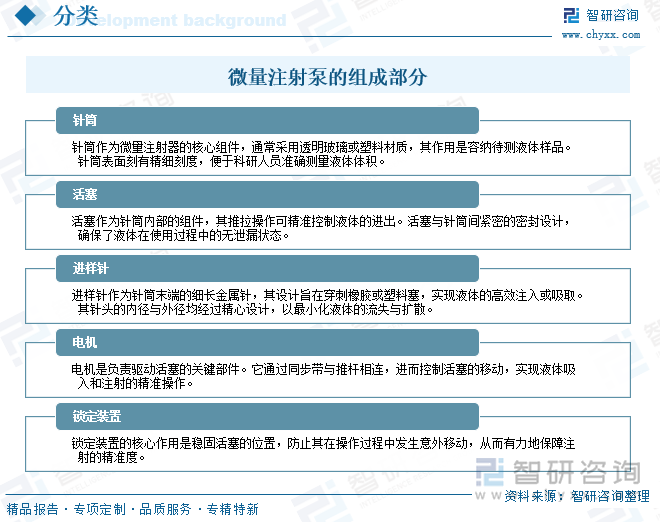
内容概要:微量注射泵作为现代医疗的关键设备,正以给药、智能控制为核心,推动着临床治疗的安全 性与效率升级。随着人口老龄化与慢性病管理需求激增,微量注射泵的市场规模持续扩张。数据显示, 2019年中国微量注射泵行业市场规模达到24.77亿元,到了2024年行业市场规模增长至33.56亿元,年复 合增长率为6.3%。预计未来随着医疗技术的不断进步以及对精准医疗需求的上升,微量注射泵的市场 渗透率持续提高,行业整体呈现出稳步增长的态势。 相关上市企业:迈瑞医疗(300760)、华阳智能(301502)、微创医疗(00853)、鱼跃医疗 (002223)、中红医疗(300981)等。 相关企业:深圳圣诺医疗设备股份有限公司、上海安洁电子设备有限公司、浙江史密斯医学仪器有限公 司、郑州瑞宇科技有限公司、大连万德电子有限公司、苏州泽德医疗器械有限公司、上海蓝德医疗器械 有限公司、广州欧浦瑞医疗科技有限公司、北京思路高高科技发展有限公司、深圳麦科田生物医疗技术 股份有限公司等。 关键词:微量注射泵行业相关政策、微量注射泵行业产业链、微量注射泵行业市场规模 一、微量注射泵行业相关概述 微量注射泵(简称微量泵)是一种新型泵力仪 ...


广发策略:如果美联储降息,利好哪些资产和行业?
Sou Hu Cai Jing· 2025-08-17 09:38
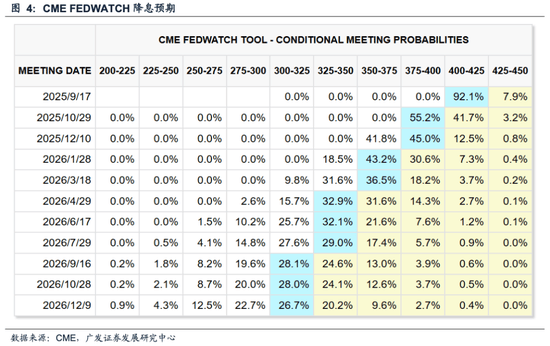
Group 1 - The Federal Reserve is expected to initiate a new round of "preventive" interest rate cuts in September 2024, influenced by concerns over inflation due to tariffs, although the rate cuts may face temporary pauses [1][19] - Recent data shows that July's non-farm employment figures were weaker than expected, and the core inflation rate for July has shown a decline in prices for core goods heavily reliant on imports, indicating manageable inflation pressure [1][19] - The market anticipates a 92.1% probability of a 25 basis point rate cut in September, reflecting expectations of a shift in monetary policy [21] Group 2 - Historical analysis indicates that during previous rounds of preventive rate cuts, U.S. equity markets performed well, with a general recovery in market fundamentals [2][19] - The current global capital rebalancing is driven by a weakening U.S. economy and dollar, leading to a shift of funds towards non-U.S. assets, particularly those with stronger short-term economic prospects [6][26] - Assets such as gold and cryptocurrencies are expected to attract capital due to their status as safe-haven alternatives to the dollar [28][29] Group 3 - A-shares are positioned to attract foreign investment due to their strong performance since July, despite the absence of significant changes in domestic fundamentals [8][36] - The narrowing interest rate differential between China and the U.S. following Fed rate cuts is likely to encourage capital inflows into China, providing additional monetary policy space [38][41] - The anticipated marginal changes in domestic fundamentals and policies in the second half of the year are expected to enhance foreign investor confidence in A-shares [41][42] Group 4 - Foreign investment preferences indicate a focus on local, competitive assets, with a tendency to favor industries that align with the current economic landscape [10][12] - Historical trends show that foreign investors favor core competitive industries and are willing to tolerate higher valuations, prioritizing stable and sustainable earnings [12][45] - The analysis of foreign investment in Taiwan's stock market reveals a preference for large-cap, high-ROE industry leaders, with a significant focus on the electronics sector [43][45]
医疗内卷突围:就在上海交大医健未来领军人才!10期开学倒计时
思宇MedTech· 2025-08-17 00:10
Core Insights - The article emphasizes the importance of innovation in the medical technology sector, particularly in China, and aims to connect clinical practices, capital, channels, and regulations to drive high-quality development in the industry [1]. Group 1: Medical Ecosystem and Innovation - The Shanghai Jiao Tong University School of Medicine is highlighted as a key player in fostering medical innovation and providing strong academic support and clinical resources for entrepreneurs [9][8]. - The establishment of the first incubation fund for alumni in the medical field aims to lead early-stage investments in medical technology, enhancing the ecosystem [8]. - The article discusses the unique value of the medical and health ecosystem, which integrates various stakeholders including research institutions, hospitals, and investment funds [10][29]. Group 2: Entrepreneurial Mindset and Strategic Development - The curriculum focuses on developing an entrepreneurial mindset, helping participants navigate complex market conditions and make informed strategic decisions [13][12]. - The "Value Engine Methodology" is introduced as a framework for fostering strategic thinking, innovation capabilities, and leadership skills among entrepreneurs [14][9]. - The program includes modules on industry trends, strategic execution, and business model design, aimed at equipping participants with the necessary tools to thrive in the medical industry [18][24]. Group 3: Industry Trends and Challenges - The article outlines the current challenges and trends in the medical industry, emphasizing the need for adaptability and strategic foresight in a rapidly changing environment [11][22]. - It discusses the implications of macroeconomic factors on the medical sector and the importance of understanding underlying growth logic [22]. - The curriculum also addresses specific areas such as the aging economy, consumer healthcare trends, and the integration of new technologies in medical applications [28][25].
进一步促进养老服务消费
Jing Ji Ri Bao· 2025-08-16 21:45
Core Viewpoint - China has entered a moderately aging society, with the population aged 65 and above expected to reach 220 million by the end of 2024, accounting for 15.6% of the total population. To better meet the service needs of the elderly, the Ministry of Civil Affairs and 24 other departments jointly issued measures to promote elderly care service consumption and improve the quality of life for seniors [1]. Group 1: Development of Elderly Care Services - The "14th Five-Year Plan" has promoted the coordinated development of elderly care services and the elderly care industry, combining responses to population aging with economic and social development [2]. - Home-based elderly care services have expanded significantly, with 441,000 family care beds constructed and 798,000 home care visits provided, addressing the needs of vulnerable elderly individuals [2]. - By the end of 2024, there will be 366,000 community elderly care service institutions and facilities across the country, with 75,000 elderly meal assistance points established [3]. Group 2: Institutional Care and Support - The total number of various elderly care institutions and facilities is projected to reach 406,000 by the end of 2024, with a total of 7.993 million beds, of which nursing beds account for 65.7% [3]. - The government has implemented consumption subsidies for elderly individuals with moderate to severe disabilities, allowing them to use electronic vouchers to offset costs for various elderly care services [4]. - A long-term care insurance system has been initiated, with over 14.6 million individuals benefiting from the program by the end of 2024 [6]. Group 3: Innovation in Elderly Care - The government has emphasized the development of "smart+" elderly care services, promoting new technologies and products to enhance elderly care [8]. - Various regions have launched platforms for elderly care service information, enabling easy access to over 400,000 elderly care institutions and community facilities [9]. - The integration of technology in elderly care is being accelerated, with significant investments in research and development of smart health products and services [10]. Group 4: Cross-Industry Integration - The government supports the integration of elderly care services with other industries such as healthcare, culture, and tourism, creating new consumption models [13]. - Cultural elderly care initiatives have been introduced, allowing seniors to engage in traditional cultural experiences, enhancing their social integration [14]. - The development of travel products tailored for seniors has gained traction, with specialized travel routes catering to their preferences [14]. Group 5: Education and Training for Seniors - There is an increasing focus on providing educational opportunities for seniors, with various programs aimed at enhancing their skills and interests [15]. - Local governments are establishing comprehensive educational systems for seniors, integrating resources to improve accessibility and participation [16]. Group 6: Challenges and Future Directions - Despite advancements, challenges remain in resource integration, talent supply, and service quality in the elderly care sector [17]. - The government aims to enhance the regulatory framework and support systems for the elderly care industry, ensuring sustainable development and improved service delivery [21].
医药生物周报(25年第31周):机接口政策频出,关注国内脑机接口产业链-20250816
Guoxin Securities· 2025-08-16 13:50
Investment Rating - The report maintains an "Outperform" rating for the pharmaceutical and biotechnology sector [5][39]. Core Insights - The pharmaceutical sector has shown stronger performance compared to the overall market, with a total A-share increase of 2.04% and a decline of 0.84% in the biotechnology sector [1][30]. - The brain-computer interface (BCI) industry is rapidly developing, supported by recent government policies and successful clinical trials, indicating significant growth potential [2][11]. - The report emphasizes the importance of innovative drugs and their supporting infrastructure, highlighting the positive impact of adjustments in medical insurance and commercial health insurance on domestic innovative drug sales [3][39]. Summary by Sections Market Performance - The overall A-share market increased by 2.04%, while the biotechnology sector decreased by 0.84%, indicating a weaker performance relative to the market [1][30]. - The current price-to-earnings (P/E) ratio for the pharmaceutical sector is 38.77x, which is at the 80.28th percentile of its historical valuation over the past five years [1][35]. Brain-Computer Interface Industry - The BCI industry is characterized by a growing number of supportive policies and technological advancements, with a focus on both invasive and non-invasive methods [2][11]. - The market for non-invasive BCIs is the primary research direction, accounting for 86% of the market share [11][16]. - The potential market size for serious medical applications of BCIs is estimated between $15 billion and $85 billion, while consumer medical applications could reach $25 billion to $60 billion [16]. Key Companies and Investment Recommendations - **Mindray Medical (300760.SZ)**: Rated "Outperform" with projected net profits increasing from 116.7 billion in 2024 to 161.9 billion in 2027 [4]. - **WuXi AppTec (603259.SH)**: Rated "Outperform" with expected net profits rising from 93.5 billion in 2024 to 145.1 billion in 2027 [4]. - **Aier Eye Hospital (300633.SZ)**: Rated "Outperform" with a focus on expanding its service network and enhancing service prices [39]. - **Huitai Medical (688617.SH)**: Rated "Outperform" with a strong focus on electrophysiology and interventional medical devices [40]. - **Innovative Medical (002173.SZ)**: Rated "Outperform" with ongoing clinical trials and expected registration of medical devices [39].





华创医药投资观点、研究专题周周谈第139期:第三方医学影像服务潜力巨大,AI推动数据掘金-20250816
Huachuang Securities· 2025-08-16 08:53
Investment Rating - The report maintains a "Recommended" rating for the pharmaceutical sector, highlighting optimism for growth in 2025 and beyond due to low valuations and favorable macroeconomic conditions [9][36]. Core Insights - The report emphasizes the significant potential of third-party medical imaging services, driven by AI technology, which is expected to enhance data utilization and operational efficiency [12][16]. - The medical imaging service market in China is projected to grow from CNY 2,709 billion in 2023 to CNY 6,615 billion by 2030, with a CAGR of 13.6% [20]. - The report identifies a shift in the pharmaceutical industry from quantity to quality, particularly in innovative drugs, suggesting a focus on differentiated products and internationalization [9][36]. Market Overview - The medical imaging service market has seen a growth from CNY 1,474 billion in 2018 to CNY 2,709 billion in 2023, with a CAGR of 12.9% [20]. - The report notes that the penetration rate of third-party imaging centers in China is currently around 1%, compared to over 40% in the US, indicating substantial growth potential [29][30]. - The report highlights the increasing importance of AI in medical imaging, which enhances diagnostic accuracy and operational efficiency [31][32]. Sector-Specific Insights Innovative Drugs - The report forecasts that the revenue share of innovative products will rise from 12% in 2018 to 41.8% in 2024, with expectations to exceed 50% by 2025 [36]. - Companies like BeiGene, Innovent, and others are recommended for their strong pipelines and potential for international collaboration [9][36]. Medical Devices - The report indicates a recovery in the bidding volume for imaging equipment, with significant growth expected in the home medical device market due to supportive policies [9][40]. - Companies such as Mindray and United Imaging are highlighted for their potential in the imaging equipment sector [9][40]. Traditional Chinese Medicine - The report suggests focusing on essential medicines and state-owned enterprise reforms, with companies like Kunming Pharmaceutical and Kangyuan Pharmaceutical recommended [48]. Medical Services - The report sees potential in the medical services sector, particularly for companies like Guosheng Tang, which are well-positioned for national expansion [47]. Life Sciences Services - The report notes a recovery in demand for life sciences services, driven by increased investment in domestic biopharmaceuticals and a shift towards domestic production [44]. Pharmacy Sector - The report highlights the accelerating trend of prescription outflow and the optimization of competitive dynamics in the pharmacy sector, recommending companies like YaoBai and YiFeng Pharmacy [45].
同志醒醒,又到3700点了!
Sou Hu Cai Jing· 2025-08-15 16:46
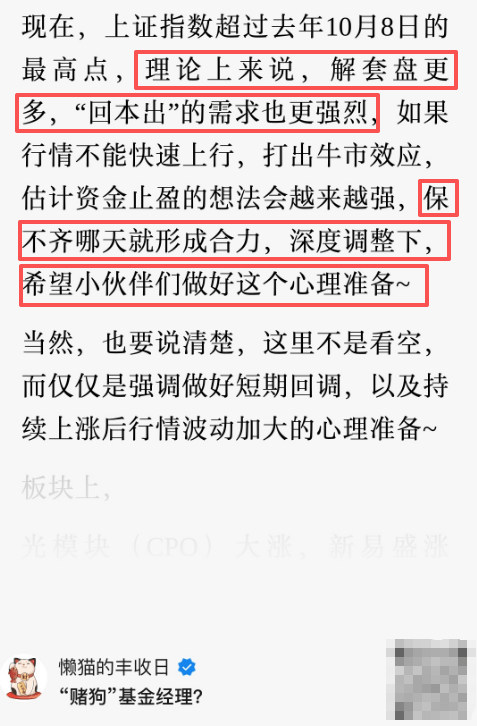
Group 1 - The market is currently experiencing volatility around the 3700-point level, which is considered a "no man's land" where profit-taking can lead to significant declines [1][4] - Historical comparisons show that previous bull markets have seen substantial pullbacks after reaching similar index levels, indicating potential for further fluctuations [3][4] - The macroeconomic environment differs significantly from previous peaks, with current expectations of continued interest rate cuts by the Federal Reserve, contrasting with the tightening seen in 2021 [7][9] Group 2 - Domestic savings have increased significantly, with the ratio of household savings to A-share market capitalization rising from 1.18 in January 2021 to 1.73 in July 2025, suggesting that there is still room for market growth [9] - Sector performance varies, with some industries like telecommunications and transportation showing strong gains, while others like food and beverage have underperformed compared to previous bull markets [12][13][15] Group 3 - Valuation metrics indicate that the current price-to-earnings (PE) ratio for the Shanghai Composite Index is 15.78, which is relatively high compared to historical averages, suggesting caution for investors [16][19] - The performance of major indices like the CSI 300 and ChiNext shows that while some sectors have seen growth, overall earnings have not kept pace with rising valuations, raising concerns about sustainability [22][24] Group 4 - Recent trading activity indicates a strong preference for technology and renewable energy sectors, with significant gains in stocks related to AI and solar energy, while traditional sectors like banking and consumer goods lag behind [43][50] - The market is characterized by a high degree of differentiation, making stock selection more challenging than in previous bull markets, with a recommendation for investors to consider broad-based indices for exposure [34][39]
中证全指医疗保健设备与服务指数上涨1.49%,前十大权重包含新产业等
Sou Hu Cai Jing· 2025-08-15 15:25
Core Viewpoint - The China Securities Index for Healthcare Equipment and Services has shown significant growth, indicating a positive trend in the healthcare sector [1]. Group 1: Index Performance - The CSI Healthcare Equipment and Services Index increased by 1.49%, reaching 15,129.06 points, with a trading volume of 32.457 billion [1]. - Over the past month, the index has risen by 9.35%, by 9.86% over the last three months, and by 8.89% year-to-date [1]. Group 2: Index Composition - The index is composed of listed companies in the healthcare sector, reflecting the overall performance of these companies [1]. - The top ten weighted companies in the index include Mindray Medical (9.08%), United Imaging (7.41%), Aier Eye Hospital (7.13%), and others [1]. - The index's holdings are primarily from the Shenzhen Stock Exchange (59.69%) and the Shanghai Stock Exchange (40.31%) [1]. Group 3: Industry Representation - The index exclusively represents the pharmaceutical and healthcare industry, with a 100% allocation to this sector [1]. Group 4: Index Adjustment and Fund Tracking - The index samples are adjusted biannually, with changes implemented on the next trading day following the second Friday of June and December [2]. - Public funds tracking the healthcare index include various Southern and Tianhong funds, as well as ETFs from multiple asset management companies [2].