华硕

Search documents
AI时代怎么做硬件出海,沈劲谈中国公司:该轮到我们定义品类了
创业邦· 2026-02-15 10:57
Core Viewpoint - The article discusses the evolution of Chinese consumer electronics from a phase of following global leaders to a phase of leading and defining new product categories, particularly in the context of AI and emerging technologies [5][14][36]. Group 1: Transition Phases in Chinese Consumer Electronics - The evolution of Chinese consumer electronics can be categorized into three phases: following, catching up, and leading. The "following" phase involved benchmarking against leaders and offering high cost-performance products, while the "catching up" phase focused on single-point innovations and high-end breakthroughs [10][12]. - The leading phase is characterized by a reconstruction of product paradigms and the discovery of new usage scenarios, with the expectation that 2025 will mark the year when China leads in smart cleaning technology [14][19]. Group 2: New Product Categories and Innovations - The article highlights the emergence of two new product categories: Ambient AI terminals and personal AI supercomputing centers. Ambient AI terminals focus on passive interaction and context establishment, while personal AI supercomputing centers emphasize offline intelligence and privacy protection [21][25]. - OpenAI's upcoming AI hardware is expected to fill specific gaps rather than replace smartphones, aligning with the identified market needs [25]. Group 3: Factors for Successful Category Definition - The ability to define product categories is broken down into five dimensions: trend recognition, scene selection, technology integration, experience closure, and scalability. Chinese companies have made significant progress in these areas, particularly in understanding overseas markets [27][29]. - The article emphasizes the importance of deeply understanding the lifestyles and values of different generations, such as Gen Z and Alpha, to successfully define and market new products [29][32]. Group 4: Historical Context and Future Outlook - The historical context of Chinese companies' evolution in consumer electronics is discussed, noting that past successes were often built on following established leaders. The current environment presents a "definer's dividend," where Chinese companies are positioned to lead in new categories [35][36]. - The article concludes with a call for entrepreneurs to strive for category definition, suggesting that the process of naming and defining new products is collaborative and iterative [42][43].


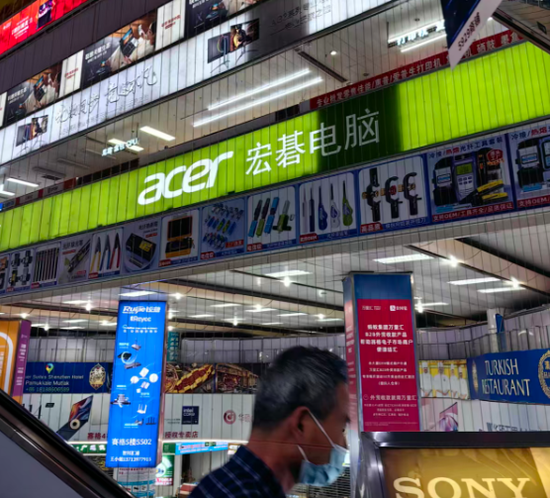
突传内存“闪崩”!记者实探华强北!商家:回调有限
Xin Lang Cai Jing· 2026-02-15 03:40
炒股就看金麒麟分析师研报,权威,专业,及时,全面,助您挖掘潜力主题机会! 春节假期逐渐临近,近期国内陆续传出内存价格"闪崩"等消息,在北美市场,存储巨头股价也出现高位 回调。 近日,证券时报记者实探华强北市场发现,内存现货市场价格有些许回调但幅度有限,炒作心态有所收 敛,但在闪存市场,部分品种出现"补涨"行情。 从供给侧来看,在数据中心需求虹吸效应下,国际存储原厂库存加速消耗,纷纷提高资本开支强度,并 谋求更大的交易话语权;同时,国产存储供应链也在加速扩产,甚至给出了涨价终结预测,供需博弈将 迈入新阶段。 炒作心态偏谨慎 临近春节,不少华强北柜台歇业。对于近期内存DDR4部分规格最高降价20%消息,多位商家向记者表 示实际回调很有限,"DDR4从去年底到现在涨了五六倍,现在只是跌个十几块、几十块,像DDR4有的 型号还是要1800元,比黄金都贵。" 还有商家表示,有的DDR规格都拿不到货,只能先给个报价,"如果电脑还能用,内存还是别换了。" "最近电脑内存(PC DDR)热度下去了,基本维持着去年12月份的价格。"存储代理商向记者表示,内 存价格回调主要是跟过年有关系,厂商回笼资金,但是有海外客户订单支持,所 ...
联想集团:混合式AI驱动业绩增长,供应链韧性应对存储周期-20260214
HTSC· 2026-02-13 10:25
Investment Rating - The report maintains a "Buy" rating for the company with a target price of HKD 14.00, corresponding to a 12.0x FY27E PE ratio [5][7]. Core Insights - The company reported a revenue of USD 22.2 billion for 3QFY26, representing an 18% year-over-year increase, exceeding Bloomberg consensus estimates by approximately 7% [1]. - Non-HKFRS net profit reached USD 589 million, up 36% year-over-year, surpassing the consensus estimate of USD 463 million by 27% [1]. - The growth was driven by a 32% contribution from AI-related business, which saw a quarter-over-quarter increase of 2 percentage points [1]. - The company is expected to leverage its scale and supply chain management to mitigate the impact of rising component prices, particularly in the storage segment [2]. Summary by Sections IDG (Intelligent Device Group) - IDG revenue increased by 14% year-over-year to USD 15.76 billion, with an operating profit margin of 7.3% [2]. - The global PC market share reached 25.3%, a historical high, with a year-over-year increase of 1.0 percentage point [2]. - AI PC penetration exceeded 30% and continues to rise, contributing to the overall revenue growth [2]. ISG (Infrastructure Solutions Group) - ISG revenue grew by 31% year-over-year to USD 5.18 billion, driven by demand for cloud infrastructure and enterprise solutions [3]. - AI server business experienced high double-digit growth, with a project pipeline of USD 15.5 billion [3]. - Neptune liquid cooling technology revenue surged by 300% year-over-year, reinforcing the company's leadership in energy-efficient AI infrastructure [3]. SSG (Solutions and Services Group) - SSG revenue rose by 18% year-over-year to USD 2.65 billion, maintaining double-digit growth for the 19th consecutive quarter [4]. - The operating profit margin exceeded 22%, the highest among the company's business units [4]. Financial Projections - The company has revised its FY26/27/28 Non-HKFRS net profit estimates upward by 8.5%/8.8%/7.0% to USD 1.80 billion, USD 2.03 billion, and USD 2.24 billion, respectively [5]. - Corresponding Non-HKFRS EPS estimates are USD 0.13, USD 0.15, and USD 0.17 for FY26, FY27, and FY28 [5].
2026年电子行业投资策略报告:算力帆劲扬,智潮浪奔涌
Wanlian Securities· 2026-02-13 00:24
Investment Rating - The report maintains an "Outperform" rating for the electronic industry, indicating a positive outlook for 2026 [5]. Core Insights - The electronic industry is expected to outperform the CSI 300 index in 2025, with a valuation slightly above historical averages. The first three quarters of 2025 show improved performance and profitability. The report suggests focusing on investment opportunities in AI computing infrastructure and terminal innovation for 2026 [2][3]. Summary by Sections 1. Market Performance and Overview - The electronic industry achieved a 47.88% increase in 2025, outperforming the CSI 300 index by 30.21 percentage points [15]. - The industry's revenue for the first three quarters of 2025 reached CNY 29,756.92 billion, a year-on-year increase of 19.46%, with a net profit of CNY 1,477.90 billion, up 37.79% [20][23]. 2. AI Computing Infrastructure - The demand for AI computing hardware is robust, particularly in the PCB and storage sectors. The PCB industry is expected to benefit from increased capital expenditure and demand for high-end products like HDI and multi-layer boards [3][43]. - The storage chip market is entering a new growth cycle driven by AI, with major players adjusting production to optimize supply and demand dynamics, leading to price increases [3][43]. 3. Terminal Innovation - AI-enabled smartphones and PCs are projected to see increased market penetration, with significant growth potential in AI mobile devices and AIPC [4][43]. - AI glasses are expected to contribute to market growth, with a steady increase in shipments and a fully covered supply chain in China [4][43]. 4. Investment Recommendations - The report recommends focusing on companies in the storage and PCB sectors that are well-positioned to benefit from the ongoing AI wave and capital expenditure increases. It also highlights the potential of leading manufacturers in AI mobile devices and AI glasses [8][43].
多品牌笔记本电脑价格上涨,部分涨幅高达20%!网友感叹:快成“奢侈品”了
Huan Qiu Wang· 2026-02-12 23:53
一晚上电脑就涨了600多元 "下午报价、晚上调价"成常态 本文转自【经视直播】; 一份下午发出的电脑报价单,到了晚上就被上游供应商通知作废。电脑零部件涨价还在推高消费者购买 成本。 2025年末至2026年初,半导体行业迎来了深刻的产业变革。以存储芯片价格大幅上涨为开端,涨价潮正 迅速向功率芯片、模拟芯片、MCU等非存储领域蔓延。 目前,基于上游存储成本增加和公司利润考量等因素,联想、惠普、戴尔、华硕、宏碁等全球五大PC (个人电脑)厂商均已启动调价机制。多个品牌的笔记本电脑和主流手机机型价格在短期内大幅上调, 部分涨幅高达20%。 该机构预测,2026年第一季度NAND闪存价格将上涨33%—38%,一般型DRAM价格将上涨55%— 60%。这波涨价的核心驱动力是AI服务器的爆发式需求——单台AI服务器内存需求达普通服务器的8— 10倍,目前已消耗全球53%的内存月产能,直接挤压了消费级产品供应空间。 存储芯片的产能"虹吸效应"迅速向全行业传导。晶圆代工厂为追求更高利润,将更多产能向存储芯片倾 斜,导致模拟芯片、功率半导体、MCU等传统产品产能受挤压。而经历上一轮行业调整后,模拟芯片 等行业库存已回归健康水平 ...
存储价格翻番、CPU跟涨,杨元庆:这时候拼供应、拼成本
第一财经· 2026-02-12 12:17
Core Viewpoint - The article highlights the significant challenges faced by the technology industry, particularly in the context of rising component prices, with storage prices increasing by 40%-50% in the last quarter and potentially doubling in the current quarter. This price surge is expected to impact the prices of PCs and smartphones, leading to a forecasted price increase of 15%-20% across the market [3][5]. Group 1: Financial Performance - Lenovo Group reported a revenue of 157.5 billion RMB for the third quarter of the 2025/26 fiscal year, representing a year-on-year growth of over 18% [5]. - Adjusted net profit reached 4.07 billion RMB, with a year-on-year increase of 36%, indicating that profit growth is outpacing revenue growth [5]. - AI-related revenue surged by 72% year-on-year, accounting for 32% of total revenue, with AI PCs, smartphones, and servers all showing significant growth [5]. Group 2: Business Segments - The IDG (Intelligent Devices Group) segment generated over 110 billion RMB, growing by over 14% year-on-year, despite rising core component costs [5]. - The ISG (Infrastructure Solutions Group) segment reported revenue of 36.7 billion RMB, a 31% increase year-on-year, with AI server business experiencing high double-digit growth [5][6]. - Lenovo's inventory increased to 9.077 billion USD, up from 7.924 billion USD at the end of the previous fiscal year, attributed to business growth and longer delivery cycles for cloud service provider orders [6]. Group 3: Supply Chain and Market Dynamics - The hardware industry is facing extreme tests of efficiency and resilience due to supply chain challenges, particularly driven by the high demand for AI training and memory [8]. - Lenovo's scale across PC, smartphone, and server businesses provides it with strong negotiating power with suppliers, allowing it to secure better costs and supplies [8][9]. - The company has established deep, trust-based relationships with upstream suppliers, ensuring priority access during supply shortages, with significant growth targets set for partnerships, such as with NVIDIA [9]. Group 4: AI and Future Outlook - AI is viewed as a critical growth driver, with the potential for significant value creation in enterprise and personal intelligence through the use of private data [9]. - Lenovo's strategy focuses on "hybrid AI," emphasizing the importance of data, computing power, and models in driving future market demand for intelligent terminals and AI infrastructure [9].


存储价格翻番、CPU跟涨,杨元庆:这时候拼供应、拼成本
Di Yi Cai Jing Zi Xun· 2026-02-12 11:45
Core Viewpoint - The industry is facing significant challenges due to rising component costs, particularly in storage and CPU prices, which are expected to increase by 40%-50% and potentially double in the upcoming quarter [1] Group 1: Financial Performance - Lenovo's revenue for Q3 of the fiscal year 2025/26 reached 157.5 billion RMB, representing a year-on-year growth of over 18% [2] - Adjusted net profit for the same period was 4.07 billion RMB, with a year-on-year increase of 36%, indicating that profit growth is outpacing revenue growth [2] - AI-related revenue surged by 72% year-on-year, accounting for 32% of total revenue, with AI PCs, smartphones, and servers all showing significant growth [2] Group 2: Business Segments - The IDG (Intelligent Devices Group) segment generated over 110 billion RMB in revenue, growing by more than 14% year-on-year, despite rising core component costs [2] - The ISG (Infrastructure Solutions Group) reported revenue of 36.7 billion RMB, a 31% increase year-on-year, with AI server business experiencing high double-digit growth [2][3] - Motorola's smartphone shipments increased by 9% year-on-year, contributing to the overall growth in the AI device activation rate [2] Group 3: Supply Chain and Inventory - The increase in component costs is expected to raise prices for PCs and smartphones by 15%-20%, potentially leading to flat or slightly declining shipment volumes this year [1] - Lenovo's inventory rose to 9.077 billion USD, up from 7.924 billion USD at the end of the previous fiscal year, attributed to business growth and longer delivery cycles for CSP orders [3] - The company maintains a diversified supply network, allowing for better negotiation power and resource allocation amidst supply chain challenges [5] Group 4: AI and Market Trends - AI is viewed as a critical growth driver, with the company emphasizing the importance of leveraging private data for enterprise and personal intelligence [6] - The ongoing demand for AI infrastructure and smart devices is expected to continue, driven by the irreversible trend towards AI integration in various sectors [6]
集体涨价!一晚上就涨了好几百元,网友:电脑快成奢侈品了
Huan Qiu Wang· 2026-02-12 07:13
Core Insights - The semiconductor industry is undergoing significant changes, with a price surge starting from storage chips and spreading to non-storage sectors like power chips and MCUs [1][3] - Major PC manufacturers, including Lenovo, HP, Dell, Asus, and Acer, have initiated price adjustments due to rising upstream costs, leading to price increases of up to 20% for laptops and smartphones [1][3] - The price of components such as solid-state drives has seen dramatic increases, with prices for 1TB SSDs rising from 600-900 CNY to 950-1100 CNY within a short period [1][3] Price Surge in the Semiconductor Market - The price increase in the semiconductor market began in Q3 2025, with DRAM and NAND flash prices rising over 300% [3] - Predictions indicate that NAND flash prices will increase by 33%-38% and DRAM prices by 55%-60% in Q1 2026, driven by the explosive demand from AI servers [3][4] - The shift in production capacity towards higher-margin storage products is squeezing the supply of traditional products like analog chips and MCUs, leading to price increases in these areas [3][5] Impact on Consumer Electronics - The price adjustments have made it increasingly difficult for consumers to purchase computers within their budgets, with some configurations exceeding initial estimates by 1000 CNY [2][5] - The rising costs have led to a perception among consumers that computers are becoming luxury items, affecting purchasing enthusiasm [5][6] - Market analysts have downgraded the shipment forecasts for laptops and smartphones for 2026 due to the significant price increases and reduced consumer demand [6] Industry Response - Several non-storage chip manufacturers have announced price hikes in response to rising raw material costs and production constraints, with increases ranging from 15% to 80% [4][5] - The overall cost increase across the supply chain, including raw materials and manufacturing processes, is significantly impacting profitability for companies in the semiconductor sector [5] - Some consumers are opting to sell high-value components in the second-hand market to mitigate the impact of rising prices, a strategy referred to as "downward replacement" [6]



【财经分析】存储芯片价格攀升 视频压缩技术需求激增
Xin Hua Cai Jing· 2026-02-12 07:09
Group 1 - The core viewpoint of the articles highlights the increasing demand for video compression technology due to the rising prices of storage chips and the imbalance in supply and demand in the market [1][4]. - Companies like Xiaomi and OPPO have raised the prices of new smartphones to offset the cost pressures from rising storage chip prices, which may lead to a decline in smartphone shipments in 2026 [2][6]. - The demand for video storage solutions is increasing in sectors such as public security, finance, and power supply, driven by stringent storage duration and quality requirements [3]. Group 2 - The current surge in storage chip prices is primarily driven by cloud service providers (CSPs), whose procurement volumes have grown exponentially, leading to a price increase that surpasses previous cycles [4][5]. - Market research indicates that the average contract price for DRAM is expected to rise by 90% to 95% in Q1 2023, while NAND Flash prices are projected to increase by 55% to 60% [4]. - The demand for high-bandwidth memory (HBM) products is also expected to significantly boost growth on the demand side, as CSPs prioritize capacity for high-margin products [5].
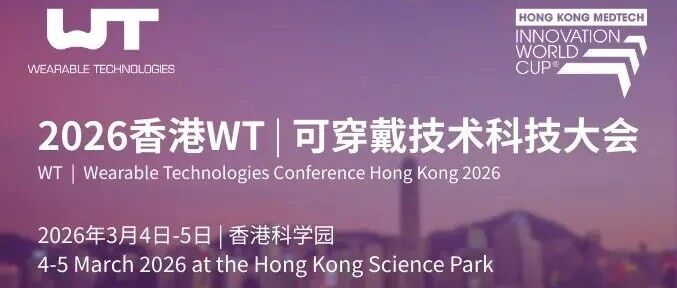
为什么值得亲临现场?可穿戴技术大会价值观察 | 免费门票仍可换领
思宇MedTech· 2026-02-12 01:04
Core Viewpoint - The article emphasizes the significance of the Wearable Technologies Conference (WT) in Hong Kong, focusing on why attending the event in person is essential for industry professionals to engage in meaningful discussions and interactions [3][10]. Group 1: Evolution of Wearable Technology - Over the past decade, wearable technology has primarily been viewed as consumer electronics or health management tools. Recently, due to aging populations and rising chronic disease management needs, these devices are increasingly penetrating medical applications [5]. - The shift in wearable technology is not only in product form but also in its application for long-term health and disease management, moving beyond mere monitoring tools [5]. - There is a growing demand for data collected by wearable devices to be integrated with clinical diagnosis and treatment, highlighting the importance of regulatory compliance and long-term operational stability [5][6]. Group 2: Key Issues Addressed at the Conference - The WT conference focuses on six critical topics that have been repeatedly validated, aiming to explore how wearable technology can be effectively utilized rather than merely presented as concepts [8][9]. - The conference aims to address systemic challenges that span across corporate boundaries and academic disciplines, making it a vital platform for high-quality offline exchanges [6]. Group 3: Importance of Attending in Person - While obtaining insights can be done remotely, experiencing the formation and evolution of ideas through live discussions and interactions at the conference is irreplaceable [11]. - The first "Hong Kong Medical Technology Innovation World Cup" will showcase shortlisted projects, providing attendees with a direct view of early-stage project statuses, which is a compelling reason to attend [12]. Group 4: Conference Agenda Highlights - The first day (March 4) will focus on AI, interconnected health, deep medical technology, and engineering implementation, helping attendees understand how wearable technology integrates into medical systems and industry processes [16]. - The second day (March 5) will extend discussions to manufacturing, smart patches, rehabilitation, and longevity, featuring the Innovation World Cup project presentations and finals, emphasizing practical applications [16].