暴雪

Search documents
都怪AI让游戏供给井喷,玩家都不够用了
3 6 Ke· 2025-10-20 23:31
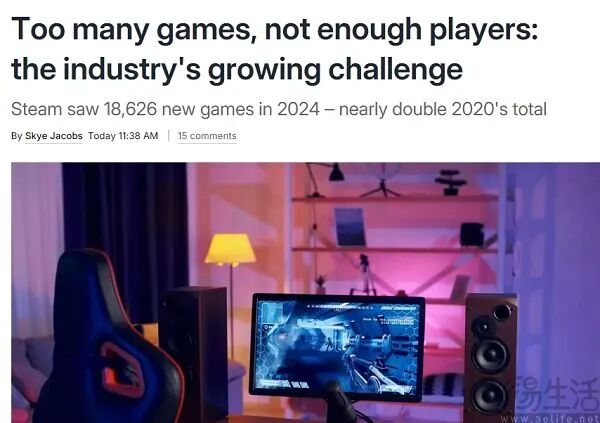
Core Insights - The gaming industry is facing a structural mismatch with an oversupply of games and a stagnating player base, as highlighted by TechSpot [1] - In 2024, Steam is set to release 18,626 games, a 93% increase from 9,656 in 2020, indicating a trend of oversupply [4] - The integration of AI in game development is transforming the industry, making it easier for developers to create games, but also intensifying competition among them [5][7] Industry Trends - The current gaming landscape is characterized by an overwhelming number of game releases, leading to a "military competition" among developers to stand out [4][9] - AI is becoming a central player in game development, with companies like Valve using tools like ChatGPT to enhance their development processes [5][7] - The lowering of development barriers due to AI is resulting in an unprecedented surge in creative output, reminiscent of the transformative impact of the DOOM engine in the 1990s [7][10] Market Dynamics - The global gaming player base has reached 60% of the population, but growth is stagnating, with 20% of players accounting for nearly half of game spending [12] - Major gaming expenditures are concentrated in North America and Europe, which together represent 46% of global game spending, while emerging markets contribute less [12] - The oversupply of games is concerning as it coincides with stagnant consumer spending, posing challenges for developers to capture player attention in a crowded market [12][14]

都2025年了,他们还在畏惧中国游戏市场
3 6 Ke· 2025-10-14 12:58
近日,专注亚洲及中东游戏市场分析机构Niko Partners在接受thegamebusiness Podcast采访时发出了一个令人难以置信的言论,那就是即便是到了2025年, 依然有一些海外游戏厂商以及开发者仍然对中国市场充满畏惧。那么,这种畏惧的背后到底是出于什么原因呢? 根据Niko Partners的CEO的话来看,海外厂商和开发者对中国市场的畏惧主要来源于,他们认为自己无法在中国市场取得成功。一方面,中国庞大的游戏 市场令他们感觉这是一个巨大的金矿;另一方面,他们感觉自己被排除在外,很难真正理解中国市场的规模和范围。 根据Niko Partners的市场研究报告显示,到2024年底,中国将拥有7.22亿游戏玩家,而这个数字是比美国人口的两倍都还要多。此外,2024年,中国视频 游戏市场价值492亿美元,同比增长3.6%。预计到2025年将升至507亿美元,并在2029年达到548亿美元。更重要的是,随着游戏市场的规模越来越大,中 国玩家的平均收入也在增加。综合以上几点,可以看出中国游戏市场是一个极具吸引力的市场。 对于海外厂商来说,他们的拿手好戏主机游戏在中国似乎才刚刚进入开始环节,所以这也是他们 ...


中国游戏最卷赛道,要发生变化了吗?
3 6 Ke· 2025-09-04 08:22
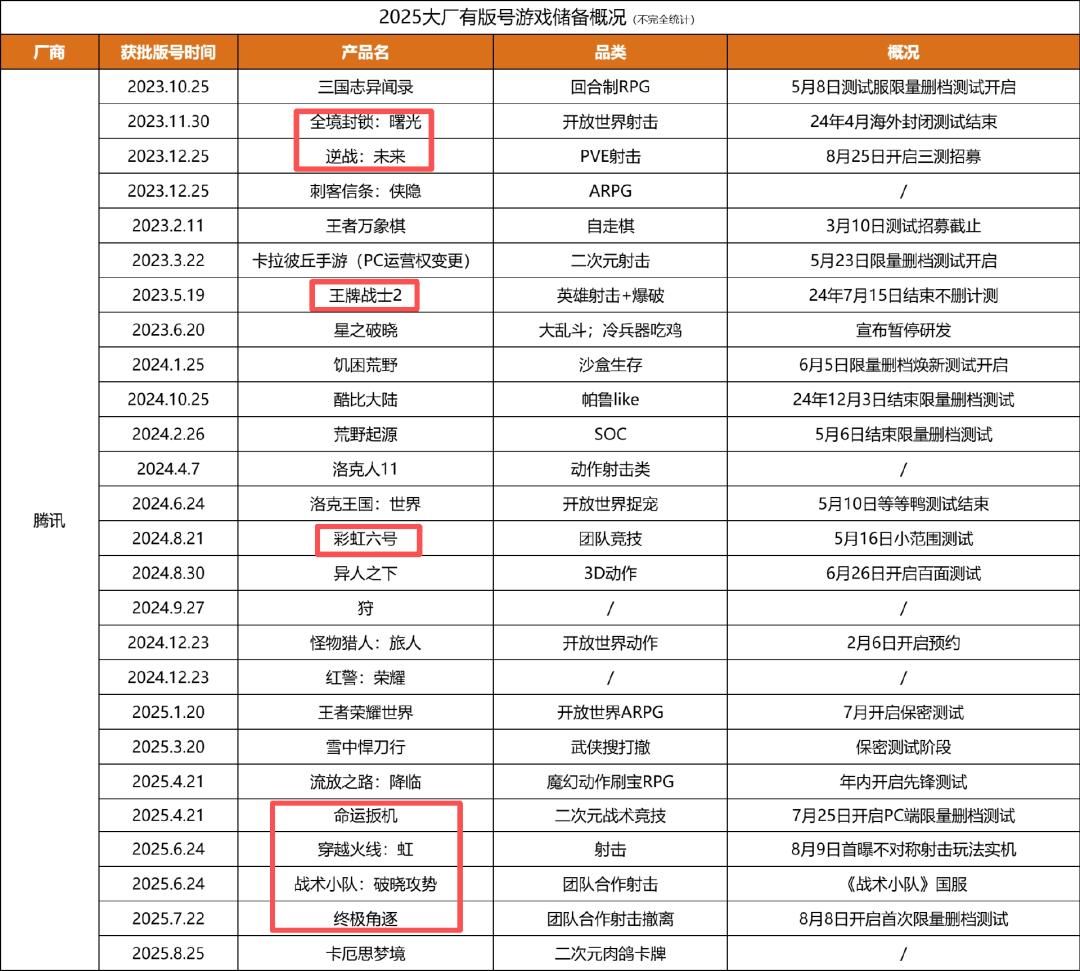
Core Insights - The Chinese shooting game market is dominated by realistic shooting games, with Tencent being the leading player, holding a significant share of the top products [1][2][4] - Tencent has a robust pipeline of upcoming shooting games, including both self-developed and overseas licensed titles, indicating a strategic focus on diversifying its offerings [2][3] - The overall landscape of shooting games is evolving, with a shift towards differentiation in gameplay and themes, as companies explore new genres and innovative mechanics [13][30] Tencent's Position - Tencent's dominance in the shooting genre is evident, with several top titles like "Peace Elite" and "Call of Duty Mobile" under its belt, showcasing its strong market presence [1][4] - The company is actively developing new titles that avoid the saturated military realism theme, focusing instead on fantasy and unique gameplay experiences [3][5] - Tencent's upcoming titles include "Rainbow Six" and "The Division: Dawn," which are set to expand its portfolio in the shooting genre [2][3] Industry Trends - The shooting game market is experiencing saturation in the military realism segment, prompting companies to seek differentiation through innovative gameplay and thematic diversity [13][30] - There is a growing trend towards "PVE" and "PVPVE" modes, which may become focal points for future competition, as they cater to diverse player preferences [34][35] - The integration of AI technology in game development is expected to enhance gameplay experiences, leading to new innovations in shooting games [34][35] Global Market Dynamics - The global shooting game market remains dominated by realistic titles, with major franchises like "Call of Duty" and "Battlefield" achieving significant sales [14][16] - Companies like Sony and Microsoft are also exploring new gameplay styles and themes, indicating a broader trend towards diversification in the shooting genre [22][24] - The emergence of new gameplay mechanics, such as "search and rescue" combined with battle royale elements, reflects the industry's shift towards innovative and hybrid gaming experiences [19][30]
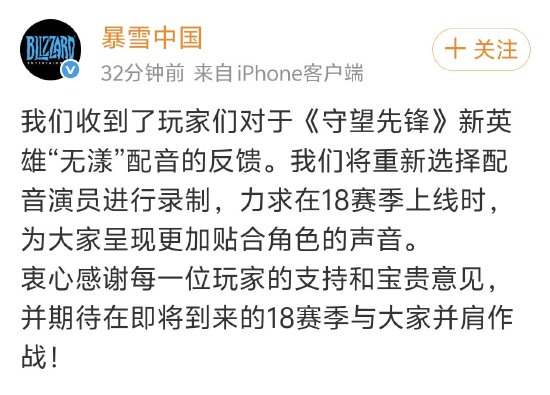
暴雪中国回应“守望先锋新角色配音被吐槽”:将重新选择配音演员
Xin Lang Ke Ji· 2025-08-16 06:37
Core Points - Blizzard China announced on August 16 that it will reselect the voice actor for the new Overwatch hero "Wuyang" based on player feedback [1] - The decision comes after significant criticism from players regarding the character's Chinese voice in the preview, which was deemed inconsistent with the character's image [1] - Blizzard expressed gratitude for player support and feedback, looking forward to the upcoming 18th season [1] Summary by Categories Company Response - Blizzard China is committed to improving the voice acting for "Wuyang" to better align with player expectations [1] - The company acknowledged the importance of player feedback in shaping the game's development [1] Player Feedback - Players criticized the initial voice acting for "Wuyang," leading to a strong demand for a recast [1] - The backlash was significant, with many players voicing their concerns on social media platforms [1]
暴雪国服正式停服 网易将公布退款安排
Xin Hua Wang· 2025-08-12 05:54
Core Points - On January 23, NetEase announced the termination of Blizzard's game services in China, marking the end of a 14-year partnership [1] - As of January 24, 2023, all Blizzard games operated by NetEase, including "World of Warcraft," "Hearthstone," "Overwatch," "Diablo III," "Warcraft III: Reforged," "Heroes of the Storm," and "StarCraft," will cease operations in mainland China [1] - Blizzard will close Battle.net login and all game servers, along with the game client downloads [1] - NetEase expressed gratitude to players and emphasized the importance of their accounts and characters, promising to assist players until the last moment [1] - Refund arrangements for players will be announced after the service termination, with players advised to follow the "Blizzard Game Service Center" WeChat account for updates [1] - The partnership ended due to an inability to reach agreements on key operational terms related to sustainable operations and the core interests of the Chinese market and players [1]

完美世界顾黎明:电竞赛事已成为高科技的、汇集产业创新的赛事
2 1 Shi Ji Jing Ji Bao Dao· 2025-08-03 10:45
Core Insights - The 2025 ChinaJoy event in Shanghai highlighted the growing significance of the esports industry, with major companies like Tencent, Perfect World, and Blizzard showcasing their esports products [1] - The esports market generated a revenue of 806.45 billion yuan in the first half of the year, contributing nearly half of the total revenue in the domestic gaming market, with the esports industry alone accounting for 127.61 billion yuan [1] - Perfect World announced the establishment of the Perfect Esports Partner Alliance with NVIDIA, Intel, AGON, and Samsung to build an esports ecosystem [1][2] Industry Developments - The esports ecosystem is evolving with deeper collaborations among technology providers, content creators, and ecosystem builders, as emphasized by Perfect World's CEO [2] - The alliance members are recognized brands in their fields, providing essential support for the esports ecosystem, with NVIDIA focusing on GPUs and Intel on CPUs [2] - AI technology is becoming increasingly important in the gaming and esports sectors, with companies exploring AI applications in gaming [3][4] Future Directions - The alliance aims to enhance the esports experience through technological advancements, considering the impact of AI on industry needs [2][3] - Companies are addressing operational challenges through AI, such as noise reduction and battery life improvements [4] - There is a recognized need for the Chinese esports industry to enhance its global competitiveness and expand international collaborations [4][5]

实探|ChinaJoy热度“爆棚”,游戏市场火热复苏
Zhong Guo Zheng Quan Bao· 2025-08-02 14:59
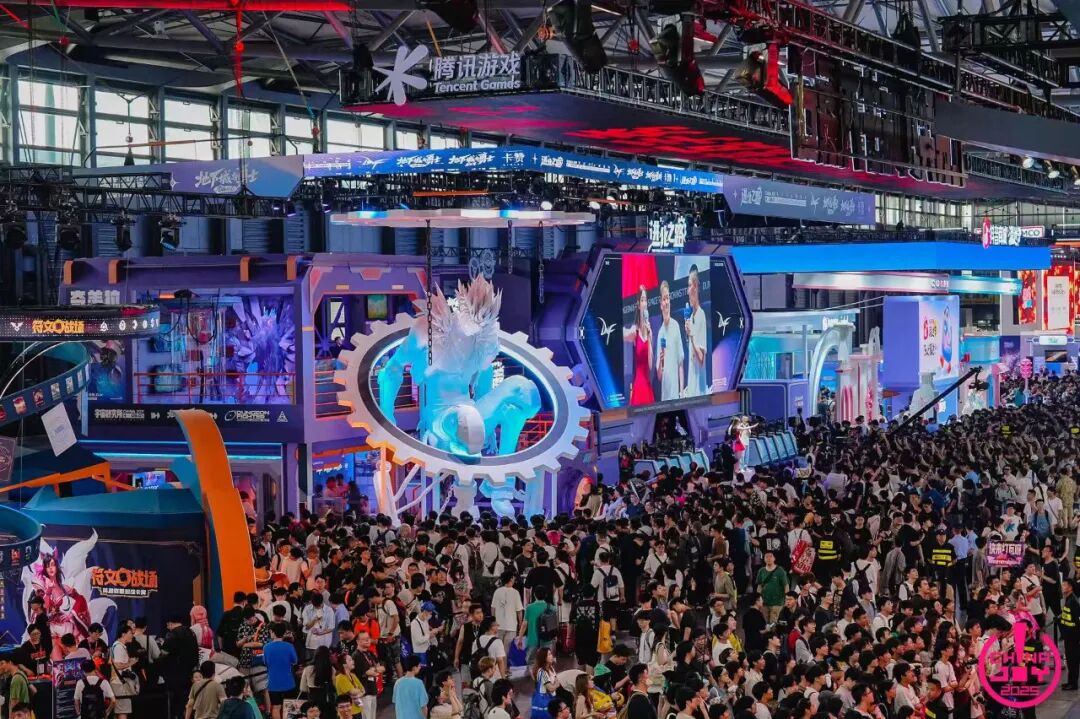
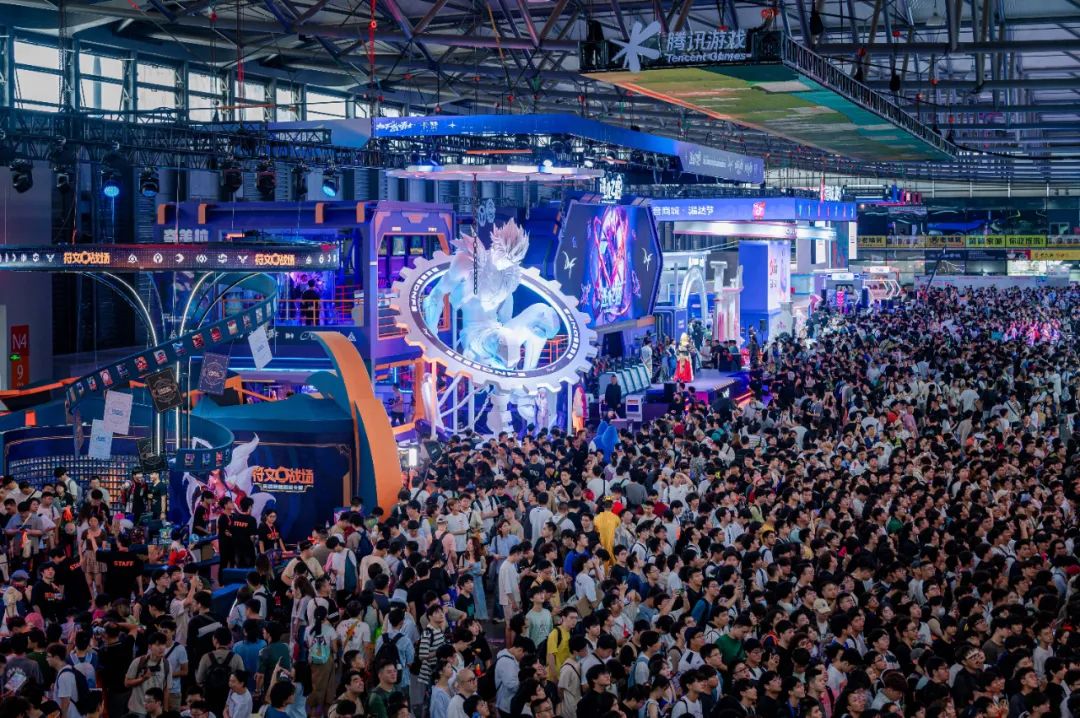
Core Insights - The 22nd ChinaJoy has opened with unprecedented enthusiasm, showcasing a significant recovery in the interactive entertainment industry compared to last year [1][6][3] - The event features over 11,000 square meters of exhibition space, attracting hundreds of companies and thousands of new products, with expected attendance reaching several hundred thousand [3][6] - The domestic gaming market has achieved a record revenue of 168 billion yuan in the first half of 2025, marking a year-on-year growth of 14.08% [6] Industry Overview - ChinaJoy has evolved from a simple gaming exhibition to a comprehensive "technology + entertainment" event, becoming a barometer for the interactive entertainment industry [3] - The event includes 11 exhibition halls and showcases major digital entertainment sectors such as gaming, animation, internet film and television, music, esports, and new entertainment [3][6] Company Highlights - Major gaming companies like Tencent, NetEase, Giant Network, and Perfect World are showcasing multiple products, with Tencent occupying nearly half of the N4 hall with 17 products [8] - NetEase is presenting 45 games under the theme "Challenge! My Passion Partner," while Century Huatong features 13 games and an immersive "Game for Gamers" theme [8] Product Launches - Notable new games include NetEase's "Destiny: Stars" and Tencent's global premiere of "Runeterra: League of Legends Card Battle" [9][10] - Classic IPs are also highlighted, with Tencent showcasing three products from the "Dungeon and Fighter" series [13] Technological Innovations - Century Huatong's "Game+Lab" is demonstrating AI integration in gaming, showcasing tools like AI character editors and brain language assessment platforms [14] - Three Seven Interactive's self-developed model "Xiao Qi" has significantly improved art material generation efficiency and AI customer service accuracy [18] Industry Discussions - Industry leaders are discussing the need to bridge the gap between high performance and value perception in the gaming market, emphasizing the importance of cultural depth and intellectual property protection [17] - The focus is on transforming technological innovations into industry momentum, with a push for personalized content generation and non-linear gameplay as future battlegrounds [18]
数娱工场 | 连续5年破千亿元,中国游戏产业迎来“黄金窗口期”
Xin Hua Cai Jing· 2025-08-02 08:52
Group 1: Industry Overview - The Chinese gaming market achieved a sales revenue of 168 billion yuan in the first half of the year, marking a year-on-year growth of 14.08% and setting a new record [1] - The number of gaming users in China reached nearly 679 million, also a historical high [1] - The establishment of the "Shanghai Gaming Industry Special Investment Fund" and the "China Game Overseas Research and Service Center" indicates strong governmental support for the industry [1][14] Group 2: International Expansion - China's self-developed games generated overseas sales revenue of $9.501 billion, reflecting a year-on-year increase of 11.07% [4] - Chinese games are distributed in over 150 countries and regions, contributing significantly to reducing trade deficits and enhancing the service trade [4] - The ChinaJoy event showcased 743 participating companies, with 237 being foreign enterprises, highlighting the international interest in the Chinese gaming market [5] Group 3: Cultural Exchange and Collaboration - Companies like Ubisoft and PlayStation are actively integrating cultural elements from both China and their home countries into their games, fostering cross-cultural dialogue [7][10] - Tencent is providing "one-stop" services to smaller teams to help them overcome barriers to international expansion, promoting both Chinese culture abroad and integrating global cultures into China [8] Group 4: Policy Support and Future Outlook - Various countries, including China, are recognizing the gaming industry as a key economic sector, with supportive policies being implemented to foster growth [12][13] - Shanghai's recent policy initiatives aim to attract foreign gaming companies and enhance the local gaming ecosystem, positioning the city as a global gaming hub [14] - The gaming industry is expected to evolve towards a model of "technology empowerment + cultural output," aiming to become a core force in global gaming innovation [14]
在沪研发游戏视同国产,外企能更容易拿到版号吗
2 1 Shi Ji Jing Ji Bao Dao· 2025-07-08 04:53
Core Viewpoint - The Shanghai Municipal Government has introduced measures to promote the high-quality development of the software and information services industry, particularly focusing on attracting foreign game companies to establish R&D teams in Shanghai by treating their products as domestic games for licensing purposes [1][3]. Group 1: Policy Measures - The measures aim to invigorate the operational vitality of software and information service enterprises, support AI-driven upgrades, cultivate new growth drivers, and reduce costs for companies in the sector [1]. - A notable aspect is the pilot policy allowing foreign game companies' products developed in Shanghai to be treated as domestic games, which is expected to enhance their chances of obtaining game licenses [1][6]. Group 2: Market Context - Shanghai is a preferred entry point for foreign game companies due to its status as a highland of openness in China, with many well-known firms like Ubisoft and Blizzard establishing their Chinese headquarters there [3]. - Despite having many foreign company headquarters, Shanghai has struggled to attract direct game development due to operational qualifications and licensing restrictions, limiting its industry scale [3][4]. Group 3: Competitive Landscape - The competition among cities for the game industry is intense, and Shanghai's ability to convert foreign company headquarters into substantial investments and a robust industry ecosystem is crucial [3][4]. - Local game companies in Shanghai, while established, lack the scale and experience compared to giants like Tencent and NetEase, making it essential for Shanghai to offer more attractive pathways for foreign collaboration [4]. Group 4: Licensing and Regulatory Challenges - The likelihood of foreign game companies obtaining domestic game licenses is significantly higher, with 1,306 domestic game licenses issued in 2024 compared to only 110 for imported games [6]. - However, obtaining a license still requires compliance with additional regulations, such as APP filing and possessing an ICP license, which presents further challenges for foreign companies [7]. Group 5: Future Implications - The pilot policy is seen as timely, as many foreign companies are looking to cut costs and may find it advantageous to establish R&D teams in Shanghai, leveraging local talent and reducing communication barriers [5]. - The actual impact of these measures on foreign game companies will depend on subsequent policies and their integration with existing regulatory frameworks [7].
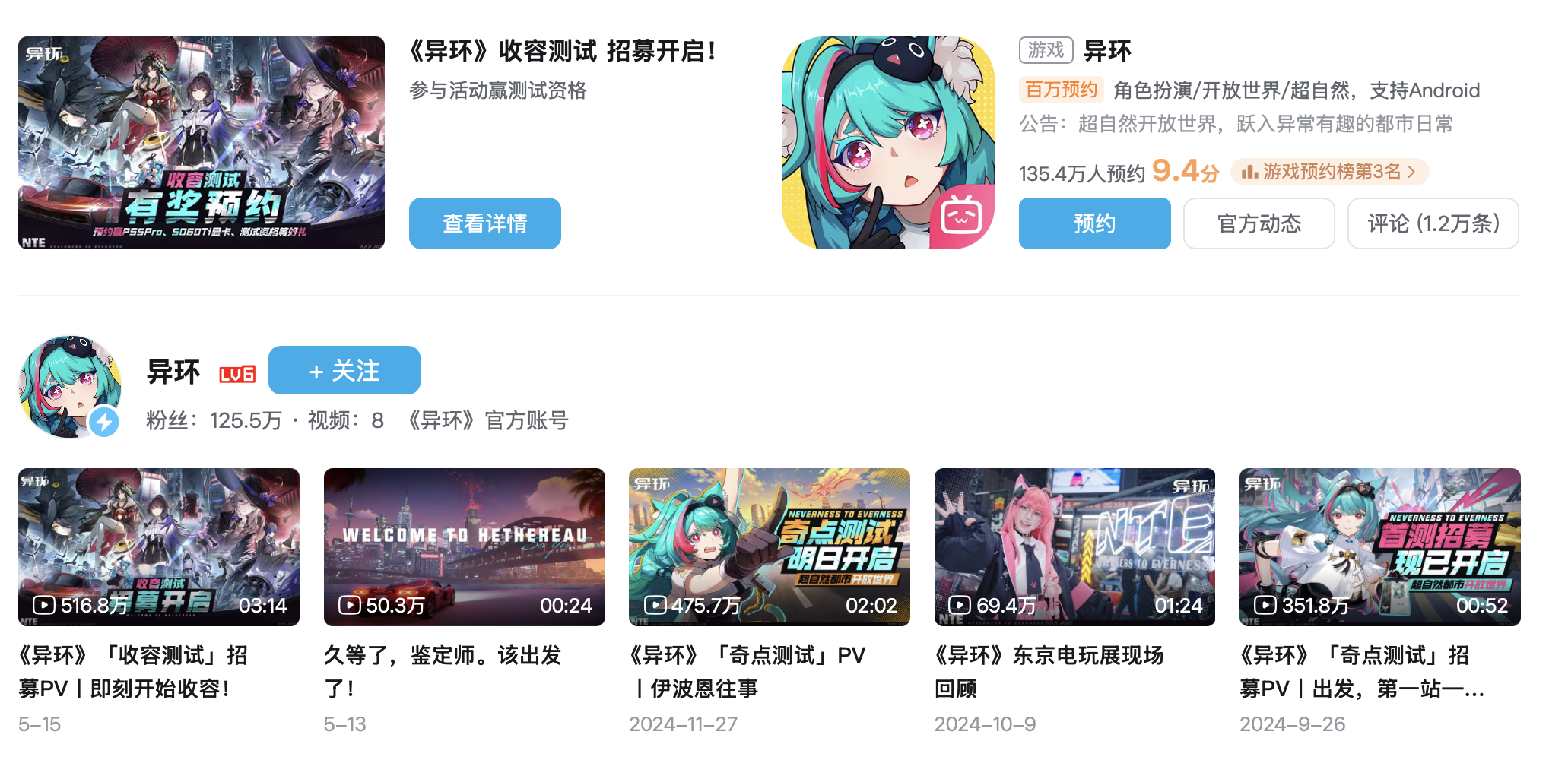
5月游戏版号出炉 ,完美世界《异环》、网易《命运:群星》等重点游戏获版号
Guo Ji Jin Rong Bao· 2025-05-22 09:22
Core Insights - The National Press and Publication Administration issued approval for 144 game titles in May 2025, including 130 domestic and 14 imported games [1] - Notable games receiving approval include Perfect World's "Yihuan" and NetEase's "Destiny: Stars" [1][4] - Perfect World's "Yihuan" has gained significant attention, with over 10 million views on Bilibili and 2.48 million reservations on TapTap [1][4] Group 1: Domestic Games - A total of 130 domestic games received approval, with key products from listed companies such as Shanghai Shulong's "Dragon Valley: Remake" and Baidu's "Greedy Snake Battle 2" [1] - Perfect World's "Yihuan" is highlighted as a potential turnaround product for the company, being the first urban supernatural open-world RPG in China [4] - The game's recruitment video has surpassed 5 million views, indicating strong interest [4] Group 2: Imported Games - 14 imported games were approved, including NetEase's "Destiny: Stars," which is the first mobile game based on the Bungie IP [4] - "Destiny: Stars" retains the series' world view and includes classic gameplay elements along with new features like Rogue mode [4] - Other notable imported titles include "Rainbow Island: Adventure" and "Eternal Tree Song: Genesis" from listed companies [4] Group 3: Changes in Game Approvals - Tencent's "Yuanmeng Star" received a new client version approval, while Blizzard's "Diablo II" had its operational unit changed, indicating a potential reconciliation between NetEase and Blizzard [5][8] - The approval for "Diablo II" marks a significant milestone for the classic ARPG, which has sold over 15 million copies globally since its release in 2000 [8]