BeBeBus

Search documents
BeBeBus的成长逻辑:敢为不同,所以看见不一样的未来
Zhong Jin Zai Xian· 2025-09-25 09:20
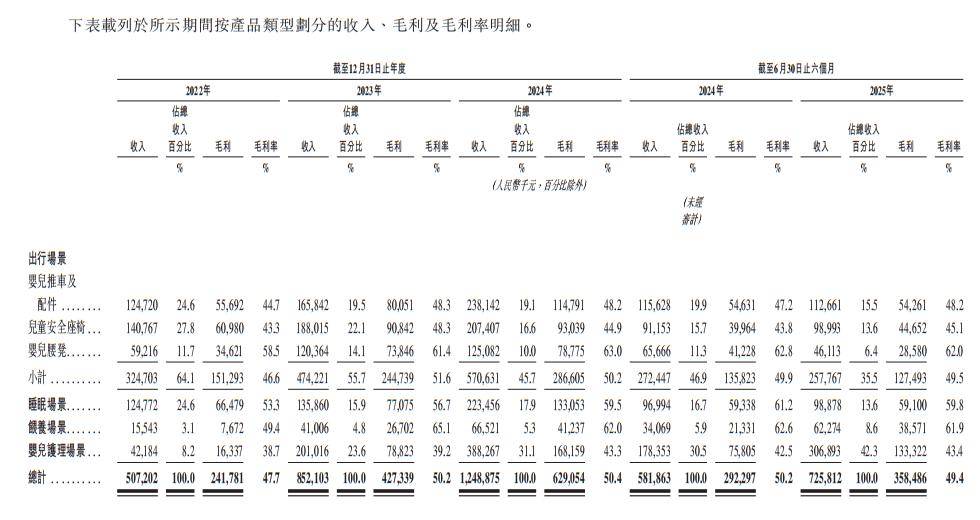
Core Insights - The article emphasizes the unique positioning of BeBeBus in a highly competitive and homogeneous consumer market, highlighting its commitment to innovation and differentiation as key to its success [1][5][20] Company Overview - BeBeBus, under the Different Group, is set to debut on the Hong Kong Stock Exchange on September 23, 2025, as the "first high-end maternal and infant consumption technology stock" [1] - The company demonstrated strong market performance prior to its listing, with a closing price increase of over 43.96% on its first trading day, achieving a market capitalization exceeding 9.3 billion HKD [1] Financial Performance - Different Group has shown impressive growth since its establishment in 2019, with revenue projected to rise from 507 million CNY in 2022 to 1.249 billion CNY in 2024, reflecting a compound annual growth rate (CAGR) of 56.9% [2] - Gross profit has nearly tripled over three years, with a CAGR of 61.3%, while adjusted net profit has an extraordinary CAGR of 236.8% [2] Market Strategy - BeBeBus has adopted a contrarian approach in the maternal and infant market, focusing on high-end products and innovative design rather than competing solely on safety and price [5][9] - The brand's first product, the "Artist" stroller, broke traditional design norms and quickly became a market success, achieving monthly sales exceeding 1 million CNY shortly after launch [8] Consumer Insights - The company has effectively identified and responded to the evolving needs of new-generation parents, particularly those born in the 1990s and 2000s, who seek a balance between parenting and personal fulfillment [11][12] - BeBeBus emphasizes user involvement in product development, establishing a user experience research center and recruiting users as co-creators to refine its offerings [15] Product Innovation - The brand integrates cutting-edge materials and technology into its products, ensuring that innovation is embedded in its DNA, which has led to significant advancements in safety and comfort [16][17] - BeBeBus has established its own manufacturing facility to enhance production efficiency and quality control, with plans for further expansion [17] Future Outlook - The company is expanding its product range from individual items to comprehensive solutions for parenting scenarios, while also targeting international markets to solidify its global presence [19][20] - BeBeBus's growth strategy is supported by significant investment from top-tier venture capital firms, reflecting confidence in its innovative capabilities and market potential [19]

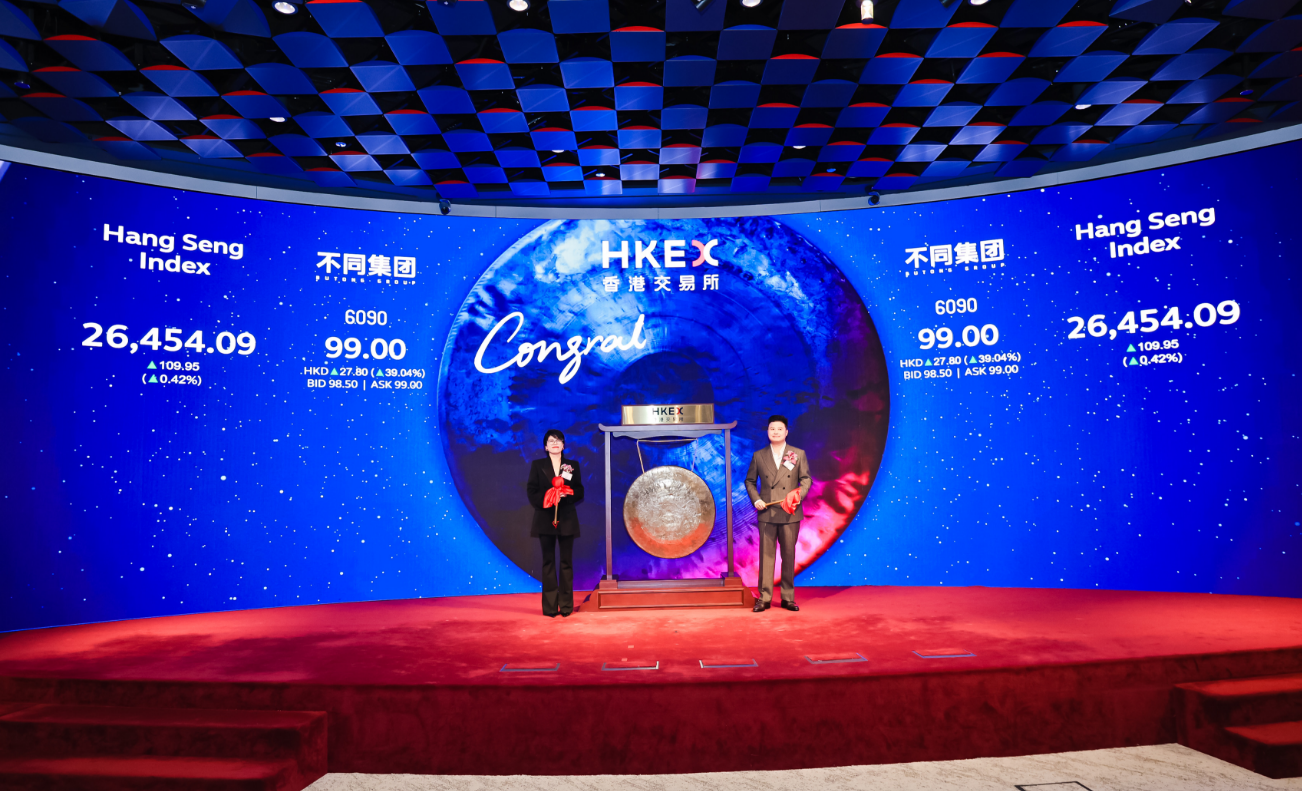
不同集团赴港上市,高端母婴品牌BeBeBus以洞察破局
Sou Hu Wang· 2025-09-22 02:22
Core Insights - BeBeBus, a high-end maternal and infant brand, is set to go public on September 23, following a successful public offering that attracted $15 million in subscriptions from cornerstone investors [1] - The company has rapidly ascended to a leading position in the domestic maternal and infant industry within five years, with its valuation skyrocketing from 300 million to 2 billion yuan [1][4] - BeBeBus is recognized as the top brand in durable parenting products for mid-to-high-end consumers in China, according to data from Frost & Sullivan [1] Market Dynamics - The Chinese mid-to-high-end parenting market is experiencing growth, driven by the implementation of a national childcare subsidy policy by 2025, leading to a shift from homogeneous competition to more refined market structures [5] - Traditional maternal and infant brands often focus on functionality at the expense of aesthetics, leaving a gap that BeBeBus aims to fill by addressing both practical and emotional needs of consumers [5][6] Product Innovation - BeBeBus emphasizes the integration of practical and emotional value in its product design, transforming parenting products into lifestyle symbols rather than mere tools [6][7] - The brand has established a "User Experience Research Center" to gather insights from social media, identifying deeper emotional needs of modern parents [8] - BeBeBus has developed a unique aesthetic system, focusing on minimalism and original design, which resonates with contemporary home decor [8][9] Brand Strategy - The company has introduced a new brand philosophy, "One Step Less, Easier," which prioritizes emotional value over redundant functionalities, allowing parents to focus on their emotional needs [9][10] - BeBeBus has engaged diverse parenting representatives in co-creation processes, ensuring that the brand remains rooted in real-life experiences of users [9][10] Financial Performance - BeBeBus has demonstrated significant financial growth, with revenue increasing from 507 million yuan in 2022 to 1.249 billion yuan in 2024, reflecting a compound annual growth rate (CAGR) of 56.9% [16] - The gross profit also rose from 242 million yuan to 629 million yuan during the same period, with an even higher CAGR of 61.3% [16] - Adjusted net profit saw an extraordinary CAGR of 236.8% from 2022 to 2024 [16] Global Expansion - BeBeBus is accelerating its global expansion, targeting major international markets such as Europe, North America, and Japan, while adapting its strategies to local needs [12][15] - The company has initiated its own R&D efforts since 2021, focusing on material innovation and process optimization to enhance product competitiveness [12][13] User-Centric Approach - BeBeBus's approach centers on user insights, ensuring that product development is driven by the actual needs and emotional expressions of parents [11][17] - The brand's ability to understand and respond to user needs has resulted in a high repurchase rate, increasing from 45.7% in 2022 to 53.3% in 2024 [11]
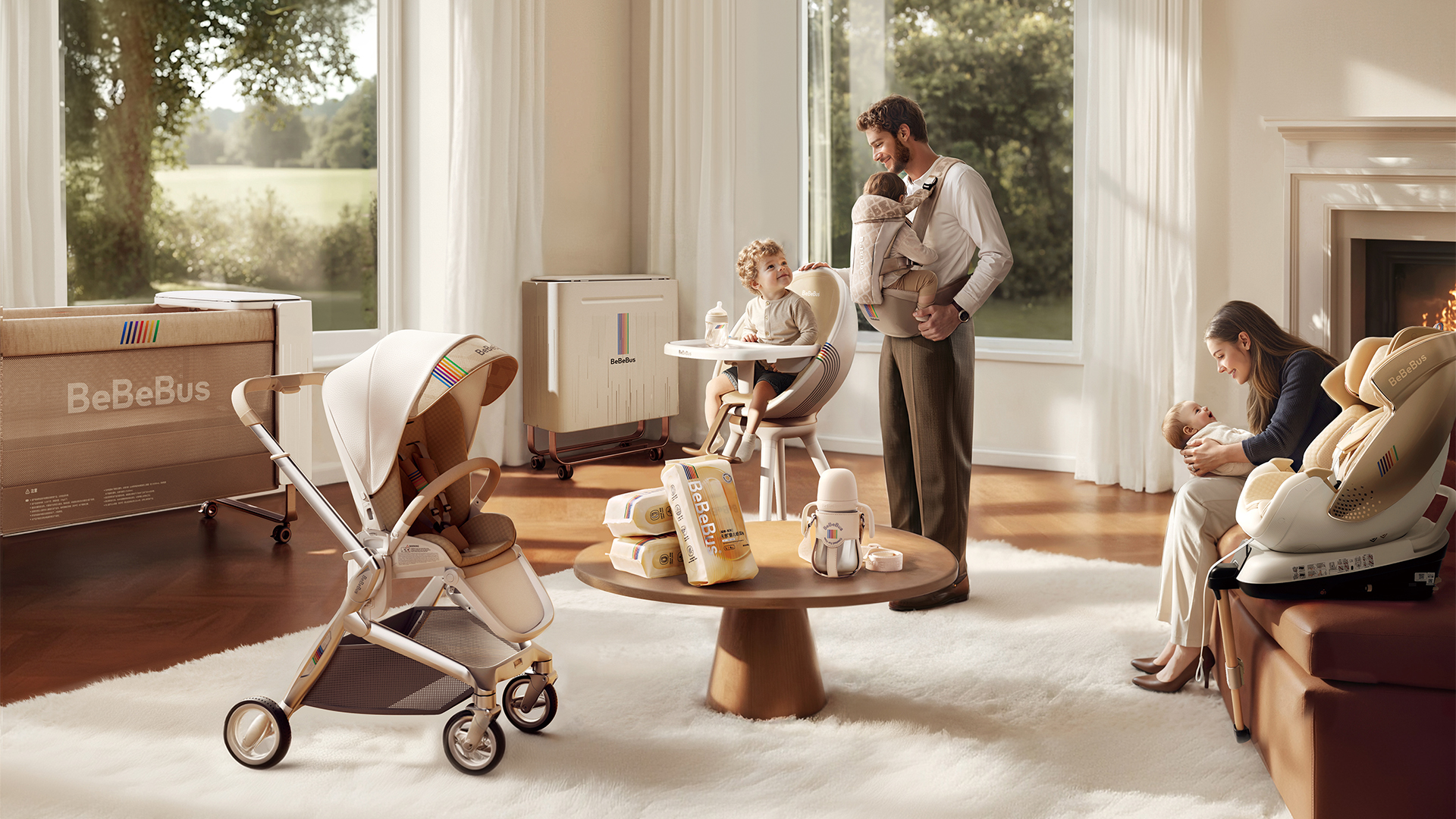
IPO周报 | 禾赛、劲方医药登陆港交所;云迹科技、卓正医疗获备案通知书
IPO早知道· 2025-09-21 13:22
IPO Overview - Hesai Group (禾赛) officially listed on the Hong Kong Stock Exchange on September 16, 2025, under the stock code "2525," marking it as the first laser radar company to achieve dual primary listings in the US and Hong Kong [3][4] - The IPO raised over HKD 41.6 billion (USD 5.33 billion), making it the largest IPO in the global laser radar industry to date and the largest Chinese concept stock IPO in Hong Kong in the past four years [3][4] - Hesai has become a global leader in laser radar development and manufacturing, with significant market shares in various automotive applications [4] Company Highlights: Hesai Group - Founded in 2014, Hesai has achieved the highest global market share in vehicle-mounted laser radar, ADAS laser radar, and L4 autonomous driving laser radar [4] - The company reported a revenue of CNY 2.08 billion in 2024, with a compound annual growth rate (CAGR) of 42.3% from 2021 to 2024 [4] - Hesai is the first and only listed laser radar company to achieve annual profitability and positive operating and net cash flow [4] IPO Overview: Jinfang Pharmaceutical - Jinfang Pharmaceutical (劲方医药) officially listed on the Hong Kong Stock Exchange on September 19, 2025, under the stock code "2595" [6] - The IPO raised USD 268 million, setting multiple records for the Hong Kong 18A sector since 2022 [6] - Jinfang focuses on innovative treatments for cancer, autoimmune, and inflammatory diseases, with a pipeline of eight candidate drugs, five of which are in clinical stages [6] Company Highlights: Jinfang Pharmaceutical - The company has developed a comprehensive and differentiated RAS product matrix, targeting significant unmet clinical needs in major cancers [7] - The CEO emphasized the importance of the IPO as a milestone for future growth and innovation [8] IPO Overview: Chery Automobile - Chery Automobile (奇瑞) plans to list on the Hong Kong Stock Exchange on September 25, 2025, under the stock code "9973" [9] - The IPO is expected to raise between HKD 160.04 billion and HKD 177.34 billion, with cornerstone investors committing approximately USD 587 million [9][10] - Chery is the second-largest independent passenger car brand in China and the eleventh largest globally [9] Company Highlights: Chery Automobile - In 2024, Chery's sales exceeded 2.295 million vehicles, with a growth rate of over 25% in both electric and fuel vehicle sales compared to 2023 [10] - The company has a diverse brand portfolio and has been the top exporter of independent passenger cars in China for 22 consecutive years [10][11] IPO Overview: BeBeBus - BeBeBus plans to list on the Hong Kong Stock Exchange on September 23, 2025, under the stock code "6090" [13] - The company focuses on high-end parenting products and has established a strong market presence in China [13][14] - BeBeBus has over 3 million members and maintains high repurchase rates across its private and online platforms [14] Company Highlights: BeBeBus - The average transaction amount for core products has remained above CNY 2,400, reinforcing its premium positioning [14] - The company has expanded its product offerings significantly since its inception [13] IPO Overview: Nuwa Technology - Nuwa Technology (暖哇科技) submitted its prospectus for listing on the Hong Kong Stock Exchange on September 16, 2025 [18] - The company specializes in AI solutions for the insurance industry and is recognized as the largest independent AI technology company in this sector in China [18][19] - Nuwa's revenue has shown significant growth, with a CAGR of 65.5% from 2022 to 2024 [19] Company Highlights: Nuwa Technology - The company achieved profitability in 2023, with an adjusted net profit of approximately CNY 57.5 million in 2024 [19] IPO Overview: Cloudtrace Technology - Cloudtrace Technology (云迹科技) received a notice for its overseas listing on September 18, 2025 [21] - The company is a leader in the robot service market, with a significant number of robots deployed across various sectors [22][23] - Cloudtrace's revenue has grown from CNY 163 million in 2022 to CNY 245 million in 2024, with a rising gross margin [23] Company Highlights: Cloudtrace Technology - The company has served over 34,000 enterprise clients and completed over 5 billion service instances in 2024 [23][24] IPO Overview: Distinct Healthcare - Distinct Healthcare (卓正医疗) received a notice for its overseas listing on September 17, 2025 [26] - The company operates in the high-end healthcare service market in China, with a focus on comprehensive medical services [26][27] - Distinct Healthcare's revenue has grown from CNY 473 million in 2022 to CNY 959 million in 2024, achieving profitability in 2024 [27][28]

BeBeBus母公司计划9月23日在港交所上市
Sou Hu Cai Jing· 2025-09-16 13:59
Group 1 - Different Group plans to officially list on the Hong Kong Stock Exchange on September 23, 2025, with its subsidiary BeBeBus issuing 10,980,900 shares in the IPO [1] - The IPO will consist of 1,098,100 shares for public offering in Hong Kong and 9,882,800 shares for international offering [1] Group 2 - BeBeBus, founded in 2019, has become a well-known brand in the Chinese parenting products market [3] - In the first half of 2025, the company achieved revenue of 726 million yuan, representing a year-on-year growth of 24.7% [3] - Revenue from baby care products reached approximately 307 million yuan, accounting for 42.3% of total revenue, with sales of about 155 million baby diapers and 1.126 million packs of wet and soft towels [3] - The significant growth in baby care product revenue is attributed to an expanded product range, with the number of SKUs increasing from 142 in 2022 to 290 in the first half of 2025 [3]
BeBeBus母公司向港交所递交上市申请
Sou Hu Cai Jing· 2025-09-03 11:42
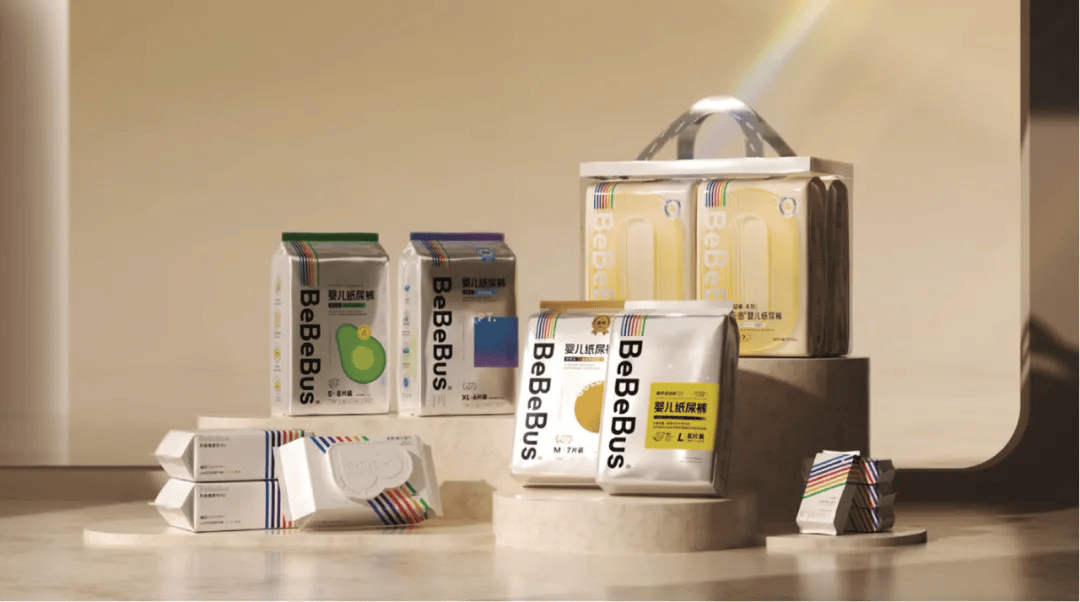
Core Viewpoint - BeBeBus's parent company has submitted a listing application to the Hong Kong Stock Exchange, aiming to advance its listing process, with CITIC Securities and Haitong International as joint sponsors [1]. Company Overview - Different Group, the parent company of BeBeBus, focuses on designing and selling parenting products and was established in 2019 [1]. - BeBeBus has developed a product range that includes baby strollers, child safety seats, cribs, high chairs, and hygiene products, expanding into key scenarios such as parent-child travel, sleep, feeding, and hygiene care [1]. Financial Performance - In the first half of 2025, the company achieved revenue of 726 million RMB, representing a year-on-year growth of 24.7% [1]. - Revenue from baby care products was approximately 307 million RMB, accounting for 42.3% of total revenue, with sales of baby diapers reaching about 155 million pieces and wet wipes around 1.126 million packs [1]. - The significant growth in baby care product revenue is attributed to an increase in product offerings, with SKUs rising from 142 in 2022 to 290 in the first half of 2025 [1]. Sales Channels - The company combines online and offline channels to expand its sales network, reaching a wide consumer base [3]. - In the first half of 2025, online channel revenue was approximately 532 million RMB, making up 73.2% of total revenue, while offline channel revenue was about 194 million RMB, accounting for 26.8% [3]. - The online sales channels include major platforms such as Tmall, JD.com, Douyin, and Pinduoduo, along with private domain platforms like WeChat [3]. Market Position - BeBeBus has quickly established itself as a well-known brand in the Chinese parenting product market within just five years of its inception [1]. - The company has a high customer repurchase rate of 40.23% and has built a membership base of approximately 3.5 million across its online platforms [4].
别问做不做大促,要问怎么把大促做深做透
3 6 Ke· 2025-08-28 12:28
Core Insights - The current consumer industry is experiencing collective anxiety regarding the reliance on low prices as the only solution, with concerns that brand, quality, and innovation are losing importance [1] - There is also anxiety about the diminishing significance of major promotional events as consumer stockpiling mentality fades, leading brands to question the effectiveness of high marketing costs during these events [1] - The recent release of the "China Online Consumption Brand Index" (CBI) and "Global Brand China Online Top 500" lists by Peking University indicates that consumer emphasis on brand and quality is actually increasing, and major promotions remain a key strategy for enhancing brand value and customer loyalty [1][2] Group 1: CBI Index and Methodology - The CBI index is the first brand value assessment system based entirely on actual consumer purchasing behavior, filling a gap left by traditional macro indicators [1] - The index is developed by Peking University and supported by Alibaba, updated quarterly, and utilizes a comprehensive data set from 6,000 brands on Taobao and Tmall [3][5] - The methodology employs machine learning algorithms to identify key indicators that distinguish "high-quality brands" from ordinary ones, ensuring the index is both comprehensive and dynamic [6][5] Group 2: Trends and Consumer Behavior - The CBI index shows an upward trend, with a notable increase in consumer preference for quality brands during major promotional events like 618 and Double 11 [7][10] - The data indicates that during these promotional periods, consumers not only increase their total spending but also show a stronger inclination towards selecting quality brands over low-priced alternatives [7][9] - The seasonal fluctuations in the CBI index reflect the impact of major promotions on brand rankings, with brands like Midea and Haier significantly improving their positions during the 618 event [10][11] Group 3: New Brands and Market Dynamics - The research highlights that major promotions serve as critical growth accelerators for emerging brands, allowing them to establish a foothold in competitive markets [12] - For categories like beauty and personal care, promotions help brands create a closed loop from demand generation to brand recognition, enhancing consumer loyalty [13] - In the mother and baby category, promotions facilitate trust-building and market penetration, while personal care brands leverage differentiation and innovative channels to stand out [14][15] Group 4: Strategic Implications for Brands - The core conclusion from the CBI findings is that the challenge for brands is not whether to participate in promotions, but how to effectively leverage them for deeper engagement and growth [17] - Each promotional event represents an opportunity for brands to either capture market share or risk being left behind, emphasizing the need for strategic planning and execution [17]
品牌的敌人,从来都不是大促
虎嗅APP· 2025-08-23 13:30
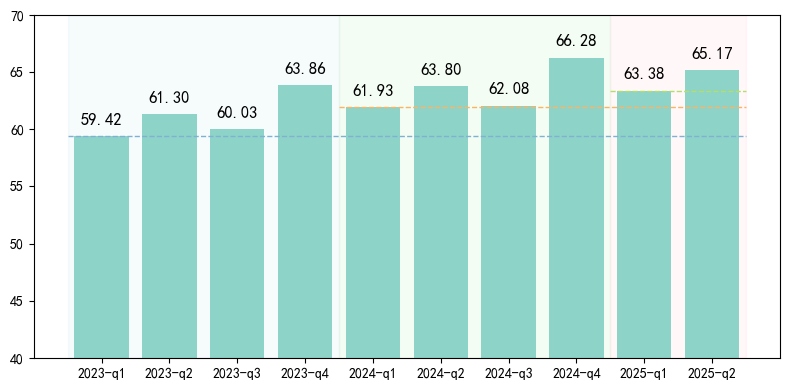
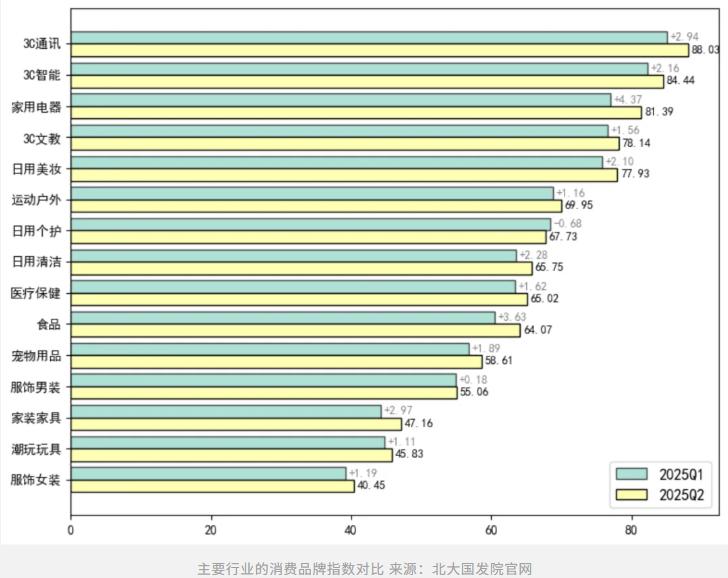
Core Insights - The article discusses the development of a "Consumer Quality Index" that evaluates the quality of products based on consumer purchasing behavior, aiming to provide a clearer understanding of consumer preferences and market trends [2][5][10] - It highlights the ongoing trend of consumption upgrading in China, where consumers are increasingly willing to pay for higher quality products, even during major sales events [12][16] Group 1: Consumer Quality Index - The "Consumer Quality Index" (CBI) is the first global brand value assessment system based entirely on actual consumer purchasing behavior, filling a gap left by traditional macroeconomic indicators [5][10] - The CBI has shown a significant increase, with the index rising from 63.38 in Q1 2025 to 65.17 in Q2 2025, indicating a 2.14% year-on-year growth [10] - This index reflects a shift in consumer behavior, where a substantial portion of consumers are moving towards brands that have recently entered the top 500 rankings [10] Group 2: Consumer Behavior and Sales Events - Contrary to traditional beliefs that major sales events lead to a decline in product quality, data shows that during events like "618" and "Double 11," the CBI actually increases, indicating consumers are more discerning and willing to invest in quality [16][18] - The article emphasizes that consumers view major sales as opportunities to purchase high-quality products at discounted prices, rather than merely as clearance sales [16][17] - The psychological impact of pricing during sales events plays a crucial role, as consumers perceive significant discounts on established brands more favorably than on lesser-known brands [17] Group 3: Brand Strategy and Market Dynamics - The article argues that brands should not view participation in major sales events solely as a means to boost short-term sales, but rather as an opportunity for brand value validation and consumer relationship building [27][29] - New brands particularly benefit from major sales events, as they can gain consumer attention and feedback quickly, allowing for rapid product iteration and market entry [26][27] - The CBI serves as a scientific framework for brands to understand consumer preferences and adapt their strategies accordingly, highlighting the importance of staying connected with consumer needs and market changes [29][30]

小红书名媛捧红的BeBeBus:正被闲鱼和代工厂“拆台”
3 6 Ke· 2025-08-22 09:17
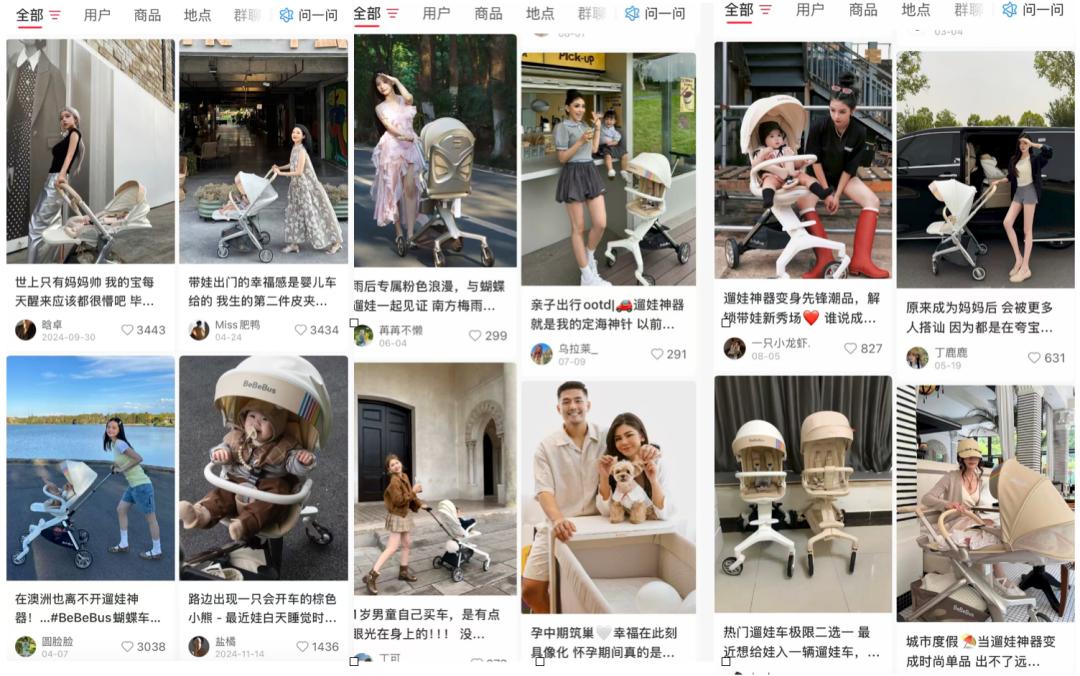
Core Insights - BeBeBus has become a benchmark in the high-end maternal and infant market, driven by its attractive design and strong social media presence, particularly on platforms like Xiaohongshu and Douyin [1][2] - The brand's average order value remains above 2400 yuan, reflecting the willingness of middle-class parents to pay a premium for perceived quality and aesthetics [1][2] - Despite its success, BeBeBus faces challenges related to pricing and supply chain vulnerabilities, as evidenced by low-priced replicas available on platforms like Xianyu [1][2] Marketing and Brand Positioning - BeBeBus's rise is attributed to its focus on design and collaboration with KOLs who possess professional backgrounds, enhancing the brand's credibility [2][3] - The brand's gross margin stands at 49.39%, significantly higher than competitors like Kid Kingdom, which has a gross margin of 27.68% [2] - The marketing strategy includes substantial investments in influencer partnerships, with promotional expenses accounting for over 30% of revenue from 2022 to mid-2025 [12][13] Consumer Behavior and Emotional Logic - For many parents, BeBeBus products symbolize a status expression rather than just functional items, with mothers willing to overlook practicality for brand prestige [4][5] - The emotional connection to the brand is strong, as consumers often prioritize brand over price, despite acknowledging the high cost [2][4] Financial Performance - BeBeBus reported revenues of 5.07 billion yuan, 8.52 billion yuan, and 12.49 billion yuan from 2022 to mid-2025, with net profits fluctuating, indicating a challenging path to sustainable profitability [12][13] - The company’s high marketing costs have raised concerns about its long-term profitability, as significant spending on promotions does not guarantee high margins [12][13] Supply Chain and Production Challenges - BeBeBus relies heavily on outsourcing for production, with most products manufactured by third-party factories, raising concerns about quality control and intellectual property protection [14][15] - The lack of stringent agreements with manufacturers has led to potential risks of product imitation, undermining the brand's exclusivity [16][17] Pricing and Channel Conflicts - The brand faces issues with pricing consistency across channels, as lower prices on platforms like Xianyu threaten its premium positioning [27][30] - The emergence of gray market sales and internal channel conflicts could dilute BeBeBus's brand value, as consumers increasingly seek lower prices [30][31]
第二季度“全球品牌中国线上500强”出炉 消费者真实行为驱动品牌排名变化
Zheng Quan Ri Bao· 2025-08-20 08:07
Group 1 - The "China Online Consumption Brand Index" (CBI) and "Global Brand China Online Top 500" (CBI500) show a growth in online consumer brand index from 63.38 in Q1 2025 to 65.17 in Q2 2025, indicating a trend towards purchasing quality brand products among Chinese consumers [1][2] - The index reflects that during major shopping events like the 618 and Double 11 festivals, consumers tend to choose quality brands over low-priced private labels, highlighting the importance of online promotional activities for brand management and quality consumption [1][2] - The CBI500 list sees significant changes with Apple, Midea, Xiaomi, Haier, and Huawei occupying the top five positions, while traditional brands like Six God and Diamond Fan also make it to the top 500 due to increased sales and search volume in summer categories [1][2] Group 2 - The newly introduced "Fast-Moving Consumer Goods (FMCG) New Brands List" indicates a recovery trend and growth potential in China's FMCG sector, with 48 out of 50 listed brands being emerging brands from mainland China [2] - Key factors for new brands transitioning from "internet celebrity" to sustainable success include understanding high-value consumer preferences and repeat purchase behavior [2][3] - The research emphasizes the need for new brands to shift from a "traffic mindset" to "user lifecycle management" to effectively engage high-value users through product innovation and service experience [3]
“中国线上消费品牌指数”二季度持续增长,618、双11成品质消费重要时点
Zhong Guo Jing Ji Wang· 2025-08-20 04:11
Group 1 - The "China Online Consumption Brand Index" (CBI) and "Global Brand China Online Top 500" (CBI500) show a growth in online consumer brand index from 63.38 in Q1 2025 to 65.17 in Q2 2025, indicating a trend towards purchasing quality brand products among Chinese consumers [1][2] - The CBI series, developed by Peking University and supported by Alibaba, is the first brand value assessment system based on actual consumer purchasing behavior, filling a gap in traditional macro indicators [2][6] - The CBI index reveals significant seasonal fluctuations in online consumption, with higher values in Q2 and Q4 due to major shopping events like 618 and Double 11, where consumers prefer quality brands over low-priced alternatives [3][5] Group 2 - The top five brands in the CBI500 for this quarter are Apple, Midea, Xiaomi, Haier, and Huawei, with Midea rising to second place due to increased sales and search volume in summer categories [7] - The CBI500 ranking reflects real consumer behavior, with seasonal changes in brand rankings driven by actual sales and search data during shopping festivals [7][8] - A new "Fast-Moving Consumer Goods (FMCG) New Brands List" has been introduced, highlighting the growth potential of emerging brands, with 48 out of 50 listed brands being new Chinese brands [8][9] Group 3 - The research indicates that attracting high-value consumer groups and encouraging repeat purchases are key factors for new brands transitioning from temporary popularity to sustained success [9] - Brands are advised to shift from a "traffic-driven" approach to "user lifecycle management" to effectively engage high-value users through product innovation and service experience [9]