优必选

Search documents
领跑全国!深圳经济科技硬核实力凸显
Sou Hu Cai Jing· 2026-02-10 16:12
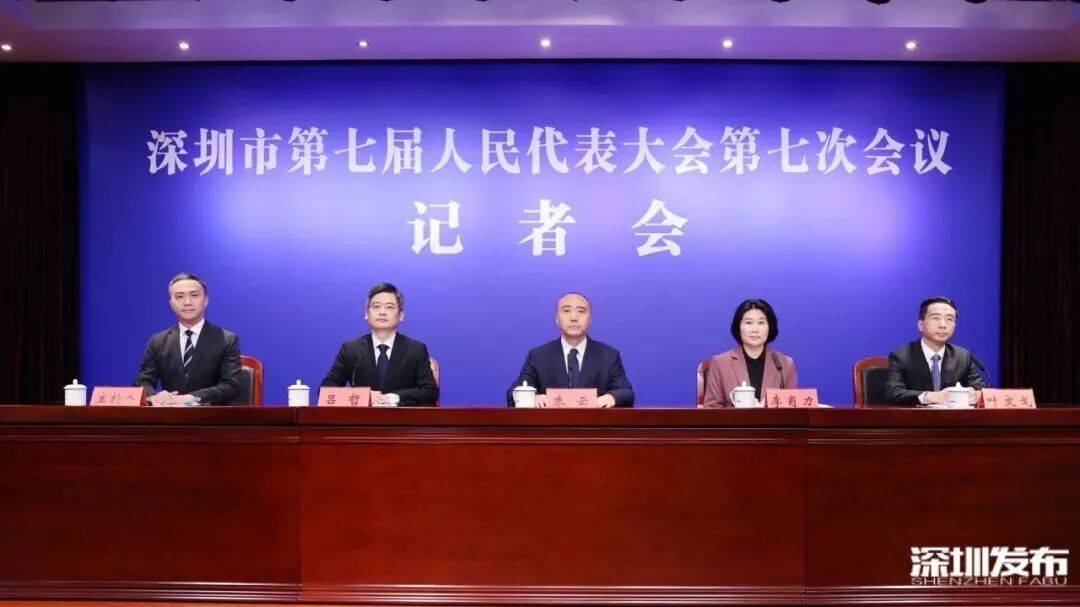
人工智能产业集群 增加值实现两位数增长 规上工业总产值突破5万亿元 专精特新"小巨人"企业数量 跃居全国城市首位 …… 2月10日,深圳市七届人大七次会议举行经济科技专场记者会。深圳市发展和改革委员会副主任朱云,深圳市科技创新局副局长、市外国专家局局长李肖 力,深圳市工业和信息化局党组成员、市中小企业服务局局长吕哲,深圳市商务局副局长叶文戈围绕深圳市"十四五"发展成就和"十五五"规划的有关情况 答记者问。 人工智能领跑全国 现代化产业体系蓄势待发 政府工作报告提到,2025年深圳市人工智能等集群增加值实现两位数增长。朱云表示,"十四五"期间,深圳主动作为抢抓人工智能重大发展机遇。现有人 工智能规上企业超2600家,2025年人工智能核心产业营收约2200亿元,产业综合实力稳居全国第一梯队。打造全栈自主的基础算力底座,深圳已建成和在 建的智能算力规模达54.3E,推进国家人工智能行业应用基地建设。 展望"十五五",深圳将进一步强化深圳人工智能供应链优势,在智能终端、国产算力等方面持续发力,奋力将深圳打造成为自主可控算力技术引领地、全 国新一代智能终端创新主阵地、国际开放合作解决方案输出地。 "'十五五'时期要持 ...

智通港股解盘 | 大模型节前密集发布大浪淘沙 机器人或形成接力
Zhi Tong Cai Jing· 2026-02-10 12:43
Market Overview - The market continues to follow the rebound of US stocks, with Hong Kong stocks jumping above 27,000 points but later experiencing volatility, closing up 0.58% [1] - The competition among major companies in large model development is intensifying, transitioning from a "hundred model war" to a focus on commercialization, innovation, and global layout, with the number of capable developers reduced from over 200 to less than 10 [1] AI Model Developments - ByteDance's image generation model Seedream 5.0 has launched on various platforms, enhancing image generation capabilities and allowing precise adjustments [2] - Alibaba has reportedly integrated its new model Qwen 3.5 into the HuggingFace open-source project, indicating an imminent release [2] - The launch of Seedance 2.0 has been highly praised, marking a significant advancement in video generation technology, leading to concerns over privacy and copyright issues [1][2] Company Performance and Strategies - The CEO of Yueda Group has outlined three core strategic directions for the year: "evergreen content, IP+AI, and globalization," which are expected to benefit from the advancements in AI models [2] - Xunce (03317) is positioned as a leader in real-time data infrastructure and analysis solutions, with expectations of being included in the Hong Kong Stock Connect list, leading to a stock increase of over 15% [4] Financial Highlights - Semiconductor company SMIC reported a 2025 Q4 revenue of 17.813 billion yuan, a year-on-year increase of 11.9%, with a net profit of 1.223 billion yuan, up 23.2% [8] - The company anticipates a revenue growth rate higher than the industry average for 2026, with a capital expenditure plan similar to 2025 [8] Industry Trends - The demand for AI-driven applications is driving interest in related stocks, with companies like Xunce and others in the AI data analysis sector gaining attention [3] - The shipping sector is also showing strength, with companies like Pacific Shipping and COSCO Shipping Energy experiencing stock increases due to rising demand for dry bulk shipping [6] Robotics and AI Innovations - Alibaba's Damo Academy has released the RynnBrain model, significantly enhancing robotic capabilities, which is expected to attract investment in the robotics sector [7] - The launch of the Gino1 robot by Geekplus is anticipated to have a broad application in China's logistics sector, contributing to a stock increase of over 11% [6]

中国首个“万亿区”诞生!6000家高企,每平方公里54亿:解构中国最“恐怖”的经济密度……
Xin Lang Cai Jing· 2026-02-10 12:41
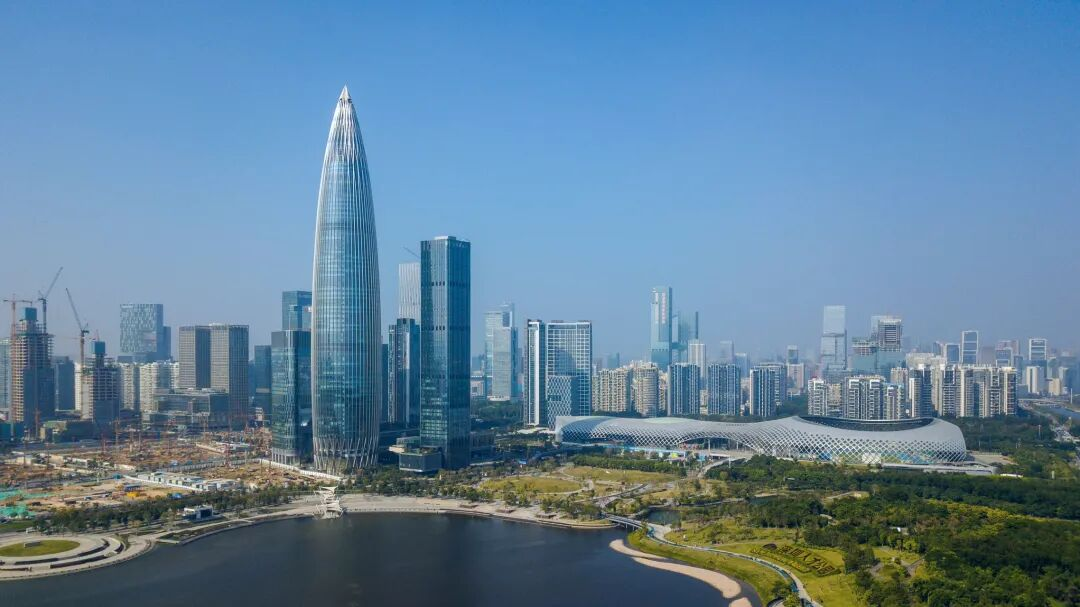
Core Insights - Shenzhen's Nanshan District has become the first county-level administrative region in China to surpass a GDP of 1 trillion yuan by 2025, surpassing approximately 90% of China's prefecture-level cities and even exceeding the annual economic output of small European countries like Iceland and Estonia [2][38] - Nanshan's economic success is attributed to a combination of market mechanisms, technological innovation, and urban governance, rather than natural resource endowments or administrative status [4][39] Economic Performance - Nanshan generates over 25% of Shenzhen's economic output on less than 10% of its land, with a GDP density of 54 billion yuan per square kilometer, three times the average in Shenzhen and over three times that of Shanghai's Pudong New Area [2][38] - The district hosts 218 listed companies and contributes approximately 0.7% to the national GDP, showcasing a high concentration of economic activity [2][38] Industrial Ecosystem - Nanshan is characterized as a "tropical rainforest" of industry, with over 600,000 market entities, including 6,037 national high-tech enterprises, creating a unique ecosystem of vertical integration and rapid innovation [7][41] - The district's "robot valley" exemplifies its industrial efficiency, where product development cycles are significantly shorter than in Silicon Valley, allowing for rapid prototyping and testing [9][43] R&D Investment - Nanshan's R&D investment intensity reaches 7.87%, far exceeding the national average of approximately 2.5% and surpassing Israel's 5.6%, leading to a high number of patents per capita [14][48] - The integration of secondary and tertiary industries has resulted in nearly 80% of the economy being driven by high-tech services rather than traditional sectors, with strategic emerging industries accounting for nearly 60% of GDP [14][48] Government Role - The local government plays a crucial role in fostering innovation through supportive policies, including substantial industry guidance funds and a high tolerance for failure, which helps startups navigate funding challenges [16][50] - Nanshan's strict intellectual property protection has made it a hub for international patent applications, accounting for 1/14 of the national total [18][52] Urban Integration - The district promotes seamless collaboration between academia and industry, with universities located close to enterprises, facilitating talent mobility and innovation [20][54] - Nanshan's urban planning integrates work and leisure, creating an attractive environment for top talent, which enhances cross-industry innovation [22][56] Comparative Analysis - Compared to Beijing's Haidian District, which excels in original innovation, Nanshan's strength lies in the industrialization of technology, with over 90% of R&D activities occurring within enterprises [24][58] - In contrast to Shanghai's Pudong, which benefits from significant state resources, Nanshan's growth is driven by grassroots entrepreneurship and a market-oriented approach [28][62] Challenges Ahead - Nanshan faces risks of hollowing out due to rising costs, as high rents and labor expenses may drive manufacturing away, necessitating innovative solutions to maintain its industrial base [30][65] - The district's administrative status as a district limits its governance capabilities, posing challenges in fiscal management and regional coordination [32][67] - The high cost of living may hinder the retention of young talent, raising concerns about the sustainability of its innovative ecosystem [34][69] Conclusion - Nanshan's achievement as the first trillion-yuan district signifies a shift towards innovation-driven growth without reliance on natural resources, providing a model for other regions in China [36][70] - The district's future will depend on balancing high-quality growth with quality of life, as it navigates the complexities of urbanization and economic development [36][70]
2025年全球人形机器人行业竞争分析 中国领跑硬件与集成端【组图】
Qian Zhan Wang· 2026-02-10 07:12
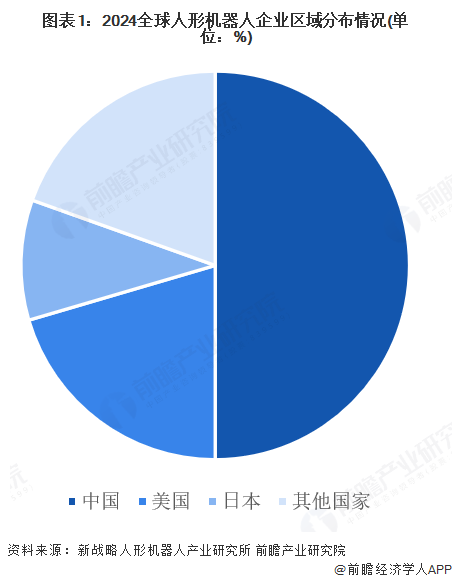
Core Insights - The global humanoid robot industry is predominantly led by China, which houses over 110 companies, accounting for more than 50% of the total 220 humanoid robot manufacturers worldwide [1] - China excels in hardware and integration segments, while the US leads in the "brain" segment, focusing on AI models and software [4][5] - China has filed approximately five times more humanoid robot patents than the US, with a total of 7,705 patents, indicating a strong emphasis on innovation and technology development [6] - The competition among China, the US, and Japan in the humanoid robot industry is characterized by distinct strategies and market focuses [9] Industry Overview - Major listed companies in China's humanoid robot sector include Huichuan Technology, Sanhua Intelligent Control, Lens Technology, Hengli Hydraulic, Top Group, Linying Intelligent Manufacturing, Zoomlion Heavy Industry, and Jinli Permanent Magnet [1] - The global humanoid robot industry is expected to reach a market size of 861 billion yuan by 2027, with China aiming for a fully controllable supply chain and over 70% localization of core components [9][11] Competitive Landscape - Chinese companies like Zhiyuan Robotics and UTree Technology are rapidly advancing in mass production and cost control, while US firms like Boston Dynamics and Tesla focus on core technology breakthroughs [11][12] - The strategic direction for Chinese firms includes low-cost strategies to expand into consumer and industrial markets, while US companies are investing heavily in AI and technology development [11] - Japan's approach is centered on precision manufacturing and specialized components, targeting healthcare and industrial applications [9][11] Patent and Innovation - China leads in humanoid robot patent applications, with 7,705 patents compared to the US's 1,561 and Japan's 1,102, showcasing its dominance in core technology areas [6] - The focus of Chinese patents includes body structure, intelligent perception, and drive control, indicating a comprehensive approach to technology development [6] Market Projections - By 2027, the humanoid robot market is projected to achieve significant growth, with China aiming for a market scale of 861 billion yuan and the US targeting over 40% of the global market share [9][11]



穹彻智能完成A轮融资,将投入具身大脑研发
Xin Jing Bao· 2026-02-10 04:01
Core Insights - The company Qunche Intelligent has completed a Series A financing round, raising several hundred million RMB, led by C Capital with participation from Sea Limited, PwC Capital, and other domestic and international investors, including existing shareholder Prosperity7 Ventures who made an oversubscribed investment [1] Group 1: Financing Details - The financing amount is several hundred million RMB, indicating strong investor interest and confidence in the company's potential [1] - The funds will be utilized for the research and development of the company's embodied intelligence brain and for commercializing applications across multiple scenarios [1] Group 2: Company Overview - Qunche Intelligent was established in November 2023, focusing on the development of embodied intelligence large models and related infrastructure [1] - The company aims to create a complete technological chain from data collection, model pre-training to post-training, facilitating the application of "embodied brains" in various scenarios [1] Group 3: Strategic Partnerships - Qunche Intelligent has formed strategic partnerships with leading humanoid robot companies like UBTECH, large local data collection centers, and multinational data collection bases [1]
智元机器人举办《机器人奇妙夜》,北京人形完成首轮超7亿元融资
Southwest Securities· 2026-02-10 02:25
Investment Rating - The report maintains an "Outperform" rating for the machinery equipment industry [1]. Core Insights - The robotics industry is experiencing significant investment activity, with notable financing rounds and strategic partnerships that indicate strong growth potential [5][22][24]. - The industry is characterized by a diverse range of applications, including industrial automation and embodied intelligence, which are gaining traction in various sectors such as 3C electronics, semiconductors, and automotive [18][22]. - The report highlights the performance of the robotics index, which has remained stable compared to major indices, indicating resilience in the market [11]. Summary by Sections Market Review - From February 2 to February 8, the robotics index was flat, with the China Securities Robotics Index declining by 1.3%, aligning closely with the Shanghai Composite Index and the CSI 300 Index, while outperforming the ChiNext Index by 2.0 percentage points [11]. - Notable events included the "Robot Wonderful Night" hosted by Zhiyuan Robotics, showcasing various performances and attracting significant attention [16][17]. Industry Dynamics - Zhiyuan Robotics completed a financing round exceeding 700 million yuan, supported by several prominent investment institutions, marking a significant step towards market-oriented operations [22]. - Linghou Robotics secured over 100 million yuan in Pre-B financing, expanding its product matrix in industrial automation and embodied intelligence [18]. - Zhi Ji Power completed a $200 million B round financing, focusing on breakthroughs in core technologies for humanoid robots and modular base robots [24]. - A strategic partnership was formed between Ru Shen Robotics and Si Ling Robotics to advance applications in rehabilitation and elderly care [21].
头部具身大脑公司获数亿元融资,多家海外基金加注、曾获阿里投资|硬氪首发
3 6 Ke· 2026-02-10 01:32
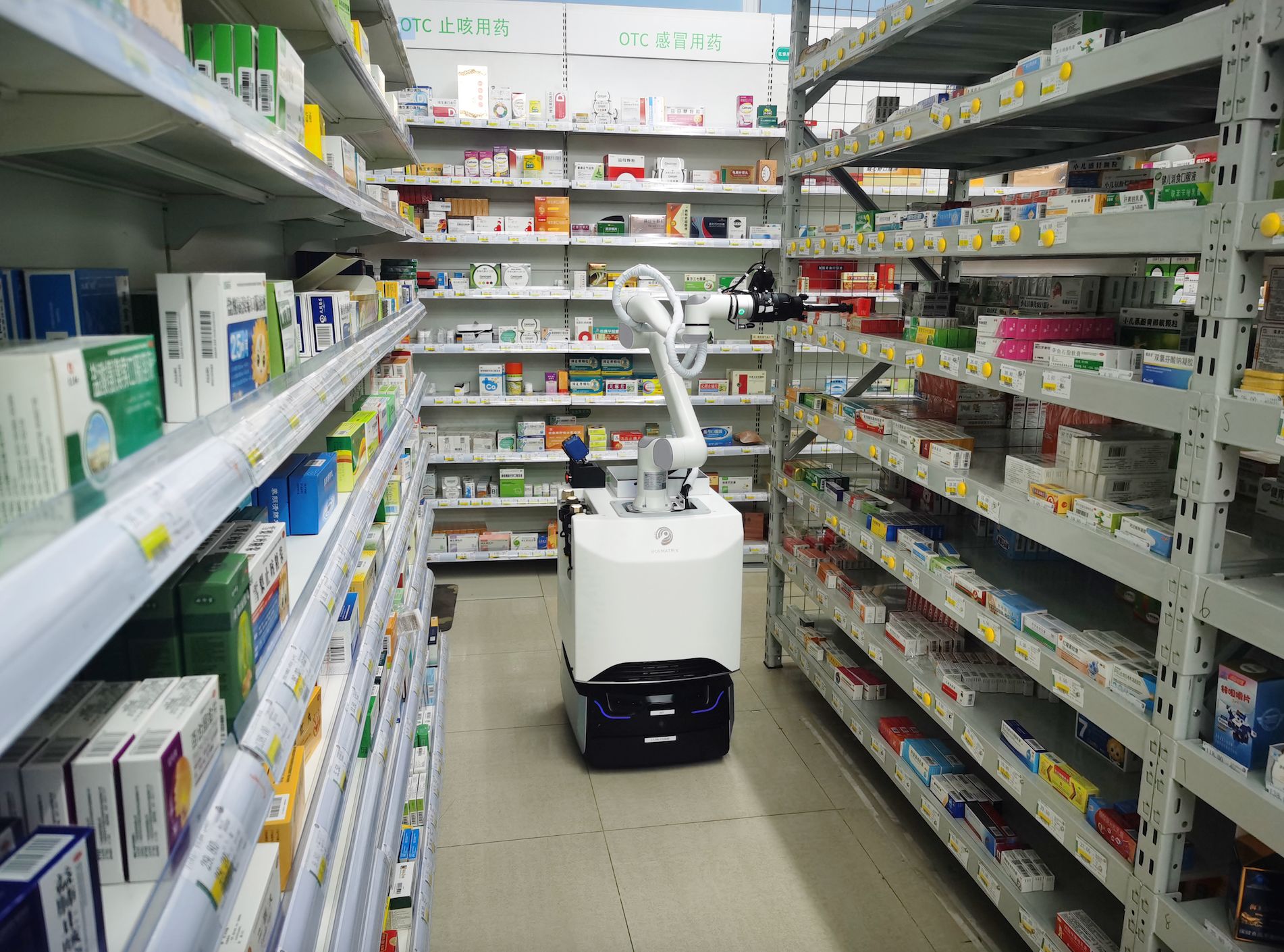
硬氪获悉,具身智能企业穹彻智能近日已完成数亿元A轮融资。本轮由C资本领投,Sea Limited(Shopee母公司)、普华资本等多家海外产业方和国内头部 财投跟投,老股东Prosperity7 Ventures亦超额追加投资。 作者|黄楠 编辑|袁斯来 此次融资,距离公司2025年10月获得阿里巴巴集团投资仅相隔数月。 其中,C资本在亚洲、欧洲、澳洲拥有丰富的产业与渠道资源,,而Sea Limited作为东南亚头部互联网平台,其电商、物流与数字支付生态与具身智能落地 场景高度契合。两家投资方的加入,有助于为穹彻智能拓展全球市场提供战略入口与本地化协同能力,加快"数据-模型-场景"闭环在海外多样化环境中落地 应用。 成立于2023年11月,穹彻智能是国内最早专注在具身智能领域的创业公司之一。 公司联合创始人卢策吾现任上海交通大学人工智能学院副院长、长江学者特聘教授,IROS、ICRA最佳论文获得者,两次获得RSS最佳论文提名,在 Nature、T-RO、IJRR、RSS等国际顶会/期刊发表论文200余篇。联合创始人王世全为斯坦福大学博士,长期从事仿生灵巧操作与人工智能研究,于2016年创 办了通用机器人公司非 ...
投资者:产品必须围绕场景落地 三条技术路线并行竞速,各有瓶颈
Mei Ri Jing Ji Xin Wen· 2026-02-09 15:19
Core Viewpoint - The humanoid robot industry is shifting focus from entertainment to practical applications, with a significant increase in production expected in the coming years, driven by the need for robots to demonstrate real-world value rather than just perform on stage [1][3][4]. Industry Trends - The humanoid robot market is projected to see a shipment increase of over 650% in 2025, reaching approximately 18,000 units, and is expected to rise to 62,500 units in 2026 [3]. - The industry is moving past a phase of "wild growth," where mere performance was sufficient for sales, to a more mature phase where practical applications and real-world scenarios are essential for success [4][14]. Technology Development - Three main technical routes are emerging in the humanoid robot sector: VLA (Visual Language Action) model, world model, and layered decision-making with hardware-software collaboration, each with distinct advantages and challenges [7][9][10]. - The VLA model aims for general intelligence, relying on vast data for training, while the world model focuses on simulating physical environments to predict actions [9][10]. - The layered decision-making approach breaks down complex tasks into manageable components, enhancing reliability and efficiency in real-world applications [9][10]. Market Demand - There is a growing demand for robots that can operate in specific scenarios, such as factories and logistics, where they can perform tasks like assembly and packaging, thus providing tangible economic value [13][14]. - Users are increasingly looking for robots that can reduce production costs and alleviate humans from repetitive or hazardous tasks, indicating a shift towards practical applications [13][14]. Investment Focus - Investors are prioritizing companies that can demonstrate viable application scenarios and tangible products, moving away from those that lack a clear path to market [4][5]. - The consensus among investors is that companies must integrate their technology with real-world applications to avoid being sidelined in a competitive landscape [4][5]. Future Outlook - The next 3 to 5 years are critical for the practical deployment of humanoid robots, with expectations that they will increasingly complement human labor rather than replace it [13][19]. - The industry is expected to see rapid technological advancements, with a focus on improving the stability and reliability of robots in various operational environments [18][19].
投资者:产品必须围绕场景落地 三条技术路线并行竞速 各有瓶颈
Mei Ri Jing Ji Xin Wen· 2026-02-09 15:10
Core Viewpoint - The humanoid robot industry is transitioning from entertainment-focused applications to practical, value-creating roles in various sectors, with a significant increase in production expected in the coming years [1][2][3]. Industry Outlook - The humanoid robot shipment in China is projected to reach 18,000 units in 2025, a surge of over 650% compared to 2024, and is expected to rise to 62,500 units in 2026 [2]. - The industry is moving towards practical applications, with robots expected to perform tasks in factories, construction sites, and logistics warehouses, rather than just serving as performers [2][3]. Investment Trends - Investors are now prioritizing companies that can demonstrate real-world applications and stable products, moving away from those that lack a solid business model or rely on minimal teams [3][4]. - The focus has shifted from merely having advanced technology to ensuring that robots can effectively operate in real-world scenarios and generate economic value [4][12]. Technological Development - Three main technical paths are emerging in the humanoid robot sector: VLA (Visual Language Action) model, world model, and layered decision-making with hardware-software collaboration [6][8]. - The VLA model aims for general intelligence, allowing robots to understand and execute complex commands, but faces challenges in computational demands and data requirements [6][7]. - The world model approach, exemplified by Tesla, focuses on creating a digital simulation of the physical world to predict actions and outcomes, reducing reliance on real-world data [8]. - The layered decision-making approach breaks down tasks into manageable components, enhancing reliability and efficiency in real-world applications [8][15]. Market Dynamics - The industry is witnessing a shift towards practical applications, with a growing demand for robots that can operate in specific environments and perform tasks like assembly and logistics [12][16]. - The market is increasingly focused on B2B solutions, where robots can work alongside humans without requiring significant infrastructure changes [16][18]. Future Trends - The next 3 to 5 years are critical for the deployment of robots in specific scenarios, with an emphasis on enhancing their operational capabilities and reliability [12][17]. - The industry is expected to see a convergence of technology paths, with a focus on integrating hardware and software to improve performance and adaptability [17][18]. - There is a growing trend towards domestic production of key components, which will support the development of more cost-effective and efficient robotic solutions [18].
富可敌市!中国最能赚钱的三个区,托举出摩尔线程、宇树们
创业邦· 2026-02-09 10:37
揭秘三大万亿市辖区创投密码!三地国资差异化打法,藏在这份"陪跑指南"里。 作者丨 巴里 编辑丨 吴岩 图源丨摄图网 2025 年,中国三大万亿 GDP 市辖区的 "成绩单" 正式敲定,内卷程度直接拉满 —— 上海浦东新区以 18769 亿元坐稳头把交椅,北京海淀区 13691 亿 元紧随其后,深圳南山区 10102 亿元稳居第三。 更亮眼的是人均 GDP :南山 7.79 万美元(约合 54 万元人民币)、海淀 6.15 万美元 (约合 43 万元人民币) 、浦东 4.55 万美元(约合 32 万元人民 币),南山甚至直接超越港澳, 185 平方公里的弹丸之地,每平方公里能造 54 万元 GDP ,堪称 "中国最能赚钱的地方"。与二者不同,南山区是目前唯 一一个由地级市下辖区实现万亿 GDP 的城区。 这三个辖区能一路领跑,靠的不是传统产业的堆砌,而是科创的硬实力。 百度、字节、华为、大疆这些科技巨头扎堆扎根, AI 、芯片、机器人等新兴赛道的初创公司更是遍地开花。 而在这些科创企业从 "小作坊" 长成 "上市公司" 的路上,有一个隐形推手不可或缺 —— 地方国资。 海淀、浦东、南山的国资平台近年来一 直 活 ...