
元气森林

Search documents
2025年中国无糖茶行业研究报告——从高速增长迈向结构优化与品牌分化
Sou Hu Cai Jing· 2025-11-01 01:17
Core Insights - The Chinese sugar-free tea industry has transitioned from rapid growth to structural optimization and brand differentiation, becoming a vibrant segment in the soft drink market [1][2] - The market size of sugar-free beverages in China is projected to grow from 2.26 billion yuan in 2015 to 57.05 billion yuan in 2024, with a compound annual growth rate (CAGR) of 43.2% [1][18] - In 2025, sugar-free tea sales are expected to experience a decline for the first time, primarily due to market saturation in first- and second-tier cities, product homogenization, and competition from alternative beverages [1][19] Industry Overview - Sugar-free tea is defined as ready-to-drink tea with a sugar content not exceeding 0.5 grams per 100 grams or 100 milliliters, categorized into green tea, black tea, oolong tea, and others [12][19] - The overall tea beverage market is also growing steadily, with a market size increase from 114.4 billion yuan in 2018 to 154.5 billion yuan in 2024, reflecting a CAGR of 5.2% [1][42] Market Dynamics - In 2025, jasmine tea leads in market share, followed closely by oolong tea, while pu-erh and green tea maintain stable shares [2][20] - The consumer demographic is predominantly under 30 years old, accounting for 70.8% of the market, with health concerns being the primary purchasing motivation [2][32] - Offline channels dominate with an 81.5% share, with convenience stores being the core consumption scene, while online channels are rapidly growing [2][34] Competitive Landscape - The market is characterized by a "one strong, many strong" competition pattern, with Dongfang Shuye leading with a 75% market share, followed by Suntory and Kang Shifu [2][19] - The industry concentration is increasing, with the top five companies (CR5) in the ready-to-drink tea market reaching 79.6% in the first half of 2025 [2][19] Consumer Trends - Health consciousness is driving the market, with consumers increasingly favoring products that are sugar-free, low-calorie, and additive-free [2][35] - The demand for functional and flavorful beverages is rising, with consumers showing a preference for quality and taste over price competition [2][35] Future Outlook - The industry is expected to continue evolving towards functionalization and flavor diversification, with increasing brand differentiation [2][19] - The growth of the sugar-free tea market will be supported by rising health awareness, technological advancements in taste optimization, and favorable policies promoting low-sugar products [2][39][40]


北京首钢男篮方硕谈发展信心
Bei Jing Wan Bao· 2025-10-31 09:24
Core Viewpoint - The article emphasizes the importance of confidence in high-quality development during the "14th Five-Year Plan" period, as highlighted by various entrepreneurs and industry leaders in Beijing [1] Group 1: Economic Development - The discussion revolves around the achievements during the "14th Five-Year Plan" and the collective effort to maintain momentum for economic growth [1] - Entrepreneurs from various sectors express their commitment to fostering confidence in the ongoing development journey [1] Group 2: Entrepreneurial Insights - Notable figures such as Zhang Wenzhong from Wumart Group, Zhao Yan from Huaxi Group, and Tang Binsen from Yuanqi Forest share their perspectives on the current economic landscape [1] - The involvement of sports figures like Fang Shuo from Beijing Shougang Basketball Club indicates a broader engagement of different sectors in promoting economic confidence [1]
霸王茶姬融资故事:一手烂牌打到逆天改命
3 6 Ke· 2025-10-30 17:16
Core Insights - The article discusses the successful IPO of BaWang Tea Ji, a Chinese fresh milk tea brand, which debuted on NASDAQ with a significant first-day increase in stock price, reflecting strong market interest and investor confidence [1][2] - The company reported impressive financials, projecting a revenue of approximately 12.4 billion yuan for 2024, a 50% increase from the previous year, and a net profit of around 2.5 billion yuan, doubling from the prior year [1][2] Investment Background - XVC, an early-stage venture capital firm, made a substantial investment in BaWang Tea Ji, viewing it as a significant opportunity in the beverage sector, particularly in the tea market [2][5] - The investment manager from XVC recognized the potential of BaWang Tea Ji despite its initial small scale, noting its growth in same-store sales and strategic focus on tea quality [2][3] - The founder, Zhang Junjie, demonstrated strong self-learning capabilities and business acumen, which ultimately convinced investors to overlook initial concerns regarding his lack of formal education [4][5] Competitive Landscape - Other notable investors included Fosun, which provided brand credibility and support, and other funds that recognized the potential of the tea market but missed earlier investment opportunities [7][8] - The article highlights the competitive nature of the tea beverage market, with established brands like Nayuki and Heytea dominating, yet BaWang Tea Ji's unique positioning allowed it to emerge as a strong contender [8][15] Growth Trajectory - BaWang Tea Ji's rapid expansion is noted, with the number of stores increasing significantly from 200 to over 1,000 in a short period, showcasing its successful scaling strategy [15][16] - The company’s growth trajectory accelerated post-2022, indicating a shift in market dynamics and consumer preferences towards its offerings [15][16]
赤水河论坛“拥抱‘Z世代’”专题论坛举行
Zheng Quan Ri Bao Wang· 2025-10-29 12:49
Core Insights - The forum "Embracing Generation Z" aims to explore how the liquor industry can effectively engage with young consumers, blending traditional heritage with modern trends [1][2][3] Group 1: Industry Trends - The rise of Generation Z is seen as a crucial factor for enhancing consumption quality and achieving high-quality development in the liquor industry [2] - The liquor industry is encouraged to innovate consumption scenarios and optimize supply to connect with Generation Z [2] - The integration of tea and liquor is emerging as a vibrant market, showcasing successful practices that go beyond simple product overlap to deep cultural and experiential connections [4] Group 2: Company Strategies - Leading liquor companies, represented by Moutai, are adopting open approaches to embrace change and innovation while maintaining traditional values [3] - Companies are focusing on building a young consumer index, innovating content delivery, and creating cross-industry communication platforms to engage with Generation Z [3] - Anhui Yingjia Gongjiu's strategy emphasizes ecological sustainability, cultural heritage, and innovative consumer experiences to resonate with younger audiences [5] Group 3: Engagement Initiatives - The forum included interactive segments like the "MBTI of Wine Culture," which creatively linked personality tests with wine preferences to explore new communication pathways with young consumers [6] - A campaign titled "Me and Moutai" was launched to invite consumers to share their personal stories related to the Moutai brand, aiming to connect with the emotional sentiments of the younger generation [8] - The forum highlighted the need for the liquor industry to adopt a youthful mindset, emotional expressions, and cultural integrity to foster connections with Generation Z [8]
二代接班,宗馥莉错失的“时间窗口”
3 6 Ke· 2025-10-27 12:08
Core Viewpoint - The transition of leadership in Chinese family-owned businesses, exemplified by Fuyao Glass's new chairman, reflects broader challenges in succession planning and the need for modernization in the face of evolving market conditions [1][2]. Group 1: Leadership Transition - Fuyao Glass announced the succession of 55-year-old Cao Hui as the new chairman, taking over from his father, Cao Dewang, after 36 years in the company [1]. - The transition is seen as a response to the challenges faced by many family-owned businesses in China, particularly as founders age and the market becomes more competitive [1][2]. - The phenomenon of succession is common among the approximately 3 million family-controlled small and medium-sized enterprises in China, many of which were established in the 1990s and are now facing leadership transitions [1]. Group 2: Challenges of Succession - The difficulties in succession are not merely financial but involve complex social relationships that blend tradition, legal authority, performance, and personal charisma [2]. - The concept of "power dynamics" in succession is critical, as successors must navigate existing power structures and establish their authority [5][12]. - Many second-generation leaders face the challenge of overcoming the "cognitive barriers" established by their predecessors, which can hinder their ability to implement change [5][12]. Group 3: Market Evolution and Business Model Transformation - The shift towards digitalization and new business models is essential for the survival of traditional manufacturing firms, which must adapt to online channels and smart manufacturing technologies [1][6]. - Successful transitions often involve a symbolic "patricide," where successors must challenge and redefine the legacy of their predecessors to establish their own leadership [6][11]. - The emergence of new business areas, particularly in e-commerce and digital marketing, provides opportunities for second-generation leaders to innovate without the constraints of traditional practices [9][10]. Group 4: Case Studies and Examples - The case of Wang Xiaolong taking over at Laoxiangji illustrates a successful transition where the new leader implemented digital management strategies and sought inspiration from international practices [8]. - The experience of companies like Wahaha highlights the difficulties faced by successors in navigating entrenched power structures and the need for a clear vision to drive transformation [5][6]. - The rise of brands like Yuanqi Forest demonstrates the potential for innovation in traditional sectors, emphasizing the importance of adapting to market trends while maintaining operational efficiency [10].

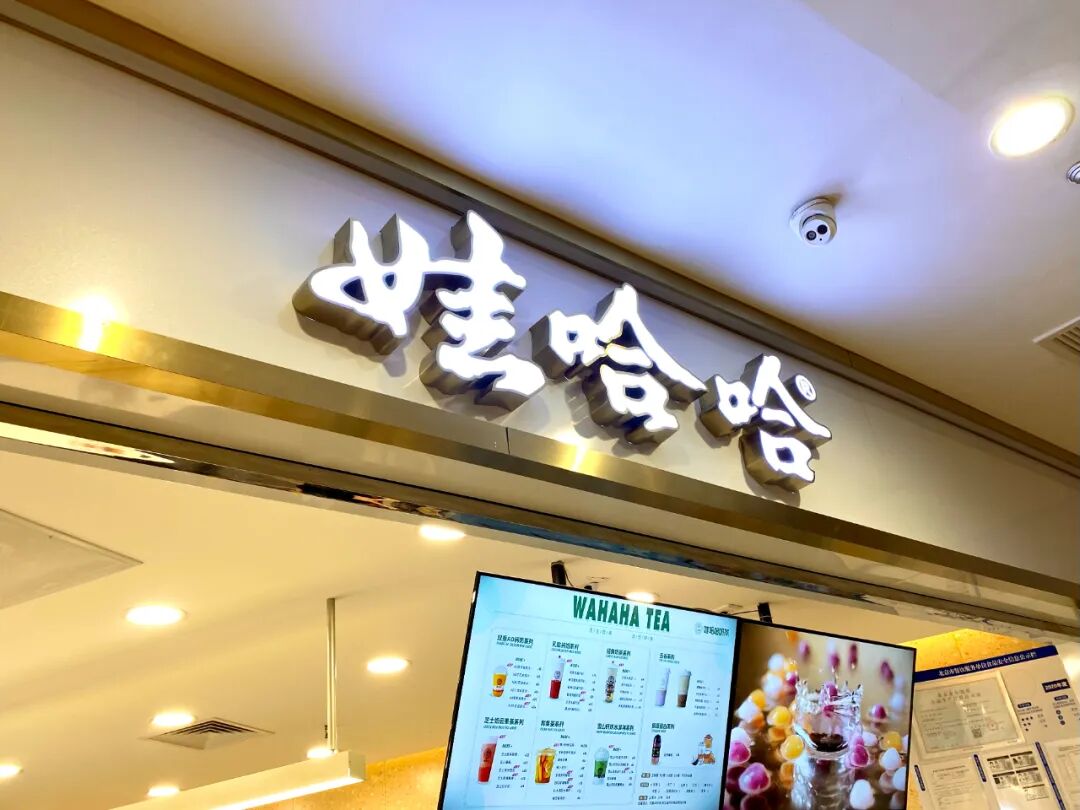
谁来掌舵娃哈哈?
Sou Hu Cai Jing· 2025-10-27 05:39
Core Viewpoint - The return of Zong Fuli to Wahaha Group as president of Hongsheng Beverage Group marks a significant development in the ongoing internal dynamics of the company, following a period of disputes and speculation regarding leadership and brand management [1][5][15]. Group 1: Leadership Changes - Zong Fuli has returned to Wahaha Group after resigning from her positions as chairman and legal representative, amidst controversies regarding her leadership and the establishment of a new brand, "Wawa Xiaozong" [4][5]. - Despite her resignation, Zong Fuli retains significant ownership stakes in Wahaha Group, holding approximately 54% of the company's shares, which allows her to maintain considerable influence over its operations [6][12]. - The leadership position of chairman remains uncertain, with no official announcement regarding who will lead the company moving forward [15][18]. Group 2: Brand Management and Strategy - The "Wawa Xiaozong" brand, which Zong Fuli aimed to develop independently, has faced challenges in gaining trust from distributors, leading to its potential abandonment following her return to Wahaha [5][9]. - The Wahaha brand's value is estimated at 91.19 billion yuan for 2024, highlighting its significance as a core asset of the company [8]. - The internal conflict regarding the use of the "Wahaha" trademark appears to have been resolved, allowing the brand to continue its operations under the established name [12][13]. Group 3: Market Environment and Challenges - The competitive landscape for fast-moving consumer goods (FMCG) is increasingly fierce, with rivals like China Resources Beverage and Nongfu Spring intensifying market pressures [20]. - The need for Wahaha Group to stabilize its operations and restore distributor confidence is critical for its future growth and brand integrity [20]. - Zong Fuli's aggressive management style contrasts with the more conservative approach favored by state-owned shareholders, indicating a potential need for compromise in leadership strategies [20].
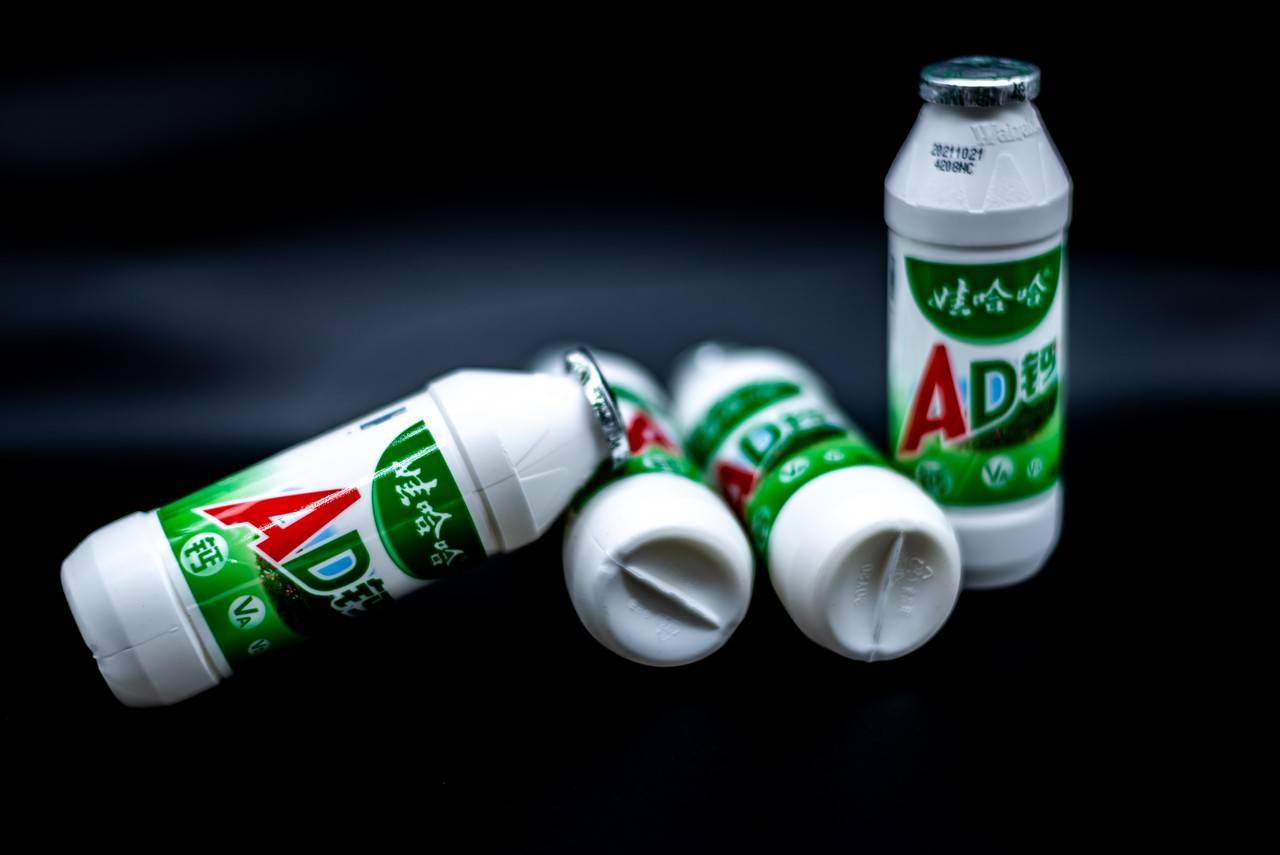
一周新消费NO.332|「麦当劳」x「奔驰」联动上新;世喜官宣全球品牌代言人卢靖姗
新消费智库· 2025-10-26 13:03
New Product Launches - Heinz has launched organic walnut oil, claiming to use low-temperature physical extraction technology from high-quality walnut regions, with an unsaturated fatty acid content of 85% [5] - Water Otter has introduced "Oriental Matcha Light Milk Tea," featuring 2000mg of matcha per cup and less than 100 calories, providing a healthy experience [5] - YeeHoO has released a "Super Resilient Down" series, designed to retain more air and reduce heat loss without preheating [5] - Royal Baby has collaborated with Clarins to launch a gift box that includes baby formula and skincare products [7] - Oriental Supplement has launched "Six Flavors of Black Sesame Paste," made with six precious ingredients and retaining nutritional value through a unique cooking process [7] - Yili Health Science has introduced "Chongshi Probiotic Freeze-Dried Powder," containing eight active probiotics for gut health [7] - Wangwang's Aizizun has launched a low GI series, including low GI five-black cookies and black sesame walnut soft cakes [8] - Child's Face has released a children's moisturizing set, claiming double hydration and smoothness [9] - Joyoung has launched "Black Coffee Self-Discipline Soy Milk Powder," with a protein content of 20.5g per 100g [9] Industry Events - Swiss chocolate brand Lindt has announced a new brand ambassador, Wang Anyu, alongside the launch of a new chocolate product inspired by the French Pyrenees [11] - Italian fashion brand Dsquared2 has announced a global office restructuring affecting approximately 40 jobs due to market challenges [13] - RIMOWA has appointed actor Xu Guanghan as its brand ambassador for the Greater China region [14] - Italian outdoor shoe brand CRISPI has opened its first store in Shanghai [14] - Xu Fu Ji has announced a partnership with Sun Yingsha for new product endorsements [15] - Juewei has tested a new supermarket-style store model in Changsha, emphasizing fresh and short-shelf-life products [16] - Heineken will close a 700-year-old brewery in Poland by early 2026 [16] - McDonald's has collaborated with Mercedes-Benz to launch new products and set up flagship stores [18] - Haidilao has opened its first banquet restaurant in Shenzhen, designed for various events [18] - Xiangpiaopiao has announced the opening of its first offline store in Hangzhou [19] Investment and Financing Trends - Renxin Technology has completed over 100 million RMB in A+ round financing, with total financing for the year nearing 300 million RMB [21] - Leju Robotics has raised nearly 1.5 billion RMB in Pre-IPO financing, with Tencent as a shareholder [21] - American yogurt brand Chobani has raised 650 million USD (approximately 4.6 billion RMB) to support its expansion plans [21] - Damou Technology has completed nearly 100 million RMB in A+ round financing, led by CATL Capital [21] - Coinbase CEO's anti-aging company NewLimit has raised 45 million USD, with a valuation of 1.6 billion USD [21] - Haitian Flavor Industry has increased its registered capital to approximately 5.85 billion RMB, marking a 5% increase [21] Food Industry Developments - Xu Fu Ji has launched a new spring festival candy strategy for 2026, enhancing product craftsmanship and packaging [27] - Xiaoxiang Supermarket has established a new company in Wenzhou, focusing on internet sales and food delivery [27] - Taoli Bread has introduced a new family of yeast breads with seven flavors [28] - JD's Qixian Supermarket has launched a new "Cinnamon Red Wine Flavor Beer" [28] - Bawang Tea has opened its largest store in Malaysia, surpassing 200 locations [28] - Yuanqi Forest has upgraded its packaging across all products to a minimalist design [28] - Master Kong has launched a new flavor of instant noodles, "Spicy Old Hen Soup Noodles" [29] - Pizza Hut has introduced a new menu with prices starting at 9.9 RMB to cater to young consumers [29] - Dove has launched a new crispy cocoa chocolate product [29] - Master Kong's milk tea products have undergone a significant upgrade, focusing on reduced sugar content [29] Beauty Industry Updates - Nike has collaborated with Canadian brand Aritzia to create a new footwear line [31] - H&M is set to release a collaboration series with Belgian designer Glenn Martens [33] - Yili's brand INIKIN has launched a new volcanic mineral moisturizing spray [35] - Shiseido has announced actress Lu Jingshan as its global brand ambassador [36] - Lululemon has partnered with Li Yuchun to refresh its winter down jacket series [36] - Jaeger-LeCoultre has launched a new art collaboration project featuring comic designer Olivecoat [37] - Amer Sports has appointed a new executive for its Arc'teryx brand in Greater China [37] - Li Ning has entered the Meituan Flash Purchase platform, offering rapid delivery of sports gear [38] - Jujia Group has acquired Italian hair care brand Foltène [39] - House of Modo has secured a 100 million USD minority equity investment [39]




反转!宗馥莉重拾“娃哈哈” 新一轮博弈在路上
Hua Xia Shi Bao· 2025-10-25 01:33
Core Viewpoint - The internal dynamics of Wahaha Group are complex, with recent developments indicating a potential reconciliation between the group and its stakeholders regarding the use of the Wahaha brand, following the resignation of Zong Fuli as chairman and general manager [1][4]. Group 1: Brand Strategy - Zong Fuli announced that the Wahaha brand will continue to be used in 2026, despite her previous decision to focus on her new brand, Wah Xiao Zong [1][2]. - The decision to restart the Wahaha brand comes after Zong Fuli's brief tenure with Wah Xiao Zong, indicating a strategic pivot in response to market pressures [3][5]. Group 2: Shareholder Dynamics - Wahaha Group has three major shareholders: the state-owned Hangzhou Shangcheng District Cultural Tourism Investment Holding Group (46%), Zong Fuli (29.4%), and the employee stockholding committee (24.6%), which complicates decision-making regarding brand usage [2][4]. - The recent agreement between Zong Fuli and state-owned shareholders suggests a new alignment in their business strategy, allowing for the continued use of the Wahaha brand [4][6]. Group 3: Market Challenges - The beverage market is increasingly competitive, with major players like Nongfu Spring and Yuanqi Forest engaging in aggressive pricing and product strategies, making it difficult for new brands like Wah Xiao Zong to gain traction [5][6]. - Wahaha Group faces significant challenges, including internal conflicts and external competition, which have led to a decline in brand reputation and market confidence among distributors [5][6].
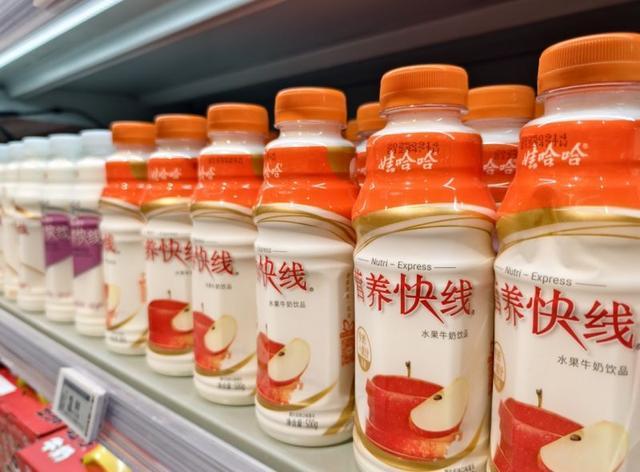
反转!宗馥莉重拾“娃哈哈”,新一轮博弈在路上
Hua Xia Shi Bao· 2025-10-24 14:35
(周梦婷 摄影) 本报(chinatimes.net.cn)记者周梦婷 北京报道 有关杭州娃哈哈集团有限公司(下称"娃哈哈集团")内部之间的博弈总是充满意料。在公布宗馥莉辞任 娃哈哈集团董事长、总经理不到半个月,宗馥莉重启娃哈哈的消息又在网上炸了锅。10月23日,有媒体 报道称,宗馥莉所控股的宏胜系当天傍晚下发通知,2026年将继续使用娃哈哈品牌。针对此事,10月24 日,河南一经销商也告诉《华夏时报》记者,"现在已经跟公司那边协商好了,会继续售卖娃哈哈。" 此前,宗馥莉于9月12日向娃哈哈集团辞去公司法人代表、董事及董事长等相关职务并通过集团股东会 和董事会的相关程序,同时决定经营自己的品牌娃小宗,如今不过41天,宗馥莉重启娃哈哈品牌背后发 生了什么?经历反复折腾的娃哈哈品牌又受到了怎样的创伤? 在此情形下,对宗馥莉而言,发展新品牌并非是一个好的选择。"在当下艰难的市场环境中,尽管娃小 宗有自己的个性和实力,但市场推广和培育需要时间,经销商没有这个耐心,也经不起这个折腾。而娃 哈哈品牌有其牢固的市场基础和口碑,是当前比较稳妥的经营策略,所以宗馥莉这一系列动作并非简单 的反复,更多的是她在复杂局面下的一种妥协 ...
瑞幸咖啡、妙可蓝多、元气森林,靠电梯广告赢麻了?
Hu Xiu· 2025-10-24 08:05
Core Viewpoint - The prevalence of smart advertising screens in elevators has transformed the advertising landscape, making it more intrusive and attention-grabbing, leading to a complex relationship where consumers feel both annoyed and captivated by the ads [1] Group 1 - The shift from traditional posters to smart advertising screens has increased the volume and frequency of advertisements, creating a more overwhelming experience for consumers [1] - Various brands, such as Miaokelan Duo and Talainis, are utilizing elevator advertising to maintain visibility and engagement with potential customers [1] - The effectiveness of elevator ads is highlighted by their ability to capture attention despite being perceived as annoying, indicating a unique dynamic in consumer engagement [1]
