
迪卡侬

Search documents
开润股份(300577):制造业务稳健增长 净利率改善显著
Xin Lang Cai Jing· 2025-09-03 04:50
Group 1 - The company reported a revenue of 2.427 billion in H1 2025, representing a year-on-year growth of 32.53%, while the net profit attributable to shareholders was 187 million, a decrease of 24.77% due to the impact of investment income from the acquisition of Jiale in H1 2024 [1] - The operational net profit growth rate, excluding the aforementioned impact, was 23.28%, with a non-recurring net profit of 181 million, an increase of 13.98% year-on-year [1] - In Q2 2025, the company achieved a revenue of 1.194 billion, a year-on-year increase of 29.54%, while the net profit attributable to shareholders was 101 million, a decrease of 42.78% [1] Group 2 - The bag manufacturing business generated a revenue of 1.419 billion in H1 2025, reflecting a year-on-year growth of 13.03%, supported by a core strategy targeting major clients [1] - The company’s production capacity for bags reached 22.0733 million units, a year-on-year increase of 3.55%, with a capacity utilization rate of 93.39%, up 2.15 percentage points [1] - The company has established a global supply chain advantage with clients including Nike, ADIDAS, Uniqlo, and others, with approximately 71% of production capacity located overseas, mainly in Indonesia and India [1] Group 3 - The apparel manufacturing segment reported a revenue of 678 million, a significant year-on-year increase of 148.25%, indicating effective implementation of the vertical integration strategy [2] - The subsidiary Shanghai Jiale achieved a revenue of 685 million in H1 2025, with a net profit margin of 5.08%, an increase of 1.8 percentage points year-on-year [2] - The company’s clothing production capacity was 30.0143 million units, with a utilization rate of 50.73%, and approximately 80% of production capacity located overseas, primarily in Indonesia [2] Group 4 - The brand management business generated a revenue of 311 million in H1 2025, a year-on-year increase of 8.87%, with distribution channel revenue from Xiaomi reaching 250 million, up 28.28% [2] - The self-owned brand "90 Points" has optimized its online channel operations, with online sales revenue of approximately 55.486 million, while also expanding into offline channels [2] Group 5 - The overall gross margin for H1 2025 was 24.66%, an increase of 0.72 percentage points, primarily due to improvements in the gross margin of the OEM business [3] - The company reported a significant increase in operating cash flow, reaching 239 million, a year-on-year growth of 3843%, indicating improved operational quality [3] - Inventory amounted to 861 million, a year-on-year increase of 19.33%, with an inventory turnover period of 85 days, an increase of 6 days year-on-year [3]
刘德华在海飞丝发布会上宣布「退圈」、2025亚马逊 Prime 会员大促10月全球开启 | 营销周报
Jing Ji Guan Cha Wang· 2025-09-02 11:03
美的空调竟然会唱歌! 带货部绞尽脑汁,都不如研发部灵机一动。最近,有网友在社交平台分享了自家的美的空调竟然可以播放音乐。这项「隐藏技能」一出,网友们纷纷开始分 享自家家电的小技能。除了会「唱歌」的空调,有网友家的空调能够直接对话讲故事的,有网友家的油烟机和冰箱能直接看电视,做饭、取食材时也不耽误 追更;还有蓝牙音响与照明灯二合一的款式,开灯时就能自带背景音... 面对泼天富贵,美的市场部迅速响应。一方面在社交平台主动互动,评论网友的趣味 分享;另一方面,第一时间在电商平台上线「会唱歌的空调专属链接」,方便消费者一站式了解「会唱歌的空调」。此次,美的空调热度爆发是研发端和市 场端的双重发力。研发端以场景深耕为核心,融入生活细节满足用户多样需求,构筑产品传播基础;市场端则以「低姿态玩梗」的姿态参与互动,既承接住 流量,又强化了「宠粉」的品牌形象。 刘德华在海飞丝发布会上宣布「退圈」? 「有人紧紧相依的感受,今天我刚体验过一次,在早八的地铁上」、「《牛郎织女》其实是个寓言,他俩过一次节,喜鹊就加一次班」......这些三行情诗, 以轻巧的笔触,把爱情和生活场景勾连在一起,把浪漫化为幽默,让人一笑之后又忍不住点头共鸣 ...



迪卡侬的十字路口:中产看不上,穷鬼穿不起
虎嗅APP· 2025-09-01 13:53
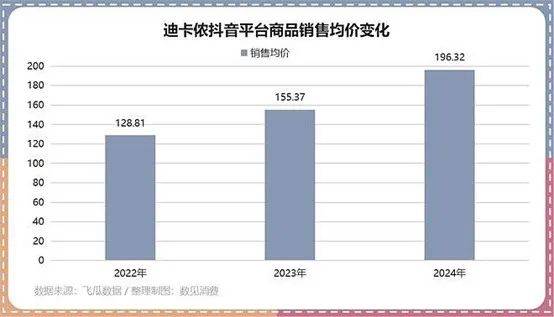
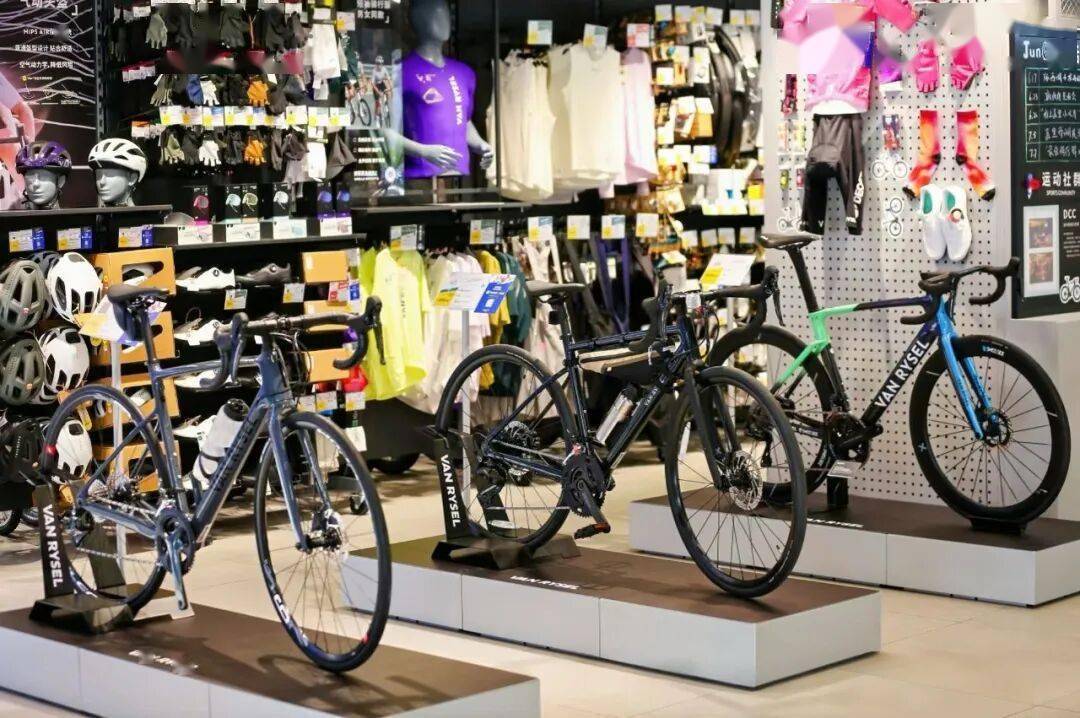
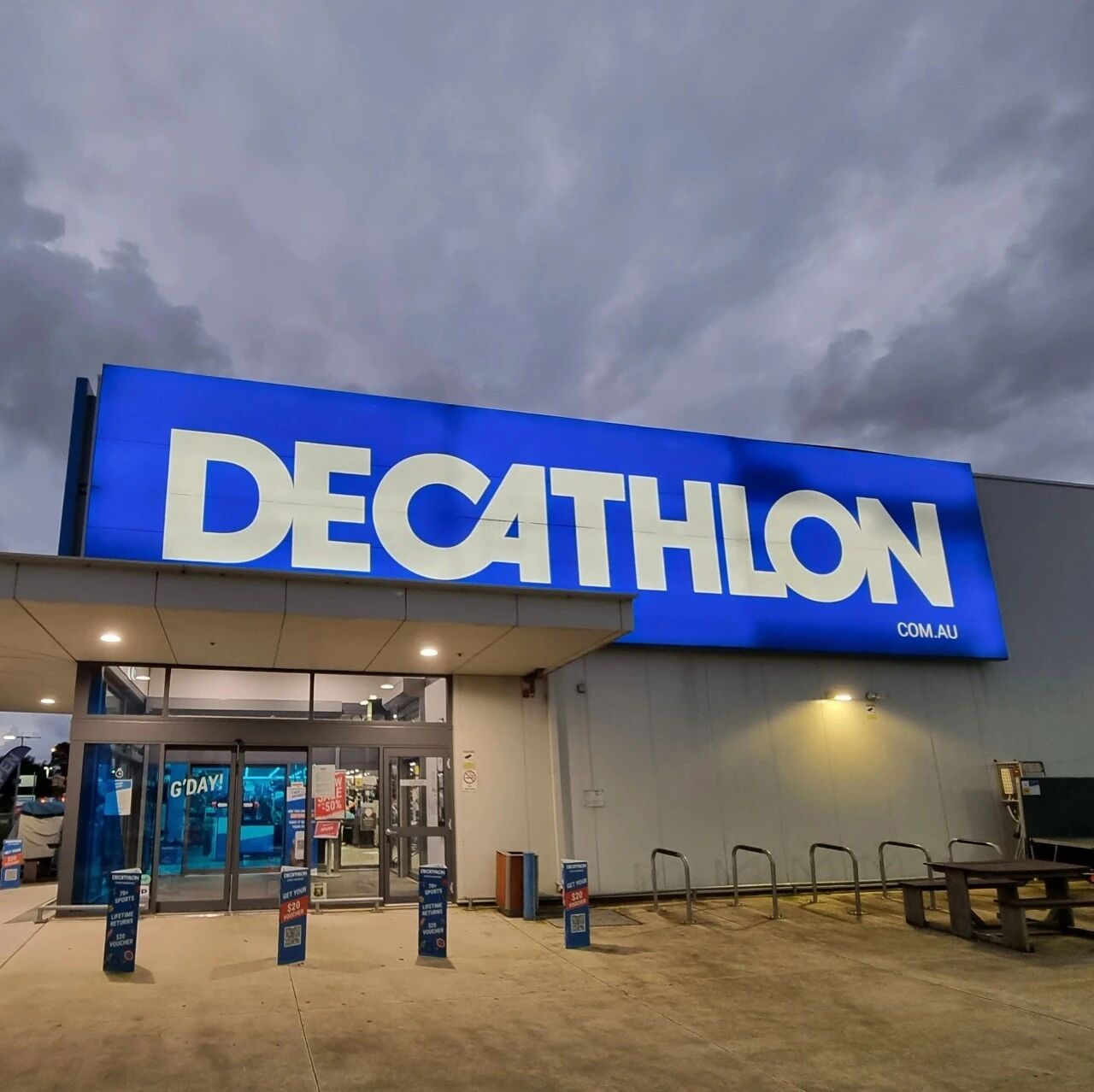
Core Viewpoint - Decathlon, once known as an affordable sports paradise, has transformed into a brand that many consumers now find unaffordable and unappealing due to significant price increases without corresponding improvements in product quality or desirability [3][12][26]. Group 1: Price Increases and Consumer Sentiment - Between 2022 and 2024, the average selling price of Decathlon products rose from 128.81 yuan to 196.32 yuan, marking a 52% increase [6]. - Specific product price changes include a 20L backpack increasing from 49.9 yuan to 89.9 yuan, a white cotton T-shirt from 19.9 yuan to 39.9 yuan, and a fleece jacket from 249 yuan to 499 yuan [7][10]. - Consumers express feelings of betrayal as they now have to reconsider purchases that were once straightforward, indicating a shift from a "buy without thinking" mentality to a more cautious approach [11][12]. Group 2: Market Position and Brand Perception - Decathlon's strategy to raise prices in an attempt to reposition itself as a higher-end brand has not resonated well with consumers, leading to a loss of its original customer base [12][26]. - The brand's attempt to cater to both price-sensitive consumers and higher-end markets has resulted in a fragmented identity, with products ranging from low-cost items to high-end bicycles priced at 69,999 yuan [28][30]. - The company's revenue for 2024 was reported at 16.2 billion euros, but profits fell by 15.5%, indicating that price increases did not translate into brand premium [25][26]. Group 3: Competitive Landscape and Consumer Choices - The outdoor sports market is seeing a rise in competition, with many brands increasing their prices, yet some are still able to attract consumers willing to pay a premium [14][15]. - The emergence of alternative brands offering similar products at lower prices is contributing to Decathlon's challenges, as consumers are increasingly opting for these alternatives [20][26]. - The trend of consumers gravitating towards mid to high-end products suggests a shift in market dynamics, where Decathlon's traditional value proposition is being undermined [15][16]. Group 4: Brand Strategy and Future Directions - Decathlon's recent rebranding efforts, including the introduction of a new logo and the establishment of specialized brands, aim to redefine its market presence [23][25]. - Despite these efforts, the brand struggles to connect emotionally with consumers, lacking the storytelling and cultural resonance that competitors like Lululemon and Arc'teryx have successfully cultivated [33][34]. - The recent popularity of a free promotional item, the "urea bag," highlights a potential return to Decathlon's roots of practicality and value, contrasting sharply with its recent pricing strategy [42][44].
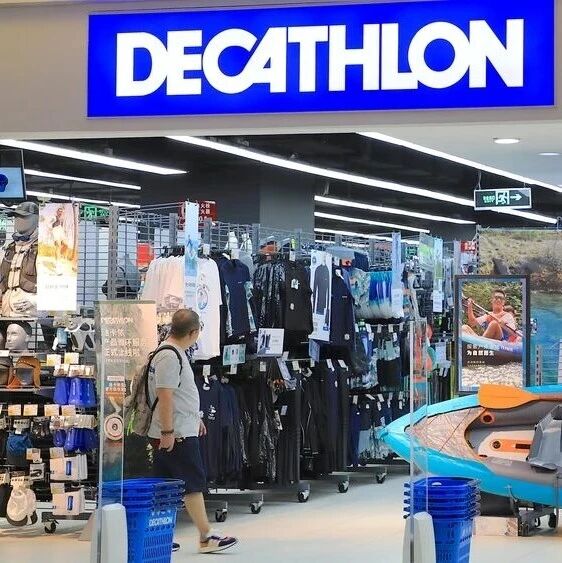
迪卡侬的十字路口:中产看不上,穷鬼穿不起
Hu Xiu· 2025-09-01 12:15
Core Viewpoint - Decathlon, once known as an affordable sports paradise, has transformed into a brand perceived as expensive and less appealing due to significant price increases without corresponding improvements in product quality or consumer experience [4][12][14]. Group 1: Price Increases and Consumer Sentiment - From 2022 to 2024, the average selling price of Decathlon products rose from 128.81 yuan to 196.32 yuan, marking a 52% increase [4]. - Classic products have seen notable price hikes, such as a 20L backpack increasing from 49.9 yuan to 89.9 yuan and a fleece jacket from 249 yuan to 499 yuan [7]. - Consumers express feelings of betrayal as they perceive the price increases without enhanced value, leading to a shift in purchasing behavior [12][14]. Group 2: Market Position and Competition - Decathlon's strategy to raise prices aims to transition from a budget brand to a more premium positioning, but this has alienated both price-sensitive consumers and potential high-end buyers [32][39]. - The outdoor sports market is experiencing a general price increase, with many brands successfully raising prices while maintaining consumer interest, unlike Decathlon [15][17]. - Competitors in the outdoor segment, such as Camel and Columbia, have also raised prices significantly, yet they continue to attract consumers [16]. Group 3: Brand Strategy and Identity - Decathlon has attempted to rebrand itself under new leadership, focusing on becoming a multi-domain professional sports brand, but the execution has not resonated with consumers [25][27]. - The brand's identity is perceived as fragmented, with a mix of low-priced and high-end products leading to confusion among consumers about its core value proposition [33][34]. - The recent introduction of a free promotional item, the "urea bag," has garnered positive attention, suggesting a potential return to its roots of practicality and affordability [56][62]. Group 4: Financial Performance - In 2024, Decathlon reported revenues of 16.2 billion euros but experienced a 15.5% decline in profits, indicating that price increases have not translated into brand premiumization [29][30]. - The company is reportedly considering selling a 30% stake in its Chinese subsidiary, valued at approximately 10 billion yuan, reflecting challenges in its market strategy [31].
涨价的迪卡侬,自己先撑不住了?
Hu Xiu· 2025-09-01 11:34
Core Insights - Decathlon has faced backlash from consumers on social media due to price increases on various products, including quick-dry t-shirts, fleece jackets, sleeveless down jackets, and accessories like backpacks and hats [1] - From 2022 to 2024, the average selling price of Decathlon products has risen significantly from 128.81 yuan to 196.32 yuan, marking an increase of 52% [1] - There have been rumors since April of this year regarding Decathlon's potential sale of shares in its Chinese business, raising questions about the company's strategic intentions [1]
外资在华“卖身”真相
虎嗅APP· 2025-08-31 03:06
Core Viewpoint - Foreign companies in China are increasingly divesting their businesses, a trend exemplified by brands like Starbucks, Decathlon, Häagen-Dazs, and IKEA, which are selling stakes in their Chinese operations. This shift is not indicative of a lack of confidence in the Chinese market but rather a strategic adjustment to leverage local capital and expertise for better market penetration and brand expansion [4][5][10]. Group 1: Exit Trend - In the summer of this year, a wave of foreign companies began to exit the Chinese market, with notable brands like Starbucks planning to sell 70% of its Chinese business for an estimated $5 billion to $10 billion, and Decathlon looking to sell 30% of its Chinese subsidiary, valued at approximately 10 billion RMB [9][10]. - Historical precedents for such divestments include Yum Brands selling its Chinese operations in 2016 and McDonald's selling a majority stake in its China and Hong Kong business in 2017 for $2.08 billion [9][10]. - The trend of foreign companies selling stakes in their Chinese operations is not new, as many have previously relied on brand strength for rapid expansion but later faced growth bottlenecks, leading to a transfer of operational control to local capital [10][11]. Group 2: Reasons for Divestment - The rise of domestic competitors has intensified pressure on foreign companies, with Starbucks' market share dropping from 34% to under 15%, and Decathlon experiencing a nearly 16% decline in net profit last year [13][14]. - Foreign companies struggle to adapt to the unique characteristics of the Chinese market, particularly in lower-tier cities, where their traditional business models do not resonate with local consumer preferences [14][17]. - The operational challenges faced by foreign firms include a mismatch between their standardized global strategies and the need for localized management, product offerings, and marketing approaches [17][18]. Group 3: Transformation Strategy - Despite the challenges, foreign companies like Starbucks and Decathlon still maintain significant market presence, with Starbucks having 140 million registered members in China and Decathlon achieving over 10 billion RMB in revenue last year [19][20]. - The divestment strategy is seen as a shift from heavy asset ownership to a more flexible partnership model, allowing foreign brands to remain involved as shareholders while leveraging local expertise for growth [25][26]. - Successful examples of this strategy include KFC and McDonald's, which have seen renewed growth after transferring operational control to local partners, indicating that a localized approach can yield better results in the Chinese market [25][26].



当运动消费提出“既要价值又要价格”,迪卡侬找到了解题思路
Sou Hu Cai Jing· 2025-08-30 09:22
Core Insights - The sports retail sector is experiencing significant growth driven by the health and wellness trend, with retail sales of sports and entertainment goods increasing by 25% year-on-year in the first two months of the year, far exceeding the overall retail growth of 4% [1] - The shift in consumer mindset from "price" to "value" is reshaping the demand for sports equipment, emphasizing the importance of professional-grade products at reasonable prices [1][20] - Decathlon's "mass + professional" strategy aims to make high-quality sports equipment accessible to the general public, challenging the traditional pricing logic in the industry [2][6] Industry Trends - The demand for specialized sports equipment is rising, with consumers seeking products tailored to specific activities, such as basketball shoes with cushioning for youth training and moisture-wicking yoga apparel for adults [1] - The retail landscape is evolving, with Decathlon moving its stores from suburban areas to urban centers, enhancing customer engagement through improved store design and interactive experiences [4][6] Company Strategy - Decathlon has restructured its brand strategy by establishing four specialized brands focused on different sports, including road cycling and climbing, to cater to diverse consumer needs [3] - The company has successfully introduced professional-grade products at competitive prices, such as the CANAVERAL 900 basketball shoes and adult soccer cleats, which feature advanced technology typically found in high-end products but are priced affordably [7][11] - Decathlon's full supply chain management allows it to balance professional quality with mass-market pricing, ensuring consistent product quality while optimizing costs [15][17] Market Positioning - The company's approach emphasizes that professional equipment should not be exclusive to a select few but should be accessible to all sports enthusiasts, thereby redefining consumer perceptions of "professional" products [11][20] - Decathlon's innovative pricing strategy has proven effective, as evidenced by the successful launch of products like the KIPRUN running shoes, which offer enhanced performance at a price point significantly lower than international competitors [19] Future Outlook - The ongoing trend of increased public participation in sports suggests that more brands may adopt similar strategies to Decathlon's, focusing on making professional-grade equipment widely available [20][21]
当运动消费提出“既要价值又要价格”,迪卡侬找到了解题思路
36氪未来消费· 2025-08-30 08:17
Core Viewpoint - The article emphasizes that sports are becoming a new retail growth engine driven by the health and emotional consumption trends, with a significant increase in retail sales of sports and entertainment goods [3]. Industry Trends - The retail sales of sports and entertainment goods in the first two months of this year increased by 25% year-on-year, significantly outpacing the overall retail sales growth of 4% [3]. - There is a shift in consumer behavior from "looking at price" to "calculating value," leading to a demand for professional-grade sports equipment at reasonable prices [4]. Company Strategy - Decathlon's "Mass + Professional" strategy aims to provide professional-grade products at prices accessible to the general public, marking a significant shift in the sports equipment market [6][10]. - The company has restructured its brand strategy by establishing four specialized brands and enhancing its store experience to better engage with consumers [8][9]. Product Innovation - Decathlon has successfully launched products that combine professional performance with affordable pricing, such as the CANAVERAL 900 basketball shoes and the collaboration with Antoine Griezmann for football shoes, priced at 599.9 yuan [11][16]. - The introduction of the ANTI-FOG technology in swimming goggles demonstrates Decathlon's commitment to addressing specific consumer needs while maintaining affordability [18]. Operational Excellence - Decathlon's full supply chain management allows it to balance professional quality with cost control, enabling the company to offer products like the KIPRUN running shoes at competitive prices [21][24]. - The company's approach to research and development is driven by market feedback and user experience, ensuring that products meet actual consumer needs without unnecessary technological complexity [21][28]. Market Implications - The "Mass + Professional" strategy not only differentiates Decathlon in the sports retail industry but also sets a precedent for other brands to follow, promoting the idea that professional-grade equipment should be accessible to all [28][29]. - As the demand for sports continues to grow, more brands are likely to adopt similar strategies, with Decathlon leading the way in making sports enjoyable for everyone [30].

迪卡侬的十字路口:中产看不上,穷鬼穿不起
创业邦· 2025-08-30 03:19
Core Viewpoint - Decathlon, once known as an affordable sports paradise, has undergone significant price increases, leading to a loss of its original appeal to price-sensitive consumers while failing to attract higher-end customers [5][8][28]. Group 1: Price Increases and Consumer Sentiment - Between 2022 and 2024, the average selling price of Decathlon products rose from 128.81 yuan to 196.32 yuan, marking a 52% increase [9]. - Classic products have seen notable price hikes, such as a 20L backpack increasing from 49.9 yuan to 89.9 yuan and a fleece jacket from 249 yuan to 499 yuan [13]. - Consumers express feelings of betrayal as the perceived value of products has not improved alongside price increases, leading to hesitation in purchasing [11][18]. Group 2: Market Position and Competition - Decathlon's price increases have positioned it as a less favorable option compared to other brands, with consumers questioning why they should choose Decathlon over brands like Lululemon or local alternatives [18][20]. - The outdoor sports market has seen a general price increase, with many brands successfully raising prices while maintaining consumer interest, unlike Decathlon [19]. - The number of new brands in the outdoor sports sector has doubled, indicating increased competition for Decathlon in the mid-range market [20]. Group 3: Brand Strategy and Identity Crisis - Decathlon has attempted to reposition itself as a multi-domain professional sports brand, but this strategy has not resonated well with consumers [26][27]. - The company has faced a significant drop in profit, with a 15.5% decrease year-on-year, indicating that price increases have not translated into brand premium [27]. - The brand's identity has become fragmented, with a mix of low-priced and high-priced items leading to confusion among consumers about its market position [28][29]. Group 4: Consumer Experience and Brand Perception - The shift towards higher prices has alienated Decathlon's original customer base, who valued the brand for its affordability and practicality [37]. - The lack of emotional connection and storytelling in the brand's transition to higher pricing has resulted in a failure to engage both existing and potential customers [35][38]. - Recent marketing efforts, such as the introduction of a free urea bag, have garnered positive attention, suggesting a potential return to the brand's roots of practicality and value [42][47].
开润股份(300577):Q2业绩超市场预期 嘉乐净利率显著改善
Xin Lang Cai Jing· 2025-08-28 02:48
Event Overview - The company's revenue, net profit attributable to shareholders, net profit excluding non-recurring gains and losses, and operating cash flow for the first half of 2025 were 2.43 billion, 187 million, 181 million, and 239 million yuan, respectively, showing year-on-year growth of 32.53%, -24.77%, 13.98%, and 3843.34% [1] - The decline in net profit attributable to shareholders was mainly due to a gain of 96 million yuan from the fair value measurement of the equity of Shanghai Jiale included in the consolidated financial statements for the first half of 2024 [1] - The operating cash flow exceeded net profit due to a decrease in operating receivables and an increase in payables [1] Financial Performance - In the second quarter of 2025, revenue, net profit, and net profit excluding non-recurring gains and losses were 1.194 billion, 101 million, and 97 million yuan, respectively, with year-on-year growth of 29.54%, -42.78%, and 21.12% [1] - The performance exceeded market expectations, driven by continuous growth in 2B bag orders and improvements in Jiale's net profit margin [1] Dividend and Incentive Plan - The company plans to distribute a cash dividend of 1.57 yuan for every 10 shares, with a dividend payout ratio of 20% and a dividend yield of 1.37% [2] - The company announced an adjustment to the stock grant price for the 2023 restricted stock incentive plan from 8.24 yuan per share to 7.91 yuan per share [3] Business Segments - The 2B bag OEM business showed double-digit growth in the first half of 2025, with revenue of 1.419 billion yuan, a year-on-year increase of 13.03% [4] - The company maintained strategic communication with top global brands, ensuring stable and high-quality orders [4] - The total production capacity for bags in the first half of 2025 was 22.0733 million units, a year-on-year increase of 3.6%, with a capacity utilization rate of 93.4% [4] Shanghai Jiale Performance - The garment OEM revenue was 679 million yuan, a year-on-year increase of 148.25%, primarily due to the timing of consolidation and its own growth [5] - Shanghai Jiale's revenue for the first half of 2025 was 685 million yuan, with a year-on-year growth of 6.88% [5] 2C Business Growth - The 2C business revenue was 306 million yuan, a year-on-year increase of 8.87%, driven mainly by Xiaomi [6] - The company launched several new products in collaboration with Xiaomi, enhancing its brand presence [6] Profitability Analysis - The company's gross margin for the first half of 2025 was 24.7%, a year-on-year increase of 0.7 percentage points, while the net profit margin decreased [7] - The decline in net profit margin was attributed to an increase in financial expense ratio, a decrease in investment income proportion, and an increase in income tax proportion [7] Inventory and Receivables - The company's inventory amounted to 861 million yuan, a year-on-year increase of 19.33%, with inventory turnover days increasing to 85 days [8] - Accounts receivable were 984 million yuan, a year-on-year increase of 0.87%, with accounts receivable turnover days decreasing to 75 days [9] Payables - Accounts payable were 478 million yuan, a year-on-year decrease of 15.97%, with accounts payable turnover days decreasing to 55 days [10] Investment Outlook - The company is expected to achieve double-digit growth in the 2B bag business, with net profit margins still having room for recovery [11] - The acquisition of Shanghai Jiale opens up a second growth curve for the company, with net profit margins also having recovery potential [11] Revenue Forecast Adjustment - The revenue forecasts for 2025, 2026, and 2027 have been adjusted to 5.533 billion, 6.314 billion, and 7.142 billion yuan, respectively [12] - The adjusted net profit forecasts for the same years are 460 million, 584 million, and 712 million yuan, respectively [12]