霸王茶姬

Search documents
纳指收跌1%,甲骨文、博通跌超4%
Mei Ri Jing Ji Xin Wen· 2026-01-15 00:10
Market Overview - The three major U.S. stock indices closed lower, with the Dow Jones down 0.08%, the Nasdaq down 1.00%, and the S&P 500 down 0.53% [2] - Technology stocks experienced widespread declines, with Oracle and Broadcom falling over 4%, and Amazon, Microsoft, and Meta dropping over 2% [2] - Notably, Intel saw a contrary increase, rising over 3% [2] Chinese Stocks Performance - The Nasdaq Golden Dragon China Index decreased by 0.23%, with significant declines in several Chinese companies [2] - Ctrip fell over 17%, Pinduoduo dropped nearly 4%, and electric vehicle manufacturers such as Li Auto, NIO, and Xpeng, along with Bawang Tea, all declined over 2% [2] - In contrast, Bilibili experienced a rise of over 6% [2]


一日双箭,中国航天2026年高密度发射大幕拉开;目前我国共有超过60家机构向ITU申报卫星资料;上海完善智能网联汽车数据采集——《投资早参》
Mei Ri Jing Ji Xin Wen· 2026-01-15 00:04
Market News - The three major US stock indices closed lower, with the Dow Jones down 0.08%, Nasdaq down 1%, and S&P 500 down 0.53%. Tech stocks generally fell, with Oracle and Broadcom down over 4%, and Amazon, Microsoft, and Meta down over 2%. Intel rose over 3% [1] - International oil prices saw a significant drop, with WTI crude oil down 1.61% at $59.95 per barrel and Brent crude down 1.53% at $64.47 per barrel. Precious metals prices increased, with spot gold up 0.87% at $4626.55 per ounce and silver up 6.56% at $92.63 per ounce [1] - European stock indices had mixed results, with Germany's DAX down 0.53%, France's CAC40 down 0.19%, and the UK's FTSE 100 up 0.46% [1] Industry Insights - China successfully launched two satellites on January 13, marking the beginning of a high-density launch schedule for the year. The satellite industry is projected to target a market space worth trillions, with over 60 institutions applying for satellite data to the ITU [2] - The satellite internet sector is expected to grow significantly, with the satellite communication industry projected to exceed 200 billion to 400 billion yuan by 2030, with an annual compound growth rate of 10%-28% [3] - Shanghai's Economic and Information Technology Commission released a plan to promote high-level autonomous driving, aiming for large-scale application by 2027 and establishing a competitive smart connected vehicle industry cluster [4] - The "vehicle-road-cloud integration" is expected to generate an additional output value of 725.9 billion yuan by 2025 and 2.5825 trillion yuan by 2030, with a compound annual growth rate of 28.8% [4] - The policy aims to enhance data collaboration and trust among automotive, information communication, and transportation sectors, addressing issues of data silos and unstandardized data formats [5][6]
谷歌、苹果、英伟达、特斯拉、微软、亚马逊、Meta集体下跌
财联社· 2026-01-14 23:54
Market Overview - The US stock market saw a collective decline on Wednesday, with the Nasdaq index experiencing the largest drop. Technology stocks weakened as investors shifted funds to defensive sectors, while bank stocks continued to fall following mixed quarterly earnings reports [1] - Financial sector stocks had previously surged in 2025 but have been retreating this week due to concerns over President Trump's proposed credit card interest rate cap, which could squeeze consumer credit space and harm financial industry profits [1] Banking Sector - Bank stocks continued to decline, with Wells Fargo's share price dropping by 4.6%, significantly impacting the market. The bank's latest quarterly profit and revenue fell short of market expectations [1] - Despite better-than-expected earnings from Bank of America and Citigroup, their stock prices also fell, as traders believed these results were insufficient to support the overall market valuation, which is near historical highs [1] - Michael O'Rourke, Chief Market Strategist at JonesTrading, noted that after a decent rally, the banking sector is currently experiencing profit-taking and consolidation, although the market remains optimistic about the sector [1] Economic Indicators - The US Producer Price Index (PPI) for November increased by 3% year-on-year, surpassing the expected growth of 2.7%. The month-on-month PPI rose by 0.2%, in line with expectations. Core PPI also showed a year-on-year increase of 3%, with a month-on-month growth of zero, against an expected increase of 0.2% [2] - The Federal Reserve's latest Beige Book indicated that economic activity has recently grown in most regions, with stable employment conditions, but inflation pressures have not fully dissipated, supporting the Fed's decision to maintain interest rates in the short term [2] Interest Rate Outlook - The market widely anticipates that the US benchmark interest rate will remain unchanged in the first half of the year, including during the upcoming Federal Reserve meeting in January. Traders are currently pricing in at least two rate cuts within the year [3] Geopolitical Factors - Geopolitical uncertainties are also weighing on market risk sentiment, with the US military withdrawing personnel from the Udeid Air Base and Iran warning of retaliation if attacked. Additionally, Trump is pushing for US control over Greenland, stating that any outcome other than its incorporation into the US is "unacceptable" [4] Sector Performance - The S&P 500 index saw declines across various sectors, with consumer discretionary down by 1.75%, information technology down by 1.45%, and telecommunications down by 0.55%. Conversely, the energy sector rose by 2.26% [6] - In the ETF market, the network stock index ETF fell by 1.68%, while the energy sector ETF increased by 2.26% [6] Notable Stock Movements - Major tech stocks experienced declines, with Google A down by 0.04%, Apple down by 0.42%, Nvidia down by 1.44%, Tesla down by 1.79%, Microsoft down by 2.4%, Amazon down by 2.45%, and Meta down by 2.47% [7] - Biogen's stock plummeted by 5% due to increased R&D spending and other costs impacting expected profits in Q4 2025 [9] - Most popular Chinese concept stocks also fell, with the Nasdaq Golden Dragon China Index down by 0.23%, and notable declines in Ctrip (over 17%) and Pinduoduo (nearly 4%) [9]


美股三大指数集体收跌,热门中概股多数下跌,携程跌超17%
Feng Huang Wang· 2026-01-14 23:20
Market Overview - On January 15, US stock indices collectively declined, with the Nasdaq index experiencing the largest drop. Technology stocks weakened as investors shifted funds to defensive sectors, while bank stocks continued to fall after mixed quarterly earnings reports [1] - The financial sector, which had seen significant gains in 2025, has been retreating this week amid concerns over President Trump's proposed credit card interest rate cap, which could squeeze consumer credit space and harm financial industry profits [1] - Major banks like Wells Fargo saw a 4.6% drop in stock price after reporting quarterly profits and revenues below market expectations, while Bank of America and Citigroup also saw declines despite better-than-expected earnings [1][3] Economic Data - In November, the US PPI increased by 3% year-over-year, surpassing the expected 2.7%, while the core PPI also exceeded expectations at 3% year-over-year [2] - The Federal Reserve's Beige Book indicated that economic activity has recently grown in most regions, with stable employment conditions, but inflation pressures remain, supporting the Fed's decision to maintain interest rates in the short term [2] Sector Performance - The Dow Jones fell by 42.36 points (0.09%) to 49,149.63, the Nasdaq dropped by 238.12 points (1.00%) to 23,471.75, and the S&P 500 decreased by 36.75 points (0.53%) to 6,926.99 [3] - Among the 11 sectors in the S&P 500, consumer discretionary fell by 1.75%, technology by 1.45%, while the energy sector rose by 2.26% [3] Stock Performance - Major tech stocks experienced declines, with Google A down 0.04%, Apple down 0.42%, Nvidia down 1.44%, Tesla down 1.79%, Microsoft down 2.4%, and Amazon down 2.45% [4] - Energy stocks rose due to concerns over potential disruptions in Iranian oil supply, with Marathon Oil up 3%, Occidental Petroleum up 2.33%, and ExxonMobil up 2.9% [4] Company News - Google announced the testing of a new AI tool called "Personal Intelligence" within its Gemini application, which integrates information from various apps to provide personalized responses [6] - OpenAI signed a multi-year agreement with Cerebras Systems for over $10 billion in computing power to support its expanding AI infrastructure, aiming to enhance response speeds and unlock new application scenarios [6]
美股三大指数集体收跌 携程跌超17%
Xin Lang Cai Jing· 2026-01-14 23:10
人民财讯1月15日电,美股三大指数集体收跌,道指跌0.09%,纳指跌1.00%,标普500指数跌0.53%。大 型科技股普跌,甲骨文跌超4%,亚马逊、微软、Meta跌超2%,英伟达、特斯拉、奈飞跌超1%。英特 尔涨超3%。热门中概股多数下跌,纳斯达克中国金龙指数跌0.23%,携程跌超17%,拼多多跌近4%, 理想汽车、蔚来、小鹏汽车、霸王茶姬跌超2%,哔哩哔哩涨超6%。 来源:证券时报e公司 ...

茶颜悦色有个霸王茶姬梦
3 6 Ke· 2026-01-14 12:38
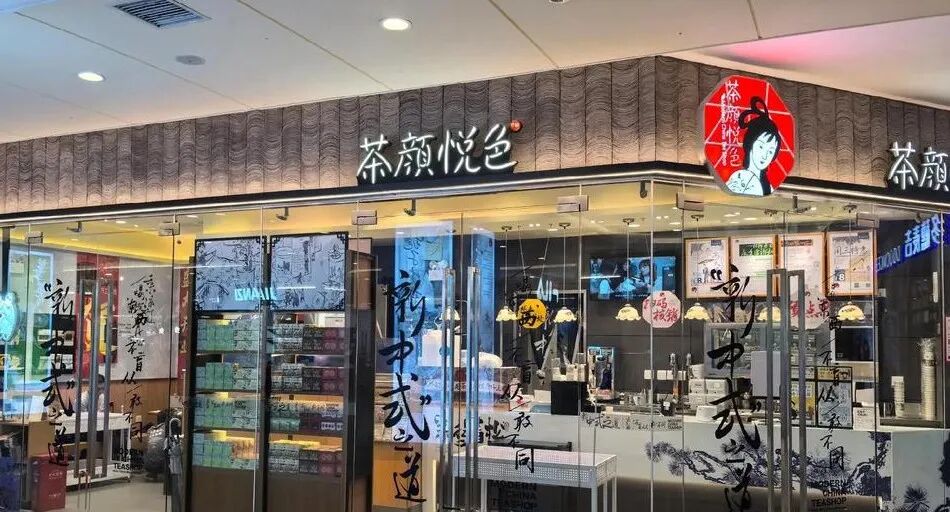
Group 1 - The core point of the article is that the tea brand Cha Yan Yue Se is preparing to accelerate its expansion in the competitive new tea beverage market, signaling a desire to grow into more cities [3][5][15] - Cha Yan Yue Se is actively recruiting in major cities like Shanghai and Shenzhen, offering competitive salaries for various positions, indicating a strategic push for talent acquisition [3][5] - The brand plans to establish a creative studio in Shanghai to attract professional talent, although there are currently no plans to open new stores in the city [3][5] Group 2 - Cha Yan Yue Se, founded in 2013 in Changsha, is known for its unique positioning in the new tea beverage market, focusing on a new Chinese-style fresh milk concept [5][6] - The brand has maintained a direct sales model, contrasting with many competitors that have opted for franchise models, which has limited its store count compared to rivals like Ba Wang Cha Ji [5][8] - Despite its current market presence in five provinces, Cha Yan Yue Se's total store count of 764 is relatively low compared to other national brands, highlighting the need for further expansion to achieve nationwide recognition [5][8] Group 3 - Ba Wang Cha Ji, a competitor that emerged after Cha Yan Yue Se, has rapidly expanded through franchising and has recently gone public, overshadowing Cha Yan Yue Se in brand visibility and market presence [6][8][9] - The new tea beverage industry is experiencing a shift from rapid expansion to a focus on operational efficiency and profitability, with major brands reassessing their growth strategies [14][15] - Cha Yan Yue Se has faced various controversies, including quality control issues and negative media coverage, which could impact its brand reputation and market performance [11][14] Group 4 - The article suggests that Cha Yan Yue Se has aspirations to follow in the footsteps of successful brands like Ba Wang Cha Ji and may be considering a public listing to capitalize on the current market trends [9][10] - The competitive landscape is intensifying, with new entrants and established brands alike vying for market share, necessitating a strategic approach for Cha Yan Yue Se to maintain its relevance [14][15] - The brand's future growth will depend on its ability to tell a compelling story and enter new markets while maintaining a steady pace of development [15]
张小泉成功中标电信心翼优选专区采购项目 斩获百万大单
Quan Jing Wang· 2026-01-14 09:13
Core Insights - Zhang Xiaoqin Co., Ltd. has successfully won a procurement project with China Telecom, securing an order worth over one million [1] - This achievement marks significant progress in the company's new channel expansion, injecting new momentum into business growth [1] Group 1: Product and Market Strategy - The products won in the bid primarily focus on fresh-keeping and storage categories, including multifunctional storage racks, vest-style fresh-keeping bags, and vacuum bags [2] - These products will be available to consumers through the China Telecom "Xinyiyouxuan" platform, where users can redeem them using points [2][3] - The addition of Zhang Xiaoqin products enriches the product matrix of the Xinyiyouxuan platform, which aims to provide quality lifestyle products to telecom users [3] Group 2: Channel Diversification and Industry Trends - The collaboration with China Telecom represents a crucial step in Zhang Xiaoqin's ongoing strategy to diversify its sales channels [4] - The company is transitioning from traditional retail to online and now to telecom operator point redemption platforms, creating a comprehensive sales network [4] - The focus on new kitchen products rather than traditional items like knives and scissors indicates a strategic shift to meet market demand and build a more complete kitchen ecosystem [4] Group 3: Future Outlook - By embracing innovation and exploring new cooperation models, Zhang Xiaoqin is positioned to maintain competitiveness in a changing market environment [4] - Continued investment in innovative channel strategies is expected to lead to more stable growth and enhanced value for consumers and investors alike [4]

年度复盘:2025年零售圈十大出海事件发布
3 6 Ke· 2026-01-14 08:40
Core Insights - In 2025, the globalization of China's retail industry entered a deeper development stage, with various Chinese brands successfully entering overseas markets, showcasing a shift from "Made in China" to "Chinese brands" [1] - The trend of going global is no longer exclusive to leading brands but has become a strategic choice for mid-tier companies seeking growth, expanding their reach from traditional Southeast Asian markets to core business districts in Europe and North America, as well as emerging markets in South America and high-potential regions in the Middle East [1] Group 1: Key Events in Retail Expansion - Bawang Chaji opened its first North American store in Los Angeles, achieving a monthly GMV of $800,000, with an average customer spend of $6.5, surpassing local competitors [2][3] - Mixue Ice Cream and Tea launched its first store in Hollywood, Los Angeles, marking a significant step in its global strategy, with plans for further expansion in the Americas [4][5] - Meituan's Keemart launched in Doha, Qatar, as part of its international strategy, leveraging its existing delivery network to enter the instant retail market [6][7] Group 2: Brand Strategies and Market Adaptation - Ningji adopted a new brand "BOBOBABA" for its U.S. entry, focusing on bubble tea and adjusting its product offerings to cater to local tastes, while also expanding rapidly in Southeast Asia [8][9] - Chen Xianggui opened its first overseas store in Berlin, maintaining its original flavor profile and leveraging a high-standard supply chain to ensure product consistency [10][11] - Miniso expanded its presence in the UK, surpassing 50 stores, with overseas revenue contributing significantly to its overall growth [12][13] Group 3: Innovative Approaches to Market Entry - Chayan Yuese announced an online e-commerce strategy for its overseas expansion, focusing on retail products rather than its signature tea, to mitigate risks associated with physical store operations [14][15] - Yuanji Yun Jiao opened its first overseas store in Singapore and is now expanding through a franchise model, supported by its established supply chain and operational experience [16][17] - Genki Forest successfully entered the UK mainstream retail market by launching its products in Tesco, marking a significant milestone in its global strategy [18][19] Group 4: Overall Trends and Future Outlook - The year 2025 witnessed a transformation in Chinese consumer brands' approach to globalization, moving from simple product exports to localized operations and supply chain integration [23] - The success of various brands illustrates the adaptability and flexibility of Chinese retail models in addressing diverse market needs and challenges [23][24]

“广货行天下”春季行动启动仪式将于1月15日在佛山举行
Nan Fang Ri Bao Wang Luo Ban· 2026-01-14 08:40
Core Insights - Guangdong's manufacturing sector is showcasing its diverse capabilities, from smart home appliances to high-end mobile phones, fashion apparel, gourmet food, and modern agriculture, emphasizing innovation and quality development [1][2][3] Food Industry - Guangdong's food industry is projected to achieve a revenue of 896.87 billion yuan in 2024, with soy sauce production accounting for over 60% of the national output and mooncake exports representing 90% of the total [2] - The industry is driven by digitalization, biotechnology, and regional collaboration, with major cities like Guangzhou, Foshan, and Dongguan each exceeding 100 billion yuan in food industry scale [2][3] Home Appliances - Guangdong's home appliance sector, representing nearly 50% of the national market, has established a robust supply chain with over 4,400 enterprises, including three with revenues exceeding 100 billion yuan [4][5] - Major companies like Midea and Hisense are localizing their research, production, and sales globally, with Midea operating 33 R&D centers and 43 manufacturing bases worldwide [5][6] Agriculture - Guangdong's agricultural sector is characterized by its "土特生金" (specialty products generate wealth) strategy, achieving a grain production capacity increase from 12.38 million tons in 2021 to 12.98 million tons in 2025 [7][9] - The province leads in various agricultural outputs, with total agricultural production value reaching 677.56 billion yuan in the first three quarters of 2025, marking a 4.9% year-on-year growth [7][9] Textile and Apparel - Guangdong's textile and apparel industry boasts 4,240 enterprises, accounting for 18.34% of the national total, with a production output of 3.44 billion garments in 2024 [15][16] - The industry is undergoing digital transformation, with companies implementing AI and big data for precise design and flexible production, significantly enhancing efficiency [15][16] Mobile Phones - Guangdong produces one in every three mobile phones globally, with a complete supply chain that allows for rapid assembly of 95% of components within a one-hour commute [10][11] - Innovations such as satellite communication technology and AI integration are being developed to enhance product capabilities and market reach [10][11] Cultural and Tourism - The "请到广东过大年" (Come to Guangdong for the New Year) campaign aims to enhance tourism through cultural experiences, with events showcasing traditional customs and local cuisine [12][13] - The initiative includes a series of activities and performances to attract visitors, emphasizing the cultural richness and festive atmosphere of Guangdong [12][13]
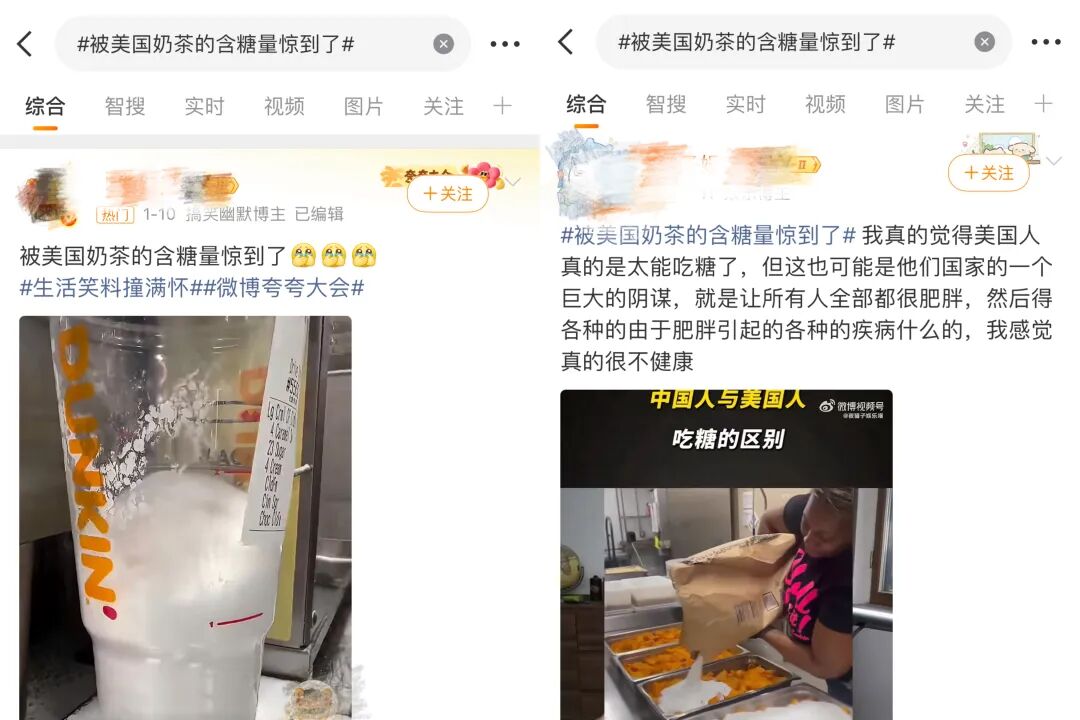
比蜜雪200%糖更猛,美国奶茶含糖量震惊网友,真有这么高?
3 6 Ke· 2026-01-14 00:57
Core Viewpoint - The discussion around the sugar content in American milk tea, particularly the "200% sugar" option from the brand Mixue, has sparked widespread interest and debate on social media, revealing differing consumer preferences and perceptions of sweetness between American and Chinese markets [1][2][4]. Group 1: Sugar Content in American Milk Tea - A viral video highlighted that some American milk tea drinks contain excessive sugar, leading to shock among viewers who compared it to lower-sugar options available in China [2][4]. - Multiple short video creators have contributed to the narrative that Americans have a strong preference for sweet beverages, with exaggerated claims about sugar levels in popular drinks [4]. Group 2: Insights from Interviews with Brands - Interviews with ten tea brands operating in the U.S. revealed that many do not offer significantly higher sugar options than their Chinese counterparts, with standard options including 100%, 70%, 50%, 30%, and 0% sugar levels [6][8]. - The majority of consumers in these brands' U.S. locations prefer lower sugar options, with 80% choosing 70% sugar or less, indicating a health-conscious trend among younger demographics [8][10]. Group 3: Consumer Preferences and Market Strategy - The presence of high-sugar options like "200% sugar" is seen as a marketing strategy to cater to a niche market rather than a reflection of general consumer demand [10][11]. - Some brands have noted that while American consumers may tolerate higher sugar levels, the actual demand for such options is limited, and many consumers prioritize health [13][15]. Group 4: Health Trends in New Tea Brands - New tea brands entering the U.S. market are focusing on health-oriented strategies rather than high-sugar offerings, reflecting a shift in consumer preferences towards healthier options [15][17]. - Brands are advised to tailor their sugar levels based on the target market, with urban areas showing a preference for lower sugar content while suburban areas may allow for sweeter options [17][19]. Group 5: Cultural Reflections - The expansion of Chinese tea brands into the U.S. market serves as a cultural reflection of differing attitudes towards sweetness, emphasizing the importance of balancing taste and health in product offerings [19].