呷哺呷哺

Search documents
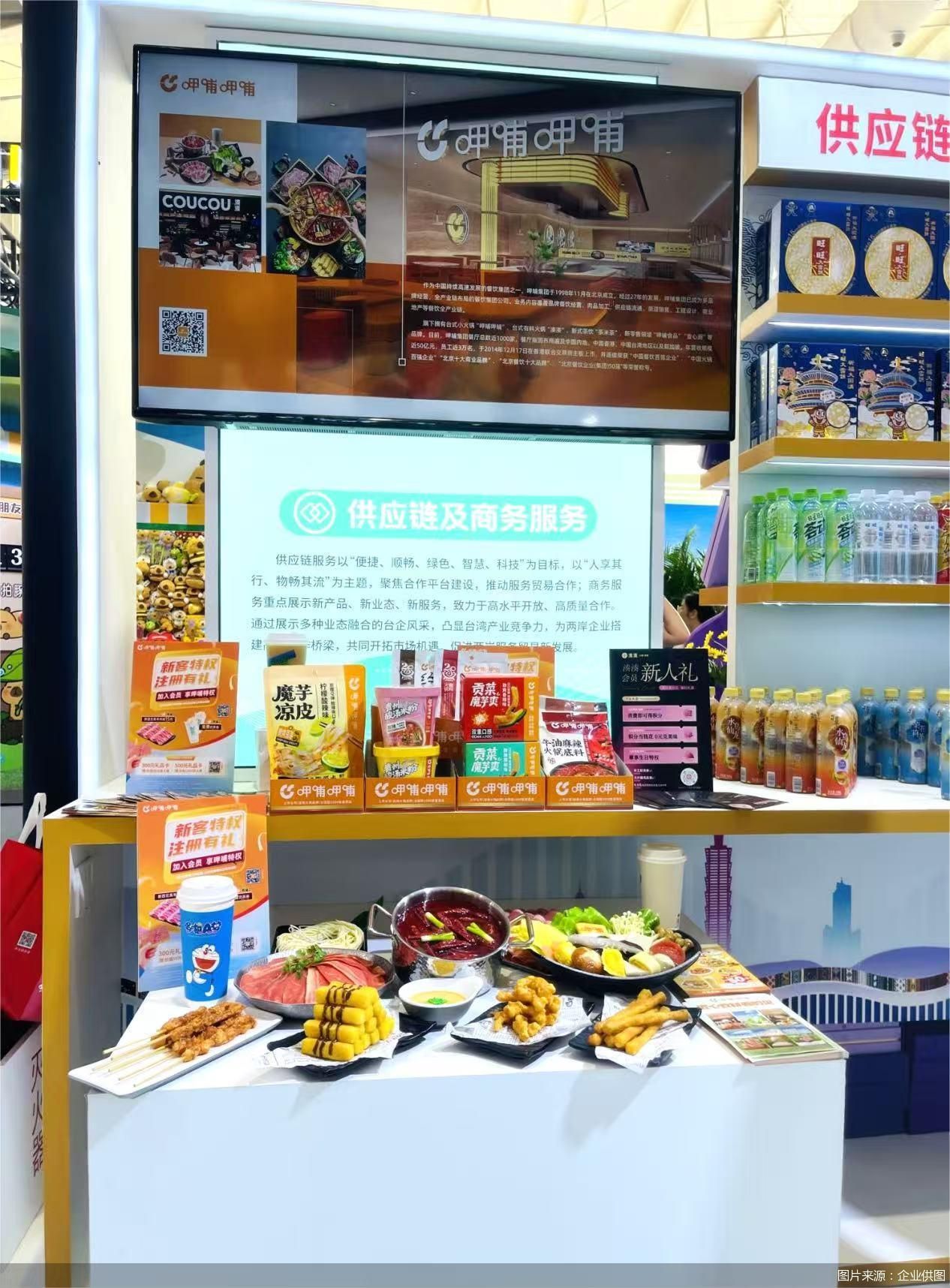
连续三年供餐 呷哺呷哺集团参展服贸会
Bei Jing Shang Bao· 2025-09-10 12:39
Core Points - The company Xiapu Xiapu Group will participate in the China International Fair for Trade in Services (CIFTIS) from September 10 to 14, 2025, marking its seventh consecutive year of participation and third year as the designated catering service provider [1][3] - Xiapu Xiapu Group will offer a variety of food options including hot pot dishes, fried skewers, and tea beverages, aiming to meet diverse dining needs while showcasing Taiwanese dining culture [1][3] Quality Control - The company places a high emphasis on quality control management, implementing a strict food sample retention system for all catering and tasting activities, with each food item stored in refrigeration for over 48 hours to ensure food safety [3] - The Vice President of Xiapu Xiapu Group, Zhang Yanmei, highlighted the company's commitment to enhancing service and product quality through participation in the fair, which serves as an important platform for showcasing China's service trade [3]

湊湊在全国推出“甄选单点+欢乐畅吃”双点模式
Bei Jing Shang Bao· 2025-09-10 12:37
Core Insights - The company Xiabuxiabu Group's mid-to-high-end hotpot brand, Coucou, has launched a new "selected a la carte + unlimited eating" dual-point model in 46 stores nationwide [1] - The dual-point model includes 12 categories such as soup base, meat, and live seafood, allowing consumers to choose between traditional a la carte or a "limited time unlimited" dining experience [1] - The pricing for the unlimited dining options includes 158 yuan for Angus beef, 198 yuan for Wagyu seafood, and 258 yuan for premium Wagyu seafood [1] Company Strategy - The launch of the dual-point model aims to enhance the value-for-money proposition while maintaining brand quality, indicating a focus on innovation and customer experience [1] - The company plans to conduct systematic and standardized professional training for staff across all stores to ensure a high-quality service experience [1] - The company will adapt the unlimited menu and service details based on regional consumer feedback and local culinary characteristics, combining national consistency with local features [1]
2025服贸会|连续三年供餐 呷哺呷哺集团参展服贸会
Bei Jing Shang Bao· 2025-09-10 12:33
Core Points - The company, Xiaobuxiang Group, will participate in the China International Fair for Trade in Services (CIFTIS) from September 10 to 14, 2025, marking its seventh consecutive year of participation and third year as the designated catering service provider [2] - Xiaobuxiang Group will showcase a variety of hot pot dishes, fried skewers, and tea beverages, aiming to meet diverse dining needs while promoting Taiwanese dining culture [2] - The company emphasizes strict food safety management, implementing a food sample retention system and ensuring all food items are stored in refrigeration for over 48 hours [2] - The Vice President of Xiaobuxiang Group, Zhang Yanmei, highlighted the importance of participating in CIFTIS as a platform to enhance service and product quality, strengthen assurance capabilities, and increase consumer recognition and preference for the brand [2]
A股旅游餐饮板块震荡走强 “十一”假期旅游预订逐渐进入高峰
Zheng Quan Shi Bao Wang· 2025-09-10 12:04
Group 1 - The A-share tourism and catering sector showed strong fluctuations, with companies like Caesar Travel and Tianfu Cultural Tourism hitting the daily limit, and others like Dalian Shengya and Changbai Mountain also experiencing significant gains [1] - The upcoming National Day and Mid-Autumn Festival will merge into an 8-day holiday, leading to a peak in travel bookings as the "Golden Week" approaches [1] - According to a report by Zhongxin Tourism Group, the number of travelers during the "Golden Week" is expected to increase by 130% compared to last year, with GMV (Gross Merchandise Volume) rising over 120% [1][2] Group 2 - Domestic travel products in northern regions are seeing high sales, particularly in destinations like Xinjiang, Inner Mongolia, and Gansu, while outbound travel is benefiting from visa-free policies and restored flights, with a 75% increase in destination offerings compared to last year [1][2] - Popular outbound destinations such as Europe and North America have seen traveler numbers increase by 80% and 207% respectively compared to the same period last year [1][2] - Short-haul destinations in Asia and the Middle East have also experienced significant growth, with traveler numbers increasing by 380% and 216% respectively [2] Group 3 - The trend towards smaller group sizes in travel is becoming more pronounced, with team sizes shrinking from 30 to 12-16, and even smaller groups of 10 or fewer emerging in Southeast Asia and domestic short-haul destinations [2] - The Tuniu platform has reported a surge in bookings for the National Day holiday, with popular domestic destinations including Beijing, Shanghai, and Sanya, while outbound destinations like Japan and Indonesia are seeing high demand for free travel products [2][3] - Domestic flight bookings for the upcoming holiday have exceeded 3.26 million, with a daily average increase of about 26% compared to last year, while international flight bookings have surpassed 1.16 million, with a 15% increase [3] Group 4 - Major catering companies are actively preparing for the upcoming consumption peak during the "Golden Week," with brands like Xiaobuxiabu launching new dining models to enhance customer experience and value [3]




湊湊全国首创“甄选单点+欢乐畅吃”双点模式 战略升级重塑餐饮消费体验
Zheng Quan Ri Bao Wang· 2025-09-10 11:52
Core Viewpoint - The introduction of the "Selected Single Point + Unlimited Enjoyment" dual ordering model by the high-end hotpot brand "CuoCuo" under the company aims to enhance consumer experience by offering high-quality ingredients at competitive prices, marking another innovation in the industry [1][2][4]. Group 1: New Model Introduction - CuoCuo has launched the dual ordering model in 46 stores across major cities, offering three pricing tiers: 158 RMB for Angus beef, 198 RMB for Wagyu and seafood, and 258 RMB for premium selections [2][3]. - The model combines high-quality single-point ordering with an unlimited dining experience, allowing consumers to choose between precise ordering and a "limitless" option for selected high-quality ingredients [3][5]. Group 2: Market Strategy and Innovation - The company emphasizes innovation as a core strategy, having previously introduced the "Taiwan-style small hotpot" and the "Hotpot + Tea" dining model, which have successfully differentiated its offerings in the market [4][6]. - The "CuoCuo" brand has established a significant "quality-price ratio" advantage by offering a diverse range of high-quality products, including live seafood, which is a rare offering in the industry [2][4]. Group 3: Consumer Engagement and Experience - The new model caters to both individual consumers who prefer specific dishes and larger groups seeking a more immersive dining experience, particularly appealing to younger diners and social gatherings [5][6]. - The company aims to enhance customer satisfaction and loyalty through a rich and valuable dining experience, which is expected to drive new consumer demand and expand market share [6][7]. Group 4: Quality Assurance and Operational Strategy - CuoCuo maintains a high standard for ingredient quality through a unified selection system and has a robust supply chain supported by its own organic farms [7]. - The company has implemented systematic training for staff across all locations to ensure a consistent and high-quality service experience, which is crucial for the success of the new dining model [7].
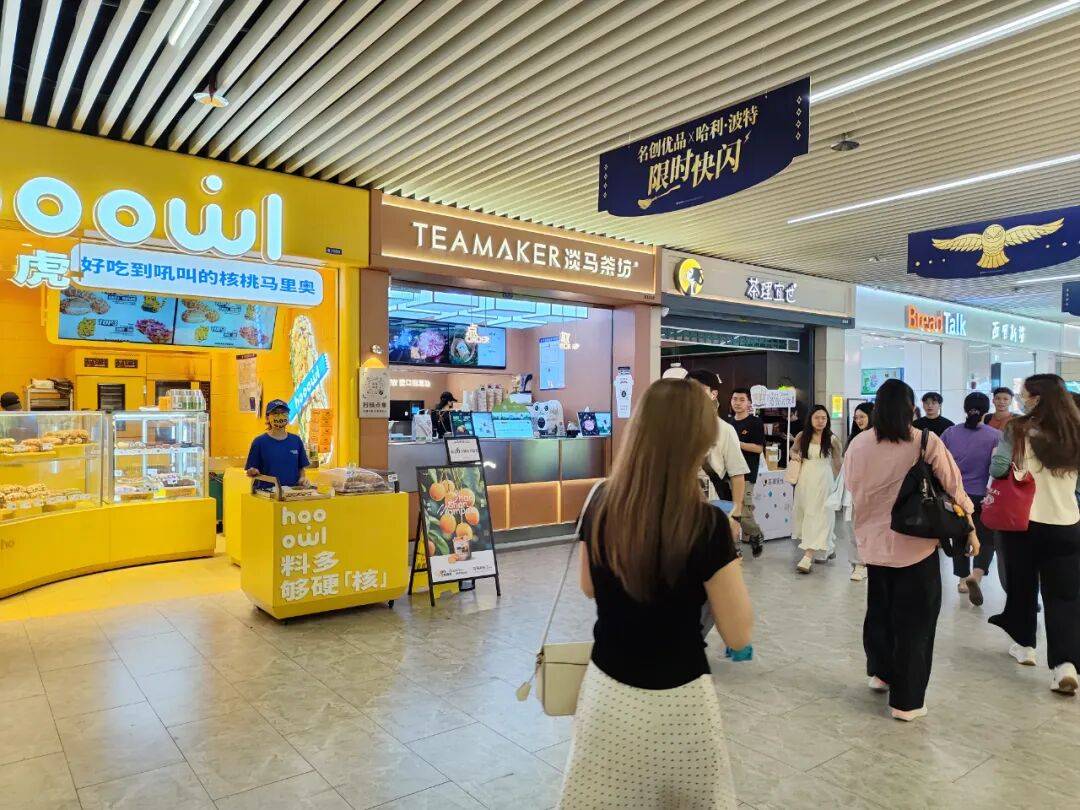
茶咖烘焙小火锅面馆成商场新宠:餐饮“四大金刚”如何成调改热门?
Sou Hu Cai Jing· 2025-09-10 05:51
Core Insights - The shift in retail landscape is evident as fast fashion brands like H&M are being replaced by dining establishments such as SHAKESHACK, indicating a broader trend of dining brands taking over retail spaces previously occupied by apparel and beauty brands [1][3]. Retail Landscape Changes - High-end malls, such as Shenzhen's iN City Plaza, have seen a significant transformation, with 50% of their space now occupied by dining brands like Mixue Ice City and Luckin Coffee, reflecting a nationwide trend of retail contraction [3][4]. - In Q2 of this year, dining establishments accounted for 30% of new openings in malls, with high-end malls seeing a ratio of 1.51 for dining openings to closures, highlighting an accelerated shift in retail dynamics [3][4]. Dining Brand Competition - Four main categories—tea and coffee, baking, hot pot, and noodle shops—are intensifying competition within mall dining spaces, with numerous brands clustering in prime locations [3][6]. - New tea brands are frequently appearing in key positions within malls, while baking brands are also expanding their presence, indicating a strategic focus on high-traffic areas [3][6]. Market Pressures and Opportunities - Shopping centers are increasingly reliant on dining brands due to rising vacancy rates, with projections indicating a 27% increase in empty spaces by mid-2025, particularly in tier-three cities [4][6]. - The apparel sector is facing significant challenges, with brands like ZARA reducing their store count from 183 to under 80, and others like GAP and H&M frequently closing stores [4][6]. New Market Entries - Over 120 new commercial projects were launched in the first half of this year, totaling approximately 9 million square meters, indicating a trend of continuous market entry despite existing vacancies [6]. - The restaurant sector is favored for its ability to attract customers, high turnover rates, and stable rental income, making it a preferred choice for mall operators [6][7]. Strategic Value of Malls for Dining Brands - Dining brands are increasingly recognizing the strategic value of mall locations, with 30% of Bawang Tea's stores situated in malls, primarily on the first floor, enhancing brand visibility [6][7]. - The standardized nature of the four main dining categories allows for quick adaptation and brand turnover, reshaping the commercial real estate landscape in China [7].

呷哺呷哺在上海成立企管新公司
Zheng Quan Shi Bao Wang· 2025-09-10 03:37
转自:证券时报 人民财讯9月10日电,企查查APP显示,近日,呷哺呷哺(上海)企业管理有限公司成立,法定代表人 为安伟,注册资本4000万元,经营范围包括企业管理、企业管理咨询、信息咨询服务。企查查股权穿透 显示,该公司由呷哺呷哺投资集团有限公司全资持股。 ...
呷哺呷哺在上海成立企业管理公司,注册资本4000万
Xin Lang Cai Jing· 2025-09-10 01:56
天眼查工商信息显示,9月8日,呷哺呷哺(上海)企业管理有限公司成立,法定代表人为安伟,注册资 本4000万人民币,经营范围包括企业管理、企业管理咨询、信息咨询服务。股东信息显示,该公司由呷 哺呷哺投资集团有限公司全资持股。 ...
资本又看上了小火锅赛道?
创业邦· 2025-09-08 00:07
Core Viewpoint - The article discusses the challenges and opportunities in the hot pot industry, particularly focusing on the rising popularity of small hot pot restaurants amidst a backdrop of financial struggles for major players like Xiaobai and Haidilao [6][10]. Group 1: Industry Trends - The small hot pot segment has seen a resurgence, with many restaurant brands entering the market, including Haidilao and cross-industry players like Yang Guofu [8][10]. - As of July 2024, there are over 50,000 small hot pot outlets in China, accounting for approximately 10% of the total hot pot restaurants, with a year-on-year growth in consumption scale of 28.9% [11][17]. - The competition in the small hot pot market is intense, with both national brands and regional players expanding rapidly [10][11]. Group 2: Company Performance - Haidilao reported a 3.7% decrease in revenue and a 13.7% drop in net profit for the first half of 2025, with a decline in table turnover rate from 4.2 to 3.8 times per day [11][12]. - Xiaobai continues to face losses, with an 18.88% decline in revenue and a net loss of 84.08 million, reflecting a nearly 70% drop in net profit [12]. - Yang Guofu has struggled with previous attempts to list on the Hong Kong Stock Exchange and is now exploring new avenues for growth [12]. Group 3: Market Dynamics - The current market entry strategy for many companies is cautious, focusing on leveraging existing capabilities and minimizing risks rather than aggressive expansion [12][15]. - The competition has shifted from price wars to a focus on quality, with new entrants pricing their offerings around 59.9 yuan, targeting the mid-to-high-end market [12][15]. - A significant challenge for both high-end and budget brands is balancing cost control with consumer willingness to pay, as the core consumer group remains price-sensitive [15][16]. Group 4: Challenges in the Small Hot Pot Sector - The small hot pot business is recognized as difficult, with a high percentage (81.6%) of brands having five or fewer outlets, indicating a lack of scale [17]. - Brands focusing on low prices risk compromising quality, leading to a cycle of reduced customer traffic and profitability [16][17]. - Even successful brands like Weila Hot Pot face challenges in differentiating themselves in a crowded market, struggling with the "scale without sound" dilemma [17].

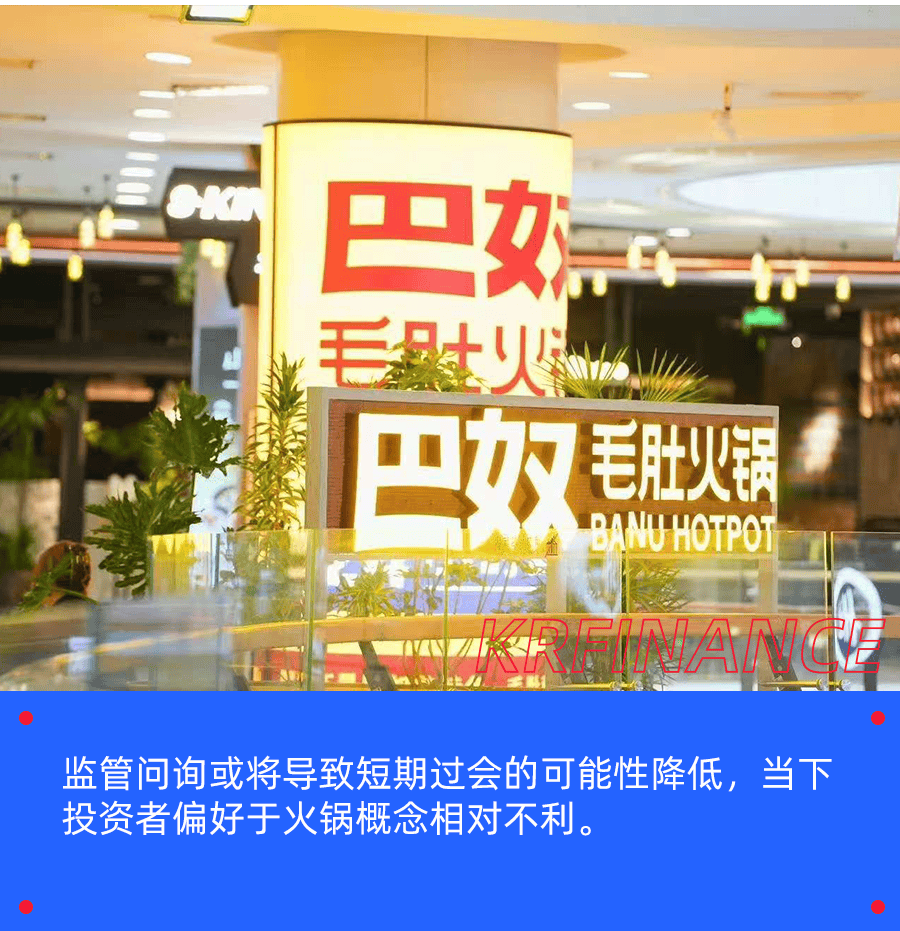
{证监会九问聚焦关键,巴奴上市之路或添波折,高端火锅故事待考
Sou Hu Cai Jing· 2025-09-05 22:08
Core Viewpoint - The IPO process of Banu International, a high-end hotpot chain, faces scrutiny from the regulatory authority, raising concerns about its stock structure, data security, dividend rationality, and social security contributions, which adds uncertainty to its market entry [1][5]. Company Positioning - Banu differentiates itself in the hotpot industry with a focus on high-quality products, achieving a customer unit price of 138 yuan in Q1 2025, significantly higher than competitors like Haidilao and Xiaobai [3]. - The pricing strategy targets mid-to-high-end consumers, with signature dishes priced at 89 yuan for New Zealand fresh tripe and 78 yuan for classic tripe, while vegetable prices range from 16 to 48 yuan [3]. Financial Performance - Banu maintains a gross margin of around 66%, outperforming Haidilao's 62%, but faces high operational costs with a median expense ratio of 60%, primarily due to employee salaries [4]. - The net profit margin for Q1 2025 stands at 7.8%, which is still below that of Haidilao [4]. Expansion Strategy - The company has expanded its store count from 11 to 35 between 2022 and 2024, with a current total of 148 stores across 40 cities, and plans to open 40, 50, and 60 new stores annually from 2025 to 2027 [5]. - There are concerns regarding the contradiction between high-end positioning and the purchasing power of lower-tier markets, which may affect profitability and performance of new stores [5]. Regulatory Scrutiny - The regulatory authority has raised nine questions regarding Banu's complex ownership structure, dividend distribution, and social security contributions, which are critical for the success of its IPO [5][6]. - The company’s decision to distribute a 70 million yuan dividend amidst financial constraints has raised governance transparency issues, potentially impacting investor confidence [6]. Funding Challenges - Banu requires 750 million yuan to open 150 new stores, but as of Q1 2025, it only has 273 million yuan in cash and 367 million yuan in financial assets [6]. - Market observers suggest that Banu must balance investment and returns, especially in high-cost urban environments, while enhancing operational efficiency and brand recognition outside its home market [6].