
小象超市

Search documents
东方甄选线下开店:直播巨头的零售突围与未知挑战
Xin Lang Cai Jing· 2025-12-11 02:21
Core Insights - The company is transitioning from an online-focused strategy to a physical retail model, driven by the saturation of online growth and internal challenges [2][9] - The company's gross merchandise value (GMV) from all sales channels dropped from 14.3 billion to 8.7 billion yuan in the 2025 fiscal year, with a significant decline in orders from Douyin [2][9] - The new flagship store in Beijing will feature a hybrid model combining retail and dining, aiming to enhance customer experience and brand recognition [3][10] Sales Performance - The company's GMV decreased from 143 billion yuan to 87 billion yuan year-on-year [2][9] - Orders from Douyin fell from 180 million to 91.6 million [2][9] - The company has launched 732 self-operated products, a 50% increase year-on-year, with self-operated products now accounting for 43.8% of GMV [2][9] Strategic Shift - The shift to physical stores is seen as a response to intense competition in online streaming and a need for new growth avenues [2][9] - The flagship store will not only sell groceries and daily necessities but also include a dining area, reflecting a new retail model [3][10] - The company aims to leverage its existing educational centers to create a membership system that converts foot traffic into loyal customers [11] Membership and Customer Engagement - As of the end of the 2025 fiscal year, the company had 264,300 paid members, a 33% increase [11] - The membership fee is set at 199 yuan, with a refund policy that aligns with consumer behavior in China [11] - The company has organized member events to enhance customer loyalty, including dinner gatherings [11] Competitive Landscape - The company faces significant competition from established players like Fudi, Hema, and Sam's Club in the physical retail space [12] - The shift to offline retail requires a different skill set, as consumer behavior in physical stores is more rational compared to impulsive online purchases [12] - Other live-streaming companies are also entering the offline market, indicating a broader industry trend [13] Industry Context - The company's move to physical retail aligns with a larger trend of integrating digital and physical commerce [14] - Instant retail GMV is growing at 19.5%, outpacing the overall online retail growth rate [14] - The rise of store broadcasting on platforms like Douyin is reshaping the retail landscape, with a significant increase in brand participation [14]
“拔尖果”出山记:一颗花斑果如何48小时从哀牢山到北京餐桌?
21世纪经济报道· 2025-12-10 11:12
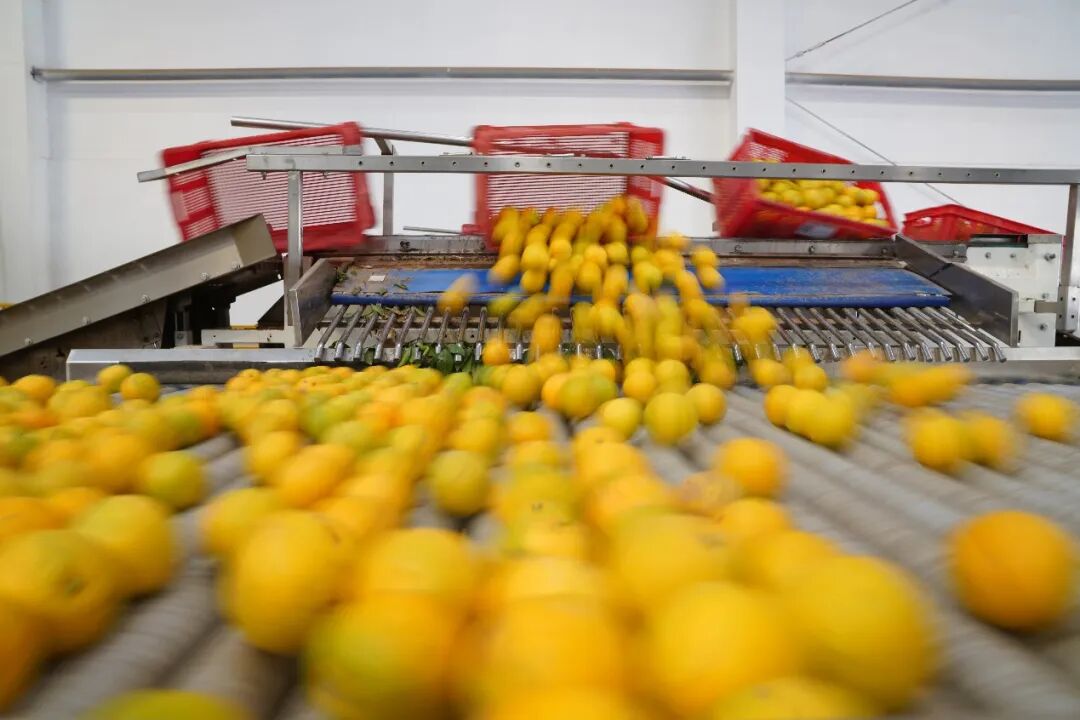
Core Viewpoint - The article discusses the successful marketing and distribution of "Huaban" oranges from Yunnan's Ailao Mountain, highlighting the collaboration between Chushi Agriculture and Xiaoxiang Supermarket to enhance the supply chain and consumer access to this unique fruit [1][14]. Group 1: Background and Context - Ailao Mountain in Yunnan provides ideal conditions for growing "Huaban" oranges, known for their sweetness and quality, but they have struggled with market recognition outside the region [1][5]. - Chushi Agriculture, founded by Chu Shijian, has developed a significant orange plantation and brand, with a focus on quality and farmer income [4][5]. Group 2: Challenges Faced - Farmers like Li Donghui face challenges in selling "Huaban" oranges due to their lower market price compared to other brands like "Chucheng," despite their high quality [5][11]. - The traditional fruit distribution system prioritizes appearance over quality, leading to high loss rates during transport and a lack of market for "Huaban" oranges outside Yunnan [5][11]. Group 3: Innovations and Solutions - In 2023, Xiaoxiang Supermarket recognized the potential of "Huaban" oranges and began collaborating with Chushi Agriculture to improve quality control and distribution [7][11]. - Xiaoxiang Supermarket implemented a pre-control quality system at the production site, employing dedicated staff to ensure the quality of "Huaban" oranges before they reach consumers [7][11][13]. Group 4: Results and Future Outlook - The partnership has led to a significant increase in the distribution of "Huaban" oranges, with the ability to deliver them to major cities within 48 hours [13][14]. - The innovative supply chain model has proven successful, allowing for better pricing and market access for farmers, while meeting consumer demand for quality and value [14][16].


48小时跨越数千公里:小象超市“锁甜人”如何帮花斑果走出大山?
3 6 Ke· 2025-12-08 09:57
Core Insights - The article discusses how Xiaoxiang Supermarket's "Lock Sweet People" initiative is helping the unique "flower-spotted orange" from the Ailao Mountain region of Yunnan gain market traction, transforming the fortunes of local farmers like Li Donghui [1][2][8]. Group 1: Background of the Flower-Spotted Orange - Ailao Mountain is known for its unique climate that produces high-quality ice sugar oranges, but local farmers face challenges in achieving fair returns due to natural conditions [1][3]. - The flower-spotted orange, characterized by blemishes from natural damage, was initially overlooked in the market, leading to low returns for farmers like Li Donghui, who produced a high percentage of these fruits [2][4]. Group 2: Xiaoxiang Supermarket's Intervention - Xiaoxiang Supermarket's procurement team discovered the flower-spotted orange during a visit to Ailao Mountain and recognized its superior taste compared to standard oranges, leading to its introduction in their stores [4][6]. - The supermarket faced initial resistance from Chushi Agriculture regarding the sale of flower-spotted oranges due to concerns about market acceptance and standardization [6][7]. Group 3: Quality Control and Logistics - Xiaoxiang Supermarket implemented a rigorous quality control system for the flower-spotted oranges, including three quality checks and a strict logistics plan to ensure freshness within 48 hours of harvest [7][9]. - The supermarket's "Lock Sweet People" team established a direct connection between the production site and urban warehouses, significantly reducing product loss and improving cost efficiency [9][10]. Group 4: Market Impact and Future Prospects - The successful introduction of flower-spotted oranges has provided new income opportunities for farmers like Li Donghui, demonstrating the potential for non-standard agricultural products in the market [8][9]. - Xiaoxiang Supermarket's model of "Lock Sweet People + Top Quality Fruit" is seen as a case study for enhancing supply chain capabilities in the new retail landscape, aligning with national policies promoting the development of green and specialty agricultural products [9][10].
48小时跨越数千公里:小象超市「锁甜人」如何帮花斑果走出大山?
3 6 Ke· 2025-12-08 08:55
Core Insights - The unique climate and environment of Ailao Mountain in Yunnan Province, China, contribute to the cultivation of high-quality ice sugar oranges, particularly the "spotted fruit" variety, which has been historically overlooked by the market [1][2]. Group 1: Agricultural Development - The Ailao Mountain region, characterized by high temperatures and low rainfall, is suitable for growing ice sugar oranges, but challenges such as water supply must be addressed for successful cultivation [2]. - In 2002, Chu Shijian planted the first seed of "Chu Orange" in Ailao Mountain, leading to the establishment of a 7,000-acre orchard with nearly 2,000 farmers and 300 employees [2]. - The "spotted fruit" variety, which has a blemished appearance due to natural damage, accounts for over 40% of the yield for some farmers, while the best farmers produce only 0.7% of this variety [2]. Group 2: Market Introduction and Consumer Response - In late 2023, a buyer from Xiaoxiang Supermarket discovered the "spotted fruit" and brought it to market, leading to positive consumer feedback due to its sweet taste and juicy texture [4][9]. - Xiaoxiang Supermarket initially faced skepticism from Chu's Agriculture regarding the marketability of the "spotted fruit," but after negotiations, they agreed to collaborate [4][6]. Group 3: Quality Control and Logistics - Xiaoxiang Supermarket implemented strict quality control standards for the "spotted fruit," including limits on blemish size and weight, as well as a cold chain logistics system to ensure freshness [6][10]. - The collaboration between Xiaoxiang Supermarket and Chu's Agriculture has resulted in a significant reduction in product loss, with damage rates decreasing by over 90% [10]. Group 4: Future Prospects and Industry Trends - The model developed by Xiaoxiang Supermarket, which emphasizes quality control and efficient logistics, is seen as a potential template for the future of non-standard agricultural products in the retail sector [12]. - The Chinese government's emphasis on developing green and specialty agricultural products aligns with the innovative approaches taken by Xiaoxiang Supermarket and Chu's Agriculture [12].
未来五年,经销商将迎来大洗牌
3 6 Ke· 2025-11-28 02:02
最近一段时间,走访了全国多地的经销商企业,帮助他们做经营诊断、改善利润。一个越来越强烈的感受是:行业的拐点已经来了。 见面的老板十有八九都会叹一句:"杨老师,今年的生意太难了。" 这种"难",不是淡季的波动,而是一种更深的无力——方向不清晰、判断无依据、做什么都像踩空一样。 库存越压越多,利润越做越薄;折扣店、直播间把终端客流不断抽走。 更让人焦虑的是:大家都知道要变,但不知道该怎么变。 有人继续疯狂接新品,指望广撒网能捞到鱼; 有人模仿折扣店降价,结果客户没留住,赔本赚吆喝; 而更多人,是看着满仓库的货和下滑的报表,一筹莫展…… 这种现状的背后,印证了反复强调的一个观点:当下经销商面临的最大挑战不是市场萎缩,而是认知滞后。 在变革的时代,最大的风险从来不是动荡本身,而是我们依然在沿用过去的逻辑,去应对全新的问题。 基于这些年的项目经验和行业观察,我判断:未来五年,80%的经销商会退出市场。 这不是危言耸听,而是正在发生的现实。 经销商是如何被过去的成功"锁死"的? 很多老板习惯把困难归因于外部:消费下滑、竞争加剧、厂家支持变少…… 但真正的问题在于:过去成功的逻辑,今天已经全面失效。 回顾过去三十年,经销商 ...
撂荒地上结出“金冬瓜”,黄陂“斗笠哥”把香芋水果冬瓜卖到山姆店
Chang Jiang Ri Bao· 2025-11-10 10:59
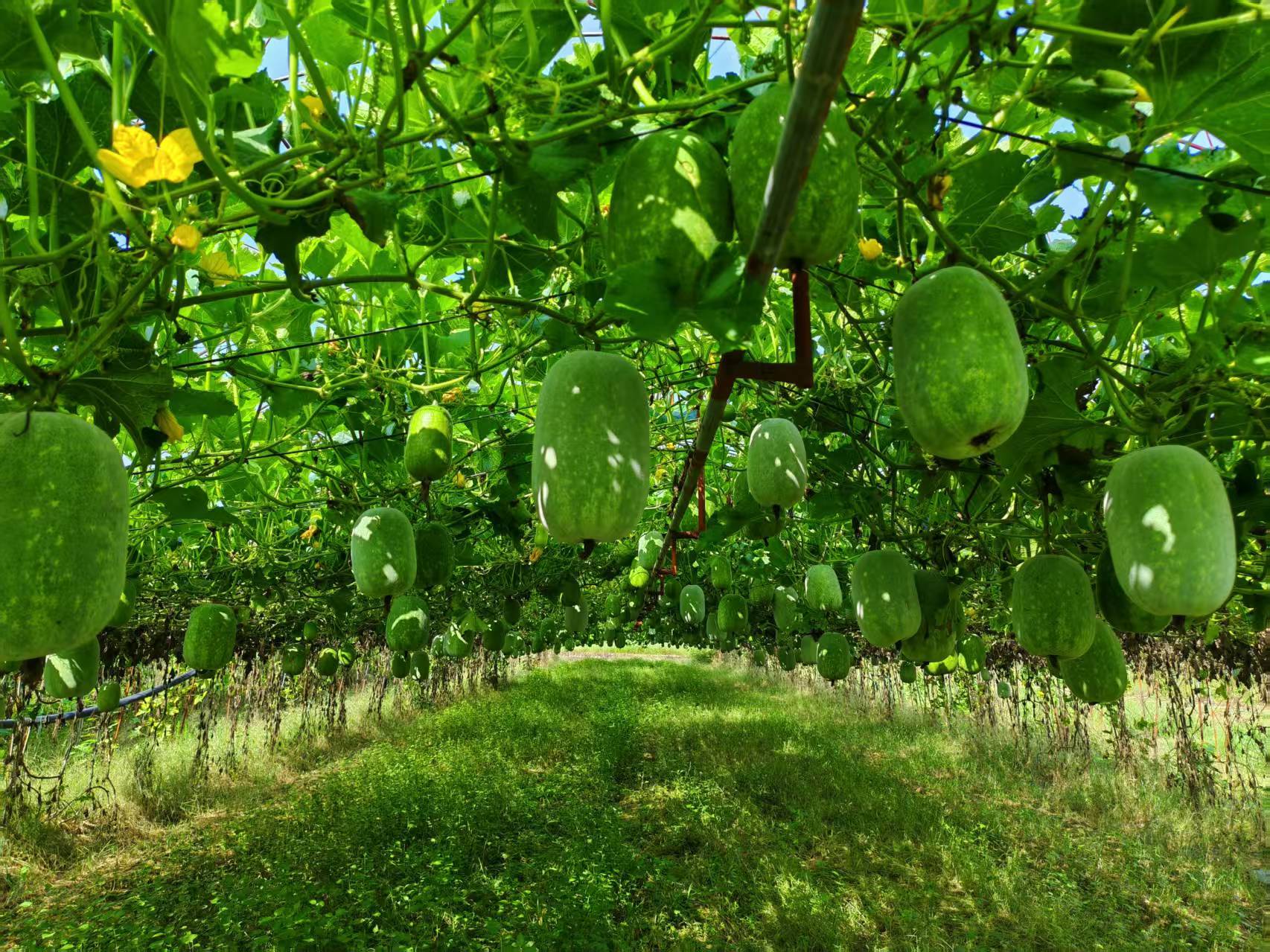
Core Insights - The transformation of previously abandoned land into productive agricultural land has led to the successful cultivation and sale of a unique variety of winter melon, known as "fragrant taro winter melon," which has gained popularity in major cities across China [4][5][6]. Group 1: Agricultural Development - The introduction of 3,500 acres of previously idle land for cultivation has resulted in the production of 75 tons of winter melon, which sold out on its first day at Sam's Club [4][6]. - The fragrant taro winter melon, a foreign variety, has a high market value and can be stored for two to three months at room temperature, making it a viable product for long-term sales [5][6]. - The average yield of the fragrant taro winter melon can reach between 6,000 to 10,000 pounds per acre, showcasing its productivity [5]. Group 2: Economic Impact - The cultivation of winter melon has created approximately 80 job opportunities for local villagers, with an average daily wage of 100 yuan, leading to an expected annual labor cost of 2.1 million yuan [8]. - The village collective has generated an additional income of 560,000 yuan within six months from the agricultural activities [8]. - The local economy has improved, with a notable change in community behavior, as residents are now more engaged in productive activities rather than leisure [9]. Group 3: Future Prospects - The supply chain for the fragrant taro winter melon has been established with strict quality control measures, leading to a stable daily shipment of around 12,000 melons, indicating strong market demand [6]. - Plans for expanding production include adopting hanging cultivation methods to enhance the quality and reduce damage to the melons [6]. - The village is also exploring the cultivation of other unique crops, such as a new functional vegetable that combines the taste of traditional vegetables with medicinal properties, indicating a focus on innovation in agriculture [9].
激怒山姆用户的,不止AI商品图
虎嗅APP· 2025-11-09 02:47
Core Viewpoint - The article discusses the backlash against Sam's Club due to the introduction of AI-generated product images and changes in the app that have led to a perceived decline in product quality and membership value, causing dissatisfaction among users [4][9][28]. Group 1: Incident Overview - The controversy began with the introduction of AI-generated product images, including humorous representations of products like "water bamboo" and "H₂O," which were quickly removed after public ridicule [4][13][18]. - Users expressed their anger on social media platforms, attributing the issues to the recent appointment of a former Alibaba executive as the new president of Sam's Club, despite the company stating that the app changes were in testing since August [8][9][28]. Group 2: User Sentiment and Membership Value - Members feel that the introduction of AI images and a cluttered app interface has diminished the trust and value they previously associated with their membership, which was based on the assurance of quality products [9][21][32]. - The core competitive advantage of Sam's Club was its ability to provide a reliable shopping experience, allowing members to "choose with their eyes closed." The shift to AI images has led to skepticism about product authenticity [21][32]. Group 3: Market Competition and Challenges - The competitive landscape has intensified, with other platforms like Hema and Seven Fresh enhancing their supply chains, which has eroded Sam's Club's previous advantages in certain product categories [31][32]. - The article highlights that the changes made by Sam's Club may not align with the expectations of its core user base, who are willing to pay for differentiated value, and any perceived reduction in that value can lead to feelings of betrayal [30][32][33].
零售“3.0”时代,小象超市如何为消费者锁鲜“高原菜”?
3 6 Ke· 2025-11-03 10:05
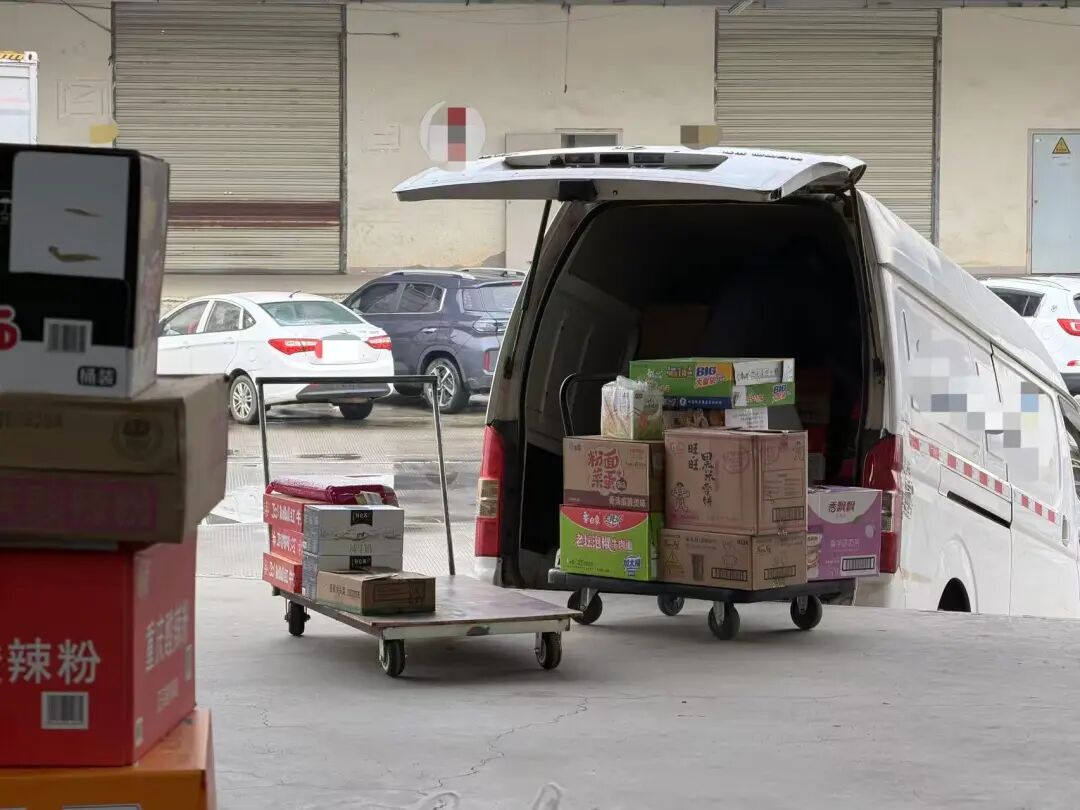
Core Insights - The article discusses the challenges of supplying fresh vegetables, particularly leafy greens, to northern regions during winter, highlighting the innovative "reverse supply" concept by Xiaoxiang Supermarket to ensure fresh produce reaches consumers [1][3] Group 1: Supply Chain Innovation - Xiaoxiang Supermarket has developed a "reverse supply" chain that facilitates the transportation of "highland vegetables" from Yunnan to northern markets, addressing the seasonal supply issues [3][5] - The company employs advanced technologies such as "temperature-controlled freshness" to maintain the quality of vegetables during long-distance transport, significantly reducing customer complaints [7][12] Group 2: Agricultural Impact - The initiative not only provides fresh produce but also supports local farmers by simplifying the supply process and ensuring better income stability through clear standards and reduced rejection rates [4][5] - Xiaoxiang Supermarket's collaboration with local agricultural communities has led to the establishment of integrated production and sales channels, enhancing local agricultural development [5][12] Group 3: Consumer Experience - The company focuses on consumer needs by implementing a quality assurance system that includes direct sourcing, pre-harvest quality control, and real-time feedback mechanisms [7][12] - By prioritizing user experience, Xiaoxiang Supermarket is setting a new standard in the retail industry, moving away from traditional inventory management to a model driven by consumer demand [14]

零售“3.0”时代,小象超市如何为消费者锁鲜“高原菜”?
36氪未来消费· 2025-11-03 09:49
Core Viewpoint - The article emphasizes that user experience is the driving force behind the evolution of the instant retail industry, particularly in the context of fresh produce supply chains [2][15]. Group 1: Fresh Produce Supply Chain Innovations - Xiaoxiang Supermarket has developed a "reverse supply" model to address the challenge of providing fresh vegetables to northern regions during winter, utilizing high-altitude produce from Yunnan [3][5]. - The company has established a "48-hour low-temperature journey" for fresh produce, ensuring that vegetables can reach consumers in northern cities within this timeframe [9][11]. - By implementing advanced technologies such as vacuum pre-cooling and temperature-controlled logistics, Xiaoxiang Supermarket has significantly reduced customer complaints regarding the quality of leafy vegetables [11][12]. Group 2: Agricultural and Economic Impact - The integration of local farmers into the supply chain through order agriculture has not only improved the quality of produce but also enhanced the income of farmers in Yunnan [6][7]. - Xiaoxiang Supermarket's initiatives have led to a positive impact on local agricultural development, creating a model for rural revitalization and farmer support [6][7]. Group 3: User-Centric Business Model - The company's approach is a prime example of the "Retail 3.0" era, where user experience drives supply chain transformations, moving away from traditional inventory-heavy models [18][20]. - Xiaoxiang Supermarket focuses on direct sourcing, algorithmic replenishment, and flexible fulfillment to meet the increasing quality demands of consumers [18][19]. - The establishment of a comprehensive quality assurance system from source to consumer is a key differentiator for Xiaoxiang Supermarket, positioning it as a leader in the fresh retail sector [16][20].

山姆加上阿里味,会员们会买单吗?
3 6 Ke· 2025-10-31 09:53
Core Insights - Walmart China has appointed Liu Peng, a former Alibaba executive, as the new president of Sam's Club, indicating a strategic shift towards e-commerce expertise in management [1][2] - Sam's Club has faced significant challenges in product selection and quality, leading to customer dissatisfaction and a decline in membership renewals [2][4] Group 1: Management Changes - The appointment of Liu Peng is part of a broader strategy to bring in leaders with deep experience in China's e-commerce sector to revitalize Sam's Club [2][10] - Other notable management changes include Yang Xiaomei, who has experience with major tech companies, returning to Walmart China as the vice president of procurement operations for Sam's [1][2] Group 2: Product Selection Issues - Sam's Club's core business model relies on a combination of product sales and membership fees, with a focus on high-quality, cost-effective products [3][4] - Recent controversies have emerged regarding the decline in product quality, with reports of popular items being replaced by lower-quality alternatives, leading to customer complaints [3][4][6] - The decline in product quality has been linked to management changes following the retirement of the previous CEO, with a shift towards efficiency potentially compromising product standards [4][5] Group 3: Membership Challenges - Customer feedback on social media indicates a growing reluctance to renew memberships due to concerns over product quality and availability [6][7] - The rise of a robust purchasing agent network has made it easier for consumers to bypass membership fees, further threatening Sam's Club's revenue model [6][8][9] Group 4: Competitive Landscape - Sam's Club is increasingly focusing on its e-commerce channels, which now account for over 50% of its business, to compete with aggressive rivals in the market [10][11] - Competitors such as Hema and Meituan are expanding rapidly in the same urban markets, posing a significant threat to Sam's Club's market share [10][11] - The challenge for Sam's Club lies in maintaining its competitive edge in product quality and pricing amidst growing competition from other retail platforms [12]
