
呷哺呷哺

Search documents
“三座大山”、“外卖大战”下的餐饮众生相
3 6 Ke· 2025-08-14 11:54
Core Viewpoint - The restaurant industry in China is facing significant challenges in 2025, with declining revenue growth, shrinking profits, and intensified competition, primarily driven by rising costs in raw materials, rent, and labor [2][4][8]. Group 1: Industry Performance - In the first half of 2025, national restaurant revenue growth decreased by 3.6 percentage points year-on-year, while revenue growth for large-scale dining units fell by 2 percentage points [2]. - In Beijing, profits in the accommodation and catering industry dropped by 67% in the first half of 2025 compared to the previous year [2]. - The China Cuisine Association noted a trend of slowing revenue growth, declining profits, and increased competition in the restaurant sector [2]. Group 2: Cost Pressures - The "three mountains" of pressure on restaurants include rising costs of raw materials, rent, and labor, which are affecting nearly all Chinese dining establishments [4][8]. - For example, at the restaurant chain Haidilao, employee costs, rent, and raw materials accounted for 71.9% of total revenue in 2024 [4]. - The rising labor costs are particularly notable, with average monthly wages exceeding 5,000 yuan and additional costs for employee accommodations and social security [3][4]. Group 3: Financial Performance of Key Players - Haidilao and other major restaurant chains have shown only slight revenue and profit increases, while many others report poor financial performance [5]. - For instance, the group "Xiabuxiabu" reported a revenue decline of 19.65% in 2024, with a net loss of 398 million yuan, more than doubling its previous year's losses [6]. - "Naixue" reported a revenue drop of 4.7% in 2024, with a net loss of 917 million yuan, continuing a trend of losses since its IPO [6][7]. Group 4: Strategies for Survival - To cope with rising costs, restaurants are focusing on cost control and efficiency optimization as survival strategies [8]. - Haidilao has implemented smart kitchen management systems and a full supply chain layout to reduce procurement costs and ensure food safety [10][11]. - New restaurant brands are increasingly adopting digitalization to enhance operational efficiency and cost management [14][19]. Group 5: Shift to Delivery and New Business Models - As the industry transitions from growth to a focus on existing market share, many restaurants are exploring online ordering and delivery services [15]. - Some brands are opening "satellite" or "quick pick-up" stores in lower-rent areas, primarily focusing on delivery to reduce costs and improve efficiency [15]. - For example, Haidilao's delivery revenue increased by 20.4% in 2024, while "Jiuma Jiu" reported a 15.8% growth in its delivery business [15]. Group 6: Competitive Landscape - The competitive landscape of the delivery market has stabilized, with restaurants competing on product quality, supply chain efficiency, and digital capabilities [20]. - Brands like "Kua Fu" and "Ning Ji" are leveraging their established capabilities in product quality and digitalization to gain a competitive edge in the delivery market [19][20].



高端餐饮熄火,海底捞为何逆流开出臻选店?
3 6 Ke· 2025-08-14 03:16
Core Insights - The high-end dining industry is experiencing a significant downturn, with a dramatic drop in reservations and customer satisfaction [1][5][8] - The number of restaurants with a per capita spending of over 1,000 yuan is expected to halve by 2025 compared to 2022, indicating a severe contraction in the market [8][19] - Consumer behavior is shifting towards value for money, with a notable decline in demand for high-end dining experiences [8][19] Industry Overview - High-end restaurants that once required three months of advance booking are now struggling with occupancy rates below 50% on weekdays [1][5] - The average spending at high-end restaurants has decreased significantly, with promotions like "buy one get one free" becoming common [1][5] - The overall number of high-end restaurants in major cities like Shanghai and Beijing has decreased by over 40% since 2022 [5][8] Financial Performance - Major players in the industry, such as Haidilao, are facing declining average spending, with figures dropping from 99.1 yuan in 2023 to 97.5 yuan in 2024 [10][12] - Haidilao's new high-end "Zhenxuan" store has a per capita spending of 683 yuan, significantly higher than its traditional outlets, but faces skepticism from consumers [12][15] - The financial reports of other companies like Banu Hotpot and Xiaobuxiang indicate a downward trend in revenue and profitability, with Banu's average spending dropping from 147 yuan in 2022 to 142 yuan in 2024 [10][12] Market Dynamics - The high-end dining sector is under pressure due to rising costs, with rent, labor, and ingredients accounting for 70%-75% of total expenses [5][6] - The average lifespan of high-end restaurants has decreased sharply, with new establishments now averaging only 11 months of operation [19] - Competition is intensifying as established brands explore high-end offerings, while innovative dining experiences are attracting consumers away from traditional high-end restaurants [17][19] Consumer Behavior - There is a marked shift in consumer preferences, with business dinners and celebrations moving from extravagant meals to simpler, more affordable options [8][19] - The perception of high-end dining is changing, with many consumers questioning the value of expensive meals that do not meet expectations [15][19] - The trend towards practical consumption is evident, as consumers increasingly prioritize quality and affordability over luxury dining experiences [19]

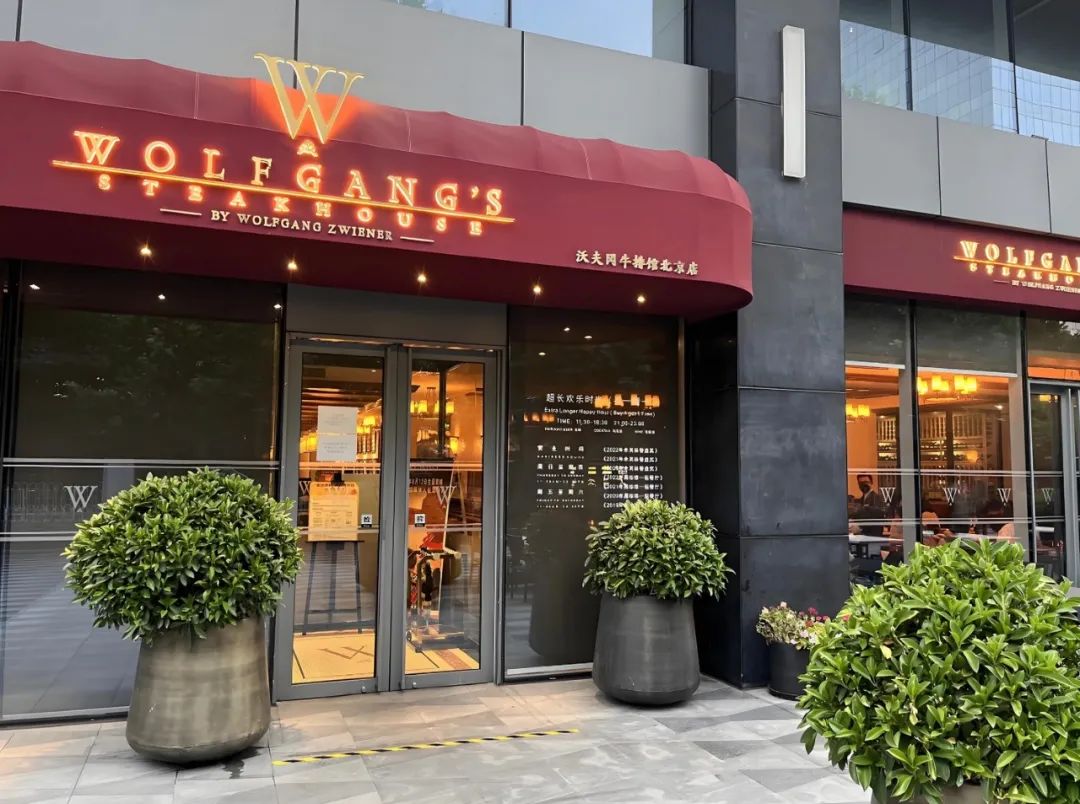
消费复苏向好 餐饮类公司上半年业绩亮眼
Xin Hua Wang· 2025-08-12 05:48
Core Insights - The restaurant industry is experiencing a strong recovery, with several listed companies reporting significant profit growth in the first half of the year, driven by effective consumption promotion policies [1][2]. Group 1: Company Performance - Xiabuxiabu, a leading hot pot chain, reported a 32.0% year-on-year increase in revenue to RMB 2.8461 billion in the first half of 2023, achieving a profit of RMB 2.12 million after a loss of RMB 278.2 million in the same period last year [2]. - Tongqinglou's half-year report showed a revenue of RMB 1.082 billion, a 45.18% increase year-on-year, with net profit soaring by 589.46% to RMB 146 million [2]. - Quanjude achieved a revenue of RMB 668 million, a 104.06% increase year-on-year, and a net profit of RMB 28 million, marking a 118.28% increase and a return to profitability [2]. - Guangzhou Restaurant Group reported a revenue of RMB 1.745 billion, a 22.57% increase year-on-year, with a net profit of RMB 76.16 million, up 39.86% [2]. Group 2: Pre-made Dishes Market - The pre-made dishes market is being actively developed, with government policies supporting the expansion of restaurant services and the establishment of pre-made dish bases [3][4]. - Delisi, a leader in the pre-made dishes sector, reported a revenue of RMB 1.543 billion, a 9.91% increase year-on-year, with a net profit of RMB 25.32 million, up 6.67% [4]. - Anjiexin, a frozen food leader, achieved a revenue of RMB 6.894 billion, a 30.7% increase year-on-year, with a net profit of RMB 735 million, up 62.14% [4]. - Chunxue Foods reported a revenue of RMB 1.377 billion, a 22.53% increase year-on-year, with pre-made chicken products sales reaching 29,000 tons, a growth of 11% [4]. Group 3: Market Outlook - Huaxi Securities noted a strong recovery momentum in the restaurant market, with leading companies showing improved profitability due to strong brand power and management capabilities [5]. - Shouchuang Securities believes that the restaurant consumption market is steadily recovering, with strong potential for further growth in the future [5].


中国餐饮出海迈入新阶段
Xin Hua Wang· 2025-08-12 05:44
Core Insights - The Chinese restaurant industry is experiencing significant expansion and value reconstruction, with a notable increase in competition, prompting strong brands to accelerate their overseas market strategies [1][3] - The wave of Chinese restaurant brands going global is characterized by cultural integration, standardized practices, and supply chain localization, marking a new phase in international expansion [1][2] Industry Expansion - The overseas Chinese restaurant market has grown to nearly 700,000 outlets, with a market size approaching 3 trillion yuan [2] - Hot pot brands, such as Haidilao, are leading the charge in international expansion, with over 120 locations globally, while new tea beverage brands like Mixue Ice Cream & Tea have opened more than 5,000 stores across 12 countries since 2018 [2][3] Market Drivers - The intense competition in the domestic restaurant market is a key driver for brands seeking growth through international expansion, with over 3.1 million new restaurant registrations in 2024 [3] - Policy support, including the Ministry of Commerce's guidance on promoting high-quality development in the restaurant industry, is fueling the push for Chinese cuisine to go global [1][3] Cultural Integration - Successful international expansion requires deep cultural understanding and adaptation to local tastes, as demonstrated by Haidilao's localized menu innovations in various regions [5][6] - Cultural integration is seen as a core challenge, with brands needing to create experiences that resonate with local consumers while maintaining their culinary identity [6][14] Supply Chain Challenges - Supply chain localization is a critical hurdle for Chinese restaurants abroad, with many relying on a mix of domestic and local sourcing to ensure quality and consistency [5][11] - The complexity of international supply chains, including regulatory compliance and logistics, poses significant challenges for brands looking to establish a foothold in foreign markets [7][10] Strategic Recommendations - Industry experts suggest that a collaborative approach involving government support, industry associations, and enterprises is essential for overcoming barriers to international expansion [10][11] - Establishing a comprehensive ecosystem that includes supply chain, logistics, and local partnerships is vital for successful market entry and sustainability [11][12] Innovation and Adaptation - Brands are increasingly leveraging technology and innovative supply chain solutions to enhance their international operations, with companies like Meituan utilizing AI to support global restaurant markets [12][13] - The reciprocal relationship between international expansion and domestic innovation is fostering a cycle of improvement and adaptation within the Chinese restaurant industry [13][14]
天财商龙赋能2025天津餐饮博览会,以数字化之力驱动餐饮产业破局增长
Zhong Guo Chan Ye Jing Ji Xin Xi Wang· 2025-08-11 13:13
Core Insights - The 2025 Tianjin Catering Expo aims to empower the catering industry and explore new growth paths within a market size of 6 trillion yuan [1] - Tianjin Catering Association emphasizes the importance of service quality in the industry [1] - Digitalization is highlighted as a necessity for catering enterprises to maintain quality and find direction amidst challenges [2][5] Industry Overview - The catering industry in China is projected to reach a market size of 6 trillion yuan, indicating significant growth potential [1] - Tianjin Catering Expo serves as a platform for connecting supply and demand, understanding trends, and promoting development [1] Company Initiatives - Tian Cai Shang Long, a leader in catering digitalization, has been providing solutions for various restaurant types, from high-end dining to casual eateries [3] - The company has developed a comprehensive digital solution that covers all aspects of restaurant operations, including smart ordering, kitchen display systems, and data-driven decision-making [5] Key Events at the Expo - The China Fast Food Industry Conference on September 16 will address challenges in standardization and efficiency, with the release of a report on fast food industry trends [8] - The opening ceremony on September 17 will unveil a comprehensive report on data trends across different catering formats, serving as a strategic guide for businesses [9] - A summit on digital transformation will showcase practical case studies demonstrating how digital tools can enhance operational efficiency and customer retention [10] Future Outlook - The catering industry is positioned for transformation, with digitalization seen as a critical factor for success in the next decade [12] - Tian Cai Shang Long aims to support the industry by providing innovative solutions that enhance service quality and operational efficiency [12]

五年间累计亏损超13亿,呷哺呷哺「不好吃了」?
36氪· 2025-08-07 13:24
Core Viewpoint - The article discusses the struggles of the hot pot chain company Xia Bo Xia Bo, highlighting its significant financial losses and challenges in maintaining market share amidst increasing competition in the hot pot industry [4][5][6][14]. Financial Performance - Xia Bo Xia Bo is expected to report revenues of approximately 1.9 billion yuan and a net loss between 80 million to 100 million yuan for the fiscal year ending June 30, 2025 [5]. - Since 2021, Xia Bo Xia Bo has been on a losing streak, accumulating losses of approximately 1.326 billion yuan over five years [6][9]. - The company's net losses from 2021 to 2024 were 293 million yuan, 353 million yuan, 199 million yuan, and 401 million yuan, with an additional loss of about 80 million yuan in the first half of 2025 [9]. Brand Performance - Xia Bo Xia Bo's core revenue sources are its two brands: Xia Bo Xia Bo and its high-end sub-brand Cou Cou, which has been underperforming [11]. - In 2024, Cou Cou's revenue decreased significantly, with a net loss of 353 million yuan, accounting for nearly 90% of the group's overall losses [12]. - The average customer spending at Cou Cou dropped from 142.3 yuan to 123.5 yuan, and table turnover rates fell from 2 times to 1.6 times compared to the previous year [12]. Market Position and Competition - Xia Bo Xia Bo's stock price has plummeted to 0.77 HKD, with its market capitalization dropping from 29 billion HKD to 830 million HKD [8][13]. - The hot pot market is becoming increasingly competitive, with new brands emerging and capturing market share, which has led to a decline in Xia Bo Xia Bo's visibility among consumers [20][21]. - The overall hot pot market in China is projected to grow to 668.9 billion yuan by 2025, but the growth rate is expected to slow from 10% in 2019 to 4.3% in 2025 [20]. Challenges Faced - Xia Bo Xia Bo faces challenges from various competitors, including fast-casual hot pot brands and regional players that offer lower prices and better operational efficiency [22]. - The company has struggled with unclear positioning and failed attempts to transition from a fast-food model to a light dining experience, leading to a loss of its original value proposition [16][17]. - The hot pot industry is experiencing a significant exit of businesses, with over 210,000 stores closing in the past year, indicating a highly competitive environment [23].
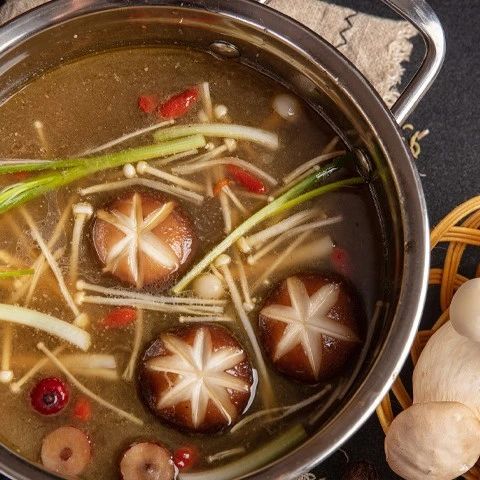
50块钱扶墙出的呷哺倒下去,59块9的海底捞能支棱起来吗?
凤凰网财经· 2025-08-07 13:16
Core Viewpoint - The article discusses the emergence of "Jugaogao," a new self-service hotpot brand incubated by Haidilao, which is gaining popularity in the small hotpot market while its predecessor, Xiaobuxiang, faces significant losses and store closures [3][4][23]. Group 1: Jugaogao's Market Entry - Jugaogao operates on a self-service model with a price point of 59.9 yuan per person, offering a wide variety of ingredients, which appeals to consumers' desire for value [2][13]. - The brand has quickly gained traction, ranking fifth in local self-service restaurant popularity in Changsha shortly after opening, and even topping the list in Yichun [13]. - Despite its success, Jugaogao has received mixed reviews, with some customers raising concerns about hygiene and food quality [15][16][20]. Group 2: Haidilao's Strategic Shift - Haidilao has been focusing on internal entrepreneurship, launching multiple sub-brands, including Jugaogao, as part of its "Red Pomegranate Plan" to stimulate growth [6][7]. - The company aims to expand its market presence by adopting a "light asset" model, which reduces costs and risks associated with traditional large-scale restaurant operations [49]. - Jugaogao's smaller store format (100-200 square meters) and self-service approach allow for rapid expansion with lower overhead costs [49][50]. Group 3: Xiaobuxiang's Decline - Xiaobuxiang, once a leader in the small hotpot sector, is now struggling with significant losses, having closed 219 stores in 2024 alone, including 138 Xiaobuxiang locations [40][42]. - The company has reported cumulative losses exceeding 12 billion yuan over the past four years, with a projected loss of 0.8 to 1 billion yuan for the first half of 2025 [33][34][32]. - The decline is attributed to a misalignment with market trends and an unsuccessful shift towards higher-end offerings, leading to a drastic drop in market value [30][37]. Group 4: Market Trends and Challenges - The hotpot market is experiencing a polarization in consumer preferences, with a growing divide between high-end and low-cost options, making the mid-range market increasingly competitive [42][43]. - Jugaogao's pricing strategy targets price-sensitive consumers while maintaining quality, positioning it as a competitor in the value segment [47]. - However, the small hotpot market faces challenges such as intense competition and price wars, which could impact profitability [52].

海底捞求变:高端化与下沉市场能否兼得?
Xin Lang Cai Jing· 2025-08-07 10:40
Group 1 - The core viewpoint of the articles indicates that Haidilao is facing challenges in its main hot pot business due to market saturation and declining consumer spending, prompting the company to explore new business lines to sustain growth [1][2][5][9] - Haidilao's first premium store opened in Beijing, featuring high-quality ingredients and a significantly higher average spending of around 700 RMB per guest, which is seven times that of regular stores [1] - Concurrently, Haidilao is launching budget-friendly dining options, such as the "Jugaogao Self-Service Hot Pot" with a price of 59.9 RMB per person, indicating a dual strategy to target both high-end and budget markets [1][10] Group 2 - The hot pot market in China is experiencing a slowdown, with a projected growth rate of only 5.3% in 2025, down from double-digit growth in previous years, leading to a reduction in the number of hot pot restaurants [2][9] - Haidilao's total number of self-operated restaurants decreased to 1,355 by the end of 2024, reflecting a decline in its market presence [2] - The average spending per guest has also declined, with figures dropping from 104.9 RMB in 2022 to 97.5 RMB in 2024, indicating a decrease in consumer spending power [7][9] Group 3 - Haidilao's revenue for 2024 was 42.75 billion RMB, with a year-on-year growth of only 3.1%, while net profit grew by 4.6% to 4.708 billion RMB, suggesting stagnation in growth [9] - The company is actively pursuing new business initiatives under the "Pomegranate Plan," which aims to foster innovation and develop new restaurant brands, with an average of 200 new projects proposed daily [10][14] - Despite its strong supply chain capabilities, Haidilao faces intense competition in the restaurant industry, particularly in the small hot pot segment, which is characterized by low prices and high competition [15][19] Group 4 - The competitive landscape for Haidilao's new ventures is challenging, as many of the targeted markets are already saturated, making it difficult to establish a differentiated competitive advantage [15][22] - Haidilao's historical success in the mid-to-high-end hot pot market was largely due to its focus on service quality, which may not easily translate to its new business models [21][22] - The company must find a unique value proposition in its new offerings to avoid homogenization and maintain profitability, as simply replicating its previous service model may not suffice [22]
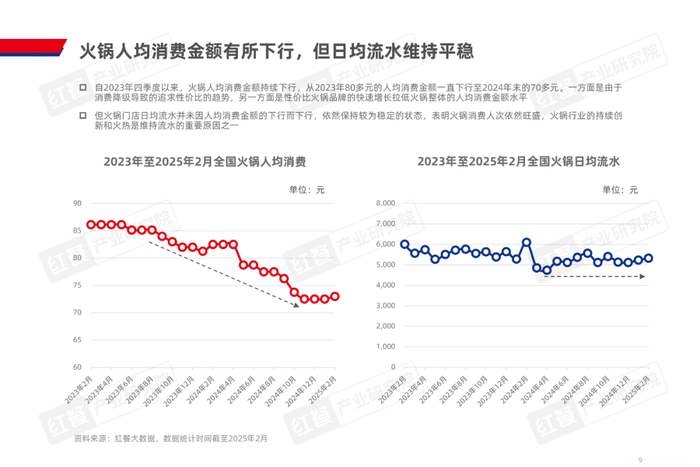
五年间累计亏损超13亿,呷哺呷哺“不好吃了”?
3 6 Ke· 2025-08-07 00:40
Core Viewpoint - The company Xiapu Xiapu is facing significant financial challenges, with continuous losses and a declining market position, while competitors like Banu Hotpot are thriving and preparing for an IPO [1][2][10]. Financial Performance - Xiapu Xiapu has been in a loss-making situation since 2021, accumulating losses of approximately 1.326 billion yuan over five years [2][5]. - The expected revenue for Xiapu Xiapu for the fiscal year ending June 30, 2025, is around 1.9 billion yuan, with a projected net loss between 80 million to 100 million yuan [1]. - The company's net losses from 2021 to 2024 were 293 million yuan, 353 million yuan, 199 million yuan, and 401 million yuan, respectively, with a loss of about 80 million yuan in the first half of this year [5][10]. Market Position and Competition - Xiapu Xiapu's stock price has plummeted to 0.77 HKD, with its market capitalization dropping from 29 billion HKD to 830 million HKD [4][10]. - The company has lost its competitive edge in the hotpot market, which is becoming increasingly crowded with new entrants and established brands like Banu Hotpot, which is projected to generate 2.307 billion yuan in revenue for 2024 [2][15][19]. - The hotpot industry is expected to grow to 668.9 billion yuan by 2025, but the growth rate is slowing down from 10% in 2019 to 4.3% in 2025 [15]. Brand and Operational Challenges - Xiapu Xiapu's high-end sub-brand "Coucou" is underperforming, with losses accounting for nearly 90% of the company's total losses in 2024 [3][9]. - The brand's average customer spending has decreased from 142.3 yuan to 123.5 yuan, and table turnover rates have dropped from 2 times to 1.6 times per day [9]. - The company has faced challenges due to aggressive expansion strategies, leading to poor site selection and operational inefficiencies, resulting in a decline in same-store sales by 23.3% in 2024 [11][14]. Consumer Trends and Market Dynamics - The competitive landscape is intensifying, with various brands targeting different market segments, including low-cost fast-casual options and high-end dining experiences [17][19]. - Consumer preferences are shifting towards high-quality and cost-effective dining options, making it crucial for Xiapu Xiapu to innovate and enhance service quality to regain market share [19].
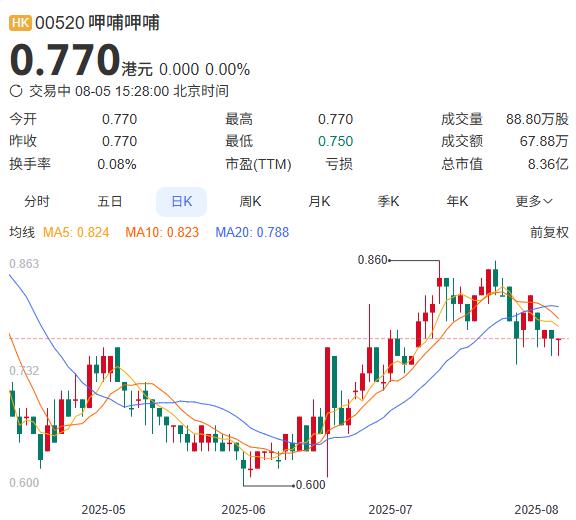
呷哺呷哺(00520) - 截至二零二五年七月三十一日止月份之股份发行人的证券变动月报表
2025-08-06 10:05
股份發行人及根據《上市規則》第十九B章上市的香港預託證券發行人的證券變動月報表 截至月份: 2025年7月31日 狀態: 新提交 致:香港交易及結算所有限公司 公司名稱: 呷哺呷哺餐飲管理(中國)控股有限公司 呈交日期: 2025年8月6日 I. 法定/註冊股本變動 | 1. 股份分類 | 普通股 | 股份類別 | 不適用 | | 於香港聯交所上市 (註1) | | 是 | | | --- | --- | --- | --- | --- | --- | --- | --- | --- | | 證券代號 (如上市) | 00520 | 說明 | | | | | | | | | | 法定/註冊股份數目 | | | 面值 | | 法定/註冊股本 | | | 上月底結存 | | | 2,000,000,000 | USD | 0.000025 | USD | | 50,000 | | 增加 / 減少 (-) | | | | | | USD | | | | 本月底結存 | | | 2,000,000,000 | USD | 0.000025 | USD | | 50,000 | 本月底法定/註冊股本總額: USD 50 ...