OPPO

Search documents
小米国内激活量超苹果 卢伟冰:竞争极其焦灼
Xin Lang Cai Jing· 2026-01-22 01:23
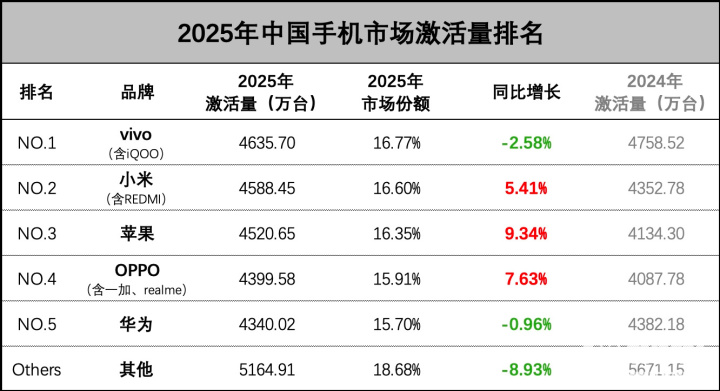
Core Insights - The top three smartphone brands in China by activation volume in 2025 are vivo, Xiaomi, and Apple, with vivo maintaining the first position despite a slight decline in activation volume [1][5] - Xiaomi surpassed Apple to claim the second position, largely due to the success of the Xiaomi 17 series, which includes models with activation volumes exceeding one million [2][6] - The activation volume gap between the top five brands is minimal, with less than 3 million units separating vivo from Huawei, indicating a highly competitive market where a single popular model can significantly influence brand rankings [1][5] Brand Performance Summary - **Vivo**: Ranked first with an activation volume of 4,635.70 thousand units, a market share of 16.77%, and a year-on-year decline of 2.58% from 4,758.52 thousand units in 2024 [2][6] - **Xiaomi**: Ranked second with an activation volume of 4,588.45 thousand units, a market share of 16.60%, and a year-on-year growth of 5.41% from 4,352.78 thousand units in 2024 [2][6] - **Apple**: Ranked third with an activation volume of 4,520.65 thousand units, a market share of 16.35%, and a year-on-year growth of 9.34% from 4,134.30 thousand units in 2024 [2][6] - **OPPO**: Ranked fourth with an activation volume of 4,399.58 thousand units, a market share of 15.91%, and a year-on-year growth of 7.63% from 4,087.78 thousand units in 2024 [2][6] - **Huawei**: Ranked fifth with an activation volume of 4,340.02 thousand units, a market share of 15.70%, and a year-on-year decline of 0.96% from 4,382.18 thousand units in 2024 [2][6] - **Others**: The remaining brands collectively accounted for 5,164.91 thousand units, with a market share of 18.68% and a year-on-year decline of 8.93% from 5,671.15 thousand units in 2024 [2][6] Market Dynamics - The competition among the top brands is extremely tight, with minor differences in activation volumes leading to significant shifts in rankings [5][9] - The timing of new product launches, such as the Huawei Mate 80 series, can greatly impact market standings, suggesting that strategic release schedules are crucial for maintaining competitive positions [5][8] - Xiaomi's Lu Weibing emphasized the intense competition in the Chinese market, indicating that the leading positions are very fragile and require continuous effort to maintain [9]



陕西消费市场人气攀升
Shan Xi Ri Bao· 2026-01-22 00:33
Group 1: Consumer Trends and Market Response - The "National Subsidy" policy has been implemented, leading to increased consumer spending on electronics and appliances, with significant discounts reported [1] - The opening of the first OPPO|OnePlus flagship store in Xi'an has attracted many customers, particularly interested in products eligible for the subsidy [1] - Sales of energy-efficient appliances have surged, with 92% of sales at Suning stores during the New Year period being energy-efficient or water-efficient products, indicating a clear trend towards green consumption [1] Group 2: Tourism and Cultural Consumption - The 大唐不夜城 scenic area has seen a rise in tourist numbers, with various performances and local products enhancing visitor experiences [2] - The area is hosting 12 regular performances and has introduced unique local products, contributing to a memorable experience for tourists [2] - Various regions in Shaanxi are actively promoting consumption through events and activities, aiming to boost the local economy and enhance the consumer atmosphere [3]
欧盟拟推「高风险供应商」禁令,华为回应;DeepSeek新模型「MODEL1」曝光;某汽车品牌LOGO撞脸小米?网友:百分百在蹭小米丨雷峰早报
雷峰网· 2026-01-22 00:31
Key Points - The European Union plans to implement a ban on "high-risk suppliers," which Huawei has criticized as violating fair principles based on nationality [4][5] - DeepSeek has unveiled a new model called "Model 1," which is expected to be more efficient and suitable for edge devices [10][11] - Yu Minhong has launched a "retirement club" targeting individuals aged 50 to 75, offering low-cost experience classes [7][8] - iQIYI's CFO Wang Jun has resigned, with Senior Vice President Zeng Ying taking over as acting CFO [16][17] - Tesla's CEO Elon Musk has restarted the Dojo3 chip project, aiming for advancements in space AI [37][38] - Nvidia's CEO Jensen Huang expressed regret over selling Nvidia stock to buy a car for his parents, calling it the most expensive car in the world [39] - Vivo has maintained a leading position in the Indian smartphone market with a 23% share, significantly ahead of competitors [40][41]



手机遇冷、眼镜预热 eSIM仍在等待“上桌”
Bei Jing Shang Bao· 2026-01-21 23:45
Core Insights - The demand for Apple's iPhone Air, which emphasizes extreme thinness and features eSIM technology, is significantly lower than expected, leading to supply chain cutbacks and potential component discontinuation by the end of 2025 [1] - The eSIM technology's adoption in smartphones is hindered by user habits, manufacturer conservatism, and insufficient cooperation from telecom operators, making it a secondary feature rather than a core component [2][3] Group 1: iPhone Air and eSIM Challenges - The iPhone Air's attempt to innovate with a pure eSIM design has not resonated with mainstream consumers, as many are unwilling to pay a flagship price for a device with compromised core specifications [2] - The cumbersome processes associated with eSIM activation and switching further reduce user acceptance of this technology [2] - Current smartphone models from domestic manufacturers, such as OPPO and Huawei, have adopted eSIM but still support physical SIM cards, indicating a cautious approach to eSIM integration [3] Group 2: Shift to AR Glasses - The industry is shifting focus to AR smart glasses as a more suitable application for eSIM technology, with Thunderbird Innovation launching the "Thunderbird X3 Pro Project eSIM" at CES 2026 [4] - The investment from major telecom operators into the AR glasses sector signifies a strategic interest in integrating eSIM technology into new devices [4] - The design of AR glasses, which prioritizes extreme thinness, aligns well with eSIM's no-card feature, potentially enhancing the device's functionality and independence from smartphones [5] Group 3: Future Potential and Challenges - While eSIM technology shows promise for AR glasses, the current focus in the industry remains on improving optical display and spatial computing capabilities rather than communication features [6] - The existing limitations in AR glasses, such as display technology and battery life, need to be addressed before eSIM can become a core necessity [6] - The potential for eSIM to become a necessity in various scenarios, such as cross-border travel and IoT applications, exists but requires further technological and market developments [7]

国产手机海外角逐
2 1 Shi Ji Jing Ji Bao Dao· 2026-01-21 23:11
Core Insights - The global smartphone market is projected to grow in 2025, with an expected shipment volume of 1.26 billion units, reflecting a year-on-year increase of 1.9% [1] - Chinese smartphone manufacturers have established a significant presence in the global market, capturing approximately 60% of global shipments, with brands like OPPO, vivo, Xiaomi, and Honor leading the way [1] - Honor is expected to see rapid growth in overseas shipments, with a projected year-on-year increase of about 55% in the first three quarters of 2025 [1][2] Industry Trends - Chinese companies are adopting two main strategies for overseas markets: full AI integration and brand premiumization, with a focus on "Glocal" strategies that combine global thinking with local actions [2] - Honor's international business has undergone a structural transformation, with overseas shipments rising from less than 10% of total shipments in early 2021 to nearly 50% by the third quarter of 2025 [2] - The competition in emerging overseas markets is intense, particularly in the entry-level segment priced below $200, which remains a primary focus for many manufacturers despite profit pressures [2] Market Positioning - Increasingly, Chinese smartphone manufacturers are shifting towards the mid-to-high-end market to balance scale and profitability, with Honor targeting the $300-$500 price range, which accounted for approximately 23% of its overseas shipments in the first three quarters of 2025 [3] - The high-end market, particularly in Europe, is becoming a battleground for Chinese manufacturers, who are transitioning from a scale competition to a capability competition, emphasizing high-end product offerings [4] Product Innovation - To penetrate the high-end market, product capability is essential, with manufacturers upgrading their high-end product lines, such as Honor's Magic8 series and Huawei's Mate80Pro [5] - Honor is set to showcase its ROBOT PHONE, a unique product that integrates AI capabilities, at the 2026 International Consumer Electronics Show (CES) [5] AI Integration - Since 2025, there have been significant advancements in AI capabilities for consumer applications, with Honor achieving breakthroughs in on-device AI technologies that enhance real-time processing and user experience [6] - Huawei's strengths lie in its foundational system capabilities, with HarmonyOS 6 enabling multi-device AI computing, enhancing the processing of complex tasks [6] Future Outlook - The market is expected to continue evolving, with two prominent trends: premiumization and globalization, driven by improvements in AI capabilities and a focus on high-end user experiences [6] - Globalization is a core theme for Chinese companies, emphasizing the need to not only expand internationally but also to enhance their global presence and competitiveness [6]
手机遇冷眼镜预热 eSIM仍在等待“上桌”
Bei Jing Shang Bao· 2026-01-21 16:11
Core Insights - The demand for Apple's iPhone Air, which emphasizes extreme thinness, is significantly lower than expected, leading to supply chain cutbacks and anticipated component discontinuation by the end of 2025 [1][3] - The iPhone Air's reliance on eSIM technology has not resonated with mainstream consumers due to compromises in battery life, heat management, and other core specifications [1][3] - The slow adoption of eSIM in mobile devices is attributed to user habits, conservative manufacturer strategies, and insufficient cooperation from telecom operators [3][4] eSIM Technology in Mobile Devices - Current mobile devices featuring eSIM, such as OPPO Find X9 Pro and Huawei Mate 80 RS, still support physical SIM cards, indicating a cautious approach from manufacturers [4] - The reluctance to fully embrace eSIM technology is influenced by concerns over user control by telecom operators and uneven global infrastructure support [4] - eSIM is currently viewed as an additional feature rather than a core necessity in mobile devices, as users are accustomed to the convenience of physical SIM cards [4] Shift to AR Smart Glasses - As eSIM faces challenges in mobile applications, the industry is exploring its potential in AR smart glasses, which align better with eSIM's capabilities [5][7] - Thunderbird Innovation's AR glasses, featuring eSIM technology, have received significant investment from Chinese telecom operators, marking a strategic entry into the AR market [6] - The design of AR glasses, which prioritizes extreme thinness, benefits from eSIM's lack of a physical card slot, allowing for more compact designs [7] Market Potential and Challenges - The integration of eSIM in AR glasses is seen as having a clearer potential for adoption compared to mobile devices, given the alignment of form factor and use cases [7][9] - However, the current focus in the AR industry remains on optical display and spatial computing capabilities, with communication technology being a secondary priority [8] - The successful scaling of eSIM in AR devices may depend on advancements in technology and market conditions, such as seamless cross-operator functionalities [9]

免费领取!100+硅碳负极项目清单(第1批)——企业、产能、技术、进度......
DT新材料· 2026-01-21 16:05
| 800+ 200+ 30+ 50,000m | | --- | | 企业参展 科研院所 | | 2026 . 06 . 10 → 06 . 12 | 在新能源产业迭代升级的浪潮中,固态电池已成为撬动行业变革的核心支点,是衡量国家高端制造实力的重要 标志。 在固态电池体系中,负极直接决定电池的能量密度、循环寿命, 是制约电池整体性能升级的关 键环节 。 相比于传统石墨负极, 硅基负极凭借优异的性能 ( 硅理论 比容量 是传统石墨负极的10倍以上 )和与固态 电池体系的高匹 配 度( 降低 固-固界面阻抗,抑制锂 枝晶析出 ), 已成为当前固态电池体系主流选择 。 作为高能量密度电池的核心材料, 硅碳负极已成为固态电池产业链的关键布局方向。 2025年,国内硅碳负极 赛道更是呈现全面开花、项目密集落地的火热态势。 据 DT 新材料不完全统计,2025年国内硅碳负极落地项 目数量突破 100 个,规划总产能超 30 万吨,行业总投资额高达800 亿元! 我们已梳理2025年硅碳负极项目(涵盖受理、公示、开工、投产等全阶段)的核心信息 , 囊括产能规划、技 术路线、项目规模等关键内容。 扫描下方二维码,转发即可领 ...
手机遇冷眼镜预热,eSIM仍在等待“上桌”
Bei Jing Shang Bao· 2026-01-21 13:59
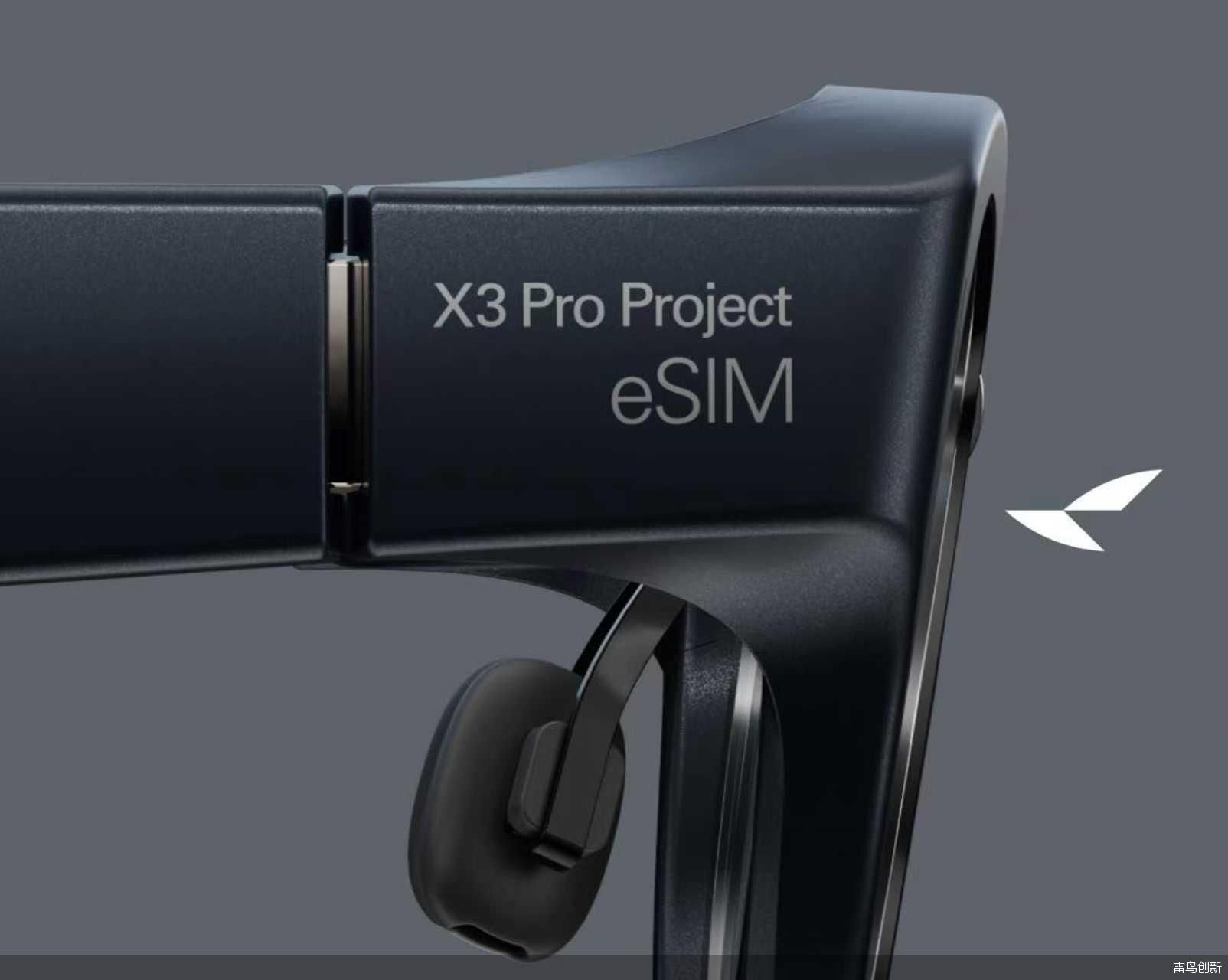
Core Insights - The demand for Apple's iPhone Air, which focuses on extreme thinness, is significantly lower than expected, leading to supply chain cutbacks and anticipated component discontinuation by the end of 2025 [1][3] - The eSIM technology, initially aimed at enhancing the iPhone Air's appeal, has not gained traction in the smartphone market, with manufacturers opting for dual support of physical SIM cards and eSIMs instead of fully adopting eSIM [1][4] Group 1: iPhone Air and eSIM Challenges - The iPhone Air's attempt to innovate in the smartphone market has revealed that consumers willing to pay for an ultra-thin experience are a niche audience [3] - Users are reluctant to purchase a device that compromises on essential features like battery life and camera quality for the sake of a lightweight design [4] - The cumbersome process of activating and switching eSIMs has contributed to slow adoption rates among users [4] Group 2: Shift to AR Glasses - The introduction of eSIM-enabled AR glasses by Thunderbird Innovation at CES 2026 represents a potential new avenue for eSIM technology, as AR glasses require compact designs that benefit from eSIM's lack of a physical card slot [6][7] - The strategic investment from major telecom operators in the AR glasses sector indicates a shift in focus towards integrating eSIM technology into new devices [6] - The compatibility of eSIM with AR glasses is seen as more promising than in smartphones, as the technology aligns better with the design and functional requirements of AR devices [7] Group 3: Future of eSIM in AR - While eSIM technology is mature and can be integrated into products with relative ease, it is not currently the primary focus for AR glasses, which prioritize optical display and spatial computing capabilities [8] - The potential for eSIM to become a necessity in AR devices hinges on advancements in technology and market conditions, particularly in scenarios like cross-border travel and IoT applications [9] - The industry acknowledges that while eSIM presents opportunities, the actual implementation and validation of its benefits will require time and further development [10]
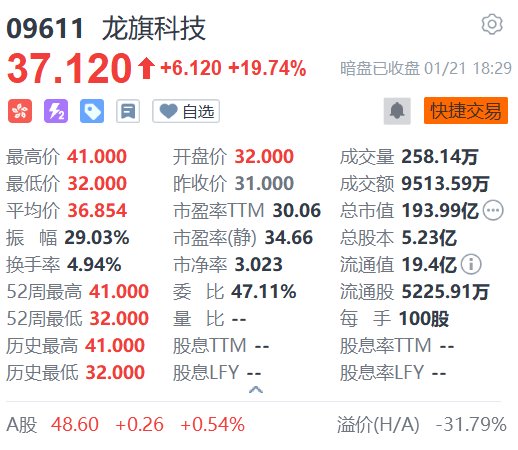
新股暗盘|龙旗科技暗盘收涨19.74% 一手赚612港元
Ge Long Hui A P P· 2026-01-21 12:31
龙旗科技成立于2004年,为内地三大ODM(原始设计制造)厂商之一,主力为小米集团、三星电子、联 想、荣耀、OPPO、vivo等品牌提供手机、电脑、智能穿戴等产品的代工服务。其中,小米是最大客 户,并持有公司4.9%股权权益。以2024年消费电子ODM出货量计,公司是全球第二大的消费电子ODM 厂商,占22.4%的市场份额;以2024年智能手机ODM出货量计,是全球最大的智能手机ODM厂商,占 32.6%的市场份额。(格隆汇) | 09611 龙旗科技 | | | | --- | --- | --- | | 37.120 + +6.120 +19.74% | | 暗盘已收盘 01/21 18:29 | | * ½ 9 目 ♥自选 | | ● 快捷交易 | | 最高价 41.000 | 开盘价 32.000 | 成交量 258.14万 | | 最低价 32.000 | 昨收价 31.000 | 成交额 9513.59万 | | 平均价 36.854 | 市盈率 TM 30.06 | 总市值 193.99亿 ··· | | 振 幅 29.03% | 市盈率(静) 34.66 | 总股本 5.23亿 | | 换手率 ...
情绪共识下的冷思考
3 6 Ke· 2026-01-21 10:56
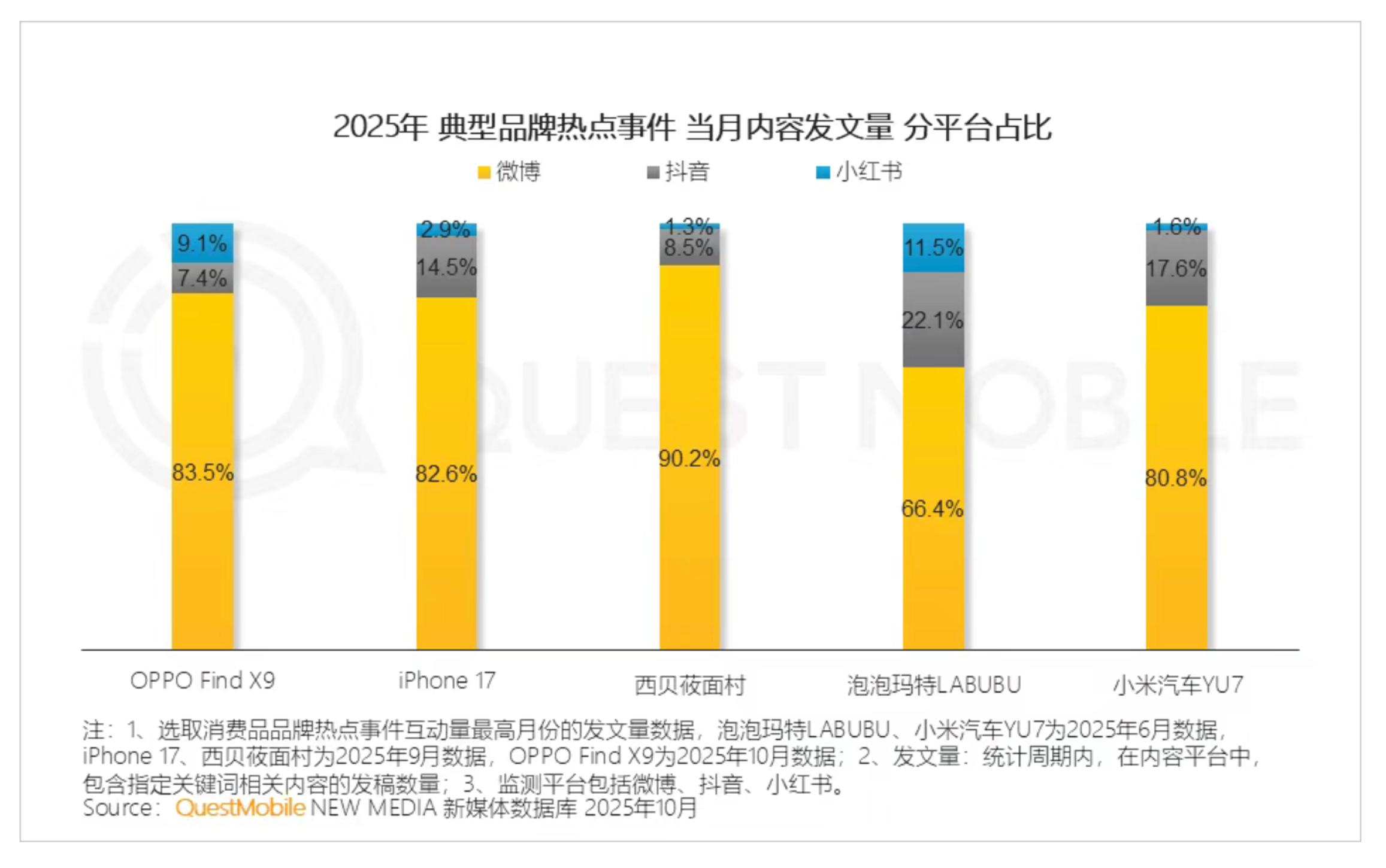
Group 1 - The core argument emphasizes the importance of "emotional consensus" in brand discourse, particularly for leading brands [1] - A recent QuestMobile report indicates that major brand events, such as product launches, dominate social media discussions, often exceeding 80% of content volume [3] - The case of Xibei illustrates a missed opportunity to become a leading brand amidst public discourse, highlighting the need for brands to engage effectively with consumer sentiment [4] Group 2 - The market is shifting towards decisions driven by "emotion," with consumers increasingly seeking emotional experiences beyond product functionality [8][10] - Emotional consensus is defined as a collective understanding formed through discussion and shared feelings, which can be leveraged by brands to differentiate themselves [13] - Brands must actively participate in public discourse, not merely to avoid mistakes but to strengthen their connection with consumers [12][19] Group 3 - The value of emotional consensus is realized through a dynamic process of engagement, rather than mere appeasement [14] - Successful brands can ignite discussions around key events, as seen with OPPO's product launch that generated over 210 million exposures on Weibo [15] - Brands like Mixue Ice City effectively engage with consumers by responding humorously to public discussions, enhancing their relatability [15] Group 4 - Brands can achieve emotional resonance by transcending niche markets and appealing to broader audiences, as demonstrated by DeepSeek's rise to prominence [16] - Emotional consensus can highlight unmet consumer expectations, allowing brands to create meaningful connections and collaborations [18] - Brands need to develop capabilities such as strong brand identity, keen insight into public sentiment, and effective communication strategies to leverage emotional consensus [19][20] Group 5 - Recognizing the value of emotional consensus is becoming a critical variable in brand competition [22] - Future metrics for evaluating brand communication effectiveness will focus on emotional engagement rather than just traffic [23] - Brands that center their narratives around emotional consensus are building competitive advantages based on resonance and long-term trust [24]