
百威亚太

Search documents
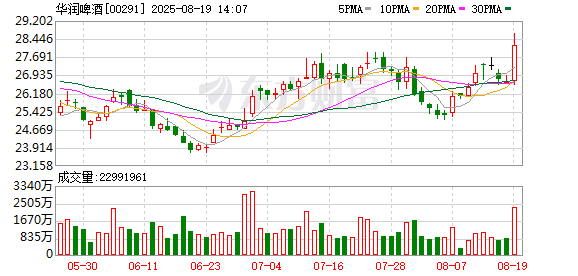
中证香港100主要消费指数报2694.66点,前十大权重包含百威亚太等
Jin Rong Jie· 2025-08-19 07:48
Core Points - The China Securities Index Hong Kong 100 Consumer Index (H100) reported a value of 2694.66 points, showing a monthly increase of 0.26%, a quarterly increase of 4.02%, and a year-to-date increase of 17.21% [1] Group 1 - The H100 index is categorized based on the China Securities Industry Classification Standard, with a base date of December 31, 2004, and a base point of 1000.0 [1] - The index is fully composed of securities listed on the Hong Kong Stock Exchange, with a 100% allocation [1] - The industry composition of the H100 index includes 40.82% in food, 32.58% in soft drinks, 15.98% in alcohol, and 10.62% in tobacco [1] Group 2 - The index sample is adjusted biannually, specifically on the next trading day after the second Friday of June and December [2] - Weight factors are generally fixed until the next scheduled adjustment, with special circumstances allowing for temporary adjustments [2] - Adjustments to the index occur in response to changes in the parent index, special events affecting industry classification, or the delisting of sample companies [2]

华润啤酒上半年业绩全面赶超百威中国
Zheng Quan Ri Bao· 2025-08-19 06:06
Group 1 - The core viewpoint of the news is that China Resources Beer has reported strong financial performance in the first half of 2025, surpassing Budweiser China in key metrics and achieving its strategic goals ahead of schedule [2][4]. - In the first half of 2025, China Resources Beer achieved a revenue of 23.942 billion yuan, a year-on-year increase of 0.8%, with pre-tax profit and net profit attributable to shareholders reaching 7.691 billion yuan and 5.789 billion yuan, respectively, representing year-on-year growth of 20.8% and 23.0% [2]. - The company declared an interim dividend of 0.464 yuan per share, an increase of 24.4% compared to the same period last year [2]. Group 2 - The beer sales volume for China Resources Beer in the first half of 2025 was approximately 6.487 million kiloliters, reflecting a year-on-year increase of 2.2% [2]. - High-end beer products have shown significant growth, with sales of premium and above beer increasing by over 10% year-on-year; Heineken sales grew by over 20%, Snow Beer sales increased by over 70%, and Red Baron sales doubled [2]. - In contrast, Budweiser China reported a revenue of 3.136 billion USD (approximately 22.563 billion yuan) in the first half of 2025, a year-on-year decline of 5.6%, with net profit down by 24.4% to 409 million USD (approximately 2.941 billion yuan) and total sales volume decreasing by 6.1% [2]. Group 3 - China Resources Beer initiated its "3+3+3" nine-year strategy in 2017, focusing on internal reforms, quality development, and high-end market competition [3]. - The first three years (2017-2019) involved shutting down inefficient production capacities, while the second phase (2020-2022) emphasized quality and high-end development, and the final phase (2023-2025) aims to decisively compete in the high-end market [3].


1300亿!中国啤酒大变局
Sou Hu Cai Jing· 2025-08-19 03:53
Core Insights - The craft beer segment in China is experiencing rapid growth, contrasting with the decline in traditional industrial beer production and sales [4][11][12] - The introduction of innovative flavors, particularly tea-infused beers, has captured consumer interest and expanded the market [8][10][20] - The younger generation, especially women, is driving the demand for craft beer, leading to a shift in consumption patterns [15][19][20] Group 1: Market Dynamics - The craft beer market in China has surpassed 800 billion yuan in 2024, with a year-on-year growth rate exceeding 30% [10] - Traditional beer giants are facing challenges, with major brands like Budweiser and Tsingtao reporting significant declines in sales [11][12] - The overall beer production in China has decreased by 0.6% in 2024, marking a shift in consumer preferences towards craft beer [12] Group 2: Consumer Trends - The Z generation (ages 18-24) is becoming the core consumer group for craft beer, with a notable increase in female consumers [15][17] - Female consumers now account for 55% of the craft beer market, with a preference for fruity and tea-flavored options [19] - The demand for quality and health-conscious products is reshaping consumer expectations, moving away from low-cost industrial beers [20][21] Group 3: Industry Innovations - The introduction of tea-infused beers, such as Jin Xing's tea beer, has opened new avenues for flavor innovation in the craft beer sector [8][9] - Major breweries are entering the craft beer space, with companies like Tsingtao and China Resources Beer investing in new production facilities [28] - The craft beer segment is evolving from niche markets to mainstream consumption, with retail giants redefining craft beer as a fast-moving consumer good [28][29]
1300亿,中国啤酒大变局
3 6 Ke· 2025-08-19 00:12
Group 1 - The craft beer segment in China has experienced significant growth, becoming the fastest-growing category in the beer market, while traditional industrial beer giants face declining production and revenue [2][11][12] - Jin Xing Beer has emerged as a notable player, achieving remarkable sales of 100 million bottles and a production volume exceeding 100,000 tons, driven by its innovative tea-infused craft beer [5][8] - The introduction of tea-flavored beers has opened new avenues for innovation in the craft beer sector, with major industry players like Qingdao and Budweiser launching their own versions [7][8][9] Group 2 - The craft beer market in China has surpassed 80 billion yuan in size, with a year-on-year growth rate exceeding 30%, and products incorporating Chinese elements now account for 18% of the market [10][12] - The younger generation, particularly the Z generation, is driving the craft beer market, with a notable increase in female consumers, who now represent 55% of the craft beer demographic [16][18] - The shift in consumer preferences towards quality and health has led to a decline in traditional industrial beer, which often uses cheaper ingredients, while craft beer adheres to higher quality standards [19][20] Group 3 - The craft beer segment in China has evolved from a niche market to a more inclusive definition, allowing for a broader range of products as long as they adhere to basic brewing standards [22][23] - The number of craft beer companies has surged, with over 24,000 related enterprises existing as of mid-2025, indicating a robust growth trajectory [26] - Major beer corporations are entering the craft beer space, but their primary focus remains on traditional mass production, while new retail players are redefining craft beer as a more accessible consumer product [27][29][30]

260亿重庆啤酒,6亿增资佛山工厂
Sou Hu Cai Jing· 2025-08-18 20:06
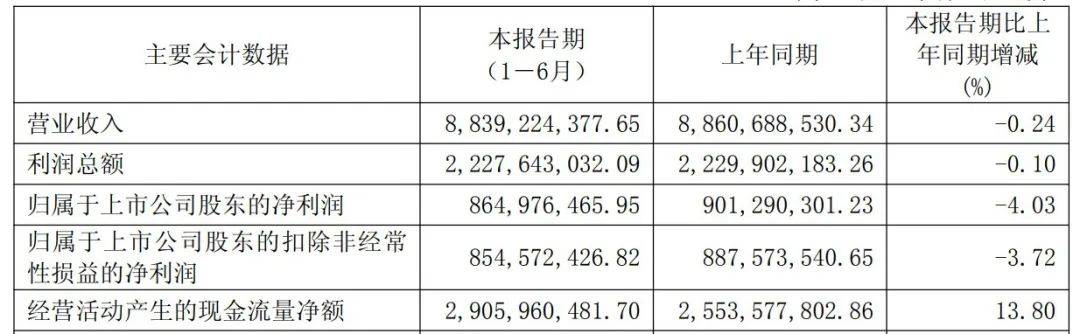
Core Viewpoint - The beer industry is facing challenges, with major players like Chongqing Beer experiencing slight declines in revenue and profit in the first half of the year, particularly in high-end and mainstream products priced above 4 yuan [2][3]. Financial Performance - For the first half of the year, Chongqing Beer reported revenue of 8.84 billion yuan, a decrease of 0.24% compared to the same period last year, and a net profit of 865 million yuan, down 4.03% [3]. - The company's cash flow from operating activities increased by 13.80% to approximately 2.91 billion yuan [3]. Strategic Initiatives - Chongqing Beer plans to invest 600 million yuan in its core factory in South China to enhance operational capabilities and optimize its capital structure [4][5]. - The new brewery in Foshan is expected to have an annual design capacity of 500,000 kiloliters, significantly improving supply and reducing logistics costs [7]. Market Competition - The South China market is highly competitive, with local brands and major players like Qingdao, Budweiser, and Snow Beer vying for market share [8]. - Despite increasing local supply, Chongqing Beer’s revenue in South China fell by 1.47% to 2.48 billion yuan in the first half of the year [8]. Marketing and Branding - Chongqing Beer is actively enhancing its brand presence through high-profile endorsements and targeted marketing campaigns, including partnerships with celebrities and themed events [9][11]. - The company has maintained a strong marketing investment, with total sales expenses of 1.33 billion yuan, including 641 million yuan for advertising and marketing [14]. Product Diversification - The company is exploring non-beer categories, having launched an orange-flavored soda and an energy drink, with plans for further product development [18][20]. - The product lineup includes high-end, mainstream, and economic products, with high-end and mainstream categories contributing over 97% of total revenue [16].

重庆啤酒半年营收下滑,6亿增资佛山工厂寻破局
Sou Hu Cai Jing· 2025-08-18 17:52
Core Insights - Chongqing Brewery reported a slight decline in revenue and net profit for the first half of 2024, with revenue at 8.839 billion yuan and net profit at 864 million yuan, reflecting a year-on-year decrease of 0.24% and 4.03% respectively [1][2] - The company is facing challenges in the current drinking channel and plans to accelerate its layout in non-beer categories to seek new growth points [1][4] Financial Performance - Revenue for the first half of 2024: 8.839 billion yuan, down 0.24% from 8.861 billion yuan in the same period last year [2] - Net profit: 864 million yuan, a decrease of 4.03% from 901 million yuan year-on-year [2] - Operating cash flow increased by 13.80% to 2.906 billion yuan compared to 2.554 billion yuan in the previous year [2] Strategic Initiatives - The company plans to invest 600 million yuan into its core factory in Foshan, aiming to improve its capital structure and enhance operational capabilities [2][3] - The new brewery in Foshan, with a designed annual capacity of 500,000 kiloliters, is expected to significantly improve supply capabilities in the South China region [3] Market Dynamics - The South China market is crucial for Chongqing Brewery, contributing 2.479 billion yuan in revenue in the first half of 2024, down 1.47% year-on-year [3] - The brewery faces intense competition from major brands like Qingdao, Budweiser, and Snow Beer in this region [3] Brand and Product Development - Chongqing Brewery is actively enhancing its brand presence through high-profile endorsements and marketing campaigns for its various brands [4] - The company is exploring the beverage sector with new product launches, including an orange-flavored soda and an energy drink [4] Market Valuation - As of the report's release, Chongqing Brewery's market capitalization is approximately 26 billion yuan, only about 30% of its peak value [5]
2025年第33周:酒行业周度市场观察
艾瑞咨询· 2025-08-18 00:05
Core Insights - The article discusses the evolving landscape of the liquor industry, highlighting the cross-industry expansion of traditional liquor brands into the craft beer market, the growth of the bottled liquor segment, and the emergence of new retail channels for liquor sales [2][3][5][8]. Industry Environment - Major liquor brands from Sichuan are entering the craft beer market, leveraging their existing brand and distribution advantages. This move is seen as a strategy to attract younger consumers and expand consumption scenarios [3][4]. - The bottled liquor market has surpassed 150 billion yuan, with expectations to exceed 200 billion yuan by 2025. Competition is intensifying as brands launch new products priced under 60 yuan [5]. - Black Ge Consulting identified nine key insights into the liquor industry, including the rise of local brands and the trend towards lower alcohol content products, emphasizing the need for brands to adapt to changing consumer preferences [5]. - High-end liquor brands are encouraged to adopt strategies from luxury brands like Hermes and Ferrari, focusing on scarcity and emotional resonance rather than just price competition [6][7]. New Retail Channels - New retail formats such as Sam's Club and Hema are reshaping liquor sales, offering competitive pricing and direct sourcing, which is attracting consumers and providing new growth channels for liquor companies [8]. - The recent adjustments to the "ban on alcohol" policy have led to a gradual recovery in dining consumption, particularly in regions like Henan, although high-end dining remains sluggish [9]. - Despite a seasonal slowdown, liquor companies are actively transforming their strategies to focus on consumer engagement and experience, moving from a channel-driven approach to a user-driven model [10]. Craft Beer Market - The craft beer segment is rapidly growing, with over 13,584 related enterprises in China as of July 2023, indicating a vibrant competitive landscape [11]. - Traditional liquor brands are launching lower-alcohol products to appeal to younger consumers, although challenges remain in maintaining flavor and quality [12]. Digital Transformation - The liquor industry is leveraging digital assets for growth, with companies reporting significant increases in sales and inventory turnover through innovative digital strategies [13]. Brand Dynamics - The Guojian brand is focusing on national expansion, emphasizing quality and cultural elements to enhance its market presence [14]. - The Swan Lake winery has successfully marketed its zodiac wines, achieving significant sales figures despite industry challenges [15]. - Changyu's innovative marketing strategies in sports events have successfully engaged consumers and enhanced brand visibility [16]. - The Fenjiu brand is exploring new consumer experiences through immersive cultural events, aiming to connect with younger audiences [17]. Market Challenges - Budweiser APAC reported a 24.4% drop in net profit, primarily due to a sluggish Chinese market and increased competition in both the low and high-end segments [20]. - The liquor industry is undergoing a significant transformation, with companies needing to adapt to changing consumer demands and market dynamics to remain competitive [21][22].





8元啤酒卖不动?重庆啤酒上半年业绩失速
凤凰网财经· 2025-08-17 12:44
Core Viewpoint - Chongqing Brewery's performance in the first half of 2025 was under pressure due to weak on-premise consumption channels, with revenue declining by 0.24% to 8.839 billion yuan and net profit down by 4.03% to 865 million yuan despite a slight increase in sales volume [2][3]. Group 1: Product Innovation and Market Strategy - The company has focused on launching new products and expanding its presence in the western market, responding to competition from both beer and liquor companies [5][6]. - New product launches include various beer flavors and non-alcoholic beverages, with the energy drink and fruit soda performing well in targeted markets [9]. - The strategy of cross-industry expansion aims to attract younger consumers and adapt to health trends, with a focus on diversifying product offerings [9]. Group 2: Sales Performance and Channel Analysis - In the second quarter, the company experienced a decline in revenue and net profit, with high-end product sales showing almost no growth [10][12]. - The revenue from high-end products (priced above 8 yuan) grew by only 0.04%, while mainstream products (priced between 4-8 yuan) saw a decline of 0.92% [11]. - The company is shifting focus to non-on-premise channels, which are expected to grow as consumer preferences change, with a nearly 29% increase in canning rates for certain products [12][13]. Group 3: Regional Market Challenges - The southern market, a key area for the company, saw a revenue decline of 1.47% to 2.479 billion yuan, highlighting competitive pressures from other major brands [15][17]. - To address these challenges, the company announced a 600 million yuan investment in its subsidiary in Foshan to enhance operational capabilities and market competitiveness [17].

啤酒现饮渠道上半年销售承压 厂商火拼非现饮市场
Di Yi Cai Jing· 2025-08-17 06:59
Core Insights - The beer sales are being tested due to weak consumption in on-premise channels like dining and nightlife [1][2] - Both Chongqing Beer and Budweiser APAC reported declines in revenue and profit in their recent financial results [1][4] Group 1: Financial Performance - Chongqing Beer reported a revenue of 8.839 billion yuan in the first half of the year, a slight decrease of 0.24% year-on-year, with a net profit of 865 million yuan, down 4.03% [1] - Budweiser APAC's revenue for the first half of the year was 3.136 billion USD, reflecting a 5.6% decline year-on-year, with a 7.4% drop in sales volume in China during Q2 [1][4] Group 2: Market Trends - The production of beer by large-scale enterprises in China decreased by 0.3% year-on-year, totaling 19.044 million kiloliters in the first half of the year [2] - Despite the weak on-premise sales, the high-end beer segment continues to grow, with Chongqing Beer reporting that high-end beer (priced above 8 yuan) accounted for the highest revenue share at 5.265 billion yuan, a slight increase of 0.04% [2] Group 3: Strategic Initiatives - Chongqing Beer is focusing on expanding its non-on-premise market by optimizing product structure and increasing the proportion of canned products, achieving a nearly 29% increase in canning rate for non-on-premise channels [3] - The company launched nearly 30 new products in the first half of the year, including craft beers and flavored beverages, to cater to diverse consumer preferences [3] - Budweiser APAC is also enhancing its non-on-premise channel strategy, with a focus on high-end products, and has seen growth in sales and revenue contributions from this segment [4]
啤酒现饮渠道上半年销售承压,厂商火拼非现饮市场
Di Yi Cai Jing· 2025-08-17 06:37
Core Viewpoint - Beer manufacturers are increasingly focusing on non-on-trade markets such as instant retail due to weak performance in on-trade channels like restaurants and nightlife [1][2][3] Group 1: Company Performance - Chongqing Beer reported a revenue of 8.839 billion yuan in the first half of the year, a slight decrease of 0.24% year-on-year, with a net profit of 865 million yuan, down 4.03% [2] - Budweiser APAC's second-quarter sales in China fell by 7.4%, with revenue down 6.4%, leading to a total revenue of 3.136 billion USD in the first half, a decline of 5.6% year-on-year [2] - The National Bureau of Statistics reported a 0.3% year-on-year decline in beer production among large-scale breweries in China, totaling 19.044 million kiloliters in the first half of the year [3] Group 2: Market Trends - Despite weak on-trade sales, the high-end beer segment continues to grow, with Chongqing Beer’s high-end products (priced above 8 yuan) generating 5.265 billion yuan, a slight increase of 0.04% [3] - Chongqing Beer’s revenue per 100 liters of beer decreased by 1.2% year-on-year to 491 yuan, while beer sales volume increased by 0.95% to 1.8 million kiloliters [3] - The Northwest region remains a strong revenue source for Chongqing Beer, with a 1.75% year-on-year growth to 2.596 billion yuan, while the Central and Southern regions saw declines of 0.7% and 1.47% respectively [3] Group 3: Strategic Initiatives - Companies are enhancing their product offerings and expanding into non-on-trade channels, with Chongqing Beer launching nearly 30 new products and various new packaging options in the first half of the year [5][6] - Chongqing Beer has seen a nearly 29% increase in the canning rate for non-on-trade channels, with brands like Wusu, 1664, and Carlsberg showing double-digit growth in canning rates [6] - Budweiser APAC is focusing on high-end products in non-on-trade channels, with sales and revenue contributions from these channels expected to grow by the first half of 2025 [6]
