
问界

Search documents
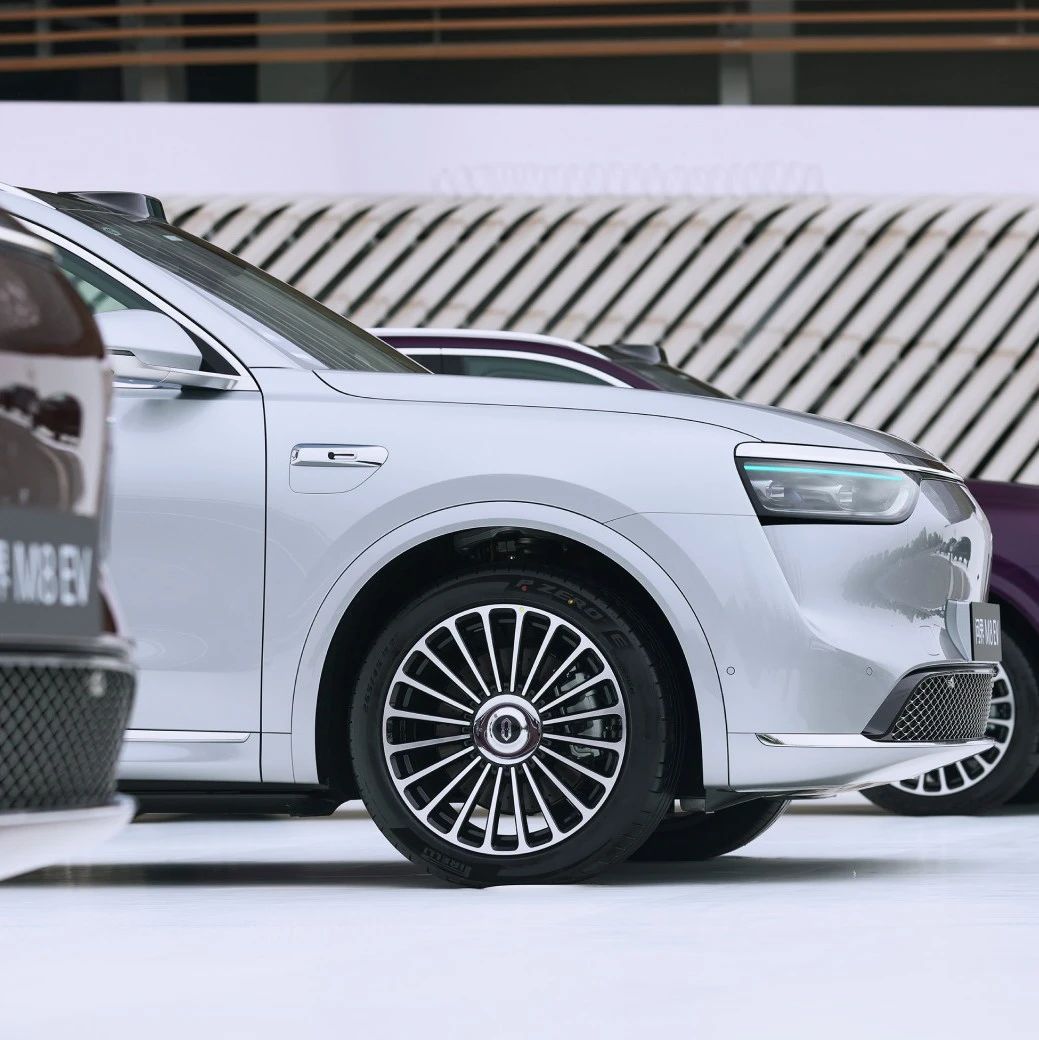
“纯电之王” 问界 M8 入市,这是高端纯电之路的 “华为版答案”
晚点LatePost· 2025-08-25 15:28
Core Viewpoint - The article emphasizes that the "King of Pure Electric" is not only about product strength but also about the underlying systemic capabilities that support it [1] Group 1: Product Launch and Market Positioning - The launch of the AITO M8 pure electric version on August 25, priced at 359,800 yuan, achieved over 7,000 pre-orders within 2 hours, indicating strong market interest [2][4] - The AITO M8 aims to eliminate the "pure electric premium" by offering the same price for both pure electric and range-extended versions, focusing on high-end pure electric pathways without sacrificing profit for market share [2][4] - The 400,000 yuan segment of the new energy vehicle market is large and has strong consumer purchasing power, but it is also filled with contradictions, particularly regarding range anxiety and the lack of a dominant pure electric model [2][5] Group 2: Technical Specifications and Features - The AITO M8 pure electric version features a 100 kWh battery from CATL, with a maximum range of 705 km, and supports fast charging, achieving 30%-80% charge in just 15 minutes [5][11] - The vehicle is equipped with the latest HUAWEI ADS 4 driver assistance system, which improves driving efficiency and safety through various advanced features [7][11] - The design includes a spacious interior with a three-row six-seat layout and a front trunk of 149L, maintaining luxury SUV standards [5][9] Group 3: Competitive Landscape - Competitors like Li Auto and NIO are focusing on their strengths, such as family-oriented space and battery swapping solutions, while Tesla has introduced a new Model Y L to attract consumers with its brand and extended range [8][9] - The AITO M8 has already established itself as a phenomenon in the market, with over 70,000 units delivered within four months of the launch of its range-extended version [9][10] Group 4: Systematic Advantages and Cost Structure - The article discusses the "pure electric premium," where pure electric versions typically cost 20,000 to 30,000 yuan more than range-extended versions due to battery costs, which account for 30%-50% of the vehicle's total cost [11][12] - The AITO M8's pricing strategy reflects Huawei's ability to integrate technology and efficiency, allowing for the same pricing for both versions [14][16] - Huawei's extensive R&D in chips and sensors has led to a self-sufficient supply chain, enabling cost reductions and optimized vehicle design [16][17] Group 5: Future Outlook - The article concludes that the AITO M8's pricing logic and the systemic capabilities represented by Huawei's HarmonyOS indicate that future competition in the industry will focus more on systemic efficiency and continuous product experience iteration [17][18]

自主品牌销量破局,全球车型之问待解
Zhong Guo Qi Che Bao Wang· 2025-08-25 11:51
Core Viewpoint - The domestic market share of Chinese automotive brands has surpassed 70% in the first half of the year, marking a historical high, while Chinese brands like BYD and Geely have entered the global top ten car manufacturers. However, there is a critical question regarding whether these brands have developed truly global models that can withstand international market challenges and possess long-term viability [2][8]. Group 1: Global Model Characteristics - True global models prioritize universality over excessive configurations, as evidenced by successful models like the Toyota Corolla and Honda CR-V, which are known for their reliability and ease of maintenance rather than high-end features [3][5]. - The design of global models must consider diverse environmental conditions and road types, which often leads to simpler, more robust configurations that are less prone to failure in varying climates [3][7]. - The current trend among Chinese brands focuses on high-tech features, which may not resonate with international consumers who prioritize mechanical reliability and long-term cost of ownership [3][5]. Group 2: Maintenance and Repair Challenges - The maintenance and repair capabilities for electric vehicles in China are significantly lacking, with only 12% of automotive technicians trained in EV maintenance, leading to challenges in servicing these vehicles [5][11]. - The complexity of electric vehicles compared to traditional combustion engines creates additional barriers for repair, highlighting the need for designs that facilitate easier maintenance [5][11]. Group 3: Globalization Strategy - The approach to globalization among Chinese automotive brands often lacks a foundation of a true global model, leading to ineffective strategies in both emerging and high-end markets [7][8]. - Successful global models require extensive development cycles focused on adaptability to global needs, contrasting with the shorter development timelines of many Chinese brands that primarily cater to domestic demands [7][8]. Group 4: Future Directions - To create genuine global models, Chinese automotive companies must shift their focus back to the fundamental purpose of vehicles as transportation tools, emphasizing reliability and simplicity over complex features [10][11]. - Establishing a global supply chain and localizing R&D efforts are crucial for enhancing the adaptability of products to international markets, as demonstrated by companies like BYD and Great Wall Motors [11][12]. - The transition from a focus on volume to a focus on quality and brand reputation is essential for achieving true globalization in the automotive sector [10][12].


速腾聚创(2498.HK):Q2毛利率继续提升 EMX有望快速放量
Ge Long Hui· 2025-08-25 03:11
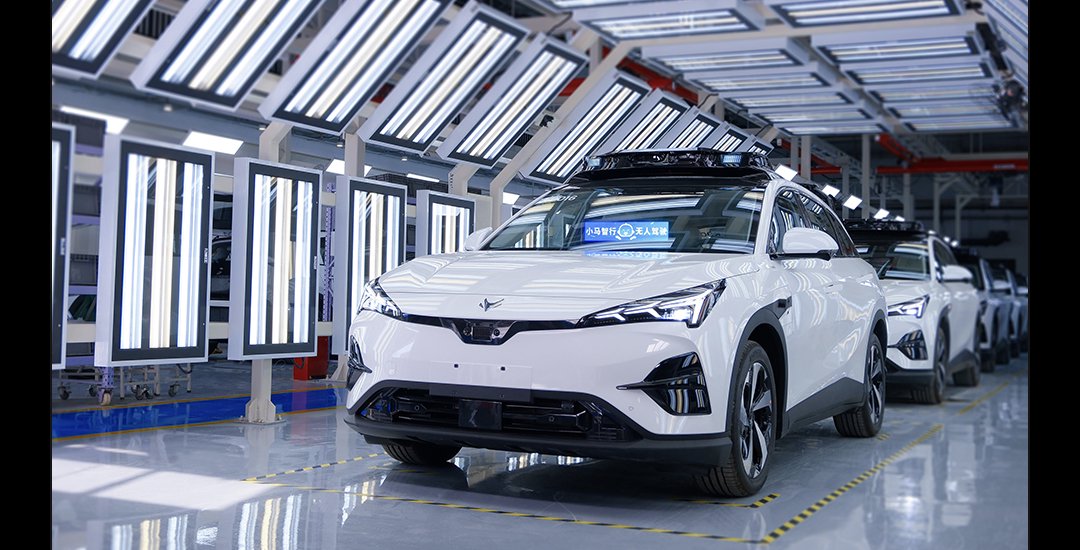
Core Viewpoint - The company, SUTENG JUCHUANG, reported a revenue of 783 million yuan for the first half of the year, marking a year-on-year growth of 7.72% with significant improvements in Q2 performance [1] Group 1: Financial Performance - In Q2, the company achieved a revenue of 460 million yuan, with a year-on-year growth rate of 24.4%, indicating a recovery from previous customer transitions [1] - The gross margin for Q2 reached 27.7%, the highest in three years, with the ADAS segment gross margin at 19.4% [1] - The company expects to achieve breakeven in Q4, driven by increased demand for lidar in intelligent driving and robotics [1] Group 2: ADAS Business - The EMX product has secured more market orders, with expectations for large-scale deliveries by the end of Q3 [2] - The company delivered 124,000 lidar units in Q2, a slight increase from 118,000 units in the same period last year, with reduced negative impacts from customer transitions [2] - The EM platform has gained traction, with 30 OEMs and Tier 1 suppliers securing 119 model designations [2] Group 3: Robotics Business - The company experienced a peak in robot lidar shipments, delivering 34,400 units in Q2 compared to 5,000 units in the same period last year, driven by price reductions and increased applications [3] - The company has received orders from eight major Robotaxi and Robobus clients, including leading firms in the industry [3] - The AC series of active cameras has received positive market feedback, with plans for a launch in the second half of 2025 [3] Group 4: Profit Forecast and Valuation - Revenue projections for 2025, 2026, and 2027 are estimated at 2.4 billion, 3.73 billion, and 5.14 billion yuan respectively, reflecting a slight adjustment due to customer transitions [3] - The company anticipates continued improvement in gross margins, with net profit estimates for 2025, 2026, and 2027 adjusted to -150 million, 190 million, and 510 million yuan respectively [3] - A target price of 48.17 HKD is set based on a comparable company average of 8.9X 2025 PS, maintaining a "buy" rating [3]
做增程的品牌越来越多,但增程车却有点卖不动了
3 6 Ke· 2025-08-25 03:02
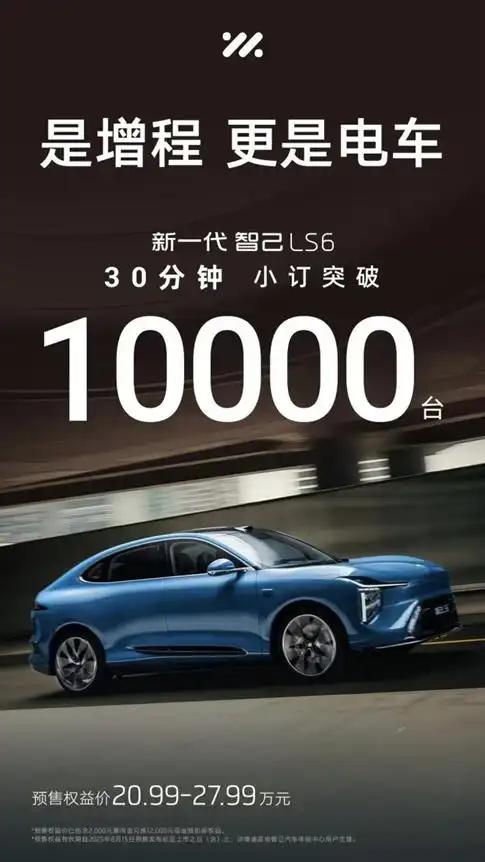
Group 1 - The article discusses the current trend of electric vehicle (EV) manufacturers shifting from pure electric models to range-extended electric vehicles (EREVs), with brands like Zhiji, Haobo, and Xiaopeng launching new EREV models [1][3][6] - Despite the initial excitement around EREVs, sales data indicates a decline in their popularity, with July retail sales of EREVs at 102,000 units, a year-on-year decrease of 11.4%, while pure electric vehicle sales increased by 24.5% [7][8] - The market share of pure electric vehicles has grown significantly, with the ratio of pure electric to EREV sales changing from 43:57 last year to 64:36 this year [7][8] Group 2 - The sales performance of leading EREV brands like Aion and Li Auto has been disappointing, with Li Auto experiencing a 39.7% year-on-year decline in July sales [10][12] - In contrast, brands like Xiaopeng and Leap Motor have seen substantial growth in pure electric sales, with Xiaopeng's sales increasing by 229.4% year-on-year [9][10] - The decline in EREV sales is attributed to the decreasing price of lithium and the resulting drop in battery costs, making pure electric vehicles more affordable and attractive [17][19] Group 3 - The article highlights that the charging infrastructure for pure electric vehicles is rapidly expanding, with an average of 34.3 public charging stations per square kilometer in major cities, alleviating range anxiety for consumers [20][23] - As battery technology improves, the range of pure electric vehicles continues to increase, with models like the Model Y achieving a range of up to 751 km [24][29] - The article concludes that while EREVs will continue to exist, they are returning to their original position as a transitional product rather than a primary choice for consumers [32][33]


速腾聚创上半年收入7.8亿元,激光雷达新产品独家供应深圳头部新能源车企
Xin Lang Cai Jing· 2025-08-22 10:18
Core Viewpoint - The company reported a revenue of 783 million yuan for the first half of 2025, a year-on-year increase of 7.72%, while the attributable loss narrowed by 44.5% to 149 million yuan [1]. Group 1: Performance and Sales - The company's laser radar sales reached 266,800 units, a 9.6% increase compared to the same period in 2024 [2]. - Sales of laser radars for ADAS applications decreased by 6.0% to approximately 220,500 units, while sales for robotics and other applications surged by 420.2% to about 46,300 units [2]. - The company has secured mass production orders for 133 models from 30 automotive manufacturers, with 44 models achieving SOP [2]. Group 2: Product Development and Market Trends - The company is focusing on high-line laser radars to meet the growing demand for L3-level vehicles and Robotaxi applications [5]. - The global market for vehicle-mounted laser radars is expected to double by 2025, with an estimated 3.2 million units to be equipped [5]. - The company launched the EMX, a high-performance digital laser radar, which has secured exclusive supply agreements for 32 models from a leading new energy vehicle manufacturer [4]. Group 3: Profitability and Margins - The company's gross margin reached 25.9% by the end of Q2, up from 13.6% in the same period last year [9]. - The gross margin for ADAS products increased from 11.2% to 17.4%, while the margin for robotics and other products rose from 26.1% to 45% [9]. Group 4: Robotics and Future Prospects - The company anticipates a surge in demand for robotic laser radars, particularly in the second half of the year, with significant deliveries expected in Q4 [10]. - The company has established partnerships with multiple robotics manufacturers, aiming to expand its presence in the humanoid robotics market [11].
六座SUV新车型密集上市,车企瞄准家庭出行打响“卡位战” | 人民智行
Zheng Quan Shi Bao Wang· 2025-08-22 05:10
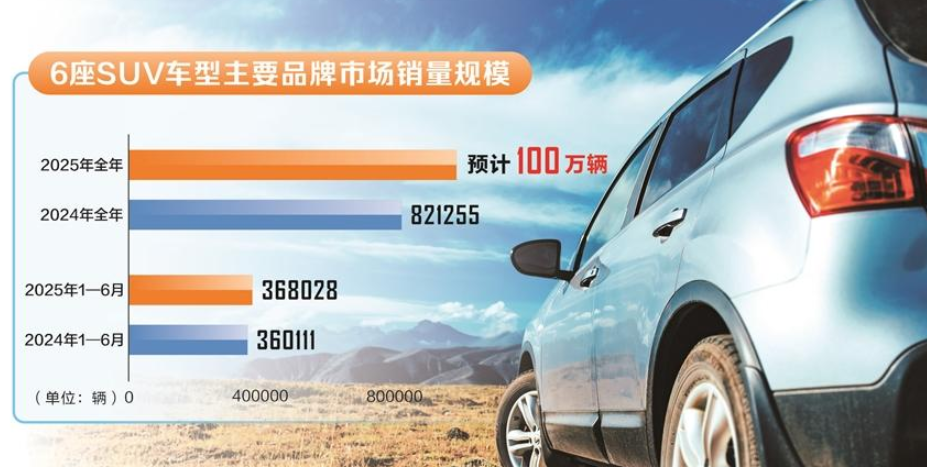
Group 1: Market Dynamics - The six-seat SUV market in China is experiencing rapid growth, with new models like Leidao L90 and Li Auto i8 entering the market since July [1] - The increasing competition among automakers is driven by the need to explore high-potential niche markets and redefine product types and pricing strategies [1][5] - Consumer perceptions of six-seat SUVs are shifting, with the third row now seen as a necessity for multi-child families and business travel [1] Group 2: Tesla's Strategy - Tesla launched the Model Y L in China at a starting price of 339,000 yuan, which is lower than previous market expectations, indicating a competitive pricing strategy [2] - The Model Y L features significant enhancements in size and performance, including a length increase of 179mm and a maximum range of 751 kilometers [2][3] - The introduction of Model Y L fills a gap in Tesla's lineup for pure electric six-seat SUVs and reflects the company's efforts to adapt to the Chinese market [3] Group 3: Competitive Landscape - The six-seat SUV segment is becoming increasingly crowded, with brands like NIO and AITO launching competitive models that leverage unique features and technology [4] - The market for six-seat SUVs is projected to grow significantly, with sales expected to reach around 1 million units in 2025, up from 821,255 units in 2024 [4][5] - The competition is intensifying as automakers aim to meet the rising demand for family-oriented vehicles, particularly in the 200,000 to 350,000 yuan price range [5][6] Group 4: Technological and Strategic Considerations - The development of large SUVs requires advanced capabilities in areas such as range, space utilization, and charging convenience, testing automakers' overall capabilities [6] - The market is witnessing a shift towards electric six-seat SUVs, with a focus on spaciousness and comfort, while traditional fuel models face challenges [7] - The entry of Tesla is expected to increase competitive pressure on domestic brands, prompting them to adopt diversified strategies to maintain market share [8]

六座SUV新车型密集上市,车企瞄准家庭出行打响“卡位战”
Zheng Quan Shi Bao Wang· 2025-08-22 04:58
Core Insights - The six-seat SUV market in China is rapidly expanding, with new entrants like Leidao L90 and Li Auto i8, indicating a shift towards this segment as a potential growth area for automakers [1][5] - Consumer perceptions of six-seat SUVs are changing, with the third row now seen as a necessity for multi-child families and business travel, leading to increased competition among manufacturers [1][5] Market Dynamics - The introduction of the Tesla Model Y L at a competitive price of 339,000 yuan is a strategic move to capture market share in the six-seat SUV segment, reflecting intense price competition [3][4] - The six-seat SUV market is becoming a battleground for various automakers, with brands like NIO and AITO launching models that cater to family and business needs, indicating a strategic focus on market segmentation [5][6] Sales Trends - Sales data shows a slight increase in six-seat SUV sales, with 368,028 units sold in the first half of 2025, up 2.2% from the same period in 2024, and an expectation to reach around one million units for the year [5][6] - The second half of 2025 is anticipated to see a surge in six-seat SUV sales due to the launch of new models and increased demand during holiday travel periods [6] Competitive Landscape - The competition in the six-seat SUV market is intensifying, with various brands adopting different strategies, such as focusing on smart features and user experience to differentiate themselves [7][8] - The market is witnessing a shift towards more affordable models, with many six-seat SUVs now priced between 200,000 and 350,000 yuan, creating new opportunities in this segment [7][8] Technological Trends - The six-seat SUV market is characterized by multiple technological pathways, including pure electric, plug-in hybrid, and fuel options, with a notable shift towards pure electric models as battery technology improves [8] - Despite challenges related to range anxiety and charging infrastructure, advancements in technology are expected to enhance the appeal of pure electric six-seat SUVs for family users [8] Future Outlook - The entry of Tesla into the six-seat SUV market is seen as a potential catalyst for increased competition, with expectations that other brands will respond with comparable offerings [9] - To navigate potential market saturation, automakers are encouraged to adopt diversified strategies, focusing on cost optimization, product innovation, and enhancing brand loyalty [9]
特斯拉Model YL正式开售,看看真正的竞品有哪些
车fans· 2025-08-22 00:30
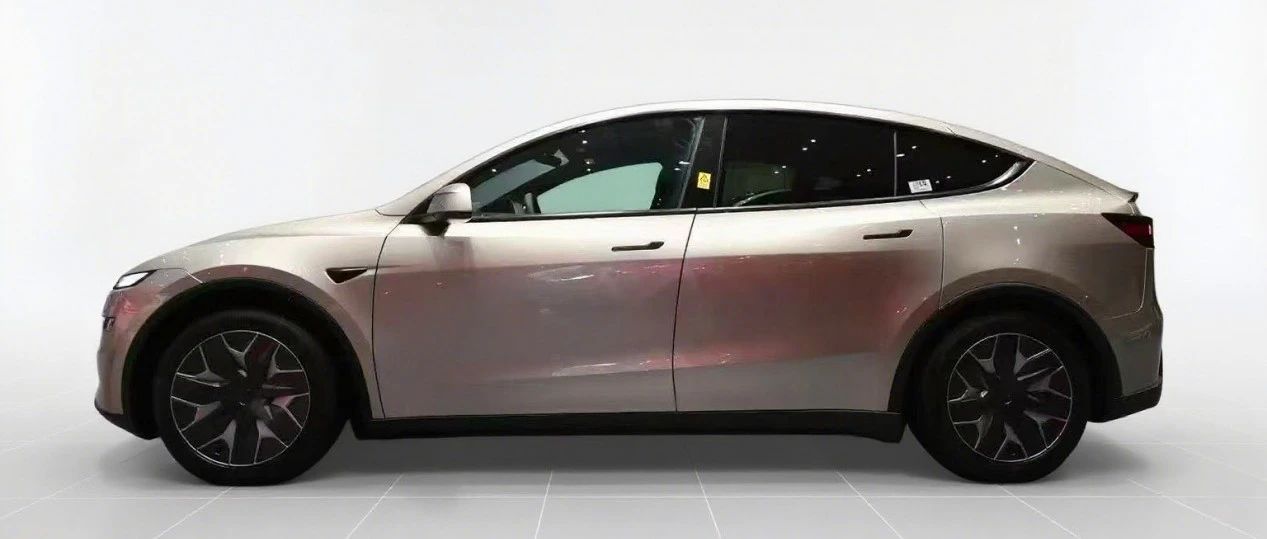
Core Viewpoint - The launch of Tesla's Model YL at a price of 339,000 RMB has generated mixed reviews, with discussions focusing on its competition in the six-seat SUV market and its overall product strength compared to rivals [1][3][12]. Pricing and Product Positioning - The pricing of Model YL is considered reasonable compared to previous expectations of around 400,000 RMB, with a modest increase of 20,000 RMB over the long-range version of Model Y, which offers additional seating and features [3][15]. - The product strength of Model YL is viewed as average, especially in a competitive market filled with six-seat SUVs that offer extensive features and configurations [6][12]. Competitive Landscape - Key competitors identified include Li Auto's i8, Leado's L90, and Aito's new M7, with the i8 being highlighted for its value and spaciousness [9][10][13]. - The competitive impact among these models is perceived to be limited, as each has distinct target demographics, although there is some overlap between the i8, L90, and M7 [6][10]. Target Audience - The primary target audience for Model YL is identified as tech-savvy middle-class families who value electric vehicles and brand recognition, particularly those with children [10][13]. - The user demographic is estimated to be between 25-40 years old, with a focus on families needing adequate space and comfort for multiple passengers [13]. Product Features and Limitations - Model YL's interior space, particularly in the third row, is criticized for being cramped, which may deter potential buyers who prioritize space [12][15]. - While Model YL benefits from Tesla's strong brand recognition and superior battery technology, it faces challenges in interior quality and comfort compared to competitors [12][13].
8月新车一览:极氪改款,仰望超跑,小鹏增程
Hu Xiu· 2025-08-22 00:06
Core Insights - The article discusses the latest automotive releases in August, highlighting significant updates from various companies including Zeekr, Xiaopeng, and AITO [1] Group 1: Zeekr - Zeekr has launched a full range of updated models, showcasing advancements in performance and design [1] - The new Zeekr models are equipped with impressive specifications, including a 3000-horsepower hypercar [1] Group 2: Xiaopeng - Xiaopeng has introduced its first range-extended electric vehicle, marking a strategic expansion in its product lineup [1] - This new model aims to enhance the driving range and appeal to a broader customer base [1] Group 3: AITO - AITO has unveiled the new Wanjie M7, which is described as a "nested doll" vehicle, indicating a focus on modular design [1] - The Wanjie M7 is expected to attract attention for its innovative features and design philosophy [1]
六座SUV新车型密集上市 家庭出行赛道激战正酣
Zheng Quan Shi Bao· 2025-08-21 22:14
Core Insights - The six-seat SUV market in China is experiencing rapid growth, driven by increasing competition among automakers and changing consumer perceptions regarding the necessity of third-row seating [1][4][6] - Tesla's introduction of the Model Y L is a strategic move to fill a gap in the pure electric six-seat SUV segment and adapt to the evolving market demands [2][3][9] - The market for six-seat SUVs is becoming increasingly crowded, with various brands launching new models to cater to the rising demand from multi-child families and the growing preference for larger vehicles [4][5][6] Group 1: Market Dynamics - The six-seat SUV segment is seen as a potential "blue ocean" amidst intense competition, as automakers seek to define and capture new product categories [1][6] - Sales data indicates a slight year-on-year increase in six-seat SUV sales, with projections suggesting that total sales could reach around one million units in 2025 [5] - The demand for six-seat SUVs is expected to surge in the latter half of the year, coinciding with major holidays that drive family travel [5] Group 2: Competitive Landscape - Domestic brands are increasingly positioning themselves against Tesla, with models like the Li Auto i8 and AITO Wenjie M8 leveraging unique features and technology to attract consumers [4][9] - The competitive landscape is characterized by a focus on large space, comfort, and advanced technology, with automakers investing in smart features and user experience [7][8] - The entry of Tesla into the six-seat SUV market is anticipated to intensify competition, prompting other brands to adjust their pricing and features accordingly [9] Group 3: Pricing and Consumer Trends - The pricing strategy for six-seat SUVs is evolving, with many models now available in the 200,000 to 350,000 yuan range, indicating a shift towards more affordable options [7][8] - Consumer interest is shifting towards larger vehicles that accommodate family needs, with the third-row seating becoming a critical factor in purchasing decisions [1][4][6] - The market is witnessing a diversification of technology options, including pure electric, hybrid, and fuel models, with a notable trend towards pure electric vehicles as battery technology improves [8]