任天堂

Search documents
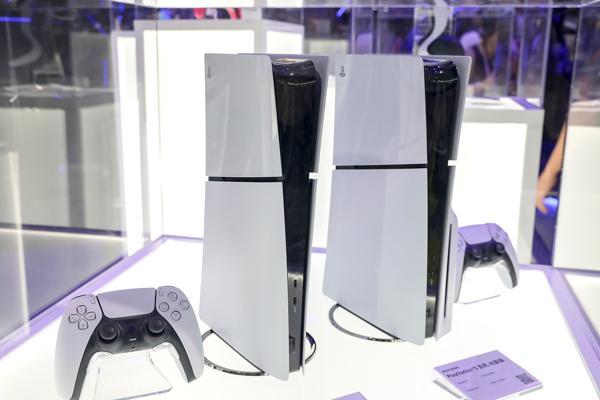
微软之后轮到索尼,PS5美国全系涨价
Guan Cha Zhe Wang· 2025-08-21 06:01
Group 1 - Sony announced a price increase for its PlayStation 5 (PS5) in the U.S., with prices rising by $50 across multiple models [1][3] - The new prices for PS5 are $500 for the digital version, $550 for the disc version, and $750 for the PS5 Pro [1] - This price adjustment is part of a broader trend, as other gaming companies like Microsoft and Nintendo have also raised prices or delayed product launches due to rising costs and market conditions [3][4] Group 2 - Sony's global marketing vice president stated that the decision to raise prices was difficult and was made in response to a challenging economic environment [1] - Microsoft had previously announced price increases for its gaming consoles and accessories, citing similar market conditions and rising development costs [3] - The article highlights concerns from economists that more companies may pass on increased costs to consumers due to government-imposed tariffs, which have already generated over $130 billion in revenue [3]

再次暂停实施24%关税90天:中美关税博弈背后的“重复囚徒困境”
3 6 Ke· 2025-08-21 03:43
Group 1 - In the late 1980s, Nintendo dominated the gaming industry with a 95% market share in Japan and 83% in North America, but this changed dramatically by the mid-1990s due to Sony's entry into the market [1][2] - The introduction of CD-ROM technology by Sony allowed for larger game sizes and lower costs, prompting Nintendo to consider upgrading from cartridge-based systems [2] - A partnership was formed between Nintendo and Sony to leverage Sony's technology while Nintendo maintained strict control over third-party licensing, but this partnership soon faced significant challenges [2][3] Group 2 - The partnership between Nintendo and Sony collapsed when Nintendo discovered a control rights loophole in their agreement, leading to Nintendo secretly negotiating with Philips [3][4] - At the 1991 CES, Sony was blindsided by Nintendo's announcement of a partnership with Philips, prompting Sony to launch the PlayStation independently, which became a major success [3][4] - The PlayStation sold approximately 100 million units, while Nintendo's subsequent console, the Nintendo 64, struggled due to its reliance on cartridges and high costs [3][4] Group 3 - The conflict between Nintendo and Sony exemplifies a "prisoner's dilemma," where both companies prioritized individual gains over collaboration, leading to suboptimal outcomes for both [4] - The dynamics of repeated interactions in trade negotiations, such as the U.S.-China tariff disputes, reflect similar patterns of behavior seen in the gaming industry rivalry [4][6] - The strategies employed in these repeated games highlight the importance of cooperation and the potential pitfalls of short-sighted tactics [4][6]



Sony is increasing the price of the PlayStation 5 as new tariffs take hold
TechCrunch· 2025-08-20 18:02
Core Viewpoint - Sony is raising the prices of PlayStation 5 consoles by approximately $50 due to a challenging economic environment, which is linked to tariffs imposed by the U.S. government [2][3]. Price Changes - The new prices for the PlayStation 5 will be $549.99, $499.99 for the Digital Edition, and $749.99 for the Pro version, effective August 21 [2]. - Sony has previously raised prices for PlayStation consoles in Europe, Australia, and New Zealand in April, citing similar economic challenges [3]. Market Context - Other companies in the gaming industry are also adjusting their prices in response to the tariffs. Microsoft announced price increases of $80 to $100 for its consoles and some games [4]. - Nintendo has raised prices for certain accessories related to the new Nintendo Switch 2 but has not increased the console price itself [4].

Sony hikes price of PlayStation gaming console by $50 as Trump tariffs bite
New York Post· 2025-08-20 17:32
Core Viewpoint - Sony is increasing the price of its PlayStation 5 consoles by $50 due to the financial impact of Trump's tariffs on Japanese electronics, which cost the company $685 million annually [1][4][12] Price Increase Details - The price hike affects all three PlayStation models: the standard console will rise to $549.99, the Digital Edition to $499.99, and the Pro version to $749.99 [3][8] - The increase is a direct result of a 25% tariff imposed on major electronics and tech items from Japan, which began on August 1 [3][12] Economic Context - Sony acknowledged the challenging economic environment and the necessity to pass on some of the increased import costs to consumers [2][5] - The tariffs are part of a broader trade agreement aimed at encouraging domestic manufacturing, which industry experts believe is unrealistic for complex electronics [4][9] Industry Impact - The price increase follows similar actions by competitors Microsoft and Nintendo, indicating a trend across the gaming industry due to tariff pressures [9] - The tariffs have created a cascading effect across the electronics industry, leading to price increases for various tech products, including computers and televisions [12] Supply Chain Challenges - The supply chains for PlayStation components are significantly more expensive due to the tariffs, making price increases unavoidable [7][12] - Relocating production to the U.S. is deemed impractical in the short term, meaning consumers will continue to face higher prices as a result of the trade war [9]

Sony raises PlayStation 5 prices in U.S. as tariffs start to hit
CNBC· 2025-08-20 17:00
Price Increase Announcement - Sony announced a price increase for PlayStation 5 consoles in the U.S., with the Digital Edition rising from $450 to $500, the disc version from $500 to $550, and the PlayStation 5 Pro from $700 to $750 [1] Tariff Impact - The U.S. has a 30% tariff on imports from China, and Japan, Sony's home country, faces a 15% tariff. While Sony did not directly link the price increase to these tariffs, consumer companies have been warning of higher prices due to tariffs [2] Economic Environment - Sony acknowledged the challenging economic environment and stated that retail prices for console accessories, such as controllers, have not changed. The company is working on supply chain diversification to mitigate the impact of U.S. tariffs, with console hardware sold in the U.S. produced outside of China [3] Pricing Strategy - Sony officials indicated that their hardware pricing strategy is linked to future competitive strategies and will be flexible based on consumer price sensitivity, total segment profits, lifetime value, and sales potential. Other companies in the industry, like Microsoft and Nintendo, have also adjusted their pricing strategies in response to tariffs [4]
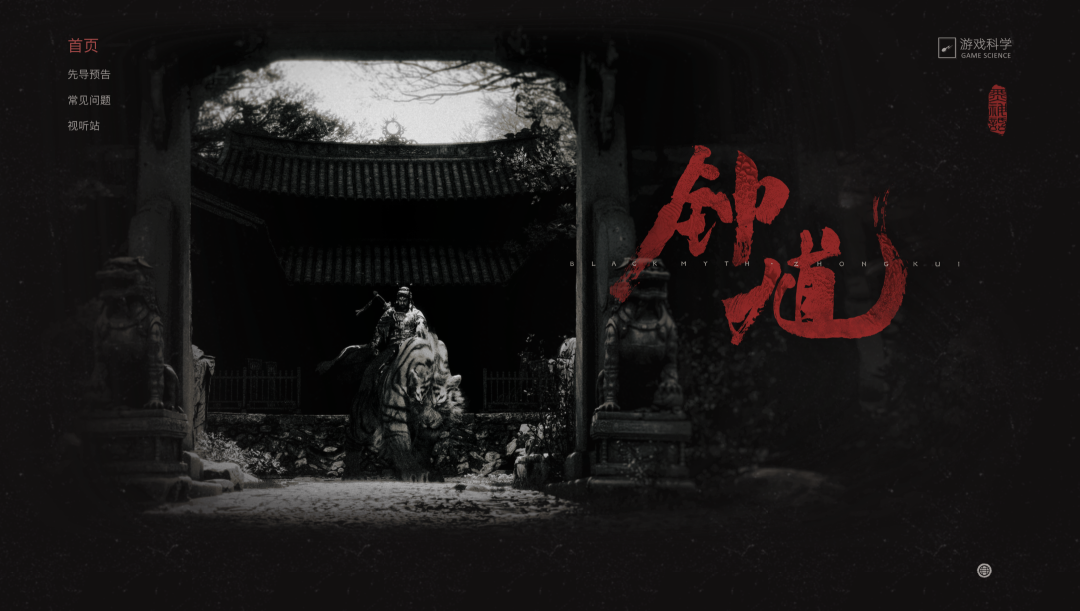
热搜第一!黑神话新作"钟馗"来了,"悟空"还得再等等
Guo Ji Jin Rong Bao· 2025-08-20 09:52
Core Points - The game "Black Myth: Zhong Kui" was announced at the 2025 Cologne Game Show, generating significant buzz on social media [1][2] - The game is a single-player action RPG, continuing the theme of Chinese mythology and folklore, similar to its predecessor "Black Myth: Wukong" [4] - The CEO of Game Science expressed a desire to explore new gameplay experiences and features while hinting at future developments for "Black Myth: Wukong" [6] Company Strategy - Game Science aims to innovate with "Black Myth: Zhong Kui" by introducing new heroes, gameplay mechanics, and visual elements, while maintaining the essence of the original IP [6] - The company has registered multiple trademarks related to the "Black Myth" series, indicating a long-term strategy for expanding the franchise [7][8] - Industry analyst Zhang Shule suggested that maintaining the original style while enhancing quality and content is crucial for the longevity of the IP [7] Industry Context - The Cologne Game Show featured several major gaming companies, highlighting the competitive landscape in which Game Science operates [9] - Other notable announcements from the event included new titles from prominent developers, showcasing the growing interest in high-quality single-player games [9]
爱婴室20250819
2025-08-19 14:44
Summary of Conference Call for 爱婴室 (Aiyingshi) Company Overview - 爱婴室 is a leading company in the maternal and infant products industry, established in 1997, and listed on the Shanghai Stock Exchange in 2018. The company operates a business model based on membership, products, channels, and services, providing a range of maternal and infant goods and services [4][15]. Industry Insights - The maternal and infant industry market size exceeds 4 trillion RMB, with the retail market size around 1 trillion RMB. Recent policies promoting childbirth have shown positive effects, with some regions reporting a 17% increase in birth rates in 2024 [15][16]. Financial Performance - In Q2 2024, 爱婴室 achieved a revenue growth of 22%, marking its best performance in recent quarters. The gross margin remains stable at 26%-27%, while net profit margin has improved from a peak of 6.27% in 2019 to 3% in recent times [2][8]. - Revenue projections for 2025 to 2027 are 4 billion RMB, 4.47 billion RMB, and 4.88 billion RMB, with growth rates of 16%, 12%, and 9% respectively. Profit estimates for the same period are 137 million RMB, 167 million RMB, and 190 million RMB, with growth rates of 29%, 22%, and 15% [3]. Store Expansion and Operations - The number of stores has rapidly increased from 292 in 2020 to 471 currently, with expectations to reach 500 by the end of the year. Single-store revenue is projected to reach 7.3 million RMB in 2024, a 3% increase year-on-year, and is expected to exceed 8 million RMB this year [2][6]. Strategic Partnerships and Diversification - 爱婴室 is actively expanding its business by collaborating with 万代南梦宫 (Bandai Namco) to open 高达基地 (Gundam Base) stores, entering the IP retail sector. The company’s own brand products now account for approximately 13% of total sales, with a gross margin 20 percentage points higher than general brands [2][5][15]. Risks and Challenges - The company faces several risks, including: 1. The effectiveness of childbirth policies may fall short of expectations. 2. Increased competition within the industry, although leading companies may gain market share as smaller firms exit the market. 3. Uncertainty surrounding the expansion of IP retail, particularly with projects like 高达基地 [16][17]. Key Takeaways - 爱婴室 is positioned well within a growing industry, with strong financial performance and strategic partnerships enhancing its market presence. However, it must navigate potential risks related to policy effectiveness and competitive pressures while continuing to innovate and expand its product offerings [4][15].

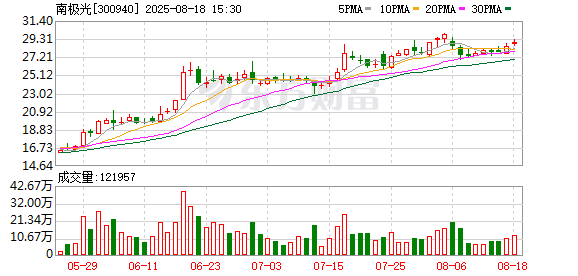
南极光:目前任天堂订单上升明显并持续放量,对公司的战略发展及业绩形成积极作用
Mei Ri Jing Ji Xin Wen· 2025-08-18 08:22
每经AI快讯,有投资者在投资者互动平台提问:目前任天堂大卖,公司预计未来销售情况如何?对公 司业绩影响如何? 南极光(300940.SZ)8月18日在投资者互动平台表示,目前公司任天堂订单上升明显并持续放量,该业 务是公司重点项目,对公司的战略发展及业绩形成积极作用。另外,二级市场股价波动受市场环境、行 业估值及短期资金行为等多重因素影响,请投资者注意投资风险,谢谢关注。 (文章来源:每日经济新闻) ...

全球及中国抽象策略游戏行业投资分析及前景规模预测报告2025~2031年
Sou Hu Cai Jing· 2025-08-16 18:32
Abstract Strategy Game Market Overview - The abstract strategy game market is categorized into different product types, including free and paid games, with growth trends projected from 2020 to 2031 [3][4]. - The market is segmented by applications such as entertainment, professional competitions, and others, with significant growth expected in these areas [3][4]. Industry Development Status and "15th Five-Year" Forecast - The global abstract strategy game market is expected to grow significantly from 2020 to 2031, with specific forecasts for the Chinese market as well [4][5]. - The market share of the Chinese abstract strategy game sector in the global context is also analyzed, indicating its increasing importance [4][5]. Competitive Landscape - The report provides an analysis of the revenue of major global players in the abstract strategy game market from 2020 to 2025, highlighting market share and rankings for 2024 [4][5]. - The concentration of the industry is examined, with the top five companies' market shares detailed for 2024 [4][5]. Product Type Analysis - The overall scale of different product types in the global market is analyzed, with projections for growth from 2026 to 2031 [4][5]. - The Chinese market's performance in various product types is also forecasted, indicating trends and market shares [4][5]. Application Analysis - The report outlines the overall scale of different applications of abstract strategy games, with growth trends and market shares projected for 2026 to 2031 [4][5]. - Specific applications such as entertainment and professional competitions are highlighted for their growth potential [4][5]. Industry Opportunities and Risks - The abstract strategy game industry is expected to face various opportunities and driving factors, which are discussed in detail [4][5]. - The report also addresses potential risks and challenges that the industry may encounter [4][5]. Supply Chain Analysis - An overview of the abstract strategy game industry's supply chain is provided, detailing the procurement, production, and sales models [4][5]. - Key suppliers and downstream customers in the industry are identified, emphasizing the interconnectedness of the supply chain [4][5]. Major Companies Overview - Detailed profiles of major companies in the abstract strategy game market, including Nintendo, Activision Blizzard, and Tencent, are presented, covering their market distribution, business models, and financial performance from 2020 to 2025 [4][5]. - The latest developments and strategic moves of these companies are also highlighted, showcasing their positions in the market [4][5].

中泰资管天团 | 郑日:情绪强烈且易逝,如何理解新消费和情绪消费
中泰证券资管· 2025-08-14 11:33
Core Viewpoint - The article discusses the rise of "emotional consumption" as a significant trend in the capital market, particularly among younger consumers who prioritize emotional value alongside practicality and cost-effectiveness [1][4]. Group 1: Emotional Consumption Overview - Emotional consumption, also known as emotional spending, emphasizes the importance of emotional satisfaction in purchasing behavior, particularly among young people and singles [6]. - The trend of emotional consumption is linked to societal changes, such as Japan's aging population and declining marriage and birth rates, leading to a more individualized approach to consumption [6]. Group 2: Economic Context and Trends - Economic slowdowns often lead to a shift in consumer demand from functional to emotional value, as seen in historical contexts in both Japan and the U.S. [9]. - In Japan, post-bubble economic adjustments led to the growth of various sectors, including discount stores, pet economy, and virtual idol markets, highlighting the resilience of emotional consumption [9][10]. Group 3: Long-term Emotional Needs - Core emotional needs persist over time, but the forms of products and services evolve, requiring businesses to transform fleeting emotional sparks into lasting customer loyalty [13]. - Factors influencing the lifecycle of emotional consumption products include addictive design, social currency attributes, and cultural symbolism [14]. Group 4: Avoiding Homogenization - Emotional consumption products risk homogenization due to the ease of replicating emotional experiences through existing cultural symbols and marketing strategies [16]. - To maintain competitive advantage, companies must build an unreplicable emotional value chain and develop barriers through emotional technology, cultural integration, and dynamic social ecosystems [16].