阿里云

Search documents
特朗普下令,真正的较量开始,美国选好主战场,要与中国一决高下
Sou Hu Cai Jing· 2025-12-25 09:02
Core Viewpoint - The article discusses the escalating trade tensions between the United States and China under Trump's administration, highlighting the use of tariffs and other measures as tools for national security and economic strategy. Group 1: Trade Measures and Tariffs - In February 2025, Trump announced tariffs to address the fentanyl issue and labeled China as a major competitor, prompting businesses to adjust supply chains to mitigate risks [1] - By April, tariffs were raised to 145% due to claims of unfair trade practices, leading to significant cost increases for U.S. companies and retaliatory tariffs from China on U.S. agricultural products [1] - In May and June, the tariff war intensified, with the U.S. implementing new tax rates around 20%, while China retaliated with tariffs up to 125% on energy and electric vehicles [3] Group 2: Economic Impact - The U.S.-China trade volume dropped by 15% in the first half of the year, with Trump stating that tariffs were necessary to disrupt China's industrial upgrades [3] - The U.S. agricultural sector faced a $2 billion loss in exports due to retaliatory tariffs, while American farmers began to see a recovery in shipments after agreements were made [4][6] - The energy sector also experienced a decline in liquefied natural gas sales due to the trade tensions [3] Group 3: Geopolitical Strategy - Trump's administration shifted focus to Latin America, signing security agreements with Brazil to counter Chinese investments, while also reducing military presence in the Middle East [4][10] - The U.S. aimed to strengthen alliances with allies like Japan and the Netherlands to limit China's access to advanced technology, particularly in semiconductor manufacturing [3][6] - The National Security Strategy report identified China as a primary adversary, emphasizing the need for technological and economic protection [8] Group 4: Technology and Innovation - The U.S. continued to impose restrictions on high-performance technology exports to China, with companies like Nvidia facing political hurdles despite attempts to resume exports [8][12] - Chinese companies accelerated their domestic technology development, with Huawei and Alibaba focusing on local hardware for AI models [3][12] - The ongoing tech war has led to a global competition in semiconductor technology, with both nations investing heavily to maintain their technological edge [12]



2025 EDGE AWARDS年度十大科技人物重磅揭晓
Tai Mei Ti A P P· 2025-12-25 05:05
Core Insights - The EDGE AWARDS by TMT aims to recognize outstanding individuals who drive technological breakthroughs and redefine industry standards, focusing on innovation and value [2] Group 1: Event Overview - The 2025 T-EDGE Global Dialogue will take place from December 8 to 21, organized by TMT Group in collaboration with NextFin.AI and Barron China [2] - The event will review the year's technological and industrial advancements and honor companies that redefine industry boundaries [2] Group 2: Notable Figures - Chen Tianqiao, founder of Shanda Group, invested $1 billion in AI-driven science and introduced the concept of "discovery intelligence," leading to significant advancements in AI and mental health research [3] - Du Mengran, a geologist from the Chinese Academy of Sciences, made groundbreaking discoveries in deep-sea ecosystems, observing the deepest known animal ecosystem at 9,533 meters [4][5] - Li Chuangang, founder of Aichang KTV, is recognized for his contributions to AI hardware commercialization, launching innovative products that redefine industry standards [6] - Liang Wenfeng, founder of DeepSeek, achieved a significant breakthrough in AI model efficiency, reducing training costs dramatically while maintaining high performance [7] - Liu Jingkang, founder of Insta360, led the company to become a global leader in panoramic imaging, launching innovative products that reshape visual recording [8] - Pan Chunqijie, founder of Mechanical Revolution, successfully positioned the brand among the top three in the gaming laptop market through user-centered innovation [9] - Wang He, assistant professor at Peking University and founder of Galaxy General Robotics, advanced the commercialization of embodied intelligence, achieving significant milestones in robotics [10] - Wang Xingxing, founder of Yushu Technology, initiated the era of affordable humanoid robots, achieving over 90% localization in core components [12] - Zhang Jianzhong, founder of Moore Threads, established a clear technical roadmap for GPU development, demonstrating the potential of domestic GPUs in high-performance computing [13] - Zhou Jingren, CTO of Alibaba Cloud, led advancements in AI foundational models, significantly impacting global open-source communities and enterprise applications [14]

2025年大模型推理优化与部署实践产业洞察研究报告-云计算开源产业联盟
Sou Hu Cai Jing· 2025-12-25 02:34
Group 1 - The core point of the report indicates that the large model industry has transitioned from "model innovation" to a critical period of "scale implementation," where inference optimization and efficient deployment have become core competitive advantages, leading to rapid market growth [1][13] - The global AI inference computing power market is expected to grow nearly tenfold from 2021 to 2024, reaching USD 13.958 billion in 2024 and projected to increase to USD 18.355 billion in 2025; the Chinese market is expected to grow even faster, reaching CNY 43.83 billion by 2025, with a compound annual growth rate of 66.3% [1][39][43] - The market competition landscape is diverse, with Tianyi Cloud, Alibaba Cloud, and Huawei Cloud leading the domestic market, while Amazon, Google, and Microsoft dominate internationally; the token-based billing model has become mainstream, and the model-as-a-service (MaaS) business model is rapidly gaining popularity [1][39] Group 2 - The current deployment forms have diversified to meet different scenario needs, with four main deployment methods emerging: MaaS, integrated inference machines, private deployment platforms, and cloud-edge-end collaborative inference [2][59] - Full-stack optimization technology has become a core support, breaking through performance bottlenecks through hardware adaptation, inference engines, model layers, and parallel computing technologies [2][3] - The industry faces multiple challenges, including high costs, lack of standards, talent shortages, fragmented ecosystems, and complex security compliance; the report suggests accelerating the establishment of a technical standard system and fostering collaborative innovation mechanisms [3][14] Group 3 - Industry applications are deeply rooted, with significant results from practical cases; for instance, CITIC Securities has processed over 200 million service requests through an inference acceleration engine, and a robotics company has achieved an 80% efficiency improvement in private deployment [3][14] - The Chinese AI inference computing power market is expected to see a rapid increase in the proportion of inference workloads, projected to reach 70.5% by 2026, indicating a shift in focus from training to inference [43][47] - The deployment preferences for large model inference platforms are expected to change significantly, with public cloud deployment increasing from 49% to 58% and private cloud deployment rising from 16% to 26% by 2027 [58][59]

钛媒体「年度全球化公司」榜单重磅发布 | 2025 EDGE AWARDS
Tai Mei Ti A P P· 2025-12-25 02:06
Group 1 - In 2025, Chinese companies are shifting from cross-border operations to deeper localization and accelerating globalization in response to changing overseas policies [2] - The U.S. government has implemented policies such as the cancellation of tax exemptions for cross-border packages under $800 and reciprocal tariffs, while the EU has introduced the New Battery Law [2] - Chinese enterprises are transitioning from "single product exports" to "full-chain system output," with market strategies evolving from a focus on Europe and the U.S. to a dual-driven approach involving emerging and traditional markets [2] Group 2 - The EDGE AWARDS recognizes companies that have achieved significant breakthroughs in overseas markets despite fluctuating international conditions, highlighting their contributions to globalization [3] - ECARX has achieved large-scale production and delivery in global markets, securing over $1 billion in overseas orders and achieving profitability in Q3 [3] - Alibaba Cloud is enhancing its global infrastructure to support Chinese enterprises' overseas development, focusing on AI product internationalization and building a global cloud computing network [4] Group 3 - HLA has expanded its global strategy, opening new stores in Southeast Asia, Central Asia, and the Middle East, with overseas revenue increasing by 27.42% [4] - Kudi Coffee has expanded its international presence to 33 countries, with over 18,000 stores globally, ranking third worldwide in the coffee and tea sector [4] - United Imaging Healthcare has seen overseas revenue grow from $40 million to over $2 billion in seven years, with a compound annual growth rate of 93% [5] Group 4 - Pop Mart has experienced explosive growth in overseas revenue, which increased by 437.5% in the first half of 2025, accounting for 40.3% of total revenue [6] - Century Huatong, a leading gaming company, has achieved over $3.8 billion in global revenue from its game "Whiteout Survival" and is actively exploring AI gaming applications [7] - Tongwei Group has a global market share of approximately 30% in polysilicon, with significant growth in component sales across various regions [8] Group 5 - Yanghe Distillery has established a comprehensive international communication system focusing on high-end, platform-based, and localized strategies, covering 86 countries and regions [9] - Yiling Pharmaceutical has successfully registered 17 innovative traditional Chinese medicines in over 50 countries, promoting a multi-faceted approach to global healthcare [10] - The trend of collaborative globalization is emphasized, with companies providing reliable service networks to support Chinese enterprises in overseas markets [11] Group 6 - Amazon Global Selling has facilitated the entry of numerous Chinese sellers into international markets, signing cooperation agreements with various provincial commerce departments [12] - XTransfer offers cross-border financial and risk control services to over 800,000 enterprises, enhancing global competitiveness for small and medium-sized businesses [13] - Huawei Cloud has expanded its global presence with 34 geographic regions and 101 available zones, supporting local industry upgrades in various countries [14] Group 7 - Stripe provides programmable financial services to millions of businesses, enabling Chinese brands to establish payment channels and innovative revenue models as they expand globally [15]

To B的智谱和To C的MiniMax,大模型生意都很难做
经济观察报· 2025-12-24 13:48
Core Viewpoint - The two companies, Zhipu and MiniMax, represent distinct commercialization paths in the AI large model sector, with Zhipu focusing on the B-end market and achieving a gross margin of 50%, while MiniMax targets the C-end market with over 70% of its revenue coming from overseas [2][4]. Group 1: Financial Performance - From 2022 to mid-2025, Zhipu accumulated revenue of 685 million yuan, with cumulative losses exceeding 6.2 billion yuan [4]. - MiniMax reported cumulative revenue of 86 million USD (approximately 600 million yuan) and cumulative losses of about 1.32 billion USD (approximately 9.3 billion yuan) from 2022 to September 2025 [5]. - Both companies operate at a revenue scale in the billion range, with MiniMax's revenue for the first nine months of 2025 being 53.4 million USD (approximately 376 million yuan) and Zhipu's revenue for the same period being 190 million yuan [6]. Group 2: Market Position and Competition - Zhipu's B-end business primarily serves large domestic government and enterprise clients, while MiniMax's C-end business relies on overseas individual users [5][10]. - Zhipu's revenue from enterprise deployments has decreased from 95% to 85% over the past three years, indicating increased competition in the B-end market [8]. - MiniMax's average monthly active users reached 27.6 million, with 1.77 million paying users, but still lagging behind major internet companies [8][9]. Group 3: Investment and Costs - Both companies face significant capital requirements, with Zhipu and MiniMax's cumulative R&D investments being 4.4 billion yuan and 500 million USD (approximately 3.5 billion yuan), respectively [6]. - In the first half of 2025, Zhipu's computing power expenditure was 1.1 billion yuan, while MiniMax's was 140 million USD (approximately 987 million yuan) [7]. - The high costs associated with computing power present a challenge for both companies, as they need to balance low revenue with substantial operational expenses [7]. Group 4: Future Outlook and IPO Strategy - Both companies are vying for the title of the first AI large model stock, with the urgency to go public for financing and providing an exit for external shareholders [12]. - MiniMax has a more robust cash position, with cash reserves of 1.04 billion USD (approximately 733.4 million yuan) as of September 30, 2025, compared to Zhipu's 2.5 billion yuan [12]. - The cash burn rate for Zhipu increased to approximately 2.21 million yuan per month in the first half of 2025, indicating a growing financial strain [12].

To B的智谱和To C的MiniMax,大模型生意都很难做
Jing Ji Guan Cha Wang· 2025-12-24 13:23
Core Insights - The article discusses the IPO submissions of two Chinese AI unicorns, Zhipu and MiniMax, marking the first comprehensive disclosure of user numbers, revenue, losses, cash flow, and market share in the domestic AI large model sector [2] - Both companies exhibit distinct commercialization paths: Zhipu focuses on the B-end market with a gross margin of 50%, primarily serving large government and enterprise clients, while MiniMax targets the C-end market, with over 70% of its revenue coming from overseas [2] Revenue and Losses - Zhipu reported cumulative revenue of 685 million yuan and cumulative losses exceeding 6.2 billion yuan from 2022 to mid-2025 [3] - MiniMax's cumulative revenue during the same period was approximately 86 million USD (around 600 million yuan), with cumulative losses around 1.32 billion USD (approximately 930 million yuan) [3] - Both companies face challenges in scaling revenue, with Zhipu's revenue for the first half of 2025 at 190 million yuan and MiniMax's revenue for the first nine months of 2025 at approximately 37.6 million yuan [4] Investment and R&D Expenditure - The large model industry is capital-intensive, with Zhipu and MiniMax investing 4.4 billion yuan and 500 million USD (approximately 3.5 billion yuan) in R&D, respectively, over the past 3.5 years [5] - Zhipu's computing power expenditure in the first half of 2025 was 1.1 billion yuan, while MiniMax's was approximately 140 million USD (around 987 million yuan) [5] Market Position and Competition - Zhipu's B-end business, which accounts for 85% of its revenue, faces intense competition, with its largest client contributing over 10% of total revenue [6] - MiniMax's C-end business reported an average monthly active user (MAU) of 27.6 million and 1.77 million paying users in the first nine months of 2025 [6] - Zhipu's AI model was previously in high demand, but competition has intensified, making it difficult to sell models at high prices [6] Financial Health and Cash Flow - MiniMax has a more robust cash position, with cash reserves of approximately 1.04 billion USD (around 733.4 million yuan) as of September 30, 2025, compared to Zhipu's cash and cash equivalents of 2.5 billion yuan as of June 2025 [9] - Zhipu's monthly cash burn rate increased to approximately 2.21 million yuan in the first half of 2025, with a total operational cash consumption of 2.245 billion yuan for the entire year of 2024 [10] Legal Risks and Market Outlook - Both companies face high legal risks in the generative AI sector, with MiniMax acknowledging potential bankruptcy risks and ongoing copyright infringement lawsuits with major international media companies [10] - The sustainability of their respective business models remains uncertain, as highlighted by industry experts [10]

榜单公布|2025 EDGE AWARDS年度AI创新榜正式揭晓
Tai Mei Ti A P P· 2025-12-24 08:29
Group 1 - The core narrative of artificial intelligence (AI) has evolved beyond mere parameter competition to focus on practical applications and economic value, showcasing the industry's potential to reshape productivity and workflows [2] - 2025 is marked as a pivotal year for AI, characterized by the emergence of innovative applications and the establishment of AI in various industries, indicating a significant shift towards value realization [2] - The EDGE AWARDS AI Innovation list highlights a blend of innovation and practicality, recognizing both tech giants and startups that bridge technology with human needs, thereby enhancing the real-world impact of AI [3] Group 2 - The AIGC Technology Pioneer award recognizes companies that have achieved key technological breakthroughs in AIGC and successfully commercialized these innovations, significantly expanding the capabilities of AIGC [4] - Alibaba Cloud has built a robust intelligent computing platform centered around "cloud + large models," promoting scalable deployment and sustainable evolution of productivity tools [6] - iFlytek has made significant advancements in AI, particularly in speech and cognitive intelligence, with the launch of the Xunfei Spark X1.5 model, which boasts enhanced efficiency and multilingual capabilities [7] - DeepSeek has achieved top-tier performance in various AI applications, driving the practical implementation of AIGC technology through innovative model architecture [8] - Amazon Web Services provides a solid foundation for AIGC technology development, lowering application barriers and costs while fostering a comprehensive AI service ecosystem [9] Group 3 - Baidu has made notable strides in AI, launching the 24 trillion parameter Wenxin model 5.0 and various applications, including the commercial super-intelligent agent "Famu" and real-time interactive digital human "Huibo Star" [12] - Kuang-Chi Technology focuses on AI-driven solutions for the textile and apparel industry, leveraging new technologies to enhance digitalization and intelligent upgrades across the supply chain [21] - The AI Super Teacher from Zuoyebang replicates the logic and feedback of a real teacher, marking a transition in educational AI towards a more intelligent and proactive learning model [32] - The AI Office Notebook from Sibeichi integrates large models with office products, enhancing work efficiency through features like AI note-taking and task management [40]

2025年AI落地进行时:企业业务、组织与人才升级实战案例集-InfoQ
Sou Hu Cai Jing· 2025-12-23 18:45
Group 1 - The report focuses on the transformation and practical implementation of AI in enterprises, highlighting the experiences of benchmark companies like GAC, Alibaba Cloud, and China Resources Group [1] - Successful AI implementation requires overcoming three core pain points: insufficient cognitive alignment among employees, misalignment between technology and business, and ambiguous value measurement making ROI difficult to close [1][2] - Key success factors include the collaboration of strategy, organization, talent, and technology [1] Group 2 - Companies need to clearly define their AI positioning and path; for instance, GAC Group adopts a dual-core strategy of "All in AI" and "AI for All," focusing on high-frequency scenarios [1][2] - Organizational change is essential for implementation; GAC integrates IT resources to establish a "true matrix" organization, balancing control and agility [1][2] - Talent development should be tiered; China Resources Group builds a digital literacy system for all employees, while Alibaba Cloud emphasizes "technical taste" and general education [2][8] Group 3 - The report identifies four major trends in technology implementation: MCP protocol for unified system connection, GraphRAG for improved knowledge retrieval accuracy, AgentDevOps for controllable AI behavior, and RaaS model focusing on quantifiable results [2] - Companies must prioritize data governance and infrastructure construction to transform core business capabilities into controllable data assets, avoiding AI becoming a "negative asset" [2] - The core logic of AI implementation is "business-driven technology, technology reshaping business," requiring resolution of process integration and data standardization issues first [2] Group 4 - GAC Group's digital transformation is driven by a strategic decision from leadership, emphasizing the importance of high-level involvement in overcoming traditional enterprise path dependencies [18][20] - The transformation process involves a shift from a management-oriented headquarters to an operationally focused one, integrating IT resources and establishing a centralized digital department [24][28] - The report highlights the necessity of a systematic approach to digital transformation, including the establishment of a governance model that balances centralized control with business agility [49]

AI时代的云计算“牌局”要换新庄家了?|南方产业观
Sou Hu Cai Jing· 2025-12-23 18:09
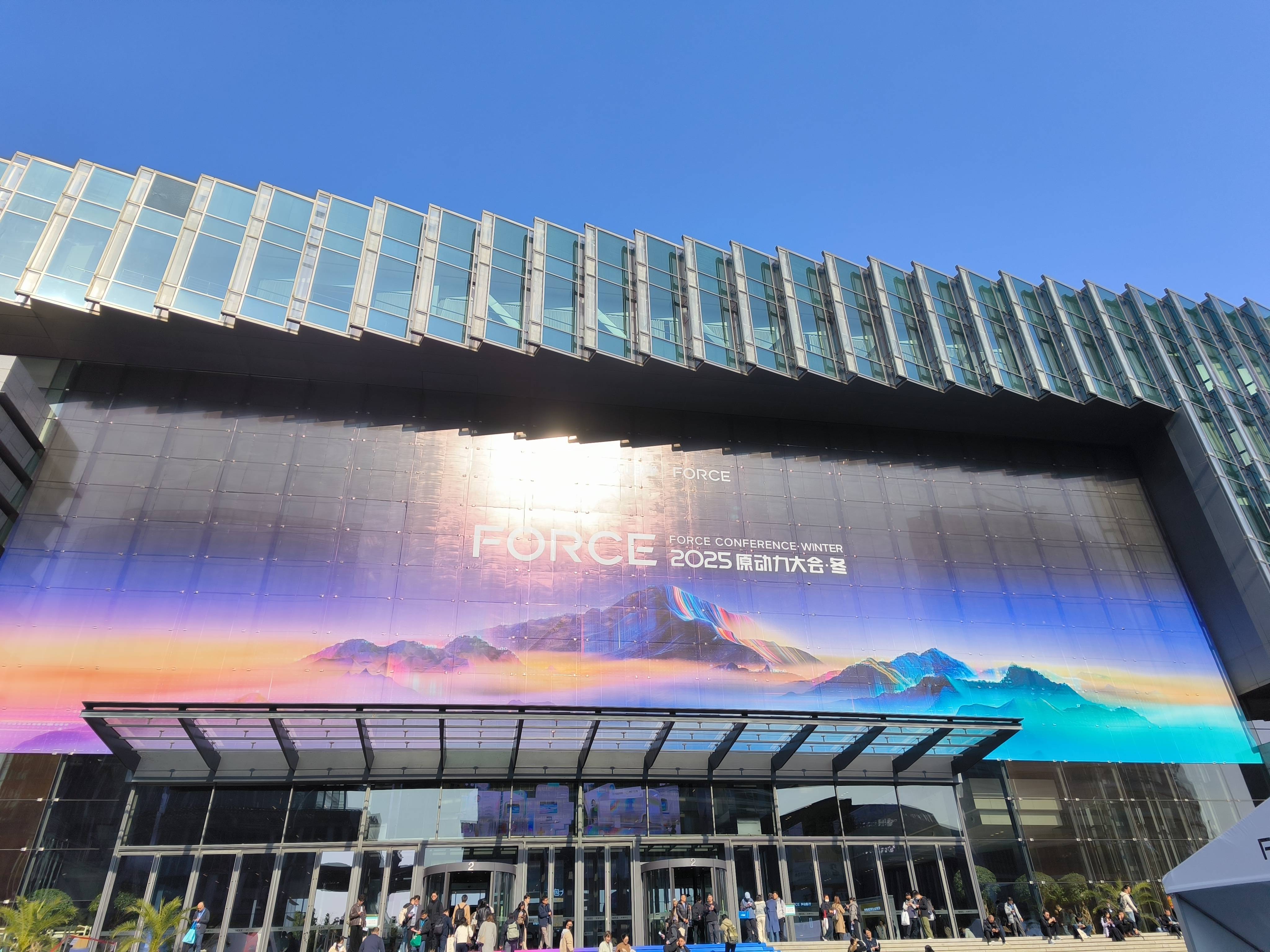
Group 1 - The Force Original Power Conference is a B2B event that emphasizes practical value, attracting significant attendance and indicating the value of Volcano Engine to B-end users [3] - The new Doubao model 1.8 was introduced, designed to enhance multi-modal agent capabilities, optimizing for tool usage and complex command adherence, marking a step forward for AI assistants [4] - Volcano Engine has become a significant player in the AI era, with a reported 49.2% market share in public cloud model service calls in China, indicating its growing influence in the cloud computing landscape [12] Group 2 - The daily call volume for the Doubao model has exceeded 50 trillion, reflecting over tenfold growth compared to last December, with over 1 million enterprises and individuals utilizing its services across more than 100 industries [12] - Doubao consistently ranks at the top of application download charts, showcasing its popularity and the support provided by Volcano Engine [13] - Traditional industries are increasingly adopting AI as a development accelerator, positioning Volcano Engine favorably in the competitive landscape of large models [14]
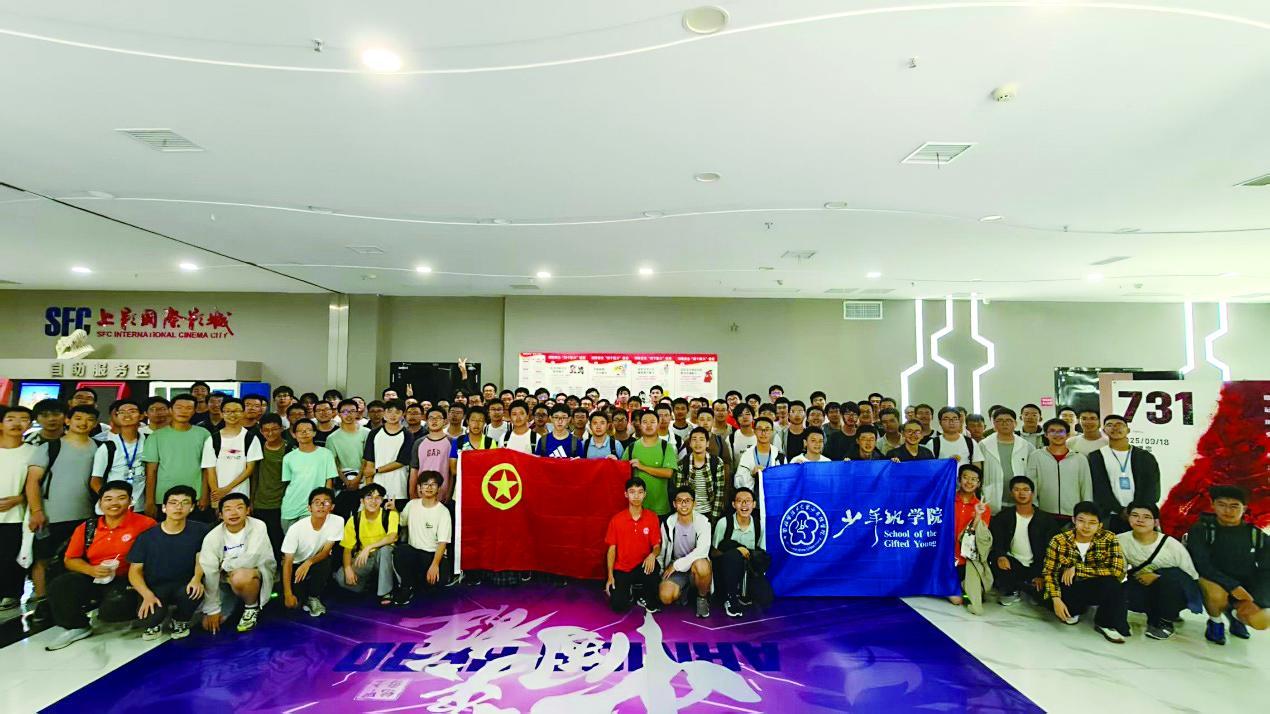
中国少年班 哪些还在招生毕业生去了哪?
Xin Lang Cai Jing· 2025-12-23 17:03
Core Viewpoint - The recent announcement by Xi'an Jiaotong University regarding its 2026 "Youth Class" recruitment has reignited public interest in this educational model, which has evolved significantly since its inception in 1978 at the University of Science and Technology of China [1][2]. Group 1: Historical Context - The concept of the "Youth Class" was proposed by Nobel laureate Professor Chen-Ning Yang in 1974, aiming to cultivate a small yet elite team of foundational scientific talent in China [2]. - The first "Youth Class" was established at the University of Science and Technology of China in March 1978, enrolling 21 students with an average age of 14, marking the beginning of a national effort to nurture exceptional talent [2]. - By the mid-1980s, the Ministry of Education approved the establishment of "Youth Classes" in twelve universities, including prestigious institutions like Peking University and Tsinghua University [2]. Group 2: Current Status of "Youth Classes" - As of now, only three universities continue to offer "Youth Classes": the University of Science and Technology of China, Xi'an Jiaotong University, and Southeast University [3]. - Xi'an Jiaotong University plans to recruit 180 students for its 2026 "Youth Class," with a shift in focus from primarily middle school students to high school students, with 120 spots for high schoolers and 60 for middle schoolers [7]. - The recruitment process at Xi'an Jiaotong University emphasizes a comprehensive evaluation system based on interest, academic excellence, psychological health, and physical fitness [8]. Group 3: Educational Models and Features - Xi'an Jiaotong University's "Youth Class" allows selected middle school students to bypass the high school entrance exam and the college entrance exam, making it an attractive option for students and parents [7]. - The program includes a two-year preparatory study for middle school entrants, followed by direct entry into undergraduate studies for high school entrants, focusing on a "basic general education + innovative ability" training model [7]. - The University of Science and Technology of China has developed a unique training system that includes small class sizes and personalized teaching, with a focus on guiding students based on their academic strengths and interests [9]. Group 4: Alumni Outcomes - Graduates from these "Youth Classes" have achieved significant success, with many becoming leading scientists, industry leaders, and influential figures in various fields [11]. - For instance, notable alumni from the University of Science and Technology of China include former Baidu president Zhang Yaqin and Zhejiang University president Du Jiangfeng, showcasing the program's impact on talent development [11]. - Xi'an Jiaotong University's "Youth Class" has produced nearly 3,100 graduates over 40 years, with 32.34% entering research fields and 22.72% joining private enterprises [11].