一汽集团

Search documents
拆解车企2026新年致辞:反内卷、求质量成为集体共识
经济观察报· 2026-01-11 04:40
Core Viewpoint - The automotive industry is collectively reflecting on the past years of intense competition, termed "involution," and is advocating for a shift towards a more sustainable competitive landscape that emphasizes technology, quality, brand, and user experience rather than just cost and price [2]. Group 1: Involution and Industry Reflection - The automotive industry consensus in 2025 recognizes that endless low-price competition erodes profits and stifles innovation, leading to a narrow path that does not foster long-term competitiveness [2]. - Major automotive leaders, including those from FAW Group and BAIC Group, have publicly denounced "involution" and emphasized the need for fair competition and healthy industry development [2]. - Geely's chairman highlighted a pivotal moment in 2007 when the company decided to abandon low-price competition, marking a significant turning point in its development [2]. Group 2: Safety as a Priority - Safety has emerged as a critical topic in the automotive industry, especially following several high-profile electric vehicle accidents in 2025 [4]. - Companies like Chery and GAC have established stringent safety standards that exceed national regulations, with GAC introducing a comprehensive safety guarantee policy [4]. - Geely has expanded its safety focus to include data, software, and ecological safety, reflecting a broader understanding of safety beyond just physical vehicle safety [4]. Group 3: Openness and Collaboration - The automotive industry is shifting from a competitive mindset to one of collaboration across the supply chain, with companies forming partnerships with tech firms and other sectors [6][7]. - SAIC Group has articulated a strategy of "equal rights-driven advancement," listing numerous partners across various technological fields, indicating a move towards a more integrated ecosystem [6]. - Chery's initiative to collaborate with top global universities aims to create a platform for continuous innovation, moving beyond mere technology acquisition [7]. Group 4: Smart and Electric Transformation - The consensus among automotive companies is that electrification is a baseline requirement, while smart technology will determine competitive positioning in the industry [9]. - Companies like BYD and NIO are making significant investments in smart technology, with NIO announcing the production of advanced driving chips and operating systems [9]. - The evolution of vehicles into "mobile smart terminals" signifies a fundamental shift in the automotive value proposition, integrating technology and business models [9]. Group 5: Global Expansion - The export of Chinese automobiles has become a crucial factor for future success, with companies like BYD and Dongfeng accelerating their global strategies [12][13]. - The shift from mere product export to a comprehensive value chain export strategy is evident, as companies aim to establish sustainable competitive advantages in international markets [12]. - Chery's global strategy emphasizes becoming an integral part of local markets, highlighting the importance of localized operations and community engagement [13].


能源金属涨价引爆千亿市场,头部企业加码锂电回收布局
Huan Qiu Wang· 2026-01-11 02:40
Core Viewpoint - The lithium battery recycling industry is undergoing a value reassessment driven by high energy metal prices, increased demand for energy storage, and supportive policies, leading to the formation of a green circular market exceeding 100 billion yuan by 2025 [1][6]. Industry Overview - The prices of key metals such as lithium, cobalt, and nickel are expected to remain high due to global mineral development cycles and a second surge in downstream energy storage demand [1]. - The industry is transitioning from extensive development to a more refined, standardized, and globalized phase, with a market size projected to exceed 100 billion yuan [1]. Company Performance - Companies like Greeenme and Tianqi have reported significant improvements in profitability due to increased retirement volumes and rising metal prices, with Greeenme's battery recycling volume reaching 36,000 tons, a 59% year-on-year increase [2]. - Tianqi's lithium battery recycling segment has turned profitable, aided by the lifting of black powder import restrictions and rising metal prices [2]. Strategic Initiatives - Leading companies are adopting a "capacity + capital" dual-drive strategy to capture market opportunities, with Greeenme planning to invest 400 million yuan to acquire shares in Henan Recycling Group and pursue a Hong Kong listing [4]. - Tianqi has established a processing capacity of 100,000 tons of used lithium batteries, with another 100,000 tons under construction, indicating a strong commitment to expanding its recycling capabilities [4]. Technological Advancements - Greeenme has achieved a lithium recovery rate exceeding 96.5% through its nine global recycling bases and has established partnerships with over 1,000 automotive and battery manufacturers [5]. - The industry is focusing on technological iteration and collaboration across the supply chain, with non-compliant small operations exiting the market, leading to a concentration of market share among companies with technological and environmental advantages [5]. Market Outlook - The lithium battery recycling industry is expected to experience accelerated growth over the next 3 to 5 years, with an annual growth rate projected to exceed 50%, potentially surpassing 100 billion yuan by 2030 [5][6]. - The industry's growth is not only driven by short-term fluctuations in energy metal prices but also by the necessity of closing the loop in the new energy industry chain, ensuring resource security and alleviating mining pressures [6].


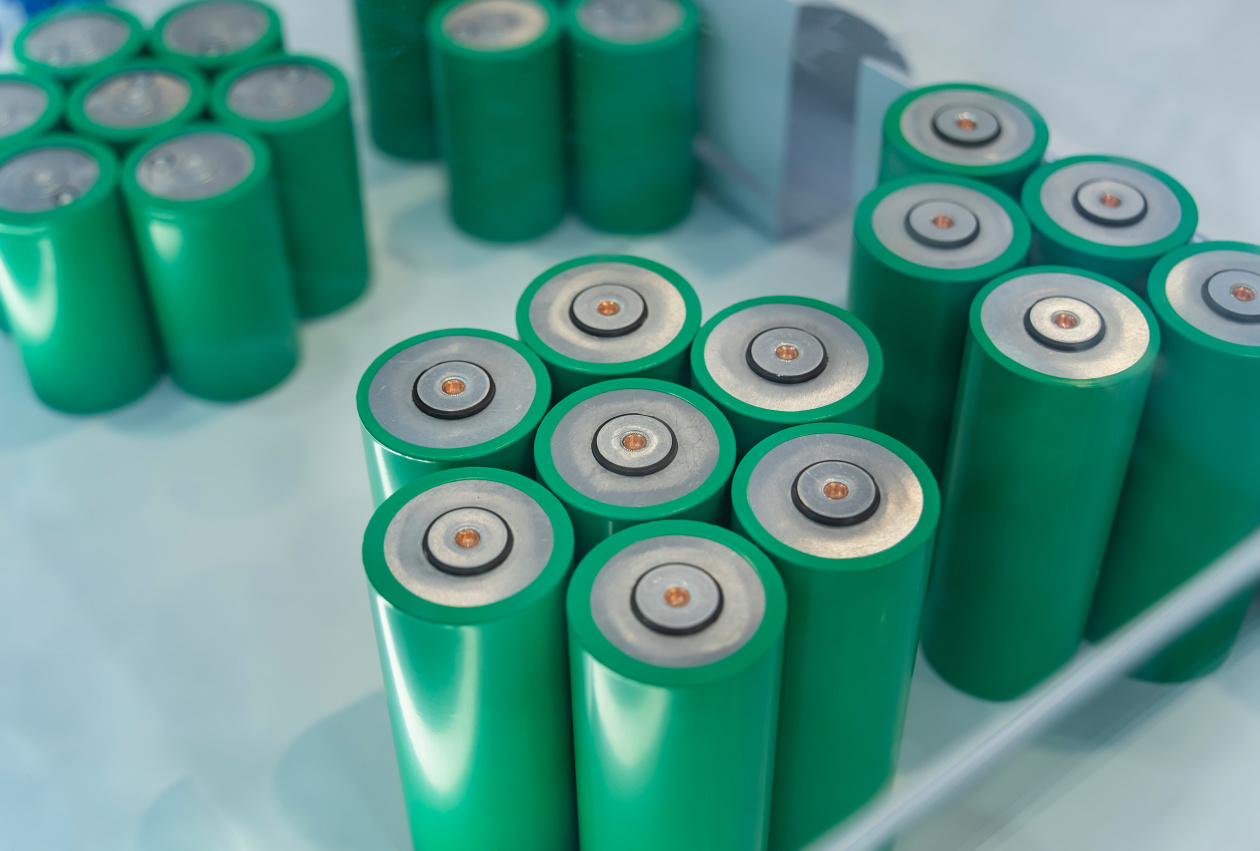
锂电回收行业迎来转机能源金属涨价推升“城市矿山”价值
Zheng Quan Shi Bao· 2026-01-09 23:02
Core Viewpoint - The lithium battery recycling industry is transitioning from extensive development to a new phase characterized by refinement, standardization, and globalization, driven by rising prices of lithium and cobalt, along with supportive policies [1][8]. Industry Overview - The lithium battery recycling sector is being recognized as a "urban mine," converting waste batteries into valuable, recyclable resources [1]. - A green circular market exceeding 100 billion yuan has emerged, reshaping the resource supply landscape in the new energy industry [1]. Profitability and Market Dynamics - The profitability of lithium battery recycling businesses has improved significantly due to increased retirement volumes and rising prices of lithium and cobalt [2]. - The price surge of energy metals has shifted the profit model from relying on subsidies to focusing on the intrinsic value of recycled materials, expanding profit margins for companies [2][3]. Policy Developments - New regulations have eased the import of recycled materials, allowing certain types of black powder to be imported without being classified as solid waste, thus facilitating the global resource allocation for China's battery recycling industry [2][3]. Capacity Expansion and Capital Operations - Leading companies are adopting a dual strategy of capacity expansion and capital operations to seize market opportunities, including new base construction and technology partnerships [4][6]. - Companies like Greeenme and Tianqi are actively pursuing acquisitions and financing to enhance their operational capabilities and market presence [4][5][6]. Technological Advancements and Industry Collaboration - The industry is evolving from merely end-of-life disposal to playing a crucial role in the entire battery lifecycle, with companies establishing comprehensive value chains [7]. - Greenme has achieved a lithium recovery rate exceeding 96.5% and has formed partnerships with over 1,000 automotive and battery manufacturers to create a closed-loop supply chain [7]. Market Outlook - The lithium battery recycling market is expected to grow at an annual rate exceeding 50% over the next 3 to 5 years, with the domestic market projected to surpass 100 billion yuan by 2030 [8].
锂电回收行业迎来转机 能源金属涨价推升“城市矿山”价值
Zheng Quan Shi Bao· 2026-01-09 17:44
Core Insights - The lithium battery recycling industry is evolving from a rough development phase to a more refined, standardized, and globalized stage, driven by rising prices of lithium and cobalt, along with supportive policies [1][7] - Major companies like Tianqi Co., Ltd. and Greeenme are expanding their capacities and capital operations to build competitive barriers through technological upgrades and industry chain extensions [1][2] Industry Trends - The prices of key metals such as lithium, cobalt, and nickel are expected to remain high due to global mining cycles and increased downstream energy storage demand, positively impacting cash flow and profitability for recycling companies [2][3] - The recycling business of Greeenme saw a significant increase in dismantling volume, reaching 36,000 tons in the first three quarters of 2025, a year-on-year surge of 59% [2] Policy Developments - In June 2025, the Ministry of Ecology and Environment, the Ministry of Industry and Information Technology, and the State Administration for Market Regulation announced that recycled black powder for lithium-ion batteries meeting national standards would not be classified as solid waste, facilitating imports [2][3] - The gradual relaxation of import policies for recycled resources reflects the government's emphasis on recycling and lithium battery recovery [3] Company Strategies - Greeenme is actively pursuing a dual strategy of capacity expansion and capital operation, including a planned acquisition of Henan Recycling Group to enhance its circular economy strategy [4][5] - Tianqi Co., Ltd. has established a processing capacity of 100,000 tons for waste lithium batteries, with plans for further expansion [5][6] Technological Advancements - Greeenme has developed a complete lifecycle value chain for battery recycling, achieving a lithium recovery rate exceeding 96.5% through innovative technologies [6] - The company collaborates with over 1,000 automotive and battery manufacturers to create a closed-loop supply chain, reducing risks associated with supply chain and metal price fluctuations [6] Market Outlook - The lithium battery recycling industry is expected to grow at an annual rate exceeding 50% over the next 3 to 5 years, with the market size projected to surpass 100 billion yuan by 2030 [7] - The industry is undergoing a transformation driven by price, demand, and policy changes, moving towards a more refined and standardized development phase [7]
2026年车企销量目标出炉:增幅最高近70%
Jing Ji Guan Cha Wang· 2026-01-09 13:53
Core Viewpoint - The automotive market in China is expected to see a slight growth in 2026, with total sales projected at approximately 35.5 million units, a 2% increase year-on-year, while retail sales of passenger cars are estimated at around 24 million units, reflecting a 1% growth. Despite this modest growth forecast, several automakers have set ambitious sales targets, indicating an intensifying competition for market share as the industry transitions from expansion to competition for existing market segments [2]. Group 1: New Energy Vehicle Manufacturers - New energy vehicle manufacturers maintain optimistic growth expectations, with target growth rates exceeding 30%, significantly higher than the 13% forecasted growth for new energy passenger vehicles by the China Passenger Car Association [3]. - Leap Motor aims for a sales target of 1 million units in 2026, representing a growth rate of 67.5%. In 2025, Leap Motor sold 597,000 units, achieving a remarkable 103% year-on-year increase and becoming the sales champion among new energy vehicle manufacturers [3]. - NIO's growth target for 2026 is set between 456,000 and 489,000 units, reflecting a growth rate of 40%-50%. In 2025, NIO sold 326,000 units, marking a 46.9% increase but falling short of its 440,000-unit target [4]. - Xiaomi Auto has set a sales target of 550,000 units for 2026, with a growth rate of 34%. In 2025, it sold 410,000 units, exceeding its previous target of 350,000 units [4]. Group 2: Traditional Automakers - Traditional automakers are generally more cautious, with Changan Automobile setting a target growth rate of 13.3% for 2026, aiming for total sales of 3.3 million units, including 1.4 million new energy vehicles, which would require a 26.2% year-on-year increase [6]. - Geely Automobile has a target growth rate of 14%, with a total sales goal of 3.45 million units for 2026. In 2025, Geely sold 3.025 million units, achieving a 39% increase [6]. - Chery Group also targets a growth rate of 14%, aiming for total sales of 3.2 million units in 2026. In 2025, it sold 2.806 million units, reflecting a 7.8% increase [7]. - Great Wall Motors has set a relatively high target growth rate of 36% for 2026, with a sales goal of 1.8 million units. In 2025, it sold 1.324 million units, marking a 7.33% increase [7]. - Dongfeng Group has established a sales target of 3.25 million units for 2026, with a growth rate of 30%, including 1.7 million new energy vehicles, which would require a 63% increase [8].






2025中国汽车行业十大年度品牌热点 | 精进2025——汽车行业10个十大年度盘点
Jing Ji Guan Cha Wang· 2026-01-09 09:33
Core Insights - The automotive industry in China experienced significant changes in 2025, characterized by a mix of opportunities and challenges, with a focus on innovation and collaboration among companies [2][4] - The report highlights the "Top Ten" annual reviews across various categories, reflecting the industry's evolving landscape [2] Group 1: Market Dynamics - The Chinese automotive market is undergoing accelerated differentiation and reshuffling, with leading companies expanding their ecosystems while some brands face pressure [4] - The competition has intensified, leading to a survival-of-the-fittest scenario, where some brands are on the brink of elimination [4][22] Group 2: Brand Influence - Chinese automotive brands are gaining global influence, with eight companies making it to the Fortune Global 500 list, marking a significant increase from previous years [5] - BYD, Geely, and Chery have notably improved their rankings, reflecting the rising global presence of Chinese brands [5] Group 3: Brand Strategy and Integration - Many automotive brands are restructuring their business architectures, with notable mergers and acquisitions, such as Geely's acquisition of Lynk & Co [7][8] - The trend of integrating brand operations is seen as a response to market pressures and a strategy to enhance competitiveness [9] Group 4: Technological Advancements - Companies are launching unique smart technology brands to keep pace with rapid advancements in intelligent technology, with several brands unveiling new systems and platforms [10] - The establishment of these technology brands is aimed at enhancing market perception and showcasing core competencies in smart mobility [11] Group 5: Foreign Brand Strategies - Foreign joint venture brands are initiating a "Localization 2.0" strategy, enhancing collaboration with local suppliers and adapting to the Chinese market [12] - This shift includes a focus on electric and intelligent vehicle development, indicating a more proactive approach to market integration [13] Group 6: Reputation Management - In response to negative online narratives, many automotive companies are taking legal action to protect their brand reputations, indicating a shift towards more aggressive reputation management strategies [19][20] - The industry is witnessing a rise in legal actions against misinformation, reflecting the importance of brand integrity in the digital age [21] Group 7: Market Exit and Brand Survival - Weaker automotive brands are facing significant challenges, with some declaring bankruptcy or undergoing restructuring to survive [22] - The industry is experiencing a natural selection process, where only the most adaptable brands are likely to thrive [23] Group 8: Sales Channel Evolution - The once-popular "supermarket store" model for car sales is losing traction, with many brands reassessing their sales strategies in favor of more traditional dealership models [24] - This shift indicates a move towards more sustainable and efficient sales practices in the automotive sector [25] Group 9: Luxury Brand Performance - The ultra-luxury automotive segment is facing declining sales in China, with several brands reporting significant drops in their sales figures [26] - The overall market conditions and changing consumer preferences are contributing to the challenges faced by these high-end brands [27]
固德电材IPO注册生效:2025年营收预增20%,董事长妻子朱英任投资总监
Sou Hu Cai Jing· 2026-01-09 07:37
Core Viewpoint - Gude Electric Materials (Suzhou) Co., Ltd. has successfully registered for an IPO on the ChiNext board, aiming to raise approximately 1.176 billion yuan to support its operations in the electric vehicle battery thermal runaway protection sector [2] Company Overview - Gude Electric Materials was established in 2008 and specializes in the research, development, production, and sales of thermal runaway protection components for electric vehicle batteries and high-performance insulation products for electrical engineering [2] - The company has become a primary supplier for several global automotive manufacturers and battery producers, establishing long-term partnerships with industry leaders such as General Motors, Ford, Stellantis, and CATL [2] Financial Performance - The company reported total assets of 1.130 billion yuan as of June 30, 2025, with a net profit of 80.63 million yuan for the first half of 2025 [3] - Revenue projections for 2025 indicate an expected increase to 1.09 billion yuan, representing a 20.05% growth compared to the previous year [4] - The net profit attributable to the parent company for 2025 is forecasted to be 177.47 million yuan, reflecting a 3.32% increase year-over-year [4] Shareholding Structure - The controlling shareholder and actual controller of Gude Electric Materials is Zhu Guolai, who holds 46.76% of the shares and has significant influence over company decisions [6] - Zhu Guolai's family members and associates collectively control 60.55% of the voting rights, indicating a concentrated ownership structure [6] Management Team - Zhu Guolai, born in October 1979, has served as the chairman and general manager since November 2011, bringing extensive experience from previous roles in sales and management [8] - Zhu Haofeng, the deputy general manager, holds 10.40% of the shares and has been with the company since its early years, contributing to its growth and operational strategies [8]
拆解车企2026新年致辞:反内卷、求质量成为集体共识
Jing Ji Guan Cha Wang· 2026-01-08 05:19
Core Insights - The automotive industry is undergoing a collective reflection on the competitive landscape, with major companies advocating against "involution" and promoting fair competition for healthy industry development [2][3] - There is a consensus that excessive price competition erodes profits and stifles innovation, prompting leading companies to shift focus from short-term market share to long-term competitiveness [2][3] - Emphasis on safety has become a key topic in the industry, with companies like Chery and GAC highlighting their commitment to exceeding safety standards and enhancing consumer trust [3][4] Group 1: Involution and Competition - Major automotive companies are calling for an end to "involution" in competition, focusing on technology, quality, brand, and user experience rather than just cost and price [2] - Geely's chairman reflects on the importance of moving away from low-price competition, marking a pivotal shift in the company's development [2] - The industry recognizes that internal competition leads to mutual deprivation in a stagnant market, hindering long-term strategic positioning [2] Group 2: Safety and Quality - Safety has emerged as a critical focus, with companies like Chery establishing stringent quality standards and receiving accolades for their commitment to safety [3][4] - GAC emphasizes that safety is a non-negotiable baseline, introducing comprehensive safety policies to address potential risks associated with electric vehicles [4][5] - Geely has expanded its safety vision to include data and software security, reflecting a broader understanding of safety beyond physical vehicle parameters [5] Group 3: Openness and Collaboration - The competitive landscape is evolving from direct confrontations among automakers to collaborative relationships across the supply chain [7][8] - Companies like SAIC and GAC are actively forming partnerships with tech firms and other industries to build a more integrated ecosystem [7][8] - Chery's initiative to create an open innovation platform with global universities illustrates a shift towards collaborative technological advancement [9] Group 4: Intelligence and Electrification - The consensus among automakers is that electrification is a prerequisite, while intelligence will determine competitive positioning in the future [11] - Companies are investing in advanced technologies, with NIO and Geely leading in the development of smart driving systems and integrated software solutions [11] - The automotive sector is transitioning towards becoming intelligent nodes within a broader digital ecosystem, enhancing user experience and connectivity [12] Group 5: Global Expansion - The trend of "going global" is increasingly seen as a critical factor for the future of automotive companies, with many emphasizing the need for a structured approach to international markets [13][14] - BYD and Dongfeng are accelerating their global strategies, focusing on localizing production and services to build sustainable competitive advantages [14][15] - The shift from mere product export to a comprehensive value chain approach is becoming essential for establishing a strong presence in overseas markets [15]

科博达:2025年前三季度,公司前五大终端客户合计营收占比61.30%
Zheng Quan Ri Bao Zhi Sheng· 2026-01-06 12:09
(编辑 丛可心) 证券日报网1月6日讯 ,科博达在接受调研者提问时表示,2025年前三季度,公司前五大终端客户合计 营收占比61.30%,其他客户营收占比38.70%。具体来看,前五大客户包括德国大众、一汽集团、上汽 大众、理想汽车、蔚来汽车。大众集团营收占比合计为42.69%,较去年同期下降3.2个百分点,蔚来汽 车营收占比显著提升。 ...

中国汽车第一城易主
第一财经· 2026-01-06 01:31
2026.01. 06 本文字数:2318,阅读时长大约4分钟 作者 | 第一财经 葛慧 2025年中国"汽车第一城"的争夺形势已逐渐明朗。 2025年,在新能源汽车浪潮与统计口径调整的双重影响下,传统汽车制造重镇面临转型压力,而新 兴城市正凭借赛道优势加速突围。目前,重庆以近250万辆的整车产量领跑总量榜,合肥则以超120 万辆的新能源汽车产量占据细分赛道首位。 在整车制造领域,国家统计局自2021年推行"法产并重"的统计改革,随着该统计改革的持续推进, 真实的汽车产业版图正浮出水面。这场城市间的角逐,不仅是产能规模的比拼,更是技术创新、产业 链整合与政策适应能力的综合竞争。统计方法的调整、技术路线的选择,都将深刻影响未来十年的城 市产业竞争格局。 重庆成为"汽车第一城"几成定局 第一财经从重庆市2025年11月份的统计月报中获悉,重庆前11月的汽车产量为249.81万辆,同比增 12.1%。以城市角度来看,重庆成为"汽车第一城"几成定局。 重庆的汽车产业发展中,既有央企长安这样的传统品牌坐镇,也有"黑马"赛力斯的逆袭。2025年, 长安汽车实现了3000万辆下线,全国首块L3级自动驾驶专用正式号牌也在重庆 ...