蜜雪冰城

Search documents
“万店巨头”赚钱的秘密,藏在这三个字里
3 6 Ke· 2026-02-21 03:41
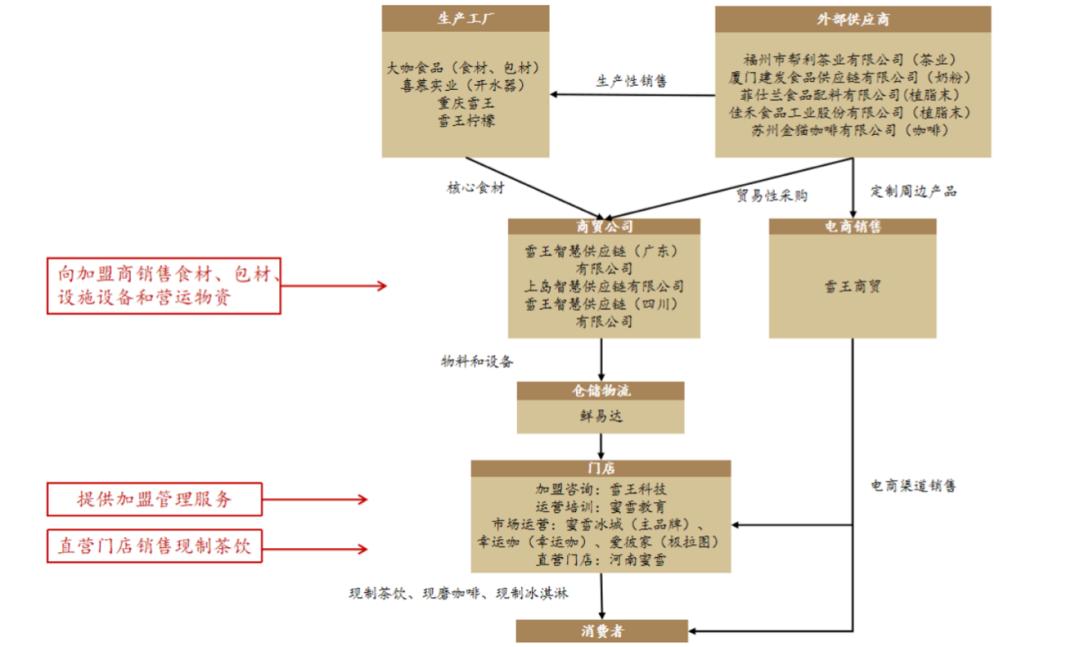
Core Insights - The Chinese consumer market has seen a surge in capitalized consumption brands, with companies like Mixue Ice City and others going public, highlighting a trend towards B2B supply chain models rather than traditional retail [1][2][3] Group 1: Business Model Transformation - Leading consumer brands are shifting their focus from direct consumer sales to B2B supply, with significant revenue coming from supplying franchisees [3][5] - For instance, Mixue Ice City reported that over 90% of its revenue comes from selling ingredients and equipment to franchisees, with only a small fraction from franchise fees [3][5] - Other brands like "Mingming Hen Mang" and "Gu Ming" also show similar revenue structures, with over 99% and 95% of their income derived from franchisee sales, respectively [5][12] Group 2: Supply Chain and Infrastructure - Successful brands have built robust supply chains, investing heavily in logistics, production, and digital systems to maintain competitive advantages [7][8] - Mixue Ice City has developed a comprehensive supply chain, including self-sourced ingredients and a logistics network that covers over 90% of county-level administrative regions in China [7][8] - The establishment of modern warehousing and distribution centers has enabled brands like "Mingming Hen Mang" to achieve efficient nationwide delivery [10][12] Group 3: Market Dynamics and Challenges - As the number of franchise stores increases, individual store profitability is under pressure, leading to longer payback periods for franchisees [13][16] - The saturation of stores in certain areas has resulted in increased competition among franchisees, causing dissatisfaction and financial strain [14][16] - The focus is shifting from merely expanding store numbers to enhancing supply chain efficiency and maintaining profitability for franchisees [17][18]

私有化金科服务、投资星巴克中国、收购SKP 博裕资本在下一盘怎样的棋?
Xin Lang Cai Jing· 2026-02-20 04:44
Core Viewpoint - Kins Services, once valued at over 55 billion HKD, has officially delisted from the Hong Kong stock market after five years of listing, marking a significant shift in its operational strategy and ownership structure [1][4]. Group 1: Company Overview - Kins Services was initially part of Kins Holdings and was listed on the Hong Kong Stock Exchange in October 2020, with an initial share price of 44.8 HKD, reaching a market cap of over 280 billion HKD on its first trading day [2][3]. - The company experienced a peak market valuation exceeding 550 billion HKD during its early years, positioning itself alongside other major property management firms [2]. Group 2: Ownership Changes - The ownership of Kins Services transitioned significantly when its parent company, Kins Holdings, faced a liquidity crisis, leading to the sale of a 22% stake to Boyu Capital for 37.34 billion HKD in December 2021 [3]. - Boyu Capital gradually increased its stake, becoming the largest shareholder by acquiring additional shares through a series of strategic moves, including a partial tender offer in November 2022 and a court-ordered auction in March 2025 [3][4]. Group 3: Delisting and Privatization - The delisting was initiated by Boyu Capital as part of a voluntary privatization process, with a tender offer made at 8.69 HKD per share, resulting in a 95.56% acceptance rate from shareholders [4][5]. - Following the privatization, Kins Services' market cap was approximately 52 billion HKD, reflecting a decline of over 90% from its historical peak [4]. Group 4: Financial Performance - Kins Services reported a total revenue of 2.335 billion CNY for the first half of 2025, a slight decrease of 3.1% year-on-year, while maintaining cash and liquid assets of 2.65 billion CNY [5]. - The company has faced cumulative losses of around 3.4 billion CNY over the past three years, leading to a significant reduction in its market valuation and operational capabilities [5]. Group 5: Industry Context - The delisting of Kins Services reflects broader trends in the real estate and property management sectors, where companies are increasingly opting for privatization due to low public market valuations and financial pressures [9]. - Similar cases of privatization and mergers have been observed in the industry, indicating a shift towards a focus on asset consolidation and operational efficiency in a challenging market environment [9].
申万宏源策略冯彧:从新消费到新质生产力 河南人承包你的吃喝玩乐与星辰大海
Xin Lang Cai Jing· 2026-02-19 06:04
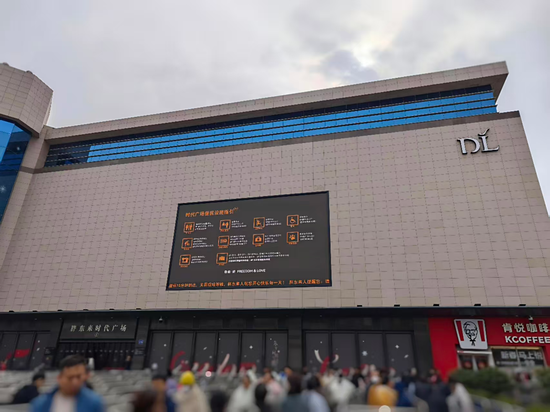
提起这一地名,本地有"新郑不新"之说,春秋时期郑国迁都于此,相对旧都故称"新郑"。但这片土地又 不断创造着新事物,她见证了2700多年前那次新旧"国际秩序"交替的开端,因此中学课文中大家所熟知 的《左传》开篇故事就发生在这里。此后,这里走出了战国时期变法图强的理论先驱韩非子、唐代诗歌 革新运动旗手白居易、明末为张居正改革提前铺垫的高拱(影视剧《大明王朝1566》中的高阁老原 型)…… 开拓创新因而也一直刻在河南人民的基因里。当今在"新消费"和"新质生产力"领域勇立潮头的创业者 们,正立足河南、走向世界。 一、河南新消费三杰:胖东来、蜜雪、泡泡玛特 炒股就看金麒麟分析师研报,权威,专业,及时,全面,助您挖掘潜力主题机会! 作者:申万宏源策略冯彧 前方从中原大地发来马年祝福~ 今年春节回到河南省新郑市。来豫的投资人可能并不陌生,大多第一站会落地郑州新郑国际机场。这次 我也从这里开启"老家河南"之旅。 从舌尖上的性价比到情绪消费,三个河南人掌控了中国年轻人的吃喝玩乐。 新年腊月二十八,正是居民采买年货旺季。为应对客流压力,胖东来许昌时代广场店开启"迪士尼"模 式:外墙大屏幕上清晰地列示功能分区,商场和超市进行分隔管 ...


餐饮茶饮集体涨价,为啥大家都放弃了低价策略?
Bei Jing Ri Bao Ke Hu Duan· 2026-02-17 07:46
Group 1 - The core point of the article is the collective price increase in the restaurant and beverage market, which marks a shift from the previously dominant low-price strategy [1][3] - Major brands like KFC and McDonald's have recently raised prices, with KFC adjusting delivery prices by an average of 0.8 yuan while keeping dine-in prices unchanged [1][2] - Other brands such as Nayuki, Luckin Coffee, and others are also increasing prices, typically by 1-2 yuan, to balance costs and profits [1][2] Group 2 - The abandonment of low-price strategies is attributed to rising operational costs, particularly in raw materials, with fresh fruit prices increasing by 4.4% as of December 2025 [5][7] - The competitive landscape in the restaurant and beverage market has intensified, with new brands emerging and consumer demand shifting towards quality and experience, necessitating increased investment in product innovation [7][8] - Price increases are seen as a necessary response to cost pressures and market competition, but companies must also focus on establishing sustainable profit models rather than relying solely on price wars [8][10] Group 3 - The risk of collective price increases lies in potential strategic disagreements among leading companies, which could lead to market disruption if a major player opts to maintain lower prices [10] - If a brand like Mixue Ice City maintains low prices while others raise theirs, it could attract consumers away from mid-tier brands, creating a market divide [10]




创业直播间,戳中打工人
创业邦· 2026-02-17 03:42
Core Viewpoint - The rise of live-streaming entrepreneurship consultations, particularly in the food and beverage sector, has transformed niche content into a mainstream phenomenon, driven by outrageous stories from participants that attract significant viewer engagement [5][10]. Group 1: Popularity of Live-Streaming Entrepreneurship - The concept of "live-streaming entrepreneurship" has gained traction, with hosts like "Yong Ge" amassing millions of followers across platforms such as Douyin and Kuaishou, turning their sessions into entertainment due to the bizarre stories shared by participants [5][8]. - Yong Ge's live-streaming sessions, originally focused on paid consultations for restaurant operations, have evolved into a source of entertainment, with a notable video compilation reaching over 1.06 million views [7]. - The engagement on platforms like Zhihu and Bilibili indicates a growing interest in entrepreneurial stories, with discussions and video compilations achieving millions of views [7][12]. Group 2: Entrepreneurial Challenges and Failures - Many entrepreneurs are drawn to the low barriers of entry in the food and beverage industry, leading to a surge in failed ventures that are now highlighted through live-streaming, showcasing the harsh realities of entrepreneurship [10][20]. - The phenomenon of "fast recruitment" companies, which mislead aspiring entrepreneurs with false promises, has been identified as a significant issue, with many participants in live-streams sharing similar stories of being scammed [20][21]. - The case of the "Two Rivers Governor," a participant who lost significant investments in a failed tea shop venture, exemplifies the pitfalls faced by many in the industry, leading to widespread discussion and analysis online [12][14]. Group 3: Monetization and Business Models - The live-streaming entrepreneurship model has created a dual benefit: hosts earn income through consultation fees while entrepreneurs gain exposure and advice, potentially increasing their business visibility [27]. - Successful hosts have diversified their revenue streams, offering paid courses and private consultations, with some generating substantial income from these services [27][28]. - The competitive landscape of the food and beverage industry has intensified, with a significant increase in store closures, yet new entrants continue to emerge, indicating a dynamic and rapidly evolving market [30].

2026春节营销趋势洞察报告-慧科讯业Wisers
Sou Hu Cai Jing· 2026-02-15 16:51
慧科讯业 2026 春节营销趋势洞察报告围绕春节消费趋势、典型营销案例展开分析,并提炼出营销核心逻辑,指出 2026 年春节消费与营销均围绕 "情绪价 值" 展开,成功的营销需落地 "活人感",实现品牌与用户的情感共鸣。 消费端呈现三大核心趋势,年轻人成为春节消费与年味构建的核心群体。其一,年轻人将传统年味转向情绪价值,"惊喜" 成为春节核心情绪,小红书数据 显示 2024-2025 年春节相关内容中,惊喜、期待感等 7 大情绪主导舆论,品牌营销需从流量转向关注人的具体需求。其二,技术加持的 "赛博年味" 成新习 俗,AI 拜年、电子年货、元宇宙庙会等玩法受追捧,# 带着我的 AI 来拜年 等话题播放量破亿,云拜年搜索量大幅增长。其三,非遗本土文化与年俗结合现 代表达,英歌舞、打铁花等非遗项目在抖音刷屏,非遗搜索量环比增长 99.7%,非遗元素成为品牌俘获年轻消费者的重要抓手。 报告盘点了现制茶饮、食品饮料、美妆、互联网科技等九大行业的春节营销经典案例,各品牌结合趋势打造多元玩法实现破圈。蜜雪冰城联手唐三彩非遗传 承人,推出联名周边让非遗贴近大众;百事可乐与《浪浪山小妖怪》深度绑定,以 "普通人的微光" 诠释 ...

9571.64万美元!这张“黄金卡”如何助力黄石企业“跑”出加速度?
Sou Hu Cai Jing· 2026-02-14 12:16
Core Insights - The APEC Business Travel Card has significantly enhanced the international business operations of Dongbei Group, facilitating efficient cross-border travel and collaboration with global partners [1][3][5] Group 1: Business Expansion and Performance - In 2025, Dongbei Group achieved impressive sales performance in APEC economies, with total sales exceeding $9.5764 million, driven by the growth in compressors, motors, and refrigeration sectors [3] - The card has enabled Dongbei Group's executives to engage in overseas investment and deepen strategic collaborations with well-known companies like Mixue Ice City and Haier, resulting in a substantial increase in compressor sales from zero in 2023 to 820,000 units in 2025 [3][5] Group 2: Efficiency Gains - The APEC Business Travel Card has revolutionized the efficiency of Dongbei Group's operations, saving an average of 7-10 working days per trip for visa processing, totaling over 1,500 working days saved for 50 core employees in the past two years [5] - The card has also facilitated 170 trips, saving over 200 hours in queue verification time, enhancing the company's responsiveness in urgent situations [5] Group 3: Cost Savings - The card's visa exemption across 16 economies has allowed Dongbei Group to save approximately 200,000 yuan in visa and agency fees over the past two years, enabling better allocation of funds towards critical business activities [7] - These savings have been reinvested into essential areas such as business travel, market research, and technical exchanges, optimizing the company's financial resources for market expansion [7] Group 4: Future Initiatives - The municipal foreign affairs office plans to continue supporting Dongbei Group's international business expansion by enhancing policy implementation and assisting more eligible core employees in obtaining the APEC Business Travel Card [10]


年轻人涌到奶茶店“抢年货”,蜜雪、喜茶、茶颜赢麻了!
东京烘焙职业人· 2026-02-14 08:32
以下文章来源于咖门 ,作者张瑾 咖门 . 聚焦茶饮、咖啡行业,关注饮品新风潮 年轻人开始去奶茶店抢年货了! 39.9元的 "雪王大礼包 " 被 疯抢 ;茶颜悦色的马年限定礼盒成打卡爆款 ;还有人提前蹲守喜茶的瓶装小奶茉 。 当00后开始整顿年货清单,奶茶店的机会来了? 39.9元12种零食茶包 年轻人 涌到 奶茶店 抢年货 今年,我发现身边不少年轻人去奶茶店采购年货。有人性价比囤货,把 蜜雪冰城的"马上抱富" 大礼包列入必买清单。 39.9元12种零食茶包,面包干、玉米片 、 茉莉花茶、蜜桃乌龙茶,覆盖解馋、待客多种场景。" 大朋友小朋友都能找到喜欢的味道"。 蜜雪冰城旗舰店还挂起红色的"雪王年货节"装饰,过年氛围感拉满。 还有不少人被 茶颜悦色的"马上去实现"系列 狠狠种草。以传统"甲马"文化为灵感的马年限定,不仅有坚果礼盒、零食礼包,还有新年茶具、紫晶石香氛、 毛绒挂件等特色周边。 在社交平台上 还 有 不少 网友推荐 喜茶的今日有喜礼盒 ,其中 有 小奶茉牛乳茶、茉莉浓抹瓶装饮品,随箱附赠1张马年刮刮卡, "一句 '今日有喜,来瓶 喜茶',年味就来了!" 也有年轻人将目光 瞄向" 地域特 产" 。 比如 ...

专访瑞银全球投资银行部亚洲区副主席:国际资本偏爱“中国冠军”,2026港股IPO继续升温|大行其道
Di Yi Cai Jing· 2026-02-14 06:02
Group 1 - The Hong Kong IPO market is experiencing a "dual increase" in both quality and quantity, with a strong preference for globally competitive "Chinese champion" companies [1][2] - The trend of "China for global" is gaining recognition among international investors, leading to a diverse range of companies seeking to list in Hong Kong for international business expansion [2][3] - The active IPO market is expected to enhance liquidity, which in turn can positively impact valuations, creating a virtuous "flywheel effect" [1][5] Group 2 - The shift in motivations for companies going public has evolved, with many now viewing listing in Hong Kong as a strategic step for internationalization rather than just a means of raising funds [2][3] - Regulatory support from both the Chinese and Hong Kong authorities has facilitated the listing process for high-quality A-share companies, encouraging them to seek international capital markets [2][5] - The anticipated IPO market in 2026 is expected to remain active, driven by an increase in listings from quality A-share companies and emerging sectors like AI and semiconductors [3][5] Group 3 - International investors are increasingly recognizing the value of Chinese companies, particularly those in manufacturing and high-growth sectors such as semiconductors and AI [6] - The presence of international cornerstone investors in recent IPOs indicates a growing confidence in the Hong Kong market and Chinese companies [5][6] - The Hong Kong market offers significant long-term value for companies, providing efficient capital-raising opportunities and facilitating rapid growth through streamlined refinancing processes [6]


从单店到万店:创始人必须押注的 “非对称机会”
Sou Hu Cai Jing· 2026-02-13 09:44
Core Insights - 90% of chain brands are trapped in a "homogenization red sea," relying on price wars for profitability, while only 10% can break through to thousands of stores by seizing "asymmetric opportunities" that are small yet create long-term barriers with low investment and high returns [2] - Successful examples of asymmetric opportunities include the supply chain of Mixue Ice City in lower-tier markets, the convenience ecosystem of 7-Eleven, and the digital platform of Luckin Coffee, which focus on finding overlooked value areas rather than direct competition [2] Asymmetric Opportunities Characteristics - The essence of asymmetric opportunities is to "attack the opponent's weaknesses using one's own strengths," characterized by low competition, high barriers, and high leverage [3] - Many founders fall into the trap of competing in symmetric fields like product taste and marketing, leading to a cycle of increasing investment and decreasing profits [3] Supply Chain as a Competitive Advantage - The core of chain operations is "supply chain competition," yet many founders overlook this opportunity [5] - Mixue Ice City focuses on supply chain reconstruction by building a central factory with over 90% self-sufficiency in core ingredients, achieving the lowest raw material costs in the industry [5] - The goal is to maintain supply chain costs 15%-20% lower than the industry average, thus becoming a price setter [5] User Trust as a Long-term Asset - With the decline of traffic dividends, "user trust" has become a scarce asymmetric opportunity [7] - Brands that focus on building trust, like Baiguoyuan with its fruit grading standards and return policies, achieve high repurchase rates and stable profitability [8] Organizational Empowerment - Many founders mistakenly believe that scaling relies solely on the number of stores, neglecting the importance of organizational empowerment [10] - 7-Eleven emphasizes an organizational empowerment system that includes a regional supervisor and a digital platform to support franchisees, ensuring high retention rates and effective training [11] Investment and Timeframe - Asymmetric opportunities require a solid single-store profitability model before scaling [13] - Companies should focus on one asymmetric opportunity at a time, such as supply chain or user trust, to avoid spreading resources too thin [14] - The returns from asymmetric opportunities typically manifest in 3-5 years, necessitating a long-term perspective [16] Conclusion - Transitioning from single-store to thousands of stores is not merely about increasing store count but about betting on asymmetric opportunities that create barriers difficult for competitors to overcome [19]