东风股份

Search documents
车企2025产销快报解析:四大板块齐头并进
Xin Lang Cai Jing· 2026-01-14 06:06
Core Insights - The Chinese passenger car market is projected to retail 23.78 million units in 2025, reflecting a 4% year-on-year growth, supported by policies like "trade-in" [20][21] - Major domestic automakers such as BYD, Geely, Changan, and Leap Motor have achieved significant breakthroughs, while several joint ventures are showing signs of recovery in China [20][21] Domestic Automakers Performance - BYD set a new annual sales record with 4.60 million units sold in 2025, a 7.73% increase, with pure electric vehicle sales reaching 2.25 million units, up 27.85% [21][22] - SAIC Group sold 4.51 million vehicles in 2025, marking a 12.3% increase, with its new energy vehicle sales growing by 33.1% to 1.64 million units [3][21] - China FAW achieved total vehicle sales of 3.30 million units, a 3.2% increase, with its new energy vehicle sales soaring by 71% to 366,000 units [3][22] - Geely exceeded its sales target with 3.02 million units sold, a 39% increase, and its new energy vehicle sales reached 1.69 million units, up 90% [4][22] - Changan's sales reached 2.91 million units, an 8.5% increase, with new energy vehicle sales growing by 51% to 1.11 million units [4][23] - Chery Group achieved a record high of 2.81 million units sold, with new energy vehicle sales increasing by 54.9% to 903,800 units [5][23] Joint Ventures Performance - Joint ventures are under pressure but some have found ways to adapt, with FAW-Volkswagen selling 1.59 million vehicles, maintaining its position as the top joint venture [26][27] - SAIC Volkswagen achieved sales of 1.06 million units, successfully surpassing the million mark [27] - Toyota's joint ventures in China reported positive growth, with FAW Toyota selling 805,500 units, marking three consecutive years of growth [27][28] New Energy Vehicle Market - The new energy vehicle segment is a common highlight across major automakers, with significant growth reported [21][22] - Leap Motor achieved a remarkable 103% year-on-year growth, delivering 596,600 units in 2025 [29] - Xpeng Motors delivered 429,400 units, a 126% increase, while NIO delivered 326,000 units, up 46.9% [30][31] Export Growth - China's automobile exports are expected to exceed 7 million units in 2025, marking a historic high [16][34] - Chery led the export of Chinese passenger cars with 1.34 million units, a 17.4% increase [34][35] - BYD's overseas sales surpassed 1 million units for the first time, reaching 1.05 million units, a 145% increase [35][36] Globalization Strategies - SAIC Group updated its overseas strategy, achieving 1.07 million units in overseas sales, a 3.1% increase [35][36] - Changan's overseas sales reached 637,000 units, an 18.9% increase, while Geely's overseas sales totaled 420,000 units [36][37] - New energy vehicle startups are also targeting international markets, with Leap Motor and Xpeng making significant strides in overseas deliveries [36][37]






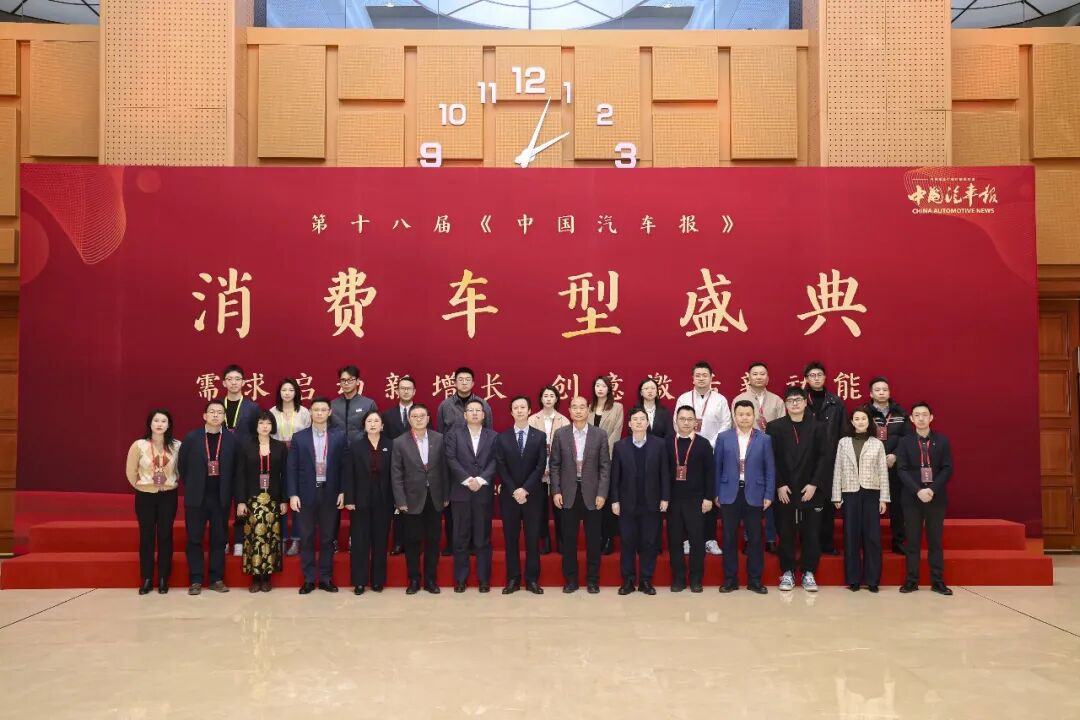
第十八届消费车型盛典:立足新起点,探索新路径,寻求新突破
Zhong Guo Qi Che Bao Wang· 2026-01-14 01:44
Group 1 - The core theme of the 18th Consumer Vehicle Ceremony is to stimulate new growth through demand and activate new momentum through creativity [2][3] - The event is timely as it marks a critical year for the Chinese automotive industry to seize opportunities and face challenges, ensuring a good start for the 14th Five-Year Plan [3][6] - The automotive industry in China is transitioning from rapid growth to a focus on high-quality development, with an emphasis on innovation and collaboration across the entire industry chain [8][10] Group 2 - Predictions indicate that by 2026, sales of new energy vehicles in China will reach 20 million units, with a market penetration rate of 55% [10] - The focus of automotive policies is shifting towards high standards and consumer-driven growth, with an emphasis on product safety and market consumption [10][12] - The automotive industry is encouraged to explore new consumption scenarios, moving from vehicle ownership to service-oriented models [12] Group 3 - The automotive sector is undergoing a transformation driven by technological advancements, consumer demand for personalization, and the integration of artificial intelligence [15][19] - Companies are focusing on building comprehensive safety systems and enhancing user experience through intelligent and safe mobility solutions [19][21] - The design and innovation in the automotive industry are increasingly influenced by global perspectives, with a push for differentiation and emotional value in products [27][31] Group 4 - The global dialogue on automotive design emphasizes the importance of Chinese designers gaining recognition on the world stage, enhancing the competitiveness of Chinese automotive brands [33][37] - The long-term vision in automotive design is crucial, with a focus on creating timeless designs that resonate with market and historical significance [35][37] - The automotive industry is at a pivotal moment, with the potential for Chinese automotive design to become a global leader in innovation and cultural expression [37]
锐财经|汽车生产,谁在领跑?
Ren Min Ri Bao Hai Wai Ban· 2026-01-14 00:26
Core Viewpoint - The automotive production landscape in China is evolving, with significant growth in various cities, particularly in electric vehicles, driven by technological innovation and supportive policies [1][2][9]. Group 1: Automotive Production Statistics - In the first 11 months of 2025, Chongqing produced nearly 2.5 million vehicles, marking a 12.1% year-on-year increase [3]. - Beijing and Shanghai both surpassed 1 million vehicles, with Beijing producing 1.335 million vehicles (up 27.6%) and Shanghai producing 1.601 million vehicles, including 1.042 million electric vehicles [3]. - Other cities like Zhengzhou, Qingdao, and Changsha are approaching the 1 million vehicle mark, with Zhengzhou's production reaching 956,300 vehicles (up 16.52%) [3]. Group 2: Electric Vehicle Production - Hefei led the nation in electric vehicle production with 1.246 million units in the first 11 months of 2025, benefiting from a strategic industrial layout [4]. - Major brands such as Jianghuai, NIO, and BYD have established production bases in Hefei, contributing to its strong growth in the electric vehicle sector [4]. Group 3: Industry Support and Innovation - The automotive industry in cities like Liuzhou and Qingdao is supported by a complete industrial chain, with Liuzhou being home to five major vehicle manufacturers [5]. - Innovations in autonomous driving and vehicle networking are being spearheaded in Chongqing, with the first L3 autonomous driving license plate expected by the end of 2025 [5][6]. Group 4: Policy Support - Since the 14th Five-Year Plan, Chongqing has aimed to become a hub for smart connected electric vehicles, while Anhui supports Hefei in becoming a globally influential electric vehicle city [6]. Group 5: Changes in Production Ranking - The ranking of cities by automotive production has shifted due to changes in statistical methods, with production now counted based on the manufacturing location rather than the corporate headquarters [8]. - In 2024, Hefei's production reached 1.9109 million vehicles, surpassing cities like Shanghai and Changchun, while Shenzhen's electric vehicle production reached 2.9353 million units [8]. Group 6: Industry Outlook - The Chinese automotive industry is entering a new phase of high-quality development, supported by a penetration rate of over 50% for electric passenger vehicles and advancements in autonomous driving technology [9].
车市2025|反“内卷”、闯关L3,十大热词看行业进化轨迹
Bei Ke Cai Jing· 2026-01-14 00:07
Core Insights - In 2025, the focus of competition in China's automotive industry shifts from domestic market share battles to global competition centered on technology, systems, and regulations [1] - The industry is moving towards sustainable value creation, with a significant emphasis on technological innovation and user experience [4] - Key developments include advancements in solid-state batteries and megawatt fast charging technology, aimed at addressing electric vehicle range and charging anxiety [1][16][20] - The trend of "going global" deepens into full value chain localization, while listings attract international capital to reshape the global industry landscape [1][22][24] Group 1: Order Restoration - A "revolution of order" is underway in the automotive industry, countering the detrimental effects of endless price wars that have driven profits to historical lows [2][3] - The government has initiated corrective actions against "involution" competition, with measures including price monitoring and cost investigations [3][4] Group 2: Anti-Involution Measures - The average profit margin in the industry fell to around 4% due to aggressive price wars, prompting a government response to restore healthy competition [3] - A collective commitment from 17 automakers to enforce a 60-day payment term for suppliers was established to stabilize the supply chain and improve cash flow for smaller enterprises [5][6] Group 3: Second-Hand Vehicle Regulations - The "zero-kilometer used car" issue has been addressed, with regulations requiring that exported vehicles labeled as "used" must provide after-sales service commitments and parts supply guarantees [7][8] Group 4: Intelligent Driving Advancements - The automotive industry in China is transitioning from the demonstration phase of intelligent driving to large-scale application and regulatory commercialization [9] - The penetration rate of L2-level assisted driving features in new vehicles reached approximately 64% by Q3 2025, with major automakers standardizing high-level assisted driving in key models [11][12] - The first L3-level automated driving models received conditional approval for road testing, marking a significant legal milestone in the industry [13][14] Group 5: Technological Innovations - The path to solid-state battery commercialization has become clearer, with major automakers announcing production timelines and breakthroughs in technology [17][18] - Megawatt-level ultra-fast charging technology has advanced significantly, with BYD achieving a charging power of 1 megawatt, enabling rapid charging capabilities [20] Group 6: Global Market Dynamics - Chinese automakers are entering a new phase of globalization, focusing on local production and high-end branding to navigate trade barriers [22][23] - A wave of listings in international capital markets is providing substantial funding for Chinese automakers, enhancing their global competitiveness [24][25]
四大板块齐头并进——车企2025产销快报解析
Zhong Guo Qi Che Bao Wang· 2026-01-13 09:43
Core Insights - The Chinese passenger car market is projected to retail 23.78 million units in 2025, reflecting a 4% year-on-year growth, supported by policies like "trade-in" [2] - Major domestic automakers such as BYD, Geely, Changan, and Leap Motor have achieved significant progress, while several joint venture companies are showing signs of recovery in China [2] Domestic Automakers Performance - BYD achieved a record annual sales of 4.60 million units in 2025, a 7.73% increase, with pure electric vehicle sales reaching 2.25 million units, up 27.85%, surpassing Tesla in global sales [3] - SAIC Group sold 4.51 million vehicles in 2025, a 12.3% increase, with its new energy vehicle sales growing by 33.1% to 1.64 million units [3] - China FAW's total vehicle sales reached 3.30 million units, a 3.2% increase, with its new energy vehicle sales soaring by 71% to 366,000 units [4] - Geely's total sales reached 3.02 million units, a 39% increase, with new energy vehicle sales hitting 1.69 million units, up 90% [4] - Changan's sales reached 2.91 million units, an 8.5% increase, with new energy vehicle sales growing by 51% to 1.11 million units [5] - Chery Group achieved a record high of 2.81 million units sold, with new energy vehicle sales increasing by 54.9% to 903,800 units [5] Joint Venture Automakers Performance - Joint venture automakers are under pressure but some have found ways to adapt, with FAW-Volkswagen leading in sales with 1.59 million units sold [7] - SAIC Volkswagen achieved sales of 1.06 million units, maintaining a strong position in the market [8] - Toyota's joint ventures in China reported positive growth, with FAW Toyota selling 805,500 units, a 3-year consecutive growth [8] New Energy Vehicle Market - New energy vehicles are a common highlight across major domestic automakers, with significant growth in sales and market penetration [3][4][5] - New entrants like Leap Motor and NIO are also showing strong growth, with Leap Motor achieving 596,600 units sold, a 103% increase [10] - Xpeng Motors delivered 429,400 units, a 126% increase, while NIO delivered 326,000 units, a 46.9% increase [11] Export Growth - China's automobile exports are expected to exceed 7 million units in 2025, marking a historic high [13] - Chery led the export of Chinese passenger cars with 1.34 million units, a 17.4% increase [13] - BYD's overseas sales surpassed 1 million units, a 145% increase, with significant growth in Europe [14] - New energy vehicle exports are also on the rise, with companies like Leap and Xpeng expanding their international presence [16]



商用车板块1月13日跌1.13%,江淮汽车领跌,主力资金净流出3.16亿元
Zheng Xing Xing Ye Ri Bao· 2026-01-13 08:56
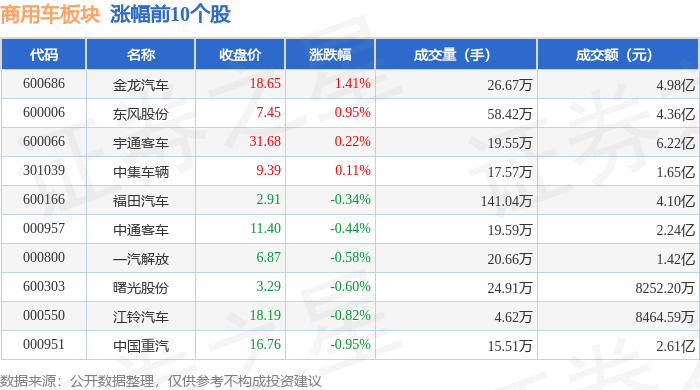
Market Overview - The commercial vehicle sector experienced a decline of 1.13% on January 13, with Jianghuai Automobile leading the drop [1] - The Shanghai Composite Index closed at 4138.76, down 0.64%, while the Shenzhen Component Index closed at 14169.4, down 1.37% [1] Stock Performance - Key stocks in the commercial vehicle sector showed varied performance, with Jinlong Automobile up by 1.41% at a closing price of 18.65, while Jianghuai Automobile fell by 3.17% to 48.24 [1][2] - The trading volume for Jinlong Automobile was 266,700 shares, with a transaction value of 498 million yuan [1] Capital Flow - The commercial vehicle sector saw a net outflow of 316 million yuan from institutional investors, while retail investors contributed a net inflow of 43.33 million yuan [2] - Notable net inflows from retail investors were observed in Jinlong Automobile and Dongfeng Motor, while significant outflows were noted in Jianghuai Automobile and Foton Motor [3]

岚图汽车港股上市已获批
Bei Ke Cai Jing· 2026-01-13 08:21
Group 1 - Dongfeng Motor Group Co., Ltd. announced the approval of its privatization plan through a merger, which includes the distribution of Lantu shares and the withdrawal of its public listing status [1] - The plan requires further approvals from the China Securities Regulatory Commission and the Hong Kong Stock Exchange for the introduction of the listing, along with other necessary regulatory approvals [2] - The transaction will be executed in two main phases: first, the distribution of 79.67% of Lantu shares to all shareholders, followed by Lantu's introduction to the Hong Kong Stock Exchange [2] Group 2 - Dongfeng Motor Group's subsidiary, Lantu Automotive, has completed its business registration change and officially renamed itself to "Lantu Automotive Technology Co., Ltd." [2] - The chairman of Lantu Automotive Technology Co., Ltd. has been changed to Lu Fang, who also holds the position of general manager [2] - Lantu Automotive has submitted its listing application to the Hong Kong Stock Exchange on October 2 [2]

东风股份涨2.17%,成交额1.76亿元,主力资金净流出203.10万元
Xin Lang Cai Jing· 2026-01-13 05:31
Group 1 - The core viewpoint of the news is that Dongfeng Motor Corporation has shown a mixed performance in stock price and financial metrics, with a notable increase in net profit despite a decline in revenue [1][2]. - As of January 13, Dongfeng's stock price increased by 2.17% to 7.54 CNY per share, with a total market capitalization of 15.08 billion CNY [1]. - The company has experienced a year-to-date stock price increase of 5.01%, with a 3.15% rise over the last five trading days and a 5.90% increase over the last 20 days [1]. Group 2 - For the period from January to September 2025, Dongfeng reported an operating revenue of 7.01 billion CNY, a year-on-year decrease of 12.13%, while the net profit attributable to shareholders increased by 188.57% to 102 million CNY [2]. - The company has distributed a total of 3.468 billion CNY in dividends since its A-share listing, with 156 million CNY distributed over the last three years [3]. - As of September 30, 2025, the number of shareholders decreased by 6.79% to 122,500, while the average circulating shares per person increased by 7.28% to 16,328 shares [2][3].

让无人车学会“社交”,具身交互智能使自动驾驶真正成为现实!
机器人大讲堂· 2026-01-13 04:04
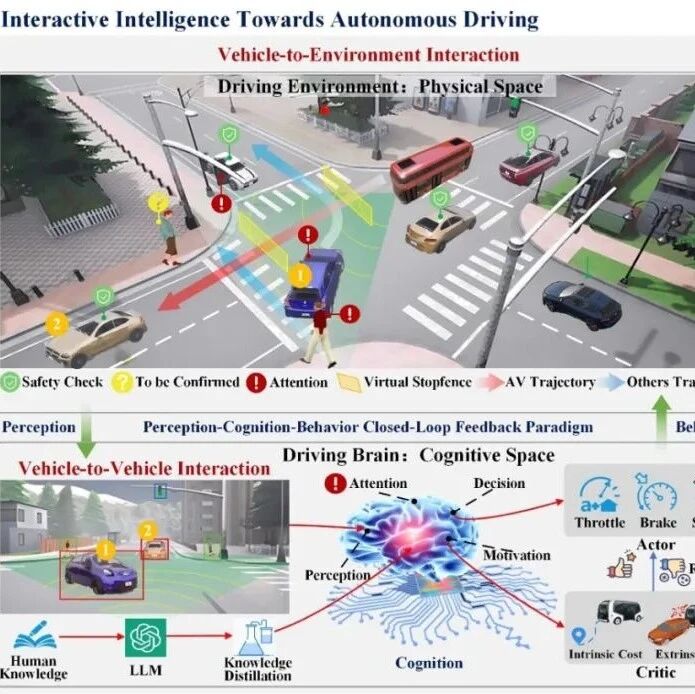
中国工程院院刊,建设世界一流期刊,让工程造福人类,科技创造未来。 以下文章来源于Engineering ,作者马楠、李德毅 等 Engineering . 在无人驾驶领域,车道跟踪、车辆流量监控、变道辅助及车道保持等技术已得到广泛应用。但无人驾驶系统仍 面临一个根本性挑战:构建人与车之间的双向认知协同。无人车不仅需要准确理解人类行为,其决策也需能被 人类及时理解,二者缺一都会损害可信性。 为此,无人车必须具备深度的情境理解、自然的交互、持续的学习能力,才能建立真正的可信赖性。然而,驾 驶场景是高度动态、碎片化且无穷尽的,因此,无人车如何在这些日益复杂的真实场景中实现持续进化,构成 了其迈向真正智能化的最后一道难关。 近日,清华大学李德毅和北京工业大学马楠作为通讯作者在中国工程院院刊《 Engineering》期刊上发表"无 人驾驶具身交互智能"的研究论文,提出了无人驾驶具身交互智能理论框架,通过跨媒体感知、机器学习、认 知计算和生成式人工智能等技术,构建与物理世界统一的智能表达与学习方法。 该研究创新性地构建了端到端感知 -认知-行为闭环反馈范式,使无人车不仅能交互、会学习、可信任,更能 在日常驾驶中遇到的每 ...
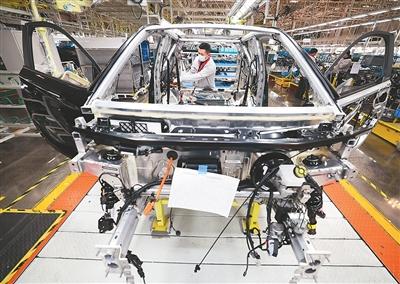
全国多个城市汽车产量超百万辆,谁在领跑?
Ren Min Ri Bao Hai Wai Ban· 2026-01-13 03:57
在全国各大城市中,汽车产量如何?2025年前11个月,重庆汽车产量近250万辆。北京和上海的汽车产 量超过了百万辆,郑州、青岛等城市的产量也接近百万辆。新能源汽车方面,2025年前11个月,合肥新 能源汽车产量超120万辆,居全国城市第一。 还有政策扶持。"十四五"以来,重庆市将建设"智能网联新能源汽车之都"作为推动制造业高质量发展的 核心战略,着力打造世界级智能网联新能源汽车产业集群。安徽省明确,支持合肥打造具有全球影响力 的新能源汽车之都和智能网联新能源汽车创新高地;支持芜湖建设自主品牌集聚区。 统计方式调整引发格局变化 北京、上海、柳州等城市也在百万级别。2025年前11个月,上海整车产量为160.11万辆,其中新能源汽 车产量104.2万辆。北京2025年前11个月全市生产汽车133.5万辆,比上年同期增长27.6%。值得关注的 是,柳州2025年前9个月的整车产量已经完成133.1万辆,同比增长37.8%,全年"成绩单"可期。 郑州、青岛、长沙、武汉等城市正稳步接近"百万辆"门槛。2025年前10个月,郑州全市整车产量95.63 万辆,同比增长16.52%,年产量突破百万大关几无悬念。青岛2025年 ...