
菜鸟

Search documents
美团发布AI编程工具;菜鸟去年全球客户数同比增长超60%|未来商业早参
Mei Ri Jing Ji Xin Wen· 2025-06-10 23:19
每经记者|赵雯琪 每经编辑|马子卿 点评:菜鸟加速物流科技出海,海外销售增速预计超国内,彰显其在国际市场的勃勃野心。过去一年, 其全球大客户数量同比增长超60%,成绩亮眼。当下,物流科技赛道竞争激烈,国内外众多企业纷纷角 逐。菜鸟凭借多年沉淀的技术实力、全球物流网络及丰富运营经验,精准对接海外客户需求。但要持续 领先,还需不断强化研发,适配更多复杂场景,优化服务,以稳固海外市场地位。 |2025年6月11日 星期三| NO.3 快手商业私信日消耗峰值超1600万,活跃客户数增长18倍 NO.1 美团发布首款AI编程工具NoCode 6月10日,快手在2025商业私信大会上公布,截至目前快手商业私信单日消耗峰值突破1600万。据了 解,私信产品受到了招商加盟、汽车、本地生活服务等长周期决策行业的商家青睐,过去一年,私信的 活跃客户数增长了18倍。相对于传统表单获客,私信能为商家带来30%的额外曝光,帮助商家的留资率 提升74%、转化成本降低21%。 6月10日,美团正式发布首款AI Coding Agent(AI编程智能体)产品NoCode。这款对话式AI编程工具能 够通过多轮自然语言交互,自动完成编码任务并完 ...

30年增长12倍!广州航空货运要构建“12小时通全球”
Sou Hu Cai Jing· 2025-06-10 19:29
Core Viewpoint - The Guangzhou International Air Cargo Hub is accelerating its development, with significant growth in cargo throughput and a focus on digital transformation in the air freight industry [1][4]. Group 1: Event Overview - The 2025 IATA North Asia CARGO DAY and Guangzhou International Air Cargo Hub High-Quality Development Conference was held in Guangzhou, themed "China Hub, Connecting the World" [1][3]. - The conference aimed to gather global air cargo wisdom and promote a safer, more efficient, and sustainable global supply chain [3]. Group 2: Growth Metrics - Guangzhou Baiyun Airport's cargo throughput has increased 12 times over the past 30 years, ranking it ninth globally [1][4]. - The passenger-to-freight ratio has improved from 50:1 to 31:1 [4]. Group 3: Digital Transformation - The IATA North Asia ONE Record standard is being rapidly piloted in the region to facilitate the digital transformation of air freight [3][4]. - The pilot involves nine major cargo airlines, ten airports, five IT service providers, and over ten logistics companies, enhancing operational efficiency and transport transparency [3]. Group 4: Future Developments - Guangzhou aims to establish a "4-hour reach to Southeast Asia and 12-hour global connectivity" network, with 256 global destinations served [5]. - The Guangdong Airport Group plans to deepen its "1236" strategic system, focusing on policy innovation, technological empowerment, and ecological co-construction to achieve its goal of becoming a global supply chain center [5].


临安“发网智能仓”8月开仓!
Hang Zhou Ri Bao· 2025-06-10 03:03
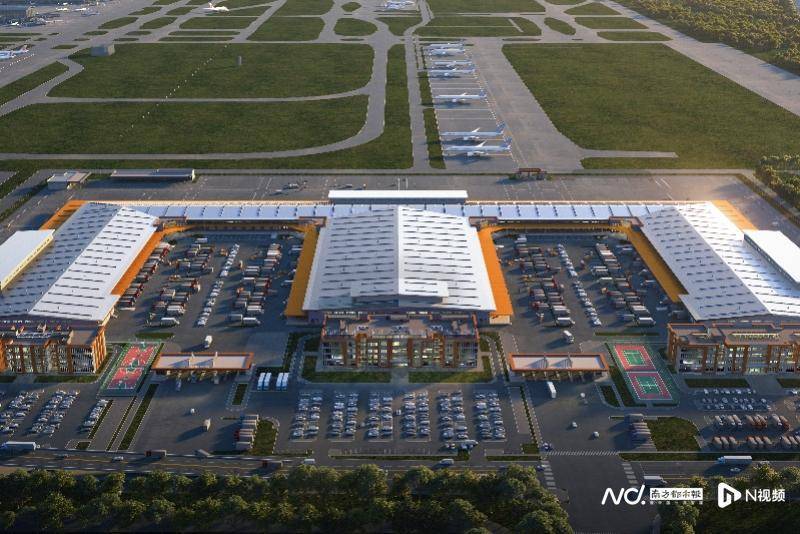
杭州及周边消费者的网购体验将迎来全新升级!随着临安发网智能物联网产业园(以下简称"发网 产业园")即将于8月投入运营,更多订单将以"半日达""小时达"的极速配送叩响家门。这一以临安为圆 心、辐射长三角核心城市群的智慧物流网络,正为区域电商与物流产业注入新动能。 "前店后仓+就近发货" 重塑物流模式 6月9日,记者在临安区玲珑街道的发网产业园建设现场看到,总建筑面积近50万平方米的9幢高楼 已进入装修扫尾阶段。据项目负责人王彬介绍,园区突破传统"产地直发"模式,创新打造"前店后仓+就 近发货"业态:合作商家的高频商品预先收储于园区"后仓",消费者下单后,系统就近智能匹配仓配资 源,实现"接单-派单-送单"全链路"零耽误"。 园区还规划了近2000平方米的品牌展示中心,集中展销食品、服装、美妆等领域的头部合作品牌。 目前,京东、菜鸟、淘宝等数十家企业已考察洽谈,多家表达入园意向。预计全面投运后,园区每年可 为临安贡献约2.5亿元商贸批发产值。 "园中园"矩阵 激活临安"西门户" 今年,街道再推进300亩低效用地"新陈代谢",同时加速征收小堰山区块产业用地,为"美丽幸福西 城区"建设拓空间、强产业。 发网产业园是玲 ...

概念股澄清难掩产业热,无人物流车正在驶入商业化“快车道”
2 1 Shi Ji Jing Ji Bao Dao· 2025-06-04 11:45
Core Viewpoint - The recent surge in the "unmanned logistics vehicle" concept has sparked significant interest in the capital market, with companies like Jiushi Intelligent and New Stone Technology leading the charge, despite some companies clarifying their lack of actual involvement in this sector [1][2][3]. Group 1: Market Activity - Jiushi Intelligent launched its new E-series unmanned logistics vehicle platform and the E6 model, priced at 19,800 yuan [1]. - Debon Logistics (603056.SH) experienced a stock price increase of 72.16% from May 26 to June 3, achieving a five-day consecutive limit-up [2]. - Other logistics stocks such as New Ning Logistics (300013.SZ) and Tongda Electric (603390.SH) also showed active performance during this period [1]. Group 2: Company Clarifications - Debon Logistics clarified that it has no actual application of unmanned logistics vehicles despite the stock price surge [2][3]. - Tongda Electric announced that it has no business revenue related to unmanned logistics vehicles or autonomous driving [3]. - Wantong Technology (002331.SZ) also stated that its products do not involve unmanned logistics vehicles [4]. Group 3: Demand for Unmanned Logistics Vehicles - The demand for unmanned logistics vehicles is real, with significant market interest driven by cost reduction and efficiency improvements [5]. - New Stone Technology's CEO reported that the unmanned delivery vehicle industry is growing at ten times the rate of the previous year, with monthly deliveries exceeding 1,000 units [5]. - The logistics sector is experiencing a surge in demand for unmanned vehicles, particularly from rural areas, as companies innovate delivery methods to enhance efficiency [5]. Group 4: Market Drivers - The commercialization of unmanned logistics vehicles is supported by decreasing costs of core components like lidar, chips, and batteries, bringing manufacturing costs down to the tens of thousands of yuan [6]. - The rapid application of large models in autonomous driving is reducing the time and cost of road data collection, facilitating quicker deliveries and better management [6]. - The logistics industry is under pressure to reduce costs, particularly in the competitive express delivery sector, making unmanned vehicles a viable solution [7]. Group 5: Regulatory Environment - The growth of unmanned logistics vehicles is currently hindered by regulatory challenges, including the need for testing licenses and the absence of unified standards [8]. - The majority of unmanned vehicles are limited to low-speed operations, primarily for last-mile delivery, with limited involvement in long-distance logistics [8]. - However, the regulatory environment is improving, with pilot programs allowing for broader applications of intelligent connected vehicles in various cities [8].


策略周报:蓄势破局-20250604
Bank of China Securities· 2025-06-04 07:25
Group 1 - The report indicates that the market is likely to maintain a "consolidation" phase in June, with large-cap stocks expected to see a recovery [3][12][13] - Domestic demand momentum is anticipated to improve marginally, with April industrial profits continuing a recovery trend, although both volume and price have declined [12][31] - The "barbell strategy" remains effective in the market, but there has been a notable shift towards a "concentration" phenomenon, with profit effects concentrating in the banking sector and small-cap stocks [32][33] Group 2 - The report highlights that the global supply-demand dynamics for chlorantraniliprole may be reshaped due to production capacity disruptions, with prices already entering a rebound phase [38][40] - The Chinese innovative pharmaceutical companies are gaining global influence, with significant participation in the 2025 ASCO annual meeting, showcasing advancements in drug development [38][40] - The report emphasizes the accelerating penetration of autonomous delivery vehicles, with costs approaching or even lower than human labor costs, indicating a significant shift in logistics [43][44] Group 3 - The report notes that the AI industry chain remains robust, with strong demand for computing infrastructure and significant advancements in AI applications, particularly in the context of major tech companies [46][48] - The report suggests that the market is currently in a box range, with risk appetite suppressed by fluctuating global trade policies and concerns over U.S. Treasury yields [48] - The report identifies key sectors to watch, including innovative pharmaceuticals, autonomous driving, and stablecoins, which are expected to have strong catalysts for growth [48]
快递企业相继发力冷链赛道,欲跳出价格战内卷
Xin Lang Cai Jing· 2025-06-02 11:11
Core Insights - The logistics industry is increasingly focusing on cold chain services, particularly for international deliveries, as exemplified by Zhongtong's tailored cold chain service for Yili, which successfully transported ice cream to Cambodia [1][2] - Major players like Zhongtong, SF Express, and JD Logistics are ramping up their cold chain capabilities to meet the growing demand for fresh and high-quality products, with significant investments and expansions in their cold chain networks [2][3] - The cold chain logistics market is projected to grow significantly, with estimates suggesting a market size of 868.6 billion yuan by 2025, driven by rising consumer demand for fresh food and government support [5][4] Company Developments - Zhongtong has established over 1,200 cold chain outlets and plans to cover 70% of counties by 2023, implementing a door-to-door cold chain model [1][2] - SF Express has invested 1.3 billion yuan in its cold chain operations, with a focus on expanding its cold storage and transportation capabilities, including 34 food warehouses and over 13,000 refrigerated vehicles [2][3] - JD Logistics is enhancing its cold chain services by increasing air and land transport capacities, with a 200% increase in air transport for seasonal products like Yangmei [3][2] Market Trends - The demand for cold chain logistics is surging due to trends such as direct-to-consumer agricultural shipments and the rise of ready-to-eat meals, necessitating high-quality and low-loss delivery solutions [5][6] - The cold chain logistics sector is characterized by high entry barriers due to the need for specialized equipment and technology, making it a strategic area for differentiation among logistics companies [7][8] - The pharmaceutical sector presents a lucrative opportunity for cold chain logistics, with strict temperature control requirements and high service costs, allowing logistics companies to capture market share [9][8]


2025基于AIGC的智能化多栈开发新模式研究报告
Sou Hu Cai Jing· 2025-05-30 05:36
Core Insights - The report discusses the transformative impact of AIGC (AI Generated Content) on the software development industry, highlighting a shift from traditional development paradigms to intelligent, multi-stack development models [1][16][18]. Group 1: Development Paradigm Revolution - Traditional software development faces challenges such as efficiency bottlenecks and talent mismatches, which AIGC technology aims to address by providing new solutions [1]. - AI development tools have evolved from simple code completion assistants to comprehensive partners that cover the entire development process, including requirement analysis, code generation, and testing [1][16]. - The introduction of platforms like Beike CodeLink allows developers to generate code frameworks through natural language descriptions, resulting in a 22.7% increase in code output while reducing the demand cycle by 10% [1][16]. Group 2: Talent Structure Transformation - The emergence of multi-stack engineers, or "π-type talents," is replacing traditional "T-type talents," driven by the capabilities enabled by AI [2]. - AI tools significantly lower the learning costs associated with switching between different technology stacks, allowing engineers to transition freely between front-end, back-end, and testing roles [2]. - Tools like Tencent Cloud AI Code Assistant and Alibaba Cloud Tongyi Lingma enhance coding efficiency by 40% and help build enterprise-level knowledge graphs [2]. Group 3: Industry-Level Intelligent Platforms - Intelligent development platforms exhibit characteristics such as full-process coverage, knowledge integration, and self-evolution [3]. - Beike KeTest Copilot reduces traditional testing times from hours to minutes through automated UI testing, while Alibaba Cloud's intelligent code review system intercepts thousands of potential defects daily, improving code quality by over 30% [3]. - The combination of low-code development and AI generation technologies opens new avenues for vertical industry transformation, with 80% of routine demands being automated [3]. Group 4: Organizational Capability Leap - The transformation extends beyond tool upgrades to a systemic restructuring of organizational capabilities, emphasizing a three-dimensional support system of technology, culture, and talent [4]. - Successful companies are establishing intelligent development platforms that cover the entire development chain and fostering an AI-first innovation culture [4]. - Beike's virtual team mechanism breaks down departmental barriers, while Tencent Cloud's developer growth system sees 80% of programmers using AI code assistants [4]. Group 5: Future Outlook - The software development industry is moving towards a "digital employee" era, where AI may handle over 50% of basic coding tasks within five years, allowing human engineers to focus on architectural innovation and complex problem-solving [5]. - The deepening of industrial internet integration provides a broad platform for intelligent development, with specialized models and industry knowledge creating new productivity paradigms [5]. - The report emphasizes that this transformation, driven by AIGC, is redefining efficiency standards and value creation in software development [5].


全球视野看“丝路电商”高质量发展,深化国际合作、AI赋能成共识
Sou Hu Cai Jing· 2025-05-29 16:25
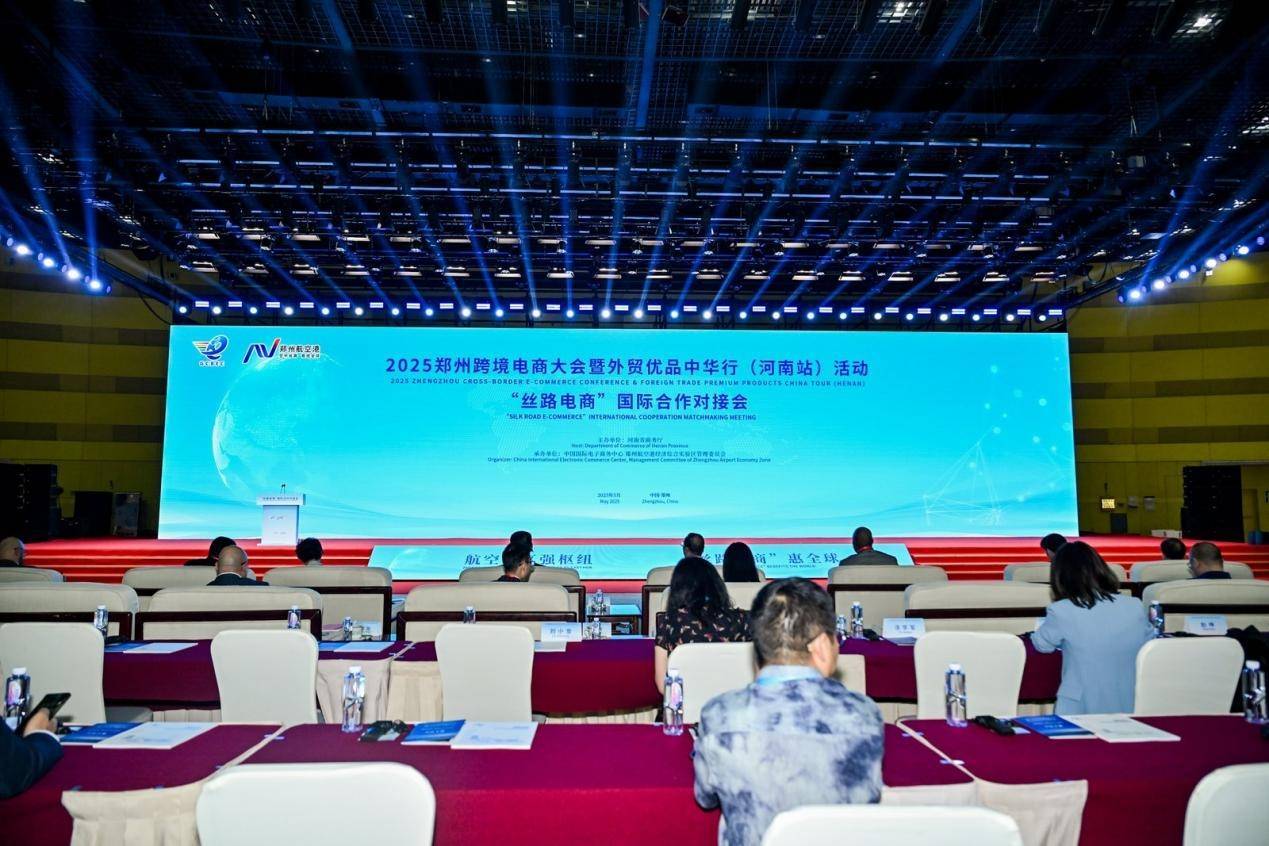
Core Viewpoint - The "Silk Road E-commerce" initiative is seen as a vital solution for cross-border e-commerce to navigate complex external environments and to tap into new growth points through international cooperation and digital trade globalization [3][5]. Group 1: International Cooperation - Multiple partner countries of the "Silk Road E-commerce" initiative have expressed their cooperation needs during the international cooperation meeting, emphasizing the importance of expanding into emerging markets along the Belt and Road [3]. - China has signed e-commerce cooperation memorandums with 34 countries, establishing bilateral cooperation mechanisms that invigorate global digital trade [3]. - The initiative is viewed as a pathway for economic diversification and empowerment of small businesses, particularly in regions like the Caribbean [5]. Group 2: AI Empowerment - AI has emerged as a key theme in discussions about new opportunities in cross-border e-commerce, with experts highlighting its role in enhancing efficiency and productivity [8][10]. - The application of AI technologies is transforming foreign trade, with examples such as a merchant in Yiwu using AI to create multilingual videos for marketing [10]. - Alibaba's international platform has introduced AI-driven tools to simplify global trade processes for merchants, enhancing operational efficiency and customer engagement [12]. Group 3: Zhengzhou's Role in Cross-Border E-commerce - Zhengzhou has developed into a significant hub for cross-border e-commerce, with the Zhengzhou Airport Economic Comprehensive Experimental Zone being a focal point for innovation and growth [14][15]. - The zone has achieved substantial growth in cross-border e-commerce, with projected import and export transactions reaching 1.66 million orders valued at 25.88 billion yuan in 2024, marking a 55.8% increase from 2023 [14]. - The establishment of multiple functional ports and a comprehensive logistics system has significantly reduced logistics costs and improved efficiency, facilitating global trade [15]. Group 4: New Projects and Developments - Eight new projects were signed during the event, including a digital service operation center for Douyin and the Alibaba cross-border e-commerce industrial park headquarters, which are expected to enhance technological capabilities in the region [17].

修订后的《快递暂行条例》即将施行 填补快递包装治理制度空白——快递包装“瘦身增绿”(大数据观察)
Ren Min Ri Bao· 2025-05-28 22:10
Core Viewpoint - The revised "Express Delivery Temporary Regulations" will take effect on June 1, introducing a dedicated chapter on "express packaging," which addresses the regulatory gap in packaging management and supports the green development of the express delivery industry [1]. Group 1: Industry Growth and Challenges - China's express delivery industry has entered the era of over 100 billion packages, with an expected volume exceeding 1.75 trillion packages in 2024, representing a year-on-year growth of 21.5% [1]. - The rapid growth of express delivery services has led to significant usage and disposal of packaging materials, making packaging management a crucial task for the industry's high-quality development [1]. Group 2: Green Transformation Efforts - The regulations encourage the adoption of new technologies and materials to develop environmentally friendly packaging [2]. - The packaging waste primarily consists of product packaging, e-commerce packaging, and delivery service packaging, with a focus on reducing, recycling, and upgrading packaging materials [2]. - Companies like Jingxing Packaging are utilizing recycled materials to produce corrugated paper, achieving a consumption rate of approximately 1.1 tons of waste cardboard for every ton of new paper produced [2]. Group 3: Innovations in Packaging - Companies are developing biodegradable tape and reusable packaging solutions, such as Zhongtong's "multi-life" boxes designed for frequent returns [3]. - The introduction of intelligent packaging systems has improved packaging efficiency, with original direct shipping increasing from about 5% to 25% in recent years, and projected to reach 40% [5][6]. - The use of smart recommendations for packaging materials has led to a 20% reduction in material usage across nearly 300 warehouses [6]. Group 4: Recycling and Circular Economy - The establishment of recycling facilities at delivery points is crucial for closing the packaging management loop [7]. - Initiatives like the "return box plan" at Zhejiang University have resulted in 90% of used boxes being recycled for further use, significantly reducing waste [8]. - The shift from a linear model of "manufacture-use-dispose" to a circular model of "production-consumption-recycling-reuse" is being accelerated through enhanced end-of-life management practices [8][9]. Group 5: Regulatory Framework and Future Directions - The regulations clarify the responsibilities of various stakeholders in the green governance of packaging, marking a significant step in the legal and standard implementation system [9]. - The National Postal Administration plans to promote a series of standards and policies to guide innovation in packaging products, technologies, and models, further advancing the green transformation of the express delivery sector [9].
畅谈Robotaxi和机器人配送小车
2025-05-27 15:28
Summary of Key Points from the Conference Call Company Overview - The document discusses the company Xiaoma Zhixing, which is set to go public in November 2024 with an IPO valuation of approximately $4.2 billion, lower than the pre-IPO valuation of $9 billion. Post-IPO, the stock price rebounded, indicating market interest in the company [1][5]. Industry Insights - Xiaoma Zhixing's revenue is expected to be predominantly from its Robotaxi business, projected to account for 80% of total revenue by 2028. Currently, the main revenue source is technology licensing, including sales of domain controllers and autonomous driving technology to companies like Meituan and Cainiao [1][5]. - The company showcased its seventh-generation Robotaxi, which has reduced operational costs by 70% and is collaborating with local automakers like BAIC and GAC to lower vehicle prices [1][6]. Financial Projections - The average Gross Merchandise Value (GMV) per Robotaxi is currently around several hundred thousand RMB annually, with expectations to exceed 200,000 RMB in the future. The company anticipates achieving group-level breakeven between 2028 and 2029, with single-vehicle breakeven expected by late 2025 to early 2026. By 2030, gross margins are projected to exceed 50%, with net margins reaching over 20% [3][20]. Technological Advancements - Xiaoma Zhixing possesses L4 level autonomous driving technology, which is a significant competitive advantage. The company collaborates with platforms like Gaode, Tencent, and Lichi to secure customer acquisition channels [1][7]. - The document outlines the complexity of autonomous driving applications, categorizing them into four scenarios: closed cargo, closed passenger, open cargo, and open passenger, with the latter being the most challenging [4]. Competitive Landscape - Key competitors include WeRide, Waymo, and various domestic and international automakers such as XPeng, Xiaomi, Huawei, and Tesla. While these competitors have technical capabilities, they are still catching up to L4 level autonomous driving technology [8]. Market Dynamics - The autonomous driving ecosystem is heavily reliant on technology, partnerships with ride-hailing platforms, and collaborations with automakers. Team stability is also crucial for maintaining operational efficiency and technological advancement [9]. Future Outlook - The document highlights the potential for autonomous delivery systems, particularly in low-density areas abroad and high-density areas domestically, indicating a growing market for such technologies [22]. - The differences between Robotaxi and autonomous delivery vehicles are noted, with Robotaxi companies providing both technical and hardware support, while delivery vehicles are easier to commercialize due to simpler operational scenarios [23]. Valuation Methods - Various valuation methods are discussed, including Price-to-Sales (PS), Price-to-Earnings (PE), and Discounted Cash Flow (DCF) approaches, with conservative estimates suggesting significant future valuation potential [21]. Conclusion - Xiaoma Zhixing is positioned to capitalize on the growing demand for autonomous driving solutions, with a strong focus on technology development and strategic partnerships, while navigating a competitive landscape that includes both domestic and international players.
