中国商飞

Search documents
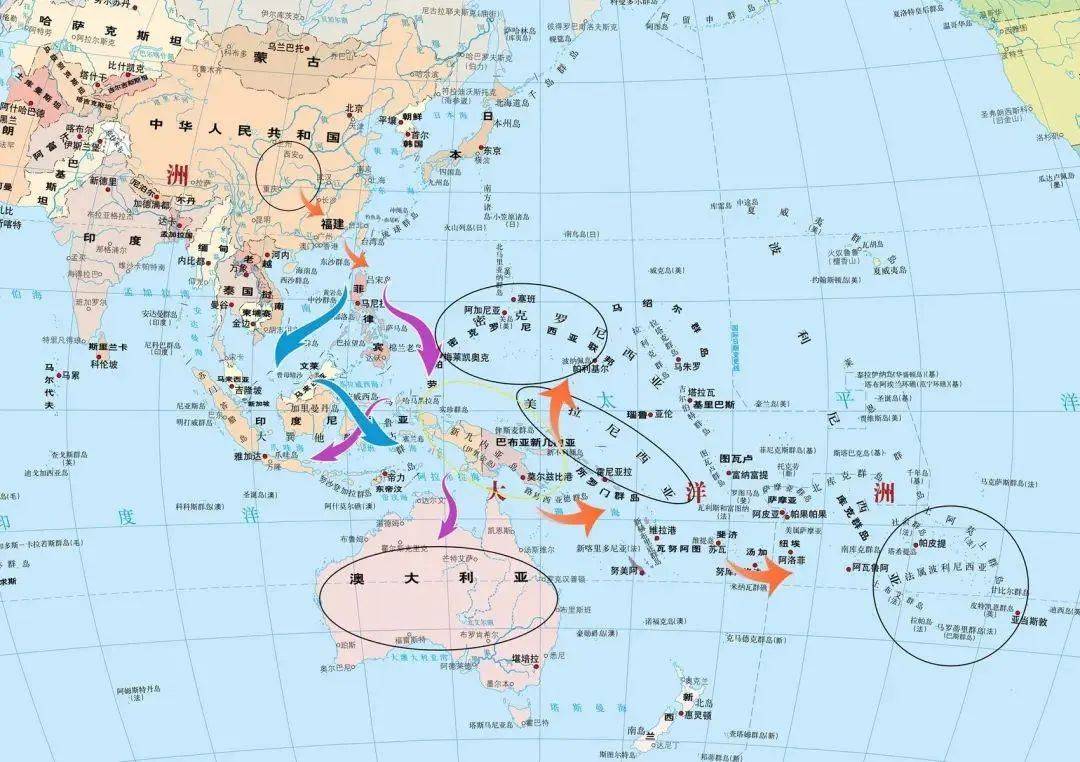
C919串起的长三角大飞机产业集群合作深化,加速关键技术研制突破
Xin Lang Cai Jing· 2025-06-07 09:14
Core Insights - The C919 aircraft has successfully launched commercial operations, marking its second anniversary with 25 routes covering 17 cities and transporting over 2.05 million passengers [1][4] - A framework agreement for the Yangtze River Delta aircraft industry cluster was signed, focusing on collaborative development and innovation in key areas of the aircraft industry [2][5] - The Yangtze River Delta region is emerging as a significant hub for the aircraft industry, housing over one-third of China's aircraft supply chain companies and generating industrial output exceeding 100 billion [4][5] Group 1 - The C919 aircraft has been in commercial operation for two years, with 18 units operated by major airlines and a total flight time exceeding 36,000 hours [1] - The framework agreement signed by Jiangsu, Zhejiang, Anhui, and Shanghai aims to create a collaborative and efficient regional industrial ecosystem for the aircraft industry [2][5] - The Yangtze River Delta is recognized as a major gathering place for the aircraft industry, with leading companies and nearly 1,000 related suppliers contributing to its robust industrial foundation [4] Group 2 - The Yangtze River Delta aircraft cluster was selected as a national advanced manufacturing cluster, indicating its strategic importance in the industry [5] - Future initiatives will focus on enhancing cross-regional cooperation, policy alignment, and the development of a nurturing ecosystem for enterprises of all sizes [5] - The collaboration is expected to strengthen supply chain coordination and accelerate breakthroughs in aircraft engine technology, addressing current challenges in the sector [6]

多家国内航司透露重启接收波音飞机!发动机供应怎样了
第一财经· 2025-06-07 08:56
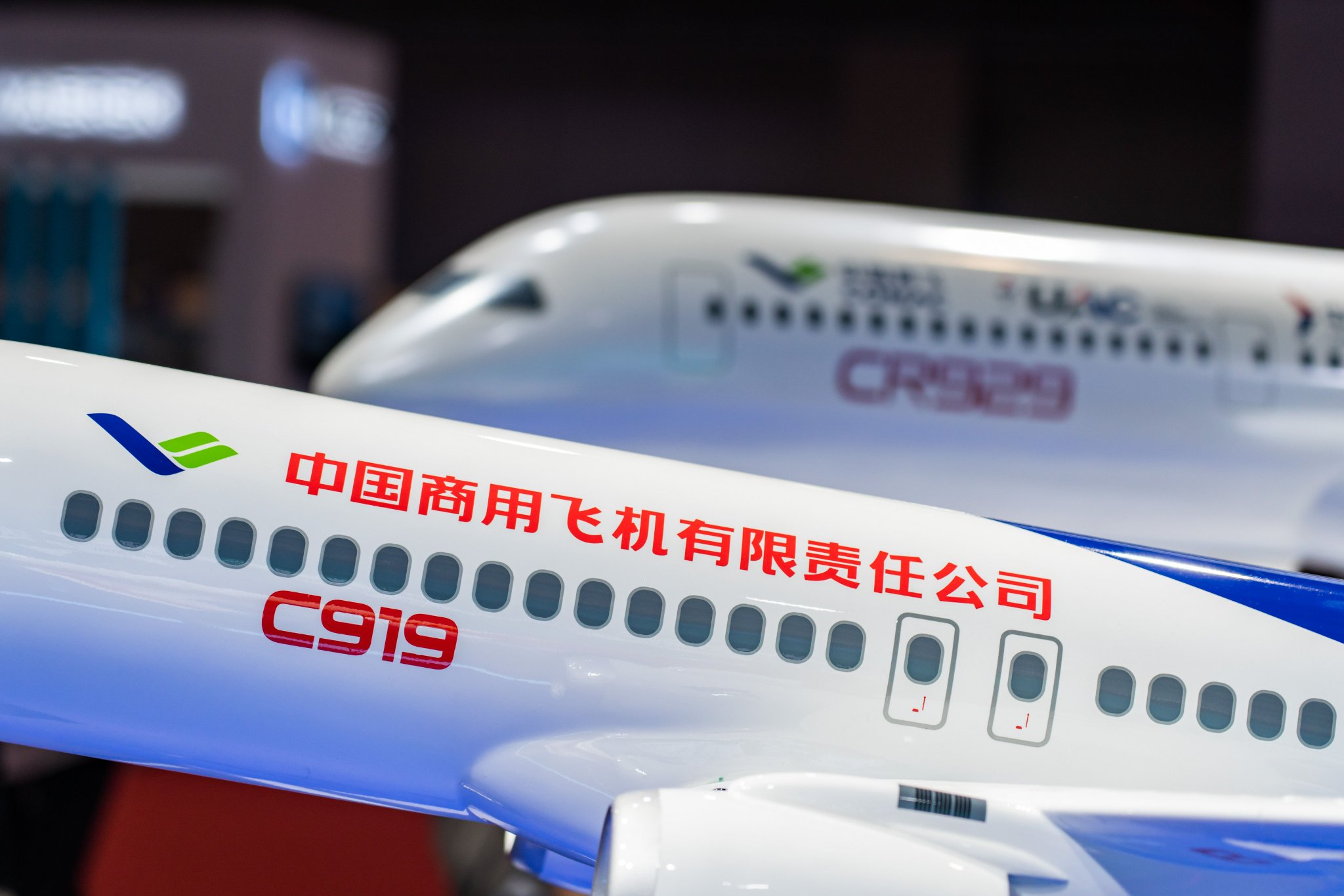
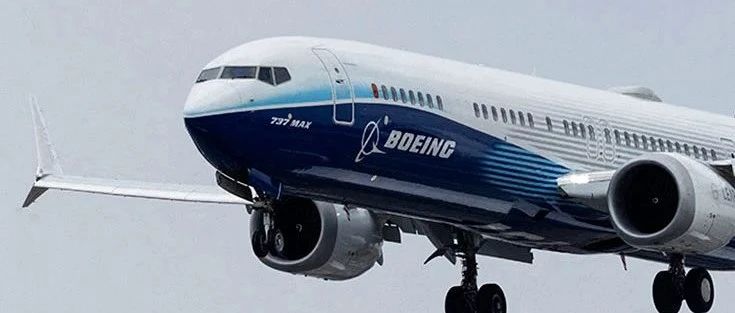
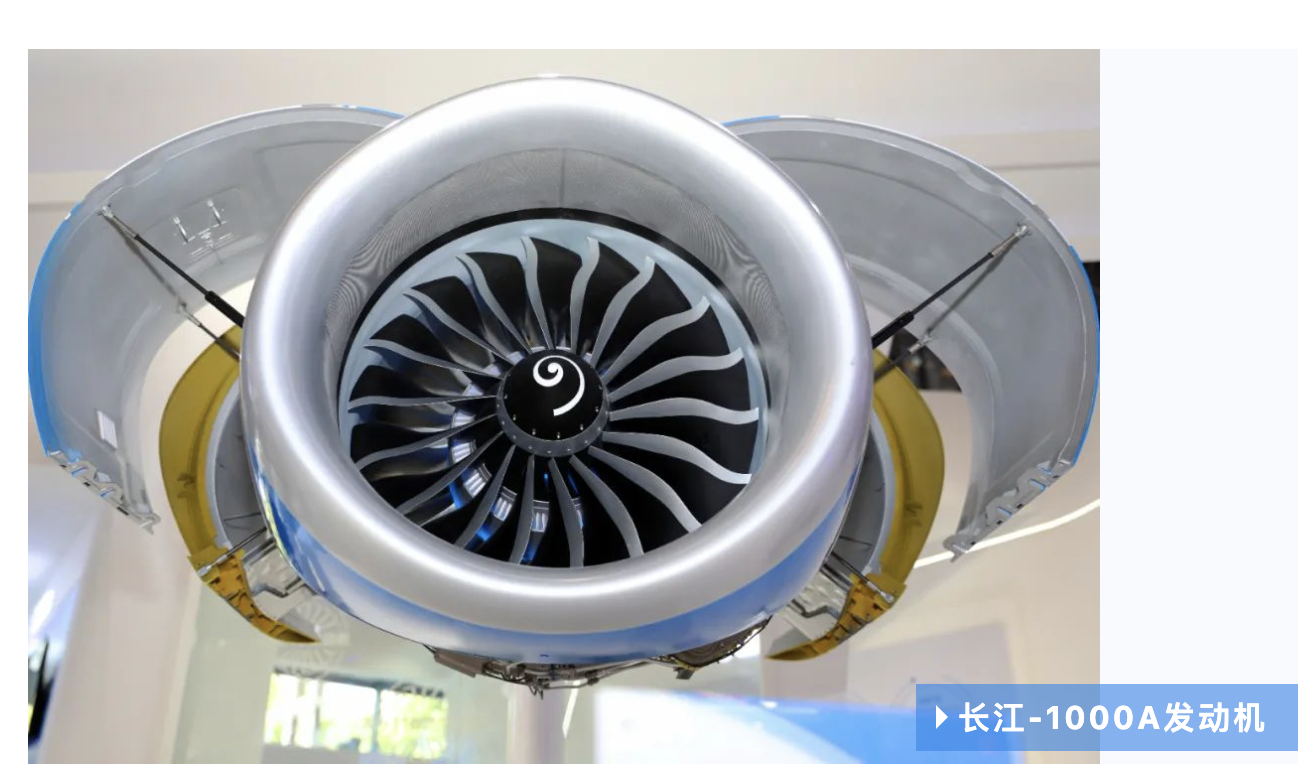
Core Viewpoint - The resumption of Boeing aircraft deliveries to Chinese airlines marks a significant development in the aviation industry, indicating a thaw in U.S.-China trade relations and a potential increase in aircraft supply to the Chinese market [4][6]. Group 1: Boeing Aircraft Deliveries - Chinese airlines have begun to receive Boeing aircraft again, with a new Boeing 737 MAX recently delivered from Seattle to China [2][6]. - The previous halt in deliveries was due to a 125% tariff imposed on aircraft imports, which has now been alleviated, allowing airlines to import aircraft at a reduced tax rate of 5% for narrow-body and 1% for wide-body aircraft [6][7]. - Multiple Chinese airlines, including Xiamen Airlines and China Eastern Airlines, are preparing to resume accepting Boeing aircraft deliveries, with several planes expected to be delivered in June [6][7]. Group 2: Market Impact and Future Prospects - Boeing's market share in China is significant, with 25% of its new aircraft deliveries going to China at its peak in 2018. This year, Boeing has delivered 20 aircraft to China and plans to deliver an additional 29 by the end of the year [7]. - The U.S. Department of Commerce has recently suspended licenses for certain U.S. companies to sell products and technologies to Chinese manufacturers, impacting the supply chain for aircraft engines and components [9]. - Despite these challenges, the C919 aircraft program continues to progress, with recent deliveries of C919 planes to Chinese airlines and ongoing production unaffected by the U.S. restrictions [9][10]. Group 3: Engine Development and Domestic Production - The LEAP-1C engine, used in the C919, is currently the only foreign engine in use, and its import requires U.S. export licenses. However, domestic production of engines is being prioritized, with the Longjiang-1000A engine under development for future aircraft [10][11]. - The Longjiang-1000A engine is China's first domestically developed engine with full intellectual property rights, designed to meet the needs of single-aisle aircraft [10][11]. - The recent restrictions on engine exports from the U.S. may accelerate China's efforts to develop its own aviation engine technology [11].

波音重启对华飞机交付,发动机供应怎样了
Di Yi Cai Jing· 2025-06-07 08:46
Group 1 - Several domestic airlines in China have resumed accepting Boeing aircraft after a two-month hiatus [1][2] - A new Boeing 737 MAX aircraft has been delivered to China, marking the restart of aircraft deliveries from Boeing [1][2] - The previous suspension of deliveries was due to a 125% tariff imposed under U.S.-China trade tensions, which has now been alleviated for aircraft and certain engine components [2][3] Group 2 - Boeing's market in China is significant, with one-quarter of its new aircraft deliveries going to China at its peak in 2018 [3] - Boeing has delivered 20 aircraft to China this year and plans to deliver an additional 29 by the end of the year [3] - The exemption from tariffs also applies to imported engines and other aviation materials, although there are ongoing restrictions on certain U.S. companies selling products to Chinese manufacturers [4][5] Group 3 - The C919 aircraft, developed by COMAC, has received three deliveries this year, with ongoing production unaffected by U.S. engine supply issues [5][6] - The LEAP-1C engine, used in the C919, is currently the only foreign powerplant, requiring U.S. export licenses for import [4][6] - China is accelerating the development of its own aviation engines, with the Longjiang-1000A engine being the first domestically developed engine for commercial use [7][9]
美国被制裁痛了,又给中国打电话求谈判
Sou Hu Cai Jing· 2025-06-07 07:39
Group 1 - The U.S. is attempting to control China's economic lifeline through various measures, but it underestimates China's response capabilities [1] - The U.S. has expressed urgency regarding China's alleged violations of trade agreements, despite its own initial actions against Huawei's chips [3] - The U.S. non-tariff sanctions have exposed its vulnerabilities, as China has the upper hand in retaliatory measures [4] Group 2 - The U.S. aims to limit China's access to technology and create a monopoly on chip usage, but the feasibility of these policies remains questionable [7] - The U.S. has issued warnings about the potential consequences of using American AI chips for Chinese AI training, and advised companies on supply chain protection [8] - China maintains a dominant position in the global rare earth supply chain, controlling over 90% of refining and separation capacity, which poses significant risks to U.S. military-related industries if disrupted [9] Group 3 - The U.S. has revoked visas for Chinese students linked to the government, which has been criticized as a discriminatory act that harms its international reputation [10] - The effectiveness of U.S. sanctions against China is diminishing, leading to a renewed urgency for negotiations from the U.S. side [10]
沈阳机床攻坚“制器之器” 国产工业母机冲刺高端化
Zhong Guo Zheng Quan Bao· 2025-06-06 21:00
Core Insights - The rapid development of new energy vehicles has led to increased orders and repeat purchases for industrial mother machines from automotive manufacturers [1] - Industrial mother machines are crucial for new industrialization, with high-end product production capabilities directly impacting the manufacturing level of high-end equipment in the country [1][2] - The production of industrial mother machines requires high precision and stability, with many components undergoing extensive manual refinement to ensure quality [2] Industry Overview - The industrial mother machine industry has seen overall technological improvements since the launch of the National Medium- and Long-Term Science and Technology Development Plan [3] - The market share of high-end products like five-axis linkage machining centers and CNC systems has increased from nearly zero to around 30% [3] - The import value of machine tool products in China decreased by 5.6% year-on-year to 2.37 billion yuan, while export value increased by 5.9% to 5.32 billion yuan in the first quarter of 2025 [3] Technological Development - High-end industrial mother machines are essential for national industrial development, serving as a foundation for the industrial chain and a driver for technological innovation [2] - The precision level of industrial mother machines must exceed that of the processed parts by one to two orders of magnitude, indicating a need for continuous optimization and iteration [3][5] - The industry is experiencing a transition from micron-level to sub-micron and nanometer-level precision, driven by breakthroughs in key technologies [5] Company Initiatives - Shenyang Machine Tool plans to invest over 1 billion yuan from 2021 to 2027 to enhance manufacturing capabilities and digital transformation [4] - The company has implemented a "three-step" strategy and "five principles" for production automation, flexible manufacturing systems, and digital management [4] - Shenyang Machine Tool's high-precision gantry machining center is set to achieve industrialization by 2025, showcasing significant advancements in precision and efficiency [5]

中美这场较量,终于迎来大结局?特朗普算盘全落空,美国自身难保
Sou Hu Cai Jing· 2025-06-06 05:26
Group 1: Trade Relations - The U.S.-China trade relationship has been characterized by escalating tensions, particularly through tariff battles initiated by the U.S. [1][3] - The U.S. raised tariffs on Chinese goods to 125%, but later expressed a desire for peace, indicating a failure of the tariff strategy [1][3] - China responded by increasing its tariffs and demonstrated resilience by not yielding to U.S. pressure, ultimately leading to concessions from the U.S. [1][3] Group 2: Technology and Industry - The U.S. has attempted to restrict China's access to essential technology, particularly in the semiconductor sector, but these efforts have backfired [3][4] - China's advancements in AI and EDA tools have significantly improved chip design efficiency by over 40%, showcasing its ability to overcome technological barriers [3] - The U.S. restrictions on companies like NVIDIA have resulted in substantial losses, exceeding $150 billion in orders, while failing to halt China's progress in chip self-sufficiency [3] Group 3: Aerospace and Defense - The U.S. has halted technology exports to China in the aerospace sector, yet China's COMAC has achieved a 60% localization rate for its C919 aircraft [4] - The U.S. military's reliance on Chinese rare earth materials for critical components, such as those used in the F-35 fighter jet, highlights its vulnerability [4] - The ongoing technological and supply chain challenges faced by the U.S. military underscore the risks associated with its strategy against China [4] Group 4: Diplomatic Dynamics - The U.S. has shown a willingness to engage diplomatically with China, as evidenced by Trump's unexpected attendance at the G20 summit to meet with Chinese officials [6] - Despite diplomatic overtures, the U.S. continues to provoke tensions in the South China Sea, revealing a contradiction in its approach to China [6][8] - The U.S. must reconsider its hegemonic mindset and adopt a more respectful and cooperative stance towards China to avoid further failures [8]
欧企迎来转机,将获得稀土特赦?美警告中国,威胁对C919做文章
Sou Hu Cai Jing· 2025-06-06 04:53
Group 1 - China's export control on rare earths is causing a production crisis for Western high-end manufacturing, particularly in Europe [1][3] - The European Union Chamber of Commerce has warned that manufacturers may run out of necessary materials within days due to China's restrictions [1][3] - China's Ministry of Commerce has hinted at a potential easing of export controls to Europe, emphasizing the importance of cooperation in the global semiconductor supply chain [3][5] Group 2 - European manufacturers rely heavily on Chinese rare earths for various industries, including electric vehicles, military applications, and semiconductor equipment [5][3] - The current "one batch, one certificate" policy in China has led to a backlog of thousands of license applications for rare earth exports [5][6] - The U.S. is reacting negatively to China's potential easing of export controls, with the U.S. Department of Commerce suspending certain licenses for American companies to sell products to Chinese manufacturers [6][7] Group 3 - The U.S. is particularly focused on the engines of China's C919 aircraft, which are critical for its development [7][10] - Despite the U.S. concerns, alternatives to the C919's engines exist outside of the U.S. market, indicating that sanctions may backfire [10]


中方一句话,打了美国脸,中国稀土管制,让特朗普的关税战成笑话
Sou Hu Cai Jing· 2025-06-05 10:28
近段时间,白宫经常传出希望中美高层将要举行通话的消息,足以看出美国已迫不及待想和中国谈判。 可面对白宫方面声称中美高层或在本周通话的言论,中方的一句话,狠狠打了美国的脸。 中国手中的"稀土牌",成为了我们与美国的"关税战"中最好的反制手段。这从特朗普政府频频暴怒跳脚,出台一系列对华限制措施的表现可以看出来。 美国一边不断发起对华制裁,一边又企求对华通话,葫芦里卖的什么药呢?其实原因很简单,那就是美国迫切希望中国能放松稀土出口管制,被"卡脖子"的 美国,有些喘不过来气了。 6月2日,白宫新闻秘书莱维特言之凿凿,称特朗普在本周可能与中方领导人通话。而在此前,美财政部长贝森特等多名美国官员都表示中美两国元首将举行 通话。 咱们也不知道美国人是从哪得来的消息,把没影儿的事说得跟真的似的。6月3日,中国外交部例行记者会上,针对记者提问此事,外交部发言人林剑用简短 的一句话做出回应。 "我没有可以提供的消息。"短短几个字,已把中国的态度表达的十分清楚。美国所期待的中美高层通话,想和我们谈贸易问题,在我们没有看到美国做出实 质性让步,是绝无可能的。 美国"政客新闻网"做出分析称,特朗普政府之所以大肆散布中美将通话的消息,一 ...

“为国际跨境流动提供最大便利”,东方枢纽大工程有了最新进展
Xin Lang Cai Jing· 2025-06-05 01:13
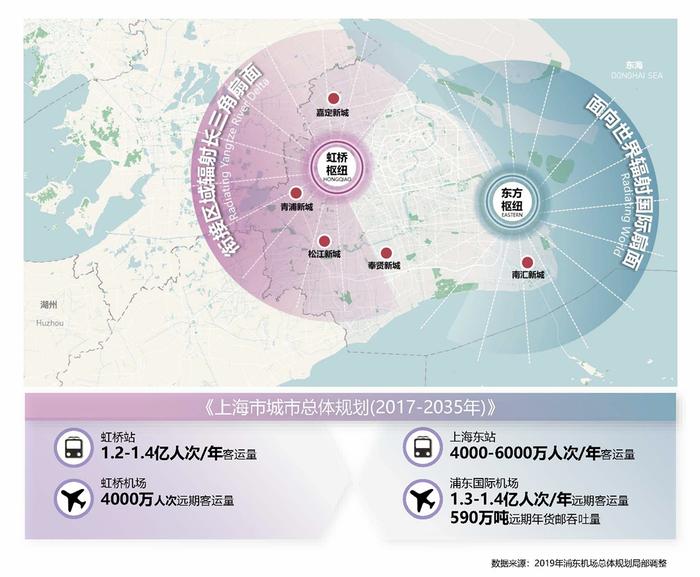
Core Insights - The Shanghai Oriental Hub is progressing with the first phase of the International Business Cooperation Zone expected to open by the end of this year [1] - The hub aims to become a world-class transportation center, connecting the Yangtze River Delta with global destinations [4][5] - The area is set to enhance Shanghai's role in international trade and business, with a focus on high-value industries [7][21] Planning and Development - The detailed planning for the Oriental Hub has been approved, covering an area of approximately 510 square kilometers [3] - The Shanghai East Station, part of the hub, is designed to handle 400 to 600 million passengers annually, with a total construction area of over 1.3 million square meters [4] - The hub will integrate various transportation modes, including national and regional railways, urban transit, and airport connections [4] Strategic Importance - The Oriental Hub is positioned as a key player in China's international aviation competition, with a projected annual passenger flow of 170 to 200 million [4][7] - It will serve as a center for high-tech industries, including electronic information and biomedicine, enhancing the supply chain network [7] - The hub is expected to facilitate greater international connectivity and resource integration, becoming a pivotal point for the Yangtze River Delta's development [7][8] Industry Focus - The planning emphasizes the development of three main industries: aviation, airport-related industries, and service sectors linked to high-speed rail [17][21] - The area will focus on enhancing the aviation supply chain, increasing the localization rate of the aircraft industry, and fostering innovation [19] - The International Business Cooperation Zone will attract global talent and facilitate cross-border business activities, enhancing Shanghai's international profile [15][20] Infrastructure and Connectivity - The hub will improve transit efficiency and connectivity, with plans to optimize flight schedules and reduce cargo clearance times [12] - A new management framework will allow foreign personnel to enter the business cooperation zone without traditional visa requirements, promoting ease of access [14] - The planning includes a "2+3+10" industrial layout to strengthen connections between the airport economy and surrounding industries [21]
美国连出4拳,只为一件事!特朗普万万没想到,东大这招太高明!
Sou Hu Cai Jing· 2025-06-04 08:18
Group 1: U.S. Measures Against China - The U.S. has intensified its crackdown on China despite a temporary truce in the trade war, indicating a long-term strategy to view China as a primary strategic competitor [1] - The U.S. has implemented a comprehensive ban on AI chip exports to China, which includes a policy effective from May 15, 2025, prohibiting global companies from using Huawei's Ascend series chips [2] - The U.S. has pressured major EDA companies like Synopsys, Cadence, and Siemens to stop providing chip design software to certain Chinese clients, initially targeting military-related enterprises [2] Group 2: Aerospace Technology Restrictions - The U.S. has suspended the sale of critical technologies, including jet engine technology, to China, specifically targeting the COMAC C919 project to hinder China's progress in large aircraft manufacturing [7] - Despite these restrictions, China has made significant advancements in aerospace technology, with the CJ1000A engine, which has been in development since 2011, nearing mass production [7] Group 3: Visa Restrictions for Chinese Students - The U.S. announced an increase in visa revocations for Chinese students, particularly in STEM fields, aiming to prevent the influx of high-end talent into the U.S. [8] - This move may inadvertently encourage more Chinese students to pursue education domestically, fostering innovation and development within China [10] Group 4: Geopolitical Strategy - The U.S. is leveraging its "Indo-Pacific Strategy" to disrupt China's regional influence, attempting to use Southeast Asian nations to contain China and provoke regional conflicts [12] - Despite U.S. military deployments in the Indo-Pacific, China's influence in the region continues to grow, as evidenced by its active participation in ASEAN and other diplomatic engagements [12]