
茶百道

Search documents
茶咖日报|星巴克海外店员被指辱骂广东消费者,公司回应:已解雇
Guan Cha Zhe Wang· 2025-09-25 12:08
Group 1: Starbucks Incident - A Starbucks employee in Malaysia was accused of insulting a customer, leading to public outrage [1] - The employee has been terminated, and Starbucks issued an apology through its official overseas account [1] - The incident highlights the importance of respect in customer service, as emphasized by the franchise owner, Success Food Group [1] Group 2: JD's Seven Fresh Coffee - JD is launching a low-cost coffee brand, Seven Fresh Coffee, aiming to enter the affordable coffee market with products priced under 10 yuan [2] - The company is recruiting business partners under a light-asset model, where partners provide the location and initial investment while JD manages operations [2] - A unique revenue-sharing mechanism allows partners to earn 5% of each coffee sale, with additional incentives for using their own staff [2][3] Group 3: 7 Fen Tian's Frozen Mango Controversy - The fruit tea brand 7 Fen Tian has been accused of using frozen mangoes with a shelf life of 24 months in its drinks [4] - Customer service confirmed the use of frozen mangoes but did not clarify why fresh mangoes were not used despite their availability [4] Group 4: Tea Baidao Management Change - Sichuan Tea Baidao announced a change in its joint company secretary, with Li Zhongcheng resigning and Zou Xinglong taking over [5][6] - Zou Xinglong brings over 14 years of experience in company secretarial and legal fields, enhancing the company's governance and investor relations [6]



茶百道(02555) - 2025 - 中期财报
2025-09-25 08:31
Financial Performance - The company reported unaudited interim consolidated financial data for the six months ending June 30, 2025[13]. - The group recorded revenue of RMB 2,499.6 million for the first half of 2025, an increase of 4.3% compared to the same period last year[14]. - Revenue for the six months ended June 30, 2025, was RMB 2,499,550 thousand, representing a 4.3% increase from RMB 2,395,829 thousand in the same period of 2024[97]. - Gross profit for the reporting period was RMB 814.8 million, up 7.2% from RMB 760.1 million year-on-year, with a gross margin increase to 32.6%[34]. - Profit for the period increased by 39.5% to RMB 332.9 million, compared to RMB 238.6 million in the same period last year[43]. - The profit for the six months ended June 30, 2025, reached RMB 325,903,000, an increase from RMB 237,047,000 for the same period in 2024, representing a growth of approximately 37.5%[121]. - Basic earnings per share for the period was RMB 0.221, compared to RMB 0.178 in the previous year, showing an increase of 24.2%[98]. - The company reported a total comprehensive income of RMB 186,819 thousand for the period, down from RMB 221,004 thousand in 2024[98]. Operational Highlights - The company has a major operational presence in Chengdu, Sichuan Province, China[10]. - The number of stores increased from 8,385 as of June 30, 2024, to 8,444 as of June 30, 2025, representing a year-on-year growth of 0.7%[19]. - The number of franchisees increased from 5,742 at the beginning of the period to 5,833 at the end, with a net addition of 91 franchisees[24]. - The company launched 55 new products and upgraded 9 existing products during the reporting period[26]. - Approximately 93.8% of stores achieved next-day delivery, with about 95% receiving two or more deliveries per week[27]. - The group established 26 distribution centers nationwide, enhancing delivery capabilities in the East China region[27]. - The company continues to penetrate lower-tier cities to enhance brand awareness and service more consumers[17]. Shareholder Information - The company is controlled by major shareholders including Mr. Wang and Ms. Liu, who hold 60% and 40% respectively through Chengdu Jinbaisen[4]. - As of June 30, 2025, Mr. Wang holds 239,598,750 H-shares (16.2150%) and has controlled interests in 906,386,000 H-shares (61.3404%) through a controlled corporation[70]. - Major shareholder Chengdu Jinbaisen holds 900,000,000 H-shares, accounting for 60.9082% of the total issued share capital[75]. - Ms. Liu, Mr. Wang's spouse, holds 76,399,250 H-shares (5.1704%) and has similar controlled interests as Mr. Wang[70]. Financial Position - Cash and cash equivalents as of June 30, 2025, totaled RMB 3,243.9 million, a decrease of 8.9% from RMB 3,559.9 million as of December 31, 2024, primarily due to profit distribution payments[48]. - Total assets as of June 30, 2025, were RMB 3,934,161 thousand, down from RMB 4,082,754 thousand in 2024[101]. - Non-current liabilities decreased to RMB 99,585 thousand from RMB 149,061 thousand, indicating a reduction of 33.3%[101]. - The company had no bank borrowings as of June 30, 2025, indicating a strong capital structure[52]. - The total equity as of June 30, 2025, was RMB 3,834,576,000, reflecting an increase from RMB 3,933,693,000 as of January 1, 2025[104]. Expenses and Costs - Distribution and selling expenses increased by 42.7% to RMB 150.1 million, driven by higher costs related to new product launches and brand marketing efforts[36]. - Administrative expenses rose by 17.9% to RMB 257.4 million, mainly due to increased employee compensation and consulting fees[37]. - The company incurred inventory costs of RMB 1,651,171,000 for the six months ended June 30, 2025, slightly up from RMB 1,625,676,000 in 2024, indicating a marginal increase of 1.6%[117]. Employee Incentive Plan - The company has established a pre-IPO employee incentive plan approved on June 27, 2023[5]. - The incentive plan aims to enhance employee motivation and promote sustainable growth of the group[67]. - The company adopted an employee incentive plan prior to its IPO, with 6,386,000 shares subscribed, representing approximately 0.4322% of the total issued shares[67]. - The company will not issue further shares under the pre-IPO employee incentive plan after listing[67]. Corporate Governance - The company has complied with all applicable corporate governance codes during the reporting period ending June 30, 2025[78]. - The board and supervisory board members did not change during the reporting period[76]. - The company has established a review committee to oversee financial reporting and has engaged Deloitte as its independent auditor for the interim results[89]. Future Plans - The company aims to expand its market presence and enhance product offerings in the upcoming fiscal periods[12]. - The company plans to enhance product development capabilities and expand its product matrix to meet market trends and consumer demands in the second half of 2025[33]. - The company aims to strengthen supply chain collaboration and delivery capabilities to improve overall operational efficiency[33].
过去十年,哪些“超级奶茶”封神了?
3 6 Ke· 2025-09-25 00:52
Core Insights - The article discusses the evolution of the new tea beverage industry over the past decade, highlighting significant product innovations and trends that have shaped consumer preferences [2][3]. Industry Evolution - The new tea beverage industry has experienced a "golden decade" from 2015 to 2025, marked by the emergence of "super milk teas" and innovative product offerings [2][4]. - Key products that defined this period include cheese milk cap tea, fresh fruit tea, and various unique flavors that have captured market attention [4][6]. Major Trends and Innovations - 2016 saw the rise of cheese milk cap tea, with brands like Heytea and Naixue introducing fresh fruit tea combinations, which became a hallmark of the new tea beverage era [4][6]. - The introduction of brown sugar drinks in 2017, such as the "dirty tea" from brands like Dujiaoxiang, created a new market segment and led to widespread popularity [8][10]. - By 2018, the market witnessed a surge in niche products, with brands like Shuyi and Hushang Ayi focusing on unique ingredients like grass jelly and red bean milk tea, leading to rapid expansion [14][16]. Product Highlights - Notable products from 2019 to 2020 included the introduction of creamy toppings and the "eight-treasure porridge" style drinks, which redefined consumer expectations for beverage complexity [19][21]. - The trend of using lesser-known fruits in beverages gained traction in 2021, with products like oil citrus and yellow skin fruit becoming popular, showcasing a shift towards unique flavor profiles [21][24]. - The introduction of health-focused beverages in 2023, such as light milk tea and avocado yogurt smoothies, reflects changing consumer preferences towards healthier options [29][31]. Future Outlook - By 2025, the industry is expected to continue evolving towards richer flavors and healthier options, with products like mint milk green tea and Thai salted yogurt gaining popularity [33][35]. - The article emphasizes that despite market saturation, true product innovation and quality will drive the industry's future growth, highlighting the importance of continuous improvement in ingredients and flavor profiles [35].

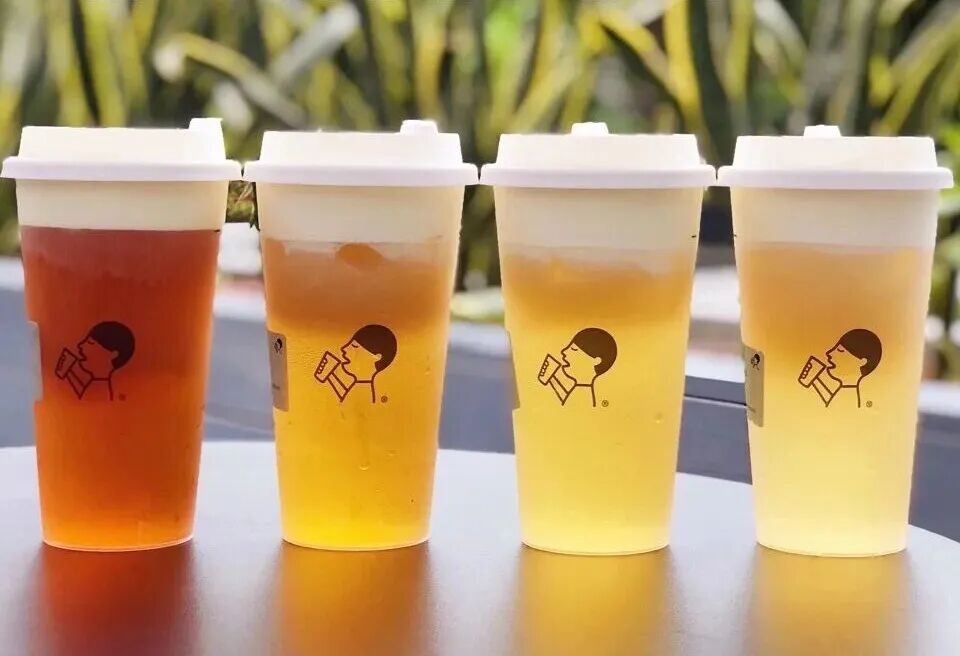
杨艳彬《一饭封神》后首个联名!与茶百道合作推出“浓奶茶”新品
Xin Lang Zheng Quan· 2025-09-24 02:16
Core Insights - The popular variety show "Yi Fan Feng Shen" recently concluded, and runner-up chef Yang Yanbin's first co-branded beverage has sold nearly 900,000 cups since its launch [1][3] - Yang Yanbin collaborated with leading new tea brand Cha Bai Dao to introduce a series of "salty milk tea" drinks, including "Palace Salty Milk Tea" and "Thousand Eye Salty Milk Tea" [1][3] Company Collaboration - This collaboration marks Yang Yanbin's first partnership with a new tea brand following his appearance on "Yi Fan Feng Shen" and is his first cross-industry collaboration as a Michelin young chef [3] - The drinks have received positive feedback from consumers, with descriptions likening the experience to drinking a light cheesecake [3] Product Features - Yang Yanbin emphasizes the unique flavor profile of the drinks, combining specially crafted salty cheese with high-quality tea, offering a rich and layered taste experience [3] - He recommends a specific tasting method to enhance the flavor experience, starting with the cheese foam and then mixing it with the tea [3] Background Information - Yang Yanbin, born in 1993, is the head chef of the Michelin one-star restaurant "Fu Man Lou" in Chengdu and won the "Chengdu Michelin Guide Young Chef Award" in 2024 [3] - Both Yang Yanbin and Cha Bai Dao share a common origin from Chengdu, and Cha Bai Dao has a significant tea production base in Yang's hometown of Fujian [3]
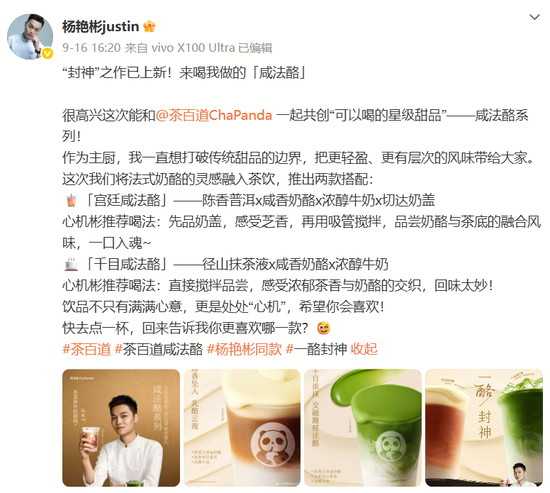
奶茶加白酒,第一天就卖了近12万杯!要让年轻人喝酒,还是跨界最好用?
Mei Ri Jing Ji Xin Wen· 2025-09-23 12:49
Core Viewpoint - The return of the classic white liquor milk tea "Drunk Step on the Road" by the new tea drink brand Cha Baidao highlights the growing trend of cross-industry collaboration between liquor and tea drink brands, aiming to capture the expanding market of young consumers in the "micro-drunk economy" [1][9][10]. Group 1: Product Launch and Market Response - "Drunk Step on the Road" was first launched in 2020 as a collaboration between Cha Baidao and Luzhou Laojiao, and it has made a comeback after five years, achieving nearly 120,000 cups sold on its first day [1][2]. - The product has generated significant buzz on social media, with consumers expressing surprise at its taste, which combines milk and a subtle hint of white liquor [2][4]. - Sales of "Drunk Step on the Road" have been strong in various locations, particularly in settings like cinemas where consumers seek a light alcoholic beverage [4][5]. Group 2: Industry Trends and Consumer Behavior - The beverage market is increasingly leaning towards younger, lower-alcohol, and healthier options, with young consumers driving the "micro-drunk economy" [1][9]. - Reports indicate that over 60% of white liquor consumption is now attributed to young consumers aged 18-35, with the potential market size for young drinkers reaching 400 billion yuan [10][11]. - The trend of cross-industry collaborations is seen as a way for liquor brands to attract younger consumers, with various brands experimenting with new flavors and marketing strategies [11][12]. Group 3: Future Outlook and Challenges - Industry experts suggest that while the initial sales of "Drunk Step on the Road" are promising, long-term success will depend on the product's ability to encourage repeat purchases [8][15]. - The market for low-alcohol beverages is growing, with a reported market size of approximately 634.1 billion yuan in 2023, indicating a shift in consumer preferences towards lighter options [15]. - Experts caution that the novelty of liquor and tea drink collaborations may wear off, and brands need to focus on product quality and consumer engagement to sustain interest and sales [16].


白酒搭奶茶 能撬动4000亿年轻人酒饮市场吗?
Mei Ri Jing Ji Xin Wen· 2025-09-23 12:12
Core Viewpoint - The collaboration between Luzhou Laojiao and Cha Baidao, named "Drunken Steps to the Road," marks a significant attempt to merge the tea and liquor industries, aiming to attract younger consumers after a five-year hiatus [2]. Group 1: Product Launch and Market Response - The product was relaunched and achieved nearly 120,000 cups sold on the first day, indicating strong consumer interest and engagement [2]. - The reintroduction of this product has been humorously referred to as "Empress Xi's Return to the Palace" by netizens, highlighting its nostalgic appeal [2]. Group 2: Industry Trends and Consumer Behavior - Liquor brands are increasingly seeking to engage with younger demographics through innovative collaborations, as seen with Moutai's partnership with Luckin Coffee to launch a sauce-flavored latte [2]. - The shift in consumer demand is towards experiences and consumption scenarios, rather than just the products themselves, suggesting a need for brands to adapt their marketing strategies [2]. - Industry experts suggest that such cross-industry collaborations may not lead to frequent repurchases, but serve to make liquor brands more approachable and relevant to younger consumers [2].
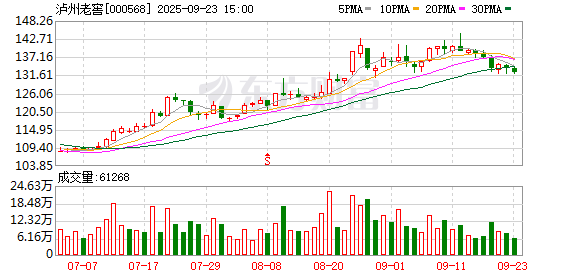
白酒搭奶茶,能撬动4000亿年轻人酒饮市场吗?
Mei Ri Jing Ji Xin Wen· 2025-09-23 12:07
Group 1 - The core idea of the article is the collaboration between Luzhou Laojiao and Cha Baidao, marking a return of their product "Drunken Steps on the Road" after five years, which combines milk tea and liquor for the first time [1] - The product's re-launch was met with significant consumer interest, achieving nearly 120,000 cups sold on the first day, indicating strong demand among young consumers [1] - The liquor industry is increasingly seeking to engage younger audiences through innovative collaborations, as seen with Moutai's partnership with Luckin Coffee and various promotional events by Luzhou Laojiao [1] Group 2 - Current consumer preferences are shifting towards experiences and consumption scenarios rather than just products, highlighting the importance of emotional engagement in marketing strategies [1] - Industry experts suggest that such cross-industry collaborations may not lead to frequent repurchases, but serve to make liquor brands more approachable and relevant to younger consumers [1] - The trend of periodic collaborations is viewed as a more realistic approach for liquor brands to connect with new generations, rather than relying on constant engagement [1]
奶茶外卖“隐形门槛”:一杯不够起送,两杯喝不完
Qi Lu Wan Bao Wang· 2025-09-23 11:49
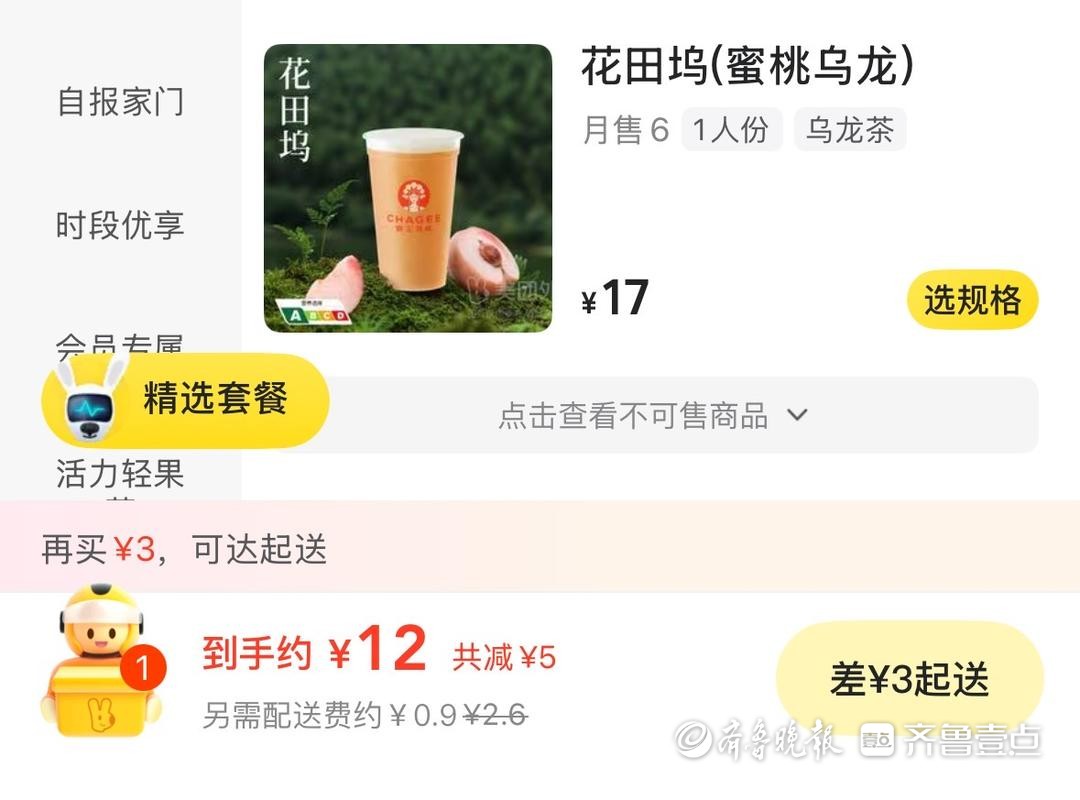
Core Viewpoint - The article discusses the rising issue of high minimum order fees in the milk tea industry, which forces consumers to purchase additional items to meet delivery thresholds, leading to dissatisfaction and complaints among customers [1][10][15]. Group 1: Minimum Order Fees - Many milk tea brands have set minimum order fees ranging from 15 to 25 yuan, while several individual products are priced below these thresholds, making it difficult for consumers to place single-item orders [3][5]. - For instance, "霸王茶姬" has a minimum order fee of 20 yuan, while many of its products are priced at 17 yuan, leaving consumers needing to purchase additional items to meet the fee [3][5]. - The minimum order fee is calculated based on the original price of the products and does not include delivery fees, which can lead to additional costs for consumers even after meeting the minimum order requirement [5][6]. Group 2: Company Policies and Consumer Impact - The minimum order fees are set by the companies' headquarters and are not subject to change by individual stores, which often suggest consumers purchase low-cost items to meet the requirements [6][7]. - The rationale behind setting these fees is to cover operational costs, as low-priced items may not be profitable after accounting for ingredients, platform fees, and delivery costs [7][12]. - Consumers have expressed frustration over the high minimum order fees, which they feel create unnecessary barriers to purchasing single items, potentially deterring them from making purchases altogether [9][10][15]. Group 3: Regulatory Context - There are no specific national regulations governing the setting of minimum order fees, but recent guidelines from regulatory bodies suggest that these fees should be set reasonably based on various factors, including product pricing and delivery distance [11][12]. - Experts recommend that minimum order fees should be linked to the prices of the products sold, and if the fees exceed the prices of most items, they may be deemed unreasonable [10][15]. - The market supervision authorities emphasize that businesses should transparently display their pricing standards, allowing consumers to make informed choices [12][13].
前瞻全球产业早报:比亚迪李云飞回应巴菲特清仓
Qian Zhan Wang· 2025-09-23 11:45
Group 1: Banking and Financial Sector - As of June 2023, China's banking sector total assets reached nearly 470 trillion yuan, ranking first in the world [2] - The People's Bank of China maintains a supportive monetary policy stance, emphasizing a balanced approach to internal and external factors following the recent Federal Reserve rate cut [4] Group 2: Energy Sector - By 2030, China's energy equipment industry aims to achieve self-sufficiency in its supply chain, focusing on high-end, intelligent, and green development [3] Group 3: Consumer Goods and Retail - Guizhou Moutai has not adjusted its annual performance targets despite rumors, with the company on track to meet its goals for the first half of the year [4] Group 4: Technology and AI - OpenAI is collaborating with domestic supply chains in China to develop consumer-grade devices, with confirmed partnerships involving companies like Luxshare Precision [5][6] - A report indicates that OpenAI's initiatives in edge devices could benefit Chinese hardware companies within Apple's supply chain [12][13] Group 5: Automotive and Transportation - BMW has announced the launch of its third-generation hydrogen fuel cell system, with prototype production already underway [14] - Li Auto's CEO clarified that there is no model named "Li Auto i7," addressing public inquiries about the vehicle [10] Group 6: Market Performance - Anta Sports experienced a significant drop in market value, losing approximately 12.5 billion HKD due to negative public sentiment surrounding a recent event [7] - BYD's response to Berkshire Hathaway's divestment indicates a normal investment cycle, with the company expressing gratitude for past support [8] Group 7: International Relations and Policy - Trump's new H-1B visa policy, requiring a $100,000 fee, could significantly impact India's $280 billion outsourcing industry, prompting strategic adjustments from major firms [10] Group 8: Stock Market Trends - A report indicates that the A-share market saw collective gains, while the Hong Kong stock market experienced declines across major indices [19]


茶百道:邹醒龙获委任为联席公司秘书、授权代表及法律程序代理人
Zhi Tong Cai Jing· 2025-09-23 10:53
Group 1 - The company announced that Mr. Li Zhongcheng has resigned from his positions as Co-Company Secretary, Authorized Representative, and Legal Process Agent effective September 23, 2025 [1] - Following Mr. Li's resignation, Mr. Zou Xinglong has been appointed as Co-Company Secretary, Authorized Representative, and Legal Process Agent, also effective September 23, 2025 [1] - Mr. Xue Zenghui will continue to serve as another Co-Company Secretary [1]