
华为

Search documents
大厂AI竞速,争抢超级入口|TMT年度盘点
经济观察报· 2026-02-15 02:55
Core Viewpoint - By 2025, the paradigm, value, and capabilities of AI will be fully confirmed, leading to significant technological investments, competitive differentiation, and market segmentation in 2026 [1][3]. Group 1: Industry Trends - The technology and internet sectors are experiencing rapid changes, with major companies competing fiercely in computing power and large model applications [2]. - Companies are shifting from a focus on technology arms races to defining scenarios for technology application, emphasizing the need to reconstruct existing business loops or create new interaction entry points [5]. Group 2: Major Company Strategies - Tencent, Alibaba, and ByteDance are heavily investing in AI, with Tencent's annual investment reaching hundreds of billions, Alibaba planning to invest 380 billion over three years, and ByteDance's capital expenditure projected to increase from 150 billion in 2025 to 160 billion in 2026 [3][4]. - Alibaba is developing its own AI chip and deploying large-scale clusters to serve over 400 clients, while Tencent is procuring GPUs and establishing AI research centers [3][4]. Group 3: Market Dynamics - The competition is intensifying, with companies like ByteDance developing their own AI chips and achieving significant daily usage metrics for their models [4]. - The narrative around computing power is shifting, with a focus on achieving greater value from lower energy costs, as exemplified by Alibaba's cloud initiatives [4]. Group 4: Future Outlook - 2026 is anticipated to be a watershed year, with the emergence of multi-modal foundational models leading to a Matthew effect, where only a few general intelligent agents will prevail [5].



启境入局:中国汽车智能化下半场的价值回归与高端突围
经济观察报· 2026-02-15 02:11
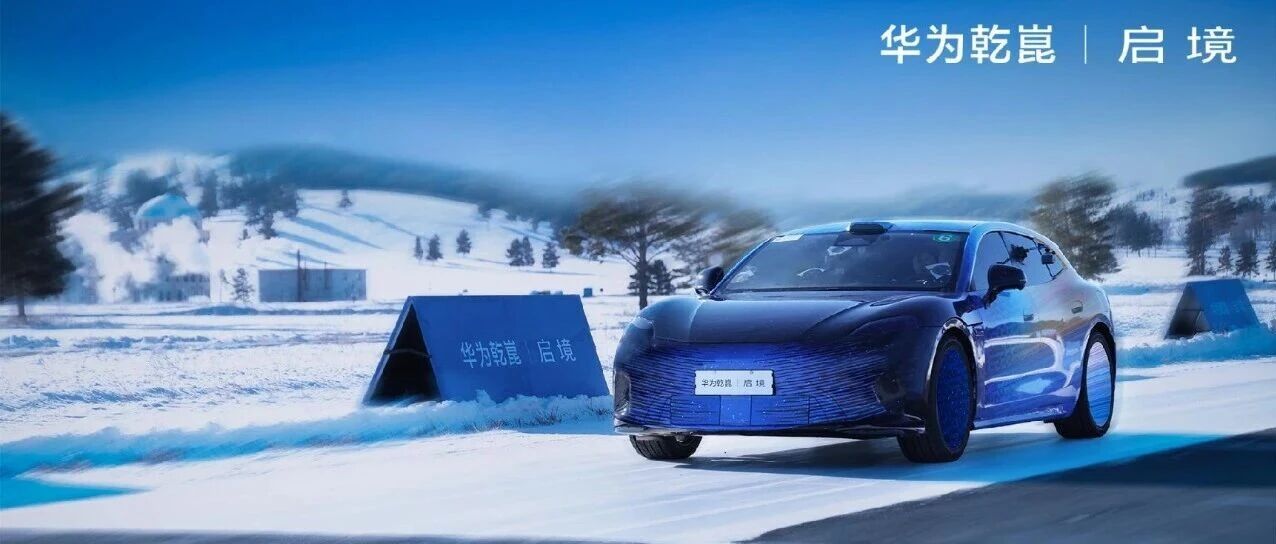
Core Viewpoint - The emergence of Qijing Automotive represents a significant exploration in the intelligent and high-end development path of the Chinese automotive industry during a critical period of transformation [1][26]. Group 1: Strategic Shift from Electrification to Intelligentization - By the end of 2025, the penetration rate of new energy vehicles in China is expected to approach 60%, indicating that the electrification phase is nearing completion, while the intelligentization phase is just beginning [2][6]. - The automotive industry is undergoing a structural transformation, with a shift in competition from mere electrification to intelligentization, as evidenced by the increasing demand for smart, personalized vehicles [6][8]. - Over 80% of automotive companies have initiated AI pilot projects, but only 15% have achieved large-scale application, highlighting the transition from "whether to do" to "how to do it right" in intelligentization [2][8]. Group 2: Challenges in Intelligent Transformation - The transition to intelligentization presents significant challenges, including the need for comprehensive capabilities in data collection, processing, and system integration [16][17]. - Companies must prepare for the responsibilities associated with Level 3 automation, requiring robust safety and quality management systems throughout the product lifecycle [16][20]. - The collaboration model in the intelligent era necessitates deep integration of hardware, software, algorithms, and data, moving beyond traditional supply chain relationships [17][20]. Group 3: Qijing's Unique Position and Strategy - Qijing is positioned as a strategic player in the intelligentization arena, focusing on redefining what constitutes a high-quality vehicle in the smart era [14][26]. - The collaboration between Qijing and Huawei is characterized by "embedded collaboration," allowing for joint product logic definition and system performance validation [16][20]. - Qijing aims to leverage its partnerships to create a new value benchmark in the high-end market, combining technology, luxury, and reliability [26][31]. Group 4: Value Transition of Chinese Brands - Chinese automotive brands are experiencing a value transition, with Qijing positioned to capitalize on this shift by enhancing product quality, user experience, and redefining value in the high-end market [24][26]. - The traditional dominance of luxury brands is declining, with Chinese brands making significant inroads into the high-end market through advancements in electric and intelligent technologies [24][26]. - Qijing's strategy emphasizes a comprehensive user experience and a differentiated dealer network, reflecting growing confidence in Chinese high-end intelligent automotive brands [26][31].

启境入局:中国汽车智能化下半场的价值回归与高端突围
Jing Ji Guan Cha Wang· 2026-02-15 02:07
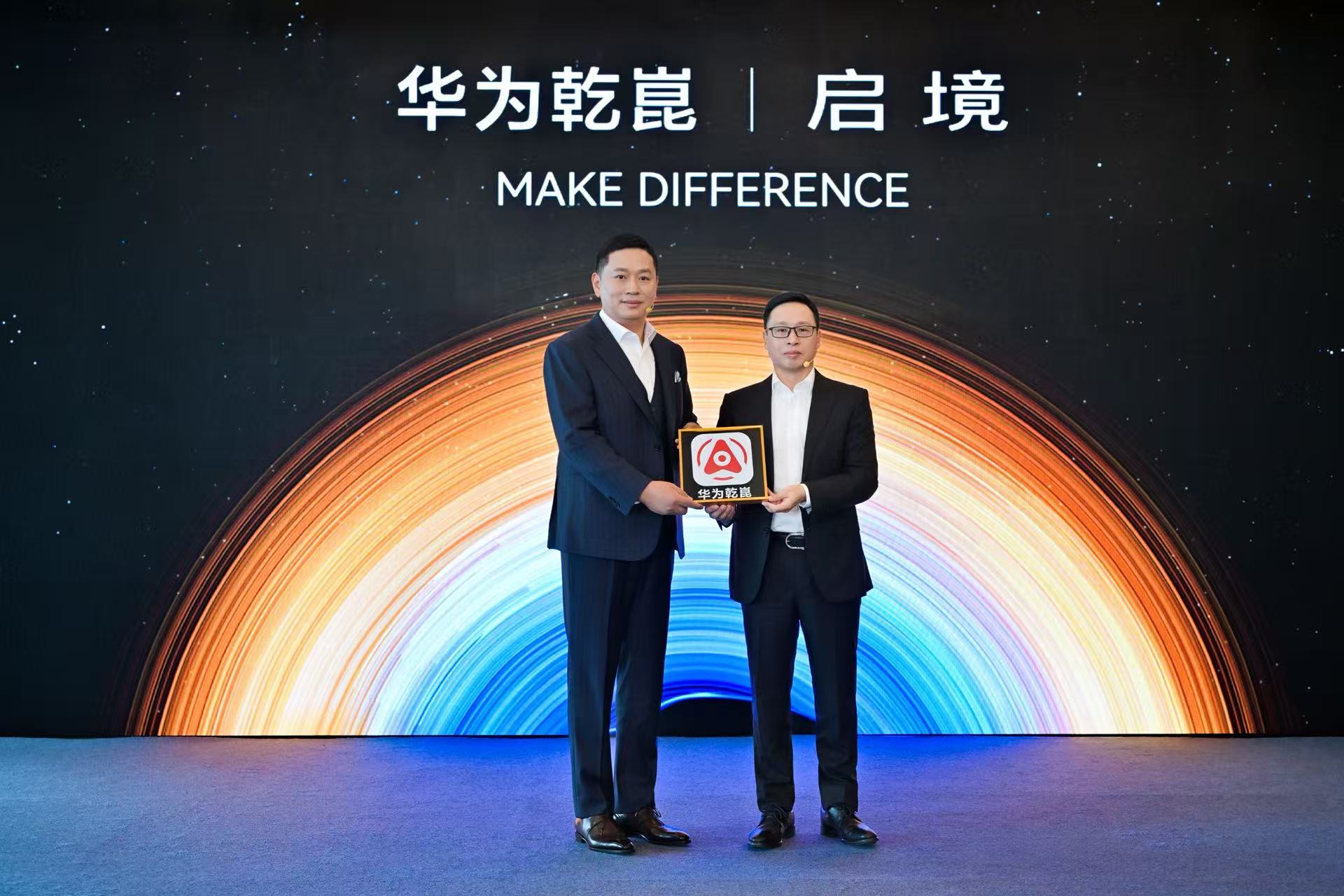
Core Insights - The electric vehicle (EV) penetration rate in China is expected to approach 60% by the end of 2025, indicating that the initial phase of electrification is nearing completion, while the next phase of intelligent transformation is just beginning [1][4] - Market data suggests a slowdown in EV wholesale growth, with a forecasted decline from 28% in 2025 to 15% in 2026, signaling a shift from growth to competition among existing players [1][4] - The launch of the high-end intelligent EV brand "Qijing," co-created by Huawei and GAC Group, represents a significant step in addressing the industry's transition from electrification to intelligentization [1][3] Industry Transition - The Chinese automotive market is undergoing a structural transformation, with a predicted slowdown in growth rates for new energy vehicles as penetration exceeds 50% [4] - Deloitte's report highlights that over 80% of automotive companies have initiated AI pilot projects, but only 15% have achieved large-scale application, indicating a shift in focus from "whether to do" to "how to do it right" [1][4] - The automotive industry is recognized as being at a critical juncture, facing pressures on the supply side while experiencing explosive growth in demand for intelligent and personalized vehicles [4][6] Intelligent Transformation - Intelligentization is identified as the core of the automotive industry's transformation, integrating various advanced technologies such as perception, data processing, connectivity, execution control, and user experience [6] - The shift from traditional vehicles to intelligent terminals is reshaping the travel ecosystem, with AI expected to play a pivotal role in this evolution [6][12] - The competitive landscape is evolving, with a focus on the ability to continuously innovate and adapt intelligent capabilities rather than merely distinguishing between fuel and electric vehicles [12][14] Challenges and Opportunities - The transition to intelligent vehicles presents significant challenges, including the need for comprehensive technical capabilities, responsibility frameworks for Level 3 automation, and upgraded collaborative models within the industry [15][16] - Qijing's collaboration with Huawei is characterized as "embedded collaboration," allowing for a more integrated approach to product development and system performance validation [16][18] - The brand's supply chain and quality management systems are designed to meet the high standards of luxury vehicles, positioning Qijing to take on the challenges of intelligent vehicle production [18][20] Market Positioning - Qijing aims to redefine the high-end market by focusing on a combination of aesthetics, driving control, and intelligence, while also establishing a differentiated dealer network strategy [23][24] - The brand's strategy reflects a broader trend of Chinese automotive brands moving into the high-end market, with significant improvements in product quality and user experience [21][23] - The emergence of Qijing is seen as a critical exploration of the intelligent and high-end development path for the Chinese automotive industry, aligning with national policies promoting digital transformation [27][29]
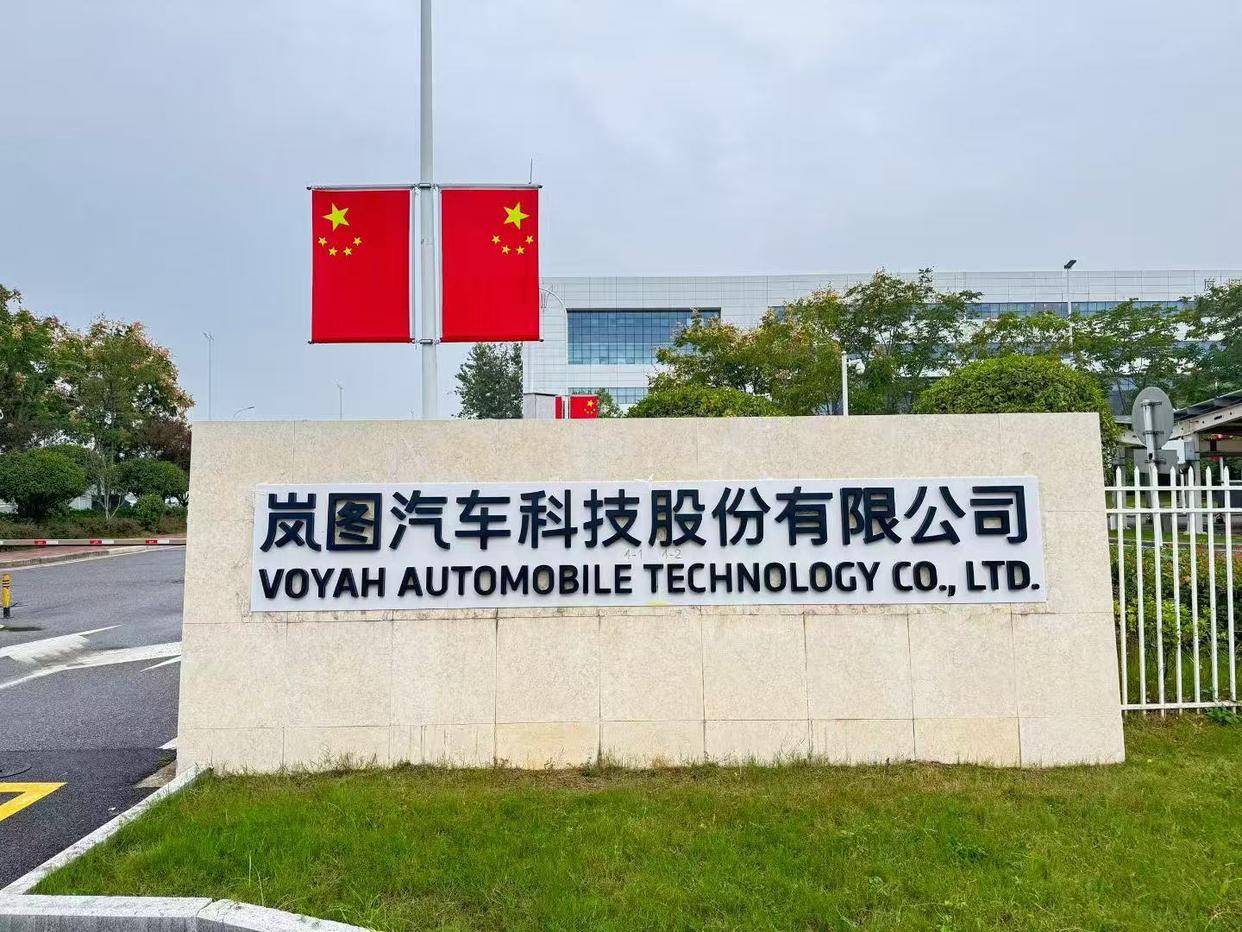
岚图汽车预计将于3月19日港交所挂牌:毛利率业内领先,有望成港股稀缺标的
IPO早知道· 2026-02-15 01:58
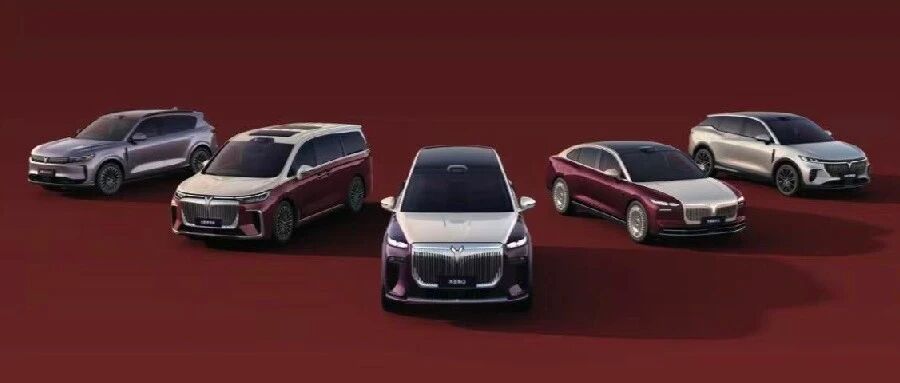
Core Viewpoint - Lantu Automotive has completed all pre-listing regulatory approvals for its Hong Kong IPO in just four months, setting a high-efficiency example for state-owned enterprises in the new energy sector [2][3][9]. Group 1: IPO Process - Lantu Automotive announced the completion of all pre-listing regulatory approvals on February 12, 2026, and plans to officially list on the Hong Kong Stock Exchange on March 19, 2026 [3][8]. - The company initiated its listing process in August 2025, submitted its application in October 2025, and received approval from the China Securities Regulatory Commission in January 2026 [7][9]. Group 2: Market Position and Growth - Lantu Automotive is positioned as the first high-end new energy brand from a state-owned enterprise to achieve a production scale of 300,000 vehicles, reinforcing its status as a leading brand in the sector [9]. - The company has demonstrated significant sales growth, with projected sales of 50,285 vehicles in 2023, 80,116 in 2024, and 150,169 in 2025, resulting in a compound annual growth rate (CAGR) of 72.8% from 2023 to 2025 [12]. - Revenue is expected to grow rapidly, reaching RMB 12,749.4 million in 2023, RMB 19,360.6 million in 2024, and RMB 34,864.8 million in 2025, with a CAGR of 65.4% during the same period [12]. Group 3: Profitability and Financial Performance - Lantu Automotive's gross margin is projected to increase from 14.2% in 2023 to 20.9% in 2025, positioning it among the industry leaders [12][13]. - The company is expected to achieve a net profit of RMB 1.02 billion in 2025, indicating a significant improvement in profitability [12]. Group 4: Technological Foundation - Lantu Automotive has established a robust technological foundation with five key technology pillars, including platform architecture and intelligent driving, which contribute to its competitive edge [16]. - The company holds 1,874 granted patents and has 5,405 patents pending, leading the industry in patent growth [16]. Group 5: Strategic Partnerships - Lantu Automotive has formed strategic partnerships with leading global companies, including Huawei and CATL, to enhance its technological capabilities and supply chain security [17][18]. - A ten-year deepening cooperation agreement with CATL was signed to ensure stable supply and technological leadership in battery technology [18].
LLM 的记忆问题「很快」就不再是问题了?
机器之心· 2026-02-15 01:30
本文来自PRO会员通讯内容,文末关注「机器之心PRO会员」,查看更多专题解读。 当前,智能体正经历范式转变,从高效的单任务执行模式,逐步向动态环境下的持续自适应、能力演化与经验积累模式转型。在此背景下,AI Memory 作为核心基石,赋能智 能体保持行为一致性、做出理性决策并实现高效协作。在长期探索中,AI Memory 已经分化为「Agent Memory」与「LLM Memory」两条截然不同的演进路径。 目录 01. OpenClaw 的「长效记忆」为何不代表「AI 拥有持久记忆」? OpenClaw的记忆力表现属于哪种突破?LLM Memory 与 Agent Memory 有何区别?... 02 . AI Memory 的研究视角在如何变化? 2025与2026的综述都在用什么视角解析AI Memory?如何理解 AI Memory 的「4W」分类?... 03 . 近期工作在如何探索 LLM Memory 和 Agent Memory? 2026年的 LLM Memory 与 Agent Memory 研究都在解决哪些问题?... OpenClaw 的「长效记忆」为何不代表「AI 拥有持久记忆」 ...

“购在中国”花样翻新,外国游客追着“年味”来中国
Zhong Guo Zheng Quan Bao· 2026-02-15 00:21
Group 1 - The inbound tourism sector in China is experiencing a surge during the traditionally low season around the Spring Festival, with a notable increase in bookings for 2026, projected to rise by over 10% year-on-year, primarily from European countries [3] - The inbound tourism business of the company is expected to nearly double in 2025 compared to 2024, with key source markets including Poland, Japan, and Germany, covering 51 countries and regions [3] - The increase in visa facilitation, including the rise in the number of countries with unilateral visa exemptions and mutual visa agreements, has significantly boosted inbound tourism, with 30.08 million foreign visitors expected in 2025, marking a 49.5% increase year-on-year [3] Group 2 - Foreign tourists are increasingly interested in diverse shopping options in China, moving beyond traditional souvenirs to include popular items like blind boxes, headphones, and smartphones, reflecting a shift in consumer preferences [5] - The company reported that in 2025, the sales volume of duty-free shopping in Wangfujing is expected to reach nearly 11,000 transactions, with a total consumption amount exceeding 34 million yuan, significantly surpassing the previous year's figures [5] - Clothing items, including women's, men's, and sportswear, are among the most popular categories for foreign tourists, with these categories accounting for approximately 23%, 15%, and 15% of the total duty-free sales, respectively [5]


任泽平带你看前沿科技:2026研学计划
泽平宏观· 2026-02-14 16:05
Core Insights - The article emphasizes the importance of practical learning experiences in cutting-edge technology sectors, highlighting the value of direct engagement with leading companies and experts in the field [12][24][46]. Schedule Overview - The schedule for 2025 includes visits to major technology companies such as Huawei, BYD, Tencent, and others, focusing on sectors like artificial intelligence, new energy, and biotechnology [23][24][61]. - Specific events are planned, including closed-door investment research meetings and thematic explorations of emerging industries [8][9][10]. Learning Experience - Participants will engage in deep explorations of technology companies, gaining insights into the full chain of development from laboratory to industrialization [12][24]. - The program aims to provide practical empowerment through discussions on technology trends, emerging industry ecosystems, and innovative business strategies [12][24]. Participant Feedback - Feedback from participants indicates that the program significantly enhances their understanding of macroeconomic trends and investment opportunities, fostering a community of like-minded entrepreneurs [41][46][47]. - Participants express appreciation for the unique learning environment that combines theoretical knowledge with real-world applications [46][47].




3月19日,岚图汽车将正式登陆港股
Sou Hu Cai Jing· 2026-02-14 14:19
港股将迎来"央国企高端能源第一股"。 上市速度快,也源于路径选择。岚图汽车选择的是"介绍方式"进行,不涉及新股发行或融资,旨在低成本高效登陆资本市场,同时保持现有股权结构稳定。 在全球汽车产业电动化、智能化转型的浪潮中,掌握核心技术自主权已成为国家产业安全与竞争力的战略基石。变革之中,包括岚图汽车在内的央国企发挥 着"压舱石"和"国家队"作用,肩负起引领转型、掌控核心科技、保障产业链安全的使命。面对激烈的全球竞争,岚图汽车始终将技术创新作为企业发展的核 心驱动力,在平台架构、三电技术及智能化等关键领域实现全面突破。截至2025年12月31日,岚图汽车有1,874项已颁发专利和5,405项正在申请的专利,主 要覆盖智能网联、新能源、组合辅助驾驶、车身安全等领域,专利增速位居新能源车企第一。 在核心技术平台建设方面,岚图汽车打造了全球首个兼容多动力模式的原生智能电动架构(ESSA架构),推出了国内首个量产的中央集中式SOA电子电气 架构。两大架构的协同应用,为岚图产品的持续创新迭代打下坚实基础。近日,SOA 架构入选国务院国资委发布的《中央企业科技创新成果推荐目录成果 手册(2024 年版)》,成为该领域国家层面 ...
华为创始人任正非的一次内部演讲,诙谐幽默背后透露着大智慧!
Xin Lang Cai Jing· 2026-02-14 13:25
Group 1 - The core message of Huawei's founder Ren Zhengfei's internal speech reflects a blend of humor and profound wisdom, indicating a strategic mindset within the company [2] Group 2 - The speech emphasizes the importance of innovation and adaptability in the face of market challenges, showcasing Huawei's commitment to staying ahead in the technology sector [2] - Ren Zhengfei highlights the significance of teamwork and collaboration among employees to drive the company's success, reinforcing a strong corporate culture [2]

耐世特(1316.HK):綫控转向量产将至
Ge Long Hui· 2026-02-14 13:25
Core Viewpoint - 2026 is projected to be the year of mass production for steer-by-wire (SBW) technology, aligning with the trend of autonomous driving, leading to an industry upgrade. The target price is set at HKD 10.2 based on an 18x PE valuation for 2026, with a buy rating [1]. Group 1: Industry Trends - The steering system in automobiles is transitioning from electric power steering (EPS) to steer-by-wire (SBW), with average selling prices (ASP) increasing from C-EPS at 1,000 yuan to R-EPS at 2,000 yuan, and further to SBW at 4,000 yuan [1]. - Currently, EPS remains the mainstream technology in the industry, with a domestic penetration rate reaching 99% [1]. Group 2: Company Developments - The company has seen a growing number of clients and orders for its steer-by-wire technology, being the exclusive supplier for Tesla's robotaxi and the supplier for the Li Auto L9 Livis, both set for mass production in the first half of the year [1]. - Tesla's Cybercab is a key vehicle for achieving Level 4 autonomous driving, aiming to eliminate human intervention through a combination of pure vision FSD solutions and steer-by-wire chassis [1]. Group 3: Regulatory Environment - The legal status of steer-by-wire technology has been clarified with the release of the national certification standard "Basic Requirements for Automotive Steering Systems," effective from July 1, 2026. This standard emphasizes safety requirements and introduces functional safety terminology and verification methods [3]. - The new regulations remove the mandatory mechanical connection between the steering wheel and the steering system, establishing the legal status of SBW and setting strict safety redundancy and failure response standards [3].