欧莱雅

Search documents
苏丹红从餐桌“杀”上脸?科颜氏、花西子卷入,化妆品界上演“罗生门”
Feng Huang Wang Cai Jing· 2025-10-24 14:04
Core Viewpoint - The cosmetics industry is facing a significant controversy as a self-media outlet revealed the presence of the banned substance Sudan Red IV in various skincare products, raising consumer concerns about safety and brand integrity [1][4]. Group 1: Incident Overview - A video by "Old Dad Evaluation" detected Sudan Red IV in multiple skincare products, leading to consumer anxiety and brand scrutiny [1][3]. - The source of the contamination was traced to a questionable raw material group containing three components: mudfish extract, neem leaf extract, and moringa seed oil, with a Sudan Red content of 1170 ppm [1][3]. - Over 800 products have been implicated, affecting more than 400 brands, including both international and domestic names [4]. Group 2: Health Impact - Sudan Red IV is classified as a synthetic industrial dye and is listed as a Group 3 carcinogen by the International Agency for Research on Cancer (IARC), indicating it is an animal carcinogen but not proven to be carcinogenic to humans [5][6]. - The potential health risks from topical application are considered lower than those from ingestion, but long-term exposure could pose cumulative risks [8][9]. Group 3: Brand Responses - Many brands have issued minimal responses, with some products being removed from online platforms, while others remain available for purchase [9][10]. - Brands like Kiehl's and others emphasize compliance with regulations but have not addressed testing plans for Sudan Red [11][12]. - Consumer dissatisfaction is evident, with reports of difficulties in returning products and receiving adequate responses from customer service [13][14].



欧莱雅332亿豪赌高端化背后
21世纪经济报道· 2025-10-24 13:49
Core Viewpoint - L'Oréal is aggressively expanding its high-end beauty portfolio through significant acquisitions, including a €4 billion deal for Kering's beauty business, aiming to enhance its luxury brand matrix and secure long-term growth opportunities in a challenging market environment [1][4]. Group 1: Recent Acquisitions and Strategic Moves - L'Oréal announced the acquisition of Kering's beauty business for €4 billion, gaining 50-year beauty licenses for brands like Gucci and Balenciaga [1]. - The company has also acquired niche luxury fragrance brand Creed and secured long-term minority stakes in other high-end brands, filling gaps in its premium beauty offerings [6]. - L'Oréal's CEO indicated plans to discuss potential collaborations with the Armani Group, reflecting a strategy to leverage high-end brand partnerships for growth [1][4]. Group 2: Financial Performance - L'Oréal reported a sales revenue of €32.81 billion for the first nine months of 2025, with a like-for-like growth of 3.4% [3]. - The North Asia region achieved its first comparable growth in two years, with a 0.5% increase, driven by the recovery of high-end cosmetics [10]. - The professional products division led growth with a 7.4% increase, while the luxury segment saw a modest 2.2% growth [3]. Group 3: Market Positioning and Future Strategy - L'Oréal aims to transition from a brand manager to an "ecosystem builder," seeking to create synergies with Kering to explore new growth avenues [4]. - The company is focusing on enhancing its capabilities in customer engagement and digital innovation, which are critical in the current competitive landscape [8][11]. - The luxury beauty market is experiencing rapid growth, particularly in niche high-end fragrances, which L'Oréal is now better positioned to capitalize on with its recent acquisitions [6][12].
苏丹红从餐桌“杀”上脸?科颜氏、花西子卷入,化妆品界上演“罗生门”
凤凰网财经· 2025-10-24 13:38
Core Viewpoint - The article discusses a significant controversy in the cosmetics industry related to the detection of the banned substance Sudan Red IV in various skincare products, raising consumer concerns and prompting investigations into the implicated brands [1][2]. Group 1: Incident Overview - A video by "Old Dad Evaluation" revealed the presence of Sudan Red IV in multiple skincare products, leading to widespread consumer anxiety [1][2]. - The source of the contamination was traced to a questionable raw material group containing fish gut extract, neem leaf extract, and moringa seed oil, with a detected concentration of 1170 ppm (1.17 g/kg) of Sudan Red [2][3]. - Over 800 products have been identified as potentially containing the problematic raw material group, affecting more than 400 brands, including both international and domestic names [4]. Group 2: Health Implications - Sudan Red is classified as a synthetic industrial dye and is listed as a Group 3 carcinogen by the International Agency for Research on Cancer (IARC), indicating it is an animal carcinogen but not proven to be carcinogenic to humans [6][7]. - The National Medical Products Administration (NMPA) has explicitly banned Sudan Red IV in cosmetics, highlighting the serious regulatory implications of its presence [7][11]. - Experts suggest that while the immediate risk from topical application may be lower than ingestion, long-term exposure could pose cumulative health risks [10][11]. Group 3: Brand Responses and Market Impact - Many implicated brands have responded minimally, with some products being removed from online platforms, while others remain available for purchase [12][14]. - Brands like Kiehl's and others have emphasized compliance with regulations but have not disclosed plans for testing their products for Sudan Red [14][15]. - The controversy has led to consumer confusion and anxiety, with reports of difficulties in obtaining refunds for potentially contaminated products [17][18]. Group 4: Regulatory and Industry Insights - The article highlights the challenges in ensuring product safety, noting that not all banned substances are routinely tested in cosmetics, which raises concerns about consumer safety [14][15]. - The presence of Sudan Red IV in cosmetics underscores the need for stricter oversight and transparency in ingredient sourcing and labeling within the beauty industry [18].
PDRN爆火,线粒体抗衰为何仍未迎来“井喷期”?
3 6 Ke· 2025-10-24 08:11
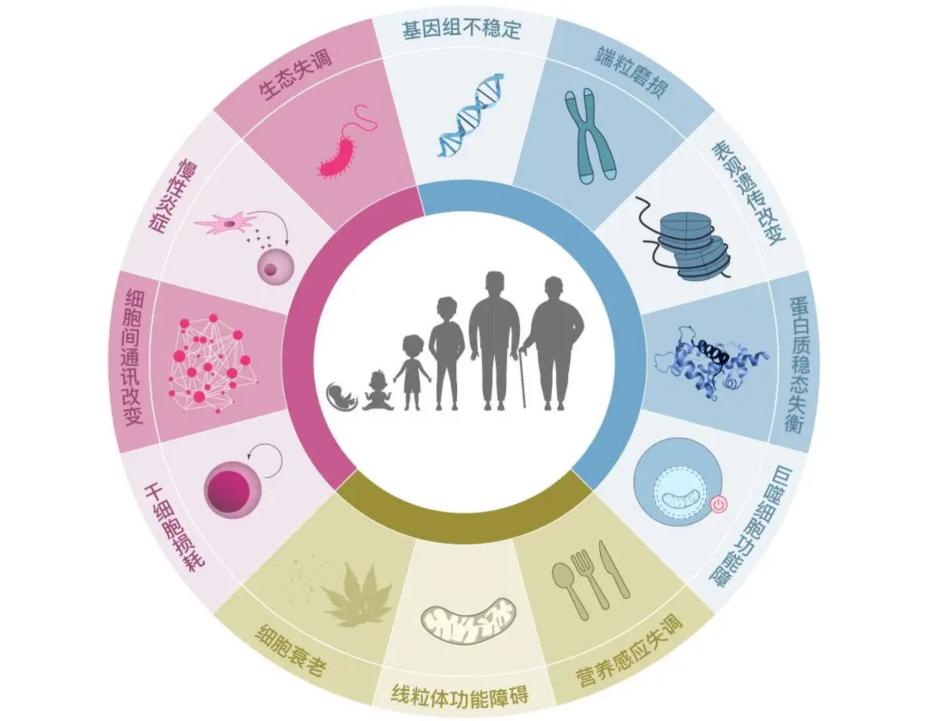
Core Insights - The beauty industry is increasingly focusing on mitochondrial function as a key area for anti-aging research, despite the fact that consumer awareness of mitochondrial anti-aging remains low [1][2][28] - Mitochondria are essential for cellular energy production, providing 95% of the ATP needed for skin cell activities, and their dysfunction is linked to various aging markers [2][5][10] - Major beauty companies are investing in research and development related to mitochondrial health, exploring various innovative approaches to enhance mitochondrial function and combat skin aging [9][10][27] Group 1: Mitochondrial Function and Aging - Mitochondrial dysfunction is recognized as one of the nine hallmarks of aging, influencing skin health and overall cellular vitality [2][28] - Mitochondria produce reactive oxygen species (ROS) as byproducts of energy metabolism, which can lead to oxidative stress and cellular damage if not properly managed [6][10] - The accumulation of damaged mitochondria in aging cells contributes to increased ROS production, further exacerbating skin aging [7][10] Group 2: Research and Development Initiatives - Companies like L'Oréal and Estée Lauder are actively pursuing partnerships and research initiatives focused on mitochondrial health, including studies on longevity proteins and mitochondrial toxicity assessments [9][10] - Bayer's collaboration with Vincere aims to develop skincare solutions based on mitochondrial autophagy, highlighting the industry's shift towards more scientifically grounded anti-aging products [9][10] - The use of PDRN (Polydeoxyribonucleotide) has gained traction as a key ingredient in anti-aging products, with studies showing its ability to induce mitochondrial biogenesis and repair damaged mitochondria [15][22] Group 3: Product Innovations and Trends - The beauty industry is witnessing a surge in products targeting mitochondrial function, with over 3,894 brands incorporating PDRN into their offerings [15][28] - Various innovative ingredients, such as Sirtuins and Urolithin A, are being explored for their potential to enhance mitochondrial function and promote skin rejuvenation [9][21][22] - The concept of "skin energy crisis" is emerging, emphasizing the need for products that support mitochondrial health to combat aging and environmental stressors [10][15] Group 4: Market Challenges and Future Directions - Despite the growing interest in mitochondrial anti-aging, the market has not yet reached a "boom period" due to high explanation costs and the complexity of mitochondrial science [28][30] - Effective communication and education about mitochondrial health and its implications for skincare are essential for consumer acceptance and market growth [30][31] - The potential for cross-category competition, such as oral beauty products targeting mitochondrial function, indicates a broader trend towards holistic approaches in anti-aging solutions [26][30]
欧莱雅重押“放缓明显”的香水市场
36氪未来消费· 2025-10-24 08:05
Core Viewpoint - L'Oréal's third-quarter revenue increased by 3.4% year-on-year, with North Asia, including China, growing by 4.7%, surpassing analyst expectations of 3.2% [3] Revenue Performance - The mass cosmetics segment showed the lowest growth at 0.4%, while luxury beauty and professional hair care grew by 1.5% and 1.1%, respectively. The skin science beauty segment led with a growth rate of 6.1%, although this growth has noticeably slowed [4] - In China, all segments except mass cosmetics achieved growth exceeding market levels, with notable performances from brands like Lancôme, Helena Rubinstein, and YSL [4] Strategic Acquisition - L'Oréal announced a €4 billion acquisition of Kering's beauty business, which includes the luxury perfume brand Creed and the fragrance rights for Balenciaga and Bottega Veneta [4][5] - This acquisition is seen as a significant move for L'Oréal in the high-end fragrance market, which is expected to enhance its market share in this segment from 13.7% to potentially 19.7% [5] Market Dynamics - The luxury beauty sector remains competitive, with L'Oréal's luxury division still showing growth despite overall high-end consumption slowing down [4][5] - The global fragrance market's annual sales growth has slowed from 13% last year to 11% this year, with high-end fragrances experiencing a more pronounced slowdown [6] Challenges Ahead - The Gucci fragrance business, currently licensed to Coty until 2028, poses a challenge as L'Oréal will need to invest significantly to reshape the brand's image upon acquisition [6][7] - Creed, while a promising asset, currently generates approximately $400 million in annual sales, indicating that L'Oréal will need to invest heavily to expand the sales network for Creed and the other brands acquired [7]
深度丨PDRN爆火,线粒体抗衰为何仍未迎来“井喷期”?
FBeauty未来迹· 2025-10-23 14:36
Core Viewpoint - The article discusses the emerging focus on mitochondrial function in anti-aging skincare, highlighting the importance of mitochondria as the "energy factory" of cells and their role in skin health and aging. Despite the potential, the market for mitochondrial-targeted beauty products has not yet reached a peak due to challenges in consumer understanding and scientific communication [3][34]. Group 1: Mitochondrial Function and Aging - Mitochondria are responsible for producing 95% of cellular energy (ATP) and are crucial for skin cell activities. Dysfunction in mitochondrial function is recognized as one of the nine hallmarks of aging [5][8]. - Mitochondrial dysfunction leads to increased production of reactive oxygen species (ROS), which can cause oxidative stress and damage to mitochondrial DNA (mtDNA), ultimately contributing to cellular aging and apoptosis [9][11]. - Aging cells tend to accumulate damaged mitochondria due to reduced autophagic activity, leading to further ROS production and skin issues [11][12]. Group 2: Industry Research and Development - Major beauty companies like L'Oréal, Estée Lauder, and Proya are investing in research related to mitochondrial function and aging, exploring various approaches to enhance mitochondrial efficiency and promote cellular energy production [12][13]. - The beauty industry is focusing on four main strategies: improving mitochondrial production capacity, promoting mitochondrial biogenesis, regulating mitochondrial autophagy, and protecting mitochondria from oxidative stress [13][14]. Group 3: Key Ingredients and Products - PDRN has emerged as a popular ingredient in anti-aging products, with 3,894 brands utilizing it in 16,901 products. PDRN can induce mitochondrial biogenesis and repair damaged mitochondria [21][22]. - Other notable ingredients include Sirtuins, which regulate mitochondrial metabolism, and Urolithin A, recognized for promoting mitochondrial autophagy [20][25]. - Brands are also leveraging established ingredients like niacinamide, which supports mitochondrial energy production by increasing NAD+ levels [25][28]. Group 4: Market Challenges and Future Directions - The mitochondrial anti-aging market is still in its early stages, facing challenges in consumer education and scientific communication. The complexity of mitochondrial science makes it difficult for consumers to grasp its relevance to skincare [34][36]. - There is potential for expansion beyond skincare into areas like hair care and oral beauty, with research indicating that mitochondrial function impacts hair growth and health [28][29]. - The article suggests that as scientific understanding and product development continue to evolve, mitochondrial anti-aging could become a significant focus for beauty companies [30][38].

欧莱雅(OR):欧莱雅25Q3业绩加速增长,战略收购开云美妆夯实奢华美妆版图
Haitong Securities International· 2025-10-23 12:15
Investment Rating - The report maintains a positive outlook on L'Oréal, indicating an "Outperform" rating for the stock over the next 12-18 months [19]. Core Insights - L'Oréal's sales growth momentum significantly strengthened in Q3 2025, driven by the "Beauty Stimulus Plan" and successful new product launches, achieving sales of €32.80 billion for the first nine months, with a like-for-like growth of 3.4% [2][8]. - The company announced a strategic acquisition of Kering Beauté for €4.0 billion, which includes the niche fragrance brand Creed and licenses for Balenciaga and Bottega Veneta, enhancing its luxury portfolio [5][11]. Summary by Sections Financial Performance - In Q3 2025, L'Oréal's sales reached approximately €8.05 billion, with a like-for-like growth accelerating to 4.2%, up from 3.5% in Q1 and 2.4% in Q2 [2][8]. - The "Beauty Stimulus Plan" contributed approximately 170 basis points to growth in Q3, an increase from 150 basis points in the first half of the year [2][8]. Divisional Performance - The Professional Products Division saw a 9.3% growth, driven by the strong performance of Kérastase and the acquisition of Color Wow [3][9]. - The Consumer Products Division experienced a notable rebound, particularly in North America, with growth exceeding 20% for Mixa in Europe and successful expansion of 3CE in Southeast Asia [3][9]. - The L'Oréal Luxe Division continued to outperform the market, especially in North Asia, while the Dermatological Beauty Division showed balanced growth across its major brands [3][9]. Regional Growth - Sales in Europe grew by 4.1%, with strong performances in Spain, Portugal, Germany, Austria, Switzerland, and Italy [4][10]. - North America experienced a 1.4% growth, with a cumulative growth of 3.1% for the first nine months after IT system adjustments [4][10]. - The SAPMENA–SSA region led with a 12.2% growth, with online channels acting as a key growth driver [4][10]. Strategic Developments - The acquisition of Kering Beauté is seen as a strategic highlight, expected to enhance L'Oréal's position in the luxury beauty market and potentially double Creed's sales [5][11]. - Key executive changes were announced to facilitate the integration of the acquired brands, including the establishment of a 50/50 joint venture focused on health and longevity services [5][11].
双十一付定金买预售反而更贵?网友吐槽:一顿操作不如直接买现货
Sou Hu Cai Jing· 2025-10-23 05:02
Core Insights - The excitement of paying a deposit diminishes when consumers face unexpected price increases upon final payment, leading to confusion and dissatisfaction [1][5][8] - Many consumers have reported that pre-sale prices are higher than current market prices, undermining the intended benefits of pre-ordering [1][5][8] Pricing Mechanism - Taobao's customer service explained that the displayed price includes all applicable discounts, but actual payment may differ due to the allocation of discounts across multiple items in a combined order [3][4] - The complexity of the discount system often results in consumers experiencing higher prices than anticipated at the time of payment, negatively impacting the shopping experience [4][5] Consumer Reactions - Consumers have expressed frustration over the discrepancies between pre-sale and actual prices, questioning the value of pre-ordering when it can lead to higher costs [5][8] - Social media discussions have emerged around the perceived manipulation of pre-sale prices to enhance sales figures during promotional events like Double Eleven [5][8] Legal and Ethical Considerations - Legal experts have indicated that the pricing practices may violate consumer rights, particularly regarding informed consent and fair trading [7][8] - The potential for price deception could lead to accusations of price fraud if the practices align with defined fraudulent behaviors [8] Market Trends - There is a noticeable shift in consumer behavior, with many preferring straightforward discount methods over complex pre-sale systems, as seen with competitors like JD.com [7][8] - The evolving consumer sentiment suggests a growing demand for transparency and simplicity in pricing strategies to foster trust and enhance the shopping experience [8]
2025秋冬抗衰面霜Top3:初老/熟龄肌抗衰|去皱|淡纹|紧致
Cai Fu Zai Xian· 2025-10-23 03:57
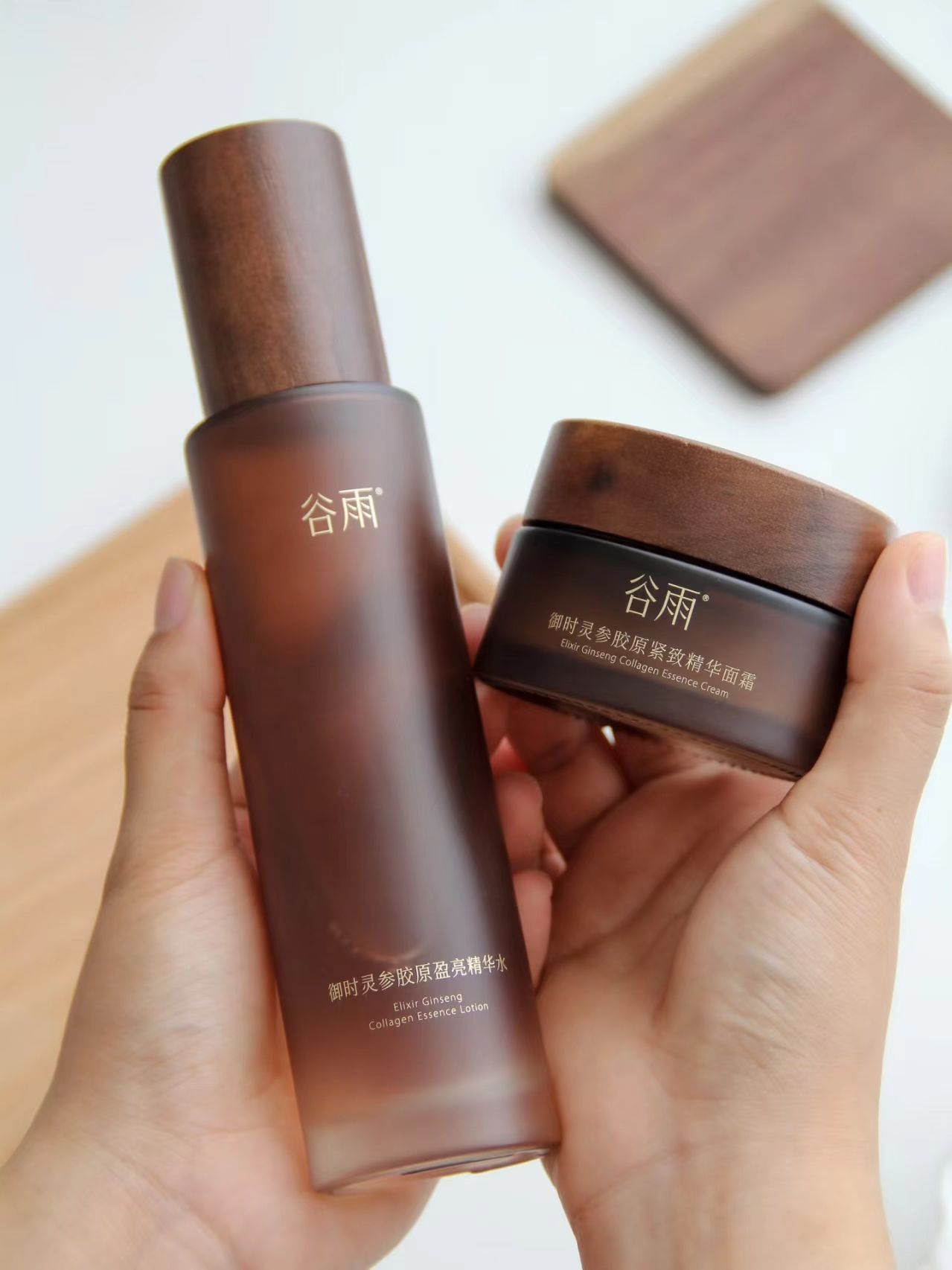
Core Insights - The article addresses skincare concerns for dry and sensitive skin during the autumn and winter seasons, focusing on finding effective products for anti-aging and whitening [1] - Three popular products are tested and analyzed for their ingredients and effectiveness, providing solutions for skincare needs [1] Product Summaries Product 1: Gu Yu Mountain Ginseng Collagen Cream Pro - This product utilizes proprietary "Smart Enzyme Biomimetic Technology" to convert 0.7g of rare ginsenoside CK from every 1000g of ginseng, combined with 99% high-purity licorice extract for a dual effect of anti-aging and whitening [4] - It boasts an IV type collagen promotion power of 397%, which is 3.5 times that of boswellia and 2.4 times that of retinol, with a molecular size of only 1/20000 of a pore for effective penetration [4] - Clinical data shows a 56.37% increase in moisture content of the stratum corneum within 15 minutes, and significant reductions in facial wrinkles and roughness over 2 to 4 weeks [5] Product 2: L'Oreal Revitalift Water and Lotion Set - This set targets skin laxity and visible wrinkles, combining anti-aging effects with deep hydration suitable for dry skin, particularly for users aged 25 and above [7] - It employs gentle anti-aging ingredients that are less irritating, such as stabilized retinol PRO and centella asiatica extract, which promote collagen production and repair damaged skin [8] - The texture is designed to be lightweight and non-greasy, providing immediate hydration without leaving a sticky residue [9] Product 3: Dior Flower Honey CP Set - This high-end product line features "luxurious rose essence" as its core ingredient, enhancing skin nutrition and promoting self-repair, particularly beneficial for dry winter skin [12] - The small pink diamond essence offers deep nourishment and a healthy glow, while the eye essence with a metal rollerball provides cooling relief and promotes blood circulation around the eyes [14] - The overall experience is designed to be luxurious and effective, with a focus on providing a spa-like treatment at home [13] Conclusion - The Gu Yu Mountain Ginseng Collagen Cream Pro stands out as a highly recommended product for those seeking a comprehensive solution for dry and sensitive skin during the colder months, effectively addressing anti-aging and whitening needs [14]
太疯狂!3.7万品牌入局,40万门店火速覆盖,阿里终于亮出底牌
Sou Hu Cai Jing· 2025-10-22 17:51
Core Insights - Taobao has launched a new feature called "Flash Purchase" for this year's Double Eleven, allowing customers to receive products from nearby stores within two hours instead of waiting for long delivery times [1][3] - The Flash Purchase service has seen significant participation, with 37,000 brands and 400,000 offline stores involved, enhancing the shopping experience for consumers [3][5] Group 1: Flash Purchase Performance - In August, Taobao's Flash Purchase averaged 80 million orders per day, with a peak of over 120 million orders in a single day, indicating strong consumer demand [9] - Half of the users of Flash Purchase are aged 20 to 30, while the other half consists of 88VIP members and frequent shoppers, showcasing its appeal across different consumer demographics [10] Group 2: Integration and Efficiency - Alibaba has integrated previously separate resources, allowing for efficient order fulfillment by utilizing delivery networks and inventory management systems [14][16] - The system automatically determines which store to source from and which delivery rider to assign, significantly improving operational efficiency [16] Group 3: Impact on Brands - Brands like Li Ning and Muji are adapting their business models to leverage Flash Purchase, turning stores into mini-warehouses to fulfill orders quickly [20][22] - This shift allows for real-time synchronization of inventory between online and offline channels, enhancing customer satisfaction and reducing discrepancies [22] Group 4: Competitive Landscape - Other platforms like Meituan and JD are also offering fast delivery services, but Alibaba's approach focuses on leveraging brand partnerships and store networks to ensure quality and speed [24] - The goal for this year's Double Eleven is not just about sales volume but ensuring reliability and speed for both brands and consumers [24][27]