京东方A

Search documents
中证科技领先指数上涨1.68%,前十大权重包含中兴通讯等
Jin Rong Jie· 2025-05-29 14:38
Group 1 - The core viewpoint of the news is that the CSI Technology Leading Index has shown a recent upward trend, with a notable increase of 1.68% on May 29, reaching 2226.27 points, with a trading volume of 64.237 billion yuan [1] - The CSI Technology Leading Index has increased by 1.13% over the past month, but has decreased by 8.99% over the past three months and is down 5.19% year-to-date [2] - The index comprises 100 high R&D intensity, high profitability, and high growth potential technology companies, reflecting the overall performance of such companies in the technology sector [2] Group 2 - The top ten weighted companies in the CSI Technology Leading Index include: Heng Rui Pharmaceutical (8.94%), Mindray Medical (5.11%), Northern Huachuang (5.01%), Haiguang Information (4.68%), Luxshare Precision (4.33%), Weir Shares (4.04%), BOE Technology Group (3.88%), ZTE Corporation (3.76%), NewEase (3.2%), and Zhongji Xuchuang (3.15%) [2] - The market capitalization distribution of the CSI Technology Leading Index shows that 60.10% is from the Shenzhen Stock Exchange and 39.90% from the Shanghai Stock Exchange [2] - The industry composition of the index includes: Information Technology (47.24%), Healthcare (22.50%), Industry (15.67%), and Communication Services (14.59%) [2] Group 3 - The index samples are adjusted every six months, with adjustments implemented on the next trading day after the second Friday of June and December each year, with a sample adjustment ratio not exceeding 45% [3] - Weight factors are adjusted along with the sample adjustments, and generally remain fixed until the next scheduled adjustment [3] - Special circumstances may lead to temporary adjustments of the index, such as delisting of samples or corporate actions like mergers and acquisitions [3]

2025 Micro LED显示与非显示应用市场分析报告出刊
WitsView睿智显示· 2025-05-29 10:01
当前 , Micro LED 技术在显示领域主要 有两个 课题 ,其一是通过设计和生产环节的改善持续 优化制造成本,其二是发挥 Micro LED 的特性寻求更恰当的利 基显示 应用市场,并以此来带动 整体产值的成长 。 T rendForce集邦咨询 预估 2029 年 M icro LED 显示应用的 芯片产值将 达 到 7.4 亿美金。同 时,为了拓宽 Micro LED 应用场景的边界,业界致力于挖掘 Micro LED 在非显示应用的潜力, 以此来加速 Micro LED 整体的商业化进程。 Micro LED 显 示应用 目前 Micro LED 显示应用产值主要贡献来源仍是 由 Samsung 主导的大型显示器。除了在几个 关键制程上 的技术突破外, Micro LED 未来 也有机会受惠于中国市场大型显示器供应链本土化 的协同作用。中国芯片厂商与品牌厂商 的 联合开发正在快速推动芯片微缩,扩大 Micro LED 大 型显示器量产的成本优势。 长期来说,随着 AI 协助头戴装置的应用场景边界拓宽,智能驾驶生态升级带动车用显示规格需求 上涨, 两 者未来也将成为 Micro LED 显示应用产值 ...


3400万元,三星SDI订购OLED设备
WitsView睿智显示· 2025-05-29 10:01
相关媒体报道,5月28日,韩国显示生产设备制造商Sunic System更 新 了 一份在 去年12月 所 签署 的 供应合同 的内容,并 披露了合同签约方为三星SD I 上海销售公司 。 据悉,这是一份价值 65.3106 亿韩元(约3428万元人民币)的OLED显示屏研发蒸镀设备供应合 同 。 目前 Sunic System 已向 三星 SDI上海销售公司 交付设备。 资料显示, 三星SDI上海销售公司 主 要从事电池、显示器件、电子专用材料等产品的销售及进出 口代理业务,并提供信息技术咨询和新材料研发服务。 图片来源:拍信网 而 Sunic System是一家OLED蒸镀设备制造商,成立于1990年5月24日,主要从事OLED面板 设 备 的研发和制造。 在2025年, Sunic System 获得了 多个 设备 供应 订单,包括 1月和3月与中国显示材料公司莱 特光电签署 的两项 OLED显示器研究用蒸镀设备供应合同,合同金额分别为80 . 85 亿 韩元和79 .64亿 韩元。 4月, Sunic System 则 与SFC签署OLED显示器研究用蒸镀设备供应合同,合同金额为71亿 8000万韩元 ...
30亿!惠科再扩产
WitsView睿智显示· 2025-05-29 10:01
Core Viewpoint - The article discusses the investment and development of IGZO technology in the display panel industry, highlighting the advancements made by companies like Changsha Huike and others in the domestic market [1][9]. Group 1: Investment and Project Development - Changsha Huike plans to invest 300,007.36 million yuan in the Oxide R&D and industrialization project, which will cover an area of 15,486 m² and have a total construction area of 60,000 m² [1]. - The project aims to produce 15,000 pieces per month of IGZO glass substrates, enhancing the company's production capabilities [1]. - In 2024, Huike's new oxide display products, including a 27-inch 2K gaming monitor, have already completed shipping, showcasing the company's commitment to innovation [2]. Group 2: IGZO Technology Overview - IGZO (Indium Gallium Zinc Oxide) is a thin-film transistor technology that improves electronic performance by adding an IGZO metal oxide layer to the active layer of TFT-LCDs [3]. - Compared to traditional a-Si technology, IGZO offers higher electron mobility, lower power consumption, and higher transparency, making it suitable for large high-resolution displays [4][6]. - IGZO technology requires only process improvements on existing a-Si production lines, significantly reducing conversion costs [4]. Group 3: Competitive Landscape and Market Trends - Domestic panel manufacturers are increasingly investing in IGZO technology, with companies like China Electronics Panda and BOE leading the way in establishing IGZO production lines [7][8]. - The article notes that IGZO technology complements a-Si and LTPS technologies, driving innovation in display experiences across various applications, including smartphones and automotive displays [9]. - The ongoing development of LTPO technology, which combines features of LTPS and IGZO, is also highlighted as a significant trend in the industry [6].
产学研协同,助力产业发展 | 2025势银(第五届)光刻材料产业大会(PRIC 2025)
势银芯链· 2025-05-29 07:01
Core Viewpoint - The 2025 TrendBank Photoresist Materials Industry Conference will focus on the collaboration between industry, academia, and research to promote the development of the photoresist materials sector, amidst increasing global competition and technological innovation in the semiconductor industry [4][6]. Group 1: Conference Background - The photoresist materials market is experiencing intensified global competition, accelerated technological innovation, and rising barriers to technology protection as of 2025 [4]. - The demand for high-performance and high-precision manufacturing processes in the semiconductor chip industry is driving the need for advancements in photoresist materials [4]. - The international landscape is marked by a blend of cooperation and competition, presenting both significant opportunities and challenges for the photoresist materials industry [4]. Group 2: Industry Development - The growth of China's photoresist materials market is not only a trend but also a crucial element for achieving breakthroughs in cutting-edge technology at the national level [5]. - Various supportive policies have been introduced at both national and provincial levels to create a favorable environment for the development of photoresist materials and related industries [5]. - Companies in the photoresist materials supply chain should seize the opportunity to strengthen their capabilities and pursue a "win-win" strategy across the industry [5]. Group 3: Conference Details - The 2025 TrendBank Photoresist Materials Industry Conference will be held on July 9-10, 2025, in Hefei, Anhui, with a focus on "collaboration between industry, academia, and research to support industry development" [6]. - The conference will cover discussions on semiconductor, display, and packaging photoresists, as well as wet electronic chemicals and specialty gases, addressing technological breakthroughs and application trends [6][9]. - The event will feature over 20 industry chain guest speakers, academic discussions, and a combination of conference and exhibition formats to foster industry interaction and supply chain connections [8][9].
绵阳平武“绿” 为“熊猫家园”加速发展注入澎湃动力
Zhong Guo Fa Zhan Wang· 2025-05-29 06:11
Core Viewpoint - The press conference highlighted the high-quality development of Pingwu County's economy, emphasizing ecological preservation and cultural heritage as key drivers for sustainable growth [1] Group 1: Ecological and Cultural Development - Pingwu County is recognized as a biodiversity hotspot with 335 wild giant pandas, making it the "first county of giant pandas" in China [1] - The county has implemented strategies to enhance ecological and cultural assets, including the protection of the Baoning Temple and the promotion of the White Horse culture [2] - Pingwu has been selected as a national model for ethnic unity and a national-level cultural protection experimental zone for the Qiang ethnic group [1][2] Group 2: Economic Growth and Investment - Pingwu has established a project reserve with a total investment exceeding 500 billion yuan, with an average investment growth rate of over 22% in the past three years [3] - The county's fixed asset investment reached 50% in the first quarter of this year, with a target of increasing various funding sources by 103.7% in 2024 [3] Group 3: Tourism and Industrial Development - Pingwu is enhancing its tourism sector by investing nearly 2 billion yuan in key projects, aiming for a 44% increase in tourist arrivals and a 67% increase in tourism revenue in 2024 [4] - The county is focusing on the "Tianfu Forest Four Libraries" initiative, with over 950,000 acres of agricultural production bases and a forestry output value of 4.3 billion yuan [5] - Pingwu is developing a clean energy industry, with a hydropower capacity of 890,000 kilowatts and an annual generation of 3.656 billion kilowatt-hours [6] Group 4: Social Welfare and Infrastructure - The county has invested 330 million yuan in upgrading schools and hospitals, establishing a collaborative education model and enhancing healthcare resources [7] - Pingwu has implemented 46 urban construction projects, achieving a 94% renovation rate for old neighborhoods and a 43.5% green coverage rate [7][8] - The county has developed a comprehensive transportation network, with over 5,200 kilometers of roads, facilitating investment and trade [8]
文化引流,科技搭台:VR院线正打造线下文化消费新生态 | 早期项目
3 6 Ke· 2025-05-29 05:41
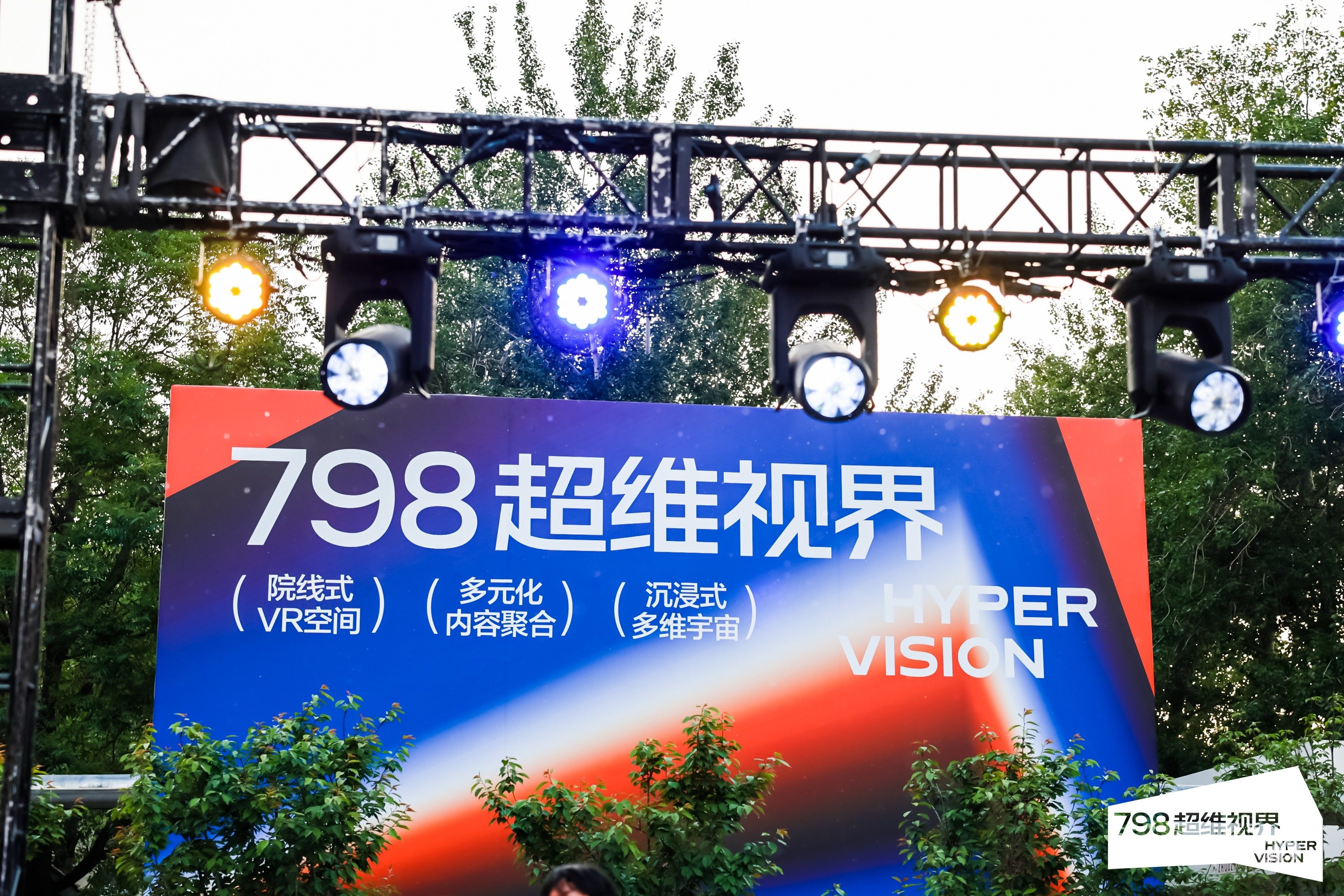
Core Viewpoint - The VR large space market is rapidly growing, with IDC predicting a global market size exceeding $12 billion by 2025 and a compound annual growth rate of 58%, with China being a key growth market [1][4]. Group 1: Company Overview - 798 Super Dimension VR Cinema, developed by 798 Cultural Technology, officially opened to the public on May 1, 2025, marking the company's first VR cinema and a step in its future VR scene implementation plan [1][4]. - The team behind 798 Cultural Technology has been active in the cultural and technological integration sector since 2022, organizing numerous art and technology exhibitions [4][7]. - In the past year, the 798 area hosted nearly 4,000 exhibitions and welcomed 12.57 million visitors, showcasing the company's rapid growth and engagement in the cultural sector [7][8]. Group 2: Project Details - The 798 Super Dimension project occupies 3,500 square meters and features five themed spaces and two release halls, with an initial lineup of eight VR films covering genres such as mystery, sci-fi, cultural arts, and science education [7][10]. - The selection process for the films involved evaluating over a hundred candidates based on immersive experience, interaction, visual effects, narrative, and gameplay, ensuring high-quality content for users [8][10]. Group 3: User Experience and Engagement - The project aims to provide a rich and diverse content selection through a combination of real-world anchors and virtual narratives, enhancing the immersive experience for users [14][16]. - During the May Day holiday, over 5,000 visitors experienced the VR cinema, achieving an 80% occupancy rate on a single day, indicating strong consumer interest and engagement [16].
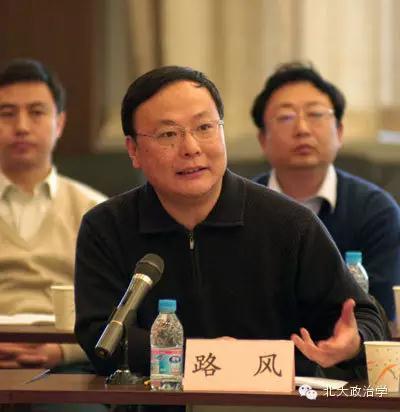
路风:美国发起对决,中国靠什么赢得世纪挑战?
Guan Cha Zhe Wang· 2025-05-29 03:26
Group 1 - The challenges facing the Chinese economy include a new wave of external shocks, particularly related to US-China relations and tariffs imposed by the Trump administration [2][4] - Trump's strategy aims to reshape US hegemony by dismantling the existing global economic system and transferring the costs of economic adjustments to other countries, especially targeting China as a primary threat [3][4] - The US has initiated measures against China, including increased tariffs on Chinese goods and restrictions on semiconductor exports, indicating a clear adversarial stance [4] Group 2 - The concept of "manufacturing return" promoted by Trump is unlikely to succeed due to the historical decline of US manufacturing, which began in the 1970s and is attributed to the pursuit of global hegemony [5][9] - The US's industrial decline is linked to its geopolitical strategies post-World War II, which prioritized maintaining hegemony over industrial growth [11][12] - The historical context shows that the US's industrial strength was built on existing technologies and innovations from other countries, making it difficult to reverse the trend of deindustrialization [8][9] Group 3 - The notion that manufacturing can simply be "transferred" back to the US is flawed; industrial capabilities are inherently organizational and cannot be easily relocated [18][19] - China's industrialization is not a result of "industry transfer" but rather a product of its own comprehensive industrial system developed over decades [20][21] - The success of Chinese companies, such as North Huachuang in the semiconductor sector, illustrates the strength of China's domestic industrial capabilities, which have been built over time [23][24] Group 4 - The US's attempts to revitalize its manufacturing sector through foreign investments, such as those from TSMC and Samsung, do not equate to genuine industrialization [26][28] - The labor market in the US has shifted significantly, with a high-cost, low-skill workforce that is ill-suited for manufacturing, contrasting with China's low-cost, high-skill labor force [28][29] - The challenges of re-industrialization in the US are compounded by decades of industrial decline, making it more difficult than the initial industrialization process [29][30] Group 5 - China's industrial development must avoid self-imposed limitations, particularly the "binary thinking" that separates traditional and high-tech industries, as both are essential for economic growth [30][31] - The suppression of traditional industries in favor of new technologies has led to inefficiencies and a lack of balance in the industrial structure, which is detrimental to overall economic health [33][34] - The historical context of China's industrialization shows that a complete industrial system is necessary for sustainable growth, and the current policies must reflect this understanding [20][21][43]

中金 | 车载显示:HUD跨越鸿沟加速渗透,虚拟全景显示驱动交互革新
中金点睛· 2025-05-28 23:35
Core Viewpoint - The automotive industry is experiencing rapid technological iteration and large-scale application of in-car display technologies, particularly in head-up displays (HUD) and virtual panoramic displays, with Chinese manufacturers increasing their market share [1][2][3] Group 1: HUD Market Progress - The penetration rate of HUD in China's passenger car market is increasing, with an expected delivery volume of 3.56 million units in 2024, representing a year-on-year growth of over 55% and an increase in penetration from 11% in 2023 to 16% in 2024 [2][6] - The market is transitioning from linear growth to exponential growth as it crosses the early adopter threshold of 16%, indicating a shift towards mass adoption [2][6] - The main technology in the HUD market is W-HUD, while AR-HUD is gaining traction due to its immersive interaction experience [3][14] Group 2: Supply Chain Dynamics - Chinese manufacturers are gradually increasing their market share in the HUD sector, with local companies accounting for 56.78% of the market by 2024, up from 90.16% held by Japanese companies in 2019 [2][21] - The average price of HUD products is decreasing, with a notable drop in the average price of W-HUD products from 971 yuan in 2022 to 837 yuan in 2024, a cumulative decline of 14% [8][10] Group 3: Virtual Panoramic Display - Virtual panoramic displays are expected to enter mass production in 2025, offering a wide display area and improved visual clarity compared to traditional HUDs [3][24] - This technology allows for a more immersive display experience, combining the benefits of HUDs and traditional screens without the limitations of screen curvature [25][29] - Companies like Xiaomi and BMW are leading the development of virtual panoramic displays, with innovative features such as high dynamic range and enhanced brightness control [29][33] Group 4: Technical Challenges and Innovations - The development of virtual panoramic displays faces technical challenges, including optical design, heat management, and distortion control, which need to be addressed for successful mass production [37][42] - The integration of advanced algorithms and UI interactions is crucial for enhancing user experience and ensuring high-quality display performance [42][43] - Companies with comprehensive capabilities in display technology are expected to gain a competitive edge in the market as they navigate these challenges [43]

TCL百亿大并购!
国芯网· 2025-05-28 11:22
Core Viewpoint - TCL Technology is aggressively expanding its semiconductor display business through significant acquisitions, despite a decline in net profit, indicating a strong commitment to strengthening its core operations in the semiconductor sector [2][3]. Group 1: Acquisition Details - TCL Technology announced the acquisition of 21.53% of Shenzhen Huaxing Semiconductor for 11.562 billion yuan, using a combination of cash (7.203 billion yuan) and shares (4.359 billion yuan) [2]. - Post-acquisition, TCL's stake in Shenzhen Huaxing Semiconductor will increase from 62.68% to 84.21%, enhancing its control over this core asset [2]. - This acquisition marks TCL's second major acquisition within six months, following a 10.8 billion yuan purchase of LG Display's Guangzhou LCD panel factory to expand capacity and capture market share vacated by Korean companies [2]. Group 2: Financial Performance - In 2024, TCL Technology's semiconductor display business revenue grew by 24.6% year-on-year to 104.3 billion yuan, achieving a historical high and accounting for over 60% of total revenue [3]. - The net profit for TCL Technology rebounded significantly from a slight loss of 0.07 billion yuan in 2023 to a profit of 6.23 billion yuan in 2024 [3]. - TCL Huaxing, as the core panel business, is the second-largest panel manufacturer in mainland China, with large-size LCD TV panels being its primary strength [3]. Group 3: Business Focus - TCL Technology, founded in 1982, has shifted its focus entirely to the panel industry following a major asset restructuring in 2018, divesting traditional consumer terminal and related businesses [2]. - The company's current business segments include semiconductor displays, new energy photovoltaics, and semiconductor materials [2].