ABB

Search documents
机器人芯片大爆发?为时过早!
半导体行业观察· 2025-08-13 01:38
Core Insights - The article discusses the slow progress of physical artificial intelligence (AI) compared to general AI, predicting significant growth in humanoid robots and autonomous vehicles by 2050 [2][3][4]. Group 1: Humanoid Robots - Morgan Stanley predicts the humanoid robot market will reach $5 trillion by 2050, with 1 billion units deployed, indicating a slow adoption rate until the late 2030s [2]. - Currently, there are approximately 1,000 humanoid robots globally, most of which are prototypes, highlighting the challenges in development [3]. - The development of humanoid robots is complex due to their flexibility, making them less likely to drive market growth in the next decade [4]. Group 2: Autonomous Vehicles - Waymo, a subsidiary of Google, has captured 26% of the ride-hailing market in San Francisco as of April 2025, surpassing Lyft [5]. - The global automotive market is valued at $2.1 trillion, with annual sales of 90 million vehicles, and the automotive semiconductor market is projected to reach $51 billion to $77 billion by 2025 [6][7]. - Waymo's revenue is expected to reach approximately $2.5 billion by 2030, based on its fleet of 17,000 vehicles [6]. Group 3: Industrial Robots - The global industrial robot count has reached 4.2 million, with an estimated 400,000 new installations in 2023, predominantly in Asia [10][12]. - The industrial robot market is projected to grow to $291 billion by 2035, with significant contributions from countries like China, Japan, and the U.S. [12]. - Amazon is a major user of robotics, having deployed 1 million robots in its logistics operations, with a capital expenditure of $7 billion to $8 billion planned for 2024 [13][14]. Group 4: Semiconductor Market Impact - The semiconductor content per robot is estimated at $2,000, leading to a potential semiconductor market size of $7 billion by 2035 if the robot market reaches $376 billion [15]. - The overall semiconductor market is expected to exceed $1.5 trillion by 2035, indicating that the robotics sector will remain a small segment compared to the broader automotive market [16].


AIDC断路器更新汇报:价值量重估,国产链替代
2025-08-12 15:05
Summary of AIDC Circuit Breaker Conference Call Industry Overview - The domestic circuit breaker industry is experiencing opportunities for de-foreignization and expansion into overseas markets, particularly in North America where demand is strong and solutions are rapidly evolving [1][2] - The global supply landscape is currently dominated by foreign companies such as Westinghouse, Siemens, and Schneider, which hold over 90% market share [2] Key Insights and Arguments - Domestic circuit breaker prices are approximately 0.2 to 0.3 yuan per unit, while overseas prices can double to 0.5 to 0.6 yuan per unit, with even higher prices for direct current solutions [3] - The domestic circuit breaker industry has high technical barriers and is concentrated among a few competitive companies, such as Liangxin Co., which has maintained a gross margin above 30% over the past two years, indicating high technical content in its products [1][5] - Liangxin Co. is well-positioned in the industry with strong growth potential, but replacing foreign production will take time. Institutional interest in these leading companies is a positive signal [6] Important but Overlooked Content - Luokai, a core supplier, holds a 10%-20% share in the circuit breaker value chain and has over 50% market share in the high-end market, indicating its critical role in the industry [7][9] - The operation mechanism of circuit breakers accounts for about 10%-20% of the overall value chain, with higher value in high-end applications [8] - Luokai's revenue is projected to reach 150 million yuan in 2025, with a growth rate of 20%-30% expected in the next two to three years [10] Market Trends and Future Outlook - The overseas market for circuit breakers is robust, with expectations of price increases in 2026 due to strong demand [11] - The value disparity between domestic and overseas markets is significant, with domestic single-unit value at approximately 0.3 yuan per watt, while the overall cabinet price is three times that, indicating potential for price increases [12] - Domestic supply chains are expected to capture over 50% of the international market share, as they face less competition from traditional foreign manufacturers [15][16] Liangxin Co. and Luokai's Future Potential - Liangxin Co. has reduced its real estate business to about 10% and is expected to see over 30% growth in its main business this year, with projected revenues of 9 to 10 billion yuan next year [17] - The trend towards integrated cabinets is a key development direction for Liangxin, enhancing its competitiveness and market position [18] - Future trends in the circuit breaker market include a shift towards integrated cabinet manufacturing and increased demand for direct current and solid-state solutions, which will elevate the value of circuit breakers [19][20] Conclusion - Liangxin Co. is currently undervalued and has significant potential for growth in both domestic and international markets, particularly in the areas of integrated solutions, direct current, and solid-state technology [21]


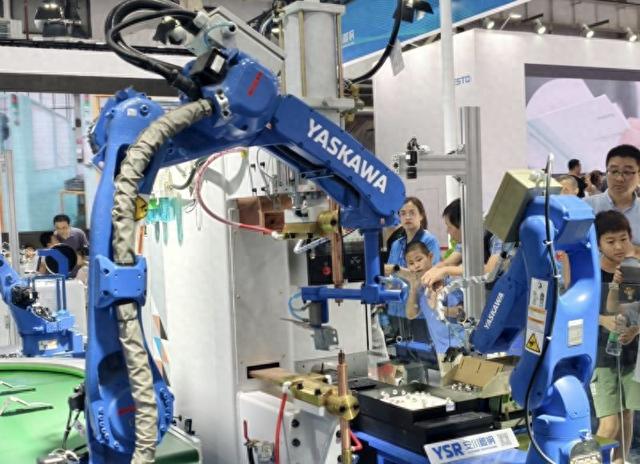
当人形机器人“邂逅”工业机器人:解码未来工厂的理想分工方案|聚焦2025WRC
Hua Xia Shi Bao· 2025-08-12 13:58
Core Insights - The 2025 World Robot Conference (WRC) highlighted the growing importance of industrial robots, with companies like ABB, Yaskawa, and KUKA showcasing advanced technologies that integrate AI into production processes [2][3][4] - The integration of AI into industrial robots is transforming their capabilities, making them more adaptable and easier to use, particularly for small and medium-sized enterprises [4][5] - There is an ongoing discussion about the roles of humanoid robots and industrial robots in factories, with both types of robots demonstrating complementary capabilities [6][7][8] Industrial Robots and AI Integration - Industrial robots are increasingly combined with AI technologies, allowing for enhanced functionalities such as automated quality inspection in automotive manufacturing [4][5] - ABB's AI application solutions enable robots to learn from human operators, streamlining programming processes and making them suitable for small-batch, diverse production scenarios [3][4] - KUKA introduced the "iico" collaborative robot, which utilizes advanced AI vision systems for precise material handling and sorting tasks [3] Market Trends and Growth - China's industrial robot market is projected to sell 302,000 units in 2024, maintaining its position as the largest global market for industrial robots for 12 consecutive years [4] - The automotive industry is currently the most significant user of industrial robots, with other sectors like construction machinery and shipbuilding also adopting robotic technologies [5] Humanoid Robots in Industrial Applications - Humanoid robots are being tested in industrial settings, performing tasks such as material handling and sorting, showcasing their potential to complement traditional industrial robots [6][7] - Companies like UBTECH and Yujian Technology are developing humanoid robots capable of performing complex tasks in factory environments, emphasizing their adaptability and efficiency [6][8] Future of Robotics - The relationship between industrial robots and humanoid robots is seen as complementary, with each type suited for different tasks; industrial robots excel in high-speed, heavy-load operations, while humanoid robots are better for tasks requiring flexibility and mobility [7][8] - The evolution of robotics is moving towards more complex systems that integrate both types of robots, enhancing collaboration between humans and machines [8]

WRC 2025深度观察:我们为你梳理了最值得关注的六大机器人投资主题和潜力公司
3 6 Ke· 2025-08-11 11:35
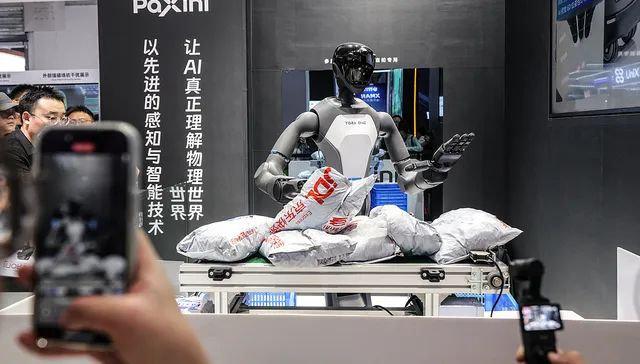
Core Insights - The article highlights the shift in the robotics industry from showcasing technical prowess to demonstrating practical capabilities, with over 500 global companies participating in the WRC and more than 100 new products launched, particularly in humanoid robotics [3][4] - It predicts that global humanoid robot shipments will exceed 10,000 units this year, with several manufacturers expected to surpass 1,000 units each [3] Group 1: Investment Themes - The article identifies six key investment themes in robotics, emphasizing the importance of understanding the intricate supply chain behind functional robots [4] - The first theme is "Embodied AI" and software platforms, where hardware sets the lower limit and AI software determines the upper limit of a robot's capabilities [5] - Market leaders in this theme include NVIDIA, which provides foundational computing power and AI models, and Microsoft, which invests in OpenAI to enhance robot capabilities through its Azure cloud platform [6][7] Group 2: Core Hardware Performance and Cost - The second theme focuses on the performance and cost of core hardware components, such as joints, servos, and sensors, which are crucial for the commercialization of robots [9] - Key market players include domestic manufacturers of reducers and servo systems, such as Lianhe Harmonic and Huichuan Technology, which are pivotal in reducing costs and enhancing efficiency [9] Group 3: Multi-Modal Perception Systems - The third theme addresses the need for advanced perception capabilities in robots, integrating 3D vision, LiDAR, and tactile sensors to navigate complex environments [11] - Companies like Orbbec and Keyence are recognized for their contributions to 3D vision and sensor technology, essential for high-end manufacturing robots [12] Group 4: Intelligent Upgrades in Industrial Robots - The fourth theme highlights the transformation of industrial robots through AI and collaborative robots, moving towards intelligent partners that can handle complex tasks alongside human workers [15] - Major players include FANUC and ABB, who are enhancing their product lines with AI capabilities [15] Group 5: Logistics and Specialized Applications - The fifth theme focuses on the rapid commercialization of robots in specific applications, such as e-commerce warehousing and security inspections, where demand is clear and measurable [18] - Boston Dynamics and Geek+ are leading companies in this space, with successful deployments of their robotic solutions [18] Group 6: Humanoid Robot Competition - The sixth theme discusses the competitive landscape of humanoid robots, where companies are racing to achieve positive unit economics and transition from loss-making to profitable operations [21] - Tesla is highlighted as a significant player with its Optimus robot, leveraging its strengths in AI and supply chain [22] Conclusion - The article emphasizes the complexity of the robotics industry and the need for investors to navigate through various challenges, including technology evaluation and supply chain management [25] - It suggests that direct engagement with industry experts can provide valuable insights into the evolving landscape of robotics [27]


2025世界机器人大会主论坛大咖观点(二)
机器人圈· 2025-08-11 03:13
Core Viewpoint - The World Robot Conference emphasizes the importance of innovation and application in robotics, showcasing advancements in technology and the need for interdisciplinary collaboration in the field [1][3]. Group 1: Key Presentations - Ni Guangnan, an academician from the Chinese Academy of Engineering, highlighted the significance of "AI + spatial computing" as a new paradigm that bridges the physical and digital worlds, essential for enhancing robot intelligence [3]. - Vašek Hlaváč from Czech Technical University discussed the development of a unique visual guidance method for industrial robots, which improves precision in flexible assembly tasks through custom datasets and machine learning [5]. - Seng Chuan Tan, the incoming president of the World Federation of Engineering Organizations, emphasized the need for engineers to evolve from traditional roles to innovative problem solvers with interdisciplinary skills [7]. Group 2: Challenges and Opportunities - Gao Feng from Shanghai Jiao Tong University identified four key challenges in robot invention: functional-driven design, performance integration, behavioral intelligence, and specific engineering applications [9]. - Alexander Verl, chair of the International Federation of Robotics Technical Committee, discussed the limitations of current robots and the potential of digital twins and AI to enhance their capabilities [11]. - Sergej Fatikow from the University of Oldenburg presented innovations in micro-robotics for precision manufacturing, emphasizing the importance of nanotechnology in driving breakthroughs [13]. Group 3: Industry Applications - Zhang Jiafan from ABB Robotics highlighted that industrial robots currently cover only 20%-30% of industrial needs, indicating significant untapped potential for AI applications in decision-making and control [15]. - Zeng Guang from Zoomlion discussed the integration of humanoid robots into manufacturing systems, emphasizing the need for comprehensive knowledge and AI-driven platforms for effective deployment [17]. - Hu Luhui from Zhicheng AI pointed out the core pain points in the industry, including high costs and safety issues, and advocated for deep collaboration between physical and intelligent systems to overcome these challenges [19]. Group 4: Medical and Agricultural Innovations - Bradley Nelson from ETH Zurich presented the application of micro-robots in medicine, particularly for targeted drug delivery and remote surgeries, showcasing their potential to address significant healthcare challenges [21]. - Jens Kober from Delft University of Technology discussed the automation of agriculture in the Netherlands, emphasizing the need for cost-effective solutions to labor shortages and the importance of addressing real pain points in the industry [29]. - Yaniv Maor from Tevel highlighted the challenges in automating fruit picking, focusing on the need for flexible robotic systems that can adapt to diverse environments and fruit varieties [31]. Group 5: Future Directions and Market Trends - Dennis Gutowsky from FESTO introduced bio-inspired robotics, showcasing innovations that mimic natural mechanisms to enhance robotic design and functionality [33]. - The dialogue on embodied intelligence emphasized the need for reliable and transparent AI systems to foster trust and collaboration between humans and robots [34][36]. - The discussions highlighted the importance of open-source models to build user trust and the necessity for predictable AI systems to ensure effective human-robot interaction [42][44].

世界机器人大会:最低1.8万/台,“班味儿”浓郁,同质化初显丨一线
吴晓波频道· 2025-08-11 01:00
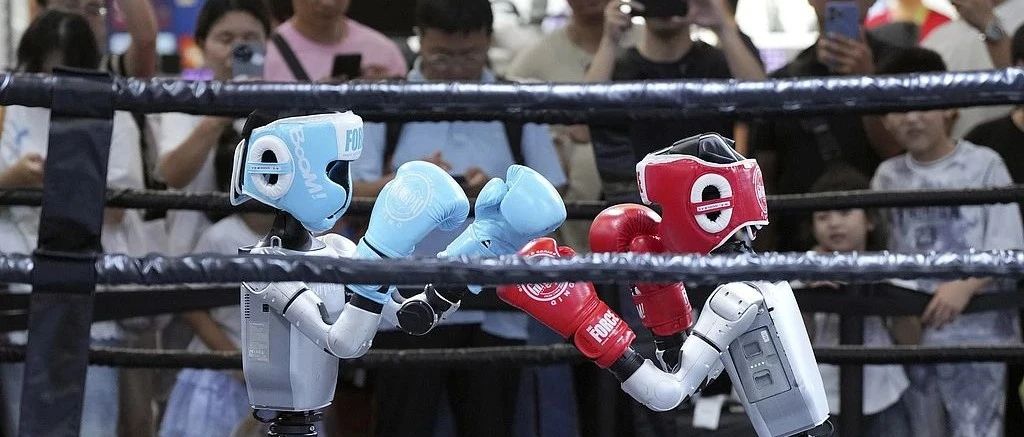
Core Viewpoint - The article discusses the growing relationship between humans and robots, highlighted by the 2025 World Robot Conference in Beijing, showcasing advancements in robotics and their applications in various sectors [2][19]. Group 1: Event Overview - The 2025 World Robot Conference set a record with over 200 domestic and international exhibitors and more than 1,500 exhibits, including over 100 new product launches [6][19]. - The event attracted significant public interest, with long queues and high foot traffic, indicating a strong demand for robotic technology [3][6]. Group 2: Key Exhibitors and Innovations - Yushutech emerged as a standout exhibitor, showcasing humanoid robots that gained considerable attention, particularly after their performance on a popular TV show [7][19]. - The exhibition featured various applications of robots, including cooking, entertainment, and industrial tasks, demonstrating the versatility of robotic technology [10][13]. Group 3: Market Trends and Growth - The robotics industry is experiencing rapid growth, with companies reporting 50%-100% increases in sales, driven by strong demand and supportive policies [17][19]. - Investment in the robotics sector remains high, with over $28 billion in funding reported in the first half of the year, indicating a robust interest from investors [19]. Group 4: Challenges and Future Outlook - Despite advancements, challenges remain in the form of technical limitations and the need for further development in intelligent robotics [20][21]. - Industry experts predict that significant breakthroughs in technology and market adoption will occur in the next 2 to 5 years, with some companies already finding success in niche markets [22][24].
8点1氪:中公教育17000元退款需17年退完;鹤岗过去5年房价涨超800元;证监会开出1.6亿元罚单
36氪· 2025-08-11 00:00
Group 1 - The article discusses the refund policy of Zhonggong Education, which states that if a student fails the exam, they are entitled to a refund of 17,000 yuan, but in reality, they can only receive 1,000 yuan per year, meaning it would take 17 years to get the full refund [5][6] - The staff at Zhonggong Education confirmed the refund conditions and attributed them to issues with the company's cash flow [5][6] - The article highlights a case where a student, Liu, spent over 20,000 yuan on a training program and faced difficulties in obtaining her refund [5][6] Group 2 - Kewei Medical announced plans to issue H-shares and apply for listing on the Hong Kong Stock Exchange to enhance its global strategy and brand recognition [3] - Shuangdeng Group has passed the listing hearing at the Hong Kong Stock Exchange, with joint sponsors including CICC, Huatai International, and Jianyin International [4] Group 3 - The China Securities Regulatory Commission (CSRC) has imposed a fine of 160 million yuan on *ST Gaohong for serious financial fraud, with the company facing potential delisting due to major violations [7] - Crocs, the manufacturer of "Croc" shoes, reported a projected revenue decline for Q3, leading to a nearly 30% drop in stock price, attributed to cautious consumer spending and rising costs from U.S. tariffs [8][8] Group 4 - The article mentions that the average price of new commercial housing in Hegang has increased from 3,046 yuan per square meter to 3,860 yuan over the past five years, with a significant rise in the number of properties sold to non-local buyers [6] - The report indicates that 512 million people have participated in subsidized vocational skills training in China this year, reflecting a government initiative to enhance the supply of skilled labor [12]




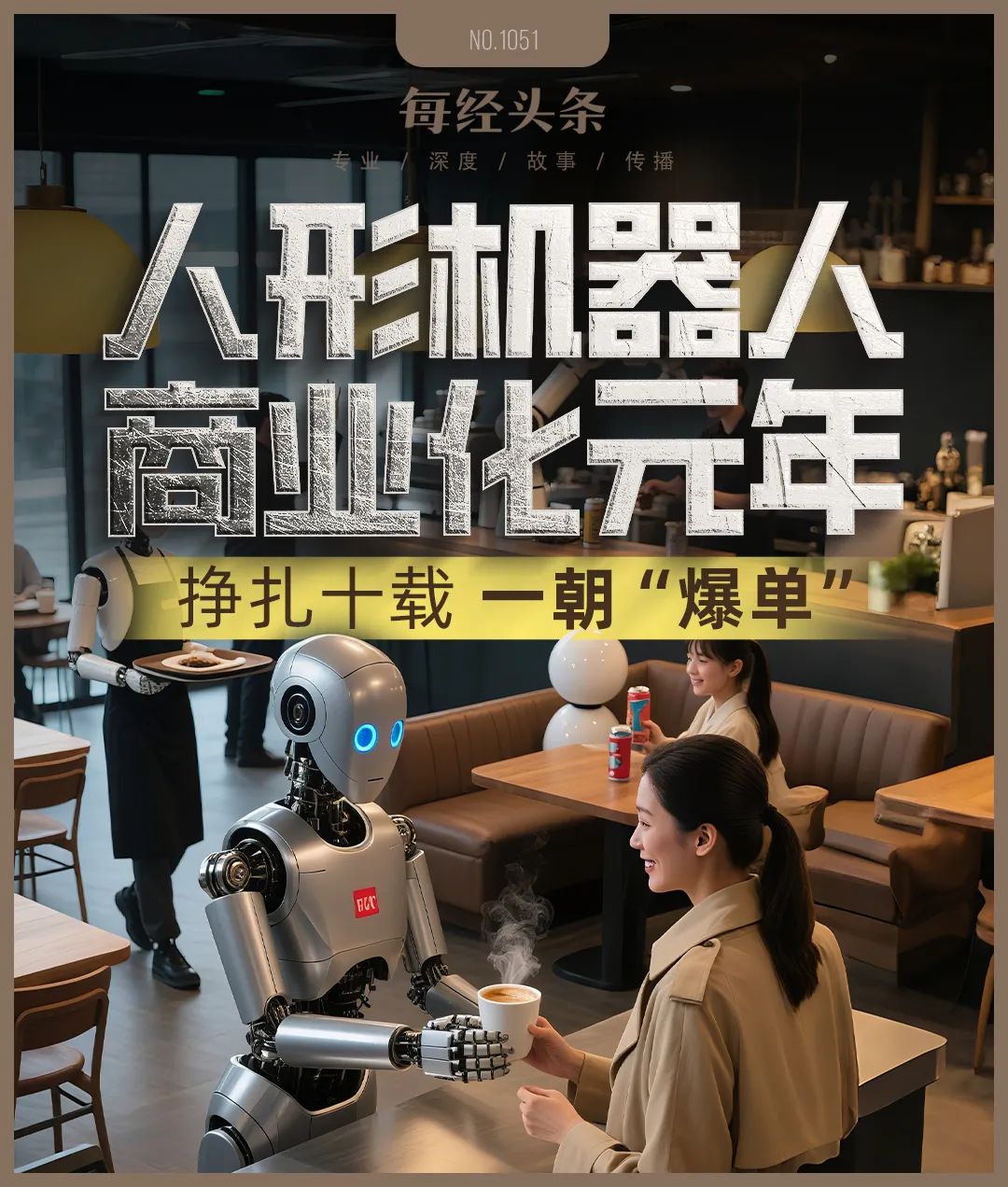
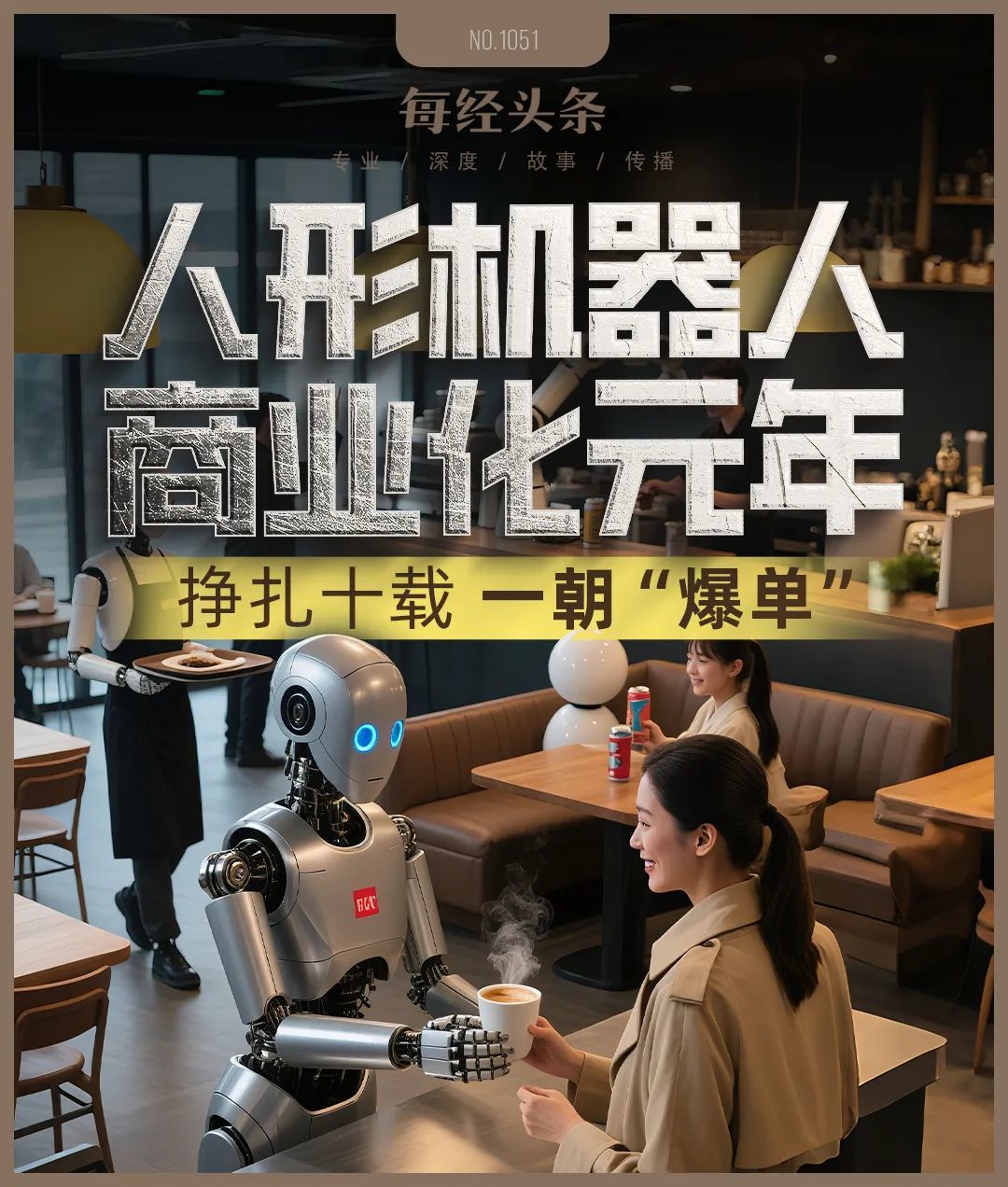
人形机器人撕掉“花瓶”标签还要多久?亿元大单“破冰”,商业化元年终于来了
Mei Ri Jing Ji Xin Wen· 2025-08-10 23:59
Group 1 - The core viewpoint of the article highlights the significant progress in the commercialization of humanoid robots, with major orders indicating strong market demand and technological advancements [2][4][20] - Humanoid robots are now entering practical application scenarios, with expectations of substantial changes in the next 3 to 5 years, reflected in increased shipment volumes and the growth of major companies in the field [2][4] - Companies like UBTECH and others have secured landmark contracts worth nearly 100 million yuan, validating the demand in industrial settings such as automotive and logistics [4][19] Group 2 - The 2025 World Robot Conference showcased a shift in the market, with manufacturers openly pricing humanoid robots, ranging from tens of thousands to nearly a million yuan, indicating a move away from the previous "price-sensitive" approach [4][6] - The emergence of the first physical store for humanoid robots, featuring over 100 products from more than 40 manufacturers, marks a significant step in the commercialization process [4][6] - Companies are exploring various business models, including using humanoid robots in service scenarios, such as robot restaurants and cultural tourism complexes, to enhance consumer engagement [6][7] Group 3 - Different companies are targeting various application scenarios, with some focusing on industrial uses while others cater to service-oriented markets, indicating a diverse approach to commercialization [7][9] - The consensus among industry players is to prioritize deploying humanoid robots in workplaces before expanding into home environments, as the latter presents more complex challenges [7][9] - The timeline for humanoid robots entering home environments is estimated to be at least ten years due to the complexities involved [9][10] Group 4 - Humanoid robots are seen as a solution to fill a 30% labor gap in advanced manufacturing, where traditional robotic solutions may not suffice [13][14] - The flexibility of humanoid robots allows them to adapt to existing factory layouts without requiring significant changes, making them a viable option for many industries [14][19] - The long-term cost of humanoid robots is expected to be lower than human labor, as they can operate continuously with minimal operational costs after initial investment [14][19] Group 5 - The industry faces challenges related to AI development and data training, which are critical for advancing humanoid robot capabilities [18][19] - Current hardware capabilities are sufficient, but the lack of breakthroughs in AI models limits the functionality of humanoid robots [18][19] - The need for a robust ecosystem and optimized supply chain costs is essential for making humanoid robots more affordable and accessible to consumers [19][20]
8点1氪|中公教育17000元退款需17年退完;鹤岗过去5年房价涨超800元;证监会开出1.6亿元罚单
3 6 Ke· 2025-08-10 23:57
Group 1: Company Announcements - Kewei Medical plans to issue H-shares and apply for listing on the Hong Kong Stock Exchange to enhance its global strategy and brand image [1] - Shuangdeng Group has passed the listing hearing on the Hong Kong Stock Exchange, with joint sponsors including CICC, Huatai International, and Jianyin International [2] Group 2: Financial Issues and Consumer Concerns - Zhonggong Education faces criticism for a refund policy that could take 17 years to process, attributed to financial chain issues [3] - ST Gaohong is under investigation for serious financial fraud, with a proposed fine of 160 million yuan and potential delisting risks [4] - Crocs' stock plummeted nearly 30% after announcing expected revenue declines due to cautious consumer spending and increased tariffs, with an estimated additional cost of $40 million in the second half of the year [5] Group 3: Real Estate Trends - In Hegang, the average price of new commercial housing has risen from 3046 yuan/m² to 3860 yuan/m² over five years, with a significant increase in transactions from 1134 units in 2019 to 5680 units in 2024 [4] Group 4: Market Insights - A survey indicates that only about one-third of large Japanese companies expect economic growth due to uncertainties from U.S. tariffs, a significant drop from 70% earlier in the year [9][10] - The U.S. government’s tax credit for electric vehicles is set to end, leading to a surge in electric vehicle sales, which reached a record 9.1% of total passenger car sales in July [11]



人形机器人撕掉“花瓶”标签还要多久?亿元大单“破冰”,商业化元年终于来了!
Mei Ri Jing Ji Xin Wen· 2025-08-10 15:48
Core Viewpoint - The 2025 World Robot Conference highlights significant advancements in humanoid robots, marking a turning point in their commercialization and practical applications in various industries [2][3]. Group 1: Commercialization Breakthrough - Humanoid robots have finally begun to see substantial commercial orders, with companies like UBTECH and ZhiYuan securing significant contracts, indicating strong market demand [2][3]. - The shift from experimental applications to real industrial scenarios represents a major progress in the humanoid robot sector, with expectations of dramatic changes in the next 3 to 5 years [2][3][4]. - The establishment of the world's first intelligent robot 4S store showcases the growing acceptance and pricing transparency of humanoid robots, with prices ranging from tens of thousands to nearly a million yuan [3]. Group 2: Market Trends and Applications - There is a noticeable increase in smaller orders for service applications, driven by decreasing prices and the establishment of new ecosystems, including rental markets for humanoid robots [4]. - Companies are exploring various business models, such as using humanoid robots in consumer spaces, exemplified by the launch of a robot-operated restaurant during the conference [5]. - Different companies are targeting various market segments, with some focusing on industrial applications while others cater to service-oriented scenarios [6]. Group 3: Industry Challenges and Future Outlook - The humanoid robot industry faces challenges related to AI development and data training, which are crucial for enhancing the capabilities of these robots [15][16]. - The need for humanoid robots in factories is emphasized, as they can fill a significant labor gap that traditional industrial robots cannot address [11][12]. - The industry anticipates that humanoid robots will eventually replace traditional industrial robots, but this transition will take time, with estimates suggesting a timeline extending to 2030 for widespread adoption [12].