优衣库

Search documents
“链主”企业牵头搞大事,SHEIN的产业赋能密码藏不住了
Guan Cha Zhe Wang· 2026-01-09 07:52
Core Viewpoint - SHEIN has emerged as a leading player in the global fashion retail market, leveraging innovative digital supply chain solutions to address traditional industry challenges such as high inventory risks and production inefficiencies [2][12]. Group 1: Industry Transformation - The improvement in China's traditional manufacturing industry is attributed to continuous training of frontline workers, innovative tools, and the digitalization of the entire production and distribution chain [1]. - SHEIN's flexible supply chain model has allowed it to surpass competitors like ZARA, H&M, and Uniqlo, becoming the third-largest fashion retailer globally, following Nike and Adidas [2]. - The company has developed over 180 innovative tools by 2025, enhancing production efficiency by an average of 35% for suppliers [5]. Group 2: Technological Innovation - SHEIN's manufacturing innovation research center has played a crucial role in developing tools that streamline production processes, such as combining multiple sewing steps into one, which can increase efficiency by up to 40% [3][5]. - The introduction of digital heat transfer printing technology has significantly reduced the time from design to production, compressing the cycle from 4-6 weeks to just 7-15 days, while also minimizing water usage [9][10]. Group 3: Supplier Empowerment - SHEIN has conducted nearly 600 training sessions for suppliers in 2025, covering approximately 37,000 instances, to enhance skills and management capabilities within the industry [6]. - The company has established a robust digital management system that provides suppliers with stable orders and clear timelines, improving their operational efficiency [13]. Group 4: Environmental Impact - SHEIN's transition to using new energy vehicles for logistics has contributed to reducing carbon emissions, showcasing the company's commitment to sustainable practices [10]. - The digital heat transfer printing technology employed by SHEIN is verified to consume zero water resources, representing a significant advancement in eco-friendly production methods [9]. Group 5: Market Expansion - The cross-border e-commerce sector, represented by SHEIN, has shown steady growth, with exports reaching approximately 1.63 trillion yuan in the first three quarters of 2025, marking a 6.6% increase year-on-year [12]. - SHEIN's "500 Cities Industrial Belt Going Abroad Plan" has expanded its reach to nearly 400 cities, fostering brand development and international market access for local businesses [14].
一波女性涌向男装区挑新年战袍,图啥?
Xin Lang Cai Jing· 2026-01-09 03:16
Core Insights - The trend of women purchasing men's clothing is gaining popularity, driven by factors such as price, quality, and style preferences [6][12]. Group 1: Consumer Behavior - Many women are increasingly choosing men's clothing for its better value and durability compared to women's options [6][12]. - Female consumers are drawn to the aesthetic appeal and versatility of men's clothing, often finding it more suitable for their body types [8][11]. - Social media discussions highlight the growing acceptance and interest among women in wearing men's fashion, with many sharing positive experiences [5][6]. Group 2: Market Dynamics - Retailers have observed a notable increase in female customers trying on and purchasing men's clothing, although specific data on the percentage of female buyers is not available [8][12]. - The pricing strategy for men's clothing tends to be more favorable, with lower markups compared to women's clothing, which often sees higher prices for new designs [11][12]. - The quality of men's clothing is perceived to be superior, with better attention to detail and functionality, leading to a shift in consumer preferences [12][13].

台华新材:越南基地年产6000万米胚布织染一体化项目预计2026年将陆续有产能投产
Zheng Quan Ri Bao Wang· 2026-01-08 13:13
Core Viewpoint - The company, Taihua New Materials, has established stable partnerships with renowned domestic and international brands such as Decathlon, Uniqlo, and Anta, due to its advantages in product development, technology, supply chain, and product quality [1] Group 1: Product Orders and Market Position - The company's finished fabric orders exhibit characteristics of "small batches, multiple batches, and short delivery times" [1] - The company has gained the trust of major clients through years of development and has built stable cooperative relationships with them [1] Group 2: Production Capacity and Expansion - The main production capacity includes a high-end nylon fabric weaving and dyeing integrated project in Huai'an, Jiangsu, with an annual output of 200 million meters, which has already commenced partial production [1] - A production base in Vietnam, with a total investment of no more than 100 million USD, is set to produce 60 million meters of grey fabric annually, with capacity expected to be operational by 2026 [1] - The Vietnam production base will better meet international clients' demands for high quality, sustainability, and rapid response, enhancing the company's brand influence and market coverage [1]

出海2026:决定营销成败的是什么?
3 6 Ke· 2026-01-07 11:04
Core Insights - The article emphasizes the transformative impact of AI on overseas marketing, particularly in content production and influencer marketing, marking a shift in business paradigms [1][4][8] Group 1: AI's Impact on Marketing - In 2025, AI models demonstrated significant value in overseas marketing, with practical cases showing brands achieving over 300 million exposures through AI-driven influencer matching [1][4] - AI has penetrated various marketing scenarios, with influencer marketing's AI penetration rate reaching 73%, and programmatic advertising entering a new phase driven by large models [2][4] - AI's capabilities in content production have drastically improved efficiency, with generative AI increasing content production speed by five times and enhancing conversion rates by 30% through dynamic creative optimization [4][8] Group 2: Case Studies and Practical Applications - A robot brand achieved over 300 million exposures in the U.S. market by utilizing AI for influencer matching, demonstrating the effectiveness of AI in enhancing marketing efficiency [7][8] - Uniqlo's targeted marketing for overseas tourists resulted in a 234% click-through rate by leveraging AI for user segmentation and dynamic location-based services [9][11] - SHEIN utilized AI to enhance its marketing efficiency, achieving a 30% increase in user interaction rates and a 40% rise in purchase conversion rates through data-driven solutions [11][12] Group 3: Future Trends and Developments - The emergence of "SuperAgent" signifies a new standard in marketing, capable of solving complex problems and driving self-evolving marketing strategies [13][14] - AI is shifting influencer marketing from emotional collaboration to rational operations, enabling precise quantification of influencer contributions and optimizing advertising strategies [14][15] - The upcoming global intelligent marketing ecosystem summit by iFLYTalent aims to explore the new possibilities of AI-driven marketing, focusing on the integration of SuperAgent in various marketing scenarios [3][15][16]


都用聚酯纤维,为啥有的卖几十,有的卖几千?
3 6 Ke· 2026-01-07 09:46
Core Insights - The article discusses the rising popularity and debate surrounding polyester fiber, highlighting its perception as both a low-cost material and a functional, practical choice in fashion [1][3] - It emphasizes the disparity in pricing for garments made from polyester, ranging from hundreds to thousands of yuan, and the underlying factors influencing this pricing structure [1][3] Group 1: Cost Structure and Material Quality - Polyester, known as "涤纶," has evolved into a high-performance material through chemical modification and innovation, offering various properties such as wrinkle resistance, quick-drying, and durability [3] - Despite having the same chemical composition, the cost of polyester varies significantly due to different technological layers and processing methods, with regular polyester priced around 6507 yuan per ton, while high-end functional composites can cost significantly more [3] - The processing stages, including treatments for water resistance and UV protection, greatly affect the final cost, leading to a wide range of pricing even for products labeled as "polyester" [3] Group 2: Brand Value and Consumer Perception - The ability of high-end brands to capitalize on their intangible assets is a key reason for the price differences, as they have successfully marketed polyester as a "high-tech functional material" linked to lifestyle narratives [4] - Low-end brands often struggle with product definition and originality, leading to homogenization and price competition, which diminishes their market position [4] - Consumer trust has been impacted by past instances of low-quality recycled materials, creating skepticism about brand claims regarding functionality, which has affected the overall credibility of the polyester category [4] Group 3: Brand Narrative and Consumer Engagement - To reshape consumer perceptions, brands must transition from selling materials to selling value, focusing on storytelling that resonates with users [5] - Brands should highlight unique advantages and connect their products to specific life scenarios, moving away from generic "black technology" claims [6] - There is a need for deeper user insights and collaboration with designers and communities to create products that address specific pain points, thus supporting justified brand premiums [8] - Establishing a transparent and sustainable trust loop is crucial, with brands encouraged to open their supply chains and engage consumers in the creation and testing of materials [9]
创业逾28年的传统杭企IPO首发过会
Mei Ri Shang Bao· 2026-01-06 22:22
Core Viewpoint - The successful IPO of Hangzhou Fuen Co., Ltd., a company specializing in eco-friendly recycled fabrics, marks a significant breakthrough in the textile industry, which had not seen an A-share listing for nearly three years [2][4]. Company Overview - Founded over 28 years ago, Fuen started as a village cloth factory in Xiaoshan and transitioned to a family-run business after a share transfer due to policy adjustments [2]. - The company has embraced multiple transformations to maintain its competitiveness in the traditional textile industry, particularly focusing on eco-friendly materials since 2010 [2][3]. Market Trends - The global textile and apparel industry is increasingly prioritizing green and sustainable practices, with brands setting clear sustainability goals, creating opportunities for eco-friendly fabrics [3]. - According to the United Nations Environment Programme, the textile and apparel sector accounts for 10% of global carbon emissions, highlighting the growing importance of sustainable materials [3]. Financial Performance - Fuen's recycled fabric products now account for over 80% of its total revenue, with major clients including well-known international fast fashion brands such as H&M and Uniqlo [4]. - Financial projections indicate that Fuen's main business revenues for 2022 to 2025 will be 1.742 billion, 1.505 billion, 1.803 billion, and 932 million yuan respectively, with net profits of 277 million, 229 million, 275 million, and 105 million yuan [4]. Competitive Landscape - The recycled fabric segment in which Fuen operates has relatively few strong competitors, with major rivals including French fabric manufacturer Kaimeng and Japanese Toray's subsidiary in China, both of which have lower production capacities than Fuen [5]. Future Plans - Fuen plans to raise 1.25 billion yuan through its IPO, with 800 million yuan allocated for an integrated project on recycled eco-friendly yarn-dyed fabrics and 450 million yuan for a high-end recycled materials research institute and green manufacturing project [6]. - Key milestones for 2025 include the launch of a factory in Vietnam, a yarn factory in Hangzhou, and becoming a supplier for Lululemon, indicating expansion into overseas production and upstream supply chains [6].


品牌如何在内卷中脱颖而出?
Sou Hu Cai Jing· 2026-01-06 21:44
Group 1 - The current state of the clothing brand business is challenging, with many companies in Hangzhou facing layoffs and intense competition, leading to low foot traffic in clothing stores compared to restaurants [3][15] - Shopping centers are seeing high customer traffic for dining experiences, while clothing retail stores struggle with low purchase rates despite high foot traffic in some locations [3][4] - Brands like Uniqlo maintain consistent customer flow, while others like Hotwind experience fluctuating foot traffic, indicating a disparity in consumer interest [6][8] Group 2 - Brands such as Xicheng Village and Aiyifu have expanded rapidly, with Aiyifu reaching over 4,000 stores and annual sales exceeding 4 billion, but face challenges in maintaining profitability due to higher operational costs in malls [7][8] - The Crying Center has opened new stores with decent foot traffic, indicating a potential market for affordable fashion [9] - The Mason Prince flagship store invested heavily in decor, suggesting that experiential retail may attract customers despite the overall market challenges [12] Group 3 - The core issue for underperforming stores is the lack of unique design and craftsmanship that resonates with consumers, leading to a perception of sameness in the market [15][19] - Brands need to enhance the in-store experience, transforming retail spaces into centers of brand storytelling and customer engagement to differentiate from e-commerce [16][25] - Consumer preferences are shifting towards unique aesthetics and brand values, with many prioritizing product quality and design over brand names [17][18] Group 4 - The market is characterized by significant product homogeneity, with many brands following trends rather than establishing unique identities, resulting in price-based competition [19][23] - Successful brands like JNBY emphasize product differentiation through distinctive design and quality, maintaining high customer loyalty and financial performance [24] - Brands must focus on user experience and personalized service to remain relevant, with innovative approaches like upcycling old clothing gaining traction [25][26] Group 5 - Sustainable practices are becoming essential for brand perception, with companies encouraged to integrate sustainability into their core values and operations [27] - The industry is urged to move beyond mere trend-following to create meaningful connections with consumers, fostering loyalty through shared values and experiences [22][27]
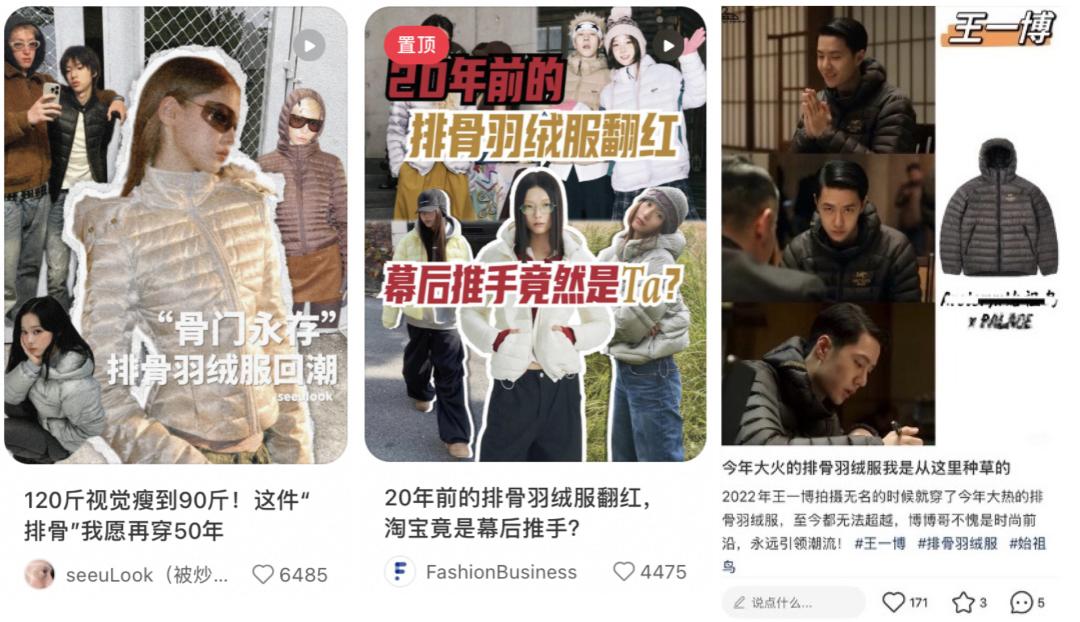
一个单品爆卖2000万元,今冬首个顶流爆款诞生
3 6 Ke· 2026-01-04 23:58
Core Insights - The "ribs down jacket" has become a trending fashion item this winter, transforming from a previously considered "ugly" style to a must-have for fashion enthusiasts [1][5] - The popularity of the "ribs down jacket" has led to significant social media engagement, with over 130 million views on related topics and a sales increase of over 600% compared to last year [3][10] Industry Trends - The "ribs down jacket" has seen a tenfold increase in social media presence since October 2025, indicating a massive surge in consumer interest [3] - The overall sales of "ribs down jackets" have increased by over 600% year-on-year, with some single items achieving sales in the millions [3][12] Market Dynamics - The rise of the "ribs down jacket" is attributed to its lightweight and slim-fit design, which aligns with current fashion trends and consumer preferences for practicality [5][8] - The production process for "ribs down jackets" is simpler and faster compared to more complex designs, making it a safer choice for manufacturers amid rising raw material costs [10][12] Consumer Behavior - The target demographic for the "ribs down jacket" includes young consumers, particularly university students, with pricing strategies designed to appeal to this group [11][14] - Brands have successfully leveraged social media and influencer marketing to boost the visibility and desirability of the "ribs down jacket" [8][11] Brand Strategies - Companies like Lemanism and alright then have capitalized on the trend by launching their "ribs down jackets" early, resulting in significant sales growth [11][14] - The effective integration of trend forecasting and supply chain management has allowed brands to respond quickly to market demands, enhancing their chances of success [16][17]
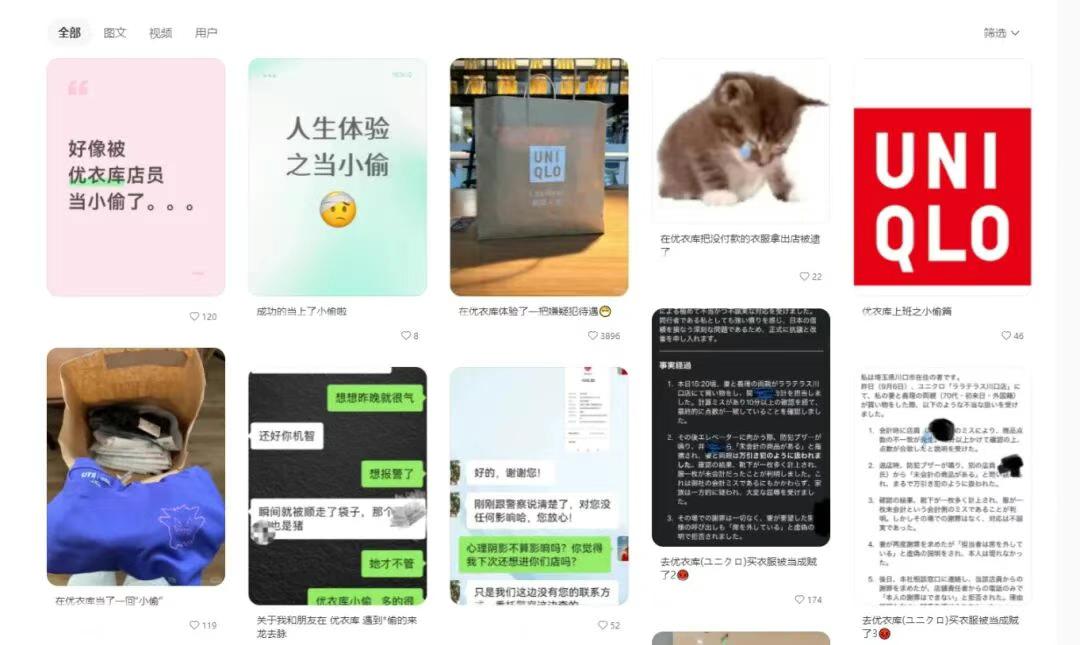
偷拍「疑似小偷」的顾客成了优衣库员工KPI?多少人逛个街吃火锅都在被商家悄悄标记
3 6 Ke· 2026-01-04 01:48
Core Viewpoint - Uniqlo has been reported to use "surveillance" on customers to prevent theft, leading to significant backlash from consumers who feel offended by being treated as potential thieves [1][3][4]. Group 1: Surveillance Practices - Some Uniqlo stores have been found to take photos of "suspicious customers," which are then shared in internal group chats with hundreds of employees [3][4]. - The criteria for being labeled as "suspicious" can be arbitrary, including simply wearing a backpack or a mask while passing by fitting rooms [3][4]. - This practice is not isolated to individual employees but is driven by management directives, with area managers pressuring staff to identify at least one suspicious case daily [4][13]. Group 2: Theft Challenges - Uniqlo's self-service shopping model, while providing a comfortable experience, also creates opportunities for theft, as the store layout allows for easy concealment of stolen items [5][12]. - Common theft methods include cutting RFID tags from clothing in fitting rooms, which has resulted in significant monthly losses for some stores [6][9]. - The increase in theft incidents has led to heightened scrutiny on loss rates, which are now tied to employee performance metrics, further pressuring staff to monitor customers closely [13][26]. Group 3: Customer Experience and Privacy Concerns - The use of surveillance and tagging customers has raised concerns about privacy and the potential for discrimination, as customers may be unfairly categorized based on superficial traits [21][26]. - The trend of labeling customers is not limited to Uniqlo; it reflects a broader industry practice where businesses collect extensive data on consumer behavior, sometimes leading to uncomfortable or invasive profiling [22][27]. - As retailers increasingly rely on technology and data to manage customer interactions, there is a growing anxiety about how this information is used and the implications for personal privacy [27][28].
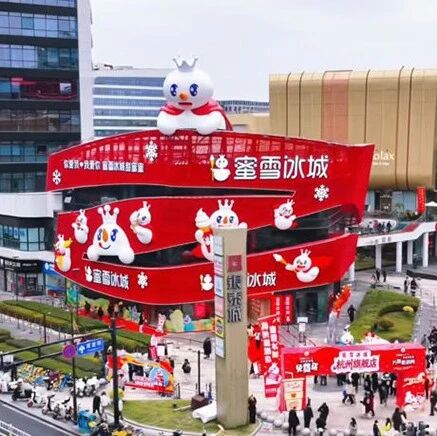
从始祖鸟到雪王,为什么都在开大店?
36氪· 2026-01-03 13:08
Core Viewpoint - The article discusses the trend of large retail stores emerging in various industries, emphasizing their role in enhancing brand experience and community engagement, while also addressing the shift from traditional retail models to more experiential and emotionally-driven shopping environments [5][10][25]. Group 1: Large Store Trends - Miniso has successfully implemented a new large store model, with Miniso Land generating 1.5 billion yuan in sales within its first year in Shanghai, primarily driven by IP products [8][7]. - The trend of opening large stores is not limited to Miniso; brands like Honey Snow Ice City and H&M are also expanding their flagship stores significantly, with sizes ranging from 600 to 2400 square meters [12][21][22]. - The shift towards larger stores is seen as a response to market saturation in smaller formats, with brands aiming to create high-value, differentiated experiences [13][18][30]. Group 2: Consumer Experience and Engagement - Large stores are designed to enhance consumer engagement by offering unique experiences, such as themed areas and exclusive products, which help build brand loyalty [25][35]. - The success of large stores is attributed to their ability to create immersive environments that cannot be easily replicated online, thus providing a compelling reason for consumers to visit [39][68]. - Brands are increasingly focusing on the emotional value of shopping experiences, moving away from purely functional offerings to those that resonate with consumers on a deeper level [7][10][37]. Group 3: Market Dynamics and Challenges - Despite the trend towards large stores, the retail environment is facing challenges, including rising vacancy rates in shopping centers, which have reached 28.7% [30]. - The article notes that while some large store initiatives have failed, successful examples demonstrate that well-executed large stores can outperform traditional formats in terms of sales per square meter [32][45]. - The current retail landscape requires brands to innovate and adapt their strategies to remain relevant, particularly in the face of economic pressures and changing consumer preferences [30][41].