
长安汽车

Search documents
汽车和汽车零部件行业周报:特斯拉计划2027年销售机器人,关注机器人板块
Guolian Minsheng Securities· 2026-01-28 13:25
汽车和汽车零部件行业周报 20260125 特斯拉计划 2027 年销售机器人 关注机器人板块 glmszqdatemark 长安汽车与美的集团签署全面战略合作协议,深化"人车家"智慧生态合作。1 月 21 日,长安汽车与美的集团签署全面战略合作协议,聚焦"人·车·家"智慧生态 融合。双方将实现"车控家",用户可语音远程控制 20 类美的智能家电,一键开 启场景模式;开发"家控车",用户可通过美的设备查询车辆状态、远程控车, 预计缩短出行准备时间约 40%。此外,美的旗下威灵汽车部件将为长安新能源提 供热管理系统、底盘执行系统等核心零部件,其 800V SiC 电动压缩机已量产适 配。双方还将在智能制造升级上协同,推进 AI 智能体、工业机器人等应用,提升 生产效率与定制化能力,推动汽车从代步工具向智慧生活枢纽转型。 投资建议: 乘用车:推荐【吉利汽车、小鹏汽车、比亚迪】,建议关注【江淮汽车】。 零部件: 1)智能化:推荐智能驾驶-【伯特利、地平线机器人、科博达】,智能 座舱-【继峰股份】;2)新势力产业链:推荐 H 链-【星宇股份、沪光股份】;推 荐 T 链-【拓普集团、新泉股份、双环传动】;3)出海链:推 ...

比俄乌冲突时期更差 俄罗斯汽车市场销售额10年来首降
Di Yi Cai Jing· 2026-01-28 12:48
俄乌冲突前(2022年前),欧洲车企主导俄罗斯市场,德系、法系品牌合计占约30%份额,本土车企仅 25%。韩系(20%+)表现优于日系(17%),美系不足10%。俄乌冲突后(2023年起),受制裁影响, 欧美车企大规模退出,本土车企通过接盘外资股份份额跃升至40%,中国品牌也乘势崛起。而自2021年 初开始逐步崭露头角以来,中国品牌的市场份额从最初的5%左右迅速攀升至2023年的超过50%,并在 2024年6月至9月期间突破了60%的大关。中国汽车品牌在短短两三年间完成了对俄罗斯市场的深度渗 透。2024年,俄罗斯是中国汽车出口第一目的地国。不过,2025年开年,俄罗斯市场就整体呈现出低迷 的景象。 俄罗斯对中国汽车出口的政策收紧,导致中国汽车出口销量下降。一名车商在接受记者采访时表示,俄 罗斯市场需求本身有限,叠加关税上涨、贷款利率暴涨,导致消费者购车欲望下降,整体消费低迷,并 非中国车本身不受欢迎。 其中,2024年是一个关键转折点。该年4月1日起,从中国经由中亚国家中转,再运往俄罗斯的车辆需要 补齐各类税费,包括关税、增值税和消费税等。该年10月1日起,进口至俄罗斯的车辆报废税上涨70% 至85%,每年 ...
比俄乌冲突时期更差,俄罗斯汽车市场销售额10年来首降
Di Yi Cai Jing· 2026-01-28 12:36
Group 1 - The core viewpoint is that the Russian automotive market is experiencing a significant decline in sales, with a total market size of 13.8 trillion rubles in 2025, down 7.8% from 2024, marking the first negative growth since 2015 [1] - In 2025, the new car market in Russia is projected to generate 4.6 trillion rubles, a decrease of 18.4% year-on-year, while the used car market is expected to reach 9.2 trillion rubles, down 1.4% [1] - The decline in the Russian automotive market is attributed to high benchmark interest rates increasing loan costs and weak market demand, along with policy changes such as increased vehicle scrappage taxes [1][3] Group 2 - In 2025, new cars will account for 33% of the market's monetary value in Russia, while used cars will represent 67%, highlighting the higher share of used cars in the market [2] - Chinese automotive brands are experiencing a decline in market share in Russia, with sales of new cars dropping to 68.5 million units in 2025, a 25% decrease, resulting in a market share reduction from 58.5% in 2024 to 51.7% [2] Group 3 - Before the Ukraine conflict, European car manufacturers dominated the Russian market, holding about 30% of the market share, while local manufacturers had only 25% [3] - Following the conflict, Western car manufacturers exited the market, allowing local manufacturers to increase their market share to 40%, while Chinese brands surged from around 5% to over 50% by 2023 [3] - In 2024, Russia became the top destination for Chinese automotive exports, but the market showed signs of decline at the beginning of 2025 due to tightening export policies and rising tariffs [3][4] Group 4 - A significant turning point occurred in 2024 when new taxes and increased scrappage fees were implemented, affecting the cost of imported vehicles [4] - The number of Chinese brand showrooms in Russia is expected to decrease significantly, with 643 showrooms closing by 2025, reflecting a cooling market for Chinese vehicles [6] - The competitive landscape for Chinese automotive brands in Russia has intensified, leading to lower profit margins and increased price competition due to market saturation [5][6]



创近五年新低 2025年汽车行业销售利润率仅4.1%
经济观察报· 2026-01-28 12:24
Core Viewpoint - The automotive industry is experiencing a significant decline in profitability, with upstream components showing steady growth, while vehicle manufacturing and downstream dealerships face considerable pressure [1][2]. Group 1: Profitability Trends - In 2025, the automotive industry achieved a profit of 461 billion yuan, a year-on-year increase of 0.6%, but the sales profit margin dropped to 4.1%, lower than the average of 5.9% for downstream industrial enterprises [2]. - The profit margin for the automotive industry fell to 4.1% in 2025, marking a five-year low, with December profits plummeting to 20.7 billion yuan, a year-on-year decrease of 57.4% [2][3]. - The overall profit margin for the automotive industry in December 2025 was the lowest in five years, with a significant decline from 4.1% in December 2024 to 1.8% [2]. Group 2: Performance of Different Segments - Among 129 A-share automotive parts companies, 80 reported a year-on-year profit increase, indicating over 60% had both revenue and profit growth [3]. - In the vehicle manufacturing segment, 16 out of 22 A-share car manufacturers were profitable, but major players like BYD and GAC Group saw significant profit declines, with GAC Group's profit dropping by 3691.33% [3]. - The downstream dealership segment is under severe pressure, with only 28% meeting sales targets and a loss rate climbing to 55% [3]. Group 3: Cost Pressures - The overall unit cost for industrial enterprises has increased significantly, with lithium carbonate prices doubling and raw material costs rising for midstream and downstream sectors [3][4]. - The cost of a typical mid-sized smart electric vehicle has increased by 4,000 to 7,000 yuan due to rising prices of lithium, aluminum, and copper, which are difficult for manufacturers to pass on to consumers [4]. - Starting in 2026, a 5% purchase tax on new energy vehicles and changes to subsidy policies will further increase consumer costs, complicating demand and supply dynamics in the automotive market [4]. Group 4: Strategic Responses - Some automotive companies are accelerating collaboration with upstream suppliers to address challenges, as seen in the strategic discussions between China Aluminum Group and China FAW Group [5].




为什么L3还没正式上路,汽车公司却要直接跳过?
3 6 Ke· 2026-01-28 12:04
Group 1 - The automotive industry is divided on the approach to L3 and L4 autonomous driving, with some companies advocating for skipping L3 and moving directly to L4, while others are focused on accelerating the implementation of L3 [2][3] - Companies like Xiaopeng and Mercedes-Benz have expressed skepticism about L3, with Xiaopeng's founder stating that true fully autonomous driving will arrive by 2026, skipping L3 altogether [2][3] - In contrast, the Ministry of Industry and Information Technology in China has issued licenses for L3 vehicles, indicating a push towards practical implementation, with companies like BYD and Hongmeng already conducting extensive testing [2][8] Group 2 - The distinction between L3 and L4 is primarily based on legal and responsibility frameworks rather than clear technological differences, with L3 being seen as a limited version of L4 [4][6] - The current classification system for autonomous driving levels may not accurately reflect the technological capabilities, as many experts believe that the future will categorize driving into two main scenarios: driver assistance and true autonomous driving [4][6] - Despite the push for L3, regulatory hurdles remain significant, with companies facing lengthy approval processes and strict operational limitations even after receiving licenses [9][11] Group 3 - The market demand for L3 systems is currently insufficient, as evidenced by Mercedes-Benz's decision to pause its L3 rollout due to high costs and low consumer interest [13][14] - Tesla's Full Self-Driving (FSD) option has seen low adoption rates, prompting the company to shift to a subscription model to increase accessibility [14] - The timeline for mass production of L3 vehicles remains uncertain, with various interpretations of what "mass production" entails, leading to discrepancies between technical capabilities and regulatory approvals [15][16]



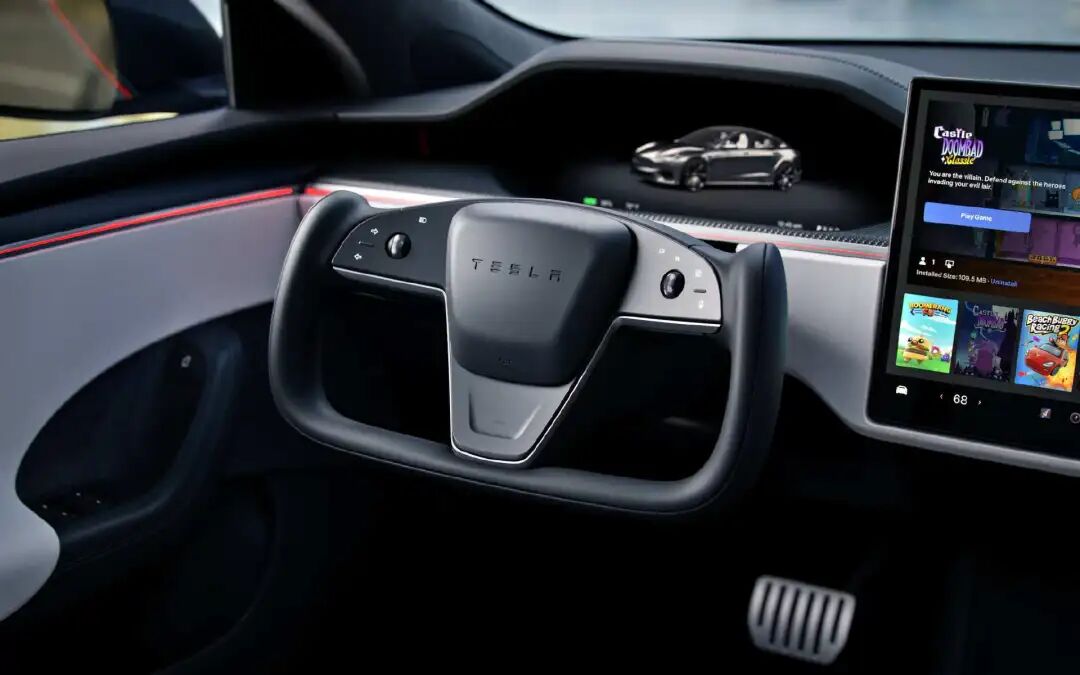
汽车和汽车零部件行业周报:特斯拉计划2027年销售机器人,关注机器人板块-20260128
Guolian Minsheng Securities· 2026-01-28 11:07
Investment Rating - The report maintains a recommendation rating for the automotive sector, specifically highlighting companies such as Geely, Xpeng, and BYD for passenger vehicles, and recommending attention to Jianghuai Automobile [3][5]. Core Insights - The automotive industry is experiencing a transformation with the integration of smart technology and electric vehicles, driven by policies supporting vehicle replacement and upgrades. The report emphasizes the importance of the "old-for-new" policy in stimulating demand [15][18]. - Tesla plans to sell humanoid robots to the public by 2027, which is expected to catalyze growth in the robotics sector. The report suggests that the production progress and technological advancements of Tesla will be key focal points [13][22]. - The collaboration between Changan Automobile and Midea Group aims to enhance the "smart home" ecosystem, allowing users to control home appliances via their vehicles, which is expected to improve user experience and operational efficiency [14]. Summary by Sections 1. Passenger Vehicles - The "old-for-new" policy is set to continue, stimulating demand for passenger vehicles. The new subsidy structure will provide 12% of the vehicle price for electric vehicles and 10% for fuel vehicles, with maximum caps of 20,000 and 15,000 yuan respectively [16][17]. - The report anticipates that the new subsidy policy will improve the structure of subsidized vehicles, encouraging higher-end vehicle replacements and reducing price competition [18][19]. 2. Smart Electric Vehicles - The report highlights the accelerating growth of smart electric vehicles, with a focus on the integration of advanced driving technologies. Companies like BYD are expected to lead in this sector, with significant growth projected in the high-end market [19][21]. - The report notes that the automotive parts sector is poised for growth, particularly in the context of globalization and the expansion of new energy vehicle production [19][21]. 3. Robotics - The report indicates that the robotics sector is entering a new era with major players like Tesla and domestic companies preparing for IPOs. The focus is on the development of humanoid robots and their integration into various industries [22][23]. - Key hardware components such as dexterous hands and lightweight materials are expected to see significant advancements, which will drive the robotics market forward [22][23]. 4. Commercial Vehicles - The heavy truck market is expected to benefit from the continuation of the "old-for-new" subsidy policy, which will encourage the replacement of older, polluting vehicles with newer models [34][35]. - The report suggests that the demand for heavy trucks will remain strong due to supportive policies and the increasing penetration of natural gas vehicles [34][35]. 5. Tires - The tire industry is projected to grow due to high demand and low valuations. The report emphasizes the importance of smart manufacturing capabilities and the global expansion of Chinese tire manufacturers [36][37]. - The report notes that the production rates for passenger car tires remain high, indicating robust demand in both domestic and international markets [37].
【图解】从5个“新”看国资央企2025高质量发展成绩单
Zhong Guo Jing Ji Wang· 2026-01-28 10:48
中国经济 新亮点= 截至2025年底中央企业资产总额突破95万亿元, 2025年实现利润总额2.5万亿元 ……在国务院新闻办 公室1月28日举行的发布会上,国务院国资委发布数 据显示,2025年是国资央企发展进程中很不平凡、意 义重大的一年,各项工作取得显著成效 在促进国民经济 稳中向好中作出 2011 22 11/1 截至2025年底 中央企业资产总额 突破95万亿元 2025年 实现利润总额2.5万亿元 完成固定资产投资5.1万亿元 上交税费2.5万亿元 有效带动产业链上下游企业融通发展 在推进高水平科技 自立自强中实现 2025年 中央企业研发投入 1.1万亿元 --- 连续4年超过万亿元 新增22位两院院士 创历史最好水平 23个创新联合体 新吸纳超100家创新主体参与攻关 在前沿领域实现一系列突破 Fir 在建设现代化产 业体系中展现 2025年中央企业完成 占总投资 战略性新兴产业投资 41.8% 2.5万亿元 新组建成立 中国雅江集团、中国长安汽车等企业 中国一汽、中国旅游集团 完成动力电池、邮轮运营资源整合 卫星通信、新材料、人工智能、生物技术 等领域专业化整合持续推进 在破除深层次体制 23 ...

宁德时代接连落地多个项目!
起点锂电· 2026-01-28 10:37
Group 1 - CATL secured the world's largest energy storage project at the beginning of last year, signaling a strong start for the lithium battery industry [3] - Multiple projects and new product launches have emerged at the start of this year, indicating positive trends for the industry [3] Group 2 - CATL signed an agreement with the Yunnan provincial government on January 27 to collaborate on new energy batteries, green energy, green transportation, and low-altitude economy, with plans to start construction in Q1 [5] - On January 26, CATL's subsidiary, Times Intelligent, partnered with Indonesian Battery Company (IBC) to explore integrated smart chassis for local electric vehicle development [6] - The second phase of the Xiamen Times project is set to begin production in Q2, with an investment of approximately 6.5 billion yuan and a capacity of about 30GWh [7] - The North China battery factory project is progressing rapidly, with an investment of 4 billion yuan and a planned capacity of 15GWh, expected to be operational by May 2024 [8] - The Changan power battery project in Chongqing was successfully signed on January 14, aimed at serving clients like Avita and Changan Qiyuan [9] - CATL's after-sales service brand "Ningjia Service" opened in Saudi Arabia, covering various after-sales services and expanding its global presence [10] - The third phase of the Luoyang base project has begun, with the first equipment entering the site, and the total output value has exceeded 20 billion yuan [11] Group 3 - CATL launched the "Tianxing II" light commercial series solutions on January 22, offering customized battery packs for diverse user needs [11] - The company invested in Fulin Precision, raising 3.175 billion yuan for various projects, including energy storage lithium iron phosphate and electric drive system components [11] - CATL renewed a five-year cooperation agreement with NIO in Hefei, focusing on technology, ecology, and market collaboration [11] - A new energy storage company, Inner Mongolia Mengning Times Energy Storage Technology Co., Ltd., was established with a registered capital of 1 million yuan, fully owned by CATL [12] Group 4 - CATL's founder, Robin Zeng, is often described as having a "gambling nature," but this is seen as a mischaracterization, as each decision is backed by careful planning [14] - The company has focused on battery technology for over a decade, leveraging ATL's experience in consumer batteries to establish a strong position in the power battery and energy storage sectors [14] - CATL has built a vast investment portfolio since 2018, with over 300 companies directly or indirectly held as of July last year [14] - The company is rapidly extending its reach into the battery downstream, particularly in battery swapping and automotive chassis integration [15] - Despite the lithium battery market entering an adjustment phase in 2023, CATL's profits and revenues remain stable, with significant R&D expenditures [15][16]

汽车和汽车零部件行业周报:特斯拉计划2027年销售机器人 关注机器人板块
Xin Lang Cai Jing· 2026-01-28 10:37
零部件: 1)智能化:推荐智能驾驶-【伯特利、地平线机器人、科博达】,智能座舱-【继峰股份】; 2)新势力产业链:推荐H 链-【星宇股份、沪光股份】;推荐T 链-【拓普集团、新泉股份、双环传 动】;3)出海链:推荐【爱柯迪、中鼎股份】。 机器人:推荐汽配机器人标的【拓普集团、新泉股份、伯特利、银轮股份、均胜电子、沪光股份、豪能 股份、爱柯迪、双环传动、隆盛科技】,汽车机器人主机厂【小鹏汽车】。 摩托车:推荐中大排量龙头车企【春风动力、隆鑫通用】。 轮胎:推荐【赛轮轮胎、森麒麟】。 本周行情:汽车板块本周表现优于市场。汽车板块本周表现优于市场。本周(1 月19 日-1 月25 日)A 股汽车板块上涨2.6%,在申万子行业中排名第14 位,表现优于沪深300(-0.6pct)。细分板块中,汽车 服务、商用载货车、汽车零部件、摩托车及其他、商用载客车分别上涨6.9%、4.8%、4.0%、1.4%、 0.7%,乘用车-1.4%。 本周观点:本月建议关注核心组合【吉利汽车、小鹏汽车、比亚迪、伯特利、拓普集团、新泉股份、春 风动力】。 特斯拉计划2027 年面向公众销售机器人,关注机器人板块。智通财经1 月22 日报道, ...

重庆湾项目续写两江交汇城市中心价值
Zheng Quan Ri Bao Wang· 2026-01-28 10:14
本报讯 (记者陈潇)纵观纽约湾区、旧金山湾区、东京湾区、粤港澳大湾区,"湾区必临海"的认知在 全球化叙事中持续了数百年。 然而,随着世界经济发展重心的东移,亚洲内陆经济正以前所未有的速度崛起。如果说滨海湾区是海洋 时代的产物,那么以大江大河为纽带、以强大内陆市场为腹地、以立体开放通道链接全球的"内陆大湾 区",则成为陆海融合时代的必然趋势和创新范式。 在这一历史性探索中,重庆被赋予了无可替代的战略角色。2026年1月,重庆主城核心区航道等级从Ⅲ 级跃升至Ⅰ级;同月,西南地区新年首趟中欧班列在重庆兴隆场编组站顺利发车。重庆从地理意义上的 内陆腹地跃升为全国首个兼具"水、陆、空、生产服务型、商贸服务型"五型国家物流枢纽的城市,形成 了具有湾区特质的发展模式和开放效应,一个带动西部、辐射全国、链接全球的"内陆大湾区"已然成 型。 世界级湾区具有创新性、开放性、协同性和外溢性等显著特征,通常表现为国际贸易、产业、科创和金 融中心。而重庆正围绕新质生产力,构筑起支撑"内陆大湾区"崛起的"四梁八柱"。 产业是骨骼。重庆拥有中国41个工业大类中的39个,正聚力打造"33618"现代制造业集群体系。以长 安、赛力斯(6011 ...