饿了么

Search documents
连锁茶饮的外卖战争“大逃杀”
华尔街见闻· 2025-07-22 11:13
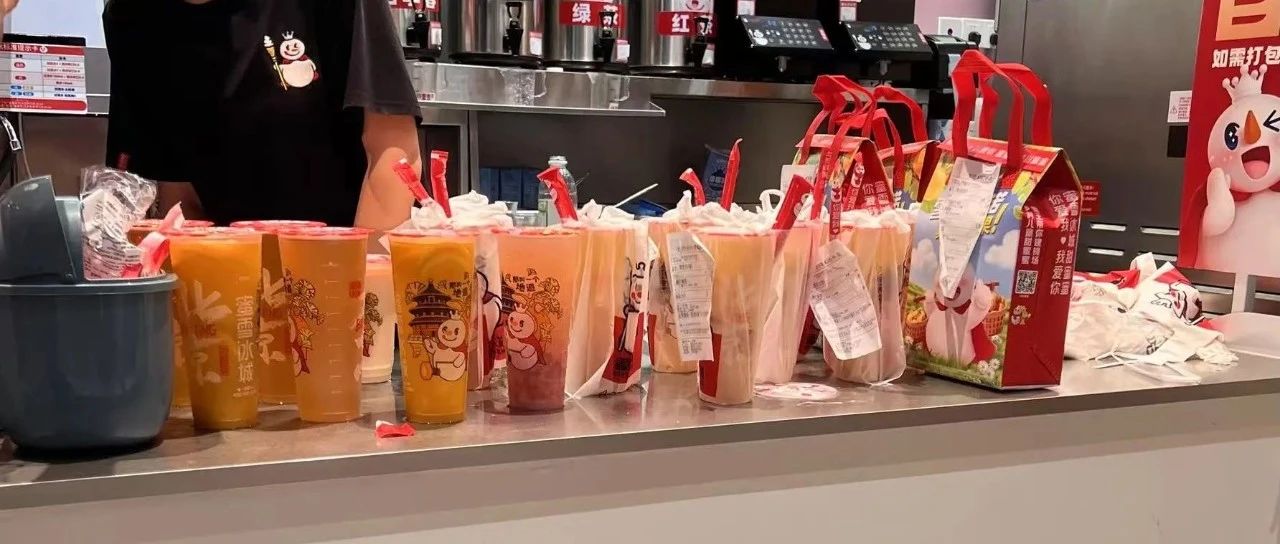
Core Viewpoint - The article discusses the ongoing competition among food delivery platforms, highlighting that large subsidies and promotional offers have not diminished despite regulatory scrutiny. The competition has shifted from a short-term battle to a more cyclical and normalized state, particularly affecting the tea beverage industry [1][2][3]. Group 1: Market Dynamics - The market has seen a transition from intense competition to a more regularized form, with tea beverages becoming a key tool for platforms to increase order volume [4][5]. - The expectation of a "win-win-win" scenario for platforms, merchants, and consumers has not been realized, leading to questions about the role of tea brands in this competitive landscape [6][7]. - The current phase of the competition is characterized by direct confrontations among platforms, with a focus on increasing order volumes and reducing the effectiveness of competitors' promotions [13][14]. Group 2: Merchant Perspective - Merchants face a lack of transparency regarding the costs associated with promotional orders, as platform subsidies are often tied to merchant discounts [9][10]. - The burden of promotional costs is shared between merchants and platforms, with merchants typically bearing a significant portion of the costs [11][12]. - The influx of low-priced orders has led to a decline in normal sales, with many merchants reporting that a large percentage of their orders are now promotional [22][23]. Group 3: Financial Implications - The tea beverage industry has seen significant order growth due to platform subsidies, with leading brands benefiting the most due to their strong supply chain capabilities [27][28][29]. - However, the financial burden on brands is increasing, as they often have to share a larger portion of the promotional costs over time [38][39]. - The average price of tea beverages has decreased from 15-20 yuan to 10-15 yuan, leading to a decline in industry profit margins from 21.4% in 2023 to 14.7% in 2024 [46]. Group 4: Competitive Landscape - The competitive environment is becoming increasingly challenging, with a high rate of store openings and closures indicating a struggle for profitability among tea brands [49]. - The reliance on platforms for order volume is raising operational costs and may lead to a decline in efficiency for offline operations [50][51]. - The article suggests that the ongoing price competition may lead to a market correction in the future, but brands that prioritize sales may continue to offer additional subsidies [57][58].




外卖大战降温,冷思考有哪些?
Xin Lang Cai Jing· 2025-07-22 09:23
【#外卖大战降温#,冷思考有哪些?】#业内呼吁外卖平台将定价权还给商家# "没有那么便宜了。"刚 刚过去的周末,许多消费者发现了外卖平台补贴力度的集体下降。7月18日,市场监管总局约谈饿了 么、美团、京东三家平台企业,要求各平台进一步规范促销行为,理性参与竞争。随着监管出手规范, 过去几个月轰轰烈烈的"外卖大战"有了降温趋势。 回顾这场外卖大战,消费者享受到了外卖"薅羊毛"的快乐,外卖平台收获了订单量创新高的红火战报, 不少商家订单疯涨、骑手收入翻倍,也有部分外卖商家利润下降,"0元购"奶茶无人取,消费者遭遇商 家"卡单"、出餐慢,增长的热闹与过度的消耗同时存在。 部分平台补贴需要商家部分出资是争议的一面,嘉和一品创始人刘京京呼吁,平台不应裹挟商家参与巨 额补贴,双重承担配送费,应让消费者理性选择吃堂食还是吃外卖。在众多餐饮协会的发声中,餐饮商 家因强制摊派补贴而利润空间被挤压、部分餐品出现负利润的情况被强调,平台争夺市场份额的成本是 否被隐形转嫁给商家受到关注。 另一方面,外卖平台大力补贴、真金白银为店铺赚吆喝的动作也没能完全讨到好。西贝餐饮集团创始人 贾国龙在接受媒体采访时提到,由于平台活动,西贝一天冲进 ...

杰富瑞:夏季竞争加剧 美团Q3支出或达峰值
news flash· 2025-07-22 07:36
杰富瑞:夏季竞争加剧 美团Q3支出或达峰值 金十数据7月22日讯,杰富瑞分析师在研报中指出,由于夏季外卖行业竞争通常更加激烈,美团 (03690.HK)三季度支出可能达到峰值。分析师预计,美团二季度营收同比增长13%,即时配送订单量同 比增长12%。就核心本地商业板块而言,杰富瑞预测2025年该板块营收将增长12%,但营业利润可能下 滑约45%。分析师认为,凭借稳健的执行力和2025年的大规模投入,美团有望保持其在即时配送行业的 领先地位。报告补充称,2025年美团、饿了么和京东的新增投入总额可能超过1000亿元。 ...

恒指创逾3年半新高,港股互联网板块迎“估值修复x业绩改善”双击
Mei Ri Jing Ji Xin Wen· 2025-07-22 05:34
Group 1 - The Hang Seng Index saw a slight increase of 0.25%, closing at 25,057.11 points, with the Hang Seng Tech Index and Hang Seng China Enterprises Index also showing minor gains [1] - The market regulator held discussions with major platforms like Ele.me, Meituan, and JD.com, urging them to standardize promotional activities and foster a healthy ecosystem for consumers, merchants, delivery riders, and platform companies [1] - Following the discussions, extreme promotional activities such as "0 yuan purchase" have significantly decreased, and excessive subsidies like "0 yuan tea vouchers" have nearly vanished in some regions [1] Group 2 - The ongoing competition in the food delivery sector has led to widespread profit declines among major platform companies, with expectations of continued competition until the end of 2025 or even into 2026 [1] - Regulatory intervention aims to prevent "involutionary competition" in the industry, encouraging companies to return to the essence of service and ensuring sustainable development [1] - The removal of major negative factors suppressing corporate profits presents a dual opportunity for sector improvement and valuation recovery, with tech leaders in Hong Kong transitioning from a "value trap" to a "growth hotspot" [1] Group 3 - The Hang Seng Internet ETF (513330) supports T+0 trading and focuses on the internet platform economy, including major players like Alibaba, JD.com, Tencent, Meituan, Kuaishou, and Baidu [2] - The ETF has a high DeepSeek content of 86%, showcasing a strong focus on "new consumption + new technology," making it a suitable tool for investors looking to invest in AI applications and core assets in the "AI + internet" space [2]


地址“漂移”、图片造假、“堂食认证”成摆设!记者实探深圳“无堂食外卖”聚集地
Xin Lang Cai Jing· 2025-07-22 03:25
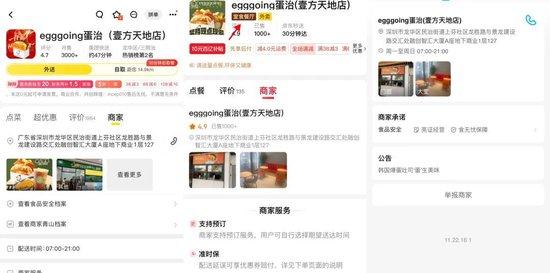
Core Viewpoint - The competition in the food delivery market is intensifying, leading to regulatory scrutiny and concerns over misleading practices by restaurants [14][15][17]. Group 1: Market Competition - Major platforms like Ele.me, Meituan, and JD.com are facing pressure from the State Administration for Market Regulation to standardize promotions and engage in rational competition [14][15]. - The food delivery market in China has reached a scale of approximately 1.2 trillion yuan, with 545 million online food delivery users, averaging daily spending of nearly 3.3 billion yuan [15]. Group 2: Misleading Practices - Many "no-dine-in" restaurants are falsely labeled as "dine-in restaurants" on delivery platforms, with discrepancies in actual locations and images uploaded [8][10][12]. - Specific examples include a restaurant named "egggoing蛋治" that misrepresented its location and dining conditions, leading to consumer confusion [3][11]. Group 3: Regulatory Responses - Various regions are exploring regulatory measures to enhance transparency and food safety, such as Guangzhou's "Internet + Bright Kitchen" initiative and Chongqing's new standards for "no-dine-in" services [17]. - Despite these efforts, the lack of unified legal regulations makes it challenging to ensure compliance and protect consumer rights effectively [17].
连锁茶饮的外卖战争“大逃杀”
Hua Er Jie Jian Wen· 2025-07-22 02:39
Group 1 - The large subsidies on food delivery platforms have not disappeared despite regulatory discussions, indicating ongoing competitive practices among major players like Ele.me, Meituan, and JD [1] - The food delivery battle is shifting from short-term bursts to a more normalized cyclical competition, with low-priced tea drinks becoming a key tool for platforms to boost order volumes [2][4] - The expectation of a "win-win-win" scenario for platforms, merchants, and consumers has not been realized, raising questions about the role of chain tea brands in this competitive landscape [3] Group 2 - Merchants face opaque cost structures behind discount orders, with platform subsidies often tied to merchant concessions, leading to increased operational costs [5][6] - The "explosive red envelope" subsidy model requires merchants to bear a minimum cost per order, complicating their financial outcomes [6][7] - The current phase of the food delivery competition has intensified, with platforms directly targeting each other to suppress competitors like Taobao Flash Sale [8] Group 3 - The surge in low-priced orders is squeezing normal product sales, leading to a decline in actual revenue for merchants despite high order volumes [16][12] - Merchants are increasingly reliant on external platforms, which may undermine their offline business efficiency and raise operational costs [31] - The average price of tea drinks has dropped significantly, with industry profit margins declining from 21.4% in 2023 to an estimated 14.7% in 2024 [29] Group 4 - The competitive landscape is marked by a high store opening and closing ratio, indicating a challenging environment for new tea brands [30] - The reliance on platform subsidies may provide temporary relief for merchants but could lead to long-term sustainability issues once subsidies are reduced [32] - The ongoing price competition is reshaping consumer perceptions, with lower price points becoming the new norm in the market [33]
新华时评·一线评论|摒弃“内卷式”竞争,变“一哄而上”为“一展所长
Xin Hua She· 2025-07-22 01:46
新华社北京7月22日电 题:摒弃"内卷式"竞争,变"一哄而上"为"一展所长" 新华社记者胡锦武 摒弃"内卷式"竞争,政府引导、行业自律、企业行动,重塑竞争生态,才能更好助力中国经济驶入高质 量发展快车道。 平台企业卷补贴、卷价格的无序竞争,本质上属于"内卷式"竞争。记者调查发现,"内卷式"竞争让不少 行业、企业深受其害:平台卷商户,商家陷入拼价格、降品质的内耗泥潭;产业链内卷,终端厂商为降 低成本,将压力传导至零部件供应商,导致产业链上下游利润空间被双重压缩;同行互卷,产品同质化 严重,有的针织服装企业因恶性竞争订单量锐减;为追求招商政绩,一些地方招商政策也内卷,如热衷 于以税收减免、土地特惠、建厂补贴等方式吸引企业入驻,让低效产能依赖"政策温床"存活…… 这些非理性竞争手段突破边界和底线,扭曲市场机制,扰乱公平竞争秩序。如果任其发展下去,将带来 劣币驱逐良币、资源低效消耗、行业利润下滑、创新动力不足等一系列问题,长期下来,将导致整个行 业竞争力下降、消费者合法权益受损,影响高质量发展。 对此,党中央的态度十分明确:去年7月中央政治局会议提出防止"内卷式"恶性竞争;去年12月中央经 济工作会议提出综合整治"内 ...
美宜佳门店突破40000店;京东启动新业务“生鲜折扣店”
Sou Hu Cai Jing· 2025-07-21 16:56
Group 1: Company Developments - Meiyijia has opened its 40,000th store in Nanning, Guangxi, marking a significant milestone in its national expansion, with coverage in 22 provinces and over 240 cities, serving more than 250 million customers monthly [6] - ALDI has expanded its presence in China, reaching a total of 76 stores nationwide, with new openings in Wuxi and Suzhou [14] - JD.com has launched a new business called "JD Fresh Discount Store," focusing on online discounts for fresh products, although it is still in the testing phase with limited product availability [8] Group 2: Market Trends and Consumer Behavior - Taobao Flash Sale reported a significant increase in night-time orders, with a more than 100% month-on-month growth in 127 cities since July, particularly in central and western regions [10] - The Chinese express delivery industry continues to lead globally, with an average of over 500 million packages collected daily, reflecting efficient resource allocation [15] - The retail sales of consumer goods in China are expected to exceed 50 trillion yuan this year, maintaining the country's position as the second-largest consumer market globally [22] Group 3: Regulatory and Industry Standards - The State Administration for Market Regulation has held discussions with major food delivery platforms, emphasizing compliance with e-commerce laws and promoting fair competition [9] - The first industry standard for fresh tea beverages has been officially released, which will take effect in January 2026, setting quality requirements for ingredients and packaging [14] - A new digital tool called "Food Safety Nail" has been launched by Ele.me to enhance food safety monitoring across the supply chain [18]


“价格战”没有赢家“ 外卖大战”当止矣
Zheng Quan Ri Bao· 2025-07-21 16:32
在笔者看来,商业的本质应是创造价值,而非透支价值。在短时间内,这种卷价格的"外卖大战"似乎让消费者享受到了价 格优惠、让商家骑手获得更多订单、让平台企业获得更多市场份额,但长远来看,一味卷价格是对良好行业生态的破坏,最 终,消费者、商家、平台企业、实体经济的利益均会受损,没有赢家。 近几个月来,外卖行业的补贴引发了各界的广泛关注,"0元购""20减18"等大额优惠券满天飞,从而吸引消费者涌入外卖 平台疯狂下单。 ■韩昱 从消费者角度看,似乎"外卖大战"的首要获益者就是广大的消费者,大额的补贴也确实让消费者在下单外卖时享受到了实 惠。过往的类似经历表明,这种依靠平台补贴形成的低价格不可持续,消费者看似短期得利,实际早已埋下长期隐患。长久的 低价势必会增加部分商家为降低成本继而降低品质的可能性。短时间内省的钱,最终将会成为所购商品品质上的折扣。 7月18日,市场监管总局约谈饿了么、美团、京东三家平台企业,要求相关平台企业严格遵守《中华人民共和国电子商务 法》《中华人民共和国反不正当竞争法》《中华人民共和国食品安全法》等法律法规规定,严格落实主体责任,进一步规范促 销行为,理性参与竞争,共同构建消费者、商家、外卖骑 ...
免费奶茶因无人取被扔掉、部分商家抱怨被平台裹挟,餐饮协会急喊 “停”!
第一财经· 2025-07-21 14:35
Core Viewpoint - The ongoing food delivery war has intensified competition among platforms, leading to significant consumer engagement through promotions, but also raising concerns about market practices and sustainability [1][2][4]. Group 1: Market Dynamics - The food delivery market has shifted from a stagnant to a growing market due to aggressive subsidies, with platforms like Meituan, Ele.me, and JD.com actively participating in this competition [1][2]. - The recent opening of JD.com's first self-operated delivery store indicates a new phase in the delivery competition, potentially altering market dynamics further [1]. - Regulatory bodies have urged platforms to adhere to existing laws and promote healthy competition, highlighting the need for a balanced ecosystem among consumers, merchants, delivery personnel, and platforms [1][4]. Group 2: Merchant Perspectives - Merchants have seen a 20% to 30% increase in delivery orders during the recent promotional period, but they express concerns about the long-term impact on in-store dining experiences [2][3]. - The intense competition has led some merchants to compromise on food quality to maintain lower delivery prices, which could harm their reputation and customer trust in the long run [3][4]. - Merchants are also facing operational challenges as they allocate resources to manage delivery orders, potentially detracting from in-store service quality [3][4]. Group 3: Industry Concerns - Industry associations have raised alarms about the negative effects of the subsidy wars, calling for an end to irrational price competition that could lead to systemic damage in the restaurant sector [4][5]. - The ongoing promotional activities, despite regulatory warnings, reflect a "subsidy inertia" where platforms continue to offer discounts to retain users, risking a potential drop in order volumes if subsidies are suddenly withdrawn [5][6]. - Analysts predict that while extreme subsidies may taper off, competition will evolve towards efficiency and service quality, leading to a healthier profit model in the long term [5][6].