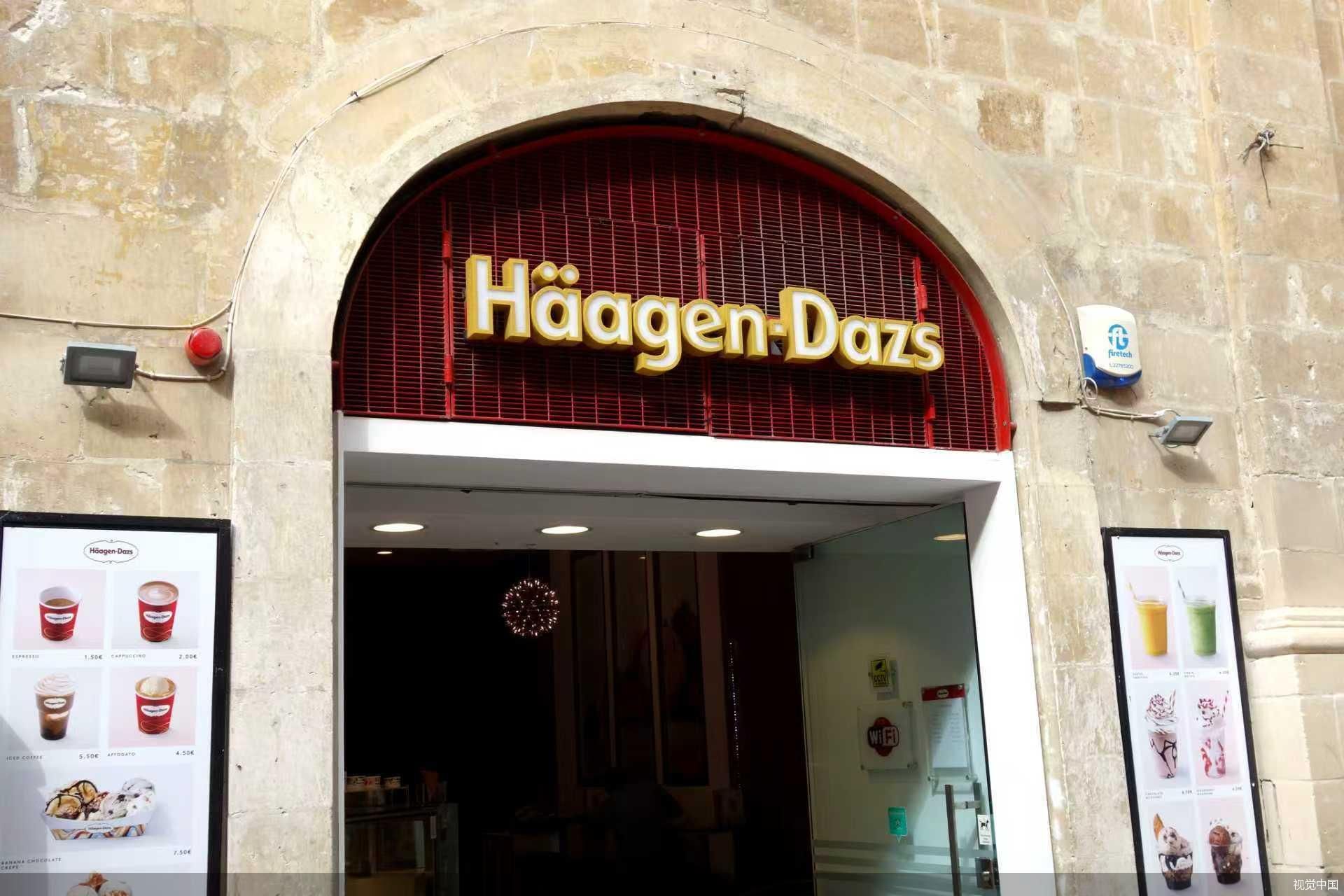
雀巢

Search documents
中金:百年繁荣——全球宠物食品启示录
中金点睛· 2025-08-06 23:45
Core Viewpoint - The global pet food industry is a thriving market with significant growth potential, characterized by a stable expansion, high profitability, and evolving consumer trends such as the "cat economy," online sales, premiumization, and humanization of pet products [2][3][30]. Industry Overview - The global pet food market is projected to reach $147.3 billion (approximately 10,606 billion RMB) by 2024, with a CAGR of 5.7% from 2024 to 2029 [5][6]. - The market has shown robust growth, with the U.S. pet food market expected to grow from $60.6 billion in 2024 to $75.9 billion by 2029, reflecting a CAGR of 4.6% [5]. - The pet food market is highly concentrated, with the top three companies holding a market share of 46.7%, which is higher than other consumer goods sectors [9][13]. Company Analysis - Mars is the leading player in the pet food market, with projected revenues of $32.8 billion in 2024 and a market share of 21.4% [3][8]. - Nestlé follows closely with revenues of $23.3 billion and a market share of 20% in the same year [3][8]. - Hill's, a subsidiary of Colgate-Palmolive, holds a market share of 5.1% and is recognized for its prescription diet products, commanding a 53% share in the prescription food market [3][39]. - Blue Buffalo, focusing on natural pet food, has a market share of 2.9% globally and leads the U.S. market with a 7% share [3][41]. - Freshpet, a pioneer in fresh pet food, is expected to achieve sales of $975 million in 2024, dominating the fresh food segment with a 96% market share [3][43]. Trends and Innovations - The "cat economy" is driving growth, with the proportion of cats in the pet population increasing from 44% to 53% over the past decade [30]. - Online sales of pet food have risen significantly, with the global online sales share increasing from 6% to 29% in the last ten years [31]. - Premium pet food consumption has also increased, with high-end pet food now accounting for 47% of the market, up from 42% [32]. - The humanization trend is evident as pet owners increasingly view pets as family members, leading to a demand for higher quality and "human-grade" pet food [33]. Insights for China - The Chinese pet food market has substantial growth potential, with the usage rates of professional cat and dog food at 45% and 25.3%, respectively, indicating room for improvement compared to mature markets [50]. - The penetration of high-end pet food in China is expected to rise, with current consumption rates at 31% for cat food and 38% for dog food, suggesting a significant gap compared to global averages [50][52]. - The concentration of top pet food companies in China is relatively low, with a CR5 of 25.4%, indicating opportunities for market consolidation and growth in profitability [52].


【环时深度】“垃圾食品危机”在多国蔓延的背后
Huan Qiu Shi Bao· 2025-08-06 22:44
Core Viewpoint - Global packaged food and beverage companies are shifting their focus to developing countries with weaker public health awareness as they face regulatory scrutiny and health consciousness challenges in Western markets [1][2] Group 1: Market Dynamics - The $30 billion market gap in the junk food industry is igniting a health crisis in India, where ultra-processed foods are still relatively novel and marketing restrictions for children are minimal [2] - In Indonesia, the consumption of ultra-processed foods is rising significantly, while the intake of leafy greens and fresh legumes is declining, particularly in urban areas [5][6] - Mexico has implemented a ban on the sale and promotion of junk food in schools as part of its "healthy living" initiative, targeting high-sugar, high-fat, and high-salt processed foods [7] Group 2: Health Implications - A global study published by The Lancet and WHO indicates that the obesity rate among children and adolescents has increased fivefold from 1990 to 2022, with excessive consumption of ultra-processed foods linked to chronic diseases [3] - In India, the prevalence of obesity is notably high among the middle class, particularly among women, due to cultural perceptions associating weight with prosperity [9][10] Group 3: Regulatory Responses - Indonesia's Ministry of Health has mandated labeling of sugar, salt, and fat content on food packaging and has initiated a free nutrition meal program aimed at improving nutrition among students and pregnant women [6] - India's food regulatory authorities plan to enhance labeling standards to include clear information on sugar, salt, and saturated fat content, responding to the need for better consumer awareness [8] Group 4: Socioeconomic Factors - Economic inequality in India contributes to a dual health crisis, where both affluent and impoverished populations face health challenges related to junk food consumption and malnutrition [10] - Approximately 129 million people in India are projected to live in extreme poverty by 2024, limiting their access to nutritious food and exacerbating health issues [9][10]

39%关税生效前没能打动特朗普,瑞士领导人据称无功而返
Hua Er Jie Jian Wen· 2025-08-06 22:29
Core Points - Swiss leaders, led by President Keller-Sutter, failed to negotiate a reduction in the 39% tariffs imposed by the U.S. before they took effect [1][4] - The tariffs are expected to have a significant negative impact on the Swiss economy, with estimates suggesting a potential 23% economic shock [6][7] Group 1: Tariff Negotiations - Swiss delegation submitted a new proposal to U.S. officials but did not achieve any favorable agreements before returning home [1][4] - U.S. Secretary of State Rubio discussed trade fairness with Keller-Sutter, but no concrete outcomes were reported [5] - The Swiss government expressed a willingness to continue negotiations even after the tariffs took effect [5] Group 2: Economic Impact - The 39% tariff is the highest imposed on any developed country and significantly exceeds tariffs on other major trading partners like the UK and EU [6] - The tariffs could lead to a substantial decline in Swiss GDP, with estimates suggesting a drop of around 1% in the medium term [7] - The U.S. accounted for 18.6% of Swiss exports in 2024, with key exports including pharmaceuticals, watches, and chocolate [6]
宠物食品海外业务专家交流
2025-08-06 14:45
Summary of Pet Food Industry Conference Call Industry Overview - The Southeast Asian pet food market is large and growing rapidly, with a projected market size of $4-5 billion by 2024 and an annual growth rate of approximately 20%, surpassing the overall market growth rate [1][2] - The Middle Eastern pet food market is fragmented but has significant potential, with Turkey being the largest market at around $4 billion and an annual growth rate close to 15% [1][2] - The total pet ownership in Southeast Asia is approximately 50 million, with rising pet ownership and consumption levels driving the demand for pet food [1][3] Market Dynamics - The Southeast Asian pet food market is highly competitive, dominated by international brands like Mars and Nestlé in the premium and mid-range segments, while Chinese brands have advantages in categories like dried snacks and wet food [1][4] - The proportion of snacks in the Southeast Asian pet food market is low (less than 3%), with dry food dominating (about 70%-80%) [1][5] - The average growth rate in the Southeast Asian pet food market is between 15%-25%, with significant growth in emerging markets [1][7] Challenges and Opportunities - Chinese pet food companies face regulatory restrictions and cost issues in cross-border trade, but they have advantages in raw material costs and can enhance competitiveness through contract manufacturing and brand operations [1][9][14] - The online sales channel is growing rapidly in Southeast Asia, but offline channels still dominate, with Malaysia having the highest e-commerce penetration at about 26% [10][11] Competitive Landscape - Chinese companies typically focus on offline channels when entering Southeast Asia, often collaborating with local distributors [11][12] - Chinese brands have unique advantages in certain product categories, such as snacks and wet food, and can leverage their supply chain to build local brands [13][15] Profitability and Market Strategy - The profitability of the Southeast Asian pet food market is generally lower compared to China, with local brands having their own sales channels and higher margins [25] - The average profit margin for Chinese brands in Southeast Asia is around 30%, which is necessary for sustainable operations [25] - The overseas autonomous brand business of Chinese companies, such as Zhongchong, has shown strong profitability, with a projected sales increase from $100 million to $200 million [21][23] Future Outlook - Companies plan to strengthen overseas brand development by deepening channel relationships and increasing participation in international exhibitions [20][22] - The overall trend in the global pet food market is moving towards natural, healthy, and minimally processed products, influenced by innovations from the Chinese pet food industry [27]
GXO Logistics(GXO) - 2025 Q2 - Earnings Call Transcript
2025-08-06 13:30
Financial Data and Key Metrics Changes - The company reported record revenue of $3.3 billion, growing 16% year over year, with 6% being organic growth, marking the highest quarter organic growth in nine quarters [16] - Adjusted EBITDA was $212 million, with margins expanding by 90 basis points sequentially due to improved productivity initiatives [17] - The company raised its full-year adjusted EBITDA guidance to a new range of $865 million to $885 million, an increase of $25 million from the initial range [6][20] Business Line Data and Key Metrics Changes - New business wins totaled $307 million, up 13% year over year, with significant contracts from major clients like Boeing and L'Oreal [5] - The company secured approximately $800 million of incremental revenue for 2025, supported by a mid-90s retention rate [16] - The sales pipeline stands at $2.4 billion, exclusive of the Wincanton sales pipeline, reflecting a more diverse and robust opportunity set [12] Market Data and Key Metrics Changes - Strongest organic growth was observed in the omnichannel retail and technology verticals, with notable performance in aerospace and defense sectors [16][25] - The healthcare market represents a $34 billion opportunity, with the company starting operations for a significant deal with England's National Health Services [25] - The industrial and aerospace businesses are among the fastest-growing verticals, with the pipeline in these areas doubling over the last eighteen months [25] Company Strategy and Development Direction - The company aims to leverage its global scale and technological expertise to capitalize on market tailwinds driving the future of fulfillment [23] - Integration of Wincanton is expected to unlock growth opportunities in industrial and aerospace markets across Europe, with anticipated revenue synergies [7][20] - The focus for 2025 will be on accelerating organic growth and integrating Wincanton, with expectations of capturing strategic growth opportunities from acquisitions [20] Management's Comments on Operating Environment and Future Outlook - Management expressed confidence in delivering the full-year organic growth outlook, citing strong customer preparations for the holiday season [39] - The operating environment is described as dynamic but stable, with no significant disruptions currently affecting operations [96] - Management maintains a conservative outlook for the remainder of the year while acknowledging opportunities for better performance [42] Other Important Information - The company has repurchased 5.4 million shares, about 4% of total shares outstanding, at an average price of $37.34, reflecting a 26% discount to the average share price over the last thirty trading days [19][57] - Moody's upgraded the company's credit rating, achieving investment-grade ratings from all three major agencies for the first time since the spin [20] Q&A Session Summary Question: Can you highlight what has changed from a geographic and market perspective regarding organic growth acceleration? - Management noted improvements in North America and the UK, with strong performance in aerospace and technology sectors, and normal inventory levels preparing for the holiday season [36][39] Question: Do you think organic revenue growth could reaccelerate back into upper single-digit ranges? - Management indicated that the integration of Wincanton and strong new business momentum could support higher growth rates, while remaining cautious about macroeconomic conditions [51][56] Question: What is driving the increased rate of change in guidance? - The company cited internal efficiencies, improved space utilization, and strong momentum from new business wins as key drivers for the improved guidance [64] Question: Can you discuss the A&D space and its growth potential? - Management highlighted a strong presence in the US with blue-chip customers and significant growth potential in Europe, with a pipeline of $500 million related to industrial and aerospace [68] Question: What are the strategic priorities with the new CEO transition? - Management emphasized the importance of the new board members' industry expertise and the need for the new CEO to acclimatize to the company before making strategic adjustments [118]

中金:宠物食品板块增速仍超额成长 推荐乖宝宠物(301498.SZ)等
Zhi Tong Cai Jing· 2025-08-06 09:38
Core Viewpoint - The global pet food industry is thriving, with a market size exceeding one trillion RMB and a projected growth rate that outpaces other sectors, indicating a golden era for domestic pet food brands in China [1][4]. Industry Overview - The global pet food market is expected to reach USD 147.3 billion by 2024, with a CAGR of 5.7% from 2024 to 2029 [1]. - The competitive landscape shows strong profitability, with the CR3 for global pet food, infant formula, and beauty sectors at 46.7%, 39.5%, and 25.4% respectively [2]. - The U.S. and Japan pet markets have shown significant growth, with CAGRs of 8.2% and 3.2% from 2000 to 2024, respectively, outpacing GDP growth [2]. Key Players and Strategies - Mars is projected to generate USD 32.8 billion in pet revenue in 2024, holding a market share of 21.4% [3]. - Nestlé is expected to achieve USD 23.3 billion in pet revenue in 2024, with a market share of 20% [3]. - Hill's, a pioneer in prescription pet food, holds a 5.1% market share in the pet food sector, with a prescription food market share of 53% [3]. - Freshpet leads the North American fresh pet food market with a 96% market share in Q1 2025 [3]. Insights for China - The Chinese pet food industry is poised for significant growth, with potential for improved scale, structure, and profitability [4]. - Product innovation is crucial, with a focus on functional and prescription pet foods that command higher prices and margins [4]. - A multi-brand strategy is becoming essential, as evidenced by the global CR5 for pet food companies and brands at 52% and 17%, respectively [4]. - Local distribution channels are key for brand emergence, shifting from efficiency-driven to a balance of efficiency and customer experience [4].
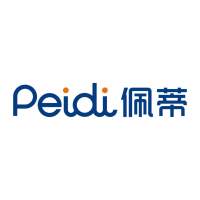
50亿欧元 哈根达斯要被卖了
Sou Hu Cai Jing· 2025-08-06 08:24
Group 1 - Goldman Sachs is reportedly preparing to acquire a stake in Froneri, the world's second-largest ice cream manufacturer, for €15 billion (approximately ¥120 billion) from French private equity firm PAI [2] - Froneri was established in 2016 as a joint venture between PAI and Nestlé, with both parties holding equal shares, and it produces well-known ice cream brands such as Häagen-Dazs, Oreo, and Cadbury in the U.S. market [2][4] - The U.S. ice cream market is valued at approximately $75 billion, with Froneri holding the second-largest market share, trailing only Unilever's Magnum [2] Group 2 - Häagen-Dazs has undergone multiple ownership changes since the 1980s, with significant transitions including its acquisition by Pillsbury in 1983 and later by General Mills in 2001 [3][4] - In 2016, Nestlé and PAI formed Froneri, which subsequently acquired Nestlé's entire ice cream business, giving Froneri operational rights for Häagen-Dazs in over 20 countries [4] - General Mills retains global brand ownership of Häagen-Dazs, primarily managing operations outside North America, especially in China [4] Group 3 - General Mills is reportedly planning to sell Häagen-Dazs' business in China, with potential transaction values estimated between $500 million and $800 million [5] - Häagen-Dazs is facing declining sales in China, with a significant drop in store foot traffic noted in recent financial reports [5][6] - The brand has been actively trying to attract consumers through promotions and discounts, including membership discounts and special pricing [6][7] Group 4 - The Chinese ice cream market has seen a shift in consumer preferences, with a growing demand for lower-priced options, impacting Häagen-Dazs' appeal [7][8] - DQ has emerged as a leading competitor in the domestic ice cream market, capturing nearly 29% market share by 2023, which poses a challenge to Häagen-Dazs [8]


哈根达斯要被卖了
Bei Jing Shang Bao· 2025-08-06 08:10
Group 1 - Goldman Sachs is reportedly preparing to acquire a stake in Froneri, the world's second-largest ice cream manufacturer, for €15 billion (approximately ¥120 billion) from French private equity firm PAI [1][2] - Froneri was established as a joint venture between PAI and Nestlé in 2016, with both parties holding equal shares, and it produces well-known ice cream brands such as Häagen-Dazs, Oreo, and Cadbury in the U.S. market [2][3] - The acquisition would allow Goldman Sachs to indirectly gain operational rights for Häagen-Dazs in various regions, although the global trademark rights remain with General Mills [3] Group 2 - General Mills is reportedly planning to sell its Häagen-Dazs business in China, with potential transaction amounts estimated between $500 million and $800 million [5] - Häagen-Dazs is facing significant sales challenges in China, with a reported double-digit decline in store traffic, leading to a contraction of its physical store presence [5][6] - The brand has attempted to attract consumers through promotions and discounts, but the changing consumer preferences and increased competition from local brands have impacted its market position [7][8] Group 3 - The ice cream market in China is evolving, with consumers showing a preference for lower-priced options, which poses a challenge for Häagen-Dazs, whose average transaction value is around ¥58 [7][8] - DQ has emerged as a strong competitor in the domestic ice cream market, holding a market share of nearly 29% by 2023, which has intensified the competition for Häagen-Dazs [8]
新消费&创新药框架培训——宠物食品行业投资框架和发展趋势
2025-08-05 15:42
Summary of the Pet Food Industry Conference Call Industry Overview - The Chinese pet food industry is projected to reach approximately 53 billion yuan by 2024, with cat food accounting for 59% of the market, approximately 31.6 billion yuan, showing an 8% year-on-year growth, while dog food is around 21.6 billion yuan, remaining stable year-on-year. The penetration rate of pet food in China is significantly lower than that in the US and Japan, indicating substantial growth potential [1][7] Key Trends and Insights - The high-end cat food market has rapidly grown from 1.8 billion yuan in 2013 to 16.5 billion yuan, with a compound annual growth rate (CAGR) of 23%, driven by the rise of Generation Z pet owners and the formation of scientific feeding concepts. This segment is crucial for domestic brands to enhance profitability [1][8] - E-commerce has become a dominant channel, capturing 68% of the market share in 2023, significantly altering the competitive landscape and allowing domestic brands to rapidly gain market share against traditional overseas brands [1][9] - The market share of domestic brands like Guobao and Zhongchong has significantly increased, with the top ten pet food companies in China now predominantly consisting of domestic brands, reflecting a shift from foreign dominance [1][10] Competitive Landscape - The concentration ratio (CR10) of the Chinese pet food industry is approximately 32% in 2024, indicating a trend towards increased company-level concentration [1][9] - Domestic brands are expected to continue gaining market share, with Guobao's market share projected to exceed 20% in the future [4][12] Future Growth Potential - The pet food industry aligns with economic development trends and is closely related to demographic and family structure changes. Consumers show reduced price sensitivity post-pet ownership, indicating a stable market outlook [5] - The pet medical industry is anticipated to experience significant growth in the next 3-5 years, driven by an aging pet population and the rising demand for specialized products like senior and functional pet food [14] Investment Recommendations - Despite recent market corrections, leading domestic companies like Guobao and Zhongchong are expected to stabilize and maintain rapid growth post-half-year report. Therefore, the industry is recommended for investment [15]
150亿欧元 哈根达斯要被卖了
Bei Jing Shang Bao· 2025-08-05 14:33
Core Viewpoint - Goldman Sachs is reportedly preparing to acquire a stake in Froneri, the world's second-largest ice cream manufacturer, from French private equity firm PAI for €15 billion (approximately ¥120 billion) [2][3] Group 1: Acquisition Details - The acquisition deal is expected to be signed as early as September this year, but no official comments have been made by PAI, Goldman Sachs, Nestlé, or Froneri [3] - Froneri was established in 2016 as a joint venture between PAI and multinational giant Nestlé, with both parties holding equal stakes [3] - Froneri produces well-known ice cream brands such as Häagen-Dazs, Oreo, and Cadbury in the U.S. market, holding the second-largest market share in the $75 billion U.S. ice cream market, following Unilever's Magnum [3][4] Group 2: Häagen-Dazs Ownership History - Häagen-Dazs has undergone multiple ownership changes since the 1980s, starting with Pillsbury acquiring it for $70 million in 1983 [4] - In 2001, General Mills purchased Häagen-Dazs from Diageo for $650 million, and in 2002, Nestlé acquired the U.S. operational rights [4] - The joint venture Froneri was formed in 2016, and in 2019, General Mills transferred its European ice cream business, including Häagen-Dazs, to Froneri [4] Group 3: Market Challenges - General Mills is reportedly considering selling Häagen-Dazs' business in China, with potential transaction values between $500 million and $800 million [5] - Häagen-Dazs is facing declining sales in China, with a two-digit percentage drop in store foot traffic reported in recent years [5][6] - The brand currently operates 263 stores in mainland China, with significant closures reported in major cities [5][6] Group 4: Consumer Trends - Häagen-Dazs has attempted to attract consumers through promotions, including discounts and special offers, but faces challenges due to changing consumer preferences [7][8] - The average price acceptance for ice cream in China is between ¥3 and ¥10, with only 1.8% of consumers willing to pay over ¥20 [7] - The brand's positioning as a luxury product is being challenged by local competitors and changing consumer values, leading to a decline in demand for high-end ice cream [8]