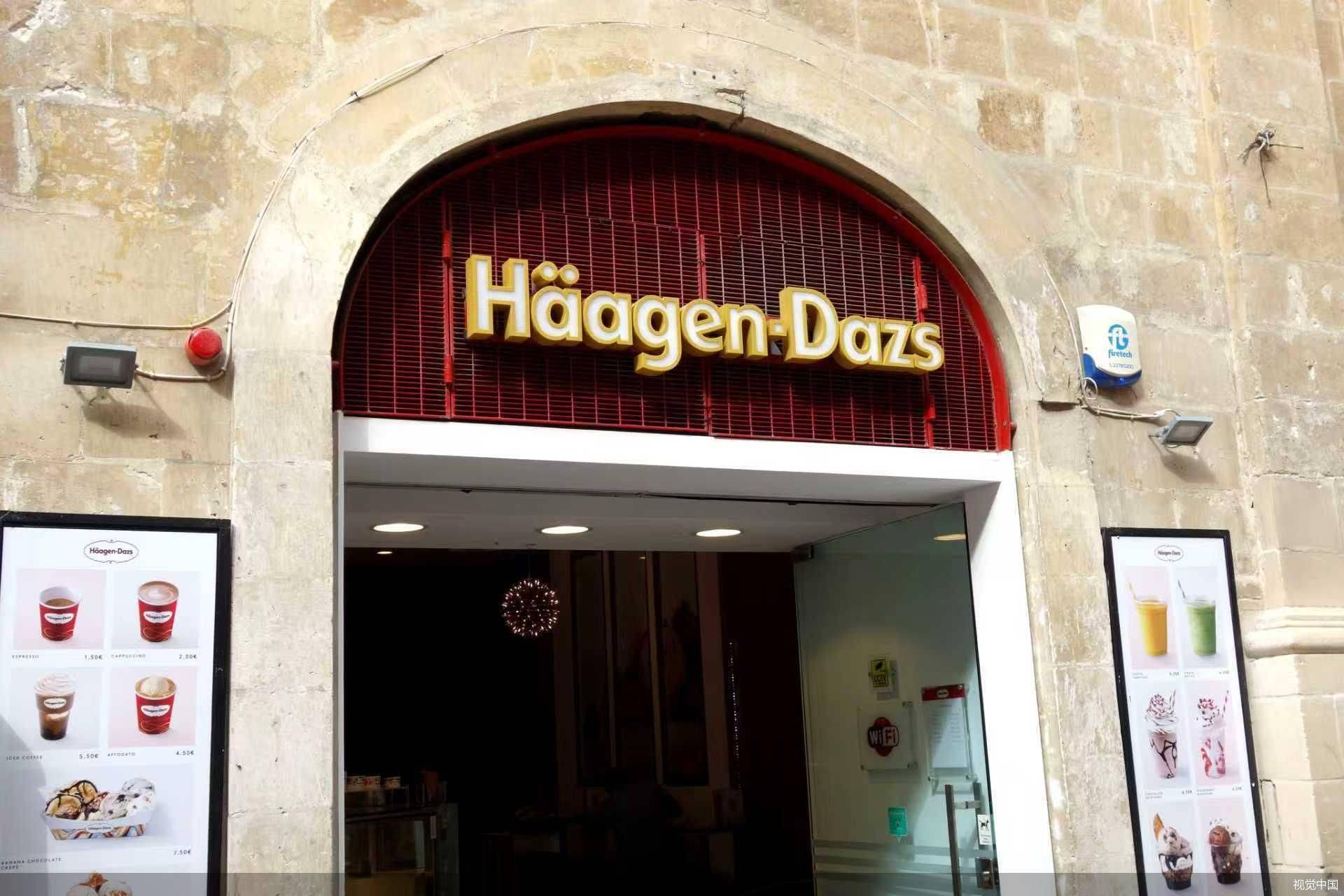
哈根达斯

Search documents
天图“割肉”清仓,IDG资本18亿元抄底优诺!谁还相信“中产酸奶”的神话?
Xin Lang Cai Jing· 2026-02-26 02:37
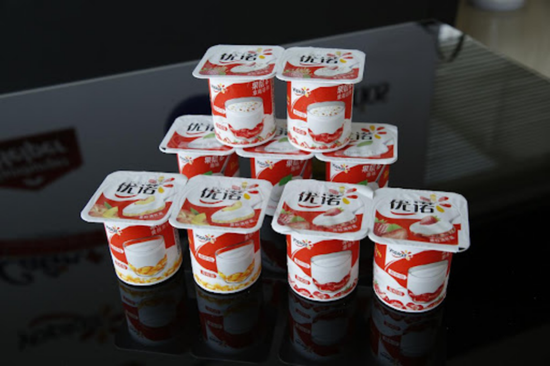
Core Viewpoint - TianTu Investment has sold approximately 86.96% of its stake in Yoplait China to Kunshan Noyuan Ruiyuan for about 1.565 billion RMB, marking the end of its investment in the French yogurt brand [3][21][30]. Group 1: Company Background and Transaction Details - IDG Capital has acquired Yoplait China for a total price of approximately 1.8 billion RMB, including shares held by management [5][22]. - Yoplait entered the Chinese market in 2013, aiming to leverage General Mills' brand power and distribution channels, but faced challenges due to high pricing and competition [7][24]. - The initial acquisition cost for TianTu Investment was around 300 million RMB, and after six years, it exited for 1.565 billion RMB, yielding a profit of 516 million RMB [30]. Group 2: Market Dynamics and Competitive Landscape - The Chinese yogurt market has shifted significantly, with premium brands like Blueglass experiencing drastic price reductions, indicating a change in consumer preferences [12][31]. - The competitive landscape has evolved, with local brands offering lower prices, diminishing Yoplait's competitive edge [32][34]. - The industry is transitioning from brand premiumization to efficiency competition, with a decline in overall dairy sales projected for 2024 [14][34]. Group 3: Strategic Implications for IDG Capital - IDG's acquisition of Yoplait China is seen as a strategic move to enhance its supply chain capabilities, particularly in the B2B market [37]. - The potential for Yoplait to supply major beverage brands like Luckin Coffee and Heytea could significantly increase its revenue beyond the current 800 million RMB [37]. - IDG aims to leverage its resources to expand Yoplait's market reach beyond East China, tapping into previously inaccessible markets [37].






哈根达斯母公司大幅下调2026年业绩预期,利润降幅扩大至20%,消费者不愿花钱了
Jin Rong Jie· 2026-02-17 14:59
Group 1 - General Mills has lowered its sales and profit expectations for fiscal year 2026, adjusting the organic sales growth target from a previous range of "down 1% to up 1%" to "down 1.5% to 2%" due to persistently weak consumer sentiment [1] - The company expects a more significant decline in profit, with adjusted operating profit and adjusted earnings per share projected to decrease by 16% to 20%, compared to the earlier forecast of a 10% to 15% decline, indicating a notable deterioration in profitability outlook within a few months [1] - As one of the largest food companies globally, General Mills owns well-known brands such as Häagen-Dazs, Wanchai Ferry, and Betty Crocker, with products spanning various categories including breakfast cereals, frozen foods, baking goods, snacks, and pet foods, reflecting the overall consumer environment [1] Group 2 - The core issue behind the lowered expectations is weak demand, as consumers are becoming more cautious with their food spending, leading to a decline in purchasing willingness that directly impacts product sales [1] - The North American packaged food industry is experiencing a demand cooling cycle, with rising consumer sensitivity to prices and increased competition from private labels and discount channels against traditional brand manufacturers [2]

通用磨坊发布第二季度财报,重申全年业绩指引
Jing Ji Guan Cha Wang· 2026-02-12 19:44
Core Insights - General Mills reported a 7% year-over-year decline in net sales for Q2 of fiscal year 2026, with net sales amounting to $4.861 billion. The company reaffirmed its full-year guidance, expecting organic net sales to range between -1% and 1% [1][2]. Performance Overview - The adjusted operating profit and earnings per share are projected to decline by 10% to 15% at constant exchange rates. Future performance will need to be monitored to see if the company meets its guidance targets [2]. Strategic Initiatives - General Mills is divesting non-core categories, such as the sale of its yogurt business in the U.S. and Canada, and reallocating resources towards high-margin areas like pet food. The company plans to increase new product innovation investment by 30% and boost marketing spending to drive organic growth. The North American retail segment saw a 13% revenue decline, while the pet food segment grew by 11%, indicating a need for ongoing observation of the transformation's effectiveness [3]. Operational Status - The company has optimized logistics and production processes through artificial intelligence, saving over $20 million in transportation costs since fiscal year 2024, with an expected annualized savings of over $50 million. However, the potential for further cost reductions is narrowing, necessitating a balance between short-term efficiency and long-term innovation investments [4]. Business Development - Due to a sluggish North American market, General Mills is accelerating its expansion into emerging markets such as Asia. For instance, adjustments are being made to the Häagen-Dazs store count in China, with the company seeking growth through product innovation and channel optimization. The international segment reported a 6% sales increase in Q2 of fiscal year 2026, but contributions from emerging markets still need validation [5]. Financial Movements - In the first half of fiscal year 2026, the company paid $659 million in dividends and repurchased $500 million in stock. Future attention will be required on the sustainability of the dividend policy and buyback plans [6].
“抢地盘”戏码频频上演,餐饮业开始“拼桌”了
Shen Zhen Shang Bao· 2025-11-19 23:13
Core Viewpoint - Recent news indicates that Luckin Coffee's major shareholder, Dazhong Capital, is considering a bid for Costa Coffee, which is reportedly up for sale by Coca-Cola, with discussions still in preliminary stages [1][2] Group 1: Company Developments - Luckin Coffee has successfully turned around its business, surpassing Starbucks to become the largest coffee company in China in 2023, following a period of losses and significant compensation [1] - In Q3 2023, Luckin Coffee reported total net revenue of 15.287 billion yuan, a year-on-year increase of 50.2%, with a GAAP operating profit of 1.777 billion yuan and an operating profit margin of 11.6% [1] - The CEO of Luckin Coffee, Guo Jinyi, stated there is no clear timetable for the company's return to the main board for listing [2] Group 2: Industry Trends - The coffee and fast-food sectors are experiencing a wave of mergers and acquisitions, with significant investments such as CPE Yuanfeng's $350 million injection into Burger King China, aiming to expand its stores from 1,250 to over 4,000 by 2035 [1][2] - Costa Coffee currently has 341 stores in China, but its expansion has been slow due to a conservative strategy, leading to a perception of high prices among consumers [2] - The current M&A landscape in the restaurant industry shows three notable trends: controlling acquisitions becoming mainstream, increasingly complex transaction structures, and a diverse range of acquisition entities including private equity and industry capital [3]
他们买下中国汉堡王
投资界· 2025-11-11 01:01
Core Insights - The article discusses the recent acquisition of Burger King China by CPE Yuanfeng, highlighting a trend of international brands selling their Chinese operations amid a wave of consumer mergers and acquisitions [3][9]. Group 1: Acquisition Details - CPE Yuanfeng will inject $350 million (approximately 2.5 billion RMB) into Burger King China to support expansion, marketing, menu innovation, and operational improvements [5]. - The deal includes a 20-year master development agreement granting exclusive rights to develop the Burger King brand in China [5]. - After the transaction, CPE Yuanfeng will hold approximately 83% of Burger King China, while RBI Group will retain about 17% and a board seat [5]. Group 2: Market Context - Burger King entered the Chinese market in 2005 but faced challenges in expansion, with sales in 2024 projected at around $700 million and average annual sales per store at over $400,000, significantly lower than competitors like McDonald's and KFC [6]. - The article notes a broader trend of international brands, including Starbucks and Pizza Hut, divesting their Chinese operations, reflecting increased competition and economic pressures in the market [9][10]. - The sale of assets by these brands is seen as a strategic response to the current economic climate, with many companies looking to adapt to market challenges [10].

传GE Healthcare(GEHC.US)考虑出售中国业务 估值或达数十亿美元
Zhi Tong Cai Jing· 2025-09-18 12:16
Group 1 - GE Healthcare Technologies (GEHC.US) is exploring various options, including the potential sale of its Chinese subsidiary, with valuations possibly reaching several billion dollars [1] - The company is working with advisors to assess the prospects of its business in China, although no final decisions on timing or scale have been made [1] - Other multinational companies, such as Starbucks (SBUX.US) and General Mills (GIS.US) with Häagen-Dazs, are also considering divesting their operations in China due to intense local competition [1] Group 2 - General Electric (GE) divested its medical equipment business in 2023, and GE Healthcare's stock has decreased by 2% this year, with a current valuation of approximately $35 billion [2] - GE Healthcare's product offerings include imaging scans, ultrasound, patient care solutions, and pharmaceutical imaging agents [2] - China is GE Healthcare's second-largest market, employing around 7,000 people, with projected revenues of $2.4 billion for 2024, reflecting a 15% decline from the previous year [2]

1300亿,皮爷咖啡母公司要卖了
3 6 Ke· 2025-08-28 03:26
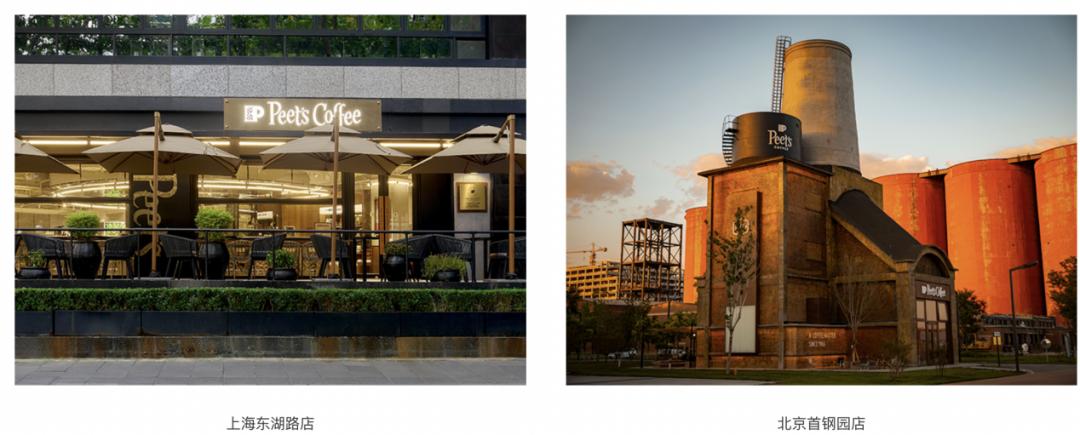
Group 1: Acquisition Overview - Keurig Dr Pepper (KDP) announced a cash acquisition of JDE Peet's for a total equity value of €15.7 billion (approximately ¥130 billion) [1] - KDP is a beverage giant in North America, while JDE Peet's specializes in coffee and tea, known for its Peet's Coffee brand [1] - The acquisition is seen as a strategic move for KDP to enhance its coffee business, which has historically underperformed [10] Group 2: Historical Context of Peet's Coffee - Peet's Coffee was founded in 1966 by Alfred Peet, who initiated a revolution in specialty coffee in the U.S. [2] - Peet's Coffee is often referred to as the "father of Starbucks," as it provided coffee beans to Starbucks' founders [2] - In 2012, JAB Holdings acquired Peet's Coffee for $977 million, leading to its privatization and subsequent global expansion [3] Group 3: Performance in China - Peet's Coffee entered the Chinese market in 2017, establishing a joint venture and currently operates over 270 stores primarily in first-tier and new first-tier cities [4] - JDE Peet's reported a strong organic sales growth of 23.8% in China, contributing to a global sales increase of €8.837 billion (7.9% year-over-year) [7] Group 4: JAB Holdings' Role - JAB Holdings, a significant player in the transaction, increased its stake in JDE Peet's to 68% prior to the acquisition, making it the largest shareholder [9] - JAB's investment strategy focuses on high-growth consumer brands, and it stands to gain over $12.3 billion (approximately ¥88 billion) from this acquisition [9] Group 5: Future Prospects - Post-acquisition, KDP plans to split into two independent publicly traded companies: Beverage Co. and Global Coffee Co., with the latter expected to become the largest pure coffee company globally [10] - KDP's CEO emphasized the acquisition as an opportunity to create a global coffee giant amid a challenging market for coffee brands [11] Group 6: Broader M&A Trends - The acquisition of JDE Peet's is part of a larger trend of significant mergers and acquisitions in the consumer sector, with companies seeking to adjust their strategic positions [12] - The consumer sector is witnessing a resurgence in M&A activity, as companies look to overcome growth challenges through consolidation [14]

高盛欲收购哈根达斯母公司,布局高端冰淇淋市场新动向
Sou Hu Cai Jing· 2025-08-12 03:11
Core Viewpoint - Goldman Sachs is reportedly in talks with French private equity firm PAI to acquire a stake in Froneri, the world's second-largest ice cream manufacturer, for approximately 125 billion RMB, which has garnered significant attention due to Froneri's ownership of well-known brands like Häagen-Dazs, Oreo, and Cadbury [1] Group 1: Company Strategy - Goldman Sachs is diversifying its business model beyond traditional capital market roles, seeking direct investments in high-growth potential companies, exemplified by the potential acquisition of Froneri [3] - The acquisition reflects Goldman Sachs' long-term optimism about the premium ice cream market, with Häagen-Dazs being a globally recognized brand that could enhance resource allocation and market competitiveness [3] - The move aligns with investment philosophies similar to Warren Buffett's, focusing on companies with strong competitive advantages and effective management, indicating a strategy of active involvement in Häagen-Dazs' operations [4] Group 2: Market Context - The interest in acquiring Häagen-Dazs is indicative of a broader trend where high-quality assets are increasingly sought after by investors, highlighting the competitive landscape for premium brands with stable profitability and growth potential [6] - Goldman Sachs' financial strength and management expertise position it favorably in the competitive pursuit of quality assets in the evolving global economic environment [6]

哈根达斯易主在即,“花落”高盛?
3 6 Ke· 2025-08-07 02:47
Core Viewpoint - The potential acquisition of Froneri by Goldman Sachs for €15 billion (approximately ¥120 billion) could significantly reshape the global ice cream industry, highlighting the survival rules in the "quality-price ratio era" [1][2] Group 1: Market Dynamics - Goldman Sachs is preparing to acquire Froneri, the world's second-largest ice cream producer, which could lead to increased market concentration and accelerated expansion in the U.S. ice cream market [2][3] - The acquisition may allow Goldman Sachs to optimize product lines and channel layouts, tapping into Häagen-Dazs' high-end market potential [3] - Despite the acquisition, Häagen-Dazs' operations in China will remain under General Mills, indicating potential regional disparities in brand development [3] Group 2: Häagen-Dazs Challenges in China - General Mills reported a 5% year-over-year decline in net sales to $4.8 billion (approximately ¥34.8 billion) for Q3 2025, with a 3% drop in international market sales attributed to declines in China and Brazil [4] - Häagen-Dazs faced a significant reduction in store numbers in China, dropping from 466 in January 2024 to 370 by July 2025, alongside a double-digit decline in customer traffic [7] - The brand is experiencing increased competition from emerging tea and coffee brands, which are diverting market share away from Häagen-Dazs [7][9] Group 3: Consumer Behavior and Market Trends - Chinese consumers are increasingly favoring products priced between ¥3-5, which accounted for 45.98% of sales, while high-priced products above ¥12 have seen a decline [14] - The ice cream market is shifting from "functional consumption" to "experiential consumption," with consumers valuing emotional and social aspects of the consumption process [17] - Häagen-Dazs' high pricing strategy has not translated into brand loyalty or premium perception, leading to decreased competitiveness [9][12] Group 4: Future Development Trends - If the acquisition is successful, Goldman Sachs may strengthen Häagen-Dazs' position in the high-end market in Europe and the U.S., while facing strategic challenges from partners like Nestlé [19] - General Mills must enhance value-for-money offerings and local innovations in China, focusing on omnichannel operations and consumer experience to revitalize the brand [19][20]
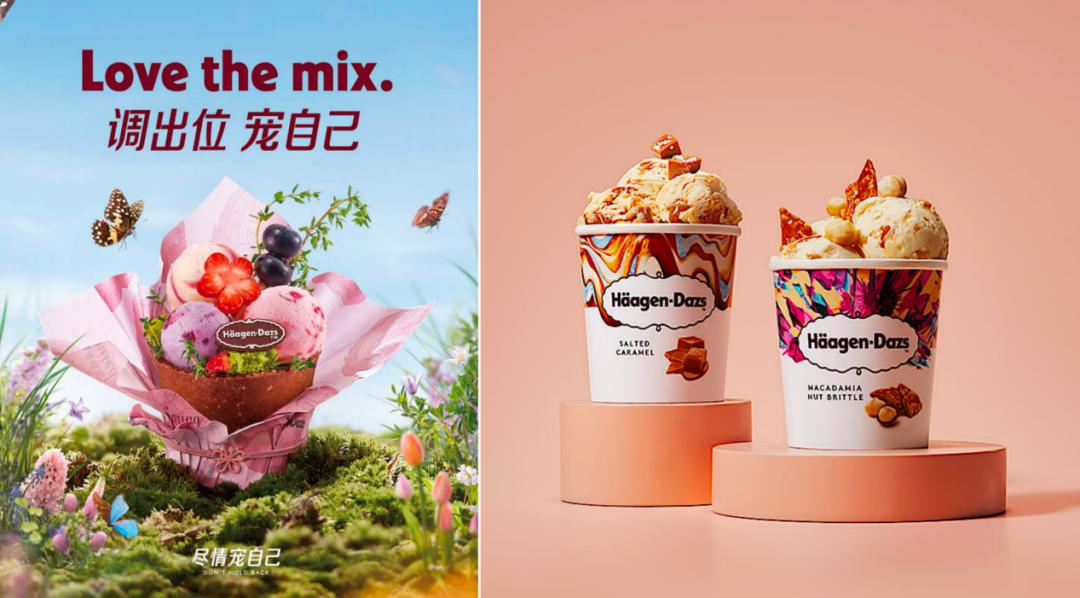
50亿欧元 哈根达斯要被卖了
Sou Hu Cai Jing· 2025-08-06 08:24
Group 1 - Goldman Sachs is reportedly preparing to acquire a stake in Froneri, the world's second-largest ice cream manufacturer, for €15 billion (approximately ¥120 billion) from French private equity firm PAI [2] - Froneri was established in 2016 as a joint venture between PAI and Nestlé, with both parties holding equal shares, and it produces well-known ice cream brands such as Häagen-Dazs, Oreo, and Cadbury in the U.S. market [2][4] - The U.S. ice cream market is valued at approximately $75 billion, with Froneri holding the second-largest market share, trailing only Unilever's Magnum [2] Group 2 - Häagen-Dazs has undergone multiple ownership changes since the 1980s, with significant transitions including its acquisition by Pillsbury in 1983 and later by General Mills in 2001 [3][4] - In 2016, Nestlé and PAI formed Froneri, which subsequently acquired Nestlé's entire ice cream business, giving Froneri operational rights for Häagen-Dazs in over 20 countries [4] - General Mills retains global brand ownership of Häagen-Dazs, primarily managing operations outside North America, especially in China [4] Group 3 - General Mills is reportedly planning to sell Häagen-Dazs' business in China, with potential transaction values estimated between $500 million and $800 million [5] - Häagen-Dazs is facing declining sales in China, with a significant drop in store foot traffic noted in recent financial reports [5][6] - The brand has been actively trying to attract consumers through promotions and discounts, including membership discounts and special pricing [6][7] Group 4 - The Chinese ice cream market has seen a shift in consumer preferences, with a growing demand for lower-priced options, impacting Häagen-Dazs' appeal [7][8] - DQ has emerged as a leading competitor in the domestic ice cream market, capturing nearly 29% market share by 2023, which poses a challenge to Häagen-Dazs [8]