
宝马

Search documents
欧盟放狠话:再不给稀土,就对中国动用非常手段,中方反应很硬气
Sou Hu Cai Jing· 2025-10-29 08:04
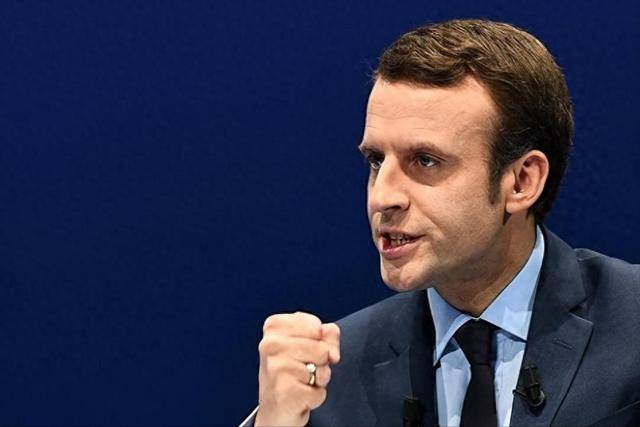
Core Viewpoint - The European Union (EU) is expressing strong rhetoric against China regarding rare earth exports, but internal divisions and dependencies may hinder any substantial action against China [1][5][40]. Group 1: EU's Response to China's Rare Earth Export Controls - The EU's aggressive stance follows China's tightening of rare earth export controls in early October, with French President labeling it as "economic coercion" and urging the EU to utilize its "anti-coercion tool" [5][40]. - The EU's "anti-coercion tool" requires the agreement of 15 member states representing 65% of the population to activate, but it has never been used, indicating a lack of real commitment [5][17]. - The EU's reliance on China for rare earth materials is significant, with 90% of its rare earth magnets imported from China, leading to potential self-harm if tensions escalate [7][11]. Group 2: Internal Divisions within the EU - Internal discord is evident, with France advocating for a tough stance while Germany is reluctant to support aggressive measures due to its economic ties with China [9][15]. - Germany's automotive industry heavily relies on the Chinese market, making it cautious about any actions that could disrupt trade [11][13]. - Eastern European countries are also concerned about energy and market access, further complicating a unified EU response [15][17]. Group 3: Semiconductor Issues and Dutch Actions - The Netherlands has exacerbated tensions by invoking Cold War-era laws to take control of a Chinese-owned semiconductor company, citing national security [19][23]. - The semiconductor company, formerly part of Philips, holds a significant market share in automotive components, raising concerns for European car manufacturers about supply chain disruptions [21][25]. - China's swift response to restrict exports of specific components from the semiconductor company has left European carmakers anxious about potential production halts [25][27]. Group 4: China's Position and Negotiation Prospects - China maintains a steady stance, asserting that its export controls are standard practices and not aimed at any specific country, aligning with international norms [29][30]. - China's dominance in rare earth production, with 92.3% of global refining capacity, poses challenges for the EU in finding alternative suppliers [32][34]. - Upcoming negotiations between China and the EU are expected to address multiple issues, including rare earth exports and the semiconductor situation, highlighting the need for a balanced approach [36][38]. Group 5: Conclusion on Future Relations - The EU's contradictory position of wanting to impose countermeasures while simultaneously seeking concessions from China reflects its internal conflicts and dependency issues [40][42]. - The importance of cooperation over confrontation is emphasized, as both sides have interlinked supply chains that could lead to mutual harm if tensions escalate [42][44].

雷军的“偶像”,彻底撑不住了!
Sou Hu Cai Jing· 2025-10-29 07:35
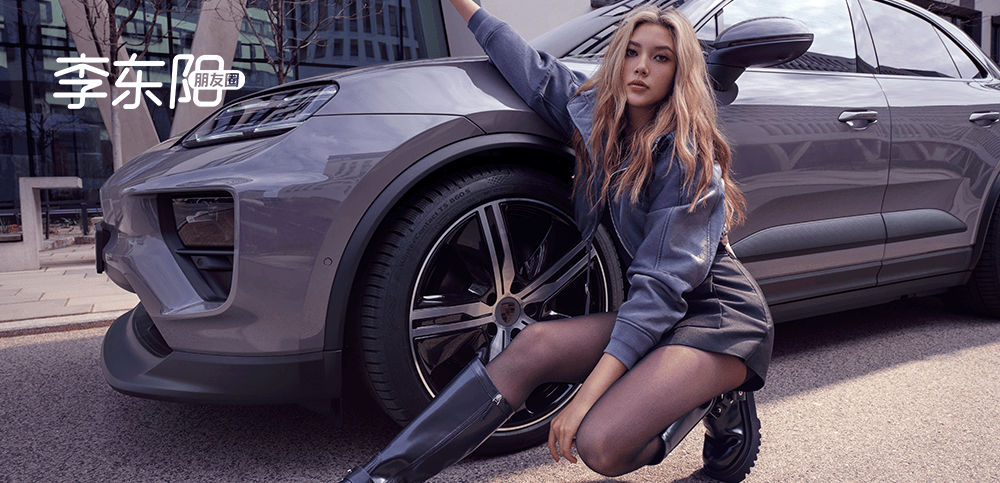
Core Viewpoint - Porsche, once considered a luxury "money printing machine," is now facing a significant decline in sales and profits, with a 99% drop in operating profit in the first three quarters of the year compared to the previous year [2][5][7] Financial Performance - In the first three quarters of this year, Porsche's revenue decreased by 6% to €26.864 billion, while operating profit fell to €4 million from €4.035 billion in the same period last year [2][5] - The operating profit margin plummeted to 0.2%, down from 14.1% year-on-year [2][7] Sales Decline - Porsche's delivery volume peaked at 95,700 units in 2021 but is projected to drop to 56,900 units in 2024, representing a 28% year-on-year decline [5][10] - In China, Porsche's sales fell by 26% to 32,000 units, highlighting a significant shift in consumer preferences towards electric vehicles [10][11] Market Challenges - The luxury car market is experiencing a downturn, with competitors like BMW, Mercedes-Benz, and Audi also reporting declines in sales in China [10][11] - Porsche's struggles are attributed to several factors, including product strategy adjustments, challenging market conditions in China, one-time expenses related to battery activities, organizational changes, and increased import tariffs in the U.S. [7][11] Brand Perception and Strategy - Porsche's brand image is under threat as it resorts to discounting strategies, which contradicts its luxury positioning [13][15] - The company is facing a crisis of confidence among existing customers, as the brand's high-end status is compromised by significant price reductions [15][18] Electric Vehicle Transition - Porsche has been proactive in its electric vehicle strategy, launching the Taycan and aiming for 50% of its sales to come from electric and hybrid models by 2025, and over 80% by 2030 [18][19] - However, delays from its partner Volkswagen in developing electric vehicle architecture have hindered Porsche's ability to capitalize on the rapid growth of the electric vehicle market [18][19] Future Plans - Porsche is implementing a "Rui Jing Plan" to upgrade its dealership network and promote digital retail and services, aiming to regain market share in China by 2026 [24]
这一次的俄罗斯,狠狠地给中国上了一课!
Sou Hu Cai Jing· 2025-10-29 06:37
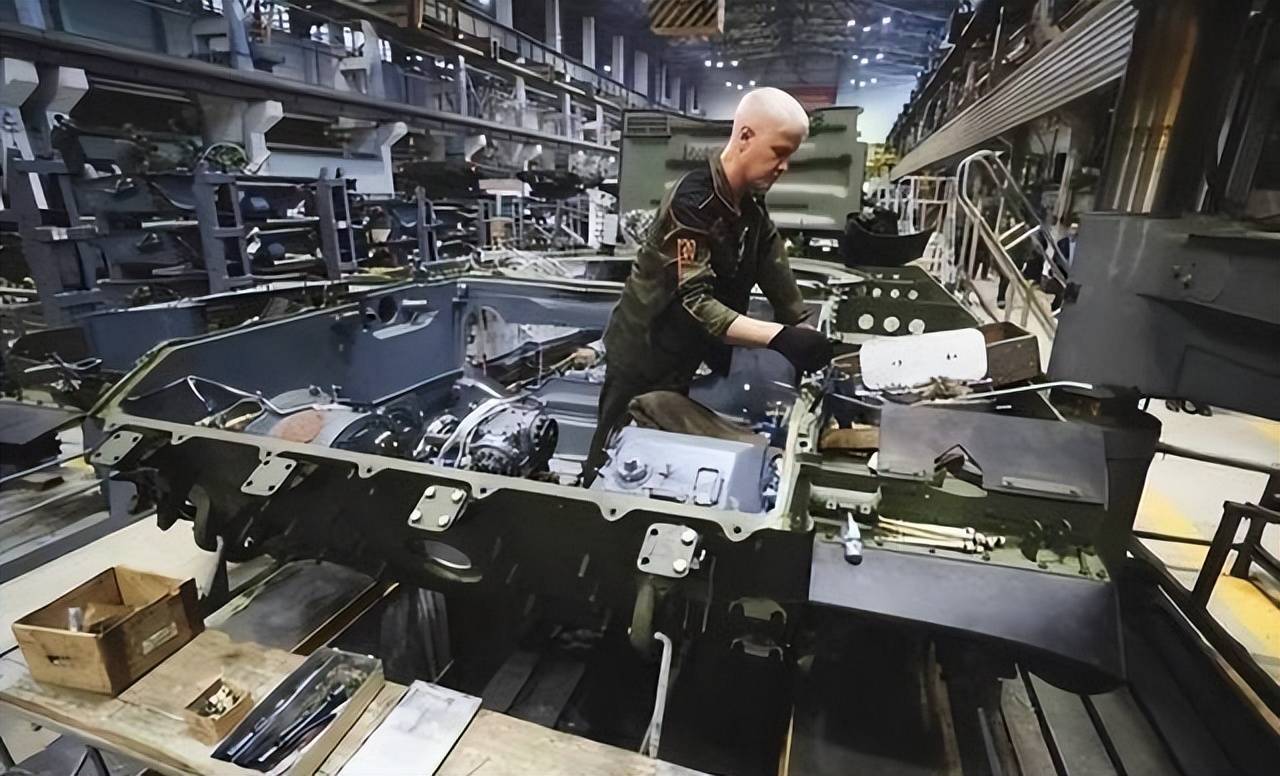
Core Viewpoint - Recent fluctuations in international oil prices are attributed to new sanctions targeting Russia's energy sector, with Brent crude oil prices surging nearly 6% [1] Group 1: Sanctions Overview - Since the outbreak of the Russia-Ukraine conflict, Western sanctions have escalated, impacting various sectors including finance and energy, with over 30,000 sanctions imposed by October 2025 [3][5] - The initial focus of sanctions was on the financial sector, leading to significant disruptions in trade and a sharp decline in the ruble's value [3][5] - The latest round of sanctions, effective October 22, 2025, included 117 new entities and vessels, directly targeting major Russian oil companies [6] Group 2: Impact on Russian Economy - The energy sector is a critical weakness for the Russian economy, with oil and gas revenues constituting nearly 40% of GDP, and a 23% year-on-year decline in oil and gas income reported in September 2023 [8][10] - The sanctions have led to a significant reduction in oil production and an increase in unemployment from 3% in 2023 to approximately 5% by 2025 [11] - Despite a projected GDP growth of 3.6% in 2023, the forecast for 2025 has been downgraded to 0.9%, indicating a slowdown in economic activity [10] Group 3: Broader Economic Consequences - The sanctions have caused a ripple effect across various industries, with financial disruptions leading to inflation rates stabilizing above 8% and essential goods prices doubling [11] - The Russian economy has been forced to pivot towards Asian markets, but high shipping costs and discounts have eroded profits [11] - The overall impact of sanctions is likened to a chronic condition, gradually undermining economic vitality and increasing hardship for the populace [11][12] Group 4: Lessons and Future Outlook - The experience of Russia over the past three years highlights the risks of over-reliance on a single economic strategy, emphasizing the need for self-sufficiency [12][14] - In contrast, China has developed a robust industrial chain and diversified energy supply strategies, positioning itself to withstand potential sanctions [12][14]
光弘科技第三季度扣非净利近1亿高增131.46% 汽车电子业绩加速兑现
Quan Jing Wang· 2025-10-29 00:53
Core Insights - Guanghong Technology (光弘科技) reported strong financial performance for Q3 2025, with revenue of 2.937 billion yuan, a year-on-year increase of 57.46%, and net profit of 99.61 million yuan, up 99.68% [1] - The company achieved a total revenue of 6.256 billion yuan for the first three quarters, representing a 20.81% year-on-year growth, with net profit reaching 199 million yuan, a 33.73% increase [1] - The automotive electronics segment is expanding significantly, driven by the acquisition of AC Company, which has a strong technical foundation and established customer relationships in the automotive sector [1][2] Financial Performance - In Q3, Guanghong Technology's core financial indicators showed double-digit growth, with a non-recurring net profit of 96.84 million yuan, up 131.46% year-on-year [1] - AC Company contributed 578 million yuan in revenue within two months of consolidation, accounting for 17.42% of the total revenue, and a net profit of 2.95 million yuan, representing 2.97% of the total net profit [2] Business Expansion - The acquisition of AC Company has allowed Guanghong Technology to enhance its automotive electronics business, with AC Company being a key player in electronic manufacturing services with a diverse client base [1][2] - The company has successfully entered the high-precision automotive lighting manufacturing sector, marking a significant milestone in its automotive electronics strategy [3] Global Presence - Guanghong Technology has established a global manufacturing footprint with 13 bases across four continents, enhancing its ability to serve international clients [4] - The company’s manufacturing capabilities include a monthly production capacity of 3 million smartphones in India and over 3 million electronic products in Vietnam [4] Strategic Direction - The automotive electronics sector is becoming a core growth engine for Guanghong Technology, driven by advancements in AI and the rapid development of the new energy vehicle industry [2][5] - The company plans to increase investments in automotive electronics while also diversifying into high-value sectors such as medical and industrial control [5]
安世半导体事件陷入僵局,荷兰分析人士发声,欧洲不愿看到的局面已经出现了
Sou Hu Cai Jing· 2025-10-28 18:19
Core Viewpoint - The takeover of Nexperia by the Netherlands has led to a stalemate, raising questions about the motivations behind the actions taken against a profitable company and the implications for the European semiconductor supply chain [1][3][12]. Group 1: Takeover and Control - The Netherlands swiftly took control of Nexperia's headquarters, replacing executives and transferring 99% of shares into a trust account, effectively removing the Chinese CEO from management [1]. - The European Automobile Manufacturers Association has warned that inventory levels can only sustain operations for a few weeks, while Ford and GM have retained the right to claim over €100 million from Nexperia [2][10]. - The takeover, initially perceived as a decisive action, has turned into a self-inflicted crisis as European automakers face supply chain disruptions due to export controls initiated by China [2][10]. Group 2: Geopolitical Context - Analysts suggest that the takeover is part of a broader strategy orchestrated by the West, with the U.S. pressuring the Netherlands to replace Chinese leadership at Nexperia [5][6]. - The timing of the takeover coincided with the announcement of new U.S. export regulations, indicating a coordinated effort rather than an independent Dutch decision [6]. - The situation highlights Europe's strategic vulnerability, as it relies on both U.S. security and Chinese economic ties, creating a dilemma in navigating the geopolitical landscape [12][14]. Group 3: Industry Implications - The semiconductor industry is deeply interconnected globally, and the loss of Chinese manufacturing capabilities could render the Dutch headquarters ineffective [7][8]. - European car manufacturers, including Volkswagen and BMW, are beginning to exert pressure on the Dutch government due to the impending supply shortages [10]. - The incident underscores the urgent need for Europe to achieve strategic autonomy in the face of U.S.-China tensions, as the current situation may lead to further conflicts in the future [19].

保时捷坠入至暗时刻
Hua Er Jie Jian Wen· 2025-10-28 10:36
Core Insights - Porsche is facing unprecedented challenges, with a significant decline in profits and sales, particularly in the Chinese market [2][3][4] Financial Performance - In the first three quarters, Porsche's operating profit was only €40 million, a staggering 99% drop from €4.035 billion in the same period last year [2] - The third quarter alone saw a loss of €966 million [2] Market Challenges - The company is under pressure from €3.1 billion in strategic restructuring costs, a sharper-than-expected decline in the Chinese market, and high tariffs in North America [3] - Sales in China have plummeted from 96,000 units four years ago to 56,900 units last year, with a 26% year-on-year decline in the first three quarters of this year [4] Strategic Adjustments - Porsche has announced a restructuring of its battery subsidiary, Cellforce, and plans to introduce more fuel and hybrid models [3][10] - The company is shifting focus back to internal combustion engines while cautiously continuing its electric vehicle strategy [9][10] Competitive Landscape - The luxury car market in China has become increasingly competitive, with domestic brands like NIO and Zeekr entering the high-end segment, impacting Porsche's market share [6][8] - Porsche's entry-level Macan is facing competition from new entrants in the 500,000 yuan price range, which are offering advanced technology and electric capabilities [6] Future Plans - Porsche plans to reduce its dealer network to around 100 by 2026 and invest in first-tier cities to improve operational efficiency [11] - A new CEO, Michael Leiters, has been appointed to lead the company through this challenging period, focusing on addressing deep-rooted issues from its previous success [12]
燃油车份额萎缩后再添质量隐忧,J.D. Power调研指其长期质量持续滑坡
经济观察报· 2025-10-28 10:15
Core Viewpoint - The long-term quality of fuel vehicles is declining, which challenges their previously established reliability advantage against electric vehicles [2][4]. Group 1: Quality Issues - J.D. Power's report categorizes quality issues into two main types: malfunction-related problems and design defects. Fuel vehicles have seen a continuous increase in long-term quality issues, with a 9% overall increase in PP100 (problems per 100 vehicles) over three years [2][5]. - Design defect issues have increased by 20%, accounting for 45% of complaints, indicating a significant deterioration in fuel vehicle quality [2][4]. - The top 10 reliability issues for fuel vehicles are primarily concentrated in the areas of smart technology and NVH (Noise, Vibration, and Harshness), contributing over 75% of the increase in complaints [3][4]. Group 2: Brand Comparison - Despite improvements in technology and quality among domestic brands, there remains a significant gap in quality compared to international and luxury brands. Domestic brands' design-related issues have increased from 84 PP100 in 2023 to 102 PP100 in 2025 [4][5]. - Luxury brands also show an increase in design-related issues, rising from 66 PP100 to 84 PP100 over the same period [5]. Group 3: Market Trends - The market share of fuel vehicles has been declining, with sales in 2024 dropping to 11.99 million units, a 17.3% year-on-year decrease, and further declining to 49.9% market share in the first nine months of 2025 [5][6]. - The decline in market share has led to a series of reactions from automakers, including production cuts and urgent adaptations to compete with electric vehicles [6]. - Despite a slight recovery in sales in September 2025, the quality issues, particularly in smart technology, remain a significant concern for fuel vehicles [6][7].
欧洲车市“金九”成色足:销量连续三月增长 电动车激增三成
Zhi Tong Cai Jing· 2025-10-28 07:08
Group 1 - In September, the number of affordable electric vehicles available to European consumers increased, leading to a third consecutive month of growth in car sales, with new registrations rising by 11% year-on-year to 1.24 million units [1] - Sales of fully electric and plug-in hybrid vehicles grew by one-third, driven by strong demand for more affordable models like the Skoda Elroq and Renault R5 [1] - Major markets in Europe, including the UK and Germany, saw increases in car deliveries of 14% and 13% respectively [1] Group 2 - Despite improvements in electric vehicle sales, automakers are still facing challenges with lower-than-expected sales, particularly for higher-priced battery-powered models [4] - The EU's plan to phase out the sale of new fuel vehicles by 2035 faces uncertainty, which hinders the adoption of electric vehicles [4] - The overall increase in sales provides some relief for German manufacturers like BMW, Volkswagen, and Mercedes-Benz, who are struggling in the Chinese market against local competitors [4] Group 3 - In the UK, September saw a significant increase in car registrations, typically a peak sales month due to the issuance of new license plates [8] - Plug-in hybrid vehicle deliveries surged by 62%, while fully electric vehicle sales increased by 22%, together accounting for nearly one-third of total registrations in the region [8] - Among major manufacturers, Stellantis and Renault performed best, while Tesla's sales declined by 10%, resulting in a market share of only 3.2% [8] Group 4 - Automakers and suppliers are urgently seeking alternatives to chips produced by Nexperia, which has become a focal point in the political deadlock [5] - Upcoming meetings between US and Chinese leaders may yield positive outcomes to ease trade tensions, although core issues remain unresolved [5]

产品为王,保时捷也不能例外
Zhong Guo Jing Ji Wang· 2025-10-28 06:10
Core Insights - Porsche reported a significant loss of €966 million (approximately ¥8 billion) in Q3, with profits plummeting 99% from €4 billion in the same period last year to just €40 million [1][3] - The decline in sales and profits has raised concerns about Porsche's market position, leading to discussions about its ability to recover through new product launches [1][3] Financial Performance - Q3 sales revenue was €8.7 billion, below market expectations of €9 billion, with a total revenue of approximately €26.86 billion for the first three quarters, a 6% year-on-year decline [1][3] - Deliveries in the first three quarters totaled 212,509 units, a 6% decrease compared to the previous year, with notable declines in key markets such as China, where sales dropped 26% [2][4] Strategic Challenges - Porsche's losses are attributed to past strategic decisions, including the postponement of electric vehicle launches and the extension of the lifecycle for several fuel and hybrid models, resulting in additional costs of approximately €2.7 billion [3][4] - The U.S. tariff policy has further pressured Porsche's performance, with an estimated additional cost of €300 million in the first three quarters of 2025, leading to a projected total loss of €700 million for the year [4] Market Dynamics - Despite the challenges, Porsche achieved record delivery numbers in the U.S. market, with sales increasing by 5% to 64,446 units, contrasting with a 26% decline in China [4][5] - The company is facing intense competition in the entry-level segment, with competitors offering superior price, quality, and emotional value, leading to a loss of younger customers [7][10] Product Development and Innovation - Porsche has not introduced a new flagship model in over a decade, leading to concerns about its product lineup and market appeal [5][11] - The electric vehicle strategy has been inconsistent, with the flagship electric model Taycan experiencing a 10% decline in sales, and the new electric Macan facing delays and challenges in the competitive Chinese market [8][10] Future Outlook - Porsche plans to optimize its organizational structure, with plans to lay off 1,900 employees and cut 2,000 temporary positions by 2025 [4][11] - The company anticipates that its performance will hit bottom this year, with expectations of significant improvement starting in 2026, although this is still far from its historical profit margins of 15% [4][11]
中美经贸凌晨达成框架共识!TikTok或迎最终协议,全球股市直线拉升
Sou Hu Cai Jing· 2025-10-28 04:14
Core Insights - The U.S.-China trade negotiations have reached a significant turning point with the announcement of the "Framework Agreement on Economic and Trade Relations in the Digital Age," coinciding with a final operational agreement for TikTok, leading to a surge in global capital markets [3] Group 1: U.S.-China Trade Breakthrough - Tariff Ceasefire Upgrade: The U.S. confirmed the cancellation of 91% of tariffs on Chinese goods set to increase in April 2025, with the remaining 10% frozen until after the 2026 elections. China will lift import restrictions on U.S. soybeans and chips, committing to purchase 3 million tons of U.S. soybeans [3] - TikTok Ultimate Solution: U.S. user data will be stored in Oracle's Texas data center, encrypted, and prohibited from being transmitted to China. ByteDance retains algorithm ownership but will open API access for audits, while a U.S. consortium will hold 80% equity [3] - New Mechanism for Tech Cooperation: Establishment of the "U.S.-China Digital Governance Committee" to review tech export compliance quarterly, with predictions of cross-border e-commerce exceeding $300 billion by 2026 [4] Group 2: Capital Market Reactions - Cross-Border E-commerce Surge: Amazon and Temu announced a reduction in commission rates for Chinese sellers to 5%, with logistics times cut to three days [4] - Semiconductor Industry Restructuring: SMIC received U.S. export licenses for 14nm chips, and Nvidia's H20 chip pre-orders in China surpassed 500,000 units [4] - AI Application Ecosystem Explosion: ByteDance opened TikTok's recommendation algorithm to Microsoft, boosting Bing's search integration by 40%, while major companies announced a 35% reduction in large model training costs [4] Group 3: Implications of the Agreement - Technological Standards Contest: The U.S. acknowledged the validity of Chinese AI algorithm patents and promised equal representation in IEEE standard-setting, while China agreed to adopt the U.S.-led ISO/IEC 42001 AI management certification [5] - Cross-Border Data Flow Testing: A "data sandbox" will be established in Hainan and Texas to test compliance for financial and medical data, exploring a cross-border CBDC settlement mechanism limited to $10 billion initially [5] - New Geoeconomic Balance: The U.S. recognized the contributions of the Belt and Road Initiative in developing countries and committed to not obstruct third-party participation, while China will increase agricultural imports from the U.S. to $50 billion annually [5] Group 4: Outstanding Issues - Risk of Technological Decoupling: The U.S. requires ByteDance to complete the "de-China" transformation of its algorithms by 2027, removing all Chinese training data, while Huawei's 5G equipment remains excluded from U.S. government procurement [5] - Ongoing Regulatory Conflicts: The U.S. SEC mandates Chinese companies to adopt new accounting standards, which differ from domestic standards, and the TikTok content review committee will have a 4:3 member ratio between the U.S. and China, potentially leading to cultural conflicts [5] - Industry Subsidy Disputes: The U.S. Commerce Department identified Chinese renewable energy subsidies as violations of WTO rules, threatening a 301 investigation, while China demands the removal of investment restrictions in the U.S. CHIPS Act [5]
