
TCL电子

Search documents
港股收盘(03.24) | 恒指收涨0.91% 家电股、有色股表现亮眼 TCL电子(01070)绩后大涨13%
智通财经网· 2025-03-24 08:57
Market Overview - The Hang Seng Index closed up 0.91%, reaching 23905.56 points, with a total trading volume of 233.1 billion HKD [1] - The Hang Seng Tech Index rose 1.72%, while the Hang Seng China Enterprises Index increased by 1.24% [1] - Market volatility may increase in April due to upcoming tariff issues and economic data releases, but the long-term outlook for Chinese assets remains positive [1] Blue-Chip Stocks Performance - CK Hutchison Holdings (00001) rebounded, closing up 4.16% at 45.05 HKD, contributing 7.98 points to the Hang Seng Index [2] - Haier Smart Home (06690) rose 6.02%, while Zijin Mining (02899) increased by 4.98% [2] - New Oriental Education (09901) fell 7.23%, negatively impacting the index [2] Sector Highlights Home Appliances - TCL Electronics (01070) surged 13.52% to 8.9 HKD, driven by strong earnings [3][4] - The home appliance sector saw significant sales growth, with nearly 9 million units sold under the trade-in program [4] - TCL reported a revenue of 99.322 billion HKD for 2024, a 25.7% increase, and a net profit of 1.759 billion HKD, up 136.6% [4] Non-Ferrous Metals - Luoyang Molybdenum (03993) rose 9.27% to 6.72 HKD, supported by rising copper prices [5] - International copper prices reached new highs, with COMEX copper futures hitting 5.1490 USD per pound [5] - Luoyang Molybdenum reported a revenue of 213.029 billion RMB, a 14.4% increase, and a net profit of 13.532 billion RMB, up 64% [6] New Energy Vehicles - New energy vehicle stocks saw gains, with Li Auto (02015) up 3.85% and XPeng Motors (09868) up 3.29% [6][7] - The retail market for passenger vehicles is projected to grow by 9.1% year-on-year in March, with new energy vehicles expected to reach 1 million units sold [7] Notable Stock Movements - Weichai Power (00856) saw a significant increase of 14.64% after reporting a revenue of 89.086 billion HKD, a 20.56% increase [8] - KANAT Optical (02276) rose 7.98%, benefiting from the growth of smart glasses in the AI+AR sector [9] - HAPO Pharmaceuticals (02142) gained 5.49% following a strategic partnership with AstraZeneca [10] - COSCO Shipping Holdings (01919) reported a revenue of 233.859 billion RMB, a 33.29% increase, and a net profit of 49.1 billion RMB, up 105.78% [11] - Brilliance China Automotive (01114) faced pressure, with a revenue decline of 2.3% and a net profit drop of 59.9% [12]
一图读懂TCL电子2024年业绩
WitsView睿智显示· 2025-03-24 05:35
Core Viewpoint - TCL Electronics reported significant growth in 2024, with a focus on high dividend policies to reward shareholders [3][7]. Financial Performance - Total revenue reached HKD 99.32 billion, an increase of 25.7% year-on-year [4]. - Adjusted net profit attributable to shareholders was HKD 1.61 billion, reflecting a 100.1% increase year-on-year [6]. - The dividend payout ratio for 2024 was set at 50% [7]. Business Segments Display Business - TCL's TV shipments totaled 29 million units, up 14.8% year-on-year, with revenue from TV sales at HKD 60.11 billion, a 23.6% increase [10]. - Mini LED TV shipments surged to 1.7 million units, marking a 194.5% year-on-year growth [10]. Mobile and Tablet Business - Mobile revenue was HKD 5.37 billion, up 14.3% year-on-year [11]. - Tablet revenue reached HKD 3.09 billion, reflecting a 31.1% increase [15]. Internet Business - Internet revenue was HKD 2.63 billion, with a user engagement rate of 56.2%, up 1.3 percentage points year-on-year [20][21]. - The TCL Channel has over 32.6 million users globally, enhancing monetization capabilities [23]. Innovative Business - The solar energy segment generated HKD 12.87 billion in revenue, a remarkable 104.4% increase year-on-year [25]. - The company has expanded its operational efficiency and profitability in the solar industry [25]. Market Position and Strategy - TCL maintains a leading position in the AR glasses market with a market share of 35.6% [34]. - The company is focusing on enhancing user experience and service quality, particularly in overseas markets [19][22]. - TCL's marketing strategy includes a comprehensive digital retail system and a strong presence in major global events [41][42]. Research and Development - TCL emphasizes continuous technological innovation to improve product competitiveness and user experience [36][40]. - The company is advancing in large-size display technology and next-generation communication standards [38][39].

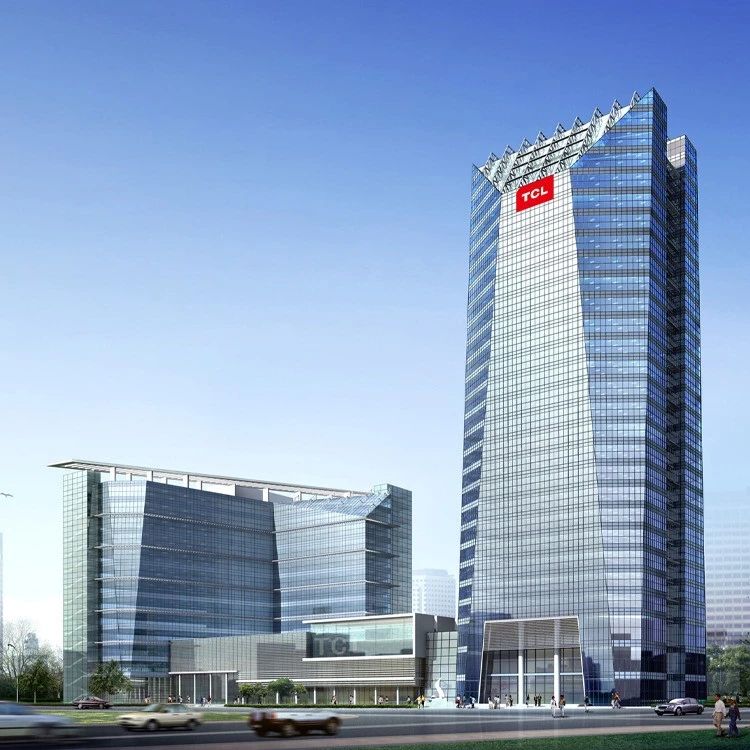
TCL电子(01070) - 2024 - 年度业绩
2025-03-21 08:30
Financial Performance - For the fiscal year ending December 31, 2024, the company reported revenue of HKD 99.32 billion, a year-on-year increase of 25.7%[5] - Gross profit reached HKD 15.55 billion, reflecting a 13.8% increase compared to the previous year[5] - Net profit attributable to shareholders increased by 136.6% to HKD 1.76 billion, while adjusted net profit rose by 100.1% to HKD 1.61 billion[5] - The company proposed a final dividend of HKD 0.318 per share, representing a 98.8% increase from the previous year's dividend[5] - The company's revenue increased by 25.7% from HKD 78.99 billion in 2023 to HKD 99.32 billion in 2024[54] - Gross profit rose by 13.8% from HKD 13.67 billion in 2023 to HKD 15.55 billion in 2024, with a gross margin of 15.7%[59] - The company's net profit for the year was HKD 1,848,511, which is a significant increase of 123.4% compared to HKD 826,809 in 2023[99] - The group's profit before tax for 2024 was HKD 1,759,366,000, a significant increase from HKD 743,633,000 in 2023, representing a growth of approximately 136.5%[145] Market Performance - The global TV industry shipment volume is expected to grow by 3.7% in 2024, with the company’s TV shipments increasing by 14.8% to 29 million units, raising its market share to 13.9%[7][15] - TCL TV global shipment volume reached 29 million units, a year-on-year increase of 14.8%, achieving a historical high[24] - TCL TV's global market share in shipment volume increased from 5.6% in 2015 to 13.9% in 2024, with sales revenue market share reaching 12.4%, up 1.7 percentage points year-on-year[24] - In the Chinese market, TCL TV shipment volume grew by 5.8% year-on-year, while the average selling price increased by 12.4%, leading to an 18.9% rise in revenue to HKD 19.046 billion[28] - In North America, TCL TV's shipment volume increased by 6.4% year-on-year, outperforming the industry growth rate of 4.0%, with a significant growth of 67.6% in shipments of TVs 75 inches and above[33] - In emerging markets, TCL TV's shipment volume grew by 12.7% year-on-year, with specific increases of 17.6% in Latin America and 39.6% in the Middle East and Africa[33] Product Development and Innovation - The company is focusing on high-end and smart product strategies, aiming to enhance its core competitiveness and diversify revenue streams[10] - Innovative business revenue increased by 44.9% year-on-year to HKD 27.009 billion, with gross profit rising by 30.5% to HKD 3.347 billion[16] - Solar business revenue and gross profit both surged by 104.4% year-on-year to HKD 12.874 billion and HKD 1.230 billion, respectively[16] - R&D expenses reached HKD 2.335 billion, focusing on advanced display technologies and AI innovations[19] - The launch of the X11K QD-Mini LED TV showcased industry-leading technology with peak brightness of 6,500 nits and 14,000 local dimming zones[21] - The company aims to enhance its product matrix in the distributed photovoltaic market and explore innovative applications in AR/XR and smart home robots[50] Operational Efficiency - The company’s operational efficiency improved, with selling and distribution expenses decreasing by 1.0 percentage points to 7.6% of revenue[12] - The company maintained a net capital debt ratio of 0.0%, indicating a strong financial position[13] - Financing costs decreased by 11.1% from HKD 885 million in 2023 to HKD 787 million in 2024, mainly due to reduced factoring interest expenses[71] - Sales and distribution expenses increased by 10.1% from HKD 6.818 billion in 2023 to HKD 7.504 billion in 2024, primarily due to strategic investments in brand marketing and product promotion[65] Strategic Initiatives - The company plans to deepen its "mid-to-high-end + globalization" strategy, focusing on high-quality growth and expanding its market share[48] - The company has capital commitments of HKD 539,899,000 as of December 31, 2024, down from HKD 599,510,000 in the previous year[89] - The company is currently involved in a tax assessment dispute in Brazil, which is expected to last between 3 to 8 years, with no provisions made as legal counsel believes the company can effectively defend against the claims[91] - The company has not engaged in any high-risk derivative trading or leveraged foreign exchange contracts, focusing instead on natural hedging through functional currency transactions[93] Corporate Governance - The company has established and will continue to optimize its risk management and internal control systems, with regular reports to the board and audit committee on governance status and improvements[170] - The company has complied with the corporate governance code for the year ending December 31, 2024[171] - The audit committee, consisting of three independent non-executive directors, has reviewed the annual performance for the year ending December 31, 2024, including the accounting principles adopted[173] - The company is focused on enhancing collaboration between the board and management to strengthen corporate governance responsibilities[170] Future Outlook - The company plans to expand its market presence in Southeast Asia, targeting a 25% market share by 2025[186] - TCL plans to allocate RMB 5 billion for R&D in quantum dot display technology over the next three years[186] - The company anticipates a 30% increase in sales from its new energy-efficient product line by the end of 2024[186]
2月空调产销数据点评:空调内外销稳健、美的海尔拥抱新技术新趋势
中国银河· 2025-03-20 12:02
Investment Rating - The report maintains a "Recommended" investment rating for the home appliance industry [1]. Core Viewpoints - The home appliance industry is experiencing steady growth in both domestic and international sales, particularly in air conditioning, with leading companies like Midea and Haier embracing new technologies and trends [1][3]. - The government’s consumption stimulus policies are expected to have a long-term positive impact on consumer spending, with a comprehensive plan involving 30 key tasks aimed at enhancing consumption capacity and quality [3]. - The report highlights the importance of adapting to new trends such as AI and robotics, with major players actively responding to market demands [3][4]. Summary by Sections Domestic Sales - In January-February 2025, the retail sales of household appliances and audio-visual equipment grew by 10.9% year-on-year, although this represents a slowdown compared to the previous quarter [3][4]. - The air conditioning sector showed a positive trend, with domestic sales volume increasing by 8.8% year-on-year during the same period [3][22]. Export Performance - The export value of home appliances in January-February 2025 reached USD 15.216 billion, marking a year-on-year increase of 6.3% [15]. - Air conditioning exports performed exceptionally well, with a year-on-year increase of 30.9% in the same period, following a strong performance in 2024 [22][15]. Policy Impact - The "old-for-new" replacement policy has significantly boosted sales, contributing to a 29.95% increase in retail sales from September to December 2024 [4]. - The government’s consumption stimulus measures are designed to enhance consumer confidence and spending power, which is expected to benefit the home appliance sector in the long run [3]. Technological Trends - Leading companies like Midea and Haier are rapidly integrating AI and robotics into their product offerings, responding to the evolving consumer preferences for smart home solutions [3][4]. - Midea has introduced AI voice control features in its air conditioning products, while Haier has launched innovative washing machines targeting younger consumers [3]. Valuation Insights - The home appliance sector's current price-to-earnings ratio stands at 15.83, below the historical average of 17.71, indicating potential for valuation improvement [54].
迎接高低切机遇暨提振消费专项行动方案解读
2025-03-18 01:38
Summary of Key Points from the Conference Call Industry Overview - The conference call primarily discusses the **consumer goods industry** and its various segments, including retail, real estate, food and beverage, home appliances, and new consumption trends. Core Insights and Arguments - **Retail Performance**: In January-February, the total retail sales of consumer goods increased by 4% year-on-year, with significant growth in communication products (26.2%), cultural and office furniture (21.8%), and essential goods like grain and oil (11.5%) [2][3] - **Real Estate Impact**: Real estate sales fell by 2.6%, but the decline has narrowed significantly, indicating a stabilization in the market. This stabilization has positively influenced consumer confidence and spending [3][4] - **Government Initiatives**: The government is actively promoting consumption through measures such as increasing residents' income, reducing living expenses, and implementing a "trade-in" policy for durable goods. A special action plan has been introduced to boost consumer expectations [5] - **Emerging Technologies**: The integration of new technologies with traditional industries, such as AI in healthcare and industrial internet platforms in consumption, is highlighted as a new investment theme [7][8] - **Food and Beverage Sector**: The sector is expected to benefit from policy support and has a focus on cyclical segments like high-end liquor and beer. The overall valuation remains attractive, with recommendations for leading brands [9][10] - **Home Appliance Sector**: The home appliance industry saw a 10.9% year-on-year growth in January-February, with expectations for continued demand due to government subsidies and seasonal sales [24][25] - **Consumer Trends**: The call emphasizes the importance of online retail growth, with a 5% increase in online retail sales. Categories like toys and IP products are gaining popularity [20] - **Service Consumption**: There is significant potential for growth in service consumption on internet platforms, with low current penetration rates indicating room for expansion [21] Additional Important Insights - **Investment Recommendations**: Specific companies are recommended based on their growth potential and market positioning, including high-dividend yielding companies in the home appliance sector and leading brands in the food and beverage industry [25][30] - **Market Dynamics**: The call notes a shift in market sentiment towards domestic demand-driven sectors due to external uncertainties affecting exports [6] - **Consumer Confidence**: The stabilization of the real estate market and government policies are expected to enhance consumer confidence, which is crucial for sustained consumption growth [3][5] This summary encapsulates the key points discussed in the conference call, providing a comprehensive overview of the current state and future outlook of the consumer goods industry.
家电行业2025W11周报:各地积极发布育儿补贴细则,政策超出预期-2025-03-17
Guotai Junan Securities· 2025-03-17 11:16
Investment Rating - The report maintains an "Overweight" rating for the home appliance industry, consistent with the previous rating [1]. Core Insights - Local governments are actively releasing childcare subsidy details, exceeding expectations, which is expected to benefit maternal and infant appliances as well as kitchen small appliances in the short term. In the long term, improvements in population size and structure will support consumption and real estate demand [3][9]. - The report highlights that the increase in birth rates will directly stimulate demand for maternal and infant appliances (e.g., milk warmers, complementary food machines, children's washing machines) and kitchen small appliances (e.g., multi-person cooking appliances, maternal and infant sterilizers) [10]. - The real estate market is showing signs of recovery, with marginal data improving, which is expected to stabilize the kitchen and white goods sectors that are closely related to the real estate cycle [25]. Summary by Sections Childcare Subsidies - Various regions are implementing childcare subsidy policies, with Hohhot offering the highest subsidies in the country, including a one-time payment of 10,000 yuan for the first child, 50,000 yuan for the second child, and 100,000 yuan for the third child, paid annually until the child reaches 10 years old [9][10]. Sales Data - The report notes a decline in cumulative sales growth for most home appliance categories, with online sales of air conditioners, dryers, and color TVs showing some recovery. However, sales growth for range hoods and robotic vacuums has narrowed significantly [12][19]. Investment Recommendations - The report recommends several companies based on the positive outlook for the industry: 1. For the kitchen and white goods sectors: Midea Group (PE: 12.9X), Boss Electric (12.6X), Hisense Visual (11.6X), and Vatti (11.4X) [25]. 2. For maternal and infant appliances and kitchen small appliances: Bear Electric (19.6X), Beiding (38.2X), Derma (24.5X), and Feike Electric (26.8X) [25]. 3. For AI and smart home segments: Stone Technology (20.8X), TCL Electronics (10.3X), Kangguan Technology (14.2X), Ninebot (25.3X), and Yingshi Network (43.1X) [25].
家电在2025有哪些新逻辑和新机会?
2025-03-16 15:50
Summary of Key Points from Conference Call Industry Overview - The conference call primarily discusses the **home appliance industry** in China, focusing on investment opportunities and market dynamics for 2025 [2][4][7]. Core Insights and Arguments - **Economic Growth and Consumer Spending**: In 2024, China achieved a GDP growth target of 5%, largely driven by a 7.1% increase in export growth. However, domestic consumption is expected to play a more critical role in achieving the 2025 GDP growth target of 5% due to increasing export pressures [2][3]. - **Government Support for Consumption**: The government has increased fiscal spending, with a significant rise in the comprehensive fiscal index by 8.62% year-on-year, which is expected to boost household income and stimulate consumption, particularly in the home appliance sector [2][4]. - **Subsidy Policies**: The "trade-in" subsidy policy has been expanded from 150 billion yuan in 2024 to 300 billion yuan in 2025, directly stimulating demand in the home appliance market [4][11]. - **Investment Opportunities**: The home appliance sector is seen as having multiple investment opportunities due to policy support, strong domestic demand, and the potential for technological innovation [2][4][7]. Market Dynamics - **Sales Growth**: The home appliance industry has shown significant growth in domestic sales, with online and offline channels maintaining double-digit growth rates. For instance, air conditioning sales grew by 20%, and kitchen appliances saw over 40% growth in offline sales [7][10]. - **Consumer Trends**: There is a notable shift towards durable consumer goods, with strong demand in lower-tier markets. The retail sales growth in these markets has reached 11% [7][10]. - **AI Integration**: The application of AI technology in home appliances is enhancing user experience and profitability, with companies like Xiaomi and Haier leading in smart home ecosystem development [2][15][17]. Financial Metrics - **Free Cash Flow Improvement**: The consumer sector has seen a reduction in capital expenditure, leading to improved free cash flow, which is attractive to foreign investors. The consumer sector's valuation is at historical lows, suggesting potential for upward movement [5][8][20]. - **Dividend Policies**: Companies are increasing dividend payouts as free cash flow improves, with Haier raising its payout ratio from 40% to 50% [21][22]. Emerging Trends - **New Consumption Areas**: The rise of service robots and AI integration in consumer products is creating new market opportunities. For example, the penetration rate of robotic vacuum cleaners is expected to increase significantly due to government subsidies [23]. - **Market Segmentation**: Different categories of home appliances are performing variably, with kitchen appliances and small appliances showing stronger growth compared to traditional white goods [13][19]. Risks and Challenges - **Export Challenges**: The home appliance sector faces challenges from declining export growth, with a forecasted export growth rate of around 2% for 2025 [3][10]. - **Market Volatility**: The overall market is experiencing a slowdown in growth rates, which is a normal phenomenon given the size of the Chinese economy. Investors are advised to focus on long-term stable growth rather than short-term spikes [19][20]. Conclusion - The home appliance industry in China is poised for growth in 2025, driven by government support, technological advancements, and changing consumer preferences. Investors are encouraged to identify quality stocks within this sector, particularly those benefiting from subsidy policies and innovative product offerings [4][7][19].
家电轻工+AI科技消费全梳理
2025-03-16 14:53
Summary of Key Points from Conference Call Records Industry Overview - The home appliance industry is actively embracing AI technology, with leading companies like Midea and Haier launching AI-integrated products such as Midea's DeepSeek smart air conditioner and Haier's AI refrigerator aimed at enhancing user experience and product value [1][2][4]. Core Insights and Arguments - AI applications in the home appliance sector focus on three main areas: integration with traditional major appliances, empowerment of innovative product categories (e.g., smart glasses, robotic vacuums), and participation in infrastructure support (e.g., computing power service leasing) [1][4]. - AI technology enables true smart home experiences through voice recognition, automated analysis, and personalized solutions, significantly enhancing user experience and product value. For instance, Midea's DT6 air conditioner saw a price increase of nearly 30% due to its AI features [1][6]. - Haier plans to unveil new AI-integrated products, including a smart home experience and AI refrigerator, at the AWE exhibition in 2025, while Gree's AI dynamic energy-saving air conditioner is expected to improve energy savings by 13.6% [1][8][10]. - The light industry is significantly impacted by AI, particularly in smart home products, smart glasses, toys, health and fitness, and robotic computing power, enhancing design, production, and product functionality [1][20]. Additional Important Content - Some home appliance companies are leveraging strong cash flows to enter the computing power leasing market, such as Yitian Smart's establishment of a 2,500P computing power service cluster in Gansu [2][19]. - Major white goods companies like Midea, Gree, and Haier are developing their AI models or collaborating with DeepSeek, indicating a strong trend towards AI integration in product offerings [2][4]. - The introduction of AI technology has led to significant price increases for new products, with air conditioners seeing price hikes of approximately 3,500 yuan, nearly 30% higher than previous models [7][6]. - Companies in the light industry, such as Oppein and Sofia, are implementing smart AI factories to enhance design and manufacturing processes, showcasing the broad applicability of AI across sectors [20][21]. - The AI technology's impact on the toy industry is emerging, with companies like Time Culture launching AI toys that provide emotional interaction and educational value [23][24]. - In the health and fitness sector, companies like Shuhua Sports and Kangliyuan are integrating AI into fitness equipment to monitor user data and provide personalized training recommendations [25][26]. This summary encapsulates the key developments and insights from the conference call records, highlighting the transformative role of AI in the home appliance and light industry sectors.



家用电器25W11周观点:电动自行车以旧换新成效显著,1-2月扫地机数据靓丽-2025-03-16
Huafu Securities· 2025-03-16 13:09
Investment Rating - The industry rating is "Outperform the Market" [8][70]. Core Insights - The electric bicycle trade-in program has shown significant results, with 1.664 million units sold by March 11, 2025, surpassing the total for 2024 by 120.4% [3][11]. - The online sales of robotic vacuum cleaners in January-February 2025 reached 1.916 billion yuan, a year-on-year increase of 72%, with sales volume of 587,500 units, up 58% year-on-year [3][13]. Summary by Sections Electric Bicycle Trade-in Program - The trade-in program has resulted in 1.664 million electric bicycles being sold, with a total subsidy of 1 billion yuan, averaging 600 yuan per person, leading to new car sales of 4.51 billion yuan [3][11]. - The number of participating stores increased to 47,000, with an average sales boost of 96,000 yuan per store [11][12]. Robotic Vacuum Cleaner Sales - The online sales of robotic vacuum cleaners showed a strong performance, with a total sales amount of 1.916 billion yuan and an average price of 3,261 yuan, reflecting a 9% year-on-year increase [3][13]. - Leading brands like Ecovacs and Roborock saw significant increases in their market shares, with Ecovacs achieving a 27% market share and Roborock reaching 25% [13]. Investment Recommendations - The report suggests focusing on major home appliance companies benefiting from the trade-in program, including Midea Group, Haier Smart Home, Gree Electric, and TCL Electronics [5][17]. - The pet industry is highlighted as a resilient sector, with recommendations to consider companies like Guibao Pet and Zhongchong Co [5][17]. - The report anticipates a recovery in demand for small appliances and branded apparel in 2026, suggesting attention to leading brands in these categories [5][17]. Market Performance - The home appliance sector saw an overall increase of 1.7% this week, with specific segments like white goods and kitchen appliances performing particularly well [4][21]. - Raw material prices for copper and aluminum increased by 0.98% and 0.74% respectively compared to the previous week [4][21].
25W10周度研究:剖析智能家居系统:家用电器-2025-03-14
Tianfeng Securities· 2025-03-14 04:44
行业报告 | 行业研究周报 家用电器 证券研究报告 风险提示:房地产市场景气程度回落;汇率波动风险;原材料价格波动风 险;新品销售不及预期。 剖析智能家居系统:传感器——25W10 周度研究 【周度研究聚焦】剖析智能家居系统:传感器 智能家居系统能够根据家居环境的温度、湿度、亮度、人员活动、声音大 小、震动等因素,自动控制空调、灯光、影音系统等设备的运行;借助智能 音响等语音接口,用户可以通过语音指令与系统进行交互,实现对设备的控 制;同时用户还可以通过手机 APP 或网页等方式,在远程对家中的设备进 行操控。从系统结构的角度来讲,智能家居系统可以分为传感器、控制中 枢、执行器、通信网络和人机接口。 智能传感器是集传感单元、通信芯片、微处理器、驱动程序、软件算法等于 一体的系统级产品,具有信息采集、信息处理、信息交换、信息存储等功 能,其作为物联网技术的最底层和最前沿,对物联网产业发展有着十分重要 的意义。市场规模方面,据 Precedence Research 的报告,2024 年全球传感 器市场规模约 2460 亿美元,预计到 2034 年将达到 5510 亿美元(2024- 2034 年 CAGR 达 ...