
俄罗斯天然气工业股份公司

Search documents
谁还敢炸?北溪管道爆炸3年后,中俄终于签下大单!
Sou Hu Cai Jing· 2025-10-01 14:38
Core Insights - The signing of the "Power of Siberia 2" gas pipeline agreement between China and Russia is a significant development in the context of the energy landscape, especially following the unresolved mystery of the Nord Stream pipeline explosion three years ago [1][7][9] Group 1: Importance of Nord Stream Pipeline - The Nord Stream pipeline was crucial for Europe's energy supply, capable of delivering 55 billion cubic meters of gas annually, which accounted for half of Germany's gas consumption [1] - The planned Nord Stream 2, with a similar capacity, would have further transformed Europe's energy dynamics [1] Group 2: Impact of the Nord Stream Explosion - The explosion on September 26, 2022, resulted in a methane leak exceeding 500,000 tons, equivalent to the annual emissions of 11 million cars, marking it as one of the most severe greenhouse gas incidents in history [3][5] - The incident led to a dramatic surge in European gas prices, reaching ten times the levels of 2021, causing numerous energy companies to collapse and prompting a shift in manufacturing out of Europe [5] Group 3: Russia's Strategic Shift - In response to the unreliability of the European market, Russia is pivoting its energy exports towards Asia, with expectations that gas exports through the "Power of Siberia" pipeline will increase by nearly 50% by 2024 [6] - Russia's share of gas exports to Asia is projected to rise from 10% in 2022 to nearly 30% by 2024, alongside significant energy cooperation agreements with countries like Iran and Saudi Arabia [6] Group 4: China’s Energy Needs - The "Power of Siberia 2" pipeline is expected to deliver 50 billion cubic meters of gas annually to China, compensating for the market share lost from the Nord Stream incident [7] - China's natural gas imports are forecasted to reach 130 million tons by 2024, nearly tripling from 2015 levels, highlighting its rapid consumption growth [7] Group 5: Strategic Implications - The agreement between China and Russia signifies a deepening strategic partnership, with projected energy trade volumes reaching $320 billion by 2024 and potentially exceeding $400 billion in subsequent years [9] - The developments underscore the notion that energy issues are not merely economic but also pivotal in the context of geopolitical power dynamics, with both nations aiming to secure their energy futures independently of Western influence [9][10]

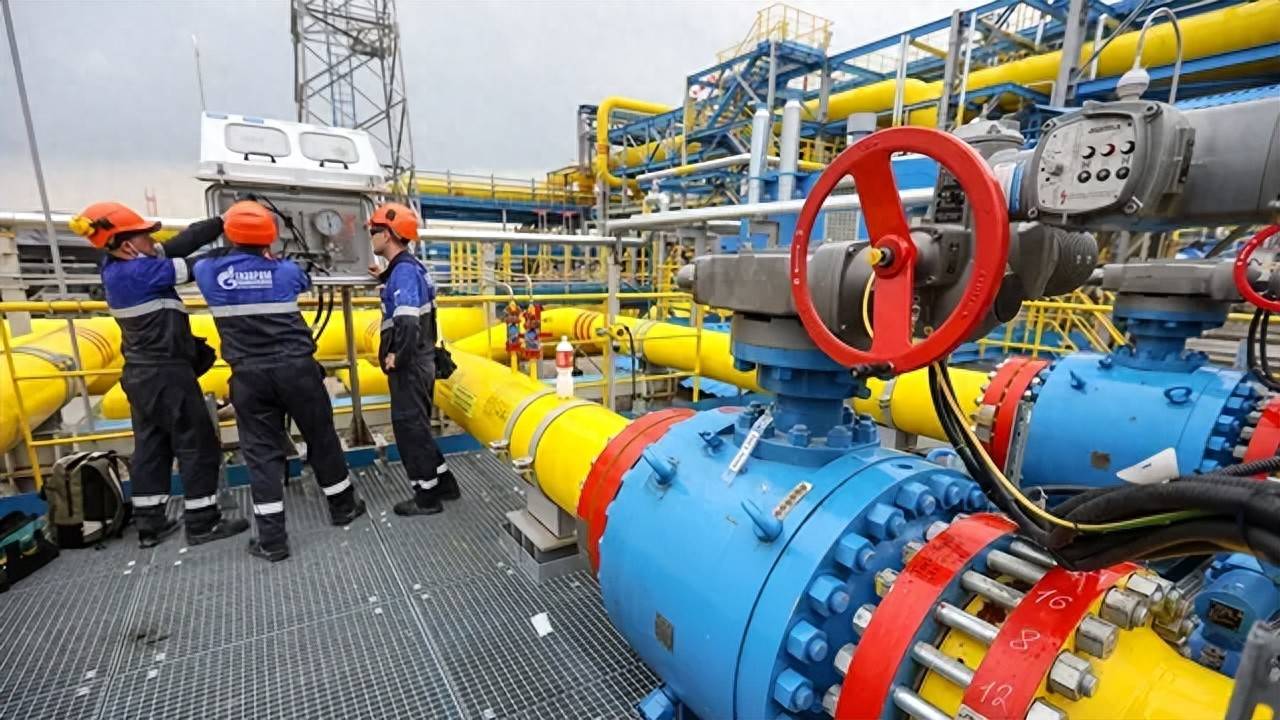
西方的嗓门越大,中俄生意做得越有劲,能源大动脉今年有望拉满
Sou Hu Cai Jing· 2025-10-01 11:46
Core Insights - The natural gas supply from Russia to China has reached a record high, with 4.25 billion cubic meters supplied in July, marking an 11% increase year-on-year [1] - The "Power of Siberia" pipeline, operational since late 2019, is expected to reach its design capacity of 38 billion cubic meters by 2024, with an additional agreement to increase total supply to 44 billion cubic meters [1][2] - The deepening economic ties between China and Russia reflect a shift in their relationship from "politically warm but economically cold" to "politically and economically warm" [2] Natural Gas Supply Dynamics - In July, China imported a total of 7.165 billion cubic meters of natural gas through pipelines from five countries, with Russia being the largest supplier [1] - The actual gas supply through the "Power of Siberia" pipeline is projected to reach 38 billion cubic meters this year, indicating a significant increase from 4.1 billion cubic meters in 2020 [1][2] - The Russian Minister of Economic Development emphasized that no third country can disrupt the cooperation between China and Russia, highlighting the resilience of their trade relationship despite Western sanctions [4] Strategic Cooperation - The increase in natural gas supply is seen as a direct result of strategic mutual trust between China and Russia, with both countries demonstrating strong confidence in their cooperation [4][6] - The ongoing expansion of the energy pipeline signifies a robust and unshakeable new strategic partnership between the two nations, reflecting their commitment to deepening economic ties [6]
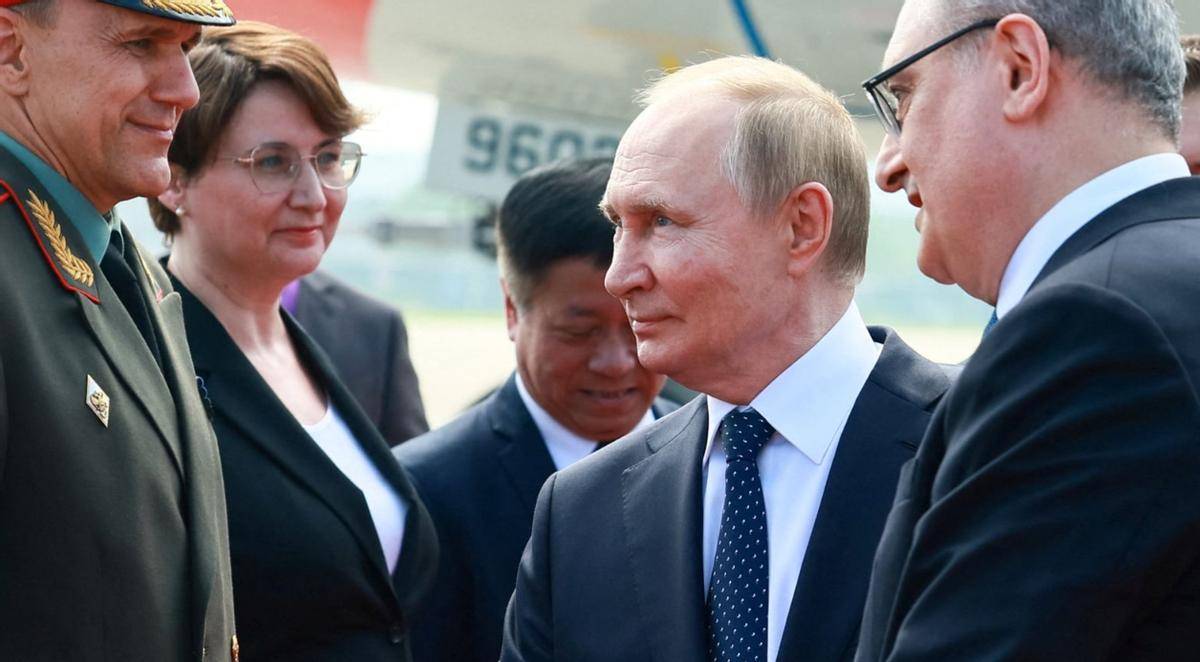
俄罗斯赖以立国与维持战争的石油生产,正在战争和制裁中缓慢消亡
Sou Hu Cai Jing· 2025-09-30 19:16
Core Insights - Russian oil production is facing significant challenges due to war and sanctions, with traditional oil fields aging and shale oil development restricted. OPEC+ has increased production to capture market share, leading to a drop in oil prices from $80 to $60, with predictions of a potential decline to $50 [1][3][19]. Group 1: Impact of Sanctions and War - Sanctions have severed Western technology and equipment supplies, leaving Russia without advanced software, trained workers, and high-end drilling equipment, making it difficult to maintain or expand production [1][5][6]. - By 2030, Russian oil production is expected to decline by 20% to 50%, posing a threat to its economy and the funding of the war in Ukraine [1][19]. Group 2: Challenges in Oil Production - The aging of traditional production centers in Western Siberia and the Volga-Ural region has been exacerbated by sanctions, which hinder the ability to utilize Western technology for shale extraction [5][9]. - The lack of trained personnel due to the war has made it challenging for Russia to expand shale oil production, as many potential workers are engaged in military efforts [11][12]. Group 3: Technological Limitations - Russia lacks modern directional drilling tools and advanced hydraulic fracturing equipment, which are essential for efficient shale oil extraction [14][16]. - The absence of updated software for analyzing geological data has severely limited Russia's ability to locate and extract oil effectively [9][19]. Group 4: Global Oil Demand and Future Outlook - As global oil demand is projected to increase, with estimates suggesting it could reach 103.4 million barrels per day by 2030, Russia's declining oil production could lead to its diminished role in the global oil market [21]. - The potential reduction in Russian oil supply amidst rising global demand signals a need for countries reliant on Russian oil to adjust their supply structures [21].
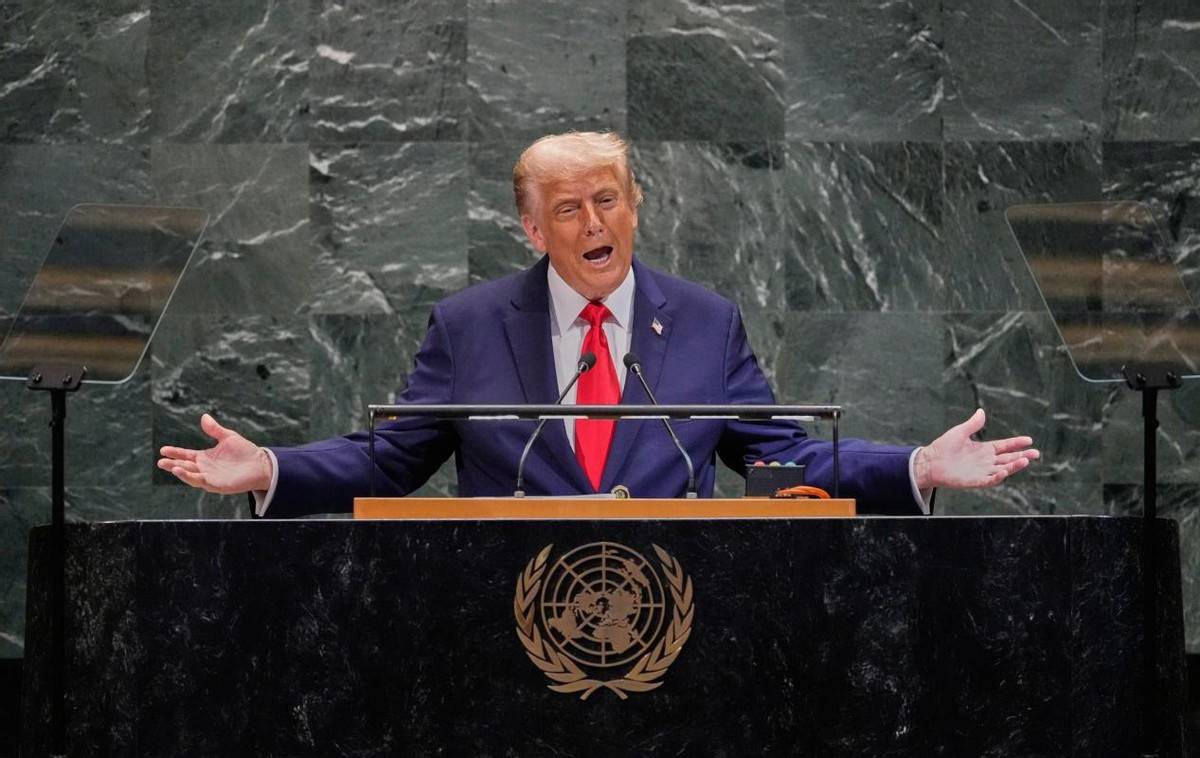
特朗普联大演讲被打脸,中俄签署史无前例能源合同,我们不怕威胁
Sou Hu Cai Jing· 2025-09-29 04:52
Group 1 - Trump's speech at the UN lasted 57 minutes, setting a record for the longest address by a U.S. president at the UN [1] - He criticized the UN, NATO, climate change policies, and accused China and India of funding Russia's ongoing crisis in Ukraine by purchasing Russian oil [3] - Russia's spokesperson announced a historic agreement with China, emphasizing the long-term benefits for Russia's energy exports and regional development [3][5] Group 2 - The energy contracts between Russia and China, including a 30-year contract for the Siberia-2 gas pipeline, are expected to generate significant revenue for Russia, estimated at over 100 billion RMB annually [5] - Russia has successfully redirected its energy exports to other markets, with the Eastern market becoming more lucrative than the European market [5] - The long-term energy agreements indicate that threats from Trump, Europe, and Zelensky regarding Sino-Russian energy cooperation are ineffective, particularly as China remains steadfast in its energy strategy [7] Group 3 - China's position as the world's largest oil importer, with 550 million tons imported last year, underscores its strategic need to maintain energy ties with both Russia and the Middle East [8] - The U.S. also purchases Russian products, highlighting a double standard in its criticism of China for engaging in energy cooperation with Russia [10] - The timing of the announcement of the energy contracts during the UN meeting suggests a strategic maneuver by Russia to reinforce its partnership with China amidst Western attempts to create divisions [10]

远期低碳转型目标明确,中俄能源领域合作进一步加深
Xinda Securities· 2025-09-27 15:24
Investment Rating - The investment rating for the utility sector is "Positive" [2] Core Viewpoints - The report highlights a clear long-term low-carbon transition goal and deepening energy cooperation between China and Russia [1][5] - The utility sector has shown resilience, with the power sector experiencing a slight increase while the gas sector faced a decline [5][15] - The report anticipates improvements in profitability and value reassessment for the power sector due to ongoing supply-demand tensions and market reforms [5][6] Summary by Sections Market Performance - As of September 26, the utility sector rose by 0.3%, outperforming the broader market, with the power sector up by 0.37% and the gas sector down by 0.63% [5][13] - The report notes that the electricity market is expected to see a gradual increase in prices due to ongoing reforms and supply-demand dynamics [5][6] Power Industry Data Tracking - The price of thermal coal at Qinhuangdao Port (Q5500) increased to 703 CNY/ton, a weekly rise of 4 CNY/ton [5][23] - Coal inventory at Qinhuangdao Port decreased to 5.4 million tons, down 750,000 tons week-on-week [5][30] - Daily coal consumption in inland provinces was reported at 3.014 million tons, a decrease of 378,000 tons/day, with an available supply of 30.27 days [5][32] Natural Gas Industry Data Tracking - The LNG ex-factory price index in Shanghai was 4,016 CNY/ton, a year-on-year decrease of 20.66% [5][57] - The EU's natural gas supply for week 38 was 5.46 billion cubic meters, a year-on-year increase of 14.5% [5][63] - Domestic natural gas consumption in July was 36.17 billion cubic meters, a year-on-year increase of 2.9% [5][6] Key Industry News - The report mentions a significant energy supply contract between Russia and China, described as unprecedented, which is expected to enhance export potential and regional development [5][6] - The total electricity consumption in August grew by 5.0% year-on-year, with significant contributions from various sectors [5][6] Investment Recommendations - For the power sector, the report suggests focusing on leading coal power companies and those in regions with tight electricity supply [5][6] - In the natural gas sector, companies with low-cost long-term gas sources and receiving station assets are expected to benefit from market conditions [5][6]





交易员预计OPEC+或在11月继续增产 旨在夺回全球市场份额
智通财经网· 2025-09-26 14:32
据外媒对交易员和分析师的调查,沙特阿拉伯及其盟友很可能批准11月增产,幅度或与10月计划增产的 每日13.7万桶相当。包括沙特和俄罗斯在内的八个核心成员国将于10月5日举行视频会议做出决定。 OPEC+已开始分阶段恢复此前暂停的每日166万桶的原油产量,尽管业内普遍警告这一举动可能导致市 场出现过剩。沙特在近期迅速恢复此前220万桶/日的供应,顶住了市场看空的压力,结果油价仅小幅回 落。中国为战略储备大量购入原油,以及OPEC+宣布的增产尚未完全落地,也在一定程度上支撑了油 价。 截至周五,伦敦原油期货交投于每桶69美元附近,今年迄今累计下跌约7%。油价走软为全球消费者带 来一定缓解,也有助于美国总统特朗普推动降息,并对俄罗斯施压以结束乌克兰战争。 调查结果显示,在21名受访者中,仅有三人认为OPEC+将按兵不动,大多数预测增产幅度为每日13.7万 桶。然而,沙特能源大臣阿卜杜勒阿齐兹·本·萨勒曼以"出其不意"闻名,曾通过超预期增产加速恢复供 应。尽管面临制裁和乌克兰的攻击,作为联盟共同领导者的俄罗斯也基本支持增产计划。 智通财经APP获悉,周五,随着石油输出国组织及其盟友(OPEC+)力图重夺全球原油市场份 ...
中国买俄石油全球最贵?别傻了,普京38个字评价中国:太会压价了
Sou Hu Cai Jing· 2025-09-25 09:17
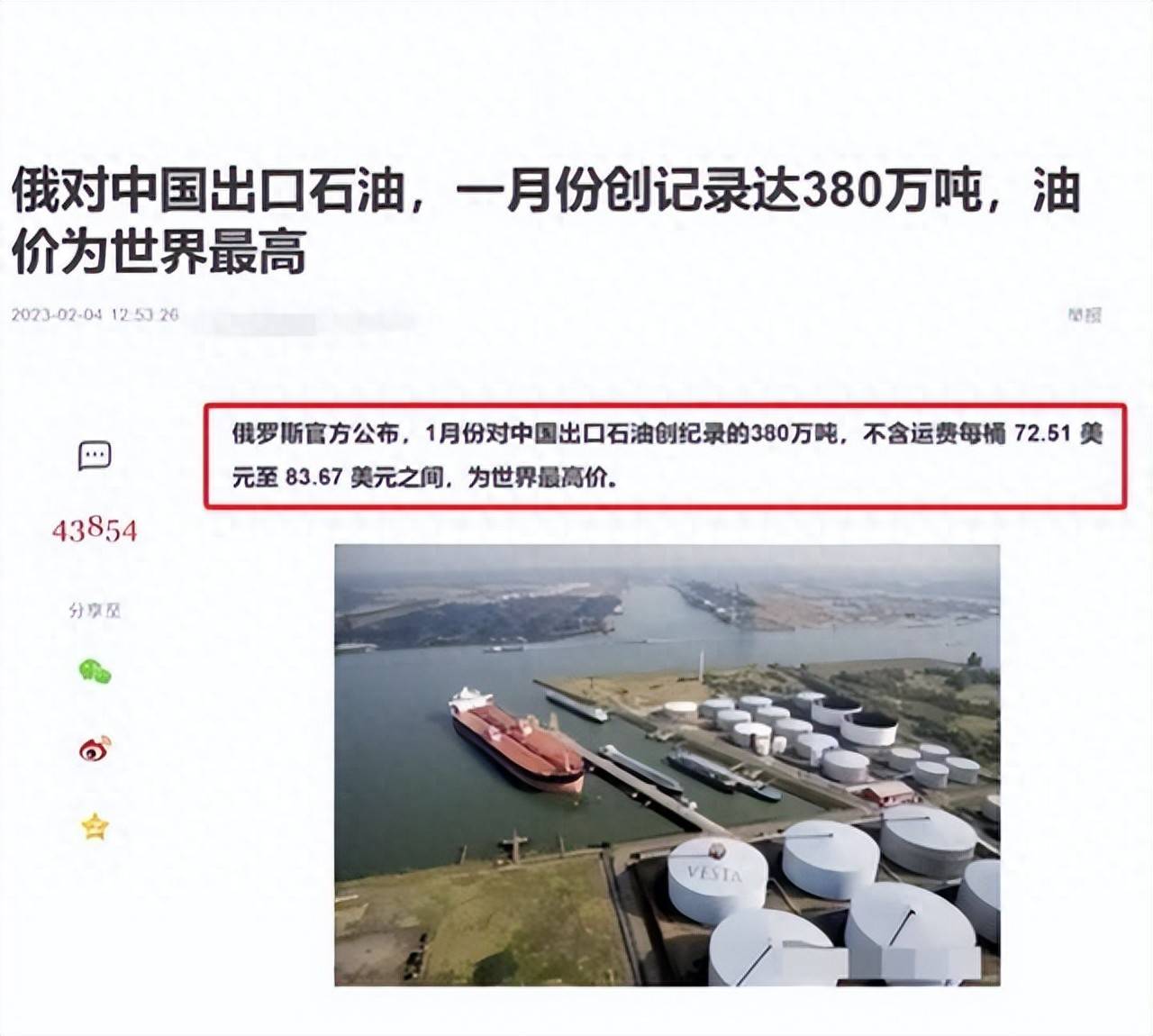
Core Insights - The article discusses the complexities of China's oil imports from Russia, highlighting that while the price per barrel appears higher than India's, the overall value and strategic benefits are more favorable for China [3][4][12]. Group 1: Pricing and Import Dynamics - In January 2023, China imported 3.8 million tons of oil from Russia at a price of $72 to $83 per barrel, while India paid $30 to $35 per barrel, including shipping costs [3]. - China's average import price for Russian oil in 2024 is around $77 per barrel, which is competitive compared to prices from Saudi Arabia and Iran [12]. - The pricing structure for Russian oil involves long-term contracts with fixed pricing formulas, which include a base price minus discounts and transportation costs [4][10]. Group 2: Transportation and Supply Security - China primarily relies on pipeline and rail transport for Russian oil, which incurs higher maintenance and operational costs compared to India's maritime transport [3][4]. - The China-Russia oil pipeline has a capacity of 15 million tons per year, ensuring stable supply and energy security for China [4]. - The reliance on maritime transport by India has led to increased costs due to sanctions and rising shipping rates, affecting their import volumes [5][9]. Group 3: Strategic Negotiations and Market Position - China's negotiation strategy has been effective, allowing it to secure favorable terms despite not always obtaining the lowest market prices [6][12]. - Russian President Putin acknowledged China's negotiation skills, indicating that the relationship is mutually beneficial, especially given Russia's need for stable buyers amid Western sanctions [6][12]. - The long-term energy agreements between China and Russia are seen as a strategic partnership, with China maintaining a significant share of Russian oil imports [10][12]. Group 4: Future Outlook and Market Trends - By 2024, China is expected to import 5.53 million tons of oil, with Russia accounting for 20% of this volume, while India's imports from Russia are projected to decline [9][10]. - The ongoing geopolitical dynamics and energy market fluctuations suggest that China's position as a major buyer will continue to influence pricing and supply strategies in the region [12]. - Future projects, such as the Siberian Power 2 pipeline, are anticipated to further solidify China's energy security and pricing power in negotiations with Russia [12].
能源化策略日报:俄罗斯炼?持续受袭,地缘短期提振能化-20250925
Zhong Xin Qi Huo· 2025-09-25 07:12
1. Report Industry Investment Rating Not provided in the content 2. Core Views of the Report - The energy and chemical sector may continue to rebound in the short - term due to geopolitical disturbances. Many chemical products are at a difficult stage, with compressed valuations and heavy profit pressures on chemical enterprises in the fourth quarter. Oil prices are affected by geopolitical concerns and supply pressures, showing an overall trend of weakening oscillations. Each sub - sector has different performances and trends, mainly affected by factors such as geopolitical situations, supply - demand relationships, and cost changes [1][2] 3. Summary by Relevant Catalogs 3.1 Market Outlook - Energy and chemical products may continue to be affected by geopolitical disturbances in the short - term and continue to rebound. Many chemical products are approaching their darkest moments, with compressed valuations. The days of chemical enterprises in the fourth quarter will still be difficult [1][2] 3.2 Variety Analysis 3.2.1 Crude Oil - **View**: Geopolitical concerns resurface, and supply pressure persists. - **Main Logic**: The EU plans to impose tariffs on Russian oil, and Ukrainian drones attack Russian energy facilities. EIA data shows a slight decline in US crude oil and refined oil inventories last week. In the context of OPEC+ accelerating production increases, crude oil faces the dual pressures of refinery start - up peaking and falling and OPEC+ accelerating production increases. Geopolitical factors dominate the fluctuation of geopolitical premiums. - **Outlook**: Consider oil prices to be in a weakening oscillation, and pay attention to short - term geopolitical disturbances [7] 3.2.2 Asphalt - **View**: The asphalt - fuel oil price difference is rapidly declining. - **Main Logic**: Saudi Arabia promotes OPEC+ to continue increasing production, the US may impose tariffs on Russia, and Russia may stop exporting diesel, causing oil prices to rise sharply while asphalt futures prices increase slightly, compressing profits. The asphalt - fuel oil price difference is rapidly falling, and the planned asphalt production in October increases by 19% year - on - year. - **Outlook**: The absolute price of asphalt is overestimated, and the asphalt monthly spread is expected to decline as warehouse receipts increase [8] 3.2.3 High - Sulfur Fuel Oil - **View**: Geopolitical disturbances drive a sharp increase in fuel oil futures prices. - **Main Logic**: Saudi Arabia promotes OPEC+ to continue increasing production, the US may impose tariffs on Russia, and Russia may stop exporting diesel, causing fuel oil futures prices to rise sharply. Geopolitical disturbances may cause the expected Russian fuel oil exports to decline significantly. With the increase in refinery start - up, the demand for fuel oil processing is gradually increasing, but the demand for gasoline in the US is weak, and the demand for residue processing is sluggish. - **Outlook**: Geopolitical escalation will only cause short - term price disturbances. Pay attention to changes in the Russia - Ukraine situation [9] 3.2.4 Low - Sulfur Fuel Oil - **View**: Low - sulfur fuel oil fluctuates and rises following crude oil. - **Main Logic**: Low - sulfur fuel oil follows the rise of crude oil, but the resistance level of 3500 is temporarily effective. Low - sulfur fuel oil has strong product attributes and faces negative factors such as a decline in shipping demand, green energy substitution, and high - sulfur substitution. Fundamentally, the reduction of domestic refined oil export tax rebates and the cancellation of UCO export tax rebates increase the supply pressure of domestic refined oil, and the pressure of reducing oil and increasing chemicals is likely to be transmitted to low - sulfur fuel oil. - **Outlook**: Low - sulfur fuel oil is subject to green fuel substitution and limited high - sulfur substitution demand space, but its current valuation is low and it fluctuates with crude oil [10] 3.2.5 Methanol - **View**: The port inventory has decreased, and methanol futures prices fluctuate. - **Main Logic**: On September 24, methanol futures prices fluctuated. The shipping price in northern Ordos, Inner Mongolia increased slightly, mainly supported by the start - up of olefin plants, transportation restrictions, and pre - holiday stockpiling. The port inventory decreased, but there is still a large pressure on the near - month port inventory, and there is a contradiction between the near and far months. Considering the high certainty of overseas shutdowns in the far - month, there may still be opportunities to go long at low levels from September to October. - **Outlook**: Short - term oscillation [23] 3.2.6 Urea - **View**: The pattern of loose supply and demand is difficult to change. After the futures prices have been under long - term pressure along the cost line, they rebound briefly. - **Main Logic**: On September 24, the daily production and start - up rate of the supply side remained at a high level, and there was insufficient support on the demand side, but the export expectation improved due to policy and macro news, causing the futures prices to rebound briefly. - **Outlook**: The fundamental supply - demand situation remains loose. If the policies such as export windows and batches and changes in Indian tenders are true, they may bring considerable benefits, but currently be vigilant about unimplemented information. Urea is expected to oscillate and sort out, waiting for other positive factors [24] 3.2.7 Ethylene Glycol (EG) - **View**: The shipment performance is average, and it fluctuates with cost and sentiment. - **Main Logic**: Before the festival, the overall shipment performance was average, and the port inventory of ethylene glycol was rising from a low level. The increase in oil prices during the day slightly repaired the commodity sentiment, and ethylene glycol stopped falling and rebounded. Fundamentally, there are limited variables, and there is an expectation of inventory accumulation around the National Day. The supply - demand situation is in a marginally weakening pattern, and the price mostly fluctuates with cost and sentiment, with a limited rebound height at a low level. - **Outlook**: The short - term price stops falling slightly, but the rebound height is limited. Operate within a range [18][19] 3.2.8 PX - **View**: Cost supports the price, but the supply - demand side is relatively under pressure, and profits are compressed. - **Main Logic**: The rebound of crude oil prices drives the increase of naphtha prices, strengthening cost support. Driven by sentiment, the sales of polyester products increase, further supporting the increase of PTA prices. There are frequent rumors of device disturbances in the market, increasing sentiment - side disturbances. Before specific device changes, the overall supply - demand pattern remains in a weakly oscillating pattern, and PX profits are still under pressure in the short term. - **Outlook**: The marginal weakening of supply - demand and cost support compete, and it oscillates in the short term [12] 3.2.9 PTA - **View**: The basis continues to weaken, and the willingness to hold goods is low. - **Main Logic**: The futures prices rebound following the cost side. Some polyester filament manufacturers have different mentalities, and some offer promotions, leading to an increase in the sales of polyester filaments. However, the spot basis still runs weakly, and the number of warehouse receipts increases sharply. It is expected that the basis will still be under pressure in the short term. Although there is a certain reduction in supply, the strong willingness of mainstream manufacturers to ship goods limits the overall repair of processing fees. It is expected that the short - term price will oscillate under the game between its own supply - demand and cost. - **Outlook**: Oscillate following the cost, and pay attention to the TA01 - 05 reverse arbitrage [13][14] 3.2.10 Short - Fiber - **View**: The sentiment of the upstream to stop falling has improved slightly, and the downstream demand has improved slightly. - **Main Logic**: The upstream polyester raw materials stop falling and rebound, and short - fiber prices follow the increase. The downstream demand has improved slightly, and the downstream stockpiling behavior has improved slightly with the improvement of upstream sentiment. However, the sustainability of the overall situation is still worthy of attention. - **Outlook**: The absolute value of short - fiber fluctuates with the raw materials, and it oscillates in the short - term at the bottom [20][21] 3.2.11 Bottle - Chip - **View**: Typhoons in South China affect the operation of plants. - **Main Logic**: The upstream polyester raw material futures rise slightly, and polyester bottle - chip factories follow the increase. The cost has a certain supporting effect. It is expected that the price will still fluctuate following the upstream in the short term. - **Outlook**: Oscillate, and the absolute value fluctuates with the raw materials [21][22] 3.2.12 PP - **View**: The chemical sentiment turns slightly warmer, and PP should pay attention to the support strength of the previous low. - **Main Logic**: On September 24, the PP main contract rebounded slightly. Oil prices oscillate, and geopolitical concerns dominated by the Russia - Ukraine situation still have a fermenting trend, supporting the bottom of the range. The downstream trading volume still increases after the short - term decline of PP futures prices. With the approaching of the "Golden September and Silver October" and the double festivals of the National Day and Mid - Autumn Festival, although the downstream start - up improvement is still slow, considering the current low absolute price, there is still some willingness of downstream manufacturers to replenish stocks. However, the PP supply side is still under pressure, and the inventory of the upper and middle reaches still exists. - **Outlook**: Short - term oscillation [27][28] 3.2.13 Propylene (PL) - **View**: Fluctuate following PP, and PL oscillates and falls in the short term. - **Main Logic**: On September 24, the PL main contract oscillated and fell. The mentality in the market was slightly boosted, and the willingness to continue to offer discounts was not strong, but the market still had a bearish expectation for the future, so the operation was cautious. The price fluctuated, and the downstream maintained rigid demand for replenishment, with general overall trading. The PP - PL price difference oscillated around 500, and the volatility of PL may increase marginally compared with before. - **Outlook**: PL oscillates weakly in the short term [28] 3.2.14 Plastic - **View**: Oil prices rebound, and downstream manufacturers still have stockpiling demand before the festival, so plastic oscillates. - **Main Logic**: On September 24, the plastic main contract rebounded slightly. Oil prices rebound, and geopolitical concerns dominated by the Russia - Ukraine situation still have a fermenting trend, supporting the bottom of the range. The downstream trading volume still increases after the short - term decline of plastic futures prices. Entering the "Golden September and Silver October", although the downstream start - up improvement is still slow, considering the current low absolute price and the fact that downstream manufacturers still have some willingness to replenish stocks before the double festivals of the National Day and Mid - Autumn Festival, the demand may still have a certain support. However, the plastic's own fundamentals are still under pressure, the daily production is still at a high level, and the inventory is gradually decreasing from a high level, and the supply side still has a certain pressure. - **Outlook**: The fundamentals have limited support, and it oscillates in the short term [26] 3.2.15 Pure Benzene - **View**: The disturbances of crude oil and anti - involution reappear, and pure benzene rebounds. - **Main Logic**: At the beginning of the week, the inventory in East China ports decreased. Near the double festivals, downstream industries had a certain demand for replenishment. The news of Zhejiang Petrochemical's maintenance boosted the sentiment of pure benzene and styrene. The expectation of consumption stimulus policies also made the futures market stronger. Later, with the realization of the interest rate cut benefit, as well as the delay of pure benzene maintenance and import transactions, the prices of pure benzene and styrene declined. According to the current maintenance and production - start plans of pure benzene, it will be difficult to reduce the inventory before the end of the year, and the import pressure in October is relatively large, with the most obvious inventory accumulation. - **Outlook**: If the styrene maintenance is implemented from September to October, the supply of pure benzene will exceed the demand again, and the inventory will accumulate [14][15] 3.2.16 Styrene - **View**: The disturbances of crude oil, anti - involution, and plants reappear, and styrene rebounds after a decline. - **Main Logic**: At the beginning of the week, the news of Zhejiang Petrochemical's maintenance boosted the sentiment of styrene. The expectation of consumption stimulus policies also made the futures market stronger. Later, with the realization of the interest rate cut benefit, as well as the delay of pure benzene maintenance and import transactions, the styrene price declined. The current contradiction of styrene is that the high inventory of upstream and downstream industries is difficult to reduce. Although styrene is in a de - stocking pattern from September to October, it has limited effect on the current high inventory, and it will return to the end - of - year inventory - accumulation cycle from November to December, with insufficient positive support. In addition, the increase of pure benzene imports in the far - month also drags down the styrene price. - **Outlook**: The profit has reached a low level. You can try to widen the styrene profit. The idea of short - selling on rebounds remains unchanged [17] 3.2.17 PVC - **View**: The market sentiment warms up, and PVC oscillates. - **Main Logic**: At the macro level, the domestic anti - involution policy is yet to be implemented, and overseas countries have entered an interest - rate cut cycle, so the market sentiment is prone to fluctuations. At the micro level, the PVC fundamentals are under pressure, and the cost increase slows down. Specifically, the autumn maintenance of upstream plants increases in mid - September, reducing PVC production; the downstream start - up rate improves month - on - month, and the low - price procurement volume increases; the PVC order - signing situation improves this week; the impact of power rationing on the start - up of calcium carbide plants is short - term, and the pre - festival stockpiling of PVC enterprises is coming to an end, so the increase of calcium carbide prices may slow down; supported by the stockpiling of alumina, the caustic soda spot price stabilizes, and the static cost of PVC increases to 5280 yuan/ton, and the dynamic cost may remain stable. - **Outlook**: PVC oscillates. The pressure comes from the long - term weakening of fundamentals, and the support comes from the increase of dynamic cost and the warming of market sentiment [30] 3.2.18 Caustic Soda - **View**: Strong expectation and weak reality, and the futures market oscillates. - **Main Logic**: At the macro level, the domestic anti - involution policy is yet to be implemented, and overseas countries have entered an interest - rate cut cycle, so the market sentiment is prone to fluctuations. At the micro level, the caustic soda fundamentals still have pressure, but the demand expectation is good. The pressure is manifested in the high receiving volume of caustic soda by Weiqiao and the reduction of the receiving price; the non - aluminum start - up rate remains stable, and the pre - festival stockpiling enthusiasm is average; the maintenance in October decreases, and the caustic soda production will increase. The support comes from the strong expectation of stockpiling caustic soda for the production of 4.8 million tons of alumina in Guangxi in Q1 2026, and the stable rebound of the price of 50% caustic soda in Shandong. - **Outlook**: Oscillate in the long - term. The spot price stabilizes weakly before the festival, and the futures market may still rebound due to the strong expectation of stockpiling for alumina production in Q4 [31] 3.3 Variety Data Monitoring 3.3.1 Energy and Chemical Daily Indicator Monitoring - **Cross - Period Spread**: Provides the latest values and changes of cross - period spreads for various varieties such as Brent, Dubai, PX, PTA, etc. [32] - **Basis and Warehouse Receipts**: Lists the basis, changes, and warehouse receipt numbers of various varieties such as asphalt, high - sulfur fuel oil, low - sulfur fuel oil, etc. [33] - **Cross - Variety Spread**: Presents the latest values and changes of cross - variety spreads such as 1 - month PP - 3MA, 1 - month TA - EG, etc. [34] 3.3.2 Chemical Basis and Spread Monitoring - Not detailed in the provided content, only lists the names of varieties such as methanol, urea, styrene, etc. [35][48][60] 3.4 Commodity Index - **Comprehensive Index**: The comprehensive index of commodities increased by 0.56% on September 24, 2025. - **Characteristic Index**: The commodity 20 index increased by 0.54%, the industrial products index increased by 0.72%, and the PPI commodity index increased by 0.35%. - **Sector Index**: The energy index increased by 1.93% on September 24, 2025, decreased by 1.22% in the past 5 days, increased by 0.37% in the past month, and decreased by 2.06% since the beginning of the year [277][278]
乌称袭击俄境内多处关键设施,涉及能源与军工领域
Sou Hu Cai Jing· 2025-09-24 17:28
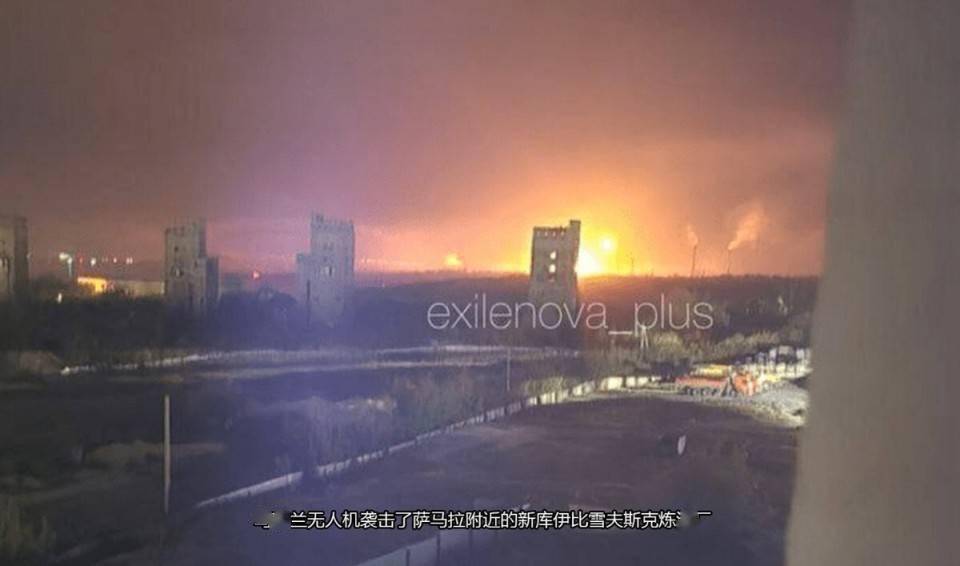
消息称,乌国防军还袭击了伏尔加格勒地区为俄军提供补给的重要设施。该设施是俄罗斯南部地区原油 运输系统的关键组成部分,其中负责"古比雪夫-季霍列茨克"主干石油管道输油任务的"泽恩泽瓦特 卡"泵站已确认遭到损毁。 当地时间9月24日,乌克兰武装力量总参谋部发布消息,证实当天对俄罗斯境内多处重要设施实施了打 击,受损目标涵盖能源生产、运输及军工制造等关键领域,包括位于巴什科尔托斯坦共和国的石油化工 厂、伏尔加格勒地区的石油泵站以及别尔哥罗德地区的无人机生产基地。 此外,乌国防军还在昨夜袭击了位于别尔哥罗德州瓦卢伊基定居点的无人机生产基地。目前已确认打击 命中目标并引发火灾,具体的毁伤程度仍在进一步评估中。(央视新闻) 乌总参谋部表示,乌国防军于24日凌晨对俄罗斯天然气工业股份公司旗下的"萨拉瓦特石油化工厂"发动 袭击。初步信息显示,该厂的ELOU-AVT-6初级炼油装置受损,目前工厂仍处于燃烧状态。乌方称,该 企业年石油加工能力达1000万吨,是俄罗斯液体火箭燃料的主要生产基地。 ...
光大期货能化商品日报-20250919
Guang Da Qi Huo· 2025-09-19 03:52
1. Report Industry Investment Rating No information about the industry investment rating is provided in the report. 2. Core Viewpoints of the Report - All energy - chemical products, including crude oil, fuel oil, asphalt, polyester, rubber, methanol, polyolefins, and PVC, are expected to show a volatile trend [1][3][4][6][8][9]. 3. Summary According to Relevant Catalogs 3.1 Research Views 3.1.1 Crude Oil - On Thursday, WTI October contract closed down $0.48 to $63.57 per barrel, a 0.75% decline; Brent November contract closed down $0.51 to $67.44 per barrel, a 0.75% decline; SC2511 closed at 488.8 yuan per barrel, down 7.5 yuan per barrel, a 1.51% decline [1]. - Ukraine increased attacks on Russian energy infrastructure, with two Russian refineries attacked and a petrochemical plant on fire. The EU plans to phase out Russian gas and oil imports by the end of 2027, opposed by Hungary and Slovakia [1]. - In August, Russia's seaborne oil product exports increased 8.9% from July to 9.44 million tons due to refinery maintenance completion and increased fuel production. After the Fed's interest - rate hike, oil prices will remain volatile [1]. 3.1.2 Fuel Oil - On Thursday, the main fuel oil contract FU2601 on the SHFE closed down 1.24% at 2798 yuan per ton; the low - sulfur fuel oil contract LU2511 closed down 1.07% at 3410 yuan per ton [3]. - As of September 17, Singapore's on - land fuel oil inventory decreased by 111.8 million barrels (14.21%) week - on - week; Fujeirah's fuel oil inventory decreased by 170.5 million barrels (24.03%) week - on - week [3]. - Although the autumn refinery maintenance season may tighten the low - sulfur fuel oil supply in Asia, the market will remain well - supplied before October. The high - sulfur market is supported by stable demand and weak refining margins, but supply is still abundant. The prices of FU and LU will follow the cost - end crude oil fluctuations [3]. 3.1.3 Asphalt - On Thursday, the main asphalt contract BU2511 on the SHFE closed down 0.35% at 3427 yuan per ton [3]. - This week, the shipment of 54 domestic asphalt enterprises increased by 14.6% week - on - week; the capacity utilization rate of 69 modified asphalt enterprises reached 20.2%, a 1.7% week - on - week and 3.6% year - on - year increase, hitting a three - year high [3]. - Supply is expected to decline slightly in the remaining weeks of September. Demand in the north is supported by good weather, while the south faces increased rainfall. Considering the continuous losses of non - quota refineries, supply pressure is limited. With the arrival of the peak demand season, asphalt prices may rise, and attention should be paid to oil price fluctuations and demand fulfillment [3]. 3.1.4 Polyester - TA601 closed at 4666 yuan per ton, down 0.98%; EG2601 closed at 4268 yuan per ton, down 0.67%. PX futures closed at 6684 yuan per ton, down 1.3% [4]. - Jiangsu and Zhejiang polyester yarn sales were weak, with an average sales rate of 40% - 50%. A 300,000 - ton/year synthetic gas - to - ethylene glycol plant in Inner Mongolia plans to shut down for maintenance from October 10 for 20 - 30 days; a 600,000 - ton/year plant in Xinjiang is restarting; two US MEG plants with a total capacity of 380,000 tons/year have shut down for about a month [4]. - As of September 18, the overall ethylene glycol operating load in mainland China was 74.93%, up 0.02% from the previous period. PX supply has recovered, and downstream TA has new maintenance, so PX prices are expected to fluctuate with oil prices. With the increase in TA maintenance in the fourth quarter and the rebound in the peak demand season, TA fundamentals are expected to improve. For ethylene glycol, effective supply recovery in October depends on the restart of Satellite Petrochemical. The port inventory is expected to remain low, but the far - month supply is abundant, and the downstream demand improvement is less than expected, with a strong expectation of basis correction [4]. 3.1.5 Rubber - On Thursday, the main Shanghai rubber contract RU2601 fell 310 yuan per ton to 15,570 yuan per ton; the NR main contract fell 290 yuan per ton to 12,300 yuan per ton; the butadiene rubber BR main contract fell 175 yuan per ton to 11,415 yuan per ton [6]. - This week, the operating load of domestic tire enterprises' semi - steel tires was 74.58%, up 0.28 percentage points from last week and down 2.17 percentage points from the same period last year; the operating load of Shandong tire enterprises' full - steel tires was 64.96%, up 0.09 percentage points from last week and up 7.57 percentage points from the same period last year [6]. - After the Fed's interest - rate cut, the macro - environment weakened, and rubber products led the decline. Typhoons brought limited rainfall to domestic rubber - producing areas, and production is expected to recover. Tire operating rates were flat week - on - week, and automobile sales in the fourth quarter are estimated to reach 8.38 million, a 3% increase for the year, with less sales pressure. Rubber supply and demand are both increasing, and rubber prices will fluctuate with the macro - environment [6]. 3.1.6 Methanol - On Thursday, the spot price in Taicang was 2247 yuan per ton, the price in Inner Mongolia's northern line was 2090 yuan per ton, the CFR China price was $264 - 268 per ton, and the CFR Southeast Asia price was $324 - 329 per ton [6]. - Downstream, the formaldehyde price in Shandong was 1075 yuan per ton, the acetic acid price in Jiangsu was 2500 - 2560 yuan per ton, and the MTBE price in Shandong was 5160 yuan per ton [6][8]. - Recently, many domestic methanol plants have been under maintenance, resulting in a temporary low supply. Overseas, Iranian plants have high operating loads, and although there are short - term shutdowns, shipping volumes are stable, and arrivals are expected to remain high. The Xingxing plant has restarted, and the supply - demand gap in East China is narrowing, with port inventory expected to peak. Methanol prices are expected to reach a phased bottom [8]. 3.1.7 Polyolefins - On Thursday, the mainstream price of East China PP was 6780 - 6950 yuan per ton. Oil - based PP had a loss of 481.35 yuan per ton, coal - based PP had a profit of 399.87 yuan per ton, methanol - based PP had a loss of 980.67 yuan per ton, propane - dehydrogenated PP had a loss of 839.47 yuan per ton, and externally - sourced propylene - based PP had a loss of 411.47 yuan per ton [8]. - For PE, HDPE film prices were 8023 yuan per ton, up 8 yuan per ton from last week; LDPE film prices were 9639 yuan per ton, down 9 yuan per ton; LLDPE film prices were 7447 yuan per ton, down 8 yuan per ton [8]. - Supply will remain high and volatile. With the arrival of the "Golden September and Silver October" peak demand season, orders are picking up, and the industry's operating rate is rising. Polyolefin demand is marginally improving, supply changes are limited, the supply - demand gap is narrowing, but the cost side is under pressure, and polyolefin prices are expected to be weakly volatile in the short term [8]. 3.1.8 PVC - On Thursday, the East China PVC market partially declined, with calcium - carbide - type 5 material at 4720 - 4850 yuan per ton and ethylene - type material at 4900 - 5050 yuan per ton; the North China PVC market was stable, with calcium - carbide - type 5 material at 4660 - 4820 yuan per ton and ethylene - type material at 4840 - 4980 yuan per ton; the South China PVC market was range - bound, with calcium - carbide - type 5 material at 4850 - 4900 yuan per ton and ethylene - type material at 4920 - 5020 yuan per ton [8][9]. - Domestic real - estate construction has stabilized and rebounded, but is still weak year - on - year. The operating rates of pipes and profiles are expected to increase slightly. Supply remains high and volatile, domestic demand recovers slowly, and exports will weaken due to India's anti - dumping policy. Although the basis and inter - month spread are high, inventory has been transferred from refineries to the market, and the total inventory pressure is large. However, this has been priced in. The market is now trading on the "anti - involution" concept, and short - term PVC prices may rebound but with limited upside [9]. 3.2 Daily Data Monitoring - The report provides data on the basis, basis rate, spot price, and futures price of various energy - chemical products, including crude oil, liquefied petroleum gas, asphalt, high - sulfur fuel oil, low - sulfur fuel oil, methanol, urea, polyethylene, polypropylene, PTA, ethylene glycol, natural rubber, 20 - number rubber, and soda ash, as well as their changes and historical quantiles [10]. 3.3 Market News - In August, Russia's seaborne oil product exports increased by 8.9% month - on - month to 9.44 million tons due to the completion of refinery maintenance and increased fuel production. Exports from Baltic ports increased by 12.3% to 5.326 million tons, those from Black Sea and Azov Sea ports increased by 3.6% to 3.392 million tons, and those from Arctic ports decreased by 22.6% to 30,700 tons [12]. - Kuwait's oil minister, Tariq Al - Roumi, expects an increase in oil demand after the US interest - rate cut, especially in the Asian market. He also believes that new sanctions on Russia will have a positive impact on oil prices [12]. 3.4 Chart Analysis 3.4.1 Main Contract Prices - The report presents charts of the closing prices of main contracts for various energy - chemical products from 2021 to 2025, including crude oil, fuel oil, low - sulfur fuel oil, asphalt, LPG, PTA, ethylene glycol, short - fiber, LLDPE, polypropylene, PVC, methanol, styrene, 20 - number rubber, rubber, synthetic rubber, European line container shipping, p - xylene, and bottle chips [14][15][18][20][22][26][28]. 3.4.2 Main Contract Basis - Charts show the basis of main contracts for various products, such as crude oil, fuel oil, low - sulfur fuel oil, asphalt, ethylene glycol, PP, LLDPE, natural rubber, 20 - number rubber, p - xylene, synthetic rubber, and bottle chips [29][35][38][41][42]. 3.4.3 Inter - period Contract Spreads - The report provides charts of inter - period contract spreads for fuel oil, asphalt, European line container shipping index, PTA, ethylene glycol, PP, LLDPE, and natural rubber [44][46][49][52][53][57][59]. 3.4.4 Inter - variety Spreads - Charts display inter - variety spreads, including crude oil internal - external spreads, B - W spreads, fuel oil high - low sulfur spreads, fuel oil/asphalt ratio, BU/SC ratio, ethylene glycol - PTA spread, PP - LLDPE spread, and natural rubber - 20 - number rubber spread [61][63][68][69]. 3.4.5 Production Profits - The report includes charts of production profits for ethylene - based ethylene glycol, PP, and LLDPE [71][73]. 3.5 Team Member Introduction - The research team consists of several analysts: - Zhong Meiyan, the assistant director of the research institute and director of energy - chemical research, has over ten years of experience in futures and derivatives research [77]. - Du Bingqin, an analyst for crude oil, natural gas, fuel oil, asphalt, and shipping, has in - depth research on the energy industry [78]. - Di Yilin, a rubber and polyester analyst, is good at data analysis [79]. - Peng Haibo, an analyst for methanol, PE, PP, and PVC, has experience in energy - chemical spot - futures trading [80].