
戴德梁行

Search documents
58安居客研究院:租赁新规落地 合规与效率是重构行业的基石
Zhong Guo Jing Ji Wang· 2025-10-23 10:07
Core Insights - The new rental era is driven by the dual forces of diversified housing demand and policy-market dynamics [3][6] - The implementation of the Housing Rental Regulations has led to a more structured and compliant rental market, presenting new development opportunities [3][6] Policy and Market Changes - The transformation in supply-demand dynamics is central to industry change, with increased financial support for affordable rental housing leading to enhanced supply and quality [6] - The actual number of mobile populations was significantly underestimated, with the 2020 census revealing 376 million, 140 million more than previous estimates, highlighting a hidden demand in the rental market [6] - There is a notable mismatch in supply and demand, with 24 million affordable rental units built but only 7 million occupied, while brand long-term apartments have a high occupancy rate in first-tier cities [6] User Demand and Industry Reconstruction - The shift in user demand is driving a comprehensive restructuring of the industry from product-focused to service-oriented [10][13] - The need for service upgrades and product structure adjustments is evident, with new projects requiring a focus on quality and spatial design [10] - Companies are encouraged to balance economic and social value, transitioning from landlords to micro-city operators [10][13] Asset Value and Operational Efficiency - The introduction of public REITs has altered valuation logic, emphasizing cash flow stability as a core metric [11] - Companies are exploring cost restructuring and innovative models to mitigate profit pressures, including digital management and energy-saving technologies [11][12] - The consensus among industry experts is that operational efficiency, user demand, and ecological co-construction are key to achieving a restructured housing relationship and urban symbiosis [13]



从 “规模扩张” 向 “品质运营” 转变 住房租赁行业现新趋势
Zhong Guo Xin Wen Wang· 2025-10-23 09:05
Core Insights - The housing rental industry is transitioning from "scale expansion" to "quality operation" driven by policy changes and market demands [1][2] - The implementation of the Housing Rental Regulation has introduced systematic compliance requirements, promoting a shift towards refined operations in the rental market [2] Group 1: Market Trends - The rental market is experiencing structural changes due to diverse housing needs and dual drivers of policy and market forces [2] - Brand long-term rental apartments manage approximately 3 million units, with over 85% occupancy rates in first-tier cities, indicating a relatively balanced supply-demand situation [2] - The personal housing market faces a paradox of "supply not meeting demand" alongside "declining rents" [2] Group 2: User Demand Changes - There is a notable trend towards smaller family units, leading to reduced space requirements for many households [2] - Millions of households still face issues such as insufficient housing space and outdated facilities, highlighting the need for improved living conditions [2] - The urbanization rate is expected to rise to 70% by 2030, potentially bringing 40 million people into cities, which will further drive rental demand [2] Group 3: Operational Strategies - Compliance and efficiency are foundational for industry restructuring, with technology playing a key role in ensuring the authenticity of housing information [3] - Companies are encouraged to upgrade compliance and focus on user needs, as the regulation will eliminate non-compliant businesses [3] - The rental market is shifting towards service upgrades and product structure adjustments, with new projects needing to emphasize quality and design [3] Group 4: Asset Value and Financial Strategies - The introduction of public REITs has altered valuation logic, making cash flow stability a core metric for asset evaluation [4] - Companies are exploring cost restructuring and innovative models to address profit pressures, including digital management and energy-saving technologies [4] - Enhancing operational efficiency and service value is essential for improving market recognition during asset exits [4]
报告:大连写字楼市场净吸纳量呈上升态势 大型商业项目改造升级加速
Zhong Guo Xin Wen Wang· 2025-10-23 07:46
Group 1: Office Market Overview - In Q3 2025, Dalian's Grade A office market saw no new supply, maintaining a total stock of 1.049 million square meters [2] - The net absorption in the market increased to 8,362 square meters, representing a 147% quarter-on-quarter rise and a 17.8% increase year-on-year [2] - The vacancy rate decreased by 0.8 percentage points to 25.3%, while rental levels slightly increased by 1.0% to 67.86 yuan per square meter per month [2] Group 2: Market Segmentation - Professional services accounted for 24% of the transaction area, leading the market, followed by conventional trade at 23% and shipping logistics at 19% [2] - The market is expected to have no new project supply this year, with the earliest new project, the International Shipping Center Tower, anticipated to enter the market in 2026 [2] Group 3: Retail Market Dynamics - The retail market in Dalian is characterized by slow supply, focusing on the digestion and upgrading of existing projects [3] - Two new projects,招商花园城 and 星海万象城, are expected to bring 240,000 square meters of quality retail space to the market in the next three years [3] - Existing projects are maintaining vitality through internal adjustments and upgrades, with significant renovations ongoing at Dalian Yintai City to enhance consumer experience [3]
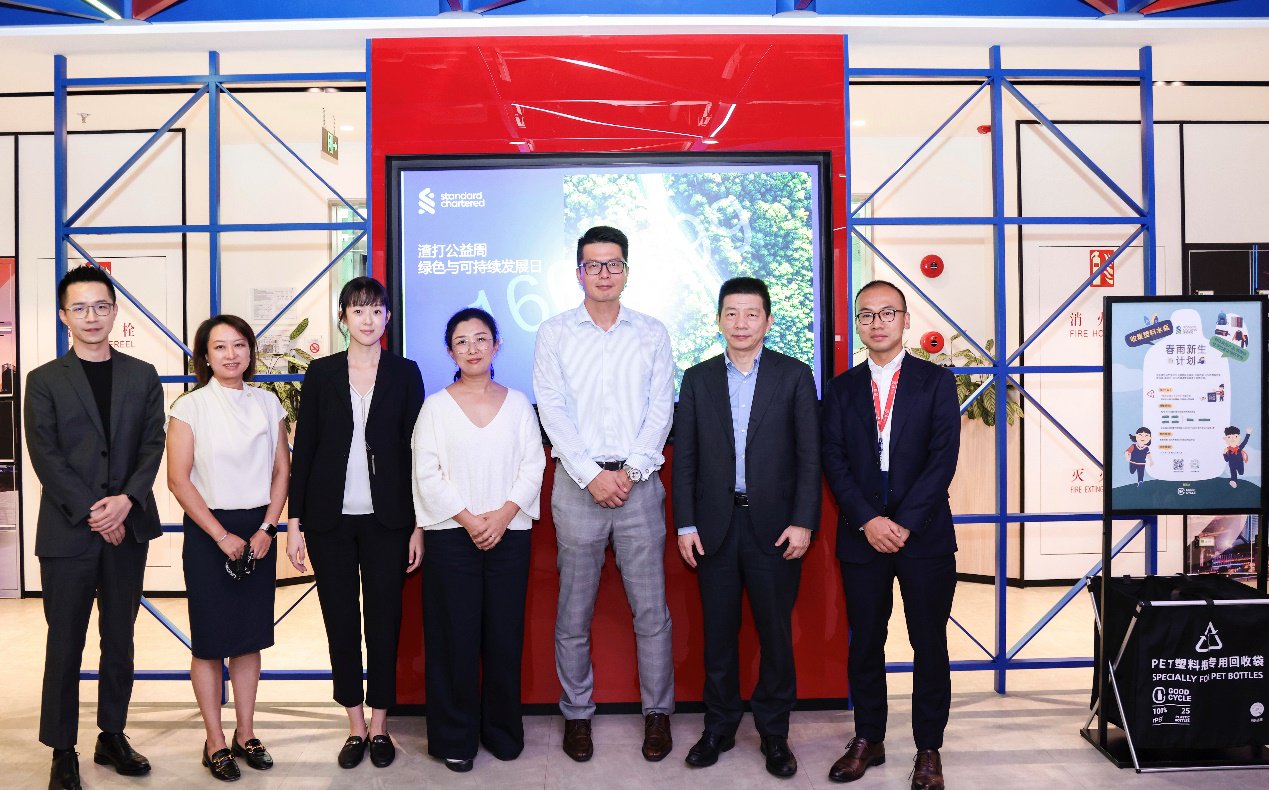
渣打中国首办公益周:公益3.0时代的金融向善实践
Zhong Guo Jin Rong Xin Xi Wang· 2025-10-22 06:34
Core Viewpoint - The recent roundtable held at Standard Chartered Bank's China headquarters focused on "green and sustainable development," highlighting the collaboration among various stakeholders to support sustainability initiatives [1][3]. Group 1: Event Overview - The roundtable was part of Standard Chartered's first Public Welfare Week in China, aiming to showcase the tangible changes brought by public welfare and community investment [3]. - The event gathered representatives from Standard Chartered, CBRE, the Public Environmental Research Center, and the beneficiary enterprise "Hao Run Environmental Protection" to discuss various dimensions of sustainable development [1]. Group 2: Philanthropic Evolution - Standard Chartered's philanthropic journey has evolved from a focus on immediate aid (1.0 phase) to empowering communities through education and entrepreneurship (2.0 phase), and now to supporting social enterprises (3.0 phase) [4][5]. - The bank has invested over 30 million yuan in public welfare projects in China over the past five years, emphasizing local needs and collaboration with local partners [3][4]. Group 3: Social Enterprises and Community Impact - The bank's support for social enterprises includes a model that combines financial support, capacity building, and network development, which has aided over 700 social enterprises and impacted 37,000 practitioners since 2021 [5][6]. - Examples of supported social enterprises include "Old Friends," which operates a sustainable community dining service for the elderly, and "Creative Shelter," which addresses mental health issues in urban populations [5][6]. Group 4: Financial Sector's Role in Sustainability - Standard Chartered emphasizes the importance of directing financial resources towards sustainable development as a key mission of financial institutions [7][8]. - The bank has made significant strides in sustainable finance, including landmark transactions that align with international sustainability standards, such as the first green syndicated loan compliant with the China-Europe Sustainable Finance Common Classification [8].
香港房价,涨了!
证券时报· 2025-10-21 12:52
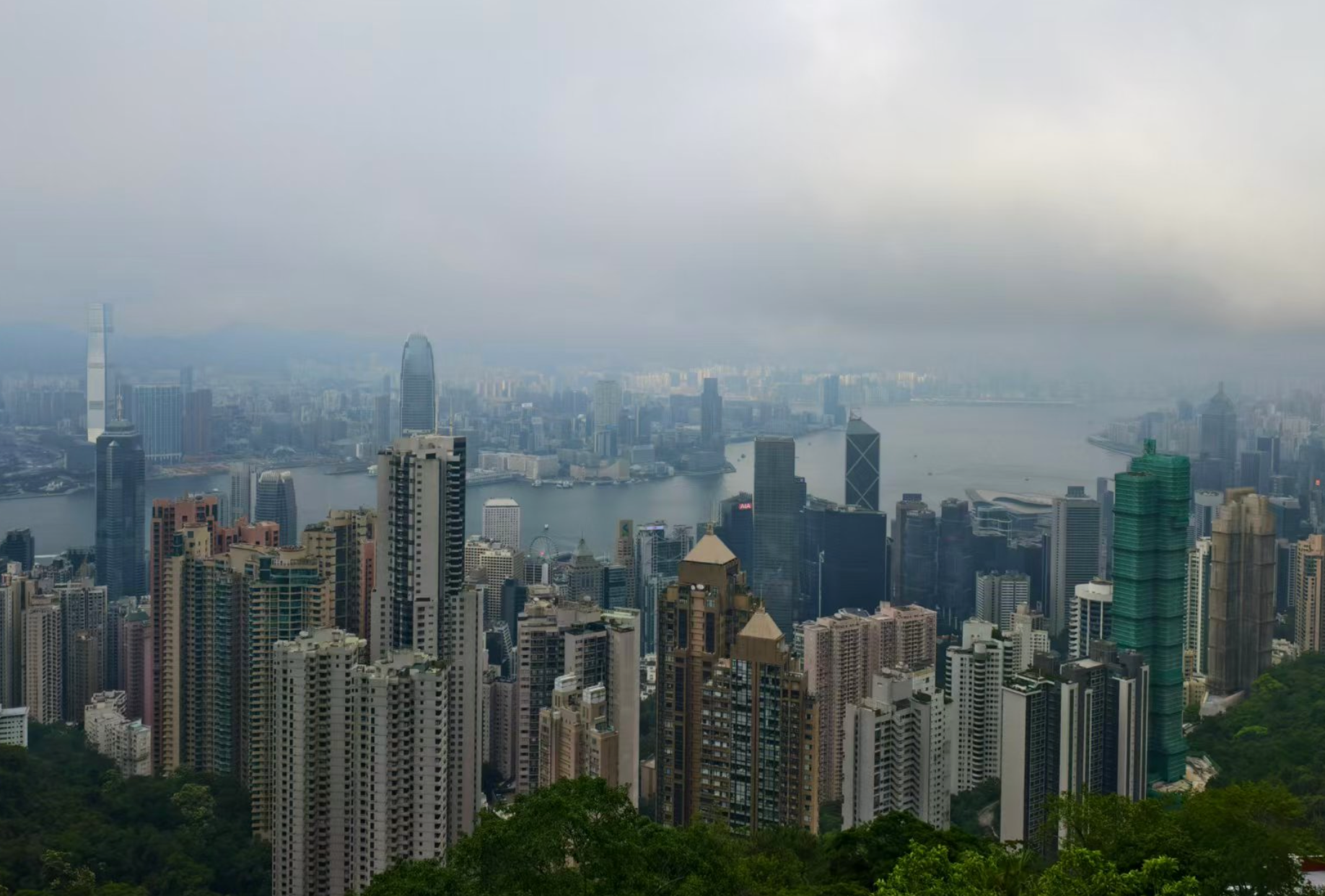
Core Viewpoint - The Hong Kong real estate market is steadily recovering under a series of stimulus policies, with both residential and office markets showing signs of improvement due to structural changes driven by population and capital inflows [1]. Residential Market - The "Midland Property Price Index" has risen for six consecutive weeks, reaching 131.99 points, a week-on-week increase of 0.79%, marking the largest single-week increase in nearly a year and a half, with a cumulative increase of 3.01% this year [3]. - The "Midland Confidence Index," reflecting sellers' attitudes, stands at 77.3 points, remaining above the average for 46 consecutive weeks, with a projected price increase of 2% for the current quarter [3]. - The private residential price index has increased for five consecutive months, indicating a recovery from low levels [3]. - The total number of residential transactions in the third quarter reached approximately 16,700, a year-on-year increase of 63%, with monthly transactions maintaining above 5,000 since March [3]. - Factors contributing to the price rebound include lower mortgage rates, a "super rebound" after previous declines, and positive market sentiment regarding economic recovery [3][5]. Office Market - The office market has seen significant transactions, including Alibaba and Ant Group's acquisition of a commercial building for nearly 7.2 billion HKD, marking the largest office transaction since 2021 [4][6]. - Despite the overall office market not fully reversing its downturn, large transactions indicate structural vitality during market adjustments [6]. Buyer Demographics - There is an increasing presence of mainland buyers across various price segments in the Hong Kong residential market, with a notable rise in inquiries for luxury properties priced above 20 million HKD [5]. - The number of buyers registering in Mandarin has increased for two consecutive quarters, with 3,797 transactions recorded in the third quarter, a nearly 7% increase from the previous quarter [6]. - Factors attracting mainland buyers include investment value, identity symbolism, educational resources, and asset hedging functions, alongside relaxed entry requirements for non-local buyers [6].
马云又有了一个大动作
Hua Er Jie Jian Wen· 2025-10-20 13:18
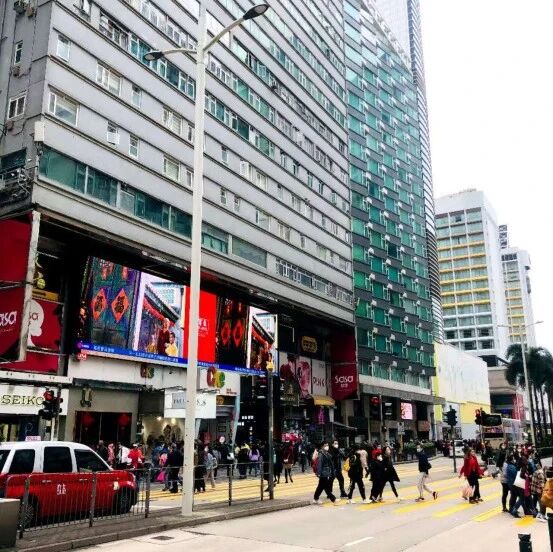
Core Insights - Alibaba Group and Ant Group have jointly invested $925 million (approximately 6.6 billion RMB) to acquire the top 13 floors of the Island One Center in Causeway Bay, marking the largest office transaction in Hong Kong since 2021 [2][3] - This acquisition is intended to establish the Hong Kong headquarters for both companies, reflecting Alibaba's commitment to further global expansion from this strategic location [2][5] - Alibaba's Chairman, Cai Chongxin, emphasized the strategic importance of Hong Kong, expressing confidence in the local economy and business environment [2][10] Investment Details - The Island One Center, previously the East Hotel, was transformed into a Grade A office building by the Mandarin Oriental Hotel Group after ceasing operations in March 2019 [3] - The property is located in the commercial and entertainment hub of Causeway Bay, offering significant transportation and commercial convenience [4] Strategic Implications - Both Alibaba and Ant Group view the establishment of their Hong Kong headquarters as a pivotal opportunity to expand their international business [5] - Ant Group's Chairman, Jing Xiandong, highlighted the importance of Hong Kong's entrepreneurial environment and its role as a bridge between China and global markets [5] Market Context - The transaction coincides with a recovery in Hong Kong's office market, with a reported positive net absorption of 314,000 square feet in August and a slight increase in vacancy rates to 13.5% [6] - The shift from leasing to ownership by leading tech companies like Alibaba and Ant Group indicates a long-term commitment to the Hong Kong market [6][16] Historical Significance - Alibaba has a long-standing presence in Hong Kong, having established its financial and legal departments there shortly after its founding in 1999 [10] - The company has made significant investments in Hong Kong over the years, including a major IPO in 2019 that raised over $10 billion [12] Future Outlook - The acquisition of the Island One Center is seen as a strategic move to enhance Alibaba's global expansion efforts, particularly in the context of AI-driven growth [8][16] - The decision to purchase rather than lease reflects a deeper commitment to local operations and a belief in the long-term potential of the Hong Kong market [16]

消费电子企业出口业务增加,催生深圳办公楼市场新需求
Di Yi Cai Jing· 2025-10-17 09:38
Core Insights - The demand recovery in Shenzhen's commercial office market is driven by the active overseas expansion of consumer electronics companies [1][2] - The technology sector, including AI and digital marketing, continues to show strong demand for office space, contributing approximately 30% of leasing transactions in the third quarter [2] - The overall demand for office space has not significantly expanded, with a slight increase in vacancy rates due to new supply [2][3] Group 1: Consumer Electronics and Overseas Expansion - Shenzhen's consumer electronics companies are actively expanding overseas, leading to increased demand for office space [1] - In the first eight months of 2025, exports of computers and their components grew by 10.5%, while audio and video equipment exports increased by 6.1% year-on-year [1] - Major consumer electronics firms are leasing or upgrading to Grade A office spaces, with a total area exceeding 10,000 square meters for overseas marketing and brand management [1] Group 2: Technology Sector Demand - The technology sector's demand for office space remains high, with significant activity in AI applications and digital marketing [2] - The shift towards high-end value chains is prompting companies to prioritize high-quality office spaces that enhance team collaboration and reflect corporate culture [2] - The third quarter saw six new Grade A office projects entering the market, contributing to a 1.1 percentage point increase in vacancy rates [2] Group 3: Market Dynamics and Strategies - The entry of niche technology companies into the Grade A office leasing market is diversifying tenant structures [3] - Over the next 12 months, more than one million square meters of new Grade A office space is expected to be supplied in Shenzhen [3] - Owners are exploring diverse strategies to enhance property appeal, including adjusting rental terms and collaborating with office service providers for integrated solutions [3]

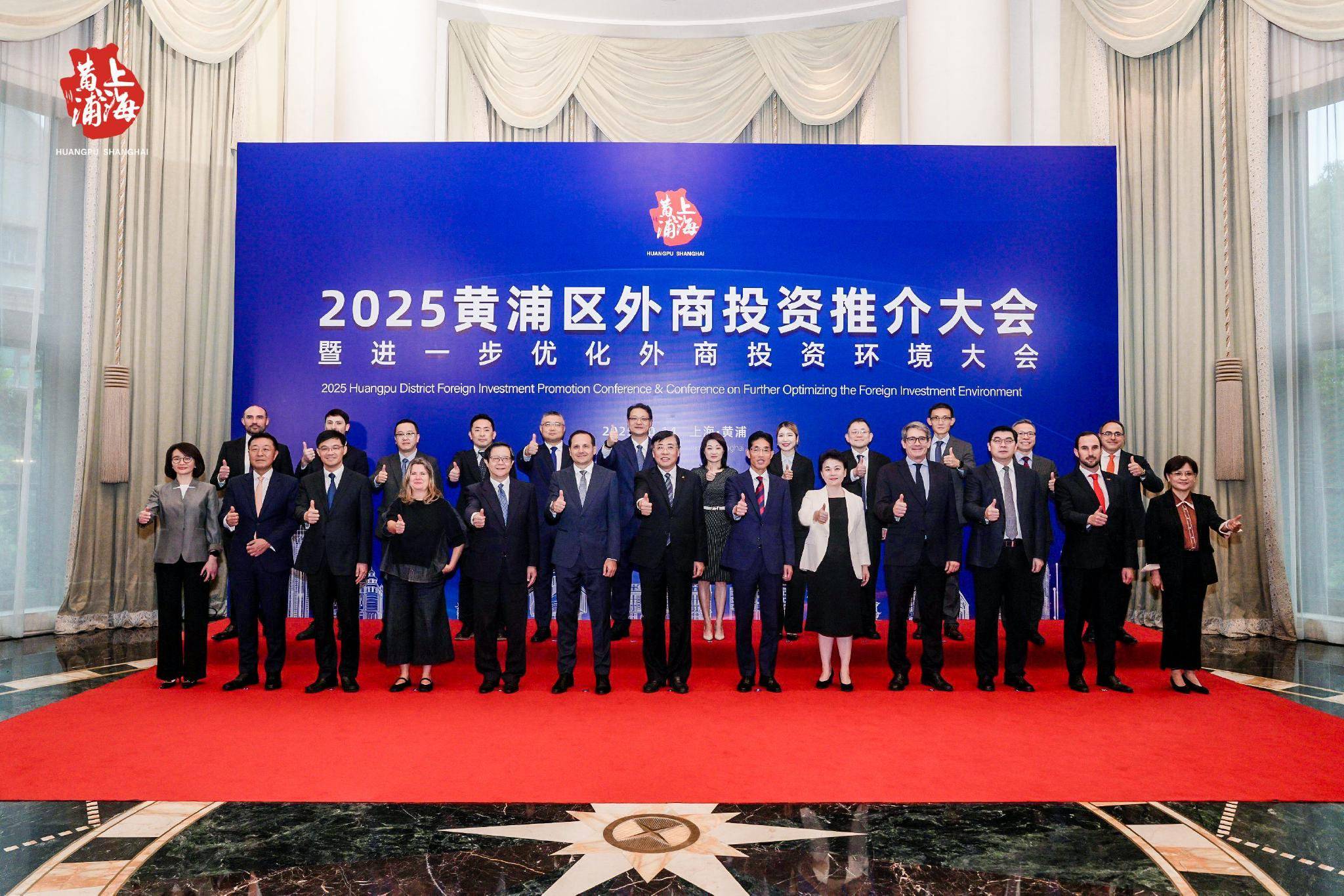
上海黄浦擘画外资新高地,“十四五”引资攀峰彰显强磁力
Sou Hu Cai Jing· 2025-10-14 13:55
Core Insights - During the "14th Five-Year Plan" period, Huangpu District in Shanghai has achieved significant foreign investment results, with a total contracted foreign capital of $8.657 billion and actual foreign capital of $6.86 billion, exceeding the target of $5 billion ahead of schedule [1][3] - The foreign investment environment in Huangpu is being continuously optimized, with a focus on attracting high-quality foreign projects and enhancing the overall investment ecosystem [5][7] Investment Performance - Huangpu District has introduced several representative foreign investment projects in sectors such as digital technology, pharmaceuticals, and real estate, with a 25% year-on-year increase in the number of newly established foreign enterprises this year [3][4] - The actual foreign capital for the year is expected to exceed $2 billion, maintaining a leading position in the city [3] Company Landscape - As of 2024, Huangpu District has 2,657 foreign-funded independent legal entities, accounting for 4% of the city's total foreign enterprises, with investment sources from 73 countries and regions [4] - The district ranks first in Shanghai for the proportion of profitable foreign enterprises from 2021 to 2024, with 24 companies listed among the city's top 100 foreign enterprises [4] Economic Contribution - Foreign enterprises in Huangpu contribute over 40% to the district's economy, with a significant increase in the number of regional headquarters of multinational companies from 53 in 2020 to 83 currently, marking a 57% increase [4] Investment Promotion Strategy - Huangpu District has established a diversified and professional foreign investment promotion service system, forming strategic partnerships with 21 entities, including foreign chambers of commerce and top consulting firms [5] - The district has successfully hosted online investment promotion events, attracting participation from various international enterprises [5] Future Development Plans - Huangpu District is focusing on urban renewal and technological innovation, with significant projects planned in key areas to provide ample development space for foreign investors [6][7] - The district aims to enhance its business environment by implementing targeted policies and improving communication mechanisms with foreign enterprises [7]
香港房地产市场稳步复苏 股市表现与楼市形成共振
Jing Ji Guan Cha Bao· 2025-10-08 09:15
Core Insights - The Hong Kong residential market continues to show strong trading momentum, with monthly transaction volumes exceeding 5,000 since March 2023, leading to a total of approximately 16,700 residential sale agreements in Q3 2023, a year-on-year increase of 63% [1] - The removal of buyer stamp duties and the increase in property value limits starting in 2024 significantly reduce purchasing costs, contributing to heightened buyer interest [1] - The influx of mainland buyers, accounting for 24% of new and second-hand transactions in 2024, has become a major driver of demand, with this figure rising to 17.74% in the first half of 2025 [1] Market Dynamics - The easing of the financial environment and rising rental yields are encouraging buyer participation in the market [1] - The introduction of talent attraction programs in Hong Kong is expected to support long-term rental and sales market demand, with non-local student enrollment in public universities increasing from 20% to 40% starting in the 2024/25 academic year [1] - The Hang Seng Index has risen by 31% since April 2025, and the total IPO fundraising in Hong Kong reached HKD 107 billion in the first half of 2023, reflecting a 22% year-on-year increase, indicating a positive correlation between the stock market and the real estate market [1] Comparative Analysis - The experience of Hong Kong's real estate market reversal highlights the importance of talent policies, capital inflow, and stock market linkage as key factors [2] - Similar conditions are emerging in core mainland cities like Shanghai, which may accelerate market stabilization through policies aimed at housing quality and urban renewal [2] - The stabilization of the mainland real estate market is expected to rely on sustained economic performance rather than mere supply-demand adjustments, with Hong Kong's approach to interest rate adjustments providing insights for mainland regulatory policy [2]
戴德梁行:甲级写字楼需求及租赁动力增强 料年内香港整体写字楼租金跌幅至4-6%
智通财经网· 2025-10-08 08:42
Group 1: Office Market - The demand and leasing momentum for Grade A office space in Hong Kong are expected to strengthen in the first three quarters of 2025, driven by the recovery of the financial sector and active IPOs [1] - Despite a better-than-expected rental atmosphere, the overall rental decline forecast for Hong Kong's office market in 2025 has been adjusted to a drop of 4-6% due to uncertainties [1] - The net absorption and new leasing transactions for Grade A offices remained active in Q3, with Central district offices performing the best and rental declines narrowing further [1] Group 2: Retail Market - The decline in retail sales in Hong Kong has gradually narrowed since the beginning of 2025, with a slight decrease in the average vacancy rate of prime street shops in Q3 [1] - Rental declines for prime street shops are expected to moderate, with an estimated annual drop of about 1-2% [1] Group 3: Residential Market - The residential property market in Hong Kong is showing a trend of stabilization in prices, with rents continuing to rise in Q3 2025 [1] - The expected transaction volume for the year is projected to reach between 58,000 to 60,000 units, with prices anticipated to bottom out and recover within a 2% range [1] - Buyer interest is currently focused on smaller properties priced below 6 million, which is expected to drive overall residential market recovery [2]