鞍钢股份

Search documents
港股异动 | 鞍钢股份(00347)跌超5% 预期年度归母净亏损40.77亿元左右 市场整体供强需弱态势局未改善
智通财经网· 2026-02-02 03:09
消息面上,1月30日,鞍钢股份发布公告,预期本公司(连同其子公司统称为"本集团")于截至2025年12 月31日止12个月归属于本公司股东的净亏损相比2024年同期将取得下降。归属于本公司股东的净亏损为 人民币40.77亿元左右,同比减亏人民币30.45亿元左右,减亏幅度约42.75%;归属于本公司股东的扣除 非经常性损益后的净亏损42.28亿元左右,比上年同期收窄约41.29%;基本每股亏损0.435元左右。 智通财经APP获悉,鞍钢股份(00347)跌超5%,截至发稿,跌5.45%,报1.91港元,成交2212.23万港元。 公告称,亏损减少的原因为2025年,钢铁行业形势较上年有一定好转,但市场整体供强需弱态势局面尚 未根本改善。面对市场压力,本公司持续推进"聚焦价值创造、全面算账经营"工作,加大市场开拓和调 品力度,提升运营效率、深挖能源潜力,优化采购半径、着力系统降本,并先后安排主要产线大修改 造,提升市场竞争力,经营形势整体向好。 ...

鞍钢股份跌超5% 预期年度归母净亏损40.77亿元左右 市场整体供强需弱态势局未改善
Zhi Tong Cai Jing· 2026-02-02 03:07
公告称,亏损减少的原因为2025年,钢铁行业形势较上年有一定好转,但市场整体供强需弱态势局面尚 未根本改善。面对市场压力,本公司持续推进"聚焦价值创造、全面算账经营"工作,加大市场开拓和调 品力度,提升运营效率、深挖能源潜力,优化采购半径、着力系统降本,并先后安排主要产线大修改 造,提升市场竞争力,经营形势整体向好。 鞍钢股份(000898)(00347)跌超5%,截至发稿,跌5.45%,报1.91港元,成交2212.23万港元。 消息面上,1月30日,鞍钢股份发布公告,预期本公司(连同其子公司统称为"本集团")于截至2025年12 月31日止12个月归属于本公司股东的净亏损相比2024年同期将取得下降。归属于本公司股东的净亏损为 人民币40.77亿元左右,同比减亏人民币30.45亿元左右,减亏幅度约42.75%;归属于本公司股东的扣除 非经常性损益后的净亏损42.28亿元左右,比上年同期收窄约41.29%;基本每股亏损0.435元左右。 ...
平安证券(香港)港股晨报-20260202
Ping An Securities Hongkong· 2026-02-02 02:37
Market Overview - The Hong Kong stock market experienced a decline, with the Hang Seng Index closing at 23,831 points, down 145 points or 0.61% [1] - The market turnover decreased to 82.799 billion, with net inflows of 484 million in the Hong Kong Stock Connect [1] - The three major indices in Hong Kong fell collectively, with the Hang Seng Index down 2.08%, the Hang Seng China Enterprises Index down 2.47%, and the Hang Seng Tech Index down 2.1% [1][5] Sector Performance - Local real estate, software, and 5G concept sectors saw significant declines, while gold stocks performed well against the market trend [1] - Gold stocks faced pressure due to fluctuations in international gold prices, with notable declines in companies like Chifeng Jilong Gold Mining (down 14.38%) and Shandong Gold Mining (down 14.31%) [1] - Conversely, education stocks rose, with China Spring (01969.HK) surging by 22.76% [1] US Market Performance - The US stock market closed positively, with the Dow Jones Industrial Average rising 1.73%, marking a nine-month consecutive increase [2] - Notable declines were observed in companies like Salesforce (down 19.86%) and Adobe (down 16.21%), while AMD saw an increase of 10.54% [2] Future Market Outlook - The report emphasizes the importance of technology self-reliance and AI applications as key themes for future growth in the Hong Kong stock market [3] - The report suggests continued focus on sectors supported by policies for "technology self-reliance," including AI, semiconductors, and industrial software [3] - There is a recommendation to pay attention to sectors benefiting from domestic consumption expansion policies, as well as undervalued central state-owned enterprises with high dividends [3] Key Company Insights - China Railway (0390.HK) was highlighted for its strong performance, gaining 11.0% over the past week [3] - The report suggests that companies in the upstream non-ferrous metals sector may benefit from anticipated interest rate cuts by the Federal Reserve in 2026 [3] Industry Highlights - The report notes that China's shipbuilding industry continues to lead globally, with significant growth in completion and order volumes [9] - The report recommends focusing on leading companies in the shipbuilding sector, such as China Shipbuilding Industry Corporation (0317.HK) and China International Marine Containers (3899.HK) [9]
钢铁行业利润迎来爆发式反弹 首钢、山钢扭亏突围 鞍钢预计减亏超40%
Mei Ri Jing Ji Xin Wen· 2026-02-01 22:05
2025年,中国钢铁行业上演了充满张力的"冰与火之歌"。在需求连续第五年下滑、市场供强需弱的背景 下,行业整体利润却迎来爆发式反弹。国家统计局数据显示,2025年黑色金属冶炼和压延加工业实现利 润总额1098.3亿元,同比增长高达299.2%。然而,A股上市钢企的悲欢并不相通。 《每日经济新闻》记者梳理发现,截至1月30日晚间,多家A股钢铁类上市公司披露业绩预告:一方 面,首钢股份、山东钢铁凭借产品结构优化和降本增效,业绩强势扭亏或实现大增;另一方面,尽管原 材料成本大幅下移助推全行业减亏,但鞍钢股份、重庆钢铁等老牌巨头依然未能爬出亏损泥潭。 值得注意的是,业绩分化的背后,不仅是企业经营策略的较量,更是中国钢铁行业从建筑用钢主导向制 造业用钢主导的历史性跨越。当房地产红利退潮,高端化转型已不再是选择题,而是关乎企业生死的必 答题。 谁在寒冬中突围? 2025年的钢铁市场,原材料价格的显著下行成为企业减亏的最强助攻。据中国钢铁工业协会披露,进口 粉矿、炼焦煤、冶金焦采购成本同比分别下降8%、27%和24%,均为近3年最大降幅。 这股成本端的"暖风",吹暖了部分头部钢企的财务报表。在已经披露业绩预告的企业中,山东 ...


“十四五”我国钢铁压减产量超1亿吨
Xin Lang Cai Jing· 2026-02-01 19:21
Core Viewpoint - The steel industry in China is undergoing significant structural reforms during the "14th Five-Year Plan" period, with a focus on capacity management and production reduction exceeding 100 million tons. The "15th Five-Year Plan" will emphasize controlling new capacity, optimizing existing capacity, mergers and acquisitions, and facilitating the exit of outdated capacity [1][2]. Group 1: Capacity Management and Production - During the "14th Five-Year Plan," the steel industry has reduced production by over 100 million tons and will continue to focus on capacity governance in the "15th Five-Year Plan" [1]. - By 2025, China's crude steel production is projected to be 961 million tons, a decrease of 4.4% year-on-year, while pig iron production is expected to be 836 million tons, down 3.0% year-on-year [1]. - The industry aims to strictly control new capacity and ensure the exit of illegal and non-compliant capacity, promoting a continuous optimization of the capacity structure [1][2]. Group 2: Export and Profitability - Despite a decline in domestic consumption, steel exports are expected to reach a record high of 119 million tons in 2025, an increase of 7.5% year-on-year, with an average export price of $694 per ton, down 8.1% year-on-year [1]. - The steel industry's total revenue for key enterprises in 2025 is projected to be 6.1 trillion yuan, a decrease of 3.1% year-on-year, while total profits are expected to rise by 140% to 115.1 billion yuan [2]. - The industry is experiencing a shift towards profitability, with the main steel business achieving a profit of 44.5 billion yuan, marking a turnaround from losses [2]. Group 3: Industry Consolidation and Collaboration - The industry is accelerating mergers and acquisitions, with major companies like Baowu Steel taking the lead in self-regulating production and inventory [2]. - By 2025, the concentration of the top 10 steel companies is expected to reach 43.1%, an increase of 4.2 percentage points from 2020, indicating a trend towards greater industry consolidation [2]. - The industry is focusing on enhancing collaboration with downstream sectors such as shipbuilding, transportation, and heavy equipment to explore new markets and applications for steel products [3]. Group 4: Green Development and Regulatory Measures - The steel industry is committed to promoting green and low-carbon transformation, aiming to complete ultra-low emission modifications for surplus capacity [3]. - A dynamic public management mechanism for ultra-low emissions will be established, transitioning from energy consumption control to carbon emission control [3]. - The industry will optimize export structures and implement strict management measures for certain steel product export licenses to ensure high-quality development of export trade [3].
多家钢企预计2025年业绩同比改善
Zheng Quan Ri Bao Zhi Sheng· 2026-02-01 16:05
Group 1 - As of January 31, 2025, 23 steel companies in the A-share market have disclosed performance forecasts, with approximately 78% expecting improved year-on-year results, including profit growth, turnaround from losses, or reduced losses [1] - Benxi Steel Plate Co., Ltd. forecasts a net loss of 3.83 billion yuan for 2025, a reduction in losses by 239.7 million yuan year-on-year [1] - Anshan Iron and Steel Co., Ltd. anticipates a net loss of about 4.08 billion yuan for 2025, with a year-on-year reduction in losses of approximately 42.75% [1] - Five companies, including Liuzhou Steel Co., Ltd., expect to turn losses into profits in 2025, while five others, including Jiangsu Shagang Co., Ltd., forecast varying degrees of profit growth [1] Group 2 - The core drivers for the steel industry's transition from losses to profits in 2025 include cost advantages, supply discipline, and unexpected export growth, indicating a shift from a deep adjustment phase to a recovery phase [2] - The significant improvement in the overall operating conditions and profitability of the steel industry is attributed to multiple factors, including structural growth in steel demand driven by manufacturing upgrades, effective control of ineffective supply, and stable or declining raw material prices [2] - The ongoing supply-side structural reforms and implementation of industry regulations are promoting the exit of backward production capacity and facilitating the industry's transition to high-quality development [2] Group 3 - In 2025, China's crude steel production is projected to be 961 million tons, a year-on-year decrease of 4.4%, while steel output is expected to reach 1.446 billion tons, a year-on-year increase of 3.1% [3] - China's steel exports are expected to reach a record high of 119 million tons in 2025, reflecting a year-on-year increase of 7.5% [3] - The steel industry's development model is undergoing profound changes, characterized by "reduction in quantity and optimization of stock" as the industry moves towards a more sustainable growth model [3] Group 4 - Lingyuan Iron and Steel Co., Ltd. emphasizes a focus on "reducing quantity and improving quality," aiming for intensive production and efficiency [4] - Benxi Steel Plate Co., Ltd. is committed to an efficiency-centered development approach, enhancing production efficiency and optimizing marketing channels to improve market competitiveness [4] - The industry is expected to transition towards high-end, green, and intelligent production, with accelerated exit of backward capacity and increased application of low-carbon technologies [4]


钢铁行业利润迎来爆发式反弹 首钢、山钢扭亏突围,鞍钢预计减亏超40%
Mei Ri Jing Ji Xin Wen· 2026-02-01 12:54
Core Viewpoint - In 2025, despite a continuous decline in demand for the fifth consecutive year, the overall profit of China's steel industry experienced a significant rebound, with profits reaching 109.83 billion yuan, a year-on-year increase of 299.2% [1] Group 1: Industry Performance - The steel industry is witnessing a divergence in performance among A-share listed companies, with some like Shougang Co. and Shandong Steel turning losses into profits due to product optimization and cost reduction, while others like Ansteel and Chongqing Steel remain in the loss zone [1][3] - The significant drop in raw material costs, including an 8% decrease in imported iron ore and a 27% drop in coking coal, has aided some leading steel companies in reducing losses [2] - The shift from construction steel to manufacturing steel marks a historic transition in the industry, driven by the retreat of real estate profits and the necessity for high-end transformation [1][5] Group 2: Company-Specific Insights - Shandong Steel is projected to achieve a net profit of approximately 100 million yuan in 2025, a turnaround from a loss of 2.891 billion yuan the previous year, aided by deep collaboration with China Baowu and cost-saving measures [2] - Shougang Co. expects a net profit between 920 million and 1.06 billion yuan, reflecting a significant growth of 95.29% to 125.01% year-on-year, driven by a high-end and differentiated product strategy [3] - Ansteel anticipates a loss of around 4.077 billion yuan, a reduction of 42.75% from the previous year's loss, while Chongqing Steel expects a loss between 2.5 billion and 2.8 billion yuan, indicating ongoing challenges despite some improvements [4] Group 3: Market Dynamics - The demand structure in the steel industry has fundamentally reversed, with the proportion of steel used in construction dropping from 53% in 2020 to 36% in 2025, while manufacturing steel usage rose from 42% to 53% [6] - The export of steel reached 119 million tons in 2025, a year-on-year increase of 7.5%, although the average export price fell by 8.1% to 694 USD per ton, indicating a competitive "volume for price" scenario [7] - The industry faces a challenging market environment, with domestic steel demand declining for five consecutive years and a strong supply-demand imbalance [7][8]
港股公告掘金 | 中国移动、中国联通、中国电信集体公告:电信服务增值税税目适用范围将调整
Zhi Tong Cai Jing· 2026-02-01 12:45
Major Events - Lanke Technology (06809) will conduct an IPO from January 30 to February 4, with an expected listing on February 9 [1] - Aixin Yuanzhi (00600) will conduct an IPO from January 30 to February 5, with an expected listing on February 10 [1] - Lexin Outdoor (02720) will conduct an IPO from January 31 to February 5, raising HKD 130 million from Horizon Capital and Huangshan Dejun [1] - Dongpeng Beverage (09980) sets the offer price at HKD 248 per share [1] - Zhonghui Biotech-B (02627) received approval from the National Medical Products Administration for a trivalent influenza virus subunit vaccine [1] - Kangzheng Pharmaceutical (00867) received approval for the first and only targeted drug for vitiligo treatment in China [1] - Shishi Pharmaceutical Group (02005) received production registration for Propafenone Hydrochloride Injection from the National Medical Products Administration [1] - China Aluminum (02600) plans to jointly acquire 68.6% of Brazilian Aluminum from Rio Tinto and will initiate a mandatory offer [1] - Yanzhou Coal Mining (01171) plans to transfer 100% equity of Inner Mongolia Xintai Coal [1] - Botai Car Union (02889) plans to collaborate with Ping An Property & Casualty to reconstruct the smart travel insurance ecosystem [1] - Jin Jing New Energy (01783) signed a strategic framework agreement with Tianqi Grand for lithium battery recycling and precious metal extraction [1] - Guangdong-Hong Kong-Macau Holdings (01396) subsidiary Hongce Data introduces Fudian Capital as a strategic investor for 40% equity [1] - China Mobile (00941), China Unicom (00762), and China Telecom (00728) will adjust the applicable scope of value-added tax for telecom services [1] Operating Performance - BYD Company (01211) sold approximately 210,000 new energy vehicles in January [2] - Geely Automobile (00175) reported total vehicle sales of 270,200 units in January, a year-on-year increase of about 1% [2] - Chery Automobile (09973) saw total sales of 191,500 vehicles in January, a year-on-year decrease of about 10.7% [2] - Seres (09927) reported total vehicle sales of 45,900 units in January, a year-on-year increase of 104.85% [2] - Great Wall Motors (02333) sold approximately 90,300 vehicles in January, a year-on-year increase of 11.59% [2] - Li Auto-W (02015) delivered 27,668 new vehicles in January, a year-on-year decrease of 7.5% [2] - NIO-SW (09866) delivered 27,182 vehicles in January, a year-on-year increase of 96.1% [2] - GAC Group (02238) reported vehicle sales of 116,600 units in January, a year-on-year increase of 18.47% [2] - Great Wall Motors (02333) released a preliminary report indicating a net profit attributable to shareholders of 9.912 billion yuan for 2025, a year-on-year decrease of 21.71% [2] - Shandong Gold (01787) expects a net profit attributable to shareholders of approximately 4.6 billion to 4.9 billion yuan for 2025, a year-on-year increase of 56% to 66% [2] Earnings Forecast - SF Express (09699) expects a year-on-year profit increase of no less than 80% for 2025 [3] - China International Capital Corporation (03908) anticipates a net profit attributable to shareholders of 8.542 billion to 10.535 billion yuan for 2025, a year-on-year increase of 50% to 85% [3] - China Shenhua (01088) expects a year-on-year decline in net profit for 2025 [3] - Datang Power (00991) anticipates a net profit of approximately 6.8 billion to 7.8 billion yuan for 2025, a year-on-year increase of about 51% to 73% [3] - China Southern Airlines (01055) expects a net profit attributable to shareholders of 800 million to 1 billion yuan for 2025, turning a profit [3] - Air China (00753) warns of a net loss attributable to shareholders of approximately 1.3 billion to 1.9 billion yuan for 2025 [3] - China Eastern Airlines (00670) warns of a net loss attributable to shareholders of approximately 1.3 billion to 1.8 billion yuan for 2025 [3] - GAC Group (02238) expects a net loss attributable to shareholders of 8 billion to 9 billion yuan for 2025 [3] - Ansteel (00347) warns of a net loss attributable to shareholders of approximately 4.077 billion yuan for 2025, a year-on-year narrowing of 42.75% [3] - Junshi Biosciences (01877) warns of a net loss attributable to shareholders of approximately 873 million yuan for 2025, a year-on-year decrease of about 31.85% [3]



中国实践中的利益协调(二):过程利益协同与时空平衡的治理智慧
Jing Ji Guan Cha Bao· 2026-01-31 02:50
Group 1 - The core idea of the article emphasizes the need to move beyond mere efficiency in capital circulation to establish a new framework for equitable benefit distribution through institutional innovation and technological empowerment [1] - The article focuses on how China is leveraging blockchain technology to reconstruct process property rights and optimize spatial layouts through national computing power projects, aiming for a more inclusive and sustainable benefit-sharing model [1][2] Group 2 - The re-engineering of processes and reconstruction of property rights through blockchain establishes new rules for the distribution of process benefits, enhancing efficiency in capital movement [2] - Cross-border settlement has transformed from "credit friction costs" to a "foundation for benefit collaboration," with sales revenue for ginseng increasing by 170% due to its green attributes [2] - Smart contracts lock 30% of carbon credit revenues for future ecological compensation, improving cash flow for farmers by 400% and creating long-term development funds for communities [2] Group 3 - The "East Data West Computing" initiative represents a strategic intervention by the state to balance spatial interests across regions, integrating eastern data demand with western green energy resources [3][5] - This initiative has led to a historical breakthrough, with the western region currently receiving about 30% of computing power revenue, while also alleviating energy pressure in the east and reducing national computing costs by 40% [5][6] Group 4 - The case study of Industrial and Commercial Bank's "Chang'an Chain" illustrates a significant reduction in settlement time from 7-10 days to 4 hours, showcasing efficiency improvements and the restructuring of stakeholder relationships through smart contracts [4] - The blockchain technology reduces transaction costs by 40%, transforming saved costs into shared process benefits among all parties involved [4] Group 5 - The strategic shift from "resource curse" to "computing power dividend" aims to reorganize resource endowments nationwide, enhancing the role of the western region in the high-value digital economy [5] - Direct benefits include investments in data center construction and job creation in the west, while indirect benefits help reduce energy pressure in the east and enhance national digital competitiveness [5][6] Group 6 - External pressures, such as the EU's Carbon Border Adjustment Mechanism (CBAM), are driving internal reforms in China, compelling companies to adopt green technologies and internalize ecological costs [7] - The establishment of a carbon footprint tracing and trading system transforms global ecological pressures into domestic industrial upgrades and technological innovations [7] Group 7 - The governance logic in China is characterized by a collaborative approach that adjusts production relationships through institutional innovation, optimizes capital movement via technological empowerment, and ultimately aims for equitable benefit distribution [8][10] - The article concludes that China's exploration of process collaboration and spatial balance transcends mere efficiency, showcasing a governance model that integrates institutional rationality with technological advancements for a more inclusive digital civilization [9]
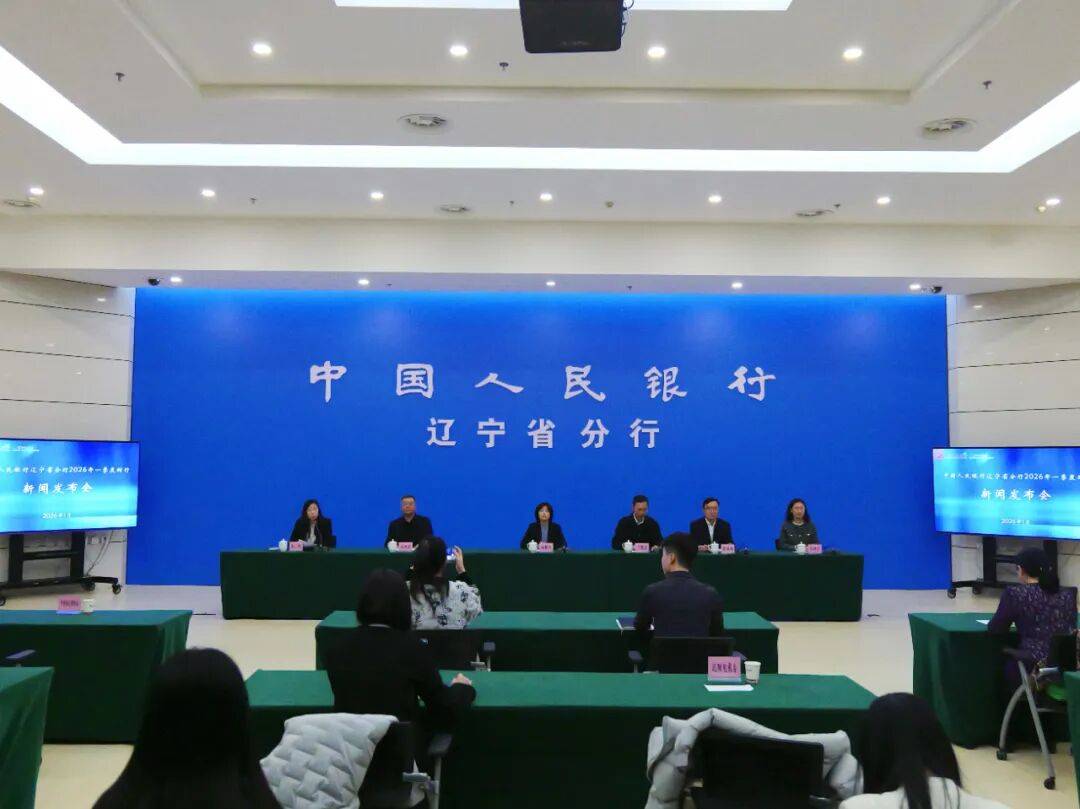
去年辽宁非金融企业债务融资达661.73亿,连续两年实现高速增长
Sou Hu Cai Jing· 2026-01-30 15:17
Core Viewpoint - The People's Bank of China Liaoning Branch is focused on enhancing financial services for the real economy, particularly through the development of the bond market and improving the accessibility of financial products for enterprises, thereby driving high-quality economic growth in Liaoning province. Group 1: Bond Financing and Policy Promotion - The bank has intensified policy promotion efforts, conducting activities themed "Debt Financing Tools Activate Liaoning's New Productive Forces" to educate 150 major state-owned and leading private enterprises about new policies in the interbank bond market [1] - In 2025, non-financial corporate debt financing tools issued in the province reached 66.173 billion yuan, a year-on-year increase of 20.6%, with an average interest rate dropping to 2.21%, saving enterprises over 318 million yuan in interest costs [1] Group 2: Counter Bond Business Expansion - A monitoring mechanism for counter bond business has been established, promoting awareness and understanding of counter bond products through various channels [2] - The number of participating institutions in the interbank market's counter bond business increased from 1 to 6, with 3,298 bank outlets covering all 14 cities in the province, resulting in 25,710 transactions and a transaction amount of 11.413 billion yuan, a year-on-year growth of 198.5% [2] Group 3: Support for the Bill Market - The bill market is leveraged for low-cost financing and high liquidity, with efforts to enhance information disclosure and credit management to ensure efficient market operation [3] - In 2025, the cumulative acceptance amount of bills in Liaoning reached 626.793 billion yuan, a year-on-year increase of 1.6%, while the cumulative bill discount amount was 567.988 billion yuan, up 15.14% [3] Group 4: Technology Innovation Bond Market - The establishment of a "Technology Board" for bonds aims to support local technological innovation and private enterprises, with 145 key enterprises already included in the bond issuance reserve [7] - The bank has implemented a mechanism to promote debt financing tools and conducted various policy interpretation and training activities, resulting in successful issuance of technology innovation bonds totaling 8.8 billion yuan, including the first technology innovation bond in Northeast China [7]