
东风股份

Search documents
东风华为双强背书,境系列旗舰“奕境”招商会火爆出圈
Jing Ji Guan Cha Wang· 2025-11-26 07:00
Core Insights - The penetration rate of new energy vehicles (NEVs) in China reached a significant milestone of 51.6% from January to October 2025, with October marking the first month exceeding 50%, indicating a shift towards market dominance for NEVs [1] - The launch of the "Yijing" brand by Dongfeng Motor and Huawei on November 20, 2025, reflects a strategic move to capitalize on the growth potential in the high-end NEV market, showcasing a transition from scale expansion to high-quality development [1] Industry Collaboration - The establishment of Yijing exemplifies the deep integration between traditional automakers and technology companies, addressing the dual demands of manufacturing capabilities and intelligent breakthroughs in the NEV sector [2] - Yijing's innovative model, developed over three years with an investment of 10 billion, combines manufacturing expertise from Dongfeng with Huawei's advanced technologies, creating a new path to resolve the imbalance in industry transformation [2] Channel Transformation - Yijing's "1+N" model aligns with the ongoing restructuring of automotive distribution channels, as the total number of 4S stores in China is projected to decrease by 1.9% by mid-2025, indicating a shift towards quality enhancement and innovative models [3] - The brand's user-centric approach and lightweight retail touchpoints address traditional channel inefficiencies, aligning with industry trends towards diversification and operational efficiency [3] Market Positioning - The price range of 250,000 to 350,000 yuan has emerged as a core growth area in the high-end NEV market, catering to consumer demands for quality, performance, and intelligence, positioning Yijing favorably against low-end market price wars [3] - Yijing's strategy includes covering the top 50 cities and launching at least one new model annually, meeting the competitive demands for technological iteration in the industry [3] Long-term Challenges - Post-2025, the NEV market will face intensified competition as policies taper off, with consumers increasingly prioritizing product quality and service [4] - The high-end segment is seeing increased market concentration and diverse competition, shifting the focus from brand premium to a comprehensive evaluation of technology collaboration, user ecosystems, and service systems [4] - Yijing's resource integration capability, supported by its strong partnerships, aims to mitigate market expansion risks, while continuous efforts in technology implementation and user experience are essential for sustained success [4]
重卡行业10月跟踪月报:内销与出口共振,景气度持续向好-20251126
Soochow Securities· 2025-11-26 05:21
Investment Rating - The industry investment rating is "Overweight," indicating an expected outperformance of the industry index relative to the benchmark by more than 5% in the next six months [61]. Core Views - October sales figures for the heavy truck industry exceeded expectations across production, wholesale, terminal sales, and exports, with significant year-on-year growth [5][18]. - The overall industry inventory increased slightly, remaining at a reasonable level, with a total inventory coefficient of 1.8 [19]. - The structural performance showed that engineering vehicles outperformed logistics vehicles in October, with a notable increase in natural gas heavy truck sales and penetration rates [24][27]. Summary by Sections Sales Tracking - In October, the production of heavy trucks reached 104,000 units, with year-on-year and month-on-month growth of 78.4% and 2.6% respectively [5]. - Wholesale sales were 106,000 units, reflecting a year-on-year increase of 60.0% and a month-on-month increase of 0.6% [2][5]. - Terminal sales totaled 70,000 units, with a year-on-year increase of 56.6% but a month-on-month decrease of 15.9% [5][15]. - Exports amounted to 33,000 units, showing a year-on-year increase of 43.8% and a month-on-month increase of 4.8% [5][18]. - The total inventory in the industry increased by 0.09 million units, with a current total of 115,000 units [19]. Market Structure - In terms of vehicle types, engineering vehicles had a terminal sales volume of 7,400 units, with year-on-year growth of 63.0% and a month-on-month decrease of 14.9% [24]. - The penetration rate of natural gas heavy trucks reached 30.1%, with a year-on-year increase of 10.3 percentage points [27]. Competitive Landscape - In the wholesale market, the market shares for major manufacturers in October were as follows: Dongfeng (22.5%), Heavy Truck (26.5%), and Foton (13.1%), with Foton showing the largest year-on-year increase [32]. - In the terminal market, the market shares were: Dongfeng (17.9%), Heavy Truck (17.9%), and Foton (13.8%), with Foton showing a significant year-on-year increase [35]. - For exports, Heavy Truck led with a market share of 45.8%, followed by Dongfeng (9.3%) and Foton (5.4%) [37]. Engine Market - The engine market share in October was led by Weichai with 20.5%, followed by Cummins (17.1%) and Xichai (14.7%) [46]. - Weichai's terminal supply volume was 14,000 units, with a year-on-year increase of 64.7% [51].


远程霸榜!宇通叫板长城 福田发力 10月混动重卡销量榜单出炉 | 头条
第一商用车网· 2025-11-26 04:59
Core Insights - In October 2025, China's overall sales of new energy heavy trucks remained above 20,000 units, with significant differences in performance among sub-segments, particularly between hydrogen fuel cell trucks and hybrid trucks [1][4]. Sales Performance - In October 2025, a total of 20,100 new energy heavy trucks were sold, marking a year-on-year increase of 144%. The breakdown includes 19,700 pure electric trucks, 221 fuel cell trucks, and 152 hybrid trucks, with year-on-year growth rates of 191%, -57%, and 103% respectively [4][6]. - Fuel cell trucks experienced a decline after a brief increase in September, while both pure electric and hybrid trucks continued to see substantial growth, with pure electric trucks outpacing the overall growth rate of new energy heavy trucks [4][6]. Market Share Analysis - From January to October 2025, fuel cell and hybrid trucks accounted for only 1.58% and 0.55% of the new energy heavy truck market, respectively, totaling just 2.13%. The remaining 97.87% were pure electric models, indicating a significant increase in the dominance of pure electric trucks compared to the same period in the previous two years [6][4]. Hybrid Truck Performance - In October 2025, hybrid truck sales reached 152 units, representing a year-on-year increase of 103%, marking the tenth consecutive month of growth. The leading company, YuanCheng, sold 110 units, maintaining its position as the monthly sales champion [10][12]. - The cumulative sales of hybrid trucks from January to October 2025 reached 871 units, reflecting a year-on-year growth of 158%. However, this growth rate is lower than the overall growth rate of the new energy heavy truck market [14][16]. Company Rankings - YuanCheng holds a dominant market share of 68.08%, significantly increasing by 18.23 percentage points compared to the previous year. Other notable companies include Foton with a market share of 10.79% and Changzheng with 8.96% [16][17].





2025年1-9月中国载货汽车产量为275.5万辆 累计增长9.6%
Chan Ye Xin Xi Wang· 2025-11-26 03:45
Core Viewpoint - The report highlights the growth in China's cargo vehicle production, indicating a significant increase in both monthly and cumulative production figures for 2025, suggesting a positive trend in the industry [1] Industry Summary - In September 2025, China's cargo vehicle production reached 334,000 units, representing a year-on-year growth of 32.5% [1] - From January to September 2025, the cumulative production of cargo vehicles in China totaled 2.755 million units, with a cumulative growth rate of 9.6% [1] Company Summary - The report mentions several key companies in the cargo vehicle sector, including: - FAW Jiefang (000800) - China National Heavy Duty Truck Group (000951) - Foton Motor (600166) - Jiangling Motors (000550) - Ankai Bus (000868) - Changan Automobile (000625) - Dongfeng Motor (600006) - Hanma Technology (600375) - GAC Group (601238) - Aoxin Bus (600213) [1]

从造车到造“人”,这些车企发出人形机器人量产信号!
Zheng Quan Shi Bao Wang· 2025-11-26 03:10
Core Insights - The automotive industry is increasingly investing in humanoid robots, viewing them as a new growth engine and a strategic positioning battle in the smart industry landscape [1][3][7] - Major automotive companies like GAC Group and Xpeng Motors are showcasing their humanoid robots and have announced production timelines, indicating a shift towards mass production [2][4] - The market for humanoid robots is projected to reach $20 trillion, highlighting the significant potential for growth in this sector [3] Group 1: Industry Trends - Automotive companies are leveraging their expertise in mechanical engineering, power systems, and artificial intelligence to enter the humanoid robot market [1][2] - The integration of humanoid robots into automotive production is seen as a way to enhance efficiency and reduce manufacturing costs [2][4] - The competition in the humanoid robot space is characterized by a long-term race focused on technology, cost, and compliance [1][8] Group 2: Production and Development Strategies - Companies are adopting various strategies to enter the humanoid robot market, including self-research and investment partnerships [4][5] - Self-research allows companies to reuse core technologies, while investment partnerships provide flexibility and reduce risks associated with technology uncertainty [4][5] - The timeline for mass production of humanoid robots is set for 2026, with companies like Tesla and Xpeng leading the charge [7] Group 3: Application Scenarios - Humanoid robots are envisioned for various applications, including industrial manufacturing and customer service roles [6][8] - Current applications are primarily in the testing phase, with significant challenges remaining in achieving the necessary perception, decision-making, and interaction capabilities for home use [6][8] - The industry is still in the exploratory stage, with many companies yet to generate substantial revenue from humanoid robots [7][8]




刘卫东被提起公诉
21世纪经济报道· 2025-11-26 02:35
检察机关起诉指控:被告人刘卫东利用担任襄樊东风汽车电气有限责任公司总经理,东风汽车 公司载重车公司协作配套部部长,神龙汽车有限公司党委委员、总经理,东风汽车集团有限公 司党委常委、副总经理,东风汽车集团股份有限公司乘用车公司总经理,中国兵器装备集团有 限公司党组成员、副总经理,中国长安汽车集团股份有限公司董事长等职务上的便利,以及利 用职权、地位形成的便利条件,通过其他国家工作人员职务上的行为,为有关单位和个人谋取 利益,非法收受他人财物,数额特别巨大,依法应当以受贿罪追究其刑事责任。 据央视新闻今天(26日)从最高人民检察院获悉,中国兵器装备集团有限公司原党组成员、副 总经理刘卫东涉嫌受贿一案,由国家监察委员会调查终结,移送检察机关审查起诉。经最高人 民检察院指定管辖,河南省人民检察院依法以涉嫌受贿罪对刘卫东作出逮捕决定。近日,河南 省南阳市人民检察院已向南阳市中级人民法院提起公诉。 检察机关在审查起诉阶段,依法告知了被告人刘卫东享有的诉讼权利,并讯问了被告人,听取 了辩护人的意见。 SFC 来源丨央视新闻 编辑丨吴桂兴 见习编辑张嘉钰 ...

“能源革命”风口,武汉跑在前列
Chang Jiang Ri Bao· 2025-11-26 00:47
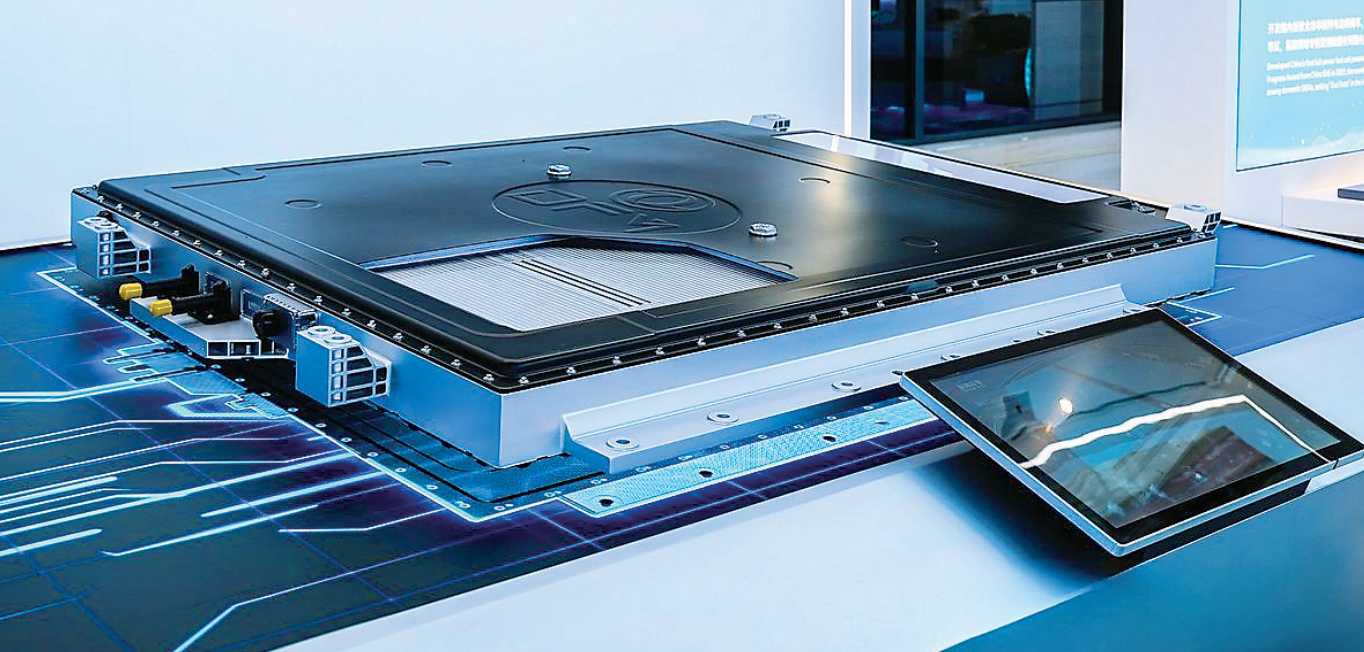
Core Insights - Dongfeng Motor Group's subsidiary, Leap Technology, is reaching critical transformation milestones with accelerated projects in electric drive, electric control, and intelligent cockpit components, alongside the operational launch of a solid-state battery pilot line, laying the groundwork for mass production by 2026 [1][3] Group 1 - Leap Technology was established through the integration of resources from Dongfeng's auto parts division and Dongfeng Hongtai Holding Group, effectively revitalizing the auto parts division and creating a unified platform for Dongfeng's parts business [3] - Since its establishment in September 2025, Leap Technology has made significant progress in electric and intelligent core sectors, with over ten collaborative R&D projects advancing in areas such as new energy powertrains, intelligent control systems, and lightweight components [3] - Leap Technology has formed strategic partnerships with various automotive companies, including Lantu Automotive and Dongfeng Commercial Vehicle, and has begun implementing a collaborative R&D standard with Dongfeng's R&D Institute [3] Group 2 - The solid-state battery, developed by Dongfeng's R&D Institute with an energy density of 350Wh/kg, will be manufactured by Leap Technology, with mass production expected to commence in September 2026 [8] - This initiative signifies Leap Technology's strategic move in advanced battery manufacturing, accelerating the transition from research to industrial application [8] - Dongfeng's leadership emphasizes the importance of collaboration across the supply chain for high-quality development in the automotive industry, with Leap Technology focusing on key areas to strengthen its industrial foundation and enhance collaborative capabilities [8]
武汉初创团队摘得华创杯一等奖
Chang Jiang Ri Bao· 2025-11-26 00:47
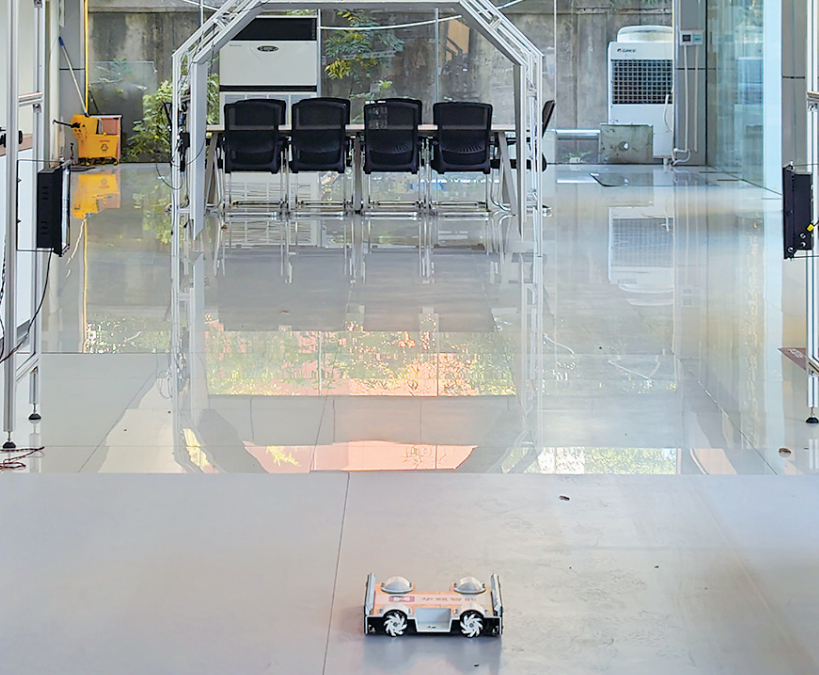
Core Insights - The "New Energy Vehicle AI Detection Intelligent Robot R&D and Industrialization" project by Wuhan Huazhen Intelligent Technology Co., Ltd. won the first prize at the 12th "Huachuang Cup" Entrepreneurship Competition [1] Company Overview - Wuhan Huazhen Intelligent Technology Co., Ltd. is a startup established at the end of last year, with a team of over 20 in Wuhan and additional R&D personnel in Beijing [2] - The company was founded by Wu Liang in collaboration with a team from Huazhong University of Science and Technology, establishing a research center in Wuhan [2] Industry Context - The market share of new energy vehicles is increasing, leading to growth in the automotive inspection market [2] - Traditional inspection methods are inefficient for new energy vehicles, necessitating the collection of vast amounts of data for more accurate and efficient results [2] Product and Technology - The project focuses on key technology research and equipment development for the quality assessment of new energy vehicles, with core products being body and chassis detection robots [2] - The robots utilize multispectral fusion detection, AI algorithms, and image stitching technology for automated identification of "external injuries" on new energy vehicles [2] - The solution designed by the team integrates "hardware + algorithms + data" to comprehensively collect data from the vehicle's body, chassis, and battery systems [2] Market Applications - The data collected aims to create assessment models for accurately pricing used vehicles, benefiting insurance companies, financial institutions, and consumers [2] - The company has established a cooperation intention with Wuhan Aizhi Home Changfeng Used Car Trading Market and is in discussions for deep cooperation with SAIC and Dongfeng [4]
从造车到造“人”车企发出人形机器人量产信号
Zheng Quan Shi Bao· 2025-11-25 23:44
Group 1 - The automotive industry is increasingly investing in humanoid robots, viewing them as a new growth engine and a strategic positioning battle in the smart technology sector [1][3][6] - Major companies like Xpeng Motors and GAC Group have announced plans for mass production of humanoid robots, with Xpeng aiming for 2026 and GAC for 2025 [2][3] - Analysts highlight the synergy between automotive technology and humanoid robotics, suggesting that the transition from automotive to robotics can be smoother due to shared technologies [2][4] Group 2 - Companies are adopting different strategies to enter the humanoid robot market, with self-research and investment partnerships being the most common approaches [4][5] - Tesla's Optimus robot utilizes technology from its Full Self-Driving (FSD) system, showcasing the reuse of existing technologies to expedite development [4] - The humanoid robot market is projected to reach a scale of 20 trillion USD, indicating significant future potential [3][6] Group 3 - Despite the promising outlook, many companies have yet to generate substantial revenue from humanoid robots, facing technical and commercialization challenges [6][7] - High costs associated with software training and integration pose a significant barrier to mass production, making it difficult for consumers to accept robots priced similarly to cars [7] - The industry is still in the exploratory phase, with a lack of mature supply chain systems for humanoid robots [6][7]
从造车到造“人” 车企发出人形机器人量产信号
Zheng Quan Shi Bao· 2025-11-25 18:29
Core Insights - The automotive industry is increasingly investing in humanoid robots, viewing them as a new growth engine and a strategic positioning battle in the smart technology sector [1][3][7] - Major automotive companies are showcasing their humanoid robots at exhibitions, with clear timelines for mass production announced by several firms [2][3] - The integration of technologies from the automotive sector into humanoid robots is seen as a way to enhance production efficiency and reduce manufacturing costs [2][4] Industry Trends - The humanoid robot market is projected to reach a market size of $20 trillion, indicating significant growth potential [3] - Companies like Xpeng and GAC Group are planning to achieve mass production of their humanoid robots by 2026, with GAC aiming for batch production of self-developed components by 2025 [2][3] - The competition in the humanoid robot space is characterized by a mix of self-research and investment partnerships, with companies leveraging existing technologies to expedite development [4][5] Technological Integration - Automotive companies are applying their expertise in sensors and algorithms to humanoid robots, which allows for a smoother transition and lower trial costs compared to other industries [2][4] - The development of humanoid robots involves addressing complex technical challenges, such as bipedal movement and environmental interaction, necessitating dedicated research teams [4][6] Application Scenarios - Initial applications for humanoid robots are focused on industrial manufacturing, with potential future uses in customer-facing roles and household environments [6][8] - The industry is still in the exploratory phase regarding the practical applications of humanoid robots, with many concepts remaining untested in real-world scenarios [6][8] Market Challenges - Despite the promising outlook, many automotive companies have yet to generate substantial revenue from humanoid robots, facing technical and commercialization hurdles [7][8] - High costs associated with software training and integration pose significant barriers to mass production, with companies needing to ensure affordability for consumers [8] - The current state of the humanoid robot industry is still largely in the research and development phase, with a lack of mature supply chain systems [7][8]