
饿了么

Search documents
成本骤增与京东生态协同发展利好,京东外卖的市场想象空间在哪?
Xi Niu Cai Jing· 2025-05-21 01:32
Core Viewpoint - The Chinese government has urged major food delivery platforms, including JD.com, Meituan, and Ele.me, to operate legally and fairly, while JD.com has reported its first earnings since launching its food delivery service, which has shown revenue growth but also increased losses [2][5]. Group 1: Regulatory Environment - The State Administration for Market Regulation, along with other government departments, has conducted talks with major food delivery platforms to ensure legal and fair competition [2]. - The focus is on protecting the rights of consumers, platform operators, and delivery personnel [2]. Group 2: JD.com's Financial Performance - JD.com's new business revenue reached 57.53 billion RMB, an increase of 8.83 billion RMB year-on-year [2]. - Despite revenue growth, JD.com’s operating profit margin for new businesses worsened from -13.8% to -23.1%, with losses nearly doubling compared to the previous year [2][3]. Group 3: Business Expansion and Costs - JD.com’s food delivery service, launched in February, has seen rapid growth, with daily order volume surpassing 10 million by April 22, and expectations to reach 20 million orders soon [5]. - The increase in costs is attributed to employee expenses, including social insurance for full-time delivery riders, and promotional activities such as zero-commission for merchants and subsidies [5][6]. - The long-term impact of these costs on operating expenses and cash flow will require further observation over the next six months to a year [5][6]. Group 4: Strategic Advantages - JD.com benefits from its established logistics network, which can enhance the efficiency of its food delivery service [6]. - The synergy between JD.com’s e-commerce, real-time retail, and logistics operations presents significant growth potential for the food delivery segment [5][6].


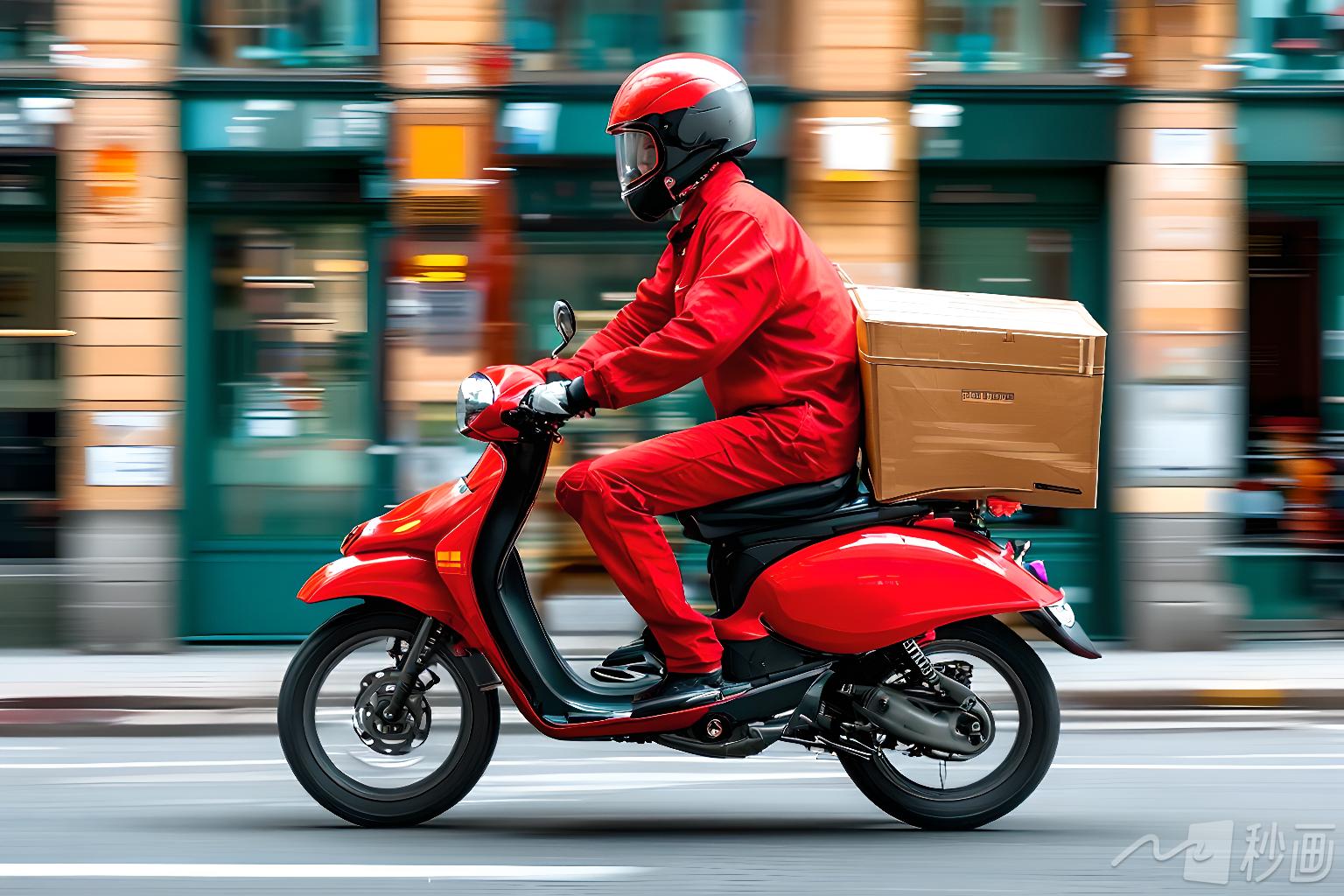
从“内卷式”恶性竞争中跳出来
Nan Fang Du Shi Bao· 2025-05-20 17:22
Core Viewpoint - The Chinese government is addressing the issue of "involutionary" competition, which distorts market mechanisms and disrupts fair competition, particularly in the food delivery sector [2][3][4] Group 1: Government Response - The National Development and Reform Commission (NDRC) has highlighted the negative impacts of "involutionary" competition, including below-cost pricing and counterfeit products, which undermine market order [2] - The State Administration for Market Regulation (SAMR) has held discussions with major platforms like JD.com, Meituan, and Ele.me to ensure compliance with legal and fair competition practices [2][3] - The 2024 Central Economic Work Conference and the 2025 National People's Congress have emphasized the need for comprehensive measures to combat "involutionary" competition [2] Group 2: Industry Challenges - "Involutionary" competition is characterized by aggressive price cuts and subsidies that aim to eliminate competitors, leading to a deterioration of market conditions [3] - The phenomenon has been exacerbated by structural issues in various industries, including blind investment and failure to keep pace with technological advancements [3] - The prevalence of low-quality competition and illegal practices, such as counterfeiting, has increased, particularly in sectors undergoing transformation [4] Group 3: Market Implications - While consumers may benefit in the short term from price wars, the long-term consequences include potential price increases and compromised product quality [3] - The pressure on merchants' profits and the lack of protection for delivery personnel's rights have been significant issues arising from this competitive environment [3][4] - The need for legal regulation and enforcement is critical to restore healthy market order and encourage innovation among companies [4]
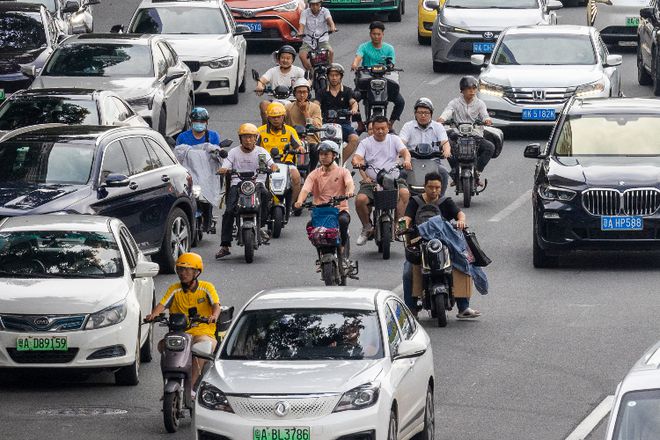
阿里生态合力下,饿了么以增长刷新市场想象力
Jing Ji Guan Cha Wang· 2025-05-20 09:06
Core Insights - Alibaba Group's financial report for Q4 and the full year of FY2025 shows strong growth driven by Ele.me and Gaode, with local life group revenue reaching 16.134 billion yuan, a 10% increase from 14.628 billion yuan in the same period of 2024 [1] - Ele.me's operational efficiency has improved, leading to significant business growth, particularly during the recent "May Day" holiday, where several brands saw order volumes increase dramatically [1][5] Group 1: Business Performance - Ele.me's revenue growth is attributed to the effective use of Alibaba's ecosystem, enhancing the engagement of merchants, consumers, and delivery riders [1][7] - The "May Day" holiday saw brands like Nayuki Tea and Kudi Coffee experience order volume increases of over 200% on Ele.me, showcasing the platform's strong market performance [5][6] - From April 30 to May 5, Ele.me and Taobao Flash Sale achieved over 10 million daily orders, with significant growth in various food categories [5][6] Group 2: Strategic Initiatives - Ele.me launched the "Hungry Subsidy Over 10 Billion" promotion to stimulate growth, focusing on consumer experience and merchant operational efficiency [3][4] - The collaboration with Taobao Flash Sale has allowed Ele.me to leverage Taobao's traffic, resulting in a substantial increase in merchant order volumes [5][8] - The integration of AI technology is expected to enhance both merchant and consumer experiences, with tools like the "AI Business Assistant" being introduced to support digital operations [10][11] Group 3: Market Outlook - The Chinese instant retail market is projected to grow significantly, with a current size of 650 billion yuan and an annual growth rate of 28.89%, indicating a strong potential for Ele.me's growth [9] - Alibaba's strategy emphasizes user-centric and AI-driven approaches, which are expected to guide Ele.me's long-term growth trajectory [10][12] - The company is committed to social responsibility, ensuring fair treatment and income for delivery riders through transparent algorithms and support measures [11][12]

阿里生态合力下,饿了么以增长刷新市场想象力
经济观察报· 2025-05-20 09:04
Core Viewpoint - The article emphasizes that the ecological synergy and traffic supply are likely to enable Ele.me to continuously refresh market expectations through 2025 and beyond [1][3]. Financial Performance - Alibaba Group reported that Ele.me's local life group revenue reached 16.134 billion yuan for the fourth quarter of fiscal year 2025, a 10% increase from 14.628 billion yuan in the same period of 2024 [2]. - The operational efficiency of Ele.me has been improving, contributing to strong business growth amidst fierce competition in the food delivery market [2]. Business Strategy - Ele.me is leveraging Alibaba Group's ecological synergy to enhance the stickiness among merchants, consumers, and delivery riders, which is expected to facilitate both short-term business scale expansion and long-term growth certainty [2][9]. - The company initiated the "Hungry Subsidy Over 10 Billion" promotion on April 30, which significantly boosted order volumes and consumer engagement [5][6]. Market Dynamics - During the recent "May Day" holiday, several brands on Ele.me experienced a surge in orders, with some brands seeing order volumes increase by over 200% compared to the previous year [6][7]. - The collaboration with Taobao Flash Sale has allowed Ele.me to tap into a vast user base, resulting in a significant increase in order volumes and brand visibility [9][10]. AI and Technology Integration - Ele.me is focusing on AI-driven strategies to enhance user experience and operational efficiency, including the launch of AI management tools for merchants [12][13]. - The company is also implementing AI technology to improve food safety and compliance, thereby enhancing overall service quality [12][14]. Social Responsibility and Transparency - Ele.me is committed to social responsibility by improving communication with delivery riders and ensuring fair income distribution through transparent pricing algorithms [14]. - The company aims to maintain a low-profile approach in the competitive landscape, focusing on long-term growth rather than engaging in public disputes [14].

高频低客单价 外卖平台补贴助力咖啡“霸榜”
Xiao Fei Ri Bao Wang· 2025-05-20 02:33
近期,外卖市场竞争日趋激烈,各类补贴轮番上阵,让不少消费者大呼"薅羊毛真爽"。记者注意到,高 频低客单价的奶茶、咖啡变成消费者"薅羊毛"的首选。消费者和奶茶咖啡商家双双成为了外卖"三足鼎 立"时代的受益者。 为什么脱颖而出的是库迪咖啡?据悉,外卖平台补贴激活消费需求的同时,库迪咖啡也加码补贴强势入 局。不仅将现行门店补贴政策延长至2028年12月31日,并宣布5月6日至6月30日前新开门店,库迪咖啡 在现行门店补贴政策的基础上,新增高房租补贴和下沉市场门店培养补贴两大专项补贴。其中,高房租 补贴,单杯最高可补贴4元。而下沉市场门店培养补贴,单杯最高可补贴2元,补贴范围涵盖地级以上城 市的远郊区县及其下辖乡镇门店。 品类是制胜关键 "品质+补贴+认可度"效应叠加 事实上,在业内人士眼中,像库迪咖啡这样的商家取得销量之喜,并不意外。"外卖平台补贴升级,叠 合入夏饮品需求激增,咖啡市场迎来爆发点。"有业内人士分析时,用"恰如其分"来形容。该人士表 示,解读外卖平台补贴升级,实质是流量之争。流量的核心指标是订单量,各家平台都在通过补贴以提 高日均订单量。 外卖平台"肉搏"补贴 点燃咖啡消费热情 "薅羊毛"攻略、百亿补 ...
从1分钱奶茶到百亿补贴:外卖三巨头如何走出‘内卷’困局?
3 6 Ke· 2025-05-19 10:55
Core Viewpoint - The recent regulatory talks involving major food delivery platforms like JD, Meituan, and Ele.me highlight the urgent need for compliance and consumer rights protection in the face of fierce competition and unsustainable pricing strategies [1][11]. Group 1: Industry Competition - The food delivery market has seen aggressive subsidy wars, with JD committing over 10 billion yuan in subsidies, Meituan planning to invest 100 billion yuan over three years, and Ele.me launching its own subsidy campaign [3][5]. - This intense competition has led to significant price reductions, with items being sold at astonishingly low prices, raising concerns about the sustainability of such pricing strategies and the potential for market monopolization [5][7]. - The platforms are accused of using algorithms to enforce "choose one" practices, limiting merchants' ability to operate on multiple platforms, which raises concerns about fair competition and consumer rights [5][12]. Group 2: Consumer and Merchant Rights - Reports indicate that some merchants on JD's platform have engaged in fraudulent practices, such as falsifying business licenses, which poses a serious risk to food safety [7][12]. - Consumers have reported discrepancies in food quality and quantity, particularly when using subsidies, leading to dissatisfaction and concerns over the integrity of the service [7][13]. - Merchants are also feeling the pressure, as they often have to share the burden of subsidies, leading to negative profit margins in some cases [8][13]. Group 3: Regulatory Response - The regulatory bodies have emphasized the need for platforms to adhere to laws such as the E-commerce Law and the Anti-Unfair Competition Law, aiming to establish clear responsibilities and prevent monopolistic practices [12][19]. - The talks aim to ensure that platforms improve their complaint mechanisms and provide better protections for consumers, merchants, and delivery personnel [13][16]. - The regulatory push is expected to reshape the competitive landscape, moving from price wars to a focus on service quality and compliance [17][20]. Group 4: Future Industry Direction - The regulatory discussions mark a pivotal moment for the food delivery industry, steering it towards sustainable development and compliance rather than unchecked growth [20][22]. - The industry is expected to adopt new technologies for better oversight, such as blockchain for tracking food safety and algorithm monitoring to prevent price discrimination [19][20]. - Long-term goals include establishing service standards for delivery platforms to balance market innovation with social responsibility, ensuring a fair ecosystem for all stakeholders [20][22].


新华财经周报:5月12日至5月18日
Xin Hua Cai Jing· 2025-05-18 15:09
Key Points - The US and China have significantly reduced bilateral tariff levels, with the US canceling 91% of additional tariffs and China reciprocating with the same percentage of counter-tariffs [1][4][10] - The Chinese government emphasizes strengthening domestic circulation as a strategic move for stable economic growth [2][4] - New regulations for major asset restructuring of listed companies have been implemented, introducing a phased payment mechanism and private equity fund arrangements [1][4] - The People's Bank of China reported a broad money (M2) balance of 325.17 trillion yuan, reflecting an 8% year-on-year growth [1][3] - The US has lost its Aaa credit rating from major international credit rating agencies, indicating a decline in sovereign creditworthiness [1][10][11] - China's holdings of US Treasury bonds decreased by $18.9 billion, making it the third-largest holder, while the UK has become the second-largest [1][11]
加配高景气新消费,重视红利资产防御
SINOLINK SECURITIES· 2025-05-18 14:13
Group 1: Consumption Strategy and Investment Recommendations - The report recommends focusing on high-growth new consumption sectors, dividend defensive stocks, and traditional companies transitioning to new consumption [3][13] - High-growth new consumption opportunities include new tobacco products, beauty care, trendy toys, pet products, and tea beverages [3][13] - Dividend defensive stocks are prioritized due to unclear policy signals and ongoing domestic demand impacts, with a focus on white goods [3][13] Group 2: Macroeconomic and Midstream Consumption Tracking - In April, the domestic CPI remained stable with a slight decrease of 0.1% year-on-year, while core CPI increased by 0.5% [4][14] - April's export growth reached 8.1% year-on-year, marking the highest since 2022, although it showed signs of slowing due to a decrease in home appliance exports [4][16] Group 3: Home Appliances - In April, the overall retail sales of home appliances increased by 21.8% online and 18.6% offline, with the national subsidy for 11 major categories growing by 18.2% [7][28] - Specific categories showed varied performance: air conditioners up 34.8%, refrigerators up 1.0%, and washing machines up 10.8% online [7][28][29] Group 4: Light Industry Manufacturing - The new tobacco sector is experiencing upward momentum, with clear growth trends in the HNB industry and potential market share gains for companies like Smoore International [7][30] - The trendy toy market remains robust, with GMV growth of 109% in April year-on-year, driven by new company entries and innovative operational strategies [7][30] Group 5: Textile and Apparel - The easing of US tariffs is expected to boost export and domestic demand, with a focus on new consumption and brands with unique advantages [7][33][37] - The textile manufacturing sector is seeing a recovery in client confidence following tariff reductions, which may lead to increased orders and improved domestic factory utilization [7][37] Group 6: Social Services - The tea beverage sector is benefiting from improved same-store sales and competitive dynamics in the takeaway market, with expectations for further growth [7][35] - Hotel performance showed strong leisure demand during the May holiday, although business travel remains weak [7][35] Group 7: Retail and E-commerce - The competitive landscape in the takeaway market is evolving, with regulatory pressures on major platforms like Meituan and JD, although the overall competition remains intense [7][36] - Meituan's initiatives in instant retail and national subsidies are expected to impact JD's core categories significantly [7][38]
禁用AI代写作业,教育部规范推进中小学AI教育|南财合规周报(第190期)
2 1 Shi Ji Jing Ji Bao Dao· 2025-05-18 01:31
此外,本周AI行业内官宣多项应用和技术成果。OpenAI发布Codex,Manus推出图像生成功能,美国宣 布与阿联酋合作打造海外最大 AI 数据中心。在立法层面,国务院披露的最新立法计划显示,要"推进人 工智能健康发展立法工作"。 1、OpenAI写代码AI智能体来了 21世纪经济报道见习记者 章驰 北京报道 每周,"合规周报"会盘点最近一周国外人工智能、科技竞争、个人信息保护上值得关注的动态。 本周,我们重点关注,针对当前外卖行业竞争中存在的突出问题,监管约谈京东、美团、饿了么等平台 企业,并推出《外卖大战被约谈三问:谁出钱、谁承压、谁受困?》一文,探讨在这轮外卖混战中,存 在那些竞争动作可能越界。 当地时间 5 月 15 日,美国商务部宣布与阿联酋在阿布扎比签署历史性技术合作协议,将共同打造 AI 数据中心园区。该数据中心规划占地面积 10 平方英里(约 25.9 平方公里),建成后将成为美国本土以 外规模最大的 AI 基础设施集群。该数据中心的规模比迄今为止能看到的所有其他主要人工智能基础设 施都要大,足以支持 250 万枚英伟达 B200 芯片。 在此之前,阿联酋已经通过 MGX、G42 等主权基金 ...
数字化与行业协同创新,正成为餐饮企业创造可持续“新质价值”的核心路径
Guang Zhou Ri Bao· 2025-05-17 11:53
Group 1 - The core viewpoint emphasizes that "new quality value" in the restaurant industry is not achieved through low prices or subsidies, but through digitalization enhancing product quality and service to attract consumers [1] - The restaurant industry is experiencing irrational competition, exemplified by low-price subsidies for market expansion, which undermines the core value of "food as the foundation," squeezing profit margins and weakening innovation [1] - The industry is undergoing a profound transformation from "traffic dividends" to "efficiency dividends," and from "scale expansion" to "value cultivation," with digitalization and collaborative innovation becoming key paths for sustainable "new quality value" creation [1] Group 2 - The National Market Supervision Administration has highlighted the need to address "involution-style competition," which is characterized by low-price, low-quality, and low-level competition that is increasingly prevalent in various industries [2] - The administration calls for promoting self-discipline and lawful competition within industries, guiding industry associations to resist low-price dumping and other chaotic practices [2]