吉利汽车

Search documents
技术破局先行 马年车市换车有道
Xin Lang Cai Jing· 2026-02-16 03:39
Core Insights - The Chinese automotive market is at a crossroads of inventory competition and technological transition as it enters the Year of the Horse, moving away from price wars to a focus on technology and brand differentiation [1][3] Group 1: Market Dynamics - The automotive industry in China is shifting from low-price competition to a more sophisticated phase characterized by technological, brand, and international competition, driven by a saturated market and rising production costs [3][4] - The China Association of Automobile Manufacturers (CAAM) projects a slight increase of about 1% in domestic car sales by 2026, indicating a new normal of "high base, low growth" [3] - The competition is intensifying as the penetration rate of new energy vehicles surpasses 50%, leading to fierce rivalry among fuel vehicles, new energy vehicles, domestic brands, and joint ventures [3][4] Group 2: Technological Advancements - The Year of the Horse is expected to be pivotal for technological breakthroughs in the automotive sector, particularly in smart driving and solid-state batteries, with domestic brands taking the lead [3][4] - L3 autonomous driving is set to become commercially viable, with companies like Huawei and XPeng making significant advancements in smart driving technology [4][5] - Solid-state battery technology is also progressing, with companies like Dongfeng and Chery achieving breakthroughs in energy density and charging capabilities, indicating a shift towards more efficient battery solutions [5][6] Group 3: Policy Changes and Consumer Guidance - The 2026 vehicle trade-in policy has been revamped to focus on precise upgrades rather than broad incentives, with new subsidy standards and expanded eligibility for older vehicles [6][7] - Consumers are advised to consider trading in older vehicles for new models, especially those with significant depreciation or those seeking enhanced safety and technology features [7][8] - The new policy encourages consumers to make informed decisions rather than following trends, emphasizing the importance of upgrading to safer and more efficient vehicles [7][8]

港股AI概念股集体走强
财联社· 2026-02-16 01:51
Core Viewpoint - The Hong Kong stock market shows mixed performance with the Hang Seng Index down 0.25% and the Hang Seng Tech Index down 0.19%, indicating a cautious sentiment among investors [1] Group 1: Market Performance - Alibaba, Baidu, Geely Automobile, and NIO all experienced declines of over 1% [1] - NetEase and Tianqi Lithium Industries saw gains of over 1% [1] Group 2: AI Application Stocks - AI application stocks in Hong Kong are performing strongly, with Fubo Group (03738.HK) up 14.38%, Haizhi Technology Group (02706.HK) up 12.10%, and Zhipu (02513.HK) up 7.63% [1] - MINIMAX-WP (00100.HK) also saw an increase of 2.94% [1]

华为发布001号反腐快报!华为作为前东家为什么要“虽远必诛”?
Xin Lang Cai Jing· 2026-02-15 23:33
Core Insights - The article discusses the implications of a corruption case involving a senior Huawei executive, Deng, who was arrested for bribery after over thirteen years with the company, highlighting the complexities of corporate governance and anti-corruption measures [3][16][26] - It emphasizes the concept of "anti-corruption traceability," which suggests that companies can pursue accountability for corrupt actions even after employees leave, challenging the notion that departing employees can escape past misconduct [8][21][23] Group 1: Case Overview - Deng's career trajectory at Huawei, from an ordinary engineer to a senior executive, exemplifies the potential for corruption even among high-performing individuals [17][18] - The case reveals the failure of the belief that high salaries can prevent corruption, as Deng's substantial compensation did not deter his unethical behavior [4][17] - The case raises questions about the reliability of loyalty and seniority in corporate environments, suggesting that internal risks may arise from trusted individuals [5][18] Group 2: Anti-Corruption Measures - Huawei's approach includes a controversial practice of having employees visit a detention center to confront the potential consequences of corruption, which serves as a stark reminder of the risks involved [6][19] - The company has implemented a self-discipline declaration for its executive management team, reinforcing the message that no one is above the rules [7][20] - The article argues that effective anti-corruption strategies must focus on prevention rather than punishment, advocating for a proactive approach to identifying and addressing potential issues [24] Group 3: Implications for Corporate Governance - The case illustrates the importance of establishing a robust internal monitoring system that can trace actions over time, ensuring that past misconduct does not go unpunished [13][23] - It suggests that companies should foster a culture of integrity as a core competitive advantage, making transparency and fairness central to their operations [25] - The article concludes that the lessons from Huawei's experience can serve as a guide for other companies in navigating the complexities of human behavior and corporate governance [26]

白俄罗斯乘用车市场本地供应率升至58%
Shang Wu Bu Wang Zhan· 2026-02-15 15:53
Core Viewpoint - The local supply rate of passenger cars in Belarus has increased significantly to 58%, up from 27% a few years ago, indicating a shift towards domestic production in the automotive market [1] Group 1: Market Performance - The sales volume of new cars in Belarus decreased by 40% year-on-year in January [1] - The market share of the Belarusian brands Geely and BelGee reached 52.8%, while other car sales have declined [1] Group 2: Import Trends - The import volume of cars from Russia has significantly decreased, with Lada sales dropping by nearly 70% [1] - There is minimal sales of other Chinese cars produced in Russia within Belarus [1]

CaoCao Inc. Robotaxi Fleet Reaches 100 Vehicles as the Company Steadily Advances Robotaxi Operations Testing
Globenewswire· 2026-02-15 13:45
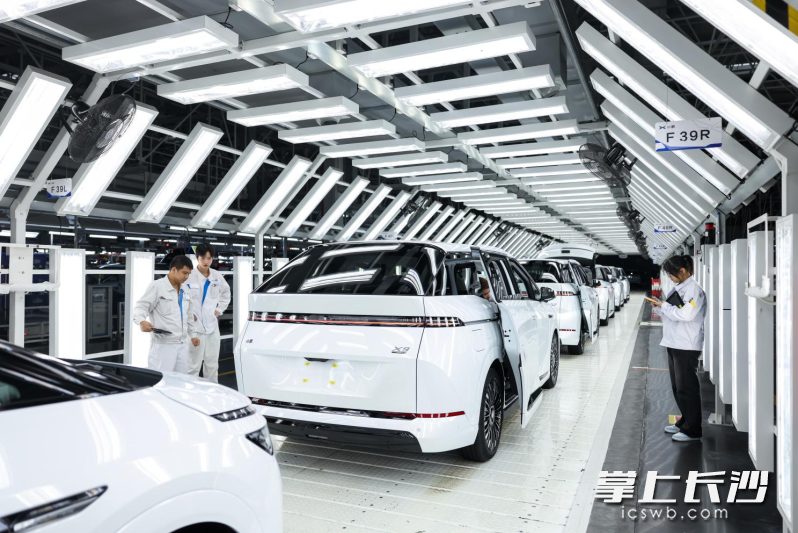
Core Insights - CaoCao Inc. has launched a 100-vehicle Robotaxi fleet in Hangzhou, marking a significant milestone in its Robotaxi 2.0 phase [1][4] - The company has a three-phase roadmap for its Robotaxi operations, transitioning from safety-driver-based services to fully driverless operations [3] - CaoCao is expanding its international collaboration, including a partnership with the Abu Dhabi Investment Office to pilot autonomous driving technologies [6] Group 1: Robotaxi Operations - The current phase of CaoCao's Robotaxi operations focuses on transitioning to fully driverless services while testing mixed fleets of human-driven and autonomous vehicles [3] - The deployment of the Robotaxi fleet aims to validate service reliability and enhance passenger experience through operational refinements [4] - Future plans include extending daily service hours and expanding service coverage, supported by the implementation of an intelligent asset management system [5] Group 2: Technological Development - CaoCao is collaborating with Geely to develop a purpose-built Robotaxi model equipped with dedicated autonomous driving hardware and software, with a target of deploying 100,000 vehicles by 2030 [7] - The company has introduced the world's first Green Intelligent Mobility Hub, which supports fleet operations with features like automated battery swapping and intelligent dispatching [4][7] - The integrated model combines intelligent vehicles, driving technology, and operations to promote greener and smarter urban transportation [8]
贵州开行2026年首趟中欧班列
Zhong Guo Xin Wen Wang· 2026-02-15 07:49
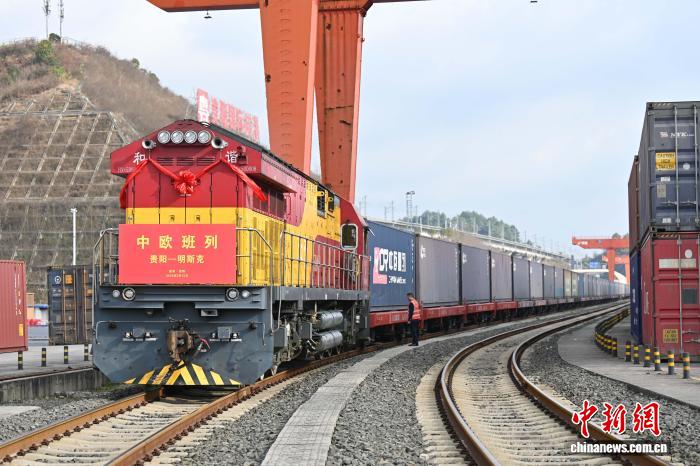
该趟中欧班列共承运55个集装箱,货重超2000吨,货值超2490万元(人民币,下同),经阿拉山口口岸出 境,预计15天左右抵达白俄罗斯明斯克州,全程运行约11650公里。 【欧洲专线】贵州开行2026年首趟中欧班列 中新社贵阳2月15日电 (记者瞿宏伦)2026年贵州地区首趟满载"贵州造"吉利汽车及配套零部件的中欧班 列(以下简称:中欧班列)15日从贵州贵阳国际陆港都拉营站顺利开行。 2月15日,一列满载"贵州造"吉利汽车及配套零部件的中欧班列在贵阳国际陆港都拉营站整装待发。杨 亚文摄 贵州吉利汽车制造有限公司相关负责人介绍,这趟班列能让货物出口至中欧地区的运输周期缩短至少10 天,运输成本预计每年能节省近1000万元。 贵阳铁路物流中心相关负责人表示,"贵州造"新能源汽车、机电设备、特色农产品、白酒及其他各类优 质工业品,下一步有望依托这条中欧班列黄金通道,不断拓宽黔货出口欧洲新路径。(完) (文章来源:中国新闻网) ...
未来已来 抢抓时代机遇!2026未来产业新材料博览会(6月10-12日 上海)
DT新材料· 2026-02-15 07:20
Core Viewpoint - The 2026 Future Industries New Materials Expo (FINE 2026) aims to lead global innovation in new materials, emphasizing their critical role in the transformation of high-tech industries and future economic development [1][2]. Group 1: Event Overview - FINE 2026 will take place from June 10 to June 12, 2026, at the Shanghai New International Expo Center, featuring a total exhibition area of 50,000 square meters and over 300 strategic and cutting-edge technology reports [2][18]. - The expo will focus on popular innovations applicable to various industries, including artificial intelligence, aerospace, smart vehicles, and renewable energy, while addressing five common needs in future industries: advanced semiconductors, advanced batteries, lightweight functionalization, low-carbon sustainability, and thermal management [2][10]. Group 2: Historical Context and Participation - The previous events, including the 2025 International Carbon Materials Expo and the 2025 Thermal Management Expo, achieved record attendance with over 35,000 professional visitors from 27 countries and regions, showcasing more than 500 exhibitors [7][36]. - The expected participation for FINE 2026 is over 100,000 professional visitors, with targeted invitations to over 5,000 industry investors to facilitate connections between startups and industry resources [35][37]. Group 3: Thematic Focus and Special Features - FINE 2026 will feature seven specialized thematic exhibition areas, including advanced semiconductors, AI chips, thermal management, and sustainable materials, aiming to present a comprehensive chain of innovation from components to cutting-edge technologies [13][15]. - The event will host over 30 forums with more than 300 renowned experts discussing trends in technology, investment strategies, and advanced manufacturing techniques related to new materials [22][24]. Group 4: Strategic Importance - The expo is positioned as a critical platform for technology transfer and industry innovation, leveraging China's growing influence in sectors like new energy vehicles, photovoltaics, and robotics, which are expected to create significant market opportunities for new materials [10][36]. - The timing of the event in June is seen as a strategic opportunity to capture business prospects for the second half of the year, supported by Shanghai's robust industrial and technological ecosystem [10][36].
“AI妲己”印奇,还能魅惑几个赵明?
3 6 Ke· 2026-02-15 07:02
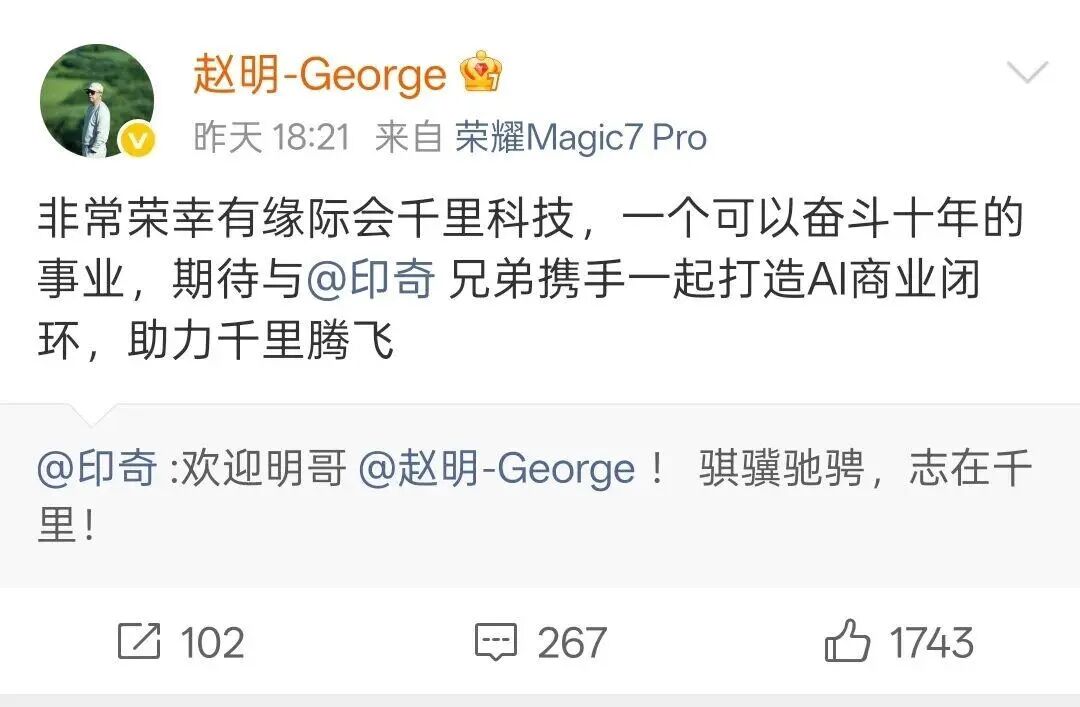
赵明微博 印奇,要带赵明"赌"最后一把? 2月12日,赵明通过个人微博正式宣布加入千里科技,并感慨称这是一段"可以奋斗十年的事业"。 从战略分工来看,这次合作被视为"技术+市场"的双强联合。相关报道称,千里科技董事长印奇将专注于把控AI科技的战略方向,而赵明则将发挥其丰富 的商业运作经验,重点推进AI商业模式的闭环构建,负责牵引技术成果向市场价值转化。 这样的合作方式与发声,在不久之前的另外一家企业刚刚上演。 1月26日,阶跃星辰宣布完成约50亿元人民币B+轮融资,同时也公告称,经董事会批准,印奇将出任董事长职务。换一种说法,就是印奇拉了50亿 元,"买"下了姜大昕"无力经营"的企业。 而在"空降"阶跃星辰的合作中,印奇与阶跃星辰CEO姜大昕、首席科学家张祥雨、CTO朱亦博,亦组成了"1+3"的组合,对应了大模型落地的四类核心能 力轴:战略、算法、系统、工程,对外宣布也同样是"商业化","加速探索 AI+终端创新产品形态,推进终端Agent应用落地。" 从昔日的清华"姚班"天才、AI四小龙的掌舵者,到如今长袖善舞的"资本操盘手",他凭什么能在资本寒冬中轻松调动50亿巨资,将昔日的大模型"六小 虎"之一收入囊中 ...
80GWh项目落地;亿纬锁定10GWh订单;欣旺达与威睿达成和解;永太科技与宁德时代交易终止;安徽国资入主杉杉股份;海辰拿下2GWh储能合作
起点锂电· 2026-02-15 04:49
Group 1 - Yongtai Technology has terminated the plan to acquire a 25% stake in Shaowu Yongtai High-tech Materials Co., Ltd. from CATL, with stock resuming trading on February 24, 2026 [3] - Haicheng Energy has signed a strategic cooperation framework agreement with KNESS Group to develop a total of 2GWh energy storage projects in Ukraine over the next two years, with the first batch of approximately 400MWh products expected to be delivered in Q1 2026 [4] - Wuhan Chuangneng has signed an investment agreement for an 80GWh new energy battery production project, which will mainly produce power batteries, energy storage batteries, and PACK modules [5] Group 2 - Chuangneng has established over 500GWh of planned production capacity, enhancing supply chain resilience and market responsiveness [6] - EVE Energy has secured a 10GWh large battery system order and has launched a 400MWh power station equipped with EVE's 628Ah storage batteries [7][8] - XINWANDA Power has reached a comprehensive settlement with Weir Electric regarding a previous sales contract dispute, with a payment of 608 million yuan to be made in installments from 2026 to 2030 [9] Group 3 - Guizhou Zhaoke Energy is preparing for mass production of cylindrical lithium batteries, with production expected to start in March 2026 [10] - Anhui Guozhi has officially taken control of Sanyuan Group, marking a significant change in ownership for the global leader in lithium battery anode materials, with a transaction value close to 7.2 billion yuan [12][13] - Ruidefeng has signed a strategic procurement framework agreement with Anhui Guokai, with a total expected value of 1.5 billion yuan over five years [14] Group 4 - Mengguli plans to invest 929 million yuan in a project to produce 30,000 tons of lithium-ion battery cathode materials, focusing on high-end products [15] - Jinyu Co. has announced an investment of approximately 1 billion yuan for a high-performance battery aluminum foil project in Yibin, Sichuan [16] - Dingsheng Technology has signed a strategic cooperation agreement with Huineng Technology to enhance collaboration in solid-state batteries and the new energy industry [17] Group 5 - Yanhang Precision has reached an investment cooperation consensus with Jiangsu Yili Technology, focusing on strategic investment in the new energy materials sector [18] - Xiamen Tungsten plans to acquire a 39% stake in Jiujiang Dadi Mining Development Co., with an intention fee of 28 million yuan [19] - Xian Dao Intelligent has officially listed on the Hong Kong Stock Exchange, with a projected net profit of 1.5 to 1.8 billion yuan for 2025 [21] Group 6 - Guangdong Zhuogao New Materials has received approval for a lithium battery anode and cathode coating pilot verification base project, with a total investment of 140 million yuan [22] - Stellantis Group will sell a 49% stake in NextStar Energy to LG Energy, which plans to invest over 4.1 billion USD in a battery manufacturing plant in Ontario, Canada [24][25] - Several automakers, including Geely and Chery, have announced plans to start demonstration work on solid-state battery installations by 2027 [28]
“福特找白宫:拉中企来美国合资造车吧”
Guan Cha Zhe Wang· 2026-02-15 04:39
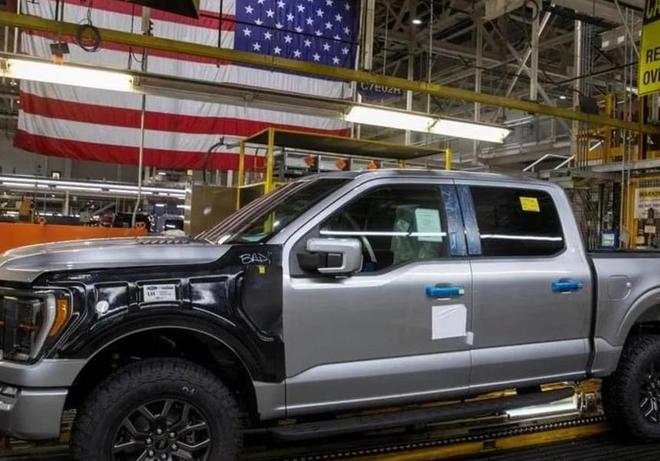
Core Viewpoint - Discussions are ongoing between Ford's CEO Jim Farley and senior officials from the Trump administration regarding a potential framework that would allow Chinese automakers to establish manufacturing plants in the U.S. while providing protections for domestic companies [1][4]. Group 1: Discussions and Framework - The talks involve the possibility of Chinese automakers forming joint ventures with U.S. companies, where U.S. firms would hold majority stakes, allowing for shared profits and technology [1][3]. - These discussions are described as informal and preliminary, with no decisions made yet [1][4]. - Ford emphasized the need to protect the domestic market from the impact of Chinese-made vehicles during discussions with the Trump administration [1]. Group 2: Market Context and Implications - The potential acceptance of Chinese investment in U.S. manufacturing mirrors historical requirements where Western automakers had to partner with Chinese firms to enter the Chinese market [3]. - The discussions come at a time when Chinese automakers are increasingly entering markets in Europe, Mexico, and South America, posing competitive challenges to Western manufacturers [4]. - If Chinese automakers successfully establish a foothold in the U.S., it could significantly impact domestic manufacturers, their supply chains, and consumers [4]. Group 3: Industry Reactions and Competitive Landscape - There are divisions within the Trump administration regarding the potential for such investment agreements, with some officials expressing concerns about opposition in Washington [4]. - General Motors has reportedly opposed the entry of Chinese manufacturers into the U.S. market, fearing loss of market share and negative impacts on North American suppliers [6]. - Ford's CEO has warned that low-cost, high-tech vehicles from China could pose a "survival threat" to U.S. automakers, while also seeking collaboration with Chinese firms to enhance Ford's own electric vehicle offerings [6][7].