追觅科技

Search documents
改善条件,提升消费意愿(新视窗·感受消费新动能新活力)
Ren Min Ri Bao· 2025-06-10 22:05
Group 1: Policy Initiatives and Economic Impact - The central government has issued a "Special Action Plan to Boost Consumption," focusing on enhancing consumption capacity, creating effective demand, and increasing consumer willingness [1][2] - The plan emphasizes increasing income for low- and middle-income groups and developing service consumption to drive economic growth [1] - In Jiangxi's Yihuang County, initiatives like the "Urban and Rural Residents Income Promotion Action" have led to significant increases in local consumption and income, with rural residents' disposable income projected to reach 22,095 yuan in 2024, a 6.6% increase year-on-year [2] Group 2: Consumer Behavior and Market Trends - The introduction of e-commerce and live streaming has transformed local agricultural product sales, with significant increases in sales and income for local farmers [1][3] - The "old-for-new" appliance replacement program in Yihuang County has provided subsidies totaling 6.14 million yuan, directly driving consumption exceeding 31.85 million yuan [3] - Consumer enthusiasm has been further stimulated by government-issued consumption vouchers, leading to a total consumption increase of 3.189 billion yuan during promotional events [3] Group 3: Technological Advancements in Consumer Products - The cleaning appliance market is experiencing rapid growth, with sales expected to reach 42.3 billion yuan in 2024, a 24.4% increase year-on-year [6] - Innovative technologies in cleaning appliances, such as obstacle-crossing capabilities and anti-tangle features, are enhancing user experience and driving demand [6] - Sales of robotic vacuum cleaners have surged by 178% in the first five months of the year, indicating a strong consumer shift towards advanced cleaning technologies [6] Group 4: Upgrading Local Markets and Logistics - Upgrades to local markets, such as the renovation of the agricultural market in Sichuan's Deyang City, have improved shopping conditions and increased customer traffic, resulting in a 6.7% growth in retail sales [7][8] - Enhanced logistics, including cold chain transportation, have facilitated the rapid distribution of local agricultural products to urban markets, improving accessibility for consumers [9] - The establishment of a comprehensive logistics network has enabled rural products to reach urban consumers more efficiently, further stimulating local economies [9]
头部AI公司纷纷布局CVC 产业链整合或将加速
Zheng Quan Shi Bao· 2025-06-10 19:13
Group 1 - Shenzhen Photon Leap Technology Co., Ltd. completed several hundred million yuan angel round financing, with funds allocated for AI imaging algorithm development, global market expansion, and smart hardware mass production preparation, with the first sports camera product expected to launch in the second half of this year [1] - The investment firm behind this financing, Chuangchuang Venture Capital, has made five investments this year, indicating an active investment strategy [1][2] - Chuangchuang Venture Capital was established by leading robotics company Chuangmi Technology in August 2024, with a total target scale of 11 billion yuan [2] Group 2 - Chuangchuang Venture Capital has invested in five companies since 2025, focusing on seed and angel stages across various industries including electronic information, automotive transportation, and high-end equipment [2] - Other leading AI companies, such as Zhipu AI, are also actively participating in venture capital, with Zhipu AI co-founding Xinglian Capital, which has invested in five companies this year [2][3] - The establishment of venture capital funds by AI unicorns like Fourth Paradigm and SenseTime indicates a trend of AI companies engaging in investment activities to support their strategic goals [3] Group 3 - The collaboration between state-owned capital and leading venture capital firms is forming an "investment + industry landing" model, enhancing project selection and attracting industry capital to local production lines [4] - Local governments are increasingly partnering with leading industry groups to establish funds as an efficient way to attract investment in emerging sectors [4][5] - Government-guided funds are characterized by long-term investment, aligning well with the investment needs of industry capital [5] Group 4 - Some AI companies are conducting investments and mergers and acquisitions (M&A) in their sectors, with at least 12 AI companies established after 2020 having made external investments [6] - Recent M&A activities, such as the acquisition of Avolution.ai by MiniMax and the acquisition of Guangzhou Taoka Technology by Baichuan Intelligent, highlight the trend of AI companies consolidating their positions through strategic acquisitions [6][7] - These investments and acquisitions aim to quickly complete technology chains, enhance asset scales, and mitigate potential competitive threats [6][7] Group 5 - The majority of AI companies engaging in venture capital or investments have already achieved commercialization, possessing strong technological advantages and financing capabilities [7] - Industry capital focuses on strategic collaboration rather than solely financial returns, allowing for the acceptance of financial failures if strategic goals are met [7] - Through capital operations, leading companies can accelerate industry chain integration and promote the rapid commercialization of emerging technologies [7]
国泰海通|家电:大促回归本质,国补助力转化——2025年618规则解读
国泰海通证券研究· 2025-06-09 14:26
Core Viewpoint - The article emphasizes the shift in promotional strategies during the 618 shopping festival, focusing on longer promotional periods and direct discounts per item rather than relying on GMV metrics [1][2]. Group 1: Platform Dynamics - The 618 promotional period has been extended to 38 days for JD.com, with Tmall and Douyin also adjusting their promotional timelines to enhance user decision-making [3]. - Major platforms are moving away from traditional cross-store discounts to "official direct discounts," with reductions of at least 15% and some items seeing discounts of up to 50% [3]. - The new single-item discount policy is expected to simplify user purchasing decisions, potentially increasing conversion rates despite a possible decline in overall GMV [3]. Group 2: Corporate Strategies - National subsidies are enhancing discount offerings, with brands like Ecovacs and Roborock providing significant price reductions during the 618 event [4]. - The pricing strategy for new and high-end SKUs has been adjusted, with discounts allowing for competitive pricing around 2000 yuan for flagship products [4]. - The anticipated increase in sales volume during the 618 event is supported by the combination of national subsidies and enhanced brand pricing strategies, although competition remains intense [4]. Group 3: Sales Performance Insights - Initial sales data from the first week of the 2025 618 event indicates a slowdown in overall industry growth compared to earlier months, attributed to the removal of the order bundling discount mechanism [5]. - Despite the potential decline in GMV, the actual conversion rates and return rates may improve, warranting further observation of corporate performance [5].


乐动机器人冲刺H股:机器人激光雷达开启“三国杀”
2 1 Shi Ji Jing Ji Bao Dao· 2025-06-09 13:24
Core Viewpoint - The company, Ledong Robotics, is experiencing rapid revenue growth driven by the increasing demand for machine vision technology in consumer-grade robots, despite facing significant competition in the laser radar market [1][2]. Group 1: Company Overview - Ledong Robotics has submitted its listing application to the Hong Kong Stock Exchange, with plans to list on the main board, supported by Haitong International and Guotai Junan International as joint sponsors [1]. - The company focuses on laser radar module sales, primarily targeting home, commercial, and industrial robot applications, distinguishing itself from competitors like Hesai and Suteng, which are more known for automotive laser radar [1][3]. - In 2024, Ledong Robotics empowered 6 million intelligent robots, with a DTOF laser radar shipment of 720,000 units, making it the global leader in this segment [3]. Group 2: Financial Performance - The company's total revenue grew from 233 million RMB in 2022 to 467.3 million RMB in 2024, achieving a compound annual growth rate of 41.4% [5]. - Revenue from visual perception products increased from 228.7 million RMB in 2022 to 439.3 million RMB in 2024, while the revenue from lawnmowers surged to 23.27 million RMB in 2024 from just 63,000 RMB in 2023 [5]. - Despite revenue growth, the company reported losses of 73.13 million RMB, 68.49 million RMB, and 56.48 million RMB over the past three reporting periods [5]. Group 3: Cost Management - The company has managed to reduce its losses by controlling expenses, with administrative expenses decreasing from 45.66 million RMB in 2022 to 36.93 million RMB in 2024, and R&D expenses also showing a slight decline [6][7]. - Marketing expenses increased significantly, from 13.91 million RMB in 2022 to 31.43 million RMB in 2024, indicating a strategic focus on promoting its products [7]. Group 4: Market Competition - Ledong Robotics faces intense competition from major players like Hesai and Suteng, who are expanding their presence in the robotics sector [10]. - Hesai reported a 649.1% year-on-year growth in robot deliveries, with expectations to reach 200,000 units in 2025, while Suteng also achieved significant growth in its robot business [10][11]. - The competitive landscape is expected to impact Ledong Robotics' market share, as the overall robot lidar market is projected to reach 28 billion RMB by 2030, with a compound annual growth rate of 67.9% [11].

排队融资、IPO,机器人这一赛道太火爆!
Zheng Quan Shi Bao· 2025-06-09 10:28
Core Insights - The home robotics sector is attracting significant investment, with companies like Woan Robotics and LeXiang Technology actively pursuing IPOs and funding rounds [1][2][3] - The market for AI-enabled home robots is expected to grow rapidly, with projections indicating a rise from 5.9 billion yuan in 2024 to 62.4 billion yuan by 2029, reflecting a compound annual growth rate of 60.2% [9] - There is a consensus in the industry that specialized home robots are likely to achieve commercialization faster than general-purpose humanoid robots due to their focus on specific user needs and simpler technological requirements [9][10] Company Developments - Woan Robotics has submitted its IPO application to the Hong Kong Stock Exchange and has developed a comprehensive product matrix covering various home applications, including smart control and elder care [2][11] - LeXiang Technology has completed a significant angel funding round, bringing its total funding to nearly 300 million yuan, focusing on general-purpose small home robots [3][11] - LuMing Robotics, another player in the home robotics space, has also secured multiple rounds of funding, totaling nearly 200 million yuan, and is preparing for mass production of its humanoid robot, LUS [3][5] Market Dynamics - The competition in the home robotics market is characterized by a divide between companies focusing on humanoid robots and those developing specialized robots for specific tasks [7][10] - Industry experts suggest that the design of robots should prioritize functionality over form, indicating that non-humanoid designs may be more practical for certain applications [8][10] - The current technological challenges faced by humanoid robots, such as motion control and environmental perception, highlight the advantages of specialized home robots that have already achieved maturity in their respective functions [10][11]
追觅宇宙大爆炸
经济观察报· 2025-06-08 03:55
Core Viewpoint - The article discusses the rapid expansion and complex business structure of the company "追觅" (Dreame), highlighting its aggressive growth strategy and the challenges faced by its employees regarding work hours and expectations [1][20]. Group 1: Business Expansion - The company has a diverse and expanding business portfolio, including various product lines such as vacuum cleaners, air conditioners, and even food and beverage brands [21][22]. - As of June 6, the company has established multiple business units (BUs) across different sectors, indicating a strategy of diversification and rapid market entry [21][24]. - The founder emphasizes a high-performance culture, aiming for each new business to compete with top industry players, such as Dyson and Johnson & Johnson [17][19]. Group 2: Employee Work Culture - There is a notable emphasis on long working hours, with reports of employees often working over 10 hours a day, and a competitive atmosphere regarding work hours among different BUs [9][10]. - Employees have developed various strategies to meet work hour expectations, including manipulating clock-in times and extending meal breaks [9][10]. - Despite the pressure, some employees defend the company, citing high salaries and bonuses, as well as company-sponsored events [10][12]. Group 3: Financial and Operational Management - Each new BU is given a startup fund of approximately 20 million yuan (around 2.8 million USD) to develop products and achieve profitability quickly [25]. - The company has implemented strict cost control measures, especially for new BUs that have not yet generated revenue [26]. - The company is actively recruiting for its investment platforms to support its various incubators, indicating a focus on securing funding for new projects [24][25].

又一家“追觅系”人形机器人创企,完成新一轮融资!
Robot猎场备忘录· 2025-06-01 06:51
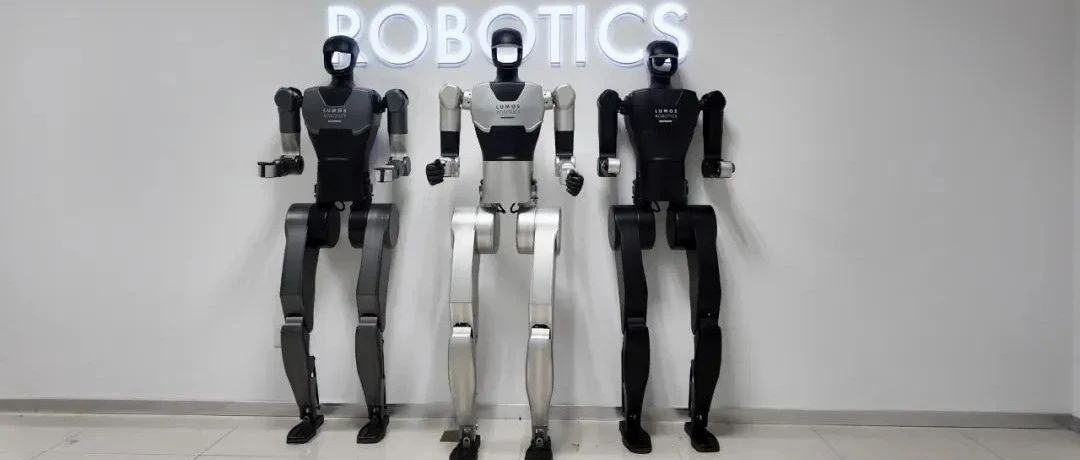
Core Viewpoint - The article highlights the recent surge in financing for humanoid robot startups, particularly focusing on Lumos Robotics, which has successfully completed multiple rounds of funding to enhance product development and industry collaboration [1][3][10]. Financing and Investment - Lumos Robotics has completed three rounds of angel financing within six months, totaling nearly 200 million yuan [3]. - The latest round of financing on May 30, 2025, was led by investors including Fosun Ruiheng and DeMa Technology, aimed at accelerating product commercialization and deepening industry partnerships [1][6]. - Previous financing rounds included investments from notable firms such as PwC Capital and SenseTime, indicating strong investor interest in the humanoid robotics sector [2][10]. Company Overview - Lumos Robotics was founded on September 6, 2024, focusing on household scenarios with products like the LUS and MOS humanoid robots, as well as core components like joint modules and sensory modules [6][12]. - The founder, Yu Chao, previously led humanoid robot initiatives at Chasing Technology and has a background in software and algorithm development for robotics [6][10]. Product Development and Market Strategy - The company launched its full-size humanoid robot LUS1 earlier this year, with plans for mass production and shipment by the end of 2025 [7][14]. - Strategic partnerships have been established with major companies in logistics and shipping, such as DeMa Technology and COSCO Shipping, to enhance product applications [7][9]. - The article discusses the potential market for humanoid robots in both consumer (ToC) and business (ToB) scenarios, emphasizing the need for effective commercialization strategies [9][18]. Industry Trends - The article notes a growing trend among major tech companies, including ByteDance and Ant Group, to invest in humanoid robotics, reflecting a broader industry shift towards integrating AI and robotics [11][12]. - The humanoid robotics sector is characterized by a complex interplay of AI, robotics, and engineering challenges, with a long development cycle anticipated for achieving significant breakthroughs [18][19].
现金流出问题?两年没有融资了!追觅管理层逆天言论:建议晚饭后继续加班
Sou Hu Cai Jing· 2025-05-30 19:22
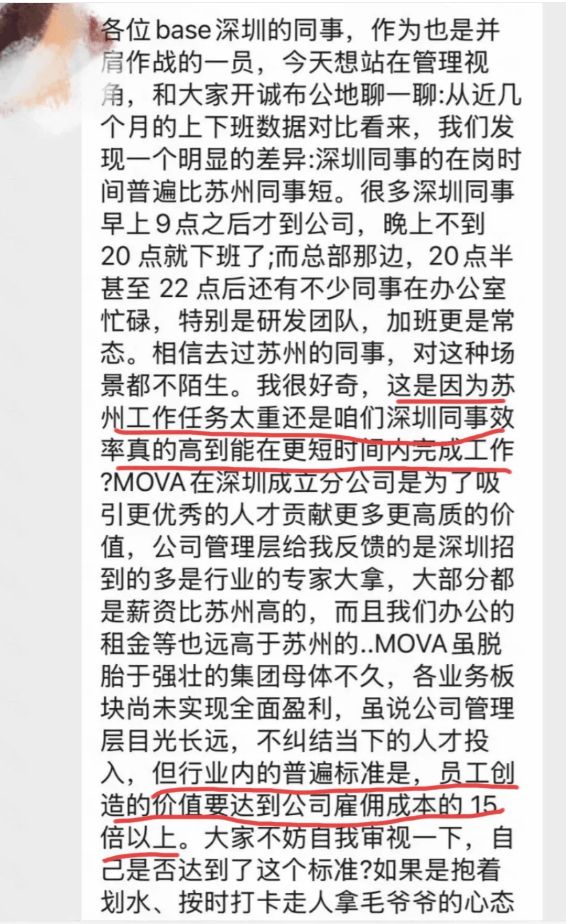
Core Viewpoint - The news highlights internal conflicts within a prominent smart home company, Chasing Technology, regarding employee work hours and management's expectations, which have sparked public backlash and concerns about the company's culture and financial stability [1][3][4]. Group 1: Employee Work Hours and Management Expectations - Management criticized employees in Shenzhen for shorter work hours compared to their counterparts in Suzhou, with Shenzhen employees reportedly leaving before 8 PM while Suzhou employees often worked until 10:30 PM or later [1][3]. - The management emphasized the importance of efficiency over mere hours worked, suggesting that employees should find a work-life balance that allows for productivity without unnecessary overtime [3][4]. Group 2: Public Reaction and Brand Image - The company's management comments led to negative public sentiment, with many users on social media calling for a boycott of the brand, labeling it as unfriendly to workers [6][4]. - There are reports of employees feeling pressured to work overtime voluntarily, with some even submitting "voluntary overtime applications" to improve their financial situations [8]. Group 3: Financial and Operational Challenges - Chasing Technology has not achieved profitability across its business segments, and there are concerns about cash flow pressures following a failed investment agreement, leading to speculation about potential salary cuts and layoffs [11]. - The company has not secured any new funding since its C+ round in May 2023, raising concerns about its financial health and ability to sustain operations in a competitive market [12][13].
50万-80万一台!第一批人形机器人“进厂”了
2 1 Shi Ji Jing Ji Bao Dao· 2025-05-30 10:16
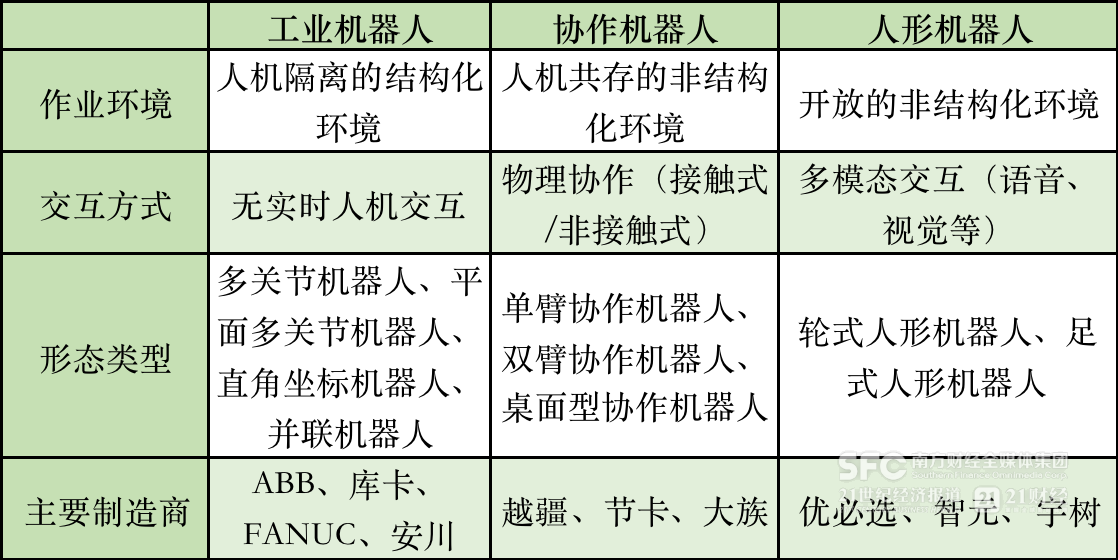
Group 1 - The core viewpoint of the articles is that humanoid robots are beginning to enter factories to perform tasks traditionally done by human workers, marking a shift in their application from research and education to industrial settings [1][5][6] - Major companies like Midea and Xiaopeng are actively developing and deploying humanoid robots for various tasks in manufacturing, indicating a growing trend in the industry [1][9] - Humanoid robots are designed to handle a wider range of tasks in diverse industrial environments compared to traditional industrial and collaborative robots, which are typically limited to specific functions [1][4][5] Group 2 - Humanoid robots are expected to complement existing industrial and collaborative robots by performing complex operations that require flexibility and adaptability in non-standardized environments [4][6][10] - The current limitations of humanoid robots include challenges in motion control, material recognition, and battery technology, which need to be addressed for effective industrial application [2][8] - The integration of humanoid robots into factory workflows is seen as a solution to labor shortages in traditional manufacturing roles, particularly in complex assembly tasks [5][9] Group 3 - Companies are exploring the use of humanoid robots in various tasks such as material handling, sorting, and packaging, particularly in automotive manufacturing [4][9] - The collaboration between humanoid robots and traditional robots can enhance operational efficiency, as demonstrated by successful trials in factories [7][9] - The economic feasibility of deploying humanoid robots in factories remains a concern, with current costs ranging from 500,000 to 1,000,000 yuan per unit, necessitating cost reductions for widespread adoption [11]
从干发工具到头皮护理,解码2025年吹风机五大发展趋势
Xi Niu Cai Jing· 2025-05-28 11:15
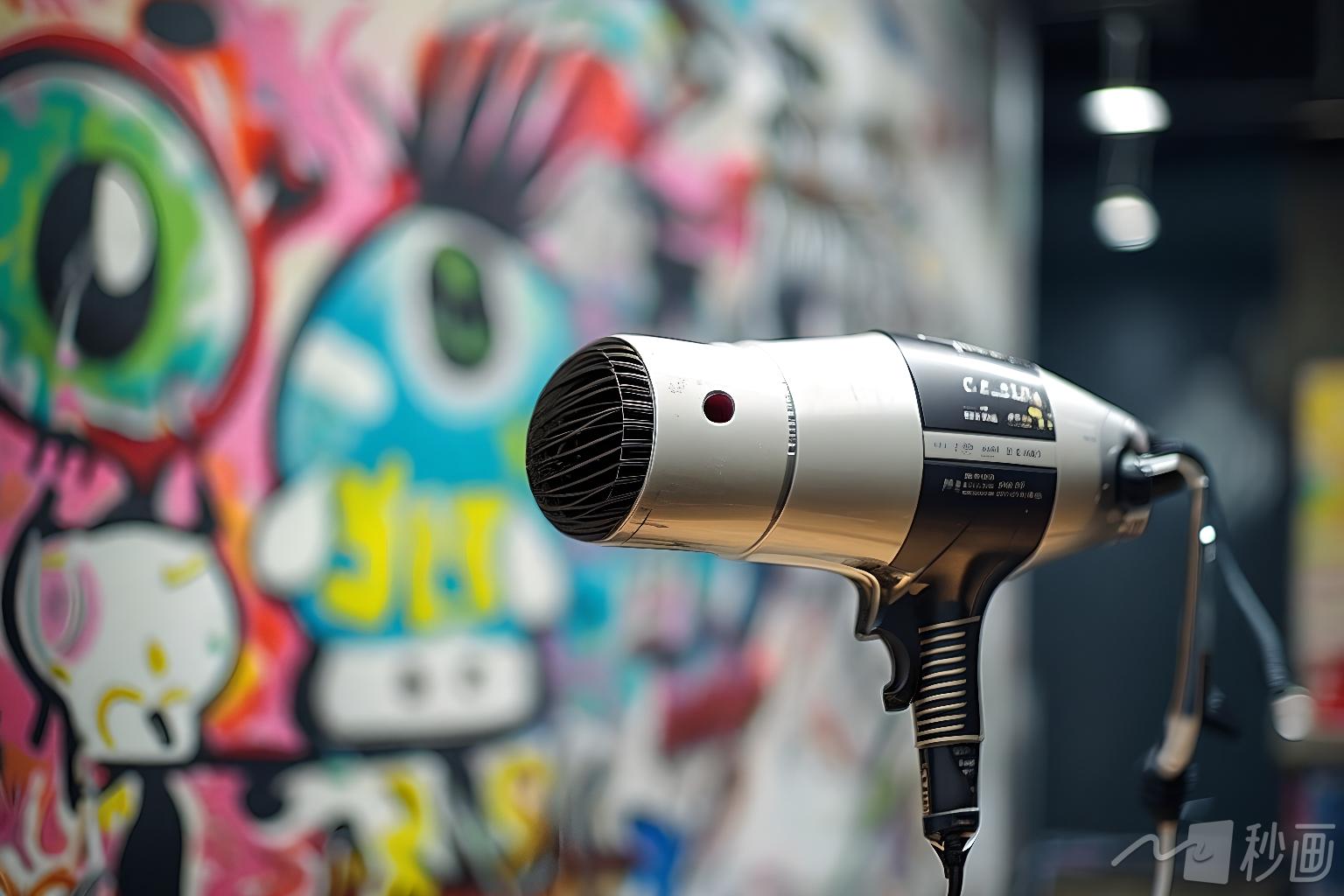
Core Insights - The hair dryer market is undergoing a transformation driven by consumer upgrades and technological advancements, with significant innovations redefining this personal care category [2][3] Market Overview - In the first three quarters of 2024, the retail sales of hair dryers in China reached 9.2 billion yuan, marking a year-on-year growth of 28.4%, with projections indicating the market size will exceed 15 billion yuan by 2029 [2] - The importance of online sales channels is increasing, with online retail accounting for 70.08% of hair dryer sales in 2024, and live e-commerce becoming a key platform for launching new products [3] Technological Innovations - Breakthroughs in high-speed motor technology are notable, such as the launch of a micro high-speed digital motor by Chasing Technology, capable of reaching 200,000 RPM, enhancing airflow significantly [2] - The introduction of various technologies, including the 4 billion high-concentration negative ions and 70 million positive ions in the Laifen Swift 4, is changing consumer perceptions of hair dryers from mere drying tools to hair and scalp care devices [3] Consumer Trends - Consumer preferences are shifting, with hair care effectiveness, drying speed, and noise control becoming the top three considerations when purchasing hair dryers by 2025 [3] - Brands are responding to these evolving consumer needs by developing more specialized features, such as Panasonic's oscillating nozzle and Dyson's 230°C heat protection [3] Industry Challenges - The industry faces issues such as the misrepresentation of technical specifications, with some brands claiming "200 million negative ions" while actual measurements fall to the million level, and a 30% deviation in temperature control accuracy [4] - Safety concerns have been raised, with 15% of low-cost products failing to meet insulation and heat resistance standards [4] - The lack of industry standards and testing frameworks is hindering healthy development despite the technological advancements and experience upgrades [4]