古茗

Search documents
新消费行业周报(2025.8.11-2025.8.15):武商WS江豚会员店开业反响热烈,老铺黄金发布提价预告-20250816
Hua Yuan Zheng Quan· 2025-08-16 13:40
Investment Rating - The industry investment rating is "Positive" (maintained) [4][31] Core Viewpoints - The report highlights the strong response to the opening of the Wushang WS Jiangtun membership store and the price increase announcement from Laopu Gold, indicating a potential surge in consumer interest [5][4] - The growth of emerging consumer goods reflects new consumption concepts among the younger generation, emphasizing the importance of understanding these narratives for capturing growth opportunities in new consumer companies [20] Summary by Relevant Sections Industry Performance - The new consumption sector showed varied performance from August 11 to August 15, with the retail index rising by 0.98% [8] Key Industry Data - In July, retail sales for gold and silver jewelry increased by 8.2% year-on-year, while cosmetics saw a 4.5% increase, indicating a positive trend in consumer spending [15][12] Investment Analysis Opinions - Recommendations include focusing on high-quality domestic brands in beauty care, such as Maogeping and Shumei, and leading brands in the gold jewelry sector like Laopu Gold and Chaohongji, which are favored by younger consumers [20]
新茶饮老板:今年的外卖大战,无人怀念
Tai Mei Ti A P P· 2025-08-16 03:09
Core Insights - The tea beverage market is experiencing significant challenges, with a high closure rate of 75% for milk tea shops in 2025, particularly affecting small and medium brands [2][12] - Despite a market size exceeding 200 billion yuan in 2025, the growth rate has sharply declined due to oversaturation and a wave of closures [2][12] - The rise of delivery platforms like JD and Meituan has intensified competition, leading to aggressive subsidy wars that impact profitability for franchise owners [5][10] Industry Overview - In 2024, nearly 127,700 new milk tea shops opened, while over 140,000 closed, resulting in a negative net increase in stores [2] - The average lifespan of a milk tea shop is only one year, with a closure rate of 70% for small brands [2] - The delivery market is becoming increasingly competitive, with platforms offering substantial subsidies to attract customers, leading to a shift in consumer behavior from dine-in to takeout [10][16] Financial Implications - Franchisees face high initial costs, including an 80,000 yuan franchise fee and additional expenses for renovations and equipment, totaling over 100,000 yuan [2][3] - The aggressive pricing strategies employed by delivery platforms result in reduced profit margins for franchise owners, often leading to losses despite high order volumes [8][12] - The cost of raw materials continues to rise, further squeezing profit margins for franchisees who are also burdened with increased labor costs due to higher order volumes [8][12] Market Dynamics - The competition among delivery platforms has led to a significant increase in order volumes, but the profitability of these orders is questionable due to high operational costs and platform fees [8][12] - Major brands benefit from economies of scale and established supply chains, allowing them to thrive in the current competitive landscape, while smaller brands struggle to keep up [13][14] - The shift towards delivery has altered consumer habits, with many customers now accustomed to lower prices, which may affect their willingness to pay higher prices for dine-in experiences in the future [14][18] Future Outlook - The industry is transitioning from a phase of capital consumption to one focused on value creation, with an emphasis on quality and health in food offerings [18] - As the subsidy wars cool down, businesses must adapt to a new reality where blind participation in price wars could lead to unsustainable practices [18][19] - The long-term success of the tea beverage market will depend on the ability of brands to build consumer trust through quality and service innovation rather than relying solely on price competition [18][19]


奶茶零食万店时代:“量产甜蜜”的代价谁买单?
华尔街见闻· 2025-08-16 01:00
Core Viewpoint - The article highlights the rapid expansion of the tea and snack industry in China, driven by low-cost, high-sugar products that pose significant health risks to consumers, particularly the youth. The phenomenon is described as a "sugar addiction economy," where the long-term health costs are often overlooked in favor of immediate consumer satisfaction and business profits [7][4][5]. Group 1: Industry Expansion and Market Dynamics - The "0 yuan purchase" subsidy war among major food delivery platforms has led to a surge in the consumption of sugary drinks, particularly among young consumers [1][2]. - Thousands of chain tea and snack stores are employing economies of scale through supply chain optimization and aggressive expansion strategies, making sugary products more accessible and affordable [2][20]. - The number of tea and snack stores has skyrocketed, with the total number of tea drink outlets reaching approximately 426,300 by mid-2025, and the market size for new-style tea drinks reaching 3,547.2 billion yuan in 2024 [18][12]. Group 2: Health Risks and Societal Impact - Excessive sugar intake is recognized as a significant health threat, leading to conditions such as insulin resistance, obesity, and chronic diseases, which could burden the healthcare system [5][70]. - The average sugar consumption from tea drinks alone could lead to an additional intake of approximately 1.3 kg of sugar per person annually, contributing to rising health issues [33][32]. - The increasing prevalence of insulin resistance and obesity among the population is alarming, with over 39.1% of adults showing signs of insulin resistance, a significant increase over the past two decades [80][82]. Group 3: Business Models and Profitability - The rapid expansion of brands like Mixue Ice City, which has over 46,479 stores and generated 24.83 billion yuan in revenue in 2024, exemplifies the success of the "ten-thousand-store economy" [12][14]. - The low initial investment and high replicability of tea and snack stores attract numerous small franchisees, further fueling the industry's growth [17][19]. - The business model relies heavily on low prices and high volume, with brands achieving significant revenue growth through aggressive store openings and supply chain efficiencies [27][28]. Group 4: Consumer Behavior and Addiction - The addictive nature of sugar is driving high-frequency consumption among young people, with many unaware of the long-term health consequences of their choices [4][6]. - The article draws parallels between sugar consumption and addiction, noting that the immediate pleasure derived from sugary products leads to a cycle of increased consumption [40][44]. - The marketing strategies of tea and snack brands often target young consumers, particularly around schools, creating a habitual consumption pattern that is difficult to break [3][59]. Group 5: Regulatory and Health Management Responses - The Chinese government is beginning to address the health implications of high sugar consumption through initiatives like the "Weight Management Year" program, aimed at raising awareness and promoting healthier lifestyles [90][91]. - There is a growing call for regulatory measures, such as sugar taxes and stricter advertising restrictions on sugary products, to mitigate the public health crisis associated with excessive sugar intake [137][138]. - The article emphasizes the need for a collective effort from society and regulatory bodies to combat the rising tide of sugar addiction and its associated health risks [153][154].


新茶饮,还有六大机会
Ge Long Hui· 2025-08-15 05:39
出品/茶咖观察 作者/刘淑娟 编辑/蒙嘉怡 近年来,新茶饮行业在高速扩张后进入深度调整期。 叠加持续的价格战,单店GMV普遍承压,加盟商盈利空间被大幅压缩,生存挑战尤为突出,行业急需寻找新的增长引擎。 在新茶饮行业陷入"存量竞争"困境的背景下,8月8日,壹览商业&茶咖观察创始人杨宇在第65届中国特许加盟新风向论坛上提出,品牌与加盟商破局的关键 在于重构思维与能力,并系统性地阐述了新茶饮的六大核心机会方向。 壹览商业是专注于消费+科技的综合性研究及服务机构聚焦消费互联网、零售渠道、品牌营销、数字经济、人工智能、智能制造等细分领域。自2021年创办 以来,已积累100万+全网粉丝,月传播量1000万+,覆盖企业数1000+;茶咖观察为其旗下品牌,聚焦于茶饮咖啡行业的深度调研。 以下是壹览商业&茶咖观察创始人杨宇的演讲全文(经茶咖观察编辑,有删减): 大家好!我是壹览商业和茶咖观察的创始人杨宇,感谢主办方的邀请。 大约一个月前,主办方联系我希望在本次活动上发言。作为行业观察者,我们一直在思考:在当下的茶饮行业,应该分享哪些有价值的内容? 基于这些沟通,我们总结了今年以来行业的核心特性,以新茶饮行业的"6大机会洞察" ...


秋冬大热门,古茗、茉莉奶白都在推,“咸酪”热度还在飙升
3 6 Ke· 2025-08-15 03:00
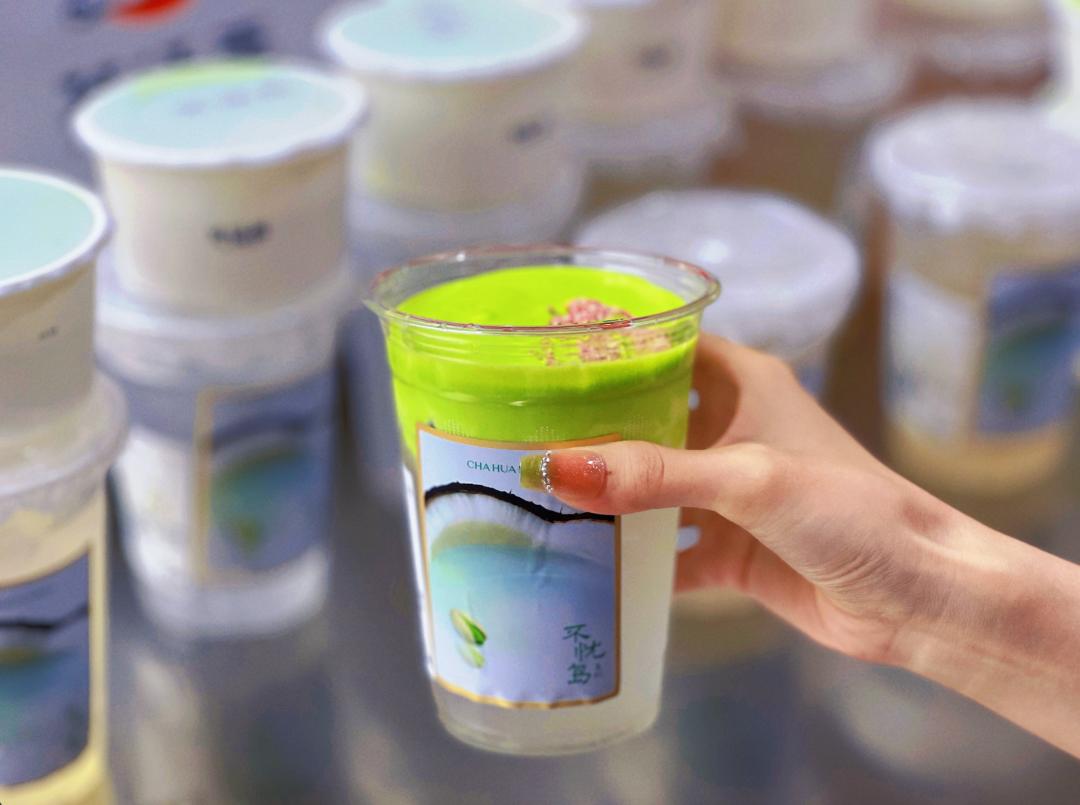
从春夏火到秋冬,今年以来,酪味饮品的含金量持续走高。 刚进入8月,古茗、7分甜、茉莉奶白、茶话弄、柠季、乐乐茶等品牌就扎堆上新,从"云朵盐水鸭"的咸香奶盖,到"咸法酪泰奶维也纳"的异域碰撞,再到 马斯卡彭系列的创意融合,一款接一款。 多位资深研发也看好这波"浓郁"风潮。品牌如何趁势上新? 喜茶、古茗、茉莉奶白,一线品牌集体推"酪味饮品" 进入8月,茶饮市场掀起了新一轮的酪味饮品热潮。 8月1日,古茗推出"云朵盐水鸭",选用潮州乌龙打底,融入茶卡湖盐糖浆,搭配现打咸芝士奶盖,咸甜交织的风味让不少网友"爱到上头"。 同日,乐乐茶上线"黑糖泰奶碎碎冰""咸法酪泰奶维也纳",泰式茶底与酪乳的巧妙碰撞,迅速吸引了消费者的关注。 紧接着,8月5日,茶话弄的椰子冰茶系列,以香水椰为基底,搭配开心果干酪奶盖,清甜与浓郁交织,带来全新口感体验。 而在立秋当天,各大品牌纷纷用酪味打响"秋一杯"。7分甜的"红苹果茉莉"、茉莉奶白的"针王葡萄咸酪乳"、柠季的"泰式咸法酪"、东方栀子的马斯卡彭 系列齐齐亮相,进一步推高酪味饮品热度。 其实,这股风潮从夏季就开始了: 5月19日,喜茶推出的"芝士咸酪藏茶"多地断货,紧接着不到一个月,又推 ...
蒙牛特仑苏,重点产品降价了丨消费参考
2 1 Shi Ji Jing Ji Bao Dao· 2025-08-15 02:55
Group 1 - Mengniu's core high-end brand, Telunsu, has decided to reduce prices on some products, with the "Desert Organic Milk" dropping from 118 yuan to 99 yuan per box, a decrease of 16% [1] - Telunsu's annual sales have surpassed 30 billion yuan, indicating its significance to Mengniu's overall strategy [1] - In 2024, Mengniu's revenue was 88.6748 billion yuan, a year-on-year decline of 10.1%, with net profit dropping by 97.8% to 104.5 million yuan [2] Group 2 - The overall demand in the dairy industry is declining, with a 2.7% year-on-year drop in total sales in 2024 according to Nielsen IQ [3] - The Chinese dairy industry is facing significant pressure, with companies producing excess industrial milk powder leading to increased inventory and losses of 10,000 to 20,000 yuan per ton sold [3] - The dairy price war is intensifying, particularly affecting high-end milk sources like Telunsu, which are under greater pressure due to higher costs [4] Group 3 - Despite the price cuts, Telunsu is also focusing on product upgrades, recently launching a premium product priced at 188 yuan [5] - The effectiveness of these price reductions as a brand defense strategy remains uncertain [6]
古茗(01364.HK)拟8月26日举行董事会会议批准中期业绩
Ge Long Hui· 2025-08-14 09:45
Group 1 - The company, Gu Ming (01364.HK), has announced a board meeting scheduled for August 26, 2025, to consider and approve its interim results for the six months ending June 30, 2025 [1]
古茗(01364) - 董事会会议召开日期
2025-08-14 09:40
香港交易及結算所有限公司及香港聯合交易所有限公司對本公告的內容概不 負 責,對 其 準 確 性 或 完 整 性 亦 不 發 表 任 何 聲 明,並 明 確 表 示,概 不 對 因 本 公 告 全部或任何部分內容而產生或因倚賴該等內容而引致的任何損失承擔任何責 任。 Guming Holdings Limited 古茗控股有限公司 (於 開 曼 群 島 註 冊 成 立 的 有 限 公 司) (股份代號:01364) 董事會會議召開日期 古茗控股有限公司(「本公司」,連 同 其 附 屬 公 司,統 稱「本集團」)董事會(「董 事 會」)茲通告謹定於2025年8月26日(星 期 二)舉 行 董 事 會 會 議,其 中 議 程 包 括 考 慮 及通過本集團截至2025年6月30日 止 六 個 月 的 中 期 業 績 及 其 刊 發。 承董事會命 古茗控股有限公司 董事會主席 王雲安先生 香 港,2025年8月14日 於 本 公 告 日 期,董 事 會 包 括(i)執 行 董 事 王 雲 安 先 生、戚 俠 先 生、阮 修 迪 先 生、 金 雅 玉 女 士 及 蔡 雲 江 先 生;(ii)非 執 行 董 事 黃 垚 鑫 ...
日均上新1.4款,茶饮品牌们7月都在推什么?
3 6 Ke· 2025-08-14 02:44
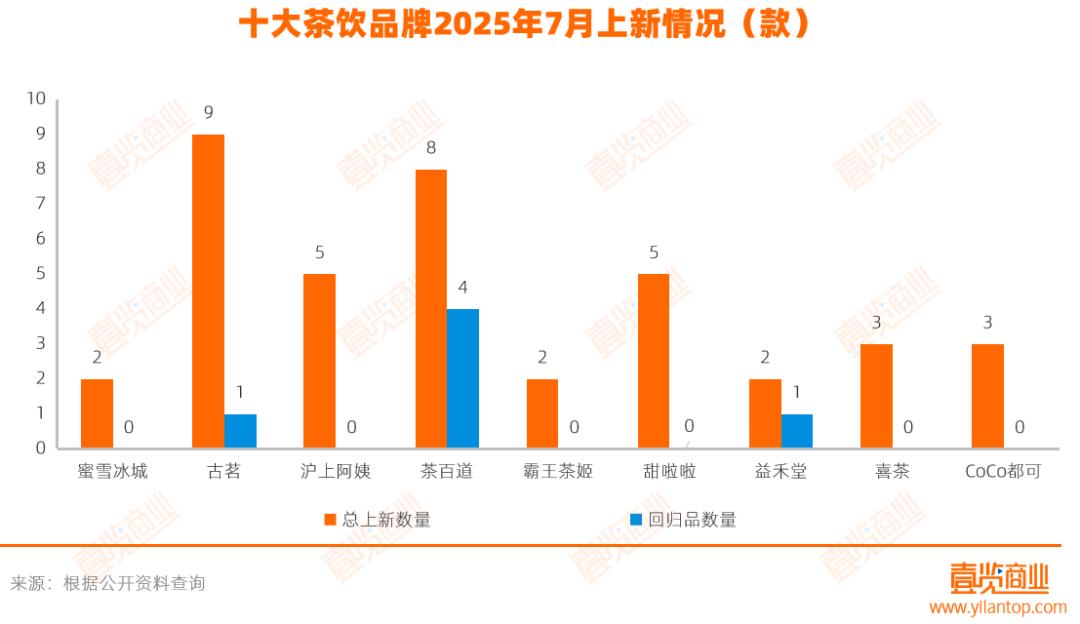
Core Insights - The tea beverage industry is entering its peak consumption season in summer 2025, with a focus on product innovation and seasonal adaptation to meet consumer demand [1][20]. Product Launches - In July 2025, the top ten tea brands launched a total of 43 new products, averaging 1.4 new products per day, with a slight decrease from June [2][19]. - The leading brand, Gu Ming, introduced 8 new products, while Cha Bai Dao followed with 4 new products and 4 returning items [2][19]. - The trend of returning products included 3 classic summer limited editions and 3 upgraded versions of existing products [5][11]. Seasonal Trends - The new product categories in July were driven by seasonal and market demands, with fruit tea, light milk tea, and fruit-vegetable tea making up 73.7% of the offerings [6][19]. - Fruit tea was the most launched category with 13 new products, while fruit-vegetable tea saw a significant increase from 1 to 8 new products, indicating a strong focus on health [9][19]. Ingredient Usage - Jasmine tea was the most commonly used tea base, appearing in 20 products, with 15 of those featuring jasmine specifically [15][12]. - Cow's milk remained the primary dairy base, used in 7 products, while coconut milk and other specialty bases were used in smaller quantities [16][12]. - A total of 30 different fruits were used in new products, with lemon being the most prevalent, appearing in 14 products [19][12]. Market Dynamics - The overall product launch frequency remained consistent, with brands strategically timing releases to maximize consumer engagement and sales [5][20]. - The focus on health and refreshing flavors aligns with consumer preferences during the hot summer months, driving innovation in product offerings [19][20].
累计卖3800万杯!轻养生趋势崛起
Sou Hu Cai Jing· 2025-08-13 17:34
Core Insights - The popularity of rice wine has surged recently, with various brands launching innovative products that quickly become bestsellers, indicating a strong market trend [2][9] - The article identifies four key opportunities for rice wine products in the current market [9][21] Brand Developments - Popular brands like BaWang Tea Ji and Ye Ye Bu Pao Cha have introduced new rice wine products, achieving significant sales milestones, such as Ye Ye Bu Pao Cha's 38 million cups sold [3][8] - Specialty stores focusing on rice wine, such as "Yi Gu San Niang" and "Wang Wai Wai," are also experiencing rapid growth, with some opening over 280 chain stores [2][8] Market Trends - The rise of health-conscious consumption has led to a growing interest in rice wine, which is perceived as a low-calorie and nourishing beverage, appealing particularly to younger consumers [10][21] - The unique texture of rice wine, providing a "chewing sensation," differentiates it from traditional beverages and enhances consumer experience [12][14] Product Innovation - Rice wine can be used in both hot and cold beverages, showcasing its versatility and aesthetic appeal, which is crucial for attracting consumers [16][17] - The introduction of products like the purple crystal brown rice wine not only adds visual appeal but also aligns with consumer expectations for natural ingredients [17][19] Cultural Significance - Rice wine serves as a medium to tell "Chinese stories," with various regional recipes contributing to its cultural richness, making it a compelling product in the beverage market [19][21] - Companies like Mi Po Po leverage traditional brewing techniques combined with modern technology to create innovative products that resonate with contemporary consumers [21]