奔驰

Search documents
欧洲现在为何彻底成了砧板上的肉了?
Sou Hu Cai Jing· 2025-09-13 15:26
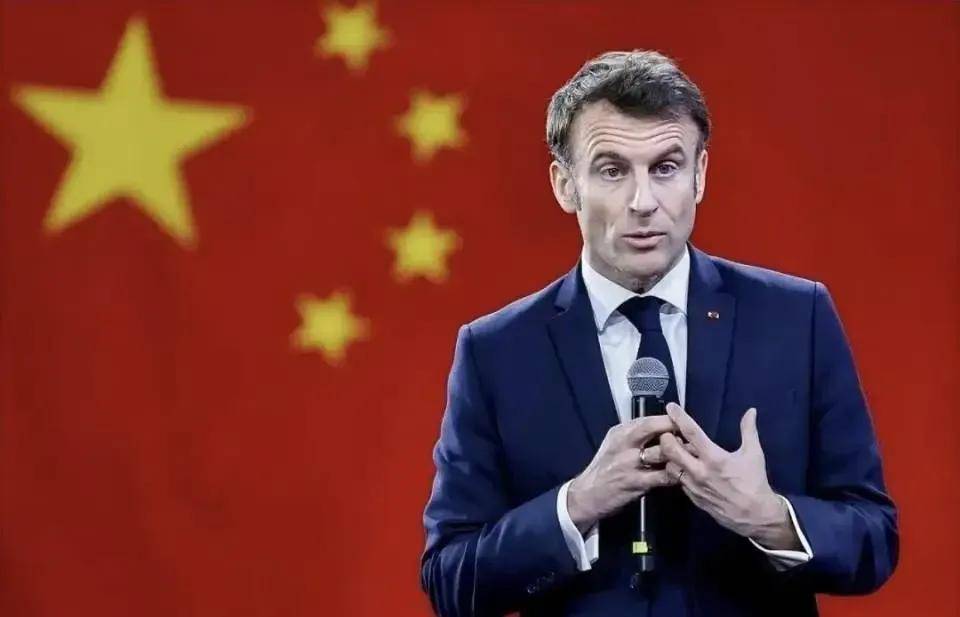
Group 1 - The article discusses the deteriorating relationship between China and Europe, highlighting that Europe has lost significant opportunities in the current geopolitical landscape [1][12] - It mentions the visit of French President Macron to China in April 2023, where he aimed to strengthen ties but faced challenges in leading Europe independently from the US [3][4] - The article points out that Germany, Italy, and the Netherlands have been pressured by the US, while France is positioned as a potential leader in Europe [6] Group 2 - Chinese automotive companies, particularly BYD, are experiencing significant growth, with sales expected to double in 2024, while Tesla is exporting vehicles to Europe, impacting traditional European brands like BMW and Mercedes [7][9] - BYD is also establishing a factory in Hungary, indicating a strategic move to penetrate the European market further [9] - The article highlights the ongoing trade tensions, with Europe investigating Chinese electric vehicles for anti-subsidy practices, while China retaliates with tariffs on European products [10][11] Group 3 - The article emphasizes China's dominance in rare earth materials, controlling over 60% of global mining and 87% of processing, making it difficult for Europe to reduce dependency [11] - It discusses the high energy costs in Europe, particularly in Germany, which are significantly higher than in China, contributing to the decline of European industries [12] - The overall sentiment is that Europe is in a precarious position, facing economic challenges and losing competitiveness against China in key sectors like automotive and manufacturing [12]

慕尼黑车展观察|BBA困于“昂贵”,中国车企“平价”猛攻
高工锂电· 2025-09-13 09:52
Core Viewpoint - The 2025 Munich IAA Auto Show marks a significant turning point in the global automotive industry's transition to electric vehicles, highlighting the tension between traditional European automakers and the aggressive strategies of Chinese manufacturers [1][2][18]. Group 1: European Automakers' Challenges - European automakers face a complex dilemma of slow transition and high costs, with electric vehicle prices remaining high and manufacturing costs, particularly for batteries, difficult to reduce quickly [19][33]. - The European Automobile Manufacturers Association (ACEA) warns that mandatory electric vehicle transitions could lead to a hollowing out of the supply chain, potentially impacting over 800,000 jobs [4][5]. - The shift to electric vehicles is complicated by a lack of charging infrastructure and consumer anxiety over range, which may drive consumers to purchase more fuel vehicles before the 2035 ban on combustion engines [6][27]. Group 2: Competitive Landscape - Traditional giants like BBA (BMW, Benz, Audi) are experiencing pressure from both internal and external competition, particularly from rapidly advancing Chinese electric vehicle manufacturers [7][9]. - Data shows that LGES remains the largest battery supplier for Volkswagen, providing 14.8 GWh of batteries, while Panasonic and SK On also have significant supply agreements with major automakers [11][12][13]. - A complex competitive landscape is emerging, with Japanese and Korean battery manufacturers holding significant existing and new orders, while Chinese companies are still establishing their foothold [17]. Group 3: Strategic Responses - Volkswagen is actively responding to market pressures by showcasing new entry-level electric vehicles at the IAA, aiming for a 70% share of electric vehicles in Europe by 2030 and investing €20 billion in battery factories [23][21]. - Mercedes-Benz is reevaluating its luxury strategy due to a 56% drop in profits, indicating a need to balance market share and cash flow while investing in various drive technologies [26][27]. - BMW is focusing on technological advancements with its "Neue Klasse" platform, investing over €10 billion to enhance its competitive edge in the electric vehicle market [28][31]. Group 4: Chinese Manufacturers' Strategies - Chinese brands are making unprecedented inroads into the European market, with a record 5.7% market share in the UK and Europe, and 10.7% in the electric vehicle segment [35][36]. - BYD is implementing a differentiated strategy in Europe, targeting both high-end and budget segments while committing to local production in Hungary and Turkey [40][41][42]. - Other Chinese manufacturers, such as Leap Motor and GAC, are also establishing local production and distribution networks, indicating a broad and deep penetration strategy in the European market [44][45].

汽车消费遇上补贴耗尽,我们怎么办
汽车商业评论· 2025-09-12 23:08
Core Viewpoint - The sudden suspension of the vehicle replacement subsidy policy in Guangzhou has caused significant concern among car owners and potential buyers, highlighting the volatility of subsidy policies and their impact on consumer behavior and the automotive market [3][5][11]. Group 1: Policy Changes and Impacts - Guangzhou's announcement to suspend the vehicle replacement subsidy with no buffer period has led to anxiety among car owners who have already purchased new vehicles but have not sold their old ones [3][5]. - Consumers who obtained invoices for both new and old vehicles before August 29 are still eligible for subsidies, but the specific timeline for applications remains uncertain [5][11]. - The suspension of subsidies is attributed to the depletion of the funding pool, which is primarily sourced from central and local government finances [5][11]. Group 2: Consumer Behavior - The uncertainty surrounding subsidy approvals has led to a split among consumers, with some eager to submit applications while others adopt a wait-and-see approach due to fears of policy changes [6][10]. - The reduction or elimination of subsidies has made consumers, especially in lower-tier cities, more cautious about purchasing decisions, as they are sensitive to price changes [9][10]. Group 3: Regional Variations in Subsidy Policies - Since May 2025, multiple regions have tightened their subsidy policies, with at least six provinces and around 30 cities halting vehicle replacement subsidies [11][12]. - The types of suspensions vary, with some regions experiencing complete cessation of funding while others have temporarily paused and then resumed their subsidy programs [12][14]. - The "coupon" model for subsidies has emerged in some areas, allowing consumers to claim subsidies in a more controlled manner, which aims to prevent fraudulent claims [15]. Group 4: Market Effects - The tightening of subsidy policies has negatively impacted over 75% of automotive dealerships, with many reporting significant declines in sales [18][19]. - The inventory warning index for dealerships has risen, indicating growing concerns about stock levels and sales performance [19]. - Automotive manufacturers are also feeling the pressure, as reduced subsidies are squeezing profit margins, leading to increased competition and the need for strategic adjustments [19][20].


各大车展难觅身影,外资豪车“失宠”?
Qi Lu Wan Bao· 2025-09-12 10:40
Core Insights - The absence of foreign luxury car brands at major auto shows in China signals a significant shift in the automotive market, particularly as domestic electric vehicles (EVs) gain popularity [2][4][6] - Sales and profits for foreign luxury brands have plummeted, with notable declines in retail volumes and market share [2][3][5] Group 1: Market Trends - In July 2025, luxury car retail volume dropped to 170,000 units, a year-on-year decrease of 20%, with market share shrinking to 9.3% [2] - Specific brands faced severe declines: Porsche's sales fell by 28%, Maserati's by 58%, and the BBA brands (Benz, BMW, Audi) saw declines of 37.2%, 26.6%, and 21.7% respectively [2] Group 2: Cost and Profitability - Participation in auto shows incurs high costs, with expenses reaching millions, leading dealers to reconsider their marketing strategies amid declining sales and profits [3] - The luxury car market's profit margins have diminished significantly, prompting brands to engage in price wars to maintain market presence [4][5] Group 3: Consumer Behavior - The rise of affordable luxury vehicles has altered consumer perceptions, with many now viewing luxury cars as more accessible, leading to a shift in purchasing behavior [4] - Consumers are increasingly favoring second-hand vehicles over new luxury cars due to concerns over depreciation and value retention [5][6] Group 4: Competitive Landscape - Foreign luxury brands are struggling to compete with domestic EVs, which offer better value and faster product updates [6][7] - The market dynamics are shifting, with consumers becoming more rational and demanding better product experiences, which foreign brands have been slow to adapt to [6][7] Group 5: Future Outlook - The absence of luxury brands from auto shows does not indicate a complete withdrawal from the Chinese market but rather a necessary adaptation to new market conditions [7] - To survive, luxury brands must focus on enhancing product-market fit and accelerating technological advancements rather than engaging in price competition [7]
30+企业公布固态电池新动态
DT新材料· 2025-09-11 16:04
Core Viewpoint - The solid-state battery sector is experiencing significant advancements and increased trading activity, with daily transaction volumes exceeding 100 billion since September. The industry is moving closer to commercialization, driven by technological breakthroughs and strong demand from various sectors such as electric vehicles and robotics [3][15]. Group 1: Automotive Companies - Automotive manufacturers are accelerating their solid-state battery development through testing, partnerships, and investments. Several models equipped with solid-state batteries are in the "real vehicle verification" stage [3]. - Weichai Power announced on September 10 that it is developing a 60Ah sulfide all-solid-state battery, aiming for low-cost sulfide solid electrolyte materials [3]. - Mercedes-Benz's EQS test vehicle achieved a groundbreaking range of 1342 kilometers, with battery cells supplied by Factorial Energy and developed in collaboration with the UK’s Bricksworth F1 Technology Center [4]. - Volkswagen launched its first solid-state battery test vehicle on September 8, based on the Ducati V21L MotoE racer, and plans to achieve mass production by 2030 [4]. Group 2: Battery Companies - Battery companies are diversifying their technological approaches, with multiple pathways such as sulfide, oxide, and polymer solid-state batteries being explored. Some companies have begun small-scale production and are rapidly establishing pilot and mass production lines [6]. - Ionic Energy started construction on a solid-state battery materials R&D and testing facility in Wuhan, which will include a 0.2GWh pilot line [6]. - Ganfeng Lithium reported advancements in solid-state battery R&D, achieving energy densities of 420Wh/kg and successfully passing safety tests [7]. Group 3: Materials and Equipment Companies - The success of solid-state batteries relies on advancements in materials and equipment. Recent breakthroughs in electrolyte, anode materials, and production equipment are paving the way for industrialization [11]. - Dao Technology signed an investment agreement for a 1000-ton silicon-carbon anode project, with plans to expand capacity [12]. - Titan Holdings announced the establishment of a subsidiary focused on solid-state battery electrolyte R&D and production [14]. Group 4: Industry Commercialization Timeline - The solid-state battery industry is still maturing, with significant challenges remaining before full commercialization. The year 2027 is highlighted as a critical point for validating the solid-state battery supply chain, with several companies aiming for small-scale production by then [15][16].
每日速递|京山轻机再获锂电龙头10亿元设备订单
高工锂电· 2025-09-11 10:40
Battery - CATL plans to expand its production capacity by 80GWh for high-performance lithium batteries, with an expected annual output value exceeding 40 billion yuan upon reaching full capacity by June 2026 [2] - A Mercedes-Benz EQS equipped with a solid-state battery prototype completed a test drive of 1205 kilometers without recharging, showcasing a 73.38% increase in range compared to the current lithium-ion version [3] Materials - Amperex Technology Co., Ltd. intends to raise up to 980 million yuan through a private placement to fund a project for producing 30,000 tons of lithium-ion battery cathode materials and to supplement working capital [5] Equipment - Jingshan Light Machinery secured a procurement order worth approximately 1.005 billion yuan for lithium battery production lines from a leading lithium battery company [7] Overseas - ISU Group from South Korea announced the construction of a lithium sulfide production line with an investment of about 436 million yuan, aiming for an initial capacity of 150 tons, expandable to 500 tons [8] - ExxonMobil is accelerating its entry into the battery anode market by acquiring assets and technology from Superior Graphite, anticipating increased demand for higher-performance graphite materials [9][10]

慕尼黑国际车展开幕中国展商数量逾百家
Qi Lu Wan Bao· 2025-09-11 09:49
Core Insights - The 2025 International Motor Show and Smart Mobility Expo in Germany opened in Munich, focusing on electric vehicles, smart driving, and "software-defined vehicles" as key areas of innovation [1] - The event attracted approximately 750 exhibitors from over 30 countries and regions, with more than 55% of international exhibitors, marking a record high [1] - Chinese exhibitors continued to show growth, with 116 companies participating, leading among international exhibitors [1]
绿牌BBA大溃败
投资界· 2025-09-11 08:44
Core Viewpoint - The article discusses the decline of traditional luxury car brands BBA (BMW, Benz, Audi) in the Chinese market, particularly in the context of the rising competition from domestic electric vehicle manufacturers. It highlights the challenges BBA faces in adapting to the new energy vehicle (NEV) landscape and the consequences of their strategies. Group 1: Market Position and Performance - BBA has historically dominated the global luxury car market, holding over 70% of the market share in the segment of vehicles priced above 500,000 yuan as of 2023 [10] - However, their market share has rapidly declined to approximately 50% due to the emergence of popular Chinese models like the AITO M9 [10] - In 2022, BBA's global sales totaled 6.1054 million units, a decrease of nearly one million units compared to the previous year [10] Group 2: Product Strategy and Consumer Perception - BBA's approach to NEVs has been criticized for relying on "oil-to-electric" conversions, which do not meet consumer expectations for performance and efficiency [12] - The article notes that BBA's vehicles often sacrifice space and performance, leading to negative consumer feedback, such as the perception of paying for a brand rather than quality [14][15] - The use of outdated technology in BBA's NEVs, such as the Audi Q4 e-tron utilizing older platforms, has further alienated consumers [11] Group 3: Investment and R&D Challenges - BBA's investment in NEV development is significantly lower compared to Chinese competitors, with companies like BYD investing over 180 billion yuan in R&D since 2015 [14] - The article highlights that BBA's reluctance to fully commit to electric vehicle development stems from their established supply chain relationships and the desire to maintain profits from traditional fuel vehicles [20] - BBA's leadership has shown hesitation in fully transitioning to electric vehicles, with statements indicating a preference for gradual integration rather than a complete overhaul [18][19] Group 4: Competitive Landscape - The article emphasizes that BBA's traditional strategies are ineffective against the rapid advancements of Chinese automakers, which are more agile and innovative in the NEV space [12][21] - The competitive pressure from domestic brands has forced BBA to engage in price wars, which have eroded their profit margins [10] - The article concludes that BBA's failure to adapt to the changing market dynamics may lead to a further loss of consumer trust and market share [21]

慕尼黑车展丨中德电动化同台竞技,三大细节揭示中国汽车出海方向
Guan Cha Zhe Wang· 2025-09-11 06:57
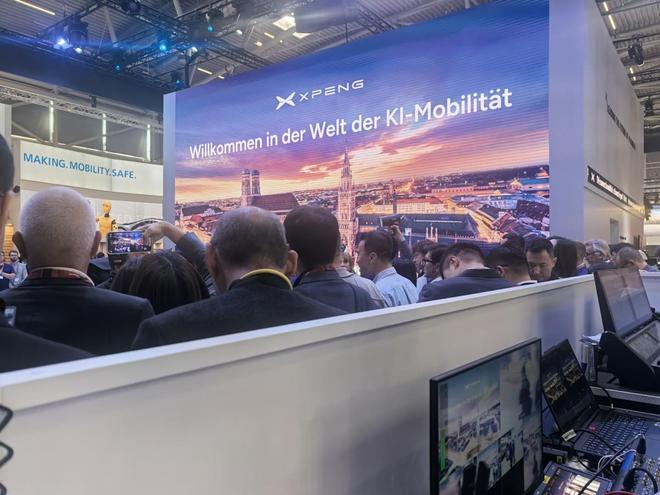
Core Insights - The shift of Chinese automakers towards electrification has raised questions about the competitive landscape with foreign automakers, especially as they ramp up their electric vehicle (EV) efforts [1] - Chinese brands are gaining significant attention from overseas users due to their design and technological capabilities, while joint venture companies are redefining their value in the process of electrification [1][4] - The global automotive market is undergoing a transformation, with Chinese brands increasingly participating in international exhibitions like the Munich Auto Show [1][2] Group 1: Chinese Automakers' Presence - The number of Chinese exhibitors at the Munich Auto Show has significantly increased, with media and public interest in their displays [2][4] - Companies like BYD and Xpeng are no longer newcomers in overseas markets, attracting considerable attention with innovative products and concepts [4][5] - The focus on design has become crucial for Chinese automakers to appeal to European consumers, who prioritize aesthetics alongside technology [5][9] Group 2: Design and Brand Positioning - Chinese brands are emphasizing design to convey value, as seen with Avita's global emotional intelligence concept car, which focuses on establishing a brand image in Europe [7][9] - Xpeng is reinforcing its identity as an AI-centric automotive company through a combination of land and air vehicles and robotics [9][21] - The shift in positioning for brands like Leap Motor, which aims to appeal to urban youth, reflects a broader trend of localization in branding strategies [7][9] Group 3: Standardization and Collaboration - Standardization is a key focus for European automakers, with companies like Mercedes and BMW emphasizing consistency in quality and design across their product lines [19][22] - Collaborations between Chinese automakers and established European brands are seen as essential for understanding local market needs and enhancing product offerings [21][24] - The rigorous standards set by European manufacturers for their supply chains highlight the importance of quality control and long-term partnerships [24][27] Group 4: Market Adaptation and Future Strategies - Chinese automakers are increasingly adopting localized strategies, with companies like BYD and Chery emphasizing their commitment to European consumer needs [28][30] - The ability to integrate Chinese design and technology with local standards and cultural preferences is crucial for the long-term success of Chinese brands in Europe [30][32] - The experience of companies like Toyota in adapting to European markets serves as a lesson for Chinese automakers in developing differentiated products that resonate with local consumers [32]


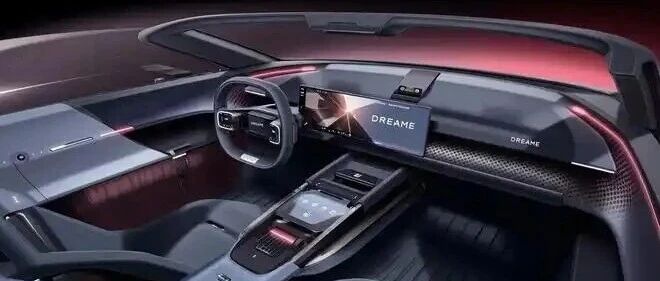
曝追觅汽车首款车型渲染图神似布加迪,样车年底CES首发;高德奇袭美团,直接对标大众点评,重启榜单业务;影视飓风再给员工送苹果17
雷峰网· 2025-09-11 00:25
Group 1 - Gaode has launched a new ranking service called "Gaode Street Ranking," focusing on food, hotels, and scenic spots, directly competing with Meituan's Dianping [3][4] - The new ranking service is supported by Alibaba's senior management, with a particular interest from Jack Ma, indicating strong internal collaboration [3][4] - The ranking system aims to build a credible offline service credit system using user behavior and credit scores, differentiating itself from Meituan [3][4] Group 2 - Yushu Technology has denied rumors of seeking a 50 billion RMB IPO valuation, stating that no discussions have taken place regarding this matter [7] - The company has initiated a listing counseling process with CITIC Securities, with plans to submit an IPO application between October and December [7] - Yushu Technology's founder holds approximately 34.76% of the voting rights, indicating significant control over the company [7] Group 3 - Li Xiang, CEO of Ideal Auto, emphasizes the importance of passion for cars over purely commercial interests, stating that one should not only focus on profit [8] - He recently shared his experiences with various car models and expressed excitement about the upcoming launch of the Ideal i6 [8] Group 4 - Chasing Technology has announced its first car model, which resembles Bugatti, set to debut at CES by the end of the year [9] - The company is establishing a factory in Berlin, Germany, to support its automotive ambitions and plans to collaborate with BNP Paribas for global market entry [9] Group 5 - Cloud Whale has achieved strong performance in the global market, ranking fifth in the global vacuum robot market with an 8.5% market share by Q2 2025 [12] - The company has seen significant growth in various regions, including a 50% increase in Europe and over 200% in emerging markets [12] Group 6 - FF has regained its listing status after completing compliance requirements, with CEO Jia Yueting increasing his stake in the company by approximately $56,000 [17] - Jia's recent stock purchases total around $180,000 over the past month, indicating his commitment to the company's future [17] Group 7 - NIO has announced a public offering of up to 181,818,190 Class A ordinary shares to raise funds for core technology development and expand its charging network [21] - The funds raised will enhance the company's financial strength and support long-term development initiatives [21]