华硕

Search documents
飞荣达:公司目前散热产品包含TIM材料及各类散热器、风扇、VC、3D VC散热器等
Zheng Quan Ri Bao Zhi Sheng· 2026-02-27 14:13
证券日报网2月27日讯 ,飞荣达在接受调研者提问时表示,飞荣达是在热管理领域深耕多年的企业,公 司目前散热产品包含TIM材料及各类散热器、风扇、VC、3DVC散热器、冷板、单相液冷冷板模组、两 相液冷冷板模组、流量控制仪、CDU等,公司产品已广泛应用与智能手机、笔记本、平板、通信领 域、新能源以及服务器与数据中心领域,可满足不同客户对散热性能和应用场景的需求,部分产品已实 现批量交付,并得到客户的一致认可。公司借助自身在热管理领域的经验与优势,在液冷领域布局较 早,目前已构建起较强的液冷产品设计、制造和测试能力,对应的客户群体不断增加,公司经过多年技 术积累和产品迭代,公司多项相关产品已具有领先优势,可为客户提供材料、液冷模组及配套组件的完 整液冷系统的解决方案,产品散热效率、可靠性和集成度,以及公司高效得响应速度与服务品质,得到 了行业头部客户的认可。客户目前包括H公司、中兴、思科、浪潮、大唐移动、烽火超微、新华三、超 聚变、联想、纬创、纬颖、仁宝、华硕等其他重要客户,公司目前也在积极和行业内其他重要客户进行 接触沟通。公司也在积极顺应AI算力发展对液冷技术的需求增长趋势,将液冷业务作为重点发展方 向,积极 ...

魅族出局了,手机小厂加速大逃亡
Xin Lang Cai Jing· 2026-02-27 10:11
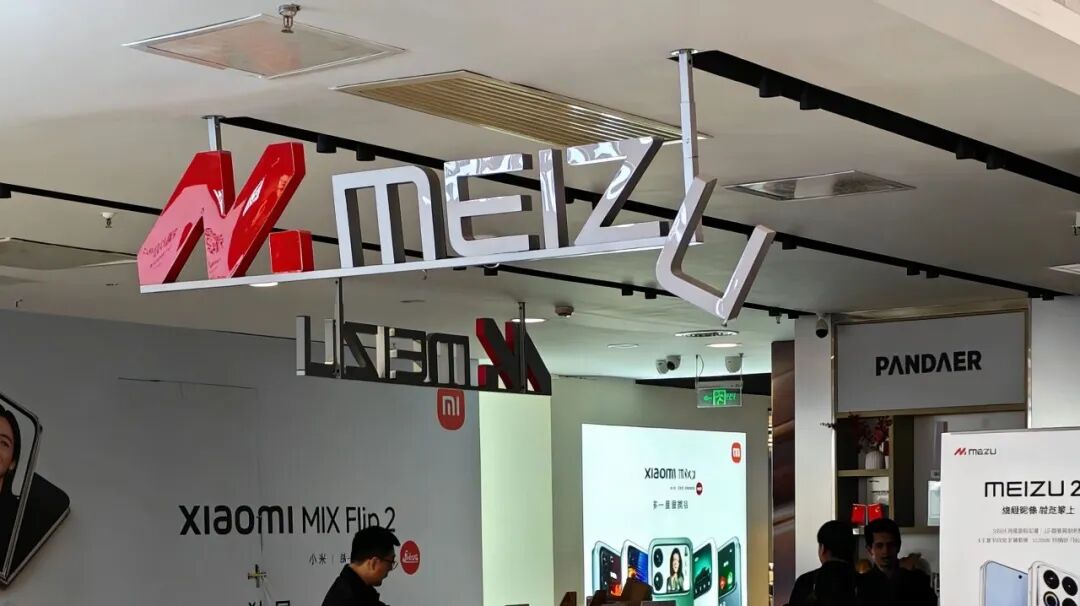
(来源:科技头版) 时代抛弃你的时候,连声招呼都不会打。 出品 | 科技头版 作者 | 宋辉 4年前,魅族被吉利旗下星纪时代收入囊中。有了这棵大树靠着,时任魅族CEO的沈子瑜曾在2023年放出豪言:"三年内,重回国内中高端市场TOP 5"。 然而,三年之期已到,大家等来的不是王者归来,而是退市的消息。 这一退,像是在给一个时代画上句号。那个曾经喊着"小而美"的魅族,在血雨腥风的市场里,终究还是没能扛住。 魅族退市 其实有关魅族退市的消息早在今年一月就有传闻。 当时,魅族科技在成都举行了一场2026魅友新春年会。会上,星纪魅族中国区CMO万志强宣布取消魅族22 Air 上市计划,理由是内存价格大幅度上涨。 :快科技 这话一出,市场对其手机业务出现了担忧情绪。不过,官方也留了个话头,说会全力打造魅族23,算是给大家吃了颗定心丸。 到了二月份,有消息透露魅族正在清退外包团队,而魅族现有人力在外包撤场后难以支持魅族23项目的继续研发。 一时间,猜疑四起,昨天,各大官媒在晚间正式发布"魅族退市"的消息,坐实了传闻。 消息称,魅族手机业务已经实质性停摆,将于2026年3月正式退市。其FlymeAuto车机业务将独立运营, ...

内存短缺,英伟达AI工作站涨价了
Sou Hu Cai Jing· 2026-02-27 08:50
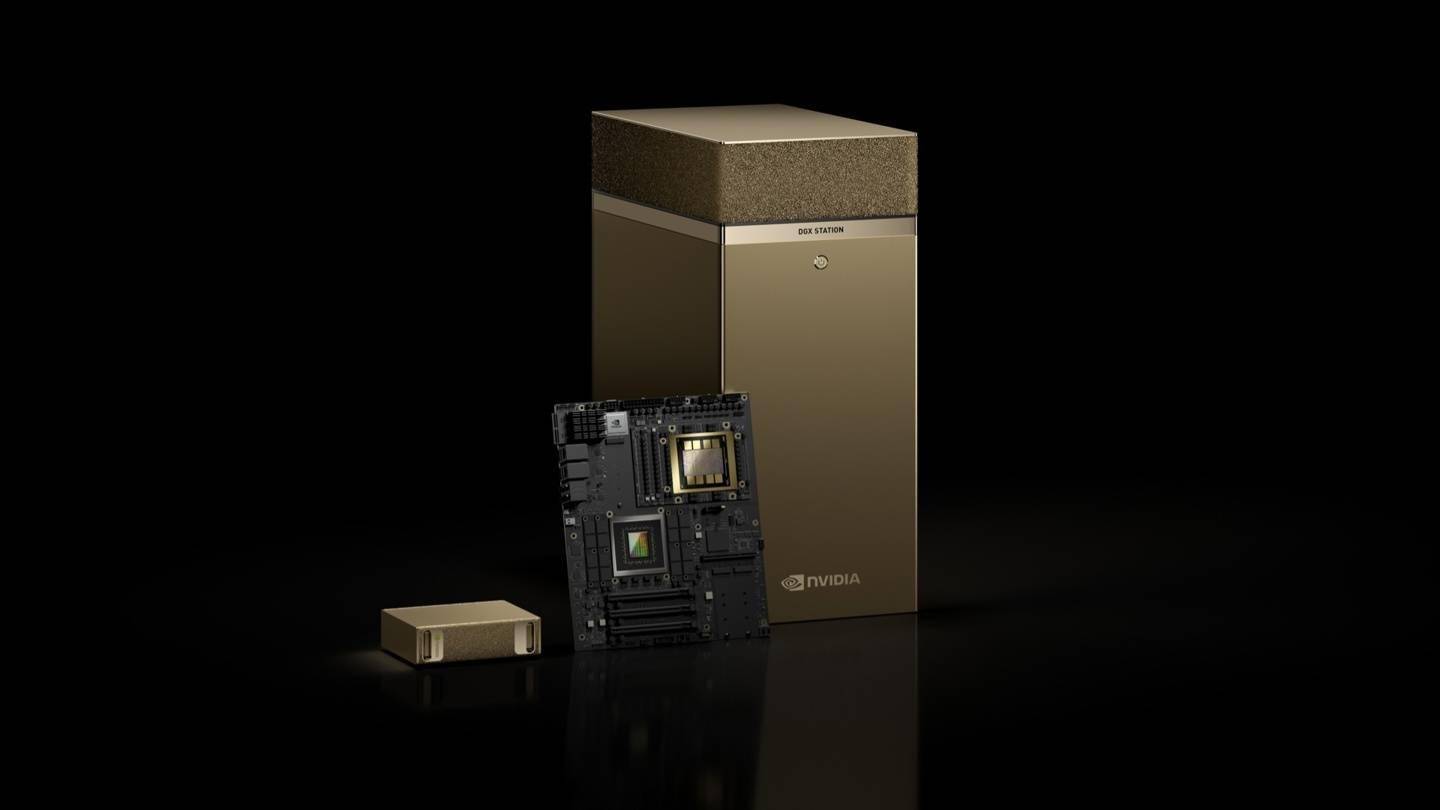
IT之家 2 月 27 日消息,英伟达今天在官方论坛宣布 DGX Spark AI 工作站涨价 700 美元(IT之家注:现汇率约合 4797 元人民币),目前的建议零售价是 4699 美元(现汇率约合 32199 元人民币)。 IT之家附英伟达官方声明如下: 变更详情: 发生了什么变化? DGX Spark(Founders Edition)的建议零售价从 3999 美元(现汇率约合 27403 元人民币)上调至 4699 美元,原因是内存供应受限。 何时生效? 是否影响基于 GB10 的 OEM 价格? 此次调价仅适用于搭载 GB10 的英伟达 DGX Spark。其他厂商的定价问题需要向对应 OEM 咨询。 为何部分网站仍显示 3999 美元? NVIDIA.com已经更新价格,其他渠道商可能需要更长时间同步调整。 是否伴随产品变更? 本次调价不涉及任何硬件配置变动。 新价格已在本周正式实施。 为何调整价格? 此次调价反映了行业范围内的内存短缺潮。DGX Spark 仍然提供领先的桌面级 AI 解决方案,并在同类 AI 基础设施解决方案中具备较高性价 比。 是否影响全球定价? 新的建议零售价适用于所有地 ...

研发与市场投入持续加码 传音控股2025年净利润腰斩
Zhong Guo Jing Ying Bao· 2026-02-26 12:55
2月26日,传音控股(688036.SH,以下简称"传音")发布2025年度业绩快报。2025年度,公司实现归属 于母公司所有者的净利润为25.84亿元,较上年同期下降53.43%。这是传音自2019年登陆资本市场以 来,年度净利润首次出现"腰斩式"下滑。 中经记者 陈佳岚 广州报道 横扫非洲市场的中国手机厂商传音,正遭遇上市以来颇为严峻的考验。 净利润"腰斩",究其原因,首当其冲是外部环境的恶化。 传音在业绩快报中解释称,报告期内,"受市场竞争及供应链成本影响,存储等元器件价格上涨较多, 公司营业收入和毛利率有所下降"。 根据DIGITIMES Research的数据,2024年底至2025年12月期间,DDR4 16Gb内存模块价格飙升1800%, DDR5 16Gb现货价格上涨超过500%,上游元器件成本的大幅上涨,对以中低端手机为主营业务的传音 形成显著成本压力。 除了传音外,诸多中小厂商已纷纷采取调整措施。2026年年初,realme宣布回归OPPO,同为中小品牌 的华硕确认2026年暂停新机发布,魅族回应暂停下一代旗舰研发,以应对存储器涨价。 一边是存储、芯片等核心元器件价格暴涨带来的成本重压,一 ...

2026年中国手机市场迎来历史性价格调整
Jing Ji Guan Cha Wang· 2026-02-26 06:06
Core Insights - The Chinese smartphone market will experience unprecedented price increases starting March 2026, marking the first time in history that all brands and models will raise prices simultaneously [1][5] - Counterpoint Research predicts that the average selling price (ASP) of smartphones in China will rise by 15%-25% compared to 2025, with flagship models potentially increasing by over 30% [2][4] - The primary driver of this price surge is the significant increase in memory costs due to supply chain pressures, particularly from the demand for AI servers [3][5] Price Increase Dynamics - Starting in March 2026, new smartphone models will see price increases of at least 1,000 yuan, while high-end flagship models may rise by 2,000-3,000 yuan [1][2] - The price adjustments will not be limited to new releases; existing models are also expected to undergo multiple price hikes throughout the year [1][6] - The average price increase for smartphones in China is projected to exceed the global average of 6.9% [2] Cost Pressures - The cost of memory chips has surged dramatically, with prices for 1TB flash memory rising from over 200 yuan in 2025 to nearly 600 yuan, and DRAM prices increasing by 80%-95% [4] - The smartphone storage chip procurement costs have risen by over 80% compared to the previous year, contributing to higher manufacturing costs [4][5] - The volatility in memory prices has led to a situation where price adjustments may occur multiple times within a month, further complicating the market dynamics [4] Market Implications - The anticipated price increases may alter consumer purchasing behavior, with mid-range devices seeing smaller price hikes compared to high-end models, potentially leading consumers to delay upgrades [6] - The pressure on low-end products may force manufacturers to reduce their product lines and shipment volumes [6] - The competitive landscape is further complicated by strategies such as Huawei's reverse price cuts, which may impact other flagship Android models [6]
多个手机品牌加速涨价,预计最大涨幅25%
Jing Ji Guan Cha Wang· 2026-02-26 06:01
据智通财经报道,2026年3月起,中国手机行业将正式迎来全面涨价潮,这也是国内手机市场发展以来 首次出现全品类、全品牌同步普涨的态势,新品涨幅最低可达1000元以上。同时,OPPO、一加、 vivo、iQOO、小米、荣耀等主流品牌或将陆续上调老款机型售价。 市场研究机构Counterpoint Research预计,3月后中国市场新品手机均价将较2025年同档位机型上涨15% —25%。 2026年,中国手机市场将迎来历史性的变化,或将面临历史上首次一年内多次上调价格的局面。 涨价背后 行业人士和分析师指出,本轮手机市场涨价的背后,是内存成本的无法规避及价格的剧烈波动,上游内 存等零部件价格猛涨导致成本的持续攀升是推动此轮涨价的关键因素。 涨幅最高可达25% "这轮涨价不是个别品牌的选择,而是全行业的必然趋势。"一位业内人士透露,目前国内主流手机品牌 均已完成涨价方案的敲定,部分品牌已向线下经销商、线上渠道商下发了调价通知。 从已确定的方案来看,3月是此次涨价的关键节点,此前上市的机型调价幅度相对温和,但3月之后发布 的新品,涨价幅度将明显扩大,其中新品最低涨幅不会低于1000元,中高端旗舰机型的涨幅更是可能 ...

存储芯片涨价或将贯穿全年 中国产业成“胜负手”
Shang Hai Zheng Quan Bao· 2026-02-25 02:01
Core Viewpoint - The global storage market is experiencing a price surge due to extremely low inventory levels of DRAM and NAND, with only about 4 weeks of supply remaining, driven by strong demand from AI and computing sectors [1][2]. Group 1: Market Dynamics - SK Hynix reported that its DRAM and NAND inventory is at a historical low of approximately 4 weeks, leading to unmet demand across various sectors including cloud services and consumer electronics [2]. - The company anticipates that storage chip prices will continue to rise throughout 2026, influenced by the explosive demand from AI applications and constraints in cleanroom space for production [2][4]. - The price increases have already begun, with SK Hynix raising prices for high-end products like HBM and DDR5, and further price hikes across all DRAM and NAND products expected [4][6]. Group 2: Financial Performance - SK Hynix's financial results for the fiscal year 2025 showed record revenues of 97.15 trillion KRW and an operating profit of 47.21 trillion KRW, reflecting a profit margin of 49%, driven by rising storage prices and strong demand [3]. Group 3: Industry Trends - The storage industry is witnessing a significant upgrade phase, with cloud service providers increasing investments in AI infrastructure, leading to a rise in the average selling price of high-tech products like HBM and enterprise SSDs [5][6]. - The current storage cycle is expected to be stronger and more prolonged than the previous one, fueled by ongoing high demand from AI [6]. Group 4: China's Role in the Market - The global storage chip supply shortage, driven by AI demand, is creating opportunities for Chinese manufacturers to enter the global supply chain, moving from being an alternative option to a viable choice for major PC manufacturers [7]. - Chinese companies like Yangtze Memory Technologies and Changxin Memory Technologies are emerging as leaders in the storage industry, with expectations of increased production capacity by late 2026 to early 2027, which could stabilize global supply and prices [7][8].
存储芯片涨价或将贯穿全年,中国产业崛起成“胜负手”
Shang Hai Zheng Quan Bao· 2026-02-24 23:59
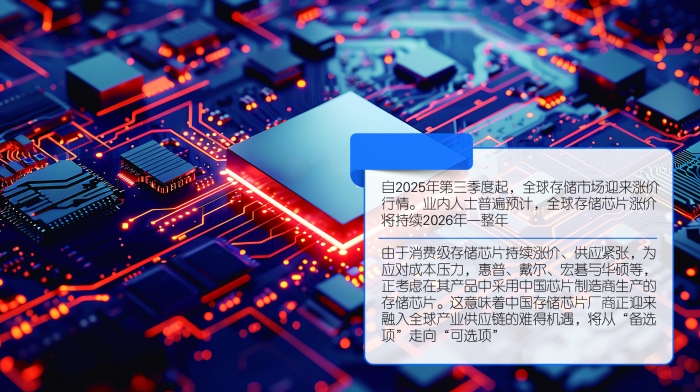
当前DRAM(动态随机存取存储器)与NAND(闪存)库存仅够维持约4周,价格持续上涨已成定 局……2026年马年春节刚过,全球存储巨头SK海力士的最新发声,让全球存储市场的涨价潮再度升 温。2月24日,A股存储概念股持续走高,北京君正、太极实业、香农芯创等个股涨幅均超过5%。 在AI及算力发展浪潮的驱动下,自2025年第三季度起,全球存储市场迎来涨价行情。业内人士普遍预 计,全球存储芯片涨价将持续2026年一整年。 在产业高景气背景下,中国存储产业正加速突围,长江存储、长鑫科技等企业在技术、产能上持续突 破,国产模组厂商同步发力,中国存储力量的崛起正成为影响全球存储格局、决定行业发展走向的"胜 负手"。 事实上,自2025年第二季度起,全球存储行业景气度开始触底反弹,闪迪打响NAND涨价第一枪后,三 星、美光及长江存储、兆易创新等存储厂商(包括NAND、DRAM)纷纷跟进上调价格。 巨头最新发声:库存仅剩约4周 2月20日,SK海力士举行虚拟投资者会议,向高盛透露了最新的数据及对产业趋势的研判。 SK海力士表示,当前公司DRAM及NAND整体库存仅剩约4周,处于历史极低水平,从谷歌、微软等云 厂商,到Open ...
存储芯片涨价或将贯穿全年 中国产业崛起成“胜负手”
Shang Hai Zheng Quan Bao· 2026-02-24 17:49
Core Viewpoint - The global storage market is experiencing a price surge due to extremely low inventory levels of DRAM and NAND, with major players like SK Hynix predicting that this trend will continue throughout 2026 driven by AI and computing demands [2][3][5]. Group 1: Market Conditions - Current inventory levels for DRAM and NAND are approximately 4 weeks, marking a historical low, leading to increased price expectations as demand from various sectors remains unmet [3]. - SK Hynix reported record revenues and profits for the fiscal year 2025, with operating income reaching 97.15 trillion KRW and a profit margin of 49%, reflecting the ongoing price increases and strong demand in the storage market [4]. Group 2: Supply and Demand Dynamics - The imbalance in supply and demand is attributed to the explosive demand for storage driven by AI applications and slow expansion of cleanroom space necessary for chip manufacturing, limiting supply growth [5]. - Major price increases have been observed, with SK Hynix raising prices for high-end products by 15% to 20% and standard DRAM prices increasing by 10% to 15% in late 2025 [5]. Group 3: Chinese Storage Industry - The rise of the Chinese storage industry is seen as a potential game-changer in the global supply chain, with companies like Yangtze Memory Technologies and ChangXin Memory Technologies leading the charge [7]. - Chinese manufacturers are increasingly being considered by PC makers like HP and Dell for storage solutions, indicating a shift from being an alternative option to a viable choice in the global market [7]. - Predictions suggest that Chinese storage capacity will gradually be released between the second half of 2026 and 2027, potentially alleviating global supply constraints and stabilizing prices [7]. Group 4: Future Outlook - Analysts believe that the current storage cycle's intensity and duration may surpass previous cycles, driven by the ongoing demand from AI and high-performance computing [6]. - Long-term contracts are being discussed between suppliers and major clients to secure future supply and pricing, indicating a strategic shift in the industry [3].
中国十大最具发展潜力城市
泽平宏观· 2026-02-20 16:05
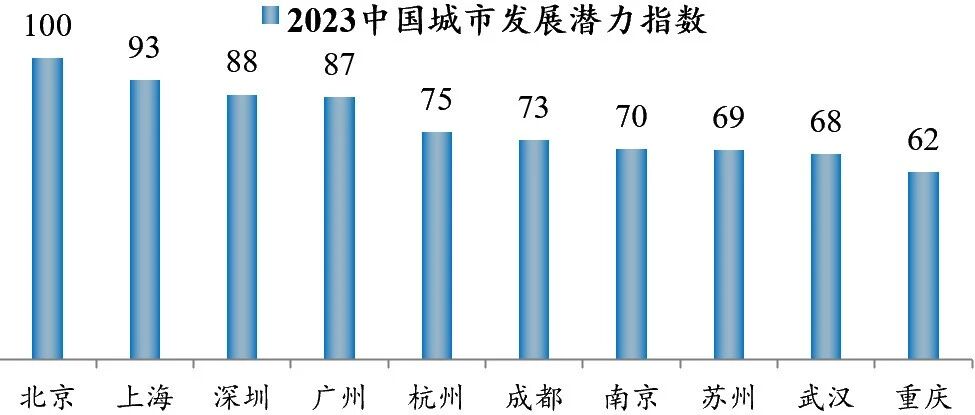
Core Viewpoint - The article discusses the competitive landscape of Chinese cities, highlighting the rapid urbanization and the emergence of new economic centers, while ranking the development potential of 337 cities in China, with Beijing, Shanghai, Shenzhen, and others leading the list [2]. Group 1: Beijing - Beijing is positioned as the political, cultural, international exchange, and technological innovation center of China, with a GDP exceeding 4.1 trillion yuan in 2022, making it the second-largest city after Shanghai [9][10]. - The service sector accounts for 84% of Beijing's economy, with finance, headquarters economy, and technological innovation as key pillars [10]. - Future plans include transforming Beijing into a world-class harmonious city while optimizing population distribution to enhance urban vitality [11][13]. Group 2: Shanghai - Shanghai has established itself as an international economic center, with a GDP of approximately 4.5 trillion yuan in 2022, and aims to rival New York in global economic influence [16][24]. - The city’s industrial structure is supported by the automotive, electronics, and financial sectors, with finance contributing 19.3% to the GDP [17][19]. - Shanghai plans to continue its open policies and develop into a globally competitive city, enhancing the Yangtze River Delta region [24]. Group 3: Shenzhen - Shenzhen's GDP surpassed 3.2 trillion yuan in 2022, marking it as the third-largest city in China, with a significant annual population increase of around 600,000 [25][26]. - The city is recognized as a leading innovation hub, with strategic emerging industries accounting for over 41% of its GDP [26]. - Future initiatives focus on enhancing collaboration within the Guangdong-Hong Kong-Macau Greater Bay Area to solidify its status as a global innovation city [29]. Group 4: Guangzhou - Guangzhou's GDP reached approximately 2.9 trillion yuan in 2022, ranking fifth nationally, with a strong manufacturing base in automotive and electronics [30][31]. - The city faces challenges in innovation capacity and financial sector development, with financial services contributing only 9.2% to the GDP [33]. - Future goals include enhancing its role as a national center city and participating in global economic cooperation [34]. Group 5: Hangzhou - Hangzhou's economy has shown robust growth, with a GDP of around 1.9 trillion yuan in 2022, driven by a vibrant private and digital economy [36][37]. - The city is recognized for its strong digital economy, with core digital industries contributing 27.1% to the GDP [37]. - Plans for the future include improving transportation infrastructure and fostering a more open and innovative business environment [41][42]. Group 6: Chengdu - Chengdu's GDP exceeded 2 trillion yuan in 2022, accounting for 36.7% of Sichuan province's economy, and it is recognized as a key economic hub in Western China [43][44]. - The electronics sector is a major contributor, with a significant portion of the industrial output [44]. - Future strategies involve enhancing its role as a national center city and collaborating with Chongqing to develop the Western economic highland [49]. Group 7: Nanjing - Nanjing's GDP approached 1.7 trillion yuan in 2022, with a per capita GDP of 179,000 yuan, ranking fifth among major cities [50][51]. - The city is focusing on developing its automotive, steel, electronics, and petrochemical industries while nurturing emerging sectors [51]. - Future aspirations include becoming an "innovation city" and enhancing its influence in the Yangtze River Delta region [54]. Group 8: Suzhou - Suzhou's GDP reached nearly 2.4 trillion yuan in 2022, making it the top city among prefecture-level cities in China [56]. - The city is recognized as a global industrial powerhouse, with significant contributions from electronics and manufacturing sectors [56]. - Future plans emphasize its role in the Yangtze River Delta urban cluster and advancing towards a high-tech manufacturing base [59].