
国内市场

Search documents
2025年我国批发和零售业增加值同比增长5.0%
Jing Ji Guan Cha Wang· 2026-01-23 12:36
Core Viewpoint - The wholesale and retail industry in China is projected to achieve a value-added output of 14.6 trillion yuan in 2025, marking a year-on-year growth of 5.0%, which is a historical high [1] Group 1: Industry Growth - The wholesale and retail sector is experiencing a positive growth momentum, contributing significantly to the expansion of domestic demand and the establishment of a robust domestic market [1] - Retail sales from warehouse membership stores and unmanned stores are maintaining double-digit growth [1]
定调!重磅会议召开!
Jin Rong Shi Bao· 2025-12-08 13:35
Core Viewpoint - The Central Political Bureau of the Communist Party of China has set the tone for economic work in 2026, emphasizing "seeking progress while maintaining stability" and "improving quality and efficiency" as key principles for the upcoming economic strategy [1] Economic Performance - The macroeconomic resilience has exceeded market expectations, with high-tech manufacturing leading growth [2] - The total economic output is projected to reach approximately 140 trillion yuan this year [2] - The focus for 2026 will be on achieving qualitative improvements and reasonable quantitative growth while ensuring social stability and a good start to the 14th Five-Year Plan [2] Macroeconomic Policy - The meeting highlighted the continuation of a more proactive fiscal policy and moderately loose monetary policy, aiming to enhance macroeconomic governance effectiveness [3] - The fiscal deficit rate is expected to remain around 4%, with local government special bond issuance potentially increasing from 4.4 trillion yuan in 2025 to about 5 trillion yuan [3] - Monetary policy will seek a dynamic balance among multiple objectives, including stable growth and risk prevention [3] Domestic Market Development - The strategy emphasizes the need to build a strong domestic market to counter external uncertainties and enhance economic resilience [6] - Experts suggest that a consumption-oriented policy framework should be established, alongside reforms in income distribution and effective investment expansion [6] Innovation and Infrastructure - The focus on innovation and industrial development remains critical, with support for leading enterprises to form innovation alliances for national technological challenges [6] - There will be increased policy support for "new infrastructure" development, including communication networks and modern energy systems [6][7] Market Environment - A unified national market is essential for supporting technological innovation, with recommendations for optimizing institutional rules and protecting property rights [7] - Addressing "involution" competition is necessary to establish a healthy market order that promotes quality and fair pricing [7]
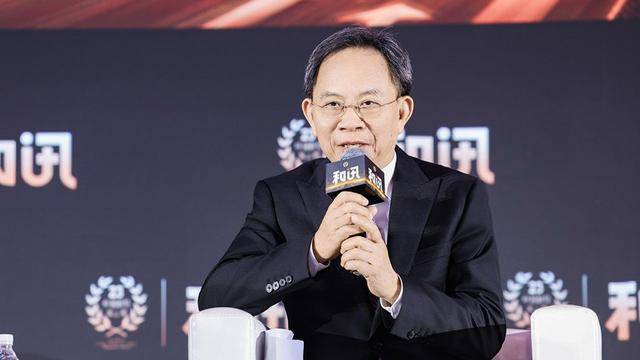
邱晓华:2025经济增速5%无悬念,受房地产拖累投资负增长40年首现丨和讯2025年会
Sou Hu Cai Jing· 2025-12-07 03:11
Core Viewpoint - The overall performance of China's economy in 2025 is expected to be satisfactory, with a target growth rate of around 5% achievable based on current development trends [1]. Economic Support Factors - Three main factors supporting the achievement of economic goals are identified: 1. Proactive macro policies, including active fiscal policy, moderately loose monetary policy, and supportive consumption and investment policies, provide strong support for economic recovery [3]. 2. Export performance has exceeded expectations, with a "dual抢效应" from enterprises and importers maintaining positive growth despite initial pressures from the US "tariff war" [3]. 3. Increased resilience in the domestic market contributes positively to economic stability [3]. Current Economic Challenges - Two prominent issues facing the economy are highlighted: 1. Persistently low price levels, with both production and consumer prices not returning to normal, which constrains investment, consumption, and corporate profitability [3]. 2. Insufficient domestic effective demand, with investment demand experiencing a negative growth for the first time in over 40 years, showing a decline of approximately 2% from January to November, primarily due to a double-digit decrease in real estate investment, which accounts for one-third of total investment [3]. Focus on Real Estate Investment - Addressing the impact of declining real estate investment will be a key issue that needs to be resolved moving forward [4].

《求是》杂志发表韩文秀的重要文章《深刻领会因地制宜发展新质生产力的重要论述和决策部署》|宏观经济
清华金融评论· 2025-11-17 10:38
Core Viewpoint - The article emphasizes the importance of understanding and implementing Xi Jinping's discourse on developing new quality productivity in accordance with local conditions, which is crucial for establishing a solid material and technological foundation for Chinese-style modernization [3][4]. Summary by Sections Understanding New Quality Productivity - New quality productivity is characterized by innovation, moving away from traditional economic growth models, and is defined by high technology, high efficiency, and high quality, aligning with advanced production quality [5][6]. - Innovation is the core element of new quality productivity, encompassing technological, business model, management, and institutional innovations [6][7]. Key Characteristics - The focus is on quality improvement rather than just quantitative growth, with an emphasis on optimizing the combination of production factors to enhance overall productivity [7][8]. - New quality productivity signifies advanced productivity, which includes higher-skilled labor, advanced technological tools, and a broader range of labor objects, reflecting the evolution of production factors [8]. Basic Requirements for Development - The development of new quality productivity must respect and understand development laws, including the integration of market and government roles, and the importance of both basic and applied research [10][11]. - Regions should leverage their unique resources and industrial foundations to promote new industries and models, ensuring that traditional industries are not neglected but rather enhanced through new technologies [12][13]. Core Drivers and Systemic Support - Strengthening independent innovation is crucial, focusing on original and disruptive technological advancements, and fostering a robust innovation ecosystem [14][15]. - Building a modern industrial system is essential, balancing the upgrade of traditional industries with the development of strategic emerging industries [15][16]. Market and Reform Initiatives - Establishing a strong domestic market is vital for the growth of new quality productivity, emphasizing the role of consumption and investment in driving economic activity [16][17]. - Deepening reforms to create a supportive environment for innovation and productivity development is necessary, including optimizing the allocation of production factors and enhancing the financial system [17][18]. International Cooperation - Expanding high-level openness is important for integrating into the global economy, facilitating the flow of advanced production factors, and enhancing international collaboration [18].

因地制宜发展新质生产力
Ren Min Ri Bao· 2025-11-11 00:23
Core Insights - The article emphasizes the importance of developing new quality productivity tailored to local conditions as outlined in the 20th Central Committee's Fourth Plenary Session [1][2] Group 1: Historical and Theoretical Significance - The development of new quality productivity has historically driven comprehensive improvements in social productivity, representing the most innovative and forward-looking aspects of productivity [3] - The socialist system's advantages facilitate faster and better productivity development, with significant advancements in key technologies and industries since the 18th National Congress [4] Group 2: Practical Implications for High-Quality Development - Developing new quality productivity is essential for achieving high-quality development and gaining strategic advantages in global competition [5] - New quality productivity encompasses innovation-driven approaches and the integration of new elements, impacting various sectors including agriculture, industry, and services [5] Group 3: Major Tasks and Initiatives - Strengthening technological innovation is identified as the core driver for developing new quality productivity, with a focus on original and disruptive innovations [6][7] - Optimizing and upgrading industrial structures is crucial, with an emphasis on enhancing traditional industries and fostering emerging sectors [8] - Promoting a comprehensive green transformation in economic and social development is vital, aligning with the principles of sustainable development [9] Group 4: Building a Strong Domestic Market - The vast domestic market provides a solid foundation for developing new quality productivity, enabling risk-sharing and demand potential [10] - Strategies to boost consumption and effective investment are essential for leveraging the advantages of the large domestic market [10] Group 5: Fostering Inclusive Development - The development of new quality productivity aims to meet the aspirations of all citizens for a better life, emphasizing the importance of equitable income distribution [11] Group 6: Institutional Support for Production Relations - Adapting existing production relations to support the development of new quality productivity is necessary, focusing on the integration of education, technology, and talent development [12] Group 7: Implementation Requirements - A unified national strategy is essential for the effective development of new quality productivity, ensuring coordinated efforts across various sectors [14] - Encouraging local advantages and tailored strategies for different industries will enhance productivity development [15][16] - Strengthening the role of enterprises, particularly state-owned and private firms, is crucial for driving innovation and competitiveness [16][17] - Expanding high-level openness will optimize resource allocation and promote industrial upgrades, contributing to the development of new quality productivity [17]
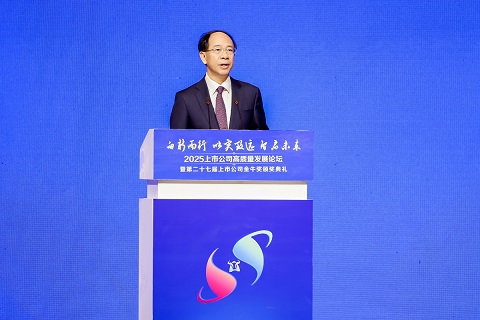
中央财经委员会办公室原副主任尹艳林:从五个关键点把握“十五五”时期经济社会发展
Zhong Guo Zheng Quan Bao· 2025-10-30 00:30
Core Viewpoint - The forum emphasizes the importance of economic development, focusing on the real economy, domestic market, reform and innovation, and improving people's livelihoods as key points for the "14th Five-Year Plan" period [1][3][4]. Economic Development as the Main Theme - From now until 2035, there are only 10 years left, and the first five years are crucial for establishing a solid foundation for future growth. The goal is to maintain an average annual GDP growth rate of around 5% and a nominal growth rate of about 7% [3]. Focus on the Real Economy - The central task is to build a modern industrial system and strengthen the foundation of the real economy. The emphasis is on intelligent, green, and integrated development while maintaining a reasonable proportion of manufacturing [3]. Domestic Market as the Main Battlefield - A strong domestic market is essential for China's modernization. Efforts should be made to boost consumption, expand effective investment, and improve the structure of government investment, particularly in people's livelihoods [4]. Reform and Innovation as the Driving Force - There is a need to enhance original innovation and tackle key core technologies. The integration of technological and industrial innovation is crucial, along with supporting the development of high-tech enterprises and small and medium-sized technology firms [4]. Improving People's Livelihoods as the Starting and Ending Point - High-quality employment, a fair income distribution system, and a robust social security system are essential. Specific measures include supporting the development of innovative drugs and medical devices, as well as optimizing policies to support childbirth [4].
从五个关键点把握“十五五”时期经济社会发展
Zhong Guo Zheng Quan Bao· 2025-10-29 21:09
Core Viewpoint - The forum emphasizes the importance of economic development, focusing on the real economy, domestic market, reform and innovation, and improving people's livelihoods as key points for the "14th Five-Year Plan" period [1][2] Group 1: Economic Development - The target for average annual GDP growth over the next five years is set at around 5%, with a nominal growth rate of about 7% to accommodate reasonable price level recovery [1][2] Group 2: Real Economy - The strategic task of building a modern industrial system and consolidating the foundation of the real economy is prioritized, with a focus on intelligent, green, and integrated development while maintaining a reasonable proportion of manufacturing [1][2] Group 3: Domestic Market - Strengthening the domestic market is seen as a strategic support for modernization, with initiatives to boost consumption, expand effective investment, and enhance the role of private enterprises in major projects [2] Group 4: Reform and Innovation - Emphasis is placed on original innovation and tackling key core technologies, promoting deep integration of technological and industrial innovation, and supporting the development of high-tech enterprises and small and medium-sized technology firms [2] Group 5: Improving People's Livelihoods - The focus is on promoting high-quality employment, improving income distribution, enhancing education and social security systems, and advancing health and population quality development [2]
权威解读“十五五”规划建议七大要点
Shang Hai Zheng Quan Bao· 2025-10-28 20:06
Group 1 - The core viewpoint of the article emphasizes the significant achievements in high-quality development during the "14th Five-Year Plan" period and outlines the strategic goals for the upcoming "15th Five-Year Plan" [1][2][3] - The proposal highlights the need to enhance the foundation of the real economy by constructing a modern industrial system and maintaining a reasonable proportion of manufacturing [3][4] - The focus on accelerating high-level technological self-reliance and innovation is crucial for supporting new quality productivity and achieving modernization [6][7] Group 2 - The proposal aims to build a strong domestic market as a strategic foundation for modernization, emphasizing the interaction between consumption and investment [8][9] - It outlines measures to enhance fiscal sustainability, including improving fiscal management and optimizing the budget structure [10][11] - The initiative to accelerate the construction of a financial powerhouse includes enhancing the central bank's system and improving monetary policy transmission mechanisms [12][13] Group 3 - The proposal stresses the importance of a coordinated capital market that balances investment and financing, aiming to support the real economy and promote high-quality development [15][16][17]
国泰海通 · 晨报1027|十五五、海外策略、轻工
国泰海通证券研究· 2025-10-26 15:15
Macro - The "15th Five-Year Plan" emphasizes a shift from "catching up" to "leading" in technology innovation, indicating a strategic focus on achieving technological advancements [4] - The construction of a modern industrial system highlights a dual-driven approach of advanced manufacturing and high-quality service industries [5] - The importance of domestic demand is prioritized over supply-side measures, reflecting a shift in policy focus [6] - The reform of the system includes accelerating the improvement of market-oriented allocation mechanisms for factors of production [6] - The emphasis on institutional openness has been significantly elevated, indicating a commitment to deepening reforms [7] - The focus on social welfare has been enhanced, with a more precise emphasis on ensuring basic living standards and equity [8] - The current economic pressures observed since the third quarter have been acknowledged, with expectations for new policies to be implemented in the fourth quarter [9] Overseas Strategy - The financial standards for listing are most flexible in the US, followed by Hong Kong, while A-shares have the strictest requirements [13] - The US market is the most inclusive regarding company structures, accepting various frameworks like WVR and VIE, while A-shares maintain a more cautious stance [14] - Listing efficiency is higher in the US and Hong Kong, with A-shares having a longer application process due to stringent regulatory scrutiny [15] Light Industry and Paper - Short-term supply of imported wood chips remains stable, but long-term supply of wood for pulping is limited due to the scarcity of forest resources [19] - Demand for broadleaf wood is expected to grow rapidly, with significant increases in production capacity projected from 2023 to 2035 [19] - Brazil is identified as a key player in eucalyptus production, with potential for yield improvements through modern cultivation techniques [19] - In China, Guangxi leads in eucalyptus production, but there are concerns about declining yields and the need for improved forestry practices [20] - The demand for imported eucalyptus has decreased, but short-term supply remains assured, particularly from Vietnam and Australia [21]

市场是当今世界最稀缺的资源!保险业视角下的“十五五”,未来5年发展方向就隐藏在这些论断之中
Sou Hu Cai Jing· 2025-10-24 15:32
Core Insights - The article discusses the significance and challenges of formulating the "15th Five-Year Plan" for the insurance industry, emphasizing the need for high-quality development and strategic planning in response to national directives [1][2][3] Group 1: Importance of the "15th Five-Year Plan" - The "15th Five-Year Plan" is crucial for achieving socialist modernization and will shape the future direction and performance targets of insurance companies [1][2] - The period from now until 2035 is critical for establishing a solid foundation for modernization, requiring proactive and strategic planning [3] Group 2: Key Themes from the National Guidelines - The guidelines emphasize high-quality development, with a focus on economic construction, innovation, and meeting the growing needs of the population [4][6] - The plan outlines six major principles for economic and social development, including the importance of high-quality growth and comprehensive reforms [6] Group 3: Focus on High Technology - The plan highlights the goal of creating a new high-tech industry in China over the next decade, indicating a strong emphasis on technological advancement [7][9] - It aims to foster emerging industries and future sectors, such as renewable energy and advanced manufacturing, which are expected to generate significant market opportunities [9][10] Group 4: Domestic Market Emphasis - The strategy prioritizes the domestic market as a key driver of economic growth, with a focus on expanding domestic demand and enhancing consumer spending [11][12] - Efforts will be made to eliminate barriers to market access and improve the efficiency of the domestic economic cycle [12] Group 5: High-Level Opening Up - The plan calls for a shift from a "follower" to a "leader" in terms of international trade and investment, promoting a more proactive approach to global economic engagement [13][14] - It includes measures to enhance trade innovation and expand investment cooperation, particularly in high-standard free trade zones [14][15] Group 6: Social Welfare and Population Development - The guidelines advocate for a supportive environment for families and the elderly, aiming to improve social welfare and promote a high-quality population development strategy [16][17] - Key initiatives include enhancing childcare support, optimizing retirement policies, and developing the silver economy [17] Group 7: Agricultural Modernization - The plan emphasizes the modernization of agriculture and rural areas, aiming to increase agricultural productivity and improve living conditions in rural communities [18][19] - It includes policies to support farmers' income and enhance the effectiveness of agricultural support measures [19] Group 8: Regional Coordination - The strategy focuses on optimizing regional economic layouts and promoting coordinated development across different areas of the country [20][21] - It highlights the importance of new urbanization and marine economy development as part of the overall growth strategy [21]