
AI缺电

Search documents
对冲油价上行的四条配置思路
Soochow Securities· 2026-03-15 06:13
Core Insights - The report highlights that the current geopolitical tensions, particularly in the Middle East, have led to a significant rise in oil prices, with Brent crude exceeding $110 per barrel, which is expected to have a cascading effect on global inflation and asset performance [1][2] - It identifies four key pathways through which rising oil prices will impact equity allocations, emphasizing the potential for Chinese assets to perform better relative to other markets due to lower dependency on oil and improved foreign exchange reserves [2][3] Pathway 1: Inflation and Asset Performance - High inflation is expected to weaken non-US assets, while Chinese assets may exhibit greater safety and potentially independent performance due to the US's involvement in the conflict and its resultant inflationary pressures [2][3] - Historical data suggests that rising oil prices lead to increased production costs globally, pushing up the US CPI and prompting the Federal Reserve to tighten monetary policy, which typically strengthens the dollar and negatively impacts non-US assets [1][2] Pathway 2: Price Transmission Chain - The report outlines that the market often trades on expectations, with chemical and agricultural products' prices moving in tandem with oil prices, forming a transmission chain from energy to chemicals to agriculture [3][4] - The sustainability of price increases in chemicals and agricultural products will depend on overseas demand, particularly in sectors like energy storage, AI, and machinery [4] Pathway 3: Substitution Effects - The report discusses the limited substitution effect of coal in mitigating rising oil prices, noting that while coal prices may rise alongside oil, the impact is primarily felt in regions like China and India due to European climate policies [5][6] - Increased capital expenditure in energy infrastructure is anticipated as countries prioritize energy security, with significant investments in renewable energy sectors such as wind, solar, and battery technologies [6][7] Pathway 4: Impact on Japanese and Korean Industries - The ongoing geopolitical tensions are expected to disrupt the semiconductor supply chains in Japan and South Korea, which are heavily reliant on oil imports, leading to systemic risks in their manufacturing sectors [8][9] - The report indicates that rising storage prices due to supply constraints could hinder the development of AI applications, potentially delaying advancements in the sector [9][10]

【汽车】财报季聚焦业绩兑现,关注AI缺电驱动的内燃机产业链——汽车和汽车零部件行业观点更新(倪昱婧/邢萍)
光大证券研究· 2026-03-10 23:08
Summary of Key Points Core Viewpoint - The automotive market is experiencing a downturn in early 2026, with a focus on consumption stimulation and industrial upgrades as the core direction for the industry [5]. Group 1: Market Performance - In January, domestic passenger car retail sales decreased by 13.9% year-on-year and 31.7% month-on-month to 1.544 million units, while wholesale sales fell by 6.2% year-on-year and 29.3% month-on-month to 1.973 million units [4]. - New energy vehicle retail sales dropped by 20.0% year-on-year and 55.4% month-on-month to 596,000 units, with a penetration rate of 38.6%, while wholesale sales decreased by 3.3% year-on-year and 44.7% month-on-month to 864,000 units, with a penetration rate of 43.8% [4]. - February sales data showed significant variances among manufacturers, with BYD down 41.1% year-on-year to 190,000 units, while NIO saw a year-on-year increase of 57.6% to 21,000 units [4]. Group 2: Industry Trends - The government report for 2026 emphasizes consumption stimulation and industrial upgrades, indicating that the automotive market may still rely on policy-driven growth [5]. - The automotive industry is expected to focus on smart technology advancements, including intelligent driving and humanoid robots, aligning with national goals for new productive forces [5]. Group 3: Challenges and Opportunities - The recent decline in passenger car sales is attributed to the impact of the Spring Festival and policy rollbacks, alongside rising costs of raw materials such as storage chips, batteries, and aluminum [6]. - There is a potential for price adjustments to stimulate sales, with a focus on pricing strategies, March orders, and April auto shows [6]. - The commercialization of advanced intelligent driving technologies is anticipated to accelerate, particularly for L3 and above levels, with opportunities in related components and systems [7]. Group 4: Investment Opportunities - The demand for electricity driven by AI may create investment opportunities in the internal combustion engine industry, as traditional power sources face challenges [8]. - The internal combustion engine sector is viewed favorably due to its capacity and quick delivery capabilities, particularly in the context of AI-related electricity shortages [8].

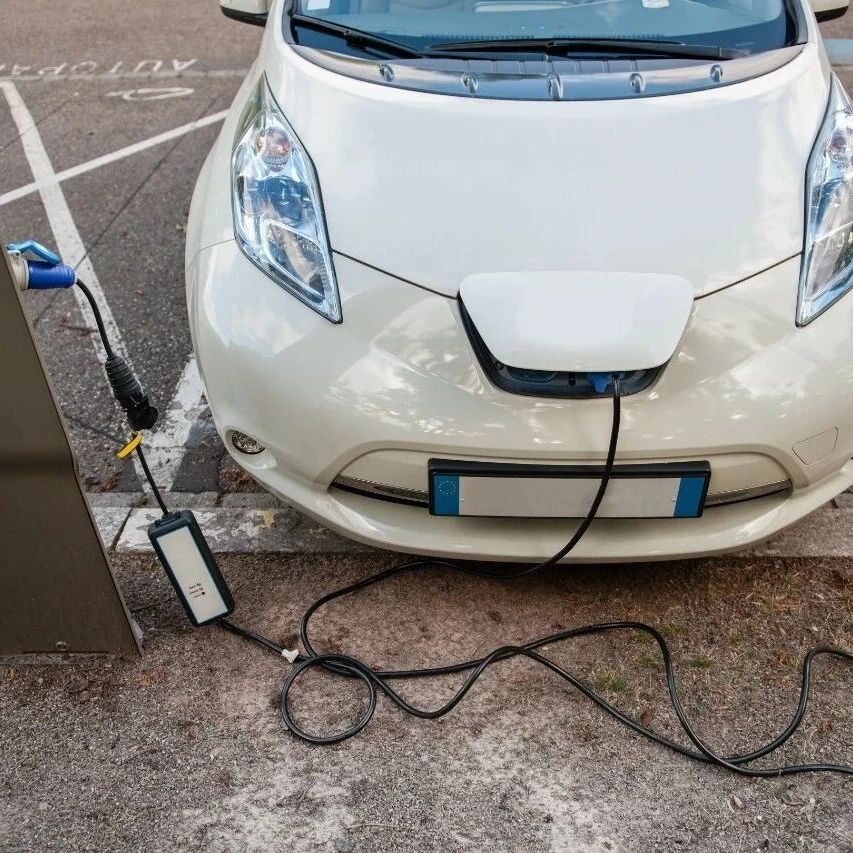
美国缺电研究系列四:北美变压器供给缺口三问三答
Changjiang Securities· 2026-03-09 05:45
Investment Rating - The industry investment rating is "Positive" and maintained [9] Core Viewpoints - The current supply of transformers overseas is tight, particularly for high-voltage transformers, which is expected to accelerate the export of domestic transformer supply chains due to the demand driven by AI-related power shortages in the U.S. [2][4][42] - Domestic liquid transformer export values are projected to grow by 40%-50% year-on-year for 2024 and 2025, driven by the ongoing tight supply situation in overseas transformer capacity [17][19] Supply Capacity Analysis - The supply shortage of high-voltage transformers can be assessed from two perspectives: 1. Delivery times of overseas high-voltage transformer companies, with leading firms like Hitachi, Siemens Energy, and GE witnessing a continuous increase in their order backlogs, indicating a rising supply tightness [5][20] 2. The prices of overseas transformers have been increasing, reflecting the tight supply situation, as evidenced by the rising profit margins of leading companies and the overall growth in the Producer Price Index (PPI) for the U.S. power and specialty transformer manufacturing sector [23][25] Expansion Challenges - The production factors for transformers include site, machinery, components (raw materials), and labor. The bottlenecks for expansion are primarily in components and labor, particularly for high-voltage transformers [6][27] 1. Key components for high-voltage transformers include silicon steel, electromagnetic wire, tap changers, insulators, insulation paperboard, and oil tanks, with limited qualified suppliers overseas [28][31] 2. Labor is a significant challenge due to the complexity of high-voltage transformer production, which requires specialized technical personnel that are currently scarce in the overseas market [31][32] Future Expansion Pace - The capacity expansion for overseas high-voltage transformers is expected to be slow, with significant projects taking two years or more from announcement to production. The planned production scale for 2026 and 2027 is relatively small, primarily in Europe, with more substantial capacity releases anticipated in North America after 2028 [39][42]

未知机构:长江电新思源电气推荐更新港股IPO招股书发布出口加速显著-20260213
未知机构· 2026-02-13 02:50
Summary of Longjiang Electric New Energy (Siyuan Electric) Conference Call Company Overview - The company is preparing for a Hong Kong IPO, with significant focus on its business operations and growth potential in the transformer and energy storage sectors [1][2]. Key Financial Highlights - **Transformer Revenue**: In Q1-Q3 2025, transformer revenue reached 3.3 billion yuan, representing a year-on-year increase of 35%, accounting for 24% of total revenue [1][2]. - **Energy Storage Revenue**: Energy storage revenue was 800 million yuan, showing a year-on-year growth of 87%, contributing to 6% of total revenue [1][2]. - **Overseas Revenue**: The company reported overseas revenue of 4.2 billion yuan in Q1-Q3 2025, a significant increase of 73%, making up 30% of total revenue [4]. Profitability Metrics - **Gross Margin**: The gross margin for transformer products was 36% in Q1-Q3 2025, an increase of 3 percentage points year-on-year, aligning with the gross margin of switch products, indicating strong profitability in overseas markets [4]. Capacity Expansion - The company is expanding its production capacity across various products, with transformer capacity reaching approximately 870 units by the end of Q3 2025, and a continuous improvement in capacity utilization [4]. Future Development Directions - **Capital Utilization**: The funds raised from the IPO will be directed towards: - Expanding production capacity for switches, transformers, supercapacitors, and establishing an IGCT converter valve base. - Enhancing research and development capabilities, including the establishment of experimental centers, overseas R&D and testing centers, and data centers. - Strategic global acquisitions in power electronic devices, energy storage materials, overseas power distribution companies, and energy technology innovation firms. - Digital and intelligent transformation of the enterprise. - Working capital improvements [4]. Market Positioning - The company emphasizes the strong demand in North America for high-voltage transformers, identifying a significant supply gap. It positions itself strategically in the U.S. high-voltage transformer export market, which is considered to have the strongest certainty for growth [4]. Financial Projections - The company forecasts net income attributable to shareholders of approximately 4.2 billion yuan and 5.5 billion yuan for the years 2026 and 2027, respectively, corresponding to price-to-earnings ratios of approximately 38X and 29X, maintaining a strong buy recommendation [4].

未知机构:储能标的持续推荐260210阳光电源基本面龙头显著低估-20260211
未知机构· 2026-02-11 02:15
Summary of Key Points from Conference Call Industry Overview - The energy storage sector is experiencing significant growth, particularly in Europe, Asia, Africa, and Latin America, with companies benefiting from a robust channel network [2][4]. Company Insights 阳光电源 (Sungrow Power Supply) - The company is considered a fundamental leader in the energy storage market and is significantly undervalued, with suppressive factors gradually being lifted [1][3]. - It is one of the few companies in the AIDC energy storage sector that can directly connect with CSP customers, making its high-quality products essential in the U.S. market amid AI-related electricity shortages [1][3]. - The company is expected to achieve a net profit of 19-20 billion by 2026, with a current valuation of 16x, indicating a clear undervaluation [3][4]. 鹏辉能源 (Penghui Energy) - The company is optimistic about the price elasticity of energy storage cells, with a strong balance between supply and demand [5]. - It holds a 20-30% market share alongside two other leading companies, with no recent capacity expansions, indicating a rigid supply [5]. - The company has seen a significant increase in production for Q1, driven by unexpected overseas subsidy policies, leading to substantial price increase expectations for energy cells [5]. - Profit projections for 2026 are estimated at 1.63 billion, corresponding to a valuation of 14x, with a safety margin at current prices even without considering potential price hikes [5]. 正泰电源 (Zhejiang Chint Electrics) - The company is expected to see significant growth in the U.S. photovoltaic and European energy storage markets, with a breakthrough anticipated in 2025 [6]. - It plans to deliver a 500MW photovoltaic project in the U.S. and aims for total shipments to reach 2.5-3.5GW by 2026 [6]. - The company has a strong team in the U.S. and is actively engaging with new clients in data centers, with expectations to replicate success in large storage projects [6]. - Energy storage shipments are projected to be nearly 1GWh in 2025, with an expected increase to 2-2.5GWh in 2026, particularly in high-value markets like Europe, Japan, and Australia [6]. Additional Insights - The overseas market development has been supported by the group's strong project development capabilities, leading to numerous breakthroughs in self-developed projects [6]. - The company has made significant initial investments in overseas channels, with a cost rate nearing 20%, indicating high potential for performance elasticity and growth in the high-price market [6].


行业研究|行业周报|煤炭与消费用燃料:美股煤炭指数为何一马当先?-20260201
Changjiang Securities· 2026-02-01 11:13
Investment Rating - The report maintains a "Positive" investment rating for the coal sector [10]. Core Insights - The Wind US Coal Index has increased by 30.6% year-to-date, significantly outperforming the SW Coal Index, which only rose by 7.9%. However, the impressive performance of the US Coal Index is largely attributed to contributions from uranium and nuclear fuel-related companies, with the average increase of major US coal stocks being only 5.5% this year. Nevertheless, projections indicate that the average increase for these stocks could reach 40.4% by 2025 [2][7]. - The anticipated growth in demand for coal in the US, driven by AI-related electricity shortages and tariffs promoting domestic manufacturing, is expected to positively impact the domestic coal market, potentially increasing coal price elasticity and providing upward momentum for the domestic coal sector [2][8]. Summary by Sections Market Performance - The coal index (Yangtze) rose by 3.74% this week, outperforming the CSI 300 index by 3.66 percentage points. The thermal coal index increased by 3.78%, while the coking coal index remained stable [19][25]. Price Trends - As of January 30, the market price for thermal coal at Qinhuangdao was 692 RMB/ton, reflecting a week-on-week increase of 7 RMB/ton. The price for coking coal at Jingtang Port remained stable at 1800 RMB/ton, while the price for premium metallurgical coke at Rizhao Port rose by 50 RMB/ton to 1530 RMB/ton [19][46]. Demand and Supply Dynamics - The daily coal consumption across 25 provinces was 6.648 million tons, a decrease of 3.3% week-on-week but an increase of 48.5% year-on-year. The coal inventory at power plants was 120 million tons, with a usable duration of 18.1 days [20][38]. - The supply of coal from the 25 provinces was 6.226 million tons, showing a slight decrease of 0.03% week-on-week [38]. Future Outlook - The report suggests that the upcoming Chinese New Year may lead to a weakening of non-electric demand, coupled with private coal mines starting to close for the holiday, which could shift the market into a phase of weakened supply and demand. However, the need for winter stockpiling is expected to support stable coal prices [20][21]. Investment Recommendations - The report identifies several investment opportunities within the coal sector, emphasizing a bottom reversal strategy. Key recommendations include: - Balanced approach: Yanzhou Coal Mining (H+A), China Power Investment - Stable leaders: China Coal Energy (H+A), Shaanxi Coal and Chemical Industry, China Shenhua Energy (H+A) - Aggressive plays: Huayang Co., Jinkong Coal Industry, Lu'an Environmental Energy, Pingmei Shenma Energy, Shanxi Coal International [8].
华安证券:北美缺电逻辑演绎 储能成为核心解法
智通财经网· 2026-01-22 08:42
Group 1: Core Insights - The report from Huazhong Securities indicates that the U.S. energy storage capacity is steadily increasing, with an expected installation of 52.5 GWh by 2025 [1] - The next five years are identified as a critical window for data center expansion, with energy storage expected to be a key solution for electricity shortages in U.S. data centers before 2030 [1][3] Group 2: Current Status of U.S. Energy Storage - In the first 11 months of 2025, the U.S. added 36.23 GWh of large-scale energy storage, with contributions from emerging states like Arizona, in addition to Texas and California [1] - U.S. energy storage can be categorized into three types: arbitrage-driven, capacity contract-driven, and load-driven [1] Group 3: Advantages of Energy Storage in the AI Era - The mismatch between power supply and transmission construction, coupled with the retirement of traditional energy sources, has led to increased demand from data centers [2] - Energy storage can serve multiple roles, including acting as a dispatchable unit on the grid side and as flexible load on the user side, enhancing reliability and reducing dependency on diesel generators [2] Group 4: Economic Viability of Energy Storage - According to Lazard's 2025 report, the cost of solar-plus-storage in the U.S. ranges from $0.05 to $0.13 per kWh, making it economically advantageous compared to nuclear, coal, and gas power [2] - Data centers utilizing four-hour storage can achieve an internal rate of return (IRR) of 20.5%, with a payback period of only 4.76 years [2] Group 5: Future Projections and Strategic Importance - Energy storage is expected to become a core solution for electricity shortages in U.S. data centers, with projections indicating that installations may exceed 110 GWh by 2027 [3] - The ability to bypass long grid connection queues and connect to distribution networks or behind-the-meter (BTM) solutions is highlighted as a significant advantage for energy storage [3] Group 6: Recommended Stocks - The report recommends several companies as potential investment opportunities: Sungrow Power Supply (300274.SZ), Shuneng Electric (300827.SZ), Canadian Solar (688472.SH), and CATL (300750.SZ, 03750) [4]



ETF日报:在市场流动性充裕、风险偏好修复的环境下,A股仍有继续上攻的动力
Xin Lang Cai Jing· 2026-01-19 14:31
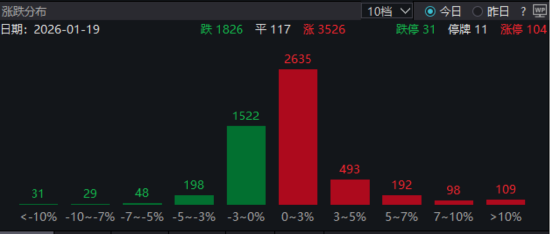
Market Overview - The A-share market saw a slight increase today, with the Shanghai Composite Index rising by 0.29% to 4114.00 points and the Shenzhen Component Index increasing by 0.09% to 14294.05 points. The total trading volume was 27,322 billion yuan, showing a slight decrease compared to the previous trading day. Overall, there were more gainers than losers, with the electric grid equipment and military industry sectors leading the gains, while previously high-performing internet and cultural media sectors experienced a pullback [1][11]. Military Industry - The military equipment sector performed strongly in the afternoon, driven by unique industry logic and recent event catalysts. The current military market trend is supported by the dual drivers of "commercial aerospace" and expectations from the "14th Five-Year Plan." The International Telecommunication Union (ITU) reported that China has planned to deploy over 200,000 satellites by December 2025, marking a significant acceleration in low-orbit satellite internet construction, which will create substantial demand for satellite manufacturing, rocket launches, and ground equipment [3][13]. - The military industry is expected to enter a new upcycle, with high expectations for the development and procurement of new-generation equipment as 2026 marks a key year in the "14th Five-Year Plan." The global military expenditure is entering a new upward phase, reinforcing the long-term investment logic in the defense industry [3][13]. Electric Grid Equipment - The electric grid ETF (561380) saw a significant increase of over 7% today, driven by the "AI power shortage" narrative and the release of the State Grid's "14th Five-Year Plan" investment plan. The electric grid equipment sector is entering a long-term upcycle due to the global energy transition and the explosion of AI computing power [5][15]. - The investment logic for the electric grid equipment sector has evolved from solely relying on domestic infrastructure to a dual benefit of "domestic grid upgrades + overseas equipment exports." The State Grid's fixed asset investment during the "14th Five-Year Plan" is expected to reach 4 trillion yuan, a 40% increase compared to the previous plan, ensuring high industry prosperity for the next five years [5][15]. - The high energy consumption characteristics of AI data centers are reshaping the global power supply and demand landscape. China is becoming a key player in global grid construction, with transformer exports reaching 57.86 billion yuan in the first 11 months of 2025, a year-on-year increase of 36.3% [6][16]. Gold Sector - The gold fund ETF (518800) rose by 1.59%, and the gold stock ETF (517400) increased by 2.73%. The ongoing geopolitical risks, including conflicts in the Middle East and trade tensions, are driving demand for gold as a safe-haven asset. The recent rise in gold prices may face short-term profit-taking risks, but the long-term support for gold prices remains strong due to the Fed's interest rate cut cycle and increasing global uncertainties [17][18]. Photovoltaic Industry - The photovoltaic 50 ETF (159864) increased by 2.03%. The Ministry of Finance and the State Taxation Administration announced the cancellation of the VAT export tax rebate for photovoltaic products starting April 1, 2026. This is expected to lead to a rapid increase in overseas export volumes in the short term, as companies rush to place orders before the cost increase takes effect [19][20]. - The "space photovoltaic" theme is gaining traction, with a significant increase in satellite launches and demand for GW-level space photovoltaic solutions. SpaceX has identified the P-type HJT battery technology route for large-scale economic production of space solar cells, marking a potential turning point for the industry [19][20].
核电概念普遍下跌 中核国际跌超6% 上海电气跌近5%
Zhi Tong Cai Jing· 2025-12-16 04:02
Group 1 - The nuclear power sector is experiencing a general decline, with China National Nuclear Power (02302) down 6.63% to HKD 4.79, Dongfang Electric (600875) (01072) down 5.79% to HKD 22.8, and Shanghai Electric (601727) (02727) down 4.84% to HKD 3.93 [1] - Elon Musk publicly criticized nuclear fusion power, stating that building small nuclear fusion reactors on Earth is economically foolish, as the Sun itself is a massive, free nuclear fusion reactor capable of meeting all energy needs in the solar system [1] - Nvidia is set to hold an AI power shortage summit, highlighting global electricity supply and demand issues, with a focus on long-term opportunities in the power sector [1] Group 2 - The current challenges facing the U.S. electricity system include increasing power demand driven by AI and extreme weather, alongside decarbonization goals and reliability requirements, creating a "trilemma" that limits the power system [1]

港股异动 | 核电概念普遍下跌 中核国际(02302)跌超6% 上海电气(02727)跌近5%
智通财经网· 2025-12-16 03:59
Group 1 - The nuclear power sector experienced a general decline, with China National Nuclear Power (02302) down 6.63% to HKD 4.79, Dongfang Electric (01072) down 5.79% to HKD 22.8, and Shanghai Electric (02727) down 4.84% to HKD 3.93 [1] - Elon Musk publicly criticized nuclear fusion power, stating that building small nuclear fusion reactors on Earth is economically foolish, as the Sun itself is a massive, free nuclear fusion reactor capable of meeting all energy needs in the solar system [1] - Nvidia is set to hold an AI power shortage summit, highlighting global electricity supply and demand issues, with a focus on long-term opportunities in power-related assets [1] Group 2 - The report from Guotai Junan pointed out that the current challenges facing the U.S. power system, driven by increasing electricity demand from AI and extreme weather, create a "trilemma" of decarbonization goals, grid reliability requirements, and cost-speed demands from AI data centers [1]