双循环新发展格局

Search documents
中美关税战重大转折:日内瓦会谈撕开美国纸老虎真面目
Sou Hu Cai Jing· 2025-05-12 19:56
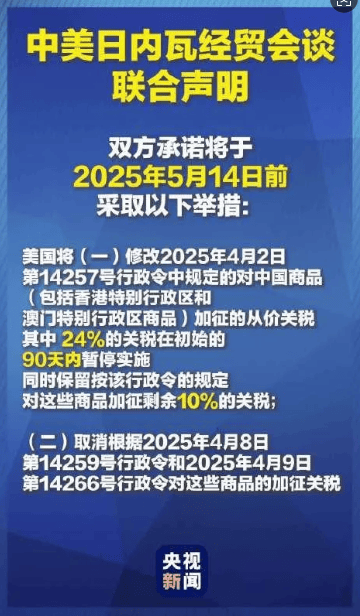
这场日内瓦会谈彻底撕破了特朗普"美国优先"的画皮,是美国历史性的关税大溃败,是特朗普被现实打 脸打到清醒的体现。 根据联合声明,美方被迫取消91%的对华关税,暂停24%的对等关税90天,仅保留10%的象征性关税。 这相当于特朗普4月发动的"超级关税战"被中方一拳打回原形。 特朗普4月发起的关税突袭,本质是其"交易艺术"的升级版,试图通过短期高压迫使中国在科技、市场 准入等核心领域让步。 但中国以"你打你的,我打我的"战术,用稀土管制卡住美国军工供应链,以对等关税反制民生商品,最 终让美国财政部长贝森特不得不低头谈判。 这种"边打边谈"的模式,既非全面和解,也非彻底脱钩,而是双方在实力较量后的战术调整。 美国的这次狼狈退让暴露出现三大致命伤: 一是暴露出美国的经济脆弱性,中国商品占美国进口总额的20%,高关税直接推高通胀,引发民众抢购 囤积。加州州长甚至公开反对特朗普政策,称其将导致300万人失业。 二是暴露出美国的政治分裂,共和党内部对关税政策的不满与日俱增,民主党借机攻击特朗普"外交混 乱",迫使白宫在中期选举前寻求缓和。 美国对中国商品的综合税率从145%暴跌至30%,中国则以对等力度反制,让美方尝到了搬 ...

省领导来昆调研台资企业并召开台商座谈会
Su Zhou Ri Bao· 2025-05-09 23:23
Group 1 - The core message emphasizes the importance of enhancing policies and services to support Taiwanese businesses in Jiangsu, particularly in Kunshan, to foster development and collaboration [1][2] - The meeting included representatives from ten Taiwanese enterprises discussing topics such as supply chain integration, market diversification, and technological innovation [1] - Jiangsu is highlighted as an ideal destination for Taiwanese investment, with a commitment to providing a stable development environment regardless of international or cross-strait dynamics [1] Group 2 - Taiwanese businesses in Kunshan are recognized as key participants and beneficiaries of cross-strait cooperation, with a call for them to strengthen their investment and integration into the new dual circulation development pattern [2] - There is a focus on seizing opportunities in artificial intelligence and enhancing collaboration with Jiangsu enterprises and research institutions to drive technological and industrial innovation [2] - Relevant departments are urged to continue improving policy research and service upgrades to alleviate concerns for Taiwanese businesses, allowing them to focus on development and operations [2]
自贸区战略升级开放试点扩容提质
Sou Hu Cai Jing· 2025-05-09 14:27
Core Viewpoint - The strategic upgrade of free trade zones (FTZs) aims to establish a new high ground for institutional openness through systematic expansion and deep quality enhancement, responding to global geopolitical challenges and promoting high-quality economic development [3]. Group 1: Expansion - The expansion measures focus on emerging fields and regional extension, with Shanghai FTZ leading the way in service industry openness, breaking barriers in technology and data sectors, and dynamically publishing a list of recognized foreign professional qualifications to accelerate talent flow [4]. - Key sectors such as value-added telecommunications and biomedicine are seeing relaxed foreign investment restrictions, with pilot programs in Beijing, Shanghai, and Hainan removing foreign equity limits to attract high-end industries [4]. - Inland and border FTZs are rapidly emerging, exemplified by Chongqing FTZ's introduction of 28 best practice cases covering investment trade and logistics, creating a multi-layered and wide-ranging open matrix [4]. Group 2: Quality Enhancement - The core of quality enhancement lies in institutional innovation and governance optimization, with Xinjiang FTZ implementing a dual-track system of negative lists and special lists to eliminate entry barriers in cross-border agriculture and energy sectors [6]. - The Ningbo area in Zhejiang is leveraging blockchain technology to streamline regulatory processes, reducing quarantine approval times and achieving "one-time declaration, full-process handling" [6]. - Digital trade is emerging as a new engine, with Shanghai exploring a negative list for data outbound and Chongqing innovating a model for reducing domestic railway freight costs in sea-rail intermodal transport [6]. Group 3: Empowering Industry Upgrades - The strategic upgrade has shown significant results, with Guangdong FTZ's import and export total increasing sixfold over ten years and Tianjin FTZ attracting an average of over $2 billion in foreign investment annually [7]. - Institutional dividends are accelerating industrial clustering, with Fujian FTZ's innovative cross-border e-commerce regulatory model driving rapid export growth and Ningbo area establishing a hub for bulk commodity resource allocation, maintaining a leading position in global port throughput [7]. - The FTZs are not only extending geographical boundaries but also deeply tapping into institutional advantages, becoming strategic points connecting domestic and international dual circulation, contributing Chinese wisdom to global economic governance [7].

“内外联动”彰显中国经济韧性和开放决心(开放谈)
Ren Min Ri Bao Hai Wai Ban· 2025-05-06 00:53
Group 1 - The core viewpoint emphasizes the resilience of the Chinese economy in response to rising global trade protectionism and unilateral trade disputes initiated by the U.S. The strategy of expanding foreign trade to domestic sales showcases this resilience [1][2] - Economic resilience is measured by three dimensions: resistance, recovery, and renewal. China's export share to the U.S. has decreased from 19.2% in 2018 to 14.7% in 2024, indicating a strong capacity to absorb foreign trade goods into the domestic market [1] - The government is actively supporting foreign trade enterprises through various policies, including financial subsidies and special financing tools, to help them adapt to the challenges posed by U.S. tariffs [2][3] Group 2 - The strategy of expanding domestic sales not only enriches the domestic market supply but also enhances market competition, driving industrial upgrades and promoting high-quality economic development [1][3] - The long-term cultivation of the domestic market will effectively enhance the competitiveness of foreign trade, transitioning from a low-price orientation to a focus on high quality and high technology [2] - The approach of "internal promotion of external trade" reflects China's commitment to high-level opening-up and serves as a proactive response to changes in the global economic landscape, fostering new opportunities for international cooperation [3]
释放“即买即退”红利,提升文旅消费国际竞争力(专家谈)
Ren Min Ri Bao Hai Wai Ban· 2025-05-02 22:01
从优质产品打造角度而言,在供给侧,独特性、文化性、体验性产品将会有更多的市场空间,加快中国 文旅消费从"门票经济""基础消费"向"品质消费""精神消费"升级。在消费侧,通过消费链条延伸,形 成"购物—体验—服务"闭环。文旅市场将更加注重产品质量管控,促使整个文旅领域向规范化、品质化 发展,从而有利于提升中国文旅产品的市场竞争力和影响力。 从消费环境角度而言,与传统离境退税的办理流程相比,"即买即退"最大的特色和亮点在于将传统离境 退税的"事后补偿"升级为"购物激励",让境外旅客更加直观地感受到消费的经济实惠与便利化,这将为 进一步挖掘消费潜力创造有利条件。同时,为了配合政策落地实施,各地也持续在加强基础设施建设、 培育服务型消费生态等方面下功夫,助力打造国际旅游目的地、国际消费中心城市等发展目标。 从带动效应角度而言,一方面将进一步扩大旅游贸易规模,另一方面将有力促进"文旅+"相关产业协同 发展,延长文旅经济链条。2025年全国两会政府工作报告中将扩大内需、提振消费作为今年的首要任 务,在此背景下叠加美国滥施关税等外部环境的多重因素影响,推动服务贸易高质量发展成为重要路 径。2024年,中国共接待入境游客1. ...
4个多小时→1.5小时 云南临清高速公路今日全线通车
Yang Shi Xin Wen· 2025-04-28 06:16
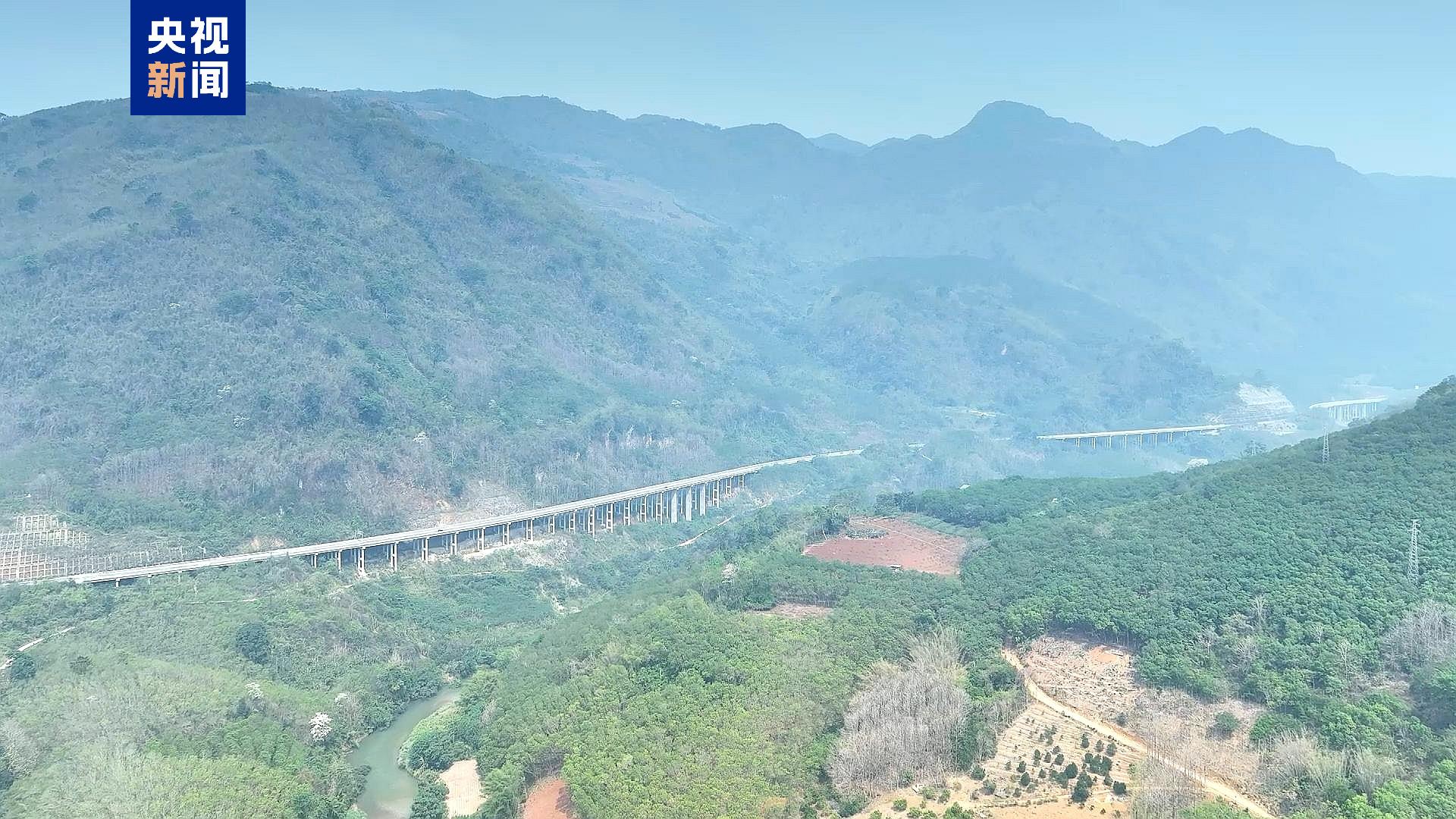
"临清高速公路建成通车,为云南的对外开放和经济发展注入了强劲动力。"临清高速公路公司董事长刘成文介绍,云南建设面向南亚东南亚辐射中心,完善 交通基础设施至关重要。对云南省而言,临清高速公路是构建东西国际大通道、形成连接两洋战略格局的关键一环。这条高速公路将进一步提升云南在区域 交通网络中的地位,促进资源优化配置,带动沿线地区产业发展,为云南经济社会高质量发展注入新的活力。 临清高速公路建成后,临沧至清水河口岸的通行时间从4小时缩短至1.5小时,将串联起大理至临沧、墨江至临沧、临沧机场、临翔至双江、瑞丽至孟连、永 德至勐简、镇康(南伞)至耿马(清水河)7条高速公路,受益群众超过150万人,为推动沿线地区的经济高质量发展、最大限度激发"大通道"的发展潜力、 培育和发展绿美通道经济提供重要支撑,助力沿线广大群众生产生活迈上新台阶。 4月28日,经过7600多名建设者8年时间的奋战,云南省临沧市临翔至清水河高速公路全线通车,进一步解决了云南省沿边地区公路等级总体偏低、连接不畅 等问题,从临沧市区到清水河口岸的通行时间由4个多小时缩短为1.5小时左右。临翔至清水河高速公路起于临翔区旧寨,途经南美、勐撒、勐简,终点位于 ...
多维发力 江苏多措并举稳外贸促发展
Ren Min Wang· 2025-04-26 23:25
0:00 原题:全聚焦丨多维发力 江苏多措并举稳外贸促发展 当前,外贸企业面临订单波动、不确定因素增加等严峻挑战。作为外贸大省,江苏多措并举稳外贸促发 展,通过加速多元化市场布局,交通物流提速升级等举措,促进外贸经济发展。 南通外贸中心是外贸企业集聚区,目前入驻企业超250家,涉及纺织服装、机械设备等30多个领域。园 区内的江苏亦瑾进出口贸易有限公司,主要从事纺织品及原辅料等商品的进出口业务。公司负责人透 露,前几年公司就有意调整了市场布局,目前在美国的业务量不大。对于部分美国滞留订单,公司根据 不同地区客户需求重新设计,并将其出口到日韩、欧洲、东南亚等地。 今年以来,南通外贸中心联合相关部门多次上门走访企业,及时响应企业诉求,同时组织多场政策宣讲 会、"外贸大讲堂"等活动,加快推进内外贸一体化发展。为帮助外贸企业拓展国内市场,泰州启动"泰 享消费·外贸优品"促消费系列活动,通过线下展销、线上直播等途径,并叠加100万元消费券,把优质 的外贸产品带给国内消费者,实现消费者和外贸企业的"双赢"。 泰州润元户外用品股份有限公司董事长赵立新说:"我们在家里的订单库存有将近800万美元,在海上漂 的有100多万美元的 ...

打好出口转内销组合拳
Xin Hua Ri Bao· 2025-04-15 22:04
Group 1 - The core viewpoint is that the shift from export to domestic sales is gaining momentum due to the impact of U.S. tariff policies, with major e-commerce platforms supporting foreign trade enterprises in expanding into the domestic market [1][2] - In 2024, China's total retail sales of consumer goods are projected to reach 48.8 trillion yuan, significantly exceeding the export value to the U.S., indicating a robust domestic market that can support foreign trade enterprises [1] - The successful sale of 2 million foreign trade toothbrushes by a factory in Yangzhou exemplifies the vitality of the export-to-domestic sales market, showcasing the advantages of established manufacturing capabilities and product quality [1] Group 2 - Transitioning from "OEM production" to independent branding and adapting to domestic consumer preferences involves overcoming challenges in product design, channel development, and brand building [2] - Policy support, such as the "Foreign Trade Quality Products China Tour" and financial assistance, is crucial for facilitating the transformation of foreign trade enterprises [2] - The need for a structural reform on the supply side is emphasized, with suggestions for improving the "same line, same standard, same quality" system for domestic and foreign trade products [3] Group 3 - The practice of export-to-domestic sales highlights the potential for new opportunities amid crises, emphasizing the importance of balancing change and stability [3] - A focus on consumer preferences is necessary, as differences in product features, such as toothbrush bristle hardness, must be understood to effectively penetrate the domestic market [2][3] - The commitment to expanding openness and adapting to international competition is essential for driving the transformation of foreign trade enterprises within the dual circulation framework [3]
美国对华关税围堵,为何注定双输?看中国破局之道
Sou Hu Cai Jing· 2025-04-14 21:16
Group 1 - The U.S. government's imposition of high tariffs on Chinese goods exceeds normal trade policy and constitutes a unilateral economic blockade, reflecting anxiety over maintaining global economic hegemony [1] - China's manufacturing exports surpassed $2 trillion in 2023, driven by a complete industrial system, efficient production capacity, and a continuously optimized business environment [3] - The U.S. misinterprets trade deficits by blaming China, while the real structural issues stem from U.S. industrial hollowing and excessive financialization [3] Group 2 - China's strategy to address trade friction demonstrates great power wisdom, with a 45% increase in semiconductor investment in 2023 and a 62% share of global patent applications in the new energy sector [5] - The growth of re-export trade reflects the adaptability of Chinese enterprises, with direct investment in Vietnam increasing by 180% over three years and the establishment of an auto parts cluster in Mexico creating 120,000 jobs [5] - The essence of Sino-U.S. economic relations should be cooperation rather than confrontation, with China remaining open to dialogue while rejecting any unequal terms that harm core interests [5] Group 3 - The trade confrontation is reshaping the global economic landscape, with U.S. companies losing access to the largest growth market, as evidenced by General Motors' 42% sales share in China in 2023 and Tesla's Shanghai factory contributing 52% of global capacity [7] - China's digital economy has surpassed 50 trillion yuan, and foreign investment in green and low-carbon industries has increased by 38%, indicating a shift towards high-quality development [7] - The historical trend shows that actions against economic globalization will not gain support, as China deepens regional cooperation through RCEP and international platforms like the China International Import Expo [7]
中国银行的全球化势能
华尔街见闻· 2025-03-31 04:56
Core Viewpoint - The article highlights the strategic importance of the QianKai Port project in Peru as a key initiative under the Belt and Road Initiative, emphasizing the role of Bank of China in providing comprehensive financial services to support international trade and investment [2][3]. Group 1: Financial Performance - In 2024, Bank of China reported a revenue growth of 1.38% and a net profit growth of 2.58%, with a return on assets (ROA) of 0.75% and a return on equity (ROE) of 9.50%, indicating stable performance metrics [2]. - The bank's overseas assets contributed 26.72% to its profits, with foreign financial investments totaling approximately $296.98 billion, reflecting a year-on-year increase of 22.51% [6][10]. Group 2: Global Expansion and Services - Bank of China has established 543 overseas branches across 64 countries, including 45 Belt and Road Initiative countries, enhancing its global footprint and service capabilities [15][16]. - The bank leads the industry in cross-border RMB payment services, with a transaction volume of 131.38 trillion yuan, marking a 40% increase [5]. Group 3: Strategic Initiatives - The bank aims to strengthen its global business layout and enhance its financial services to support the Belt and Road Initiative, focusing on improving service quality for foreign trade and investment [3][18]. - Bank of China is committed to expanding its global advantages and maintaining a steady increase in overseas profit contributions, with a focus on resource allocation in key regions [19].