新型举国体制

Search documents
金元证券周晔:立根基而强寰宇 从“高水平自立”迈向“高质量自强”的“十五五”征程
Zheng Quan Shi Bao Wang· 2025-11-04 08:16
Core Viewpoint - The transition from the "14th Five-Year Plan" to the "15th Five-Year Plan" represents a significant leap in China's modernization, focusing on enhancing technological self-reliance and quality self-strengthening [1][5]. Summary by Sections 14th Five-Year Plan Achievements - The "14th Five-Year Plan" positioned innovation at the core of China's modernization, emphasizing technological self-reliance as a strategic support for national development [2]. - It recognized the profound changes in international circumstances and technological landscapes, necessitating the mastery of key technologies and core capabilities through independent innovation [2][3]. - Major achievements in various fields such as manned spaceflight, lunar exploration, and quantum information reflect a significant enhancement in China's technological capabilities [4]. Transition to the 15th Five-Year Plan - The "15th Five-Year Plan" aims to significantly improve the level of technological self-reliance and self-strengthening, enhancing the overall effectiveness of the national innovation system [5][6]. - The focus will shift from merely having capabilities to evaluating the quality and strength of these capabilities, aiming for leadership in more sectors [5][6]. - The plan emphasizes the need for a new growth model driven by original innovation and high-value-added technologies, moving away from traditional resource inputs [6][10]. Key Areas of Focus - Quantum technology is highlighted as a critical area for observing the transition from self-reliance to self-strengthening, with significant investments and advancements in quantum computing and communication [7][8]. - The plan outlines the need to explore future industries such as quantum technology, biomanufacturing, and hydrogen energy, aiming to transform cutting-edge technologies into new economic growth points [8][9]. Collaborative Mechanisms - A comprehensive mechanism integrating education, technology, and talent is proposed to cultivate high-level talent aligned with national strategic needs [9]. - The role of enterprises in technological innovation will be strengthened, encouraging them to lead national technological challenges and enhance their investment in basic research [9][10]. Future Directions - The "15th Five-Year Plan" is seen as a new chapter in China's modernization, requiring a balance between maintaining safety through self-reliance and enhancing global competitiveness through quality self-strengthening [10][11]. - The plan aims to transform foundational achievements from the "14th Five-Year Plan" into comprehensive national competitiveness, focusing on controllable key areas and autonomous core technologies [11].
“四链融合” “中国造”越来越有分量了
Ren Min Wang· 2025-11-04 07:47
Core Insights - China has found a "golden key" to break through "bottleneck" technologies through a new type of national system under centralized leadership [1] - The concept of "four-chain integration" aims to facilitate the transformation of scientific achievements into industrial applications more efficiently [1] - The 20th National Congress of the Communist Party emphasized accelerating high-level technological self-reliance, which is a systematic elevation of valuable experiences from the 14th Five-Year Plan period [1] Investment and Innovation - A technology company in Bengbu, Anhui, has successfully mass-produced flexible foldable glass, which was previously dominated by foreign companies, showcasing China's technological self-reliance [3] - During the 14th Five-Year Plan period, R&D expenditure increased from 2.44 trillion yuan to 3.61 trillion yuan, maintaining the second position globally, with R&D intensity rising from 2.40% to 2.68%, surpassing the EU average for the first time [4] - By 2024, at least 21 out of 35 critical "bottleneck" technologies are expected to be broken through, supported by 77 major national scientific infrastructure projects [4] Mechanisms for Innovation - The "enterprise innovation points system" has helped a company in Zhejiang, founded by a returnee PhD, to secure funding without collateral, demonstrating a shift from traditional subsidy models to more innovative funding mechanisms [5] - The establishment of over 1,500 government-guided funds has mobilized more than 3 trillion yuan in social capital investments, indicating a robust investment ecosystem [5] Industry and Talent Integration - The Guangdong-Hong Kong-Macao Greater Bay Area exemplifies effective integration of industry and innovation chains, with leading enterprises collaborating with universities and research institutions [6] - The national technology contract transaction volume reached 6.8 trillion yuan in 2024, 1.8 times that of 2020, reflecting accelerated integration of innovation and industry [6] - The implementation of "dual-employment" mechanisms allows for talent mobility between academia and industry, fostering knowledge exchange and innovation [6] Future Outlook - The focus for the 15th Five-Year Plan will be on enhancing the new type of national system and deepening the integration of innovation, industry, finance, and talent [6] - Strengthening basic research and original innovation is essential for establishing a foundation for technological self-reliance [6]

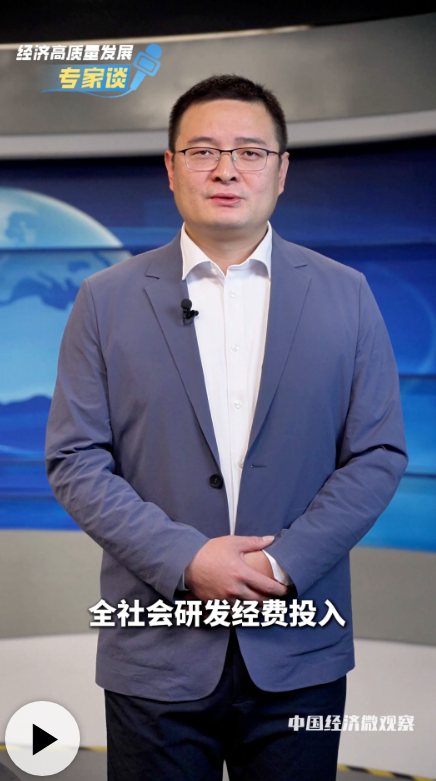
中国经济微观察 “四链融合”“中国造”越来越有分量了
Ren Min Wang· 2025-11-04 03:00
Core Viewpoint - China has made significant strides in overcoming "choke point" technologies through a new type of national system under centralized leadership, emphasizing self-reliance in technology and innovation [1][2]. Group 1: Technological Advancements - The "Four Chain Integration" aims to facilitate the transformation of scientific achievements into industrial applications, enhancing the speed at which laboratory innovations become market-ready products [2][3]. - During the "14th Five-Year Plan" period, R&D expenditure increased from 2.44 trillion yuan to 3.61 trillion yuan, maintaining the second position globally, with R&D intensity rising from 2.40% to 2.68%, surpassing the EU average for the first time [3]. - At least 21 out of 35 previously identified "choke point" technologies are expected to be overcome by 2024, supported by 77 major national scientific infrastructure projects [3]. Group 2: Funding and Support Mechanisms - A new "enterprise innovation points system" has been implemented, allowing companies to secure funding without collateral based on their innovation scores, which consider factors like talent and patents [4]. - Over 1,500 government-guided funds have been established nationwide, attracting over 3 trillion yuan in social capital investments [4]. Group 3: Industry and Innovation Integration - The Guangdong-Hong Kong-Macao Greater Bay Area serves as a model for integrating industry and innovation, where leading tech companies collaborate with universities and research institutions to address the disconnect between R&D and market needs [5]. - The national technology contract transaction volume reached 6.8 trillion yuan in 2024, 1.8 times that of 2020, indicating a rapid acceleration in the integration of innovation and industry [5]. Group 4: Future Directions - Looking ahead to the "15th Five-Year Plan," there is a commitment to further enhance the integration of innovation chains, industry chains, funding chains, and talent chains [6]. - Emphasis will be placed on strengthening basic research and original innovation while promoting a better synergy between effective markets and proactive government initiatives [6].
轨交设备II:CR450动车组破技术壁垒,中国高铁再攀新高度
Huafu Securities· 2025-11-02 07:03
Investment Rating - The industry rating is "Outperform the Market," indicating that the overall return of the industry is expected to exceed the market benchmark index by more than 5% in the next 6 months [13]. Core Insights - The CR450 high-speed train has achieved a test speed of 453 km/h and an operational speed of 400 km/h, entering a new realm of high-speed rail technology [3]. - The development of the CR450 train has mobilized over 2,100 enterprises across more than 20 provinces, leading to the localization of key components and forming a trillion-level industry scale [4]. - By the end of 2024, China's high-speed rail operating mileage is expected to reach 48,000 km, accounting for over 70% of the global total, enhancing the competitiveness of China's high-speed rail [4]. - The Chinese government has set ambitious targets for railway expansion, aiming for a total railway network of approximately 200,000 km by 2035, which will create significant market opportunities for the rail transit equipment industry [5]. Company Summaries - China CNR Corporation: A global leader in rail transit equipment, maintaining the top position in rail transit equipment revenue [5]. - China Railway Signal & Communication Corporation: A leading provider of rail transit control systems with a focus on control technology [5]. - Times Electric: A leading supplier of traction and conversion systems, consistently leading the domestic market [5]. - Sifang Railway: A core supplier in the field of high-speed rail comprehensive monitoring [5]. - Shenzhou High-speed Railway: A leading enterprise in intelligent operation and maintenance equipment for rail transit [5]. - Brilliant Technology: Provides integrated solutions and maintenance equipment for rail transit, with rich experience in technology development and project implementation [5].
以“超常规”之举筑牢科技自立自强根基
Nan Fang Du Shi Bao· 2025-10-30 06:38
Core Insights - The article emphasizes the importance of "super-normal" measures in the 15th Five-Year Plan, focusing on key core technology breakthroughs in areas such as integrated circuits and high-end equipment, reflecting a strategic urgency for technological self-reliance [1][2] Group 1: Strategic Context - The global landscape is undergoing unprecedented changes, driven by a new wave of technological revolution and industrial transformation, presenting significant development opportunities in strategic frontier technologies like AI and biomedicine [1] - There is a growing trend of unilateralism and protectionism in the international environment, leading to increasing technological blockades and strategic constraints faced by the country [1] Group 2: Innovation and Resource Allocation - "Super-normal" signifies a shift in resource allocation, requiring the breaking down of departmental, regional, and industry barriers to concentrate resources for organized scientific research [3] - The need for a fundamental transition from factor-driven to innovation-driven economic development is highlighted, necessitating a reconfiguration of the innovation ecosystem [2] Group 3: Policy Support and Talent Development - Policy support must be forward-looking and inclusive, with fiscal policies favoring major technological projects and monetary policies providing low-cost, long-term funding for tech companies [4] - The competition for key core technologies ultimately boils down to talent competition, necessitating reforms in the scientific system to empower researchers and encourage disruptive innovations [4]
互动测试!“十五五”规划建议100题
Sou Hu Cai Jing· 2025-10-30 04:45
Group 1 - The "15th Five-Year Plan" period is a critical phase for consolidating and expanding advantages while addressing bottlenecks and weaknesses to achieve significant breakthroughs in strategic tasks related to Chinese-style modernization [4][5]. - The development environment during the "15th Five-Year Plan" period is characterized by profound and complex changes, with strategic opportunities coexisting with risks and challenges [6][7]. - The international landscape is undergoing significant changes, with a new round of technological revolution and industrial transformation accelerating, providing favorable conditions for China to shape its external environment [8][9]. Group 2 - The guiding ideology for economic and social development during the "15th Five-Year Plan" period includes adherence to Marxism, Mao Zedong Thought, Deng Xiaoping Theory, and Xi Jinping's Thought on Socialism with Chinese Characteristics for a New Era [10][11]. - The main goals for economic and social development include achieving significant results in high-quality development, enhancing self-reliance in technology, and improving the quality of life for the people [12][13]. - By 2035, it is expected that China's economic strength, technological capabilities, and overall national power will significantly increase, with per capita GDP reaching the level of moderately developed countries [14][15]. Group 3 - The focus of economic development should be on the real economy, emphasizing intelligent, green, and integrated directions to build a modern industrial system [16][17]. - There is a need to enhance the autonomy and controllability of the industrial chain, strengthen the re-creation of industrial foundations, and implement high-quality development actions for key industrial chains [18][19]. - The development of strategic emerging industries such as new energy, new materials, and aerospace is prioritized to foster new economic growth points [20][21]. Group 4 - The "strong domestic market" is a strategic support for Chinese-style modernization, emphasizing the importance of expanding domestic demand and promoting consumption and investment [22][23]. - The government aims to enhance public service spending and improve residents' consumption capacity to stabilize expectations and boost consumption [24][25]. - The optimization of government investment structure is crucial for high-quality implementation of national strategies and key projects [26][27]. Group 5 - The modernization of agriculture and rural areas is essential for the overall modernization process, focusing on solving "three rural issues" and promoting urban-rural integration [28][29]. - The development of a modern agricultural industry is emphasized, integrating technology, green practices, and quality improvements [30][31]. - The establishment of a multi-dimensional investment pattern is necessary to ensure continuous support for rural revitalization efforts [32][33].

“十五五”规划建议:采取超常规措施,全链条推动集成电路、工业母机等重点领域关键核心技术攻关取得决定性突破
第一财经· 2025-10-28 09:39
Core Viewpoint - The article emphasizes the importance of strengthening original innovation and tackling key core technologies in China's economic and social development plan for the 15th Five-Year Plan [1] Group 1: Key Areas of Focus - The plan calls for a comprehensive approach to promote breakthroughs in critical core technologies across various sectors, including integrated circuits, industrial mother machines, high-end instruments, basic software, advanced materials, and biomanufacturing [1] - It highlights the need to align with national strategic demands and implement significant national scientific tasks [1] Group 2: Research and Development Strategy - The article stresses the importance of enhancing the strategic, forward-looking, and systematic layout of basic research, increasing the proportion of investment in basic research, and providing long-term stable support [1] - It advocates for a research and technology development environment that encourages original and disruptive innovations, aiming to produce more landmark original achievements [1]
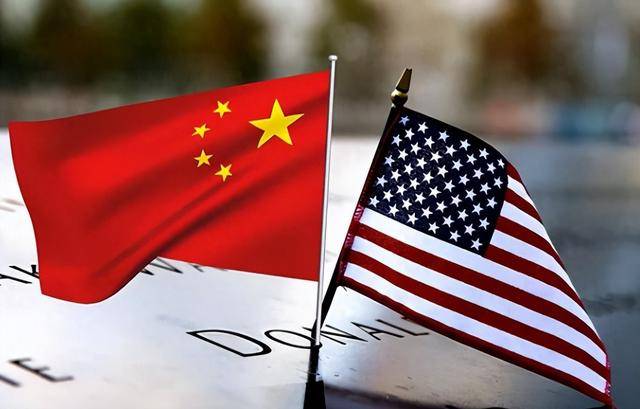
中美吉隆坡刚谈妥,美国又变脸,美财长通告全球,将继续针对中国
Sou Hu Cai Jing· 2025-10-28 04:53
Core Points - The recent US-China trade negotiations resulted in a preliminary framework agreement, extending certain tariff suspension periods and initiating pilot cooperation on fentanyl enforcement [6][11] - US Treasury Secretary emphasized that the US will not change its export control measures against China, indicating a persistent hardline stance [9][12] - The negotiations highlighted a stark contrast between traditional trade issues and strategic technology competition, with the US aiming to maintain its technological dominance [11][26] Trade Negotiations - The negotiations took place in Kuala Lumpur and were marked by intense discussions on six core issues, including maritime logistics and tariff suspension [3][6] - Despite reaching an agreement, the atmosphere was described as tense, with significant disagreements on agricultural imports and tariffs on China's shipbuilding industry [7][11] Export Controls - The US's firm position on export controls stems from concerns over China's technological advancements, particularly in semiconductors and quantum computing [13][15] - The US plans to tighten export controls further by 2025, affecting companies like TSMC and Samsung in China [15][17] - The US is also implementing restrictions on AI chip exports, which could severely impact Chinese companies and US tech giants alike [17][19] Rare Earths and Supply Chains - China maintains a dominant position in the global rare earth supply chain, controlling 92% of refining capacity [19][21] - The US's attempts to form a "technology alliance" against China have faced internal disagreements among G7 countries, undermining their effectiveness [21][25] - China's strategy includes building processing plants in collaboration with countries like Vietnam and Malaysia, enhancing its resource and technology integration [22][24] Systemic Competition - The negotiations reflect a broader competition between two systemic models: the US's "small yard, high wall" strategy versus China's "new type of state-led system" [26][28] - In the semiconductor sector, the US is providing substantial subsidies to attract foreign investment, while China is heavily investing in its domestic industry [28][30] - The ultimate goal of this competition is to shape global governance rules, with both countries pursuing different paths to influence the global economic landscape [30][32]
花江峡谷大桥“横竖”都是第一,底气何来
Ren Min Ri Bao· 2025-10-27 05:34
Core Insights - The construction of the Huajiang Gorge Bridge exemplifies China's advancements in engineering technology through independent innovation and the strengthening of the "engineer dividend" [1][4] - The bridge, measuring 2890 meters in length and with a main span of 1420 meters, is recognized as the world's highest bridge at 625 meters above water, showcasing China's capabilities in complex engineering projects [1][2] Engineering Technology Breakthroughs - The bridge utilizes 2000 MPa high-strength steel wires, capable of lifting ten small cars, and incorporates advanced technologies such as Doppler laser radar for wind measurement and a "smart cable" system [2][3] - The project team achieved seamless integration of multiple cutting-edge technologies, completing 21,000 tons of steel beam alignment in just 73 days, significantly reducing construction time [3] Organizational and Collaborative Strength - The construction employed a "ranking and leadership" model to form specialized teams, enhancing the integration of innovative results with engineering practices [3] - China's strong organizational and collaborative capabilities in complex systems engineering are highlighted, which are also evident in other fields such as aerospace and high-speed rail [3] Talent and Human Resources - Engineers are recognized as a crucial force in advancing engineering technology and are integral to national strategic talent [4] - The project team was awarded the "National Excellent Engineer Team" title for overcoming significant challenges during construction, reflecting the high level of skilled talent in China [4] Future Directions - While China leads in engineering technology, there is still room for improvement in key materials, core components, and supporting software [4] - The focus should be on enhancing independent innovation capabilities to address major engineering technology issues related to national strategic needs [4]
习言道|积极识变应变求变,牢牢把握战略主动
Zhong Guo Xin Wen Wang· 2025-10-24 13:00
习言道|积极识变应变求变,牢牢把握战略主动 中国互联网发展基金会 | 中国互联网发展基金会 China Internet Development Foundation | 中国正能量网络传播专项基金支持项目 "十五五"时期 是基本实现社会主义现代化 770 分头巷何、 王国权力的 中共中央8月27日在中南海召开党外人士座谈会,就中共中央关于制定国民经济和社会发展第十五个五年规划的建议听取各民主 党派中央、全国工商联负责人和无党派人士代表的意见建议。中共中央总书记习近平主持座谈会并发表重要讲话强调—— 习近平 在党外人士座谈会上说 2025年8月27日 中國 狗闻網 WWW.CHINANEWS.COM.CN 关键时期。 习近平 在党外人士座谈会上说 2025年8月27日 中國 狗闻網 WWW.CHINANEWS.COM.CN CIDF 中国互联网发展基金会 | 中国互联网发展基金会 China Internet Development Foundation 丨中国正能量网络传播专项基金支持项目 要密切跟踪、 精准研判国际形势, 积极识变应变求变, c 牢把握战略主动。 元论外部环境怎么变化, 都要集中力量 办好 ...