贸易保护主义

Search documents
美国财长刚骂完人,数据啪啪打脸!1万亿美元逆差怪谁?
Sou Hu Cai Jing· 2026-02-16 05:23
Core Viewpoint - The U.S. Treasury Secretary's remarks on fair competition with China highlight a contradiction between the U.S.'s trade deficit reality and its criticism of China's trade surplus, suggesting that the U.S. is the main disruptor of global trade order [1][6]. Trade Deficit Analysis - The U.S. trade deficit is projected to reach $1 trillion in the fiscal year 2025, with imports at $4.4 trillion and exports at $3.4 trillion, indicating a persistent imbalance [3]. - China's trade surplus is expected to soar to a historical peak of $1.2 trillion in 2025, driven by a 6.6% increase in exports and a 5.7% increase in imports in December alone [3]. - The U.S. tariffs on Chinese goods have not reduced the trade deficit but have instead led to a restructuring of global trade flows, exacerbating the deficit issue [3][5]. Structural Imbalances - The core issue of the U.S. trade deficit lies in its consumption-driven economy and the hollowing out of its manufacturing sector, leading to a reliance on imports to meet domestic demand [5]. - The U.S. economy's high dependence on consumer spending, coupled with low savings rates, has resulted in sustained demand for foreign goods [5]. - Efforts to encourage re-industrialization through tariffs face challenges due to high labor costs and outdated infrastructure in the U.S. [5]. Dollar Dominance and Trade Dynamics - The U.S. dollar's status as the world's primary reserve currency necessitates a long-term trade deficit, as countries need to maintain trade surpluses to acquire dollars [5]. - The strong dollar further complicates the trade deficit by making imports cheaper and exports more expensive, perpetuating the imbalance [5]. Fiscal Deficits and Economic Impact - The U.S. faces a "twin deficit" situation, with a federal budget deficit of $1.8 trillion for the fiscal year 2025, leading to increased borrowing and a rising national debt exceeding $38 trillion [6]. - This fiscal situation contributes to a stronger dollar, which diminishes the price competitiveness of U.S. goods in international markets [6]. Trade Protectionism Consequences - U.S. trade protectionist policies have not resolved the trade deficit but have instead led to a "backlash effect," with significant declines in U.S. imports from China following tariff implementations [8]. - Despite reduced exports to the U.S., China has successfully expanded its market share in emerging markets, offsetting losses from the U.S. market [8][10]. Supply Chain Dynamics - The restructuring of global supply chains has resulted in U.S. companies still sourcing Chinese components through third-party countries, leading to increased costs without resolving the trade deficit [10]. - The U.S. tariffs have inadvertently raised domestic inflation and burdened consumers, while the fundamental trade dynamics remain unchanged [10]. Geopolitical Implications - The U.S. narrative of "fair competition" serves as a pretext for maintaining its geopolitical influence and countering China's growth, rather than addressing the underlying economic issues [10]. - The essence of global trade is mutual benefit, and the U.S. must confront its structural problems and abandon protectionist policies to achieve a more balanced trade environment [10].

法国要对中国打贸易战?德国不点头、东欧不买账,欧盟内部吵翻了
Sou Hu Cai Jing· 2026-02-16 02:11
Group 1 - The core issue revolves around France and the EU's proposal to impose high tariffs on Chinese goods, interpreted by some as a potential trade war against China [1][9] - A strategic report from a French government advisory body suggests a uniform tariff of approximately 30% on Chinese imports to protect European industries from the influx of cheaper Chinese products [1][4] - The report highlights concerns from the French and European industrial sectors regarding the competitive pressure from Chinese manufacturing, particularly in sectors like automotive, machinery, chemicals, and batteries [5][10] Group 2 - Chinese official media responded to the tariff proposal, asserting its illegitimacy and indicating potential countermeasures, including investigations into EU products like French wine [3][7] - There are differing opinions within France regarding the proposed tariffs, with the Finance Minister advocating for more targeted trade defense measures rather than blanket tariffs [5][9] - The complexity of the EU's internal decision-making process and the lack of consensus among member states on trade protectionism are highlighted, indicating that the proposal is still in the advisory stage and not yet formal policy [9][10] Group 3 - If the EU were to implement stricter tariffs, China has several potential countermeasures, including anti-dumping investigations and reciprocal tariffs on EU products [7][12] - The ongoing trade discussions reflect deeper global trade tensions, where countries are balancing globalization with domestic industry protection, as seen in the U.S. and EU's approaches to Chinese products [10][12] - The situation emphasizes the need for dialogue and adherence to multilateral trade rules to manage trade disputes effectively, rather than resorting to unilateral actions [10][12]

美国逼急了中国也逼反了中国,美国将自食其果
Sou Hu Cai Jing· 2026-02-15 15:12
Group 1 - The U.S. has imposed escalating tariffs on Chinese goods, starting with a 10% tariff in early 2025, which later increased to 20% and even higher, aiming to control China's rapid development [2] - In response, China halted imports of U.S. soybeans, redirecting its supply to Brazil and Argentina, while domestic soybean cultivation increased to compensate for the loss [3] - China has begun to settle a portion of its iron ore trade with Australia in RMB, with 30% of spot trades expected to be conducted in this currency starting in Q4 [3] Group 2 - China's import channels for crude oil from the Middle East and Africa are gradually shifting towards RMB, and port fees for U.S. vessels have been increased [5] - The Chinese government has implemented stricter controls on rare earth exports, affecting all companies using Chinese rare earth materials, which are critical for various industries [5] - The semiconductor sector has seen an increase in exports of mature process chips, with significant contributions from companies like Nvidia and Qualcomm, despite U.S. restrictions [5] Group 3 - The U.S. is experiencing domestic economic challenges due to the tariffs, with rising prices leading to increased costs for families and farmers, and a decline in factory orders [8] - China's trade partnerships have diversified, with stable supplies from Brazil, Argentina, and Russia, while the domestic agricultural sector has expanded [8] - The share of RMB in global trade settlements is gradually increasing, indicating a shift towards a more balanced international trading system [8][10] Group 4 - The global trade landscape is changing, with the U.S. facing consequences from its unilateral tariff actions, leading to increased costs for consumers and businesses [10][11] - China's countermeasures are not aimed at retaliation but rather at protecting its development space, demonstrating resilience against U.S. pressure [11] - The situation illustrates that unilateralism is ineffective, and a cooperative approach is essential for sustainable global trade [11]

中国用一年时间向全球证明,特朗普关税大棒,全砸在美国人头上了
Sou Hu Cai Jing· 2026-02-15 11:01
Group 1 - The article highlights that despite the implementation of U.S. tariffs, Chinese manufacturing has not been significantly impacted, with factories and ports in China experiencing increased activity and order volumes ahead of the Spring Festival [1][8][30] - U.S. tariffs, initially intended to reduce trade deficits and bring manufacturing back to the U.S., have instead resulted in increased costs for American consumers and businesses, with nearly 90% of the tariff burden falling on them [12][15][32] - The Chinese manufacturing sector has shown resilience, maintaining export levels and even experiencing growth due to strong demand and a diversified market strategy, countering the expected negative effects of tariffs [26][28][30] Group 2 - The article discusses the political and legal challenges faced by the Trump administration's tariff policies, including internal dissent within the Republican Party and court rulings questioning the legality of the tariffs [18][22][20] - There is a growing sentiment of "tariff fatigue" among U.S. retailers, importers, and consumers, with many businesses seeking to recover paid tariffs and expressing dissatisfaction with the ongoing trade policies [25][32] - The article concludes that the U.S. approach of unilateral protectionism through tariffs has not only failed to achieve its goals but has also led to negative repercussions for the U.S. economy, highlighting the importance of respecting market dynamics and pursuing mutually beneficial trade relationships [33][35][38]
美国刚确认,要对中国加税160%,特朗普就通告:中美关系非常好
Sou Hu Cai Jing· 2026-02-15 10:49
Group 1 - The U.S. Department of Commerce has imposed anti-dumping tariffs exceeding 160% on Chinese graphite, with specific companies facing a 93.5% tariff, while others face rates of 102.72% plus additional countervailing duties [1][3] - The tariffs are justified by claims of "unfair subsidies" and "low-price dumping," which are viewed skeptically even within the U.S. [3] - The initial push for these tariffs came from a temporary alliance of U.S. active anode material producers, who had originally sought a 920% tariff [5] Group 2 - The U.S. is heavily reliant on Chinese imports for graphite, with 59% of natural graphite and 68% of synthetic graphite sourced from China, indicating a significant dependency [9] - The imposition of tariffs is expected to increase the cost of electric vehicle batteries, with estimates suggesting an additional $7 per kilowatt-hour due to the tariffs [11] - The conflicting actions of the U.S. government, with tariffs being imposed while President Trump expresses a desire for cooperation with China, highlight internal divisions within U.S. policy [13][15] Group 3 - The tariffs are seen as a strategic move to test China's response and potentially use them as leverage in upcoming negotiations [17] - The internal conflict between hawkish and pragmatic factions in the U.S. government is evident, with hawks pushing for tariffs while pragmatists recognize the risks of dependency on Chinese graphite [19] - China's response to U.S. tariffs may include accelerating its global expansion in graphite production, with companies like Sanyuan and BTR establishing operations in countries like Finland and Indonesia [20] Group 4 - The global demand for graphite is projected to quadruple by 2040, emphasizing China's dominant position in the market, which cannot be easily undermined by tariffs [22] - The U.S. risks losing out on opportunities for green transition by pursuing protectionist measures, which could lead to higher costs for its own industries [22] - The Chinese government has indicated that it will respond to U.S. tariffs with countermeasures, emphasizing the importance of mutual respect in trade relations [24][26]



法国“酒不醉人人自醉”!法官方放狠话,要跟中国搞“广场协议”
Sou Hu Cai Jing· 2026-02-15 07:46
Core Viewpoint - The French government has issued strong statements against China, claiming that China poses a threat to European industry and suggesting the implementation of tariffs and a potential agreement similar to the "Plaza Accord" [1][3]. Group 1: French Government's Position - A provocative report from a French advisory body claims that European industry is being crushed by China's economic power, warning of a "survival crisis" if unconventional measures are not taken [1][3]. - The report suggests imposing a 30% tariff on Chinese goods to protect European industries, which contradicts President Macron's previous calls against trade protectionism [3]. - The French government is also considering a drastic measure of devaluing the euro against the yuan by 30%, mimicking the historical "Plaza Accord" strategy used against Japan [3]. Group 2: China's Response - Chinese media has responded sharply, advising France to reconsider its stance, indicating that the proposed measures lack practical significance and are unlikely to be accepted by China [3][7]. - The response highlights that such measures would violate World Trade Organization rules and could lead to a trade war, which would not benefit either party [7]. - If the EU were to implement these tariffs, it could trigger retaliatory measures from China, including anti-dumping investigations on European products, particularly French wine, which could significantly impact the French wine industry [7]. Group 3: Economic Context - The underlying issues facing European industry are attributed to rising energy costs due to the Russia-Ukraine conflict and global supply chain disruptions, rather than solely the influence of Chinese imports [5]. - Even if the euro were to depreciate, it would not resolve the structural and energy-related challenges faced by European industries [5]. - The historical context of the "Plaza Accord" suggests that the EU lacks the collective strength to effectively challenge China as the U.S. did with Japan, indicating limited potential benefits from such an agreement [5].
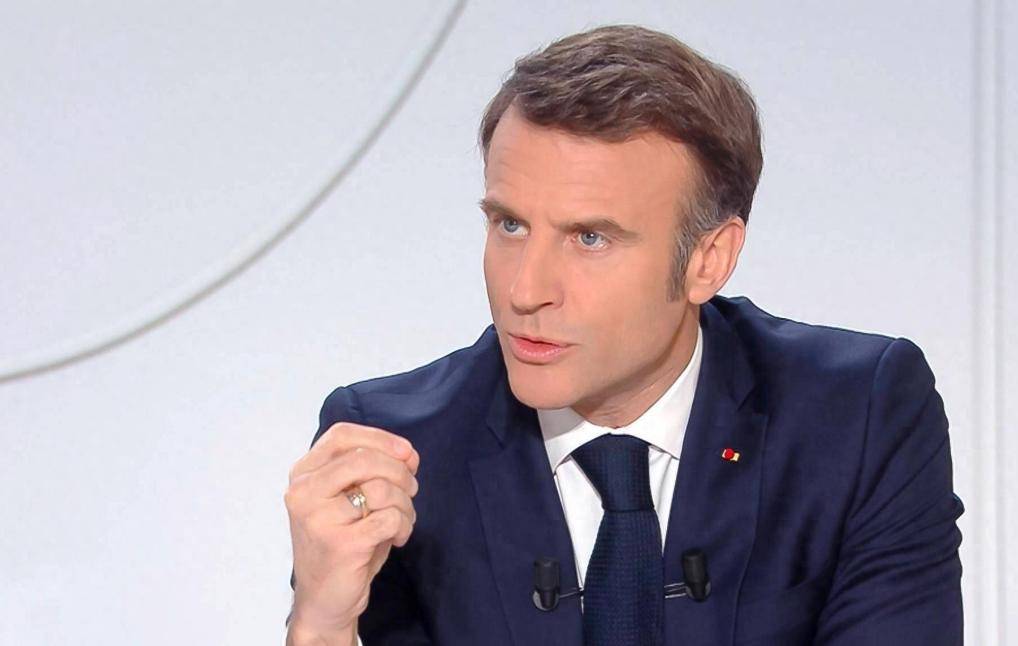
特朗普对华下狠招!160%关税砸向中国?美国这次制裁,损失惨重!
Sou Hu Cai Jing· 2026-02-15 06:51
Group 1 - The U.S. government has imposed anti-dumping duties of up to 160% on graphite products imported from China, significantly escalating trade tensions ahead of a planned visit to China by President Trump [1][3] - The duties include both anti-dumping and countervailing duties, raising the effective tariff on graphite from around 3% to over 160%, which could severely impact U.S. companies reliant on these materials [3][5] - The U.S. imports approximately 180,000 tons of graphite annually, with two-thirds sourced from China, particularly in high-end synthetic graphite where the dependency is even higher at 68% [7] Group 2 - Tesla faces two options: absorb the increased costs, which would reduce profits, or pass the costs onto consumers, potentially affecting already weak electric vehicle sales [8] - The U.S. is attempting to build a supply chain independent of China, but this effort is complicated by the significant time required to establish domestic production capabilities, which could take several years [9][12] - The geopolitical context suggests that the high tariffs may serve as leverage in upcoming negotiations, with the potential for trade-offs in other areas such as agricultural products or aerospace [11][14] Group 3 - The imposition of high tariffs may inadvertently harm U.S. industries, particularly electric vehicle manufacturers, by creating a supply chain crisis before domestic production can ramp up [12] - Chinese companies may seek to adapt by relocating production to other countries, thereby transforming from Chinese manufacturing to global technology [14]
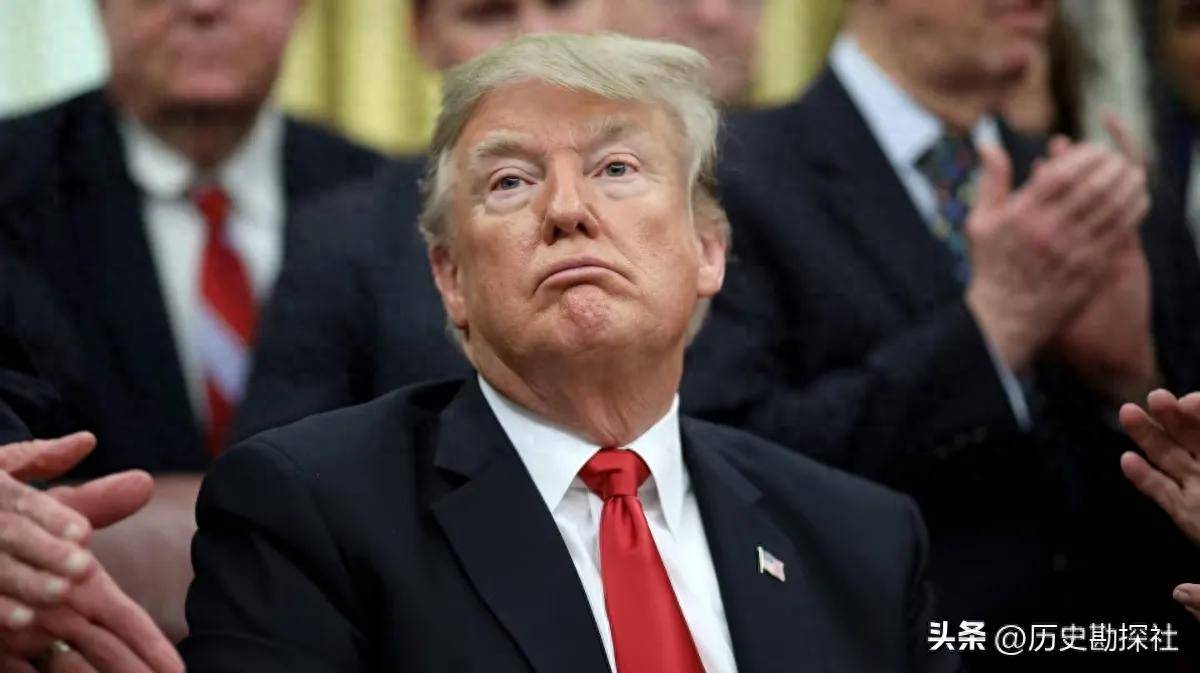
27国要对华加税30%?法国打响第一枪,美财长一句话定义中美关系
Sou Hu Cai Jing· 2026-02-15 03:42
Group 1 - France has proposed a 30% tariff on Chinese goods to address the significant trade deficit with China, suggesting that the EU should either impose these tariffs or allow the euro to depreciate by 20% to 30% against the yuan [1][3][21] - The report indicates that 55% of manufacturing output in the EU is facing direct competition from China, with Germany at 70% and France at 36%, highlighting the pressure on European industries from Chinese manufacturing [7][10] - The proposal reflects a shift in Europe’s stance from free trade to protectionism, as the continent struggles to compete with China's manufacturing capabilities, which are often 30%-40% cheaper [8][10] Group 2 - The report serves as a political maneuver by France to unify EU member states against China, but it may face resistance from countries like Germany and Hungary, which have strong economic ties with China [10][12] - The U.S. has shifted its strategy from aggressive trade wars to a more pragmatic approach, recognizing that tariffs have not effectively reduced the trade deficit with China, which reached $361 billion in 2025 [14][16] - The U.S. is now focusing on domestic manufacturing and reducing risks in key sectors while maintaining trade relations in other areas, indicating a strategic pivot rather than a complete decoupling from China [20][22]
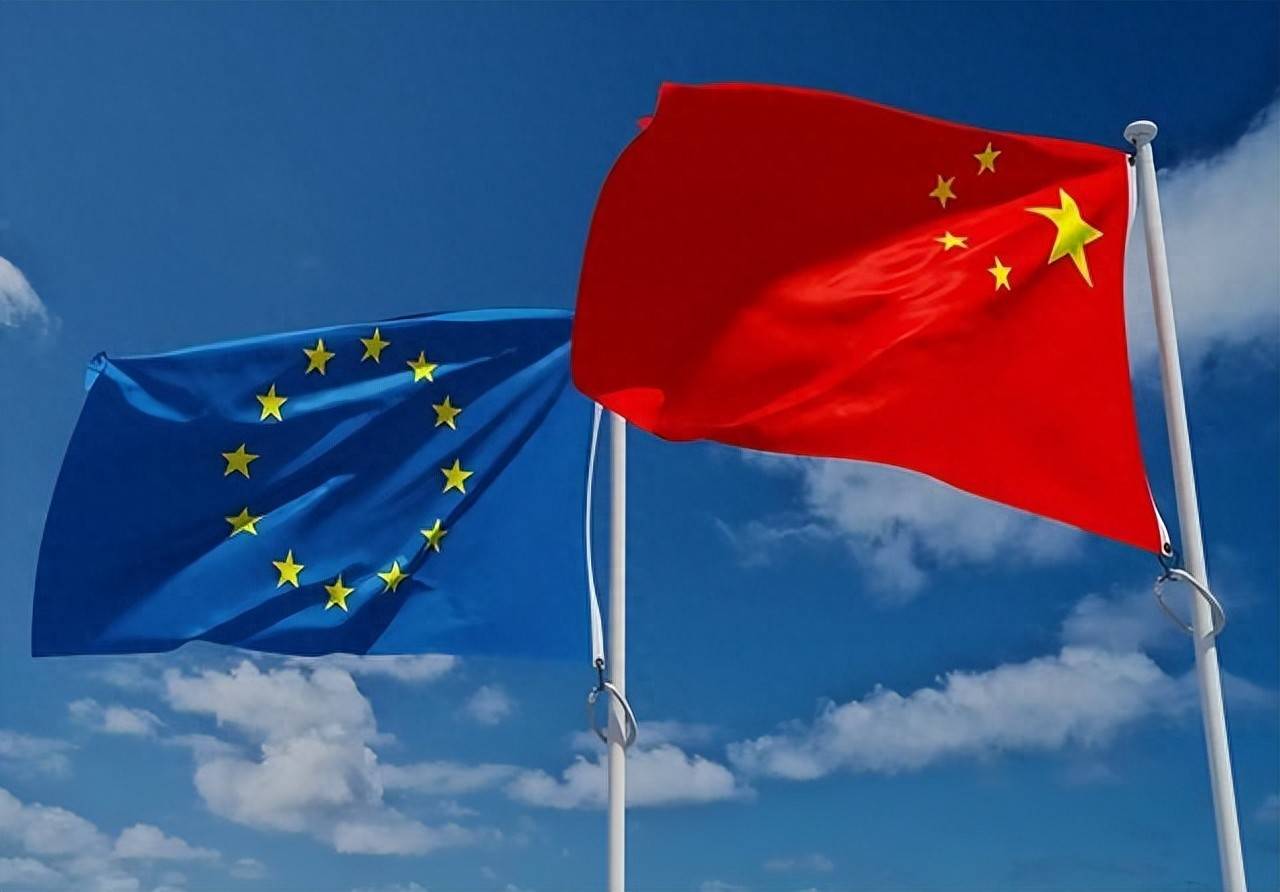
拟对华加税30%,法国欲打第一枪,中方点名警告后,德风向先变了
Sou Hu Cai Jing· 2026-02-15 03:29
Core Viewpoint - France has proposed to the EU to impose approximately 30% tariffs on Chinese goods, driven by concerns over competition from China and the US, as highlighted by President Macron's earlier warnings about Europe's economic vulnerability [1][3]. Group 1: France's Proposal and Economic Context - The proposal for increased tariffs is rooted in France's competitive anxiety, as Europe faces sluggish economic growth and declining manufacturing competitiveness [1]. - An internal EU report indicates that Europe lags significantly behind China and the US in investments in emerging fields such as green technology, artificial intelligence, and quantum computing [1]. - France advocates for a "Europe First" strategy, emphasizing trade protection and industrial support policies, particularly in sectors like renewable energy, automotive, and photovoltaics, where Chinese manufacturing poses a significant challenge [1]. Group 2: Germany's Position and Economic Implications - Germany's cautious stance on the proposed tariffs is influenced by its heavy reliance on exports and close trade ties with China, making it wary of potential negative impacts on its manufacturing sector [3][4]. - German Chancellor Merz highlighted the stark economic growth disparities, noting that China's average annual growth rate over the past 20 years is around 8%, compared to 1% for the EU, urging for reforms to improve internal efficiency and reduce regulatory barriers [3][4]. - Germany's focus is on enhancing its competitiveness rather than imposing trade barriers, reflecting a pragmatic approach to the challenges posed by external competition [4]. Group 3: Future Policy Directions and Global Impact - The future policy direction of the EU will depend on internal coordination among member states, with potential outcomes ranging from increased trade protection to a focus on internal reforms and efficiency improvements [6]. - The choices made by Europe will have significant implications for the global economic landscape, affecting global supply chains and trade systems, given the substantial trade volume and industrial connections between China and the EU [6]. - A confrontational stance could lead to adverse effects for both parties, emphasizing the need for cooperation alongside competition [6].
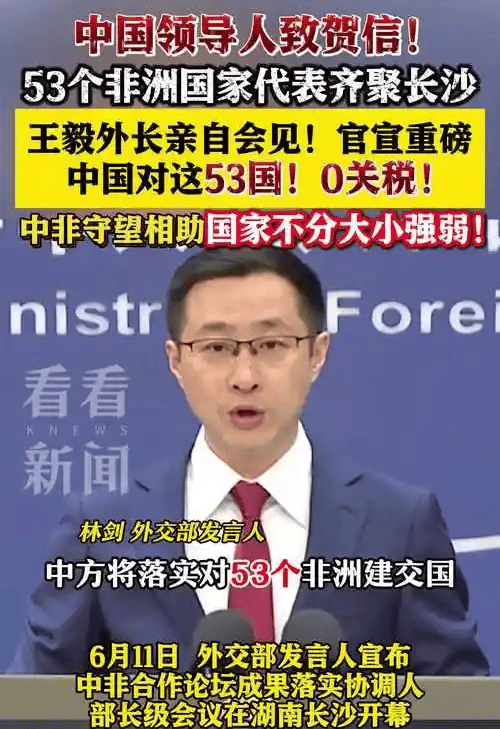
炸屏!中国官宣重大举措:5月起,53个非洲国家商品零关税入华,双向共赢太好哭
Sou Hu Cai Jing· 2026-02-15 01:31
Core Viewpoint - China officially announced that starting from May 1, 2026, it will implement 100% zero tariffs on products from 53 African countries, allowing compliant goods to enter the Chinese market without any hidden barriers [1][3]. Group 1: Zero Tariff Implementation - The zero tariff policy covers 53 African countries, including major economies, excluding Eswatini, which maintains diplomatic relations with Taiwan [3]. - This initiative includes a wide range of products, from Ethiopian coffee and Tanzanian cashews to Liberian rubber and South African wine, allowing compliant products from these countries to enter China without tariffs [3][5]. Group 2: Economic Impact on Africa - The zero tariff policy is seen as a significant development opportunity for Africa, as it will enhance the price competitiveness of African goods in the global market, which have previously faced high tariffs [5]. - For instance, Ethiopian coffee exports are expected to grow at an annual rate of 27% due to the removal of tariffs, potentially allowing African coffee to be sold at lower prices in China [5]. Group 3: Benefits for Chinese Consumers - Chinese consumers can expect a price reduction of 20%-40% on African products such as cashews and avocados, making these high-quality items more accessible [7]. - The import of zero-tariff African raw materials will also lower production costs for domestic companies, allowing them to invest in research and development [7][8]. Group 4: Broader Implications - This move by China counters the rising trend of unilateralism and trade protectionism globally, showcasing China's commitment to multilateralism and cooperation with African nations [8]. - The historical context of China's support for Africa is highlighted, showing a consistent effort over two decades to enhance trade relations, culminating in this comprehensive zero tariff policy [10].