城市更新

Search documents
中泰证券戴志锋:未来城市更新将更加注重功能完善和品质提升
Zheng Quan Shi Bao Wang· 2025-12-14 14:18
(原标题:中泰证券戴志锋:未来城市更新将更加注重功能完善和品质提升) 人民财讯12月14日电,12月14日,中泰证券研究所所长、金融研究大组组长戴志锋表示,今年的中央经 济工作会议将"坚持内需主导,建设强大国内市场"列为明年首要任务,充分体现了扩大内需在经济工作 全局中的重要地位。投资端"推动投资止跌回稳"的表述直指当前痛点。今年以来固定资产投资增速持续 放缓,特别是房地产投资和民间投资压力较大。"高质量推进城市更新"被单独提出,其深意在于:城市 更新不同于传统的大拆大建,更加注重功能完善和品质提升,投资周期长、带动效应强,能够成为对冲 房地产投资下行的重要抓手。 ...

样本城市周度高频数据全追踪:新房网签面积同比降幅收窄,二手房网签面积同比降幅扩大-20251214
CMS· 2025-12-14 12:01
证券研究报告 | 行业定期报告 2025 年 12 月 14 日 新房网签面积同比降幅收窄,二手房网签面积同比降幅扩大 推荐(维持) ——样本城市周度高频数据全追踪 周期/房地产 一、核心要点 图 1:样本城市新房及二手房网签面积同比(截至 12 月 11 日) 资料来源:Wind、房管局、招商证券等 表 1:样本城市新房及二手房网签面积同比(截至 12 月 11 日) | 新房(12 | 月 | 1 日-12 月 | 11 日) | 二手房(12 | 月 | 1 日-12 月 | 11 日) | | --- | --- | --- | --- | --- | --- | --- | --- | | 城市能级 | 同比 | 较 | 11 月 | 城市能级 | 同比 | 较 | 11 月 | | 样本城市 | -30% | -收窄 | +5 PCT | 样本城市 | -34% | -扩大 | -19 PCT | | (39 城) | | | | (16 城) | | | | | 一线城市 | -31% | -收窄 | +10 PCT | 一线城市 | -32% | -扩大 | -7 PCT | | (4 城) ...
上海求解写字楼去化难题
Sou Hu Cai Jing· 2025-12-13 06:57
Core Insights - The transformation of the Meixin Building into the Suhe Meixin Apartment reflects a strategic shift in response to the changing demand for residential spaces over office spaces in Shanghai [3][4][11] - The project has seen significant interest, with nearly half of the 238 units signed within two months of opening, attracting both expatriates and local professionals [2][3] Group 1: Project Background - The Meixin Building, originally an office building completed in 2001, was underutilized with rental rates significantly below the average for Grade A office spaces in Shanghai [3][11] - The decision to convert the building into affordable rental housing was influenced by a 2021 assessment of the company's real estate assets, revealing a higher future demand for residential properties [3][4] - The Shanghai government has been supportive of such conversions, having established policies since 2018 to allow non-residential buildings to be repurposed for rental housing [3][4] Group 2: Market Context - The high-end rental market in Huangpu District, where the Meixin Building is located, has been identified as underserved, with a lack of quality apartments and high rental prices [4] - The average rental price for Grade A office buildings in Shanghai has been declining, with a notable drop from 7.4 yuan per square meter per day in 2020 to 6.6 yuan in 2024 [11] - The overall vacancy rate for office buildings in Shanghai has been increasing, prompting a city-wide initiative to upgrade and repurpose older commercial properties [11][12] Group 3: Implementation Challenges - The conversion of older office buildings into residential spaces involves significant challenges, including the need for extensive renovations of internal systems and compliance with updated safety standards [6][11] - The lack of precedent for such conversions posed difficulties in design and regulatory approval processes, requiring teams to dig through archives for original building plans [7][11] - The project has benefited from recent government initiatives aimed at streamlining the approval process for such transformations, facilitating quicker project execution [15][17]


权威访谈|访上海市人民政府副市长张小宏:“拎马桶”改造,始终围绕“人”的需求展开
Xin Lang Cai Jing· 2025-12-12 23:27
"拎马桶"改造,始终围绕"人"的需求展开(权威访谈) ——访上海市人民政府副市长张小宏 本报记者 吴 焰 田 泓 巨云鹏《人民日报》(2025年12月13日 第 04 版) 今年9月,上海总体完成无卫生设施旧住房提升改造工作,也就是俗称的"拎马桶"改造,历史性地解决 了这一困扰上海多年的民生难题。上海如何生动践行人民城市理念,跑赢这场跨越数十载的民生长跑? 迈向"十五五",上海又将如何以城市更新为抓手,继续推动城市更高质量发展?近日,本报记者采访了 上海市副市长张小宏。 接力三十余载,围绕"人"的需求改善居住条件 记者:从上世纪90年代起,上海拉开了大规模解决"拎马桶"这一民生难题的序幕。回望这一过程,是否 极为不易? 张小宏:的确如此。上世纪90年代初,上海城镇人均居住面积仅6.6平方米,住房成套率不到1/3,大多 数居民生活在不成套职工住宅、里弄房屋、简屋里,几户甚至十几户居民合用厨卫设施,许多还在使用 手拎马桶。面对市民迫切改善居住条件的呼声,历届上海市委、市政府高度重视,紧紧围绕改善居住条 件,把统筹旧区改造、环境建设和城市发展作为重要的民生和发展工作,持之以恒推进。 1992年,上海提出"要在本世纪 ...
“拎马桶”改造,始终围绕“人”的需求展开(权威访谈) ——访上海市人民政府副市长张小宏
Ren Min Ri Bao· 2025-12-12 22:24
今年9月,上海总体完成无卫生设施旧住房提升改造工作,也就是俗称的"拎马桶"改造,历史性地解决 了这一困扰上海多年的民生难题。上海如何生动践行人民城市理念,跑赢这场跨越数十载的民生长跑? 迈向"十五五",上海又将如何以城市更新为抓手,继续推动城市更高质量发展?近日,本报记者采访了 上海市副市长张小宏。 接力三十余载,围绕"人"的需求改善居住条件 记者:从上世纪90年代起,上海拉开了大规模解决"拎马桶"这一民生难题的序幕。回望这一过程,是否 极为不易? 张小宏:的确如此。上世纪90年代初,上海城镇人均居住面积仅6.6平方米,住房成套率不到1/3,大多 数居民生活在不成套职工住宅、里弄房屋、简屋里,几户甚至十几户居民合用厨卫设施,许多还在使用 手拎马桶。面对市民迫切改善居住条件的呼声,历届上海市委、市政府高度重视,紧紧围绕改善居住条 件,把统筹旧区改造、环境建设和城市发展作为重要的民生和发展工作,持之以恒推进。 1992年,上海提出"要在本世纪末完成市区范围内365万平方米的危棚简屋改造",拉开了大规模旧区改 造的序幕。到2000年底,共改造旧住房约2292万平方米,约68万户居民圆了"新居梦"。 进入新世纪,新一 ...
如何“着力稳定房地产市场”
Zheng Quan Ri Bao· 2025-12-12 16:23
Group 1 - The central economic work conference held on December 10-11 in Beijing emphasized the need to stabilize the real estate market by implementing city-specific policies to control new supply, reduce inventory, and improve supply quality [1] - The conference highlighted the importance of encouraging the acquisition of existing residential properties for affordable housing, utilizing local government special bond funds to acquire idle land, which provides a rigid channel for digesting existing housing stock [2] - The meeting proposed a high-quality approach to urban renewal, linking it with stabilizing the real estate market through the renovation of old neighborhoods and urban villages, thereby restoring the value of existing housing and stabilizing asset price expectations [2] Group 2 - The conference indicated that by 2026, there will be substantial financial and land policy support for urban renewal, including innovative financial products and increased flexibility in land policies to enhance market participation [3] - The ongoing debt resolution efforts in the real estate sector are crucial, with 21 distressed companies having completed debt restructuring totaling approximately 1.2 trillion yuan, alleviating short-term repayment pressures [4] - The meeting outlined a direction for risk mitigation in the real estate sector by promoting differentiated handling of debt issues based on the risk levels of different companies, thereby assisting in liquidity relief and restructuring [4]
青岛住建:历史城区蝶变、保障房供给创新高
Qi Lu Wan Bao· 2025-12-12 13:53
齐鲁晚报·齐鲁壹点记者 赵波 从谋划十余年的双山隧道开工建设、胶州湾第二隧道主线掘进超七成,到53个老旧小区改造惠及1.56万 户居民、136个城中村改造让20个村居民喜迁新居;从全国率先推出"好房子"建设标准体系,到配售型 保障房"以需定购"模式获市场认可、首批房源当日售罄……2025年,青岛市住房和城乡建设局深入贯彻 落实青岛市委、市政府决策部署,真心实意惠民生、真招实策稳增长、真抓实干促转型,以扎实的工作 成效回应市民期待,努力让城市发展更有温度,让民生福祉更有保障,交出一份"城市让生活更美好"的 住建答卷。 编者按:2025年青岛市政府部门"向市民报告、听市民意见、请市民评议"活动(即"三民"活动)已经启 动。为更好地倾听民声、尊重民意、顺应民心,充分展示今年以来政府各部门认真贯彻落实市委、市政 府部署要求,扎实做好稳增长、提质效、促改革、惠民生、防风险各项工作取得的新进展新成效,齐鲁 晚报·齐鲁壹点将陆续刊登各部门亮点工作情况。 坚持有机更新、建改并重,城市品质更加彰显 青岛深化全国首批中央财政支持城市更新行动城市建设,保障全市城市工作会议圆满召开,擘画今后一 段时期城市发展蓝图。 一是完善市政路网 ...
安徽淮南高效推进老旧小区改造民生工程
Zhong Guo Qing Nian Bao· 2025-12-12 12:51
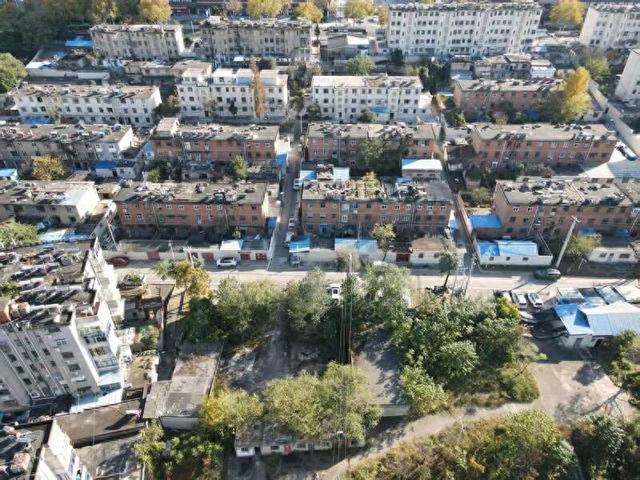
Core Insights - The project in Tianjiaan District is a significant urban renewal initiative in Huainan, Anhui Province, focusing on the renovation of old residential communities, with 32 out of 47 planned communities completed, achieving nearly 70% progress [1] Group 1: Project Overview - The urban renewal project involves the renovation of 268 old residential communities, covering a total building area of approximately 5.04 million square meters, benefiting around 57,000 households [1] - The Tianjiaan District project specifically targets 47 communities, with renovation tasks affecting about 22,000 households [1] Group 2: Construction and Management - China Energy Construction Group is the contractor, implementing tailored solutions to enhance urban functionality and preserve historical context, overcoming construction challenges [1] - The project includes the renovation of 49,700 meters of underground pipelines, with an average of over 90 excavators and 400 workers deployed daily to ensure efficient construction while protecting existing infrastructure [3] - The project utilizes over 100 aerial work platforms to replace traditional scaffolding, achieving a rapid completion of 570,000 square meters of exterior renovations within 90 days [5]

熊征宇调研东湖风景区、江汉区、青山区:加力提效实施“五改四好”城市更新,以城市发展方式转变带动经济发展方式转变
Chang Jiang Ri Bao· 2025-12-12 12:43
Group 1 - The core message emphasizes the implementation of the "Five Reforms and Four Goods" urban renewal strategy to promote high-quality urban development and economic transformation [1][2] - The focus is on ecological protection and green development in the East Lake Scenic Area, aiming to enhance tourism and improve infrastructure [1] - In Jianghan District, the strategy includes fostering new pillar industries and integrating cultural, tourism, and sports sectors to enhance urban renewal [2] Group 2 - In Qingshan District, the emphasis is on industrial transformation and innovation, particularly in traditional sectors like steel and petrochemicals, to revitalize the local economy [2] - The approach includes deepening cooperation between central and local governments, enhancing service mechanisms, and promoting community involvement in urban projects [2]

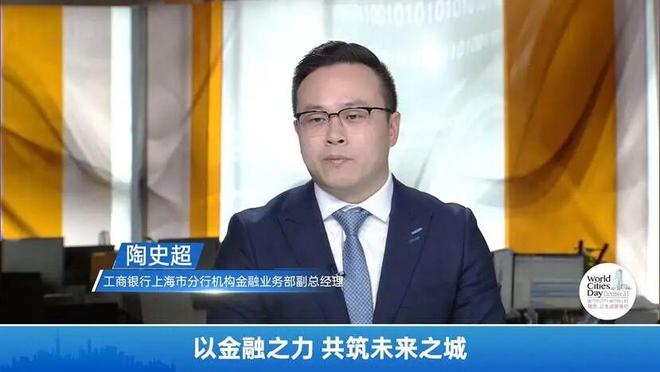
以金融之力,共筑未来之城
Di Yi Cai Jing Zi Xun· 2025-12-12 12:06
Core Viewpoint - The financial sector is becoming a crucial driving force for high-quality urban development, as highlighted during the 2025 Urban Sustainable Development Conference [1]. Group 1: Urban Development Initiatives - The Industrial and Commercial Bank of China (ICBC) Shanghai Branch is actively involved in promoting sustainable urban development through various initiatives [3]. - The bank supports digital city construction, urban renewal, and improvements in people's livelihoods, while also focusing on green finance and low-carbon innovation [3]. Group 2: Future Commitment - ICBC aims to maintain its commitment to serving the public by leveraging smarter technology, innovative products, and high-quality services [3]. - The bank envisions itself as a long-term partner in the evolution of Shanghai, collaborating with the city to create a better future [3].